
Most people assume keeping potted plants alive while away requires expensive gadgets or a trustworthy neighbor with a watering can. The reality is far simpler. Sitting in your recycling bin right now is one of the most effective slow-release irrigation tools available to any home gardener.
That item is an empty wine bottle. It’s been quietly doing the rounds in gardening communities for years, and the science behind it is surprisingly solid. Here’s everything you need to know about how it works, why it works, and how to make the most of it.
The Simple Method That Sparked a Gardening Trend
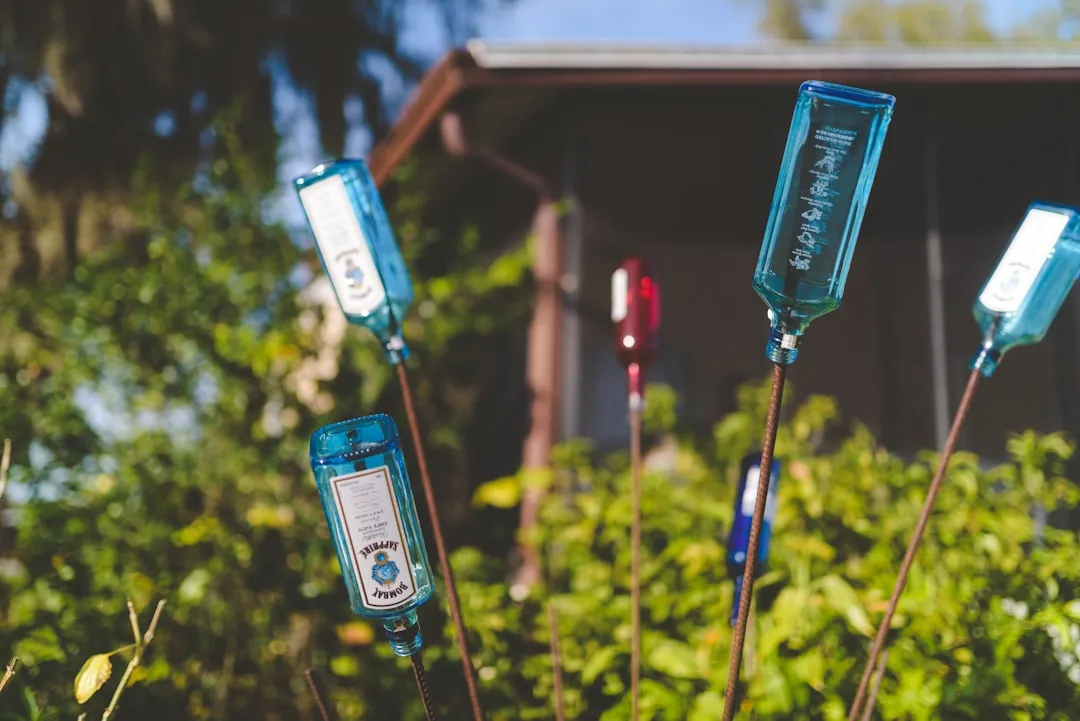
An empty wine bottle can be made into a perfect slow-drip irrigation system to water houseplants and container gardens. The setup takes only minutes: fill the bottle with clean water, cover the opening with your thumb, flip it upside down, and push the neck into the soil near your plant’s root zone. The weight distribution of water in the inverted bottle means the water won’t rush into the soil all at once. Instead, it will slowly trickle out over the next few days.
Repurposing empty wine bottles as slow-release irrigation devices has surged in popularity among balcony gardeners, urban homesteaders, and sustainability-conscious growers. The method requires no special equipment, no power, and no timers. It’s a genuinely elegant solution hiding in plain sight.
The Physics Behind the Drip: How a Bottle Regulates Itself
When engineered properly, a wine bottle functions as a gravity-fed, low-pressure emitter, releasing water slowly into the root zone via capillary draw and minor pressure differentials. Unlike drip emitters that deliver precise milliliters per hour, wine bottles rely on three physical variables: bottle orientation, soil moisture tension, and air exchange at the neck.
The capillary action of the plant’s roots in the soil means that water slowly seeps out into the soil as the plant uses it in photosynthesis. Additionally, air from the slowly drying soil has to rush in and replace the water. As there is no air in the water to quickly displace the water, this process happens very slowly.
Upon entering the soil, a plug will form in the bottle’s neck, which will keep the water from immediately draining out. Over the next few weeks, the water in the bottle will gradually seep into the soil, providing the plant with a slow, steady supply of irrigation.
How Long Does One Bottle Actually Last?
A single 1.5-liter wine bottle can deliver water to a plant for anywhere from four to six weeks. Even smaller bottles can still give a couple of weeks’ worth of irrigation from a single fill-up. That’s remarkable staying power for something most people throw in the recycling without a second thought.
It is a technique that can keep a plant saturated for around three to four days at the lower end. A wine bottle works best for this purpose because it’s both sturdy and capable of holding a large amount of water. However, any bottle with a small mouth will also work just fine. The actual duration depends heavily on pot size, plant species, ambient temperature, and how porous your soil mix is.
Why One Heavy Watering Before You Leave Isn’t Enough
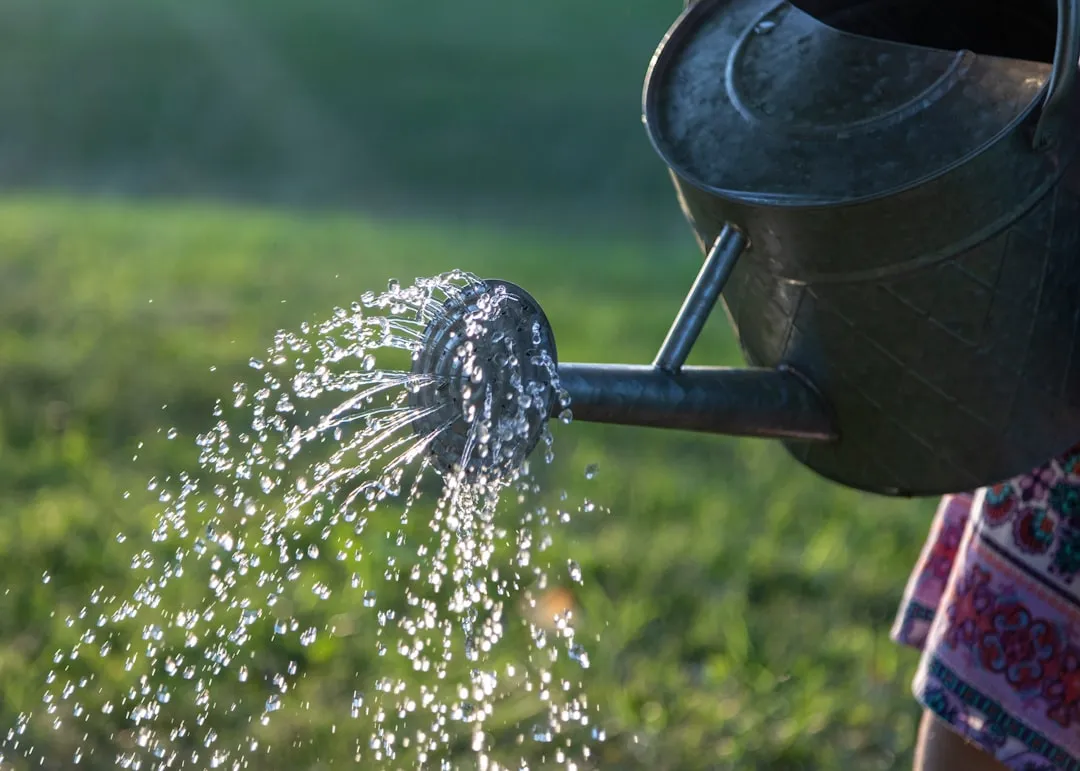
Plants need a slow and steady water source when you’re away. Just one heavy watering before you head out doesn’t do the plant any good, as it just floods the pot and then the soil quickly dries out. This is a common mistake, and it’s one of the main reasons people return from trips to wilted or dead plants despite their best efforts.
The plant has a chance to absorb the water at an even pace and have it work its way through the soil to the roots. This wine bottle waterer will keep your plants evenly hydrated for several days. Consistent moisture, delivered gradually, is what roots actually need.
What Plants Benefit Most (and Which Ones to Skip)
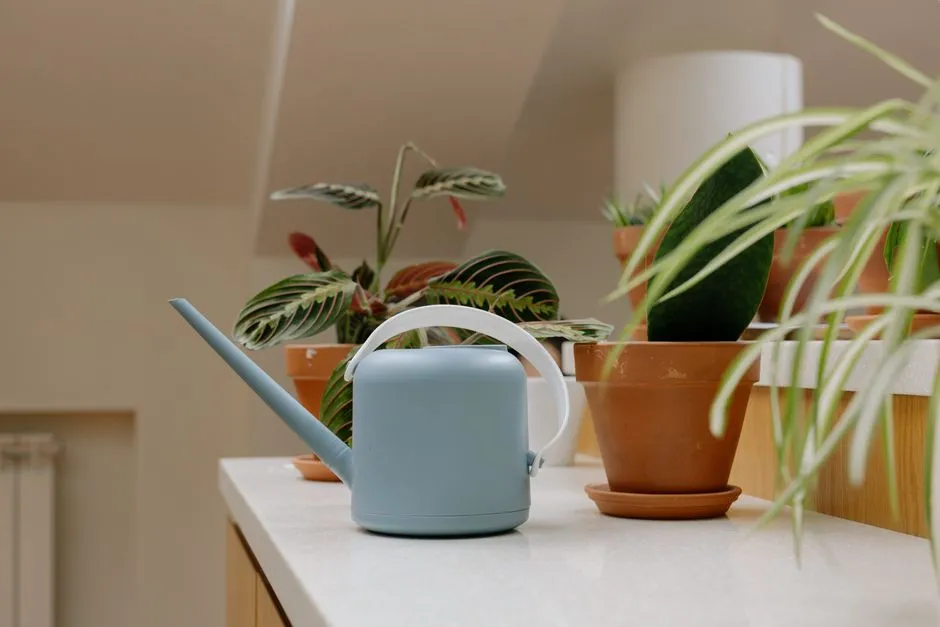
This method works best for medium-rooted, drought-tolerant perennials such as lavender, rosemary, and sedum in well-draining potting mixes, and is not ideal for shallow-rooted ferns, moisture-sensitive orchids, or seedlings. Knowing your plant’s preferences before committing to any self-watering setup is always worth the two minutes of research.
It is a supplemental irrigation tool, not a replacement for observation-based watering. Even the best passive system benefits from occasional checks. No single plant, soil type, or capillary system will be foolproof enough to “set it and forget it” long-term, so even the best system will need regular care and attention.
The Wick Upgrade: Adding a Cotton String for Even Better Results

The concept for self-watering is relatively simple. It relies on a scientific principle known as capillary action. Something absorbent, in this case a cotton rope, is placed in a water source. Capillary action causes an uptake of the liquid, which is how the water gets to the plant.
A wick watering system uses capillary action to draw water from a container into the soil. One end of a cotton string or thick yarn is placed in a water-filled jar, and the other is buried in the potting soil. The wick continuously transfers water to the soil as it dries out. Pairing this with a wine bottle reservoir creates a notably reliable and inexpensive system that many experienced gardeners swear by.
The Clear Plastic Bag: A Second Household Trick Worth Knowing
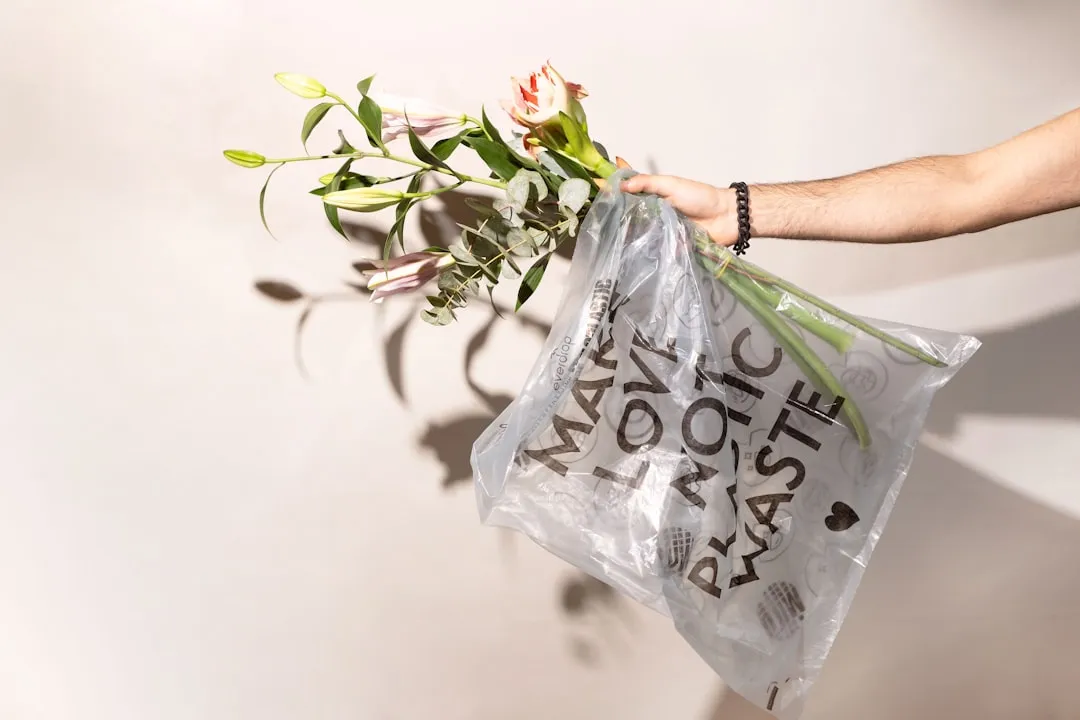
The use of plastic bags to cover indoor plants helps them retain moisture and maintain a high level of humidity. A plastic bag cover can also be used to speed up seed germination or to protect outdoor plants from frost damage. It’s one of the more underrated tools in the home gardener’s kit.
Plants under plastic bags retain moisture and even capture what the plants produce by transpiration. Moisture is trapped within the confines of the plastic bag and will condense as the temperature cools. The plant then reuses this water either by absorption through the stomata or from the soil. It’s like a mini-ecosystem.
Don’t use plastic bags as a greenhouse for succulents, though, as they can definitely tolerate neglect, but won’t tolerate this kind of moisture. For most tropical houseplants, however, the bag method can buy several days of comfortable hydration without any fuss.
Water Efficiency: What the Research Shows
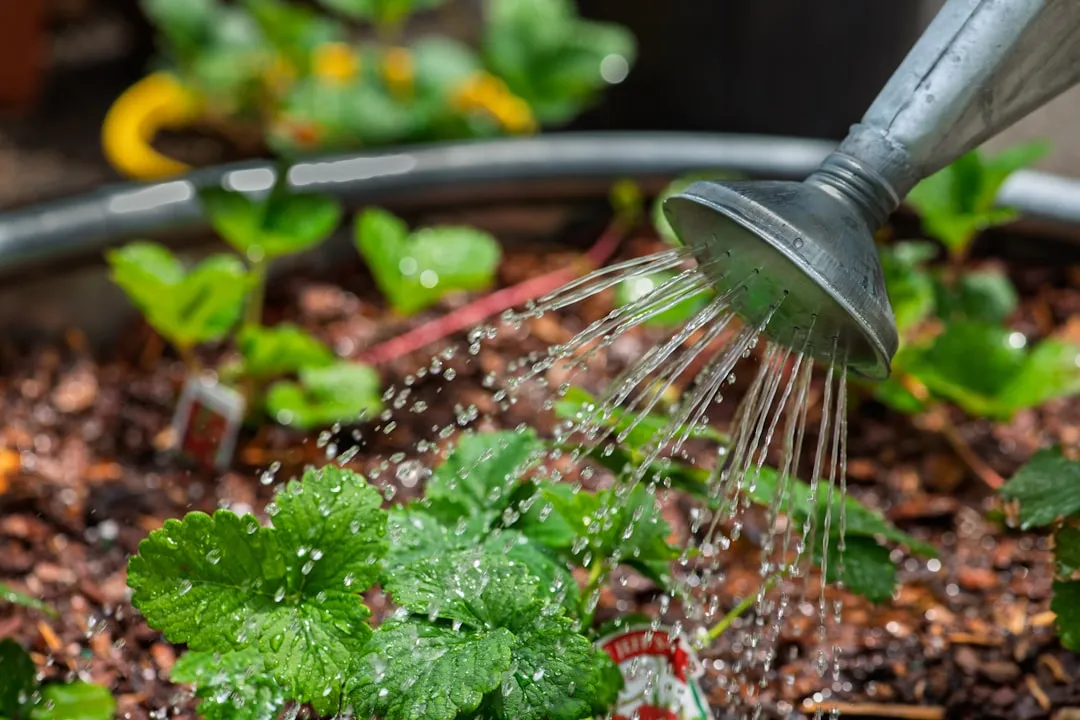
Research from the University of Florida IFAS Extension confirms that bottom-fed systems reduce water loss by 35 to 45 percent compared to overhead irrigation in container-grown foliage plants, and extend time between waterings by 5 to 12 days depending on ambient humidity, light intensity, and pot size. That’s a meaningful edge for anyone trying to reduce water usage at home.
This dual-mechanism system self-regulates: water flows only when roots demand it. In contrast, traditional top-watering floods the entire profile, often leaving lower roots oxygen-starved while upper layers evaporate rapidly. Efficiency and plant health both benefit when water delivery is kept close to the root zone.
Maintaining the Bottle System Over Time
A well-maintained wine bottle waterer lasts longer than most mechanical timers, but it requires quarterly attention. Every 30 days, remove the bottle, rinse the interior with white vinegar, and scrub the neck with a pipe cleaner. Inspect for calcium deposits and soak in a vinegar-water solution if present.
The issue with watering only from the bottom is that you eventually get built-up salt, minerals, and other residue in the container, while watering from the top occasionally helps to leach them out before they reach levels detrimental to the plant. A periodic top flush of the entire pot keeps the soil chemistry balanced and the bottle system working well.
Tips for Getting the Setup Right the First Time
Set up your system a few days early to ensure consistent water flow before you actually need to rely on it. Soil type matters more than most people expect. Ideal media for wine bottle irrigation contains a balanced mix of coarse particles. Simply poking a hole in a cork and burying a full bottle upside-down rarely works long-term and often leads to root rot, uneven moisture distribution, or fungal growth. Effective use requires understanding capillary action, soil texture, evapotranspiration rates, and plant root architecture.
A thin mulch layer keeps soil cool and prevents evaporation, and lowering light exposure during your absence helps reduce overall water loss. Small adjustments like these can meaningfully extend how long a single bottle keeps your plant comfortable.
Conclusion: The Smartest Thing in Your Recycling Bin
The wine bottle hack works because it respects how plants actually drink. Roots don’t want a flood. They want a slow, steady supply of moisture that matches their rate of uptake, and the physics of an inverted bottle deliver exactly that. No batteries, no subscriptions, no complicated assembly.
Whether you’re heading out for a long weekend or just tired of guessing when to water, this method offers something surprisingly rare: a solution that’s simultaneously free, effective, and rooted in real plant science. The best gardening tools sometimes aren’t sold. They’re rinsed out and repurposed.
AI Disclaimer: This article was created with the assistance of AI tools and reviewed by a human editor.