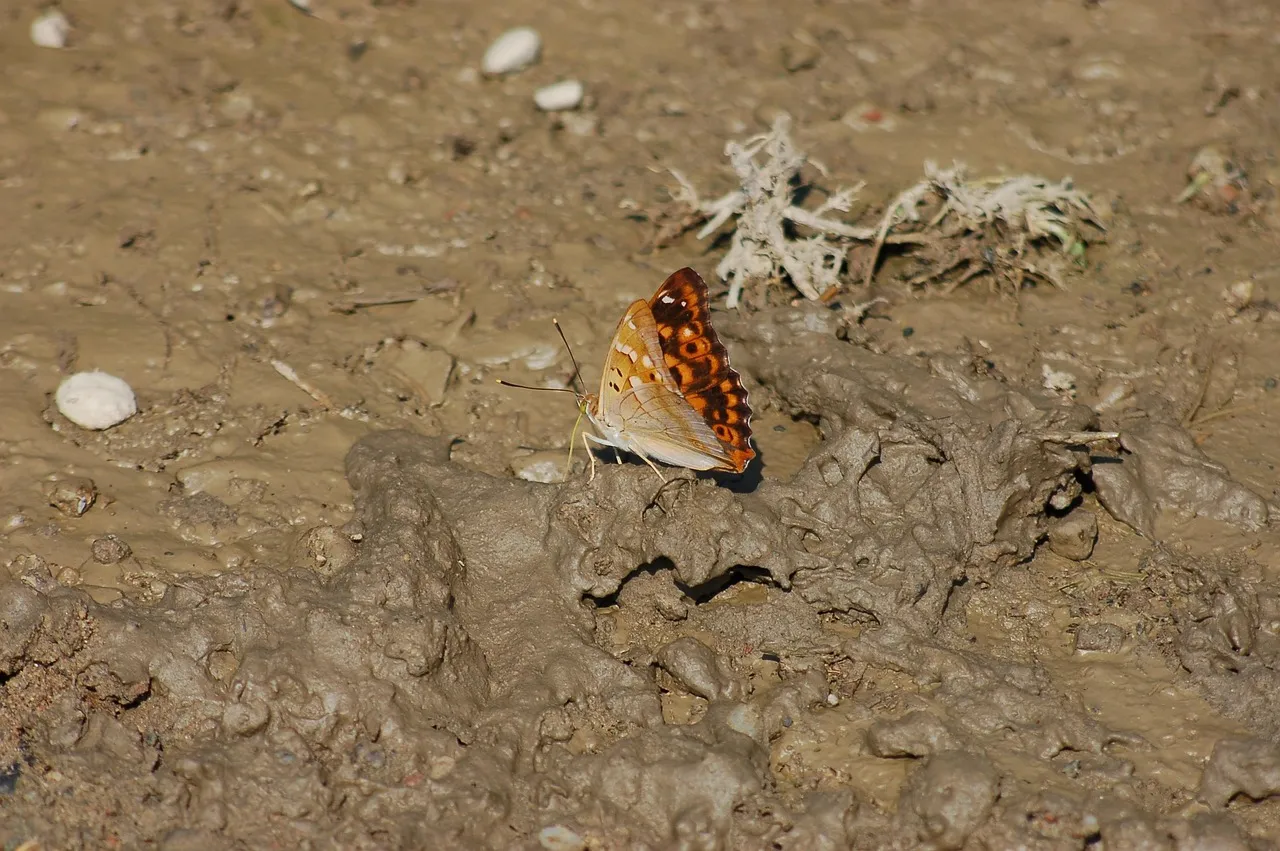

Most people picture butterflies hovering over flower beds, working their way from bloom to bloom. That image is accurate but incomplete. There’s a quieter, stranger side to butterfly life happening at ground level, in patches of wet soil and shallow muddy pools that most of us walk right past without a second thought.
The behavior is called puddling, and it turns out it’s not incidental. For many butterfly species, it’s as essential as nectar itself.
Butterflies Are Losing Ground, Fast
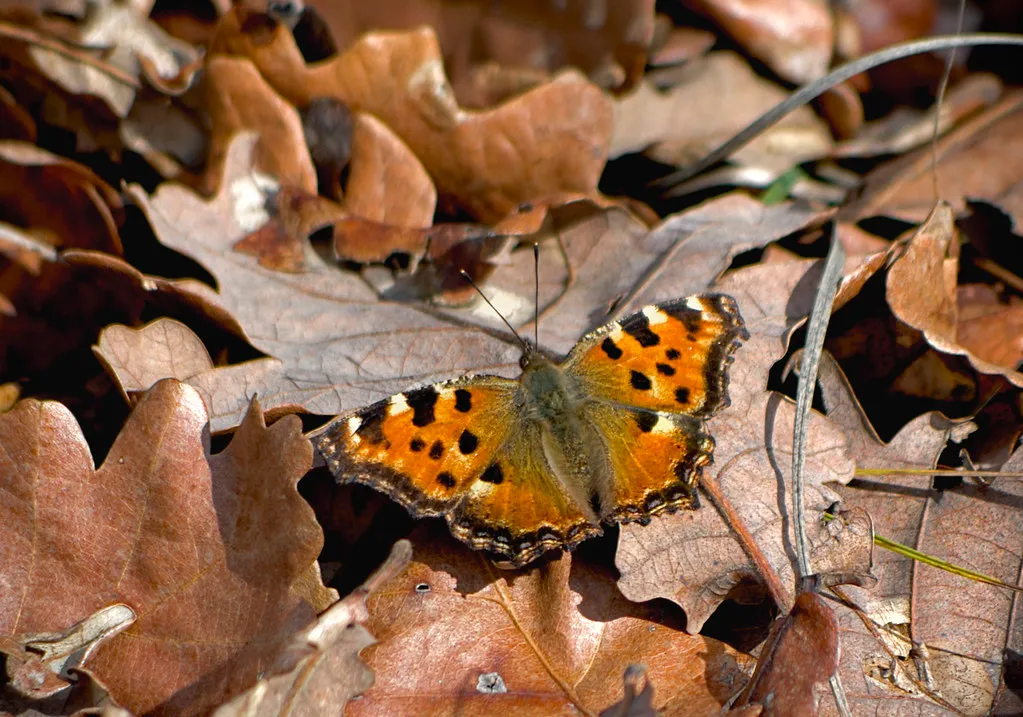
Before getting into why mud matters, it helps to understand just how precarious the butterfly situation has become. A major study published in the journal Science found that total butterfly abundance in the United States declined by 22% from 2000 to 2020, meaning that for every five butterflies seen two decades ago, only four remain today.
The first countrywide systematic analysis found that butterfly numbers have been falling on average 1.3% a year since 2000, with 114 species showing significant declines and only nine increasing. These declines have been linked to climate change, habitat loss, and invasive species. Against this backdrop, every small habitat feature we can preserve or create for butterflies carries real weight.
What Puddling Actually Is
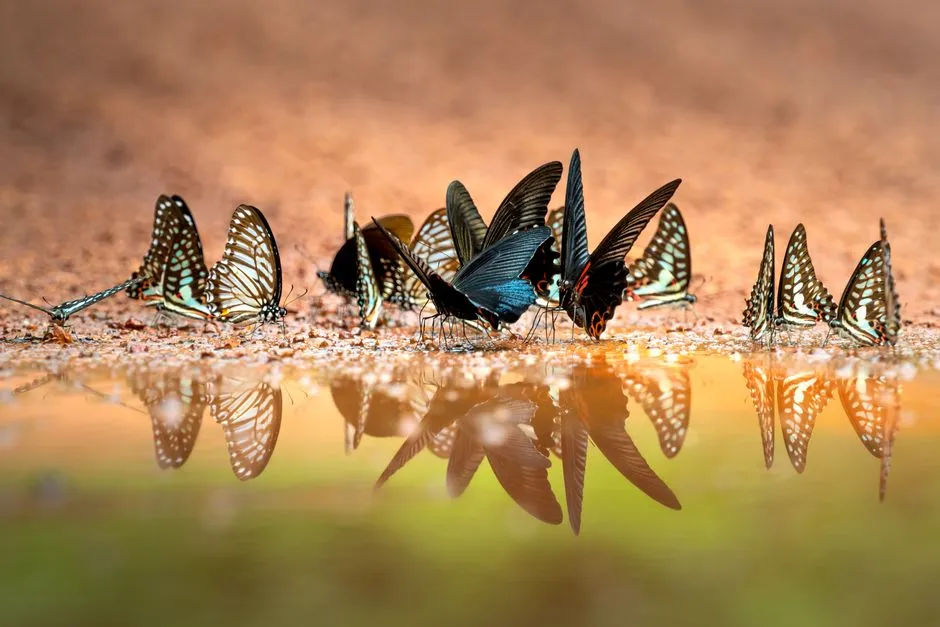
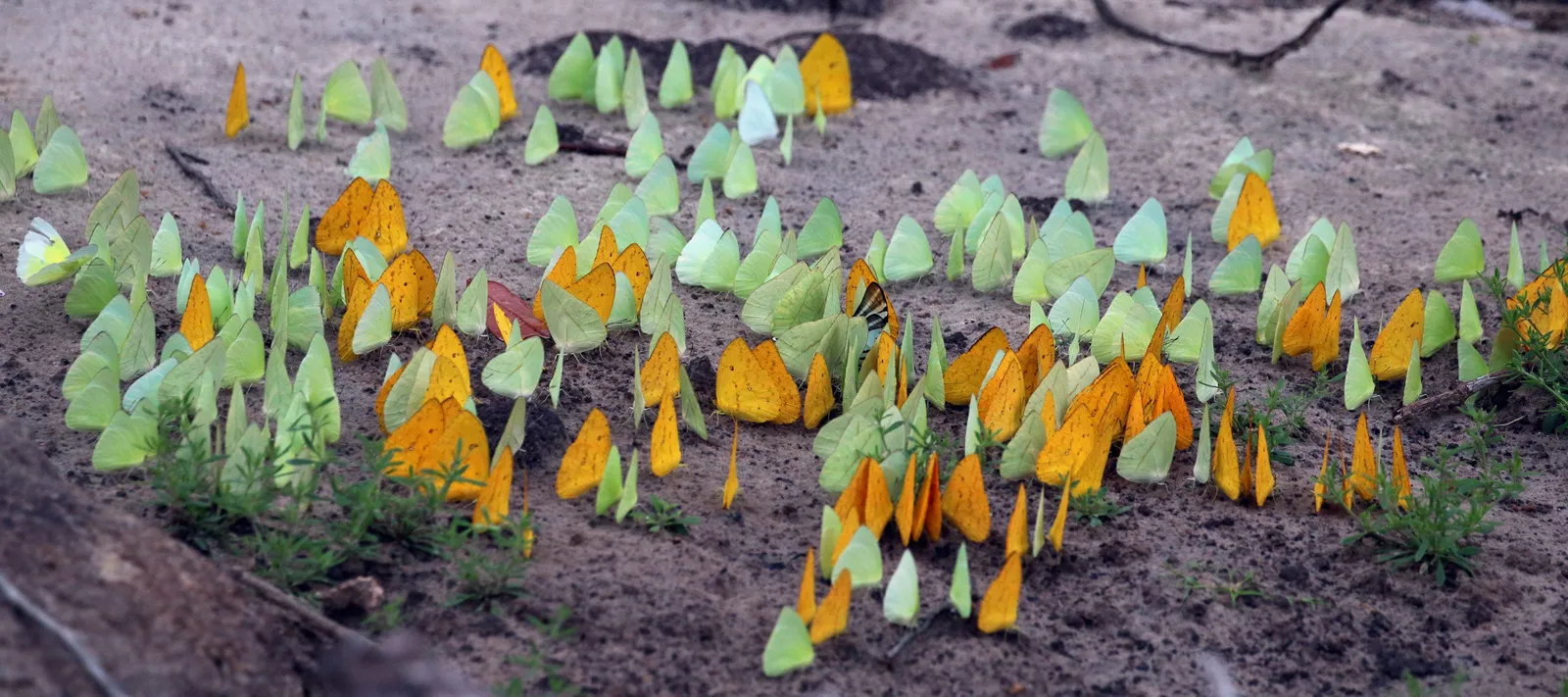
Puddling is a behavior where butterflies gather around damp or muddy areas to sip on mineral-rich water. It looks casual from a distance, but it’s purposeful and driven by a very specific nutritional need. Butterflies, moths, and other insects land on wet soil, puddles, dung, or rotting fruit and drink the liquid to extract nutrients they can’t get from nectar alone.
Puddling is a well-documented phenomenon in both temperate and tropical regions, with butterflies and other insects aggregating on mineral-rich substrates such as mud, animal excrement, carrion, and even human perspiration. It’s one of those behaviors that looks odd until you understand what’s going on beneath the surface.
Nectar Is Not Enough
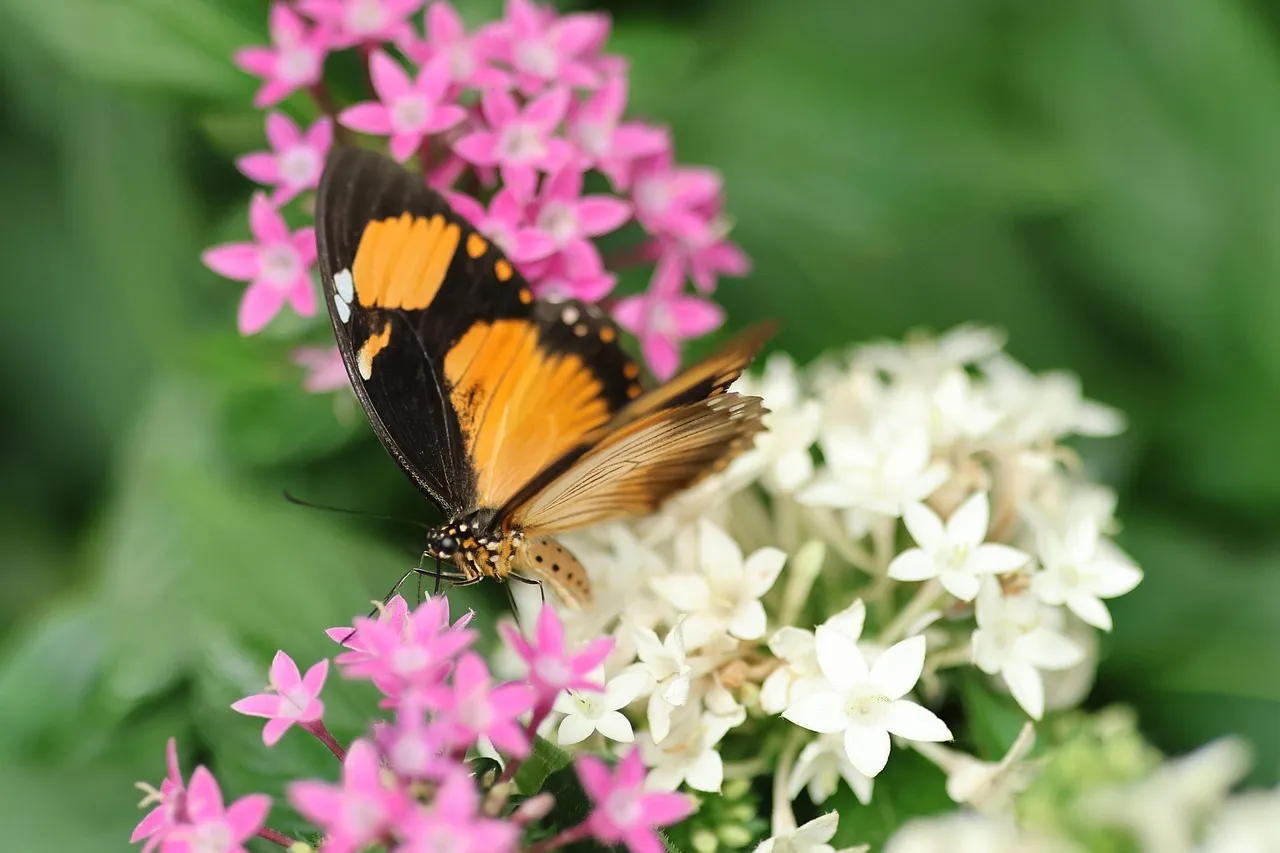
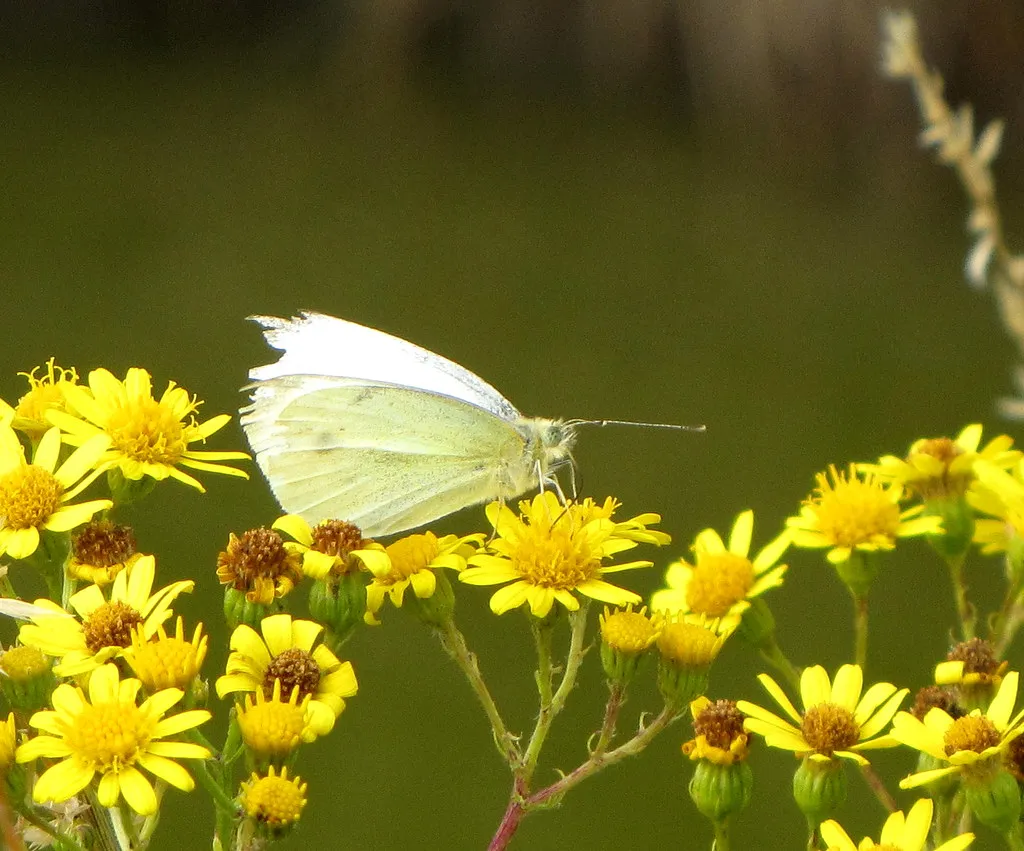
Butterflies primarily feed on nectar, which provides them with sugars for energy. However, nectar lacks many essential nutrients, such as sodium and amino acids. Think of it like surviving on energy drinks alone. You get the quick fuel, but the building blocks for long-term function are missing.
Nectar is rich in sugars but extremely low in salts and minerals, so males supplement their diet by sipping from mineral-rich wet surfaces. This behavior is thought to compensate for the limited access to micronutrients in the adult diet that are important for fitness, primarily sodium and nitrogen, essential for nervous system function, growth, and reproductive processes.
The Sodium Story: Why This Mineral Is Central
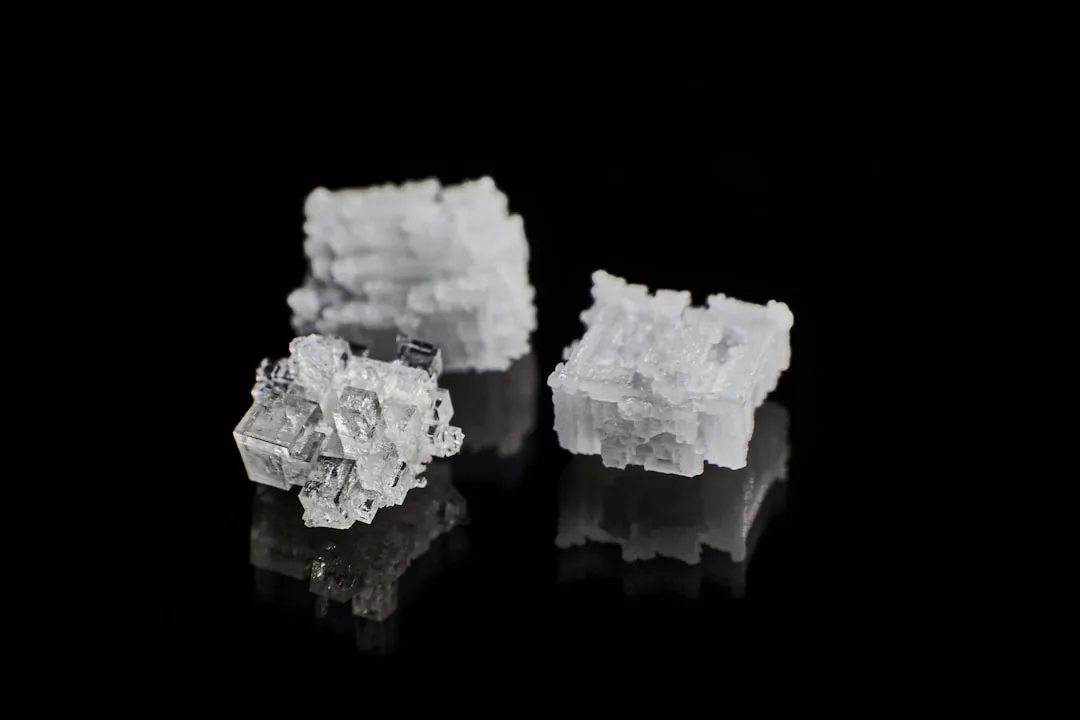
Sodium is highly sought after by butterflies. It plays a crucial role in their physiology, helping regulate their internal fluids and maintain proper muscle function. The demand for it goes far beyond basic hydration. Sodium is critical for insect nervous system function, digestion, and muscle activity, but its real value during puddling is reproductive.
Research comparing puddling sites to control sites found no significant differences in most soil nutrients, but moisture content and available sodium content were significantly greater at puddling sites, with puddling locations showing much higher moisture and roughly double the sodium levels of nearby non-puddling sites. Butterflies aren’t choosing these spots randomly. They’re reading the chemistry of the ground beneath them.
A Nuptial Gift Passed Through Generations
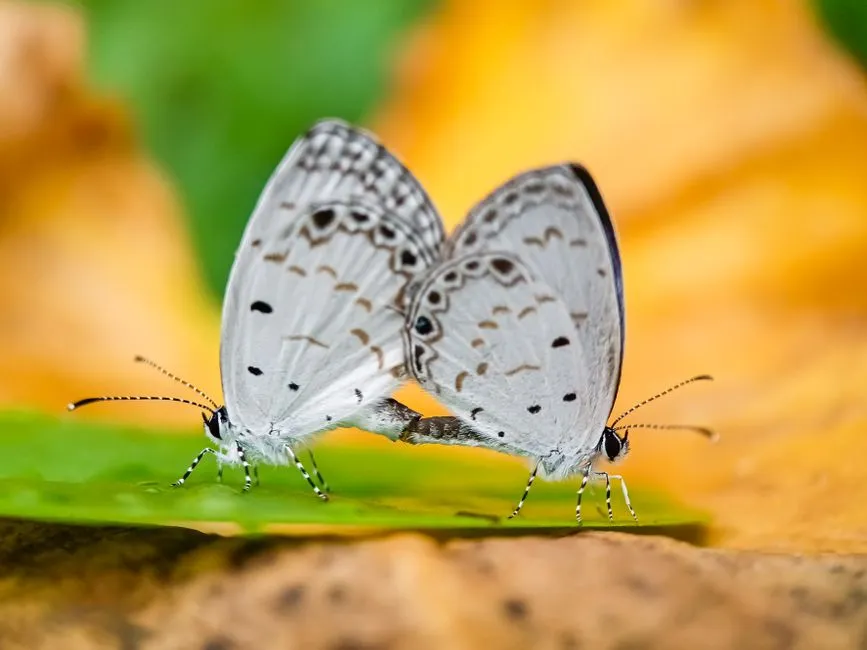
Most of the puddlers are males, who ingest salts, minerals, and amino acids. These nutrients are stored in the sperm. When it comes time to mate, the male passes these nutrients along to the female in his spermatophore. The female then passes this extra nutrient boost along to her eggs.
Research on swallowtail butterflies found that males fed sodium produced larger spermatophores with more sperm and greater quantities of accessory gland substances. Females appear to prefer males that have consumed sodium, suggesting they can somehow assess a male’s nutritional status before mating. Eggs that receive this extra nutrient gift have a greater chance of success than those that do not.
Not All Butterflies Puddle the Same Way
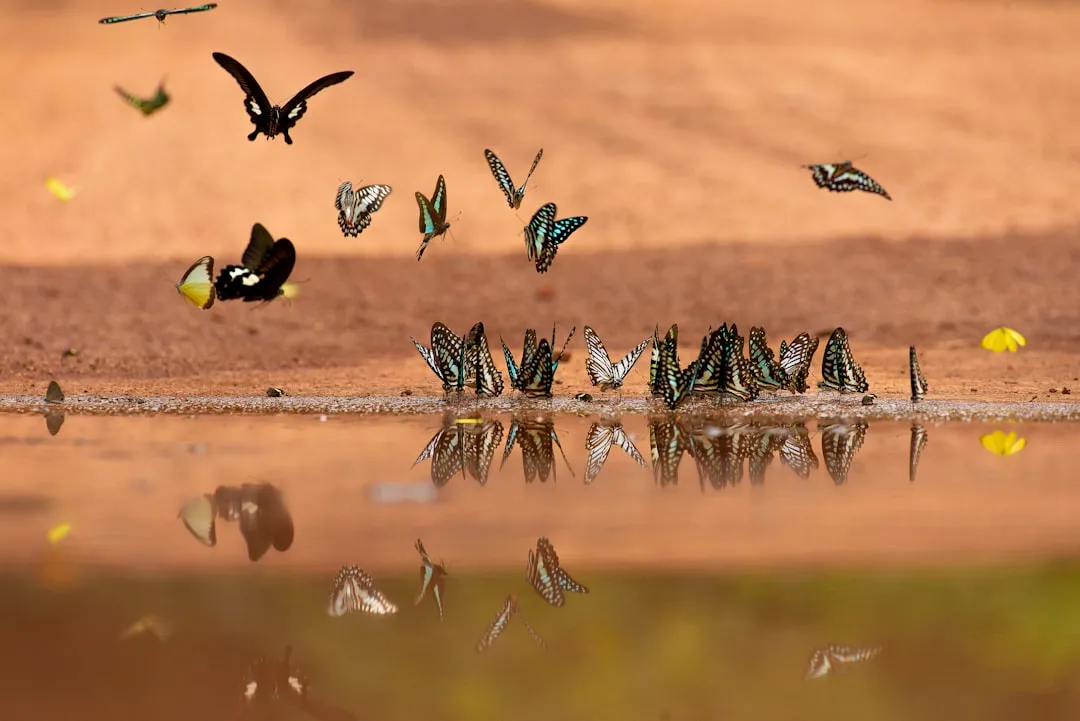
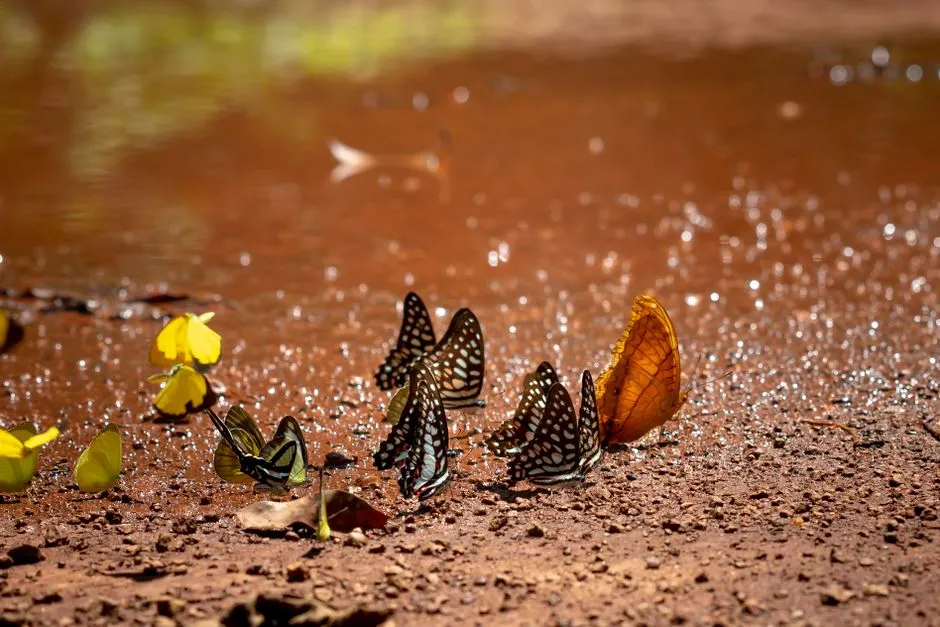
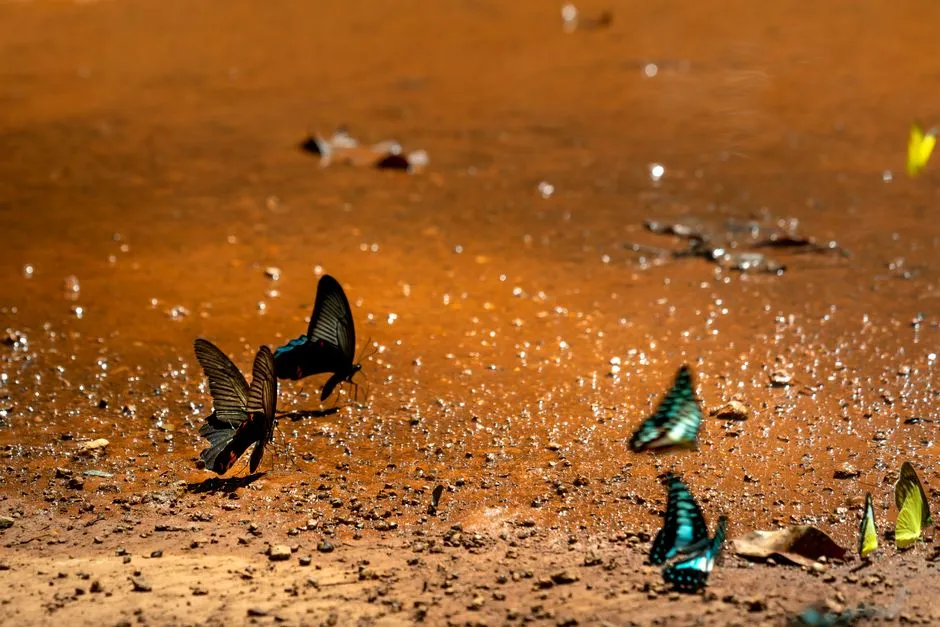
Not all butterfly families seek the same nutrients. Swallowtails and whites tend to prefer sodium-rich solutions, while blues, skippers, and brush-footed butterflies are more attracted to protein-rich resources like albumin. The behavior is widespread but tailored by species.
Mud-puddling occurs in many common species, including Cabbage Whites, Black Swallowtails, Tiger Swallowtails, Pearl Crescents, Cloudless Sulphurs, and Red Admirals. Some moths also perform this behavior, as do a few other insects such as leafhoppers and bees. Out of 142 butterfly species observed in one study, more than 90% were seen puddling.
Where Butterflies Naturally Puddle
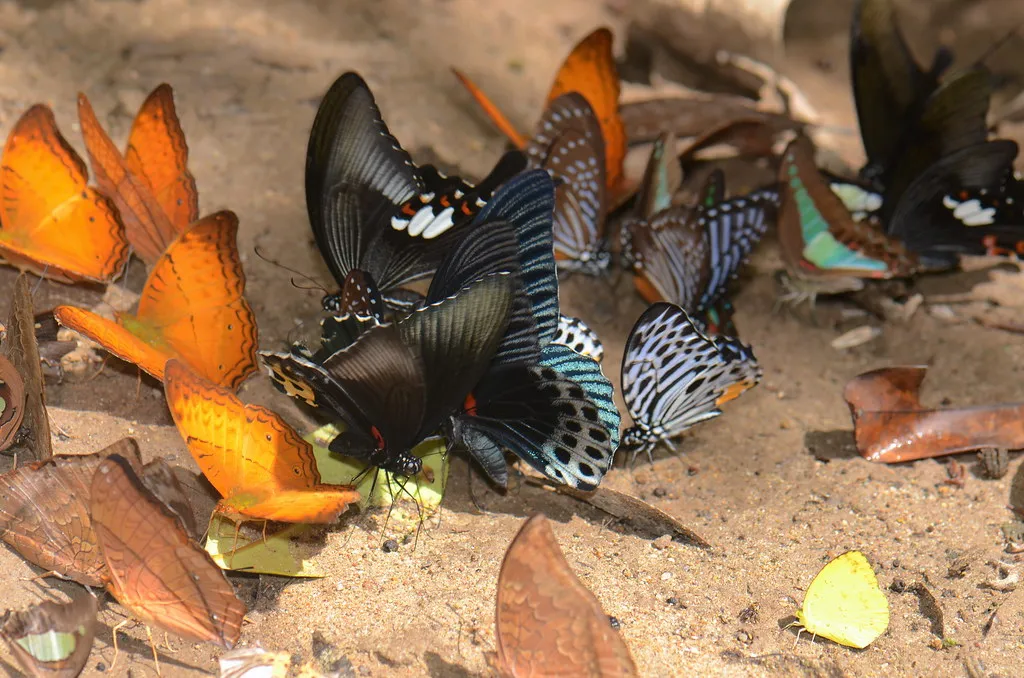
Natural puddling sites typically have a mix of moisture and mineral-rich soil or substrate. Common locations include riverbanks, damp sand, muddy trails, and shallow puddles left by rain. These are not particularly glamorous spots, but they’re magnets for activity on warm, sunny mornings.
Butterflies have even been known to visit human sweat and tears to obtain sodium, a phenomenon that highlights their unerring instinct for finding these vital minerals. That’s why you may see huge swarms of dozens or even hundreds of butterflies when a good puddling spot appears. The congregation can be striking, and it’s completely natural.
Why Urban and Suburban Gardens Lack This Resource
With heatwaves becoming more common across the US, butterflies are just some of the many wild creatures that may not be getting enough fluids and nutrition. Paved surfaces, landscaped lawns, and tidily managed gardens tend to eliminate the bare damp soil that butterflies depend on for puddling. The flowers are there, but the muddy margins are gone.
Habitat loss, pesticide use, and climate change are primary drivers of butterfly declines, but solutions exist. By providing host plants, nectar sources, and pesticide-free habitats, communities and conservationists can help stabilize and rebuild butterfly populations. A puddling station fits directly into this kind of supportive garden design.
How to Make a Safe Butterfly Mud Puddle at Home
A butterfly puddler is a shallow bowl where butterflies can gather to access minerals. The bowl should be no deeper than two or three inches with sloped sides, and filled with sand, compost, manure, or a mud mix of these materials to provide the minerals butterflies need. Simple materials work perfectly well.
Fill the container with sand up to the top. To provide the salts and amino acids butterflies are searching for, add a small amount of soil, composted manure, or a pinch of salt and mix with the sand. Butterflies cannot land on open water, so there’s no need for a deep puddle. They gather enough moisture from damp mud. Placing small stones in the mix also gives them a place to perch.
Pour enough water into the container to moisten the soil and sprinkle some salt on the surface. Setting out overripe fruit like bananas and oranges nearby adds another attraction. Keep the soil moist during the heat of the day, when butterflies are most likely to visit.
Placement, Maintenance, and What to Avoid
Refill the water every few days to a week depending on how fast it evaporates. Each month, empty the puddler and wash it with biodegradable soap. Then refresh the sand and compost. Keeping it clean prevents the kind of stagnant water that breeds mosquitoes, which is the main safety concern with any standing water feature.
The most natural way to create a butterfly watering area is to maintain an area of exposed muddy soil in your yard. If a container puddler isn’t your style, even a small patch of undisturbed, damp bare soil left in a corner of a garden bed can serve the same purpose. Access to high quality, pesticide-free habitat can help butterflies and other pollinators be more resilient to climate change. Avoid using treated or chemically enhanced soils in the mix, as these can harm rather than help.
Conclusion: Small Features, Real Impact
A study published in Science revealed a stark decline in butterfly populations across the United States, with an overall 22% drop in abundance between 2000 and 2020. That decline is driven by large forces, but individual garden choices add up across millions of yards and balconies.
Recommendations for butterfly recovery include ensuring that host plants for caterpillars and nectar plants for adults are available throughout the entire growing season, as well as protecting the spaces butterflies use from pesticides. A mud puddle belongs in that same toolkit, modest as it sounds.
The science here is consistent and well-established. Butterflies need sodium and minerals to reproduce successfully, and they can’t reliably find those things in a manicured landscape that offers only flowers. A shallow dish of damp sand and a pinch of salt is easy to make and cheap to maintain. For butterflies quietly navigating an increasingly difficult world, that small damp patch of soil can be exactly what they came looking for.
AI Disclaimer: This article was created with the assistance of AI tools and reviewed by a human editor.