
Every gardener eventually faces the same problem: a patch of ground thick with weeds, grass, or both, and no desire to spend a weekend hunched over pulling them out by hand. It turns out those delivery boxes piling up by your recycling bin might be exactly what you need to fix it.
The method is called sheet mulching, sometimes known as lasagna gardening, and it’s been quietly practiced by organic growers for decades. It requires no special tools, no chemicals, and almost no experience. Just cardboard, some mulch, water, and a little patience.
What Sheet Mulching Actually Is
Sheet mulching, sometimes called lasagna gardening, involves laying flattened cardboard around plants to block sunlight from reaching the soil, then covering it with mulch. The logic is simple: weeds need light to survive, and the cardboard cuts off that supply completely.
Sheet mulching is a quick, easy, and inexpensive way to provide protection from weeds for garden beds of any size, using a layer of cardboard, newspaper, or heavy paper placed on the soil as a barrier to smother existing weeds and seeds in the soil, denying them access to sunlight required for photosynthesis and growth.
Sheet mulching has a long history of use going back to the 1950s, is tested in good quality research, and advocated by many organic gardening organizations, universities, and gardening experts. It is considered safe and effective for reducing weeding, increasing soil health, improving productivity, and reducing the environmental footprint.
Why Your Delivery Boxes Are Perfect for This Job
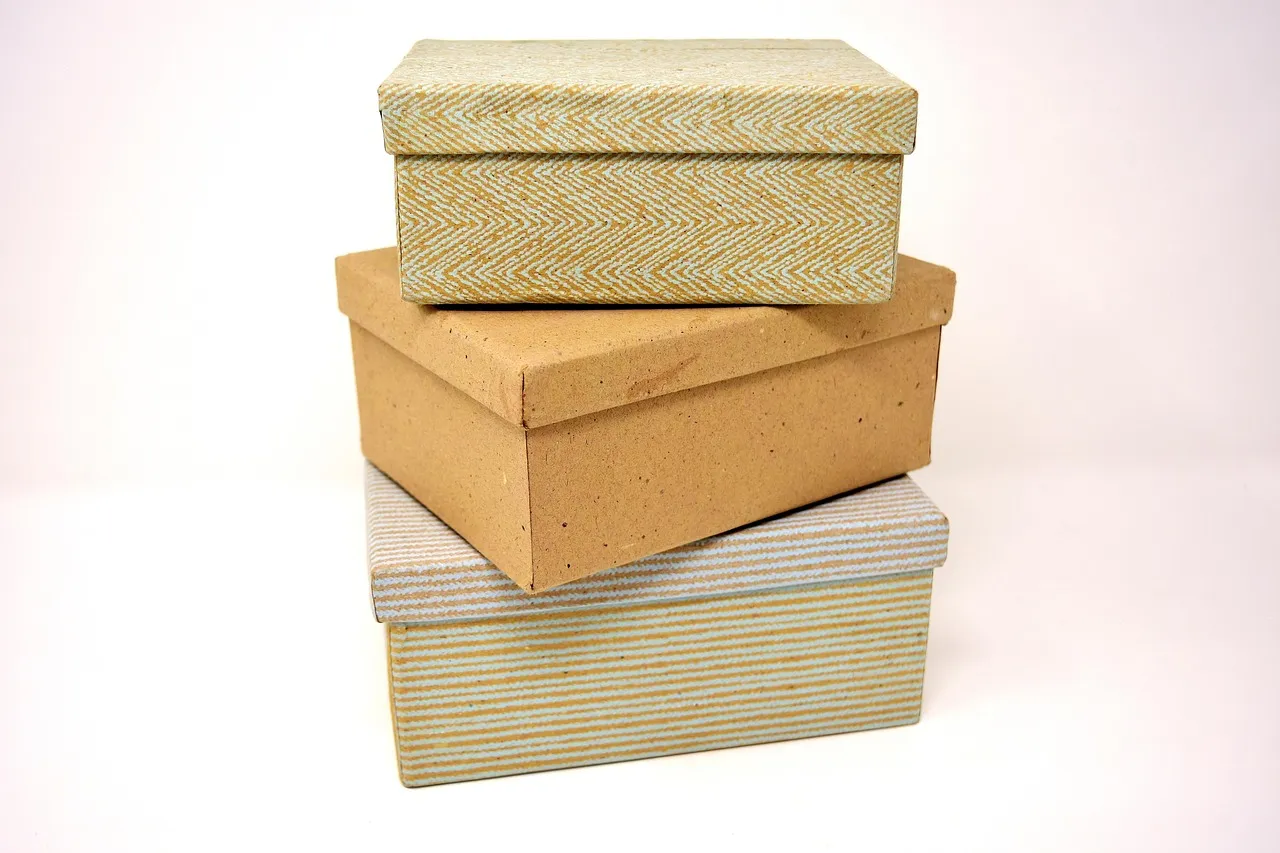
Not all cardboard is suitable for gardening. Plain brown corrugated cardboard is the recommended choice. Large shipping boxes, moving boxes, and large appliance cartons, which can be cut into custom-sized sheets, are ideal.
Known as sheet mulching or lasagna gardening, this method involves layering cardboard with soil, compost, food scraps, mulch, and other biodegradable materials, which break down naturally into the soil. This creates a rich planting spot for flowers and vegetables, and the cardboard layer prevents old weeds from regrowing.
In its simplest form, you lay a flattened cardboard box over weed-strewn earth and throw some mulch on top, thus smothering the undergrowth, enriching the soil with carbon, and saving yourself a trip to the curb on trash day. That last part alone makes it worth trying.
How to Prepare Your Cardboard Before You Lay It Down
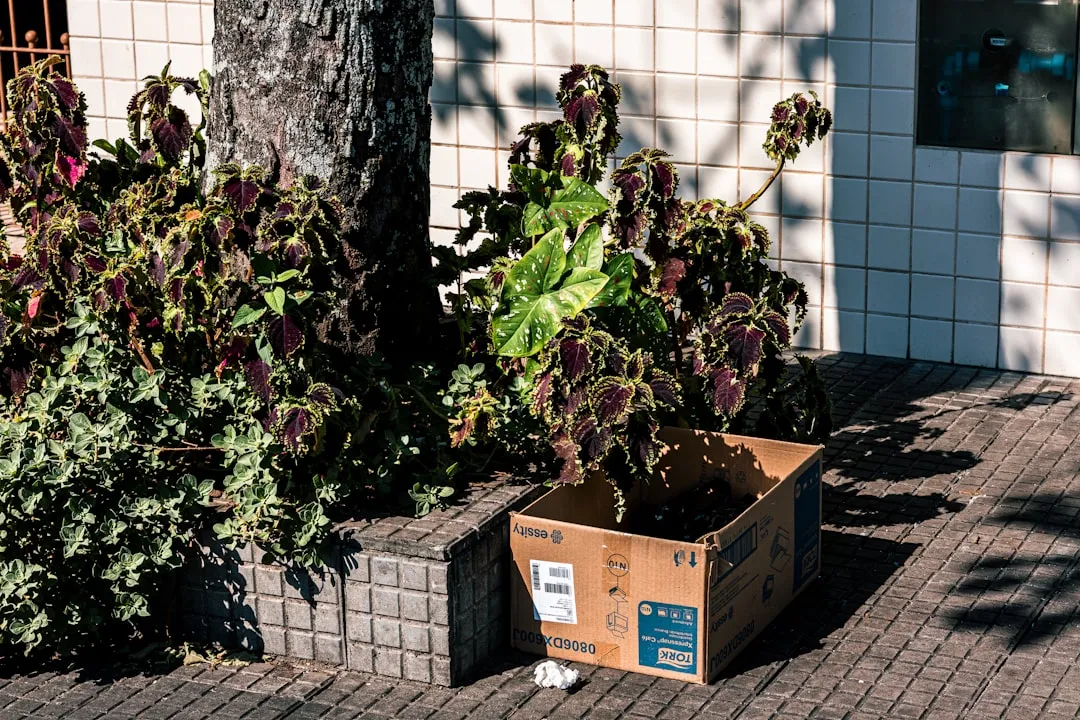
Heavily colored or slick, printed boxes should be avoided. Before applying cardboard to your lawn or garden, remove plastic tape, labels, and staples. These materials don’t break down the same way and can leave behind residues you don’t want near your plants.
Use only brown cardboard in your garden, the natural color that comes from the wood pulp, and never use white boxes, which are bleached and may contain dioxin, or brightly printed boxes, as the inks can contain many chemicals.
Cover your planting area with a thick layer of paper products, overlapping them as you place them down, then wet them thoroughly. This base layer should ideally be close to half an inch thick.
The Overlap Rule That Makes or Breaks the Method
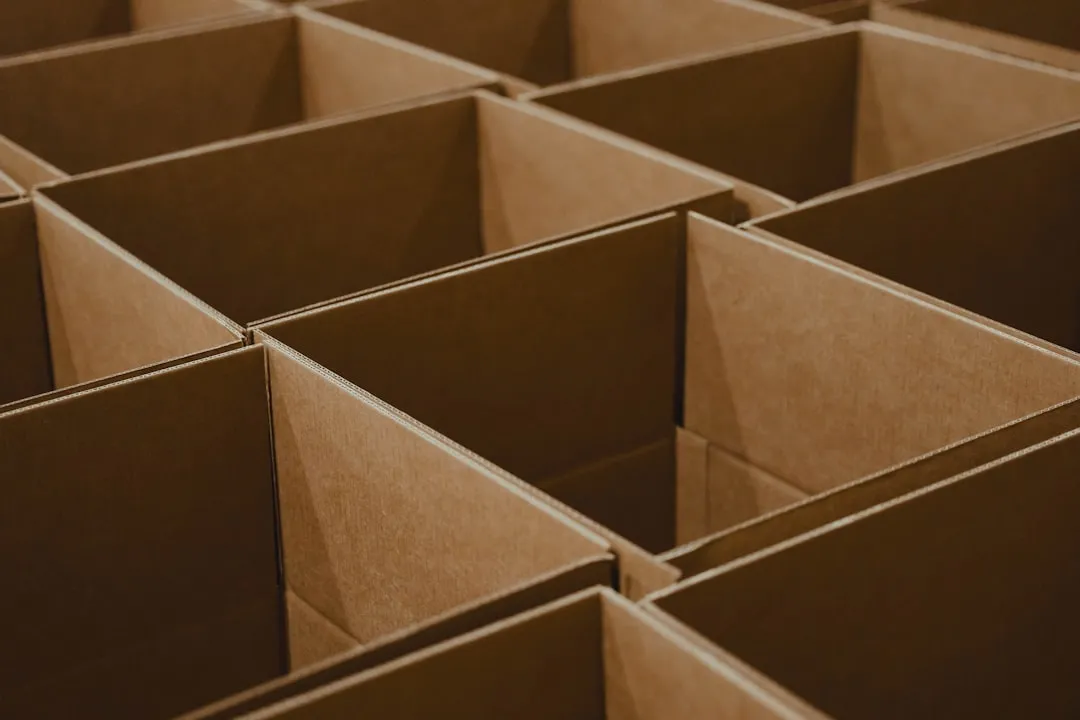
Leaving cardboard in large, whole pieces produces the best results. Every time you shred it or leave holes in it, that’s a potential for light to get through. If the light reaches the soil, weeds can pop up.
Make sure to overlap sheets liberally. Overlapping too little can cause weeds to find light and sneak up through the gaps. A generous overlap of at least six inches between adjoining sheets is a reliable target.
One layer of cardboard is usually enough to suppress weeds in lasagna gardens and raised beds. You may want to use two layers of cardboard in particularly weedy spots.
Soaking the Cardboard Is Not Optional
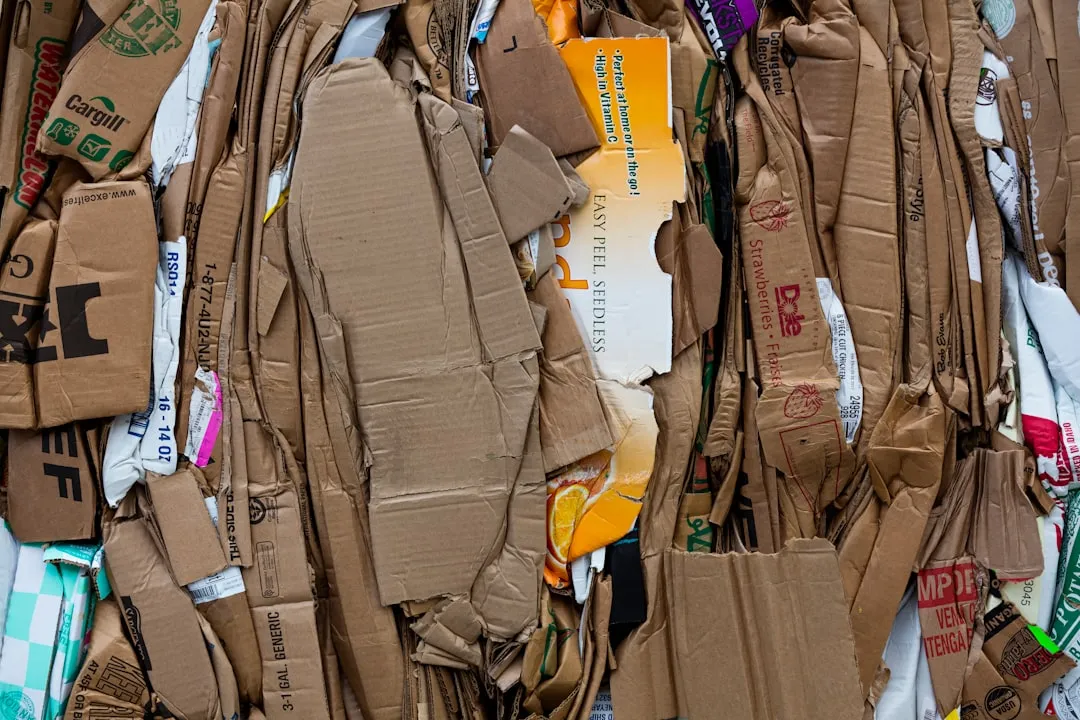
Thoroughly soaking the cardboard with water helps it stay in place. Dry cardboard is surprisingly wind-prone and can shift around before the mulch layer is added, which defeats the whole purpose.
Place flattened old cardboard boxes on the bed, overlapping each sheet, and soak them in water. The cardboard acts as one of the key barriers for weed control. Wet cardboard also begins the decomposition process more quickly, which ultimately feeds the soil.
Cardboard blocks light, but it can also slow water from reaching the soil. If you use overhead watering, you may need to water longer to ensure moisture moves through both mulch and cardboard.
What to Layer on Top
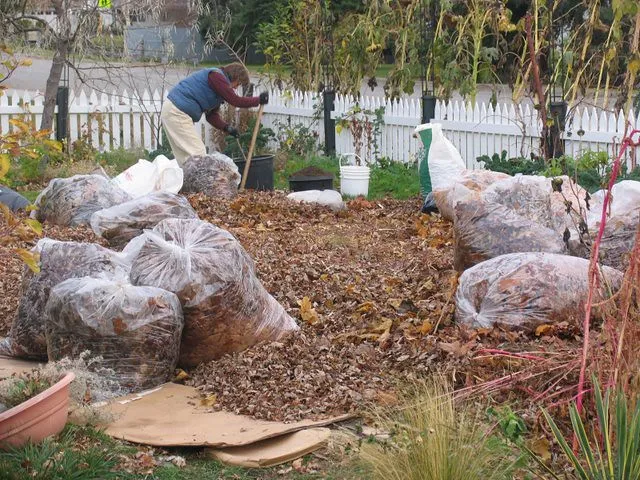
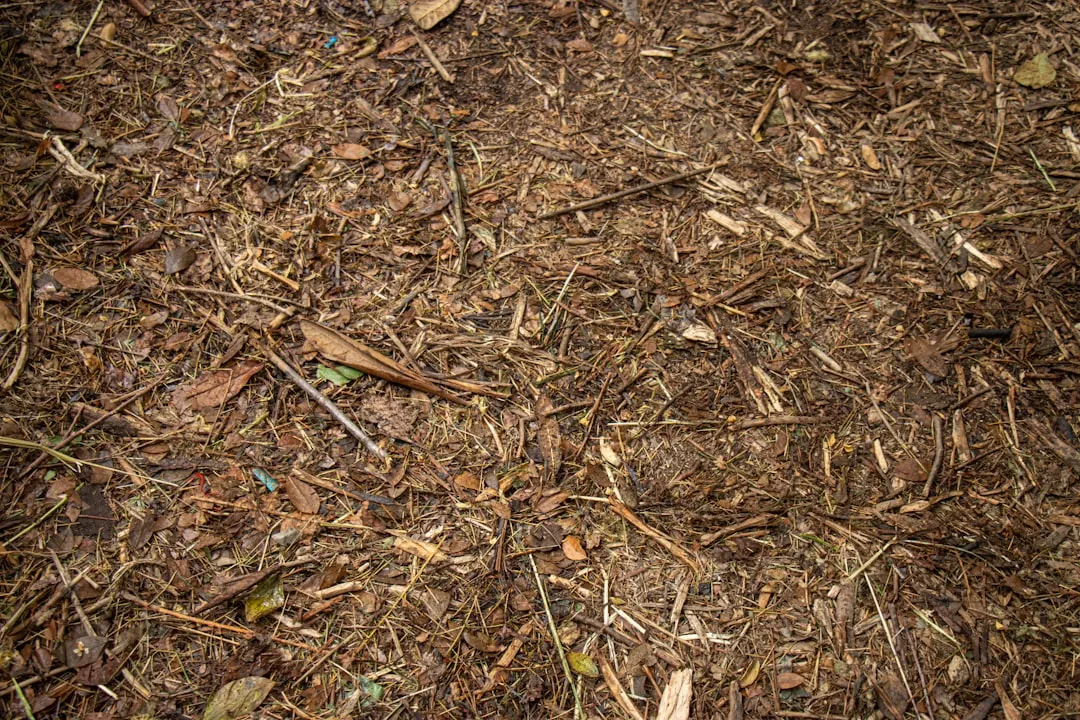
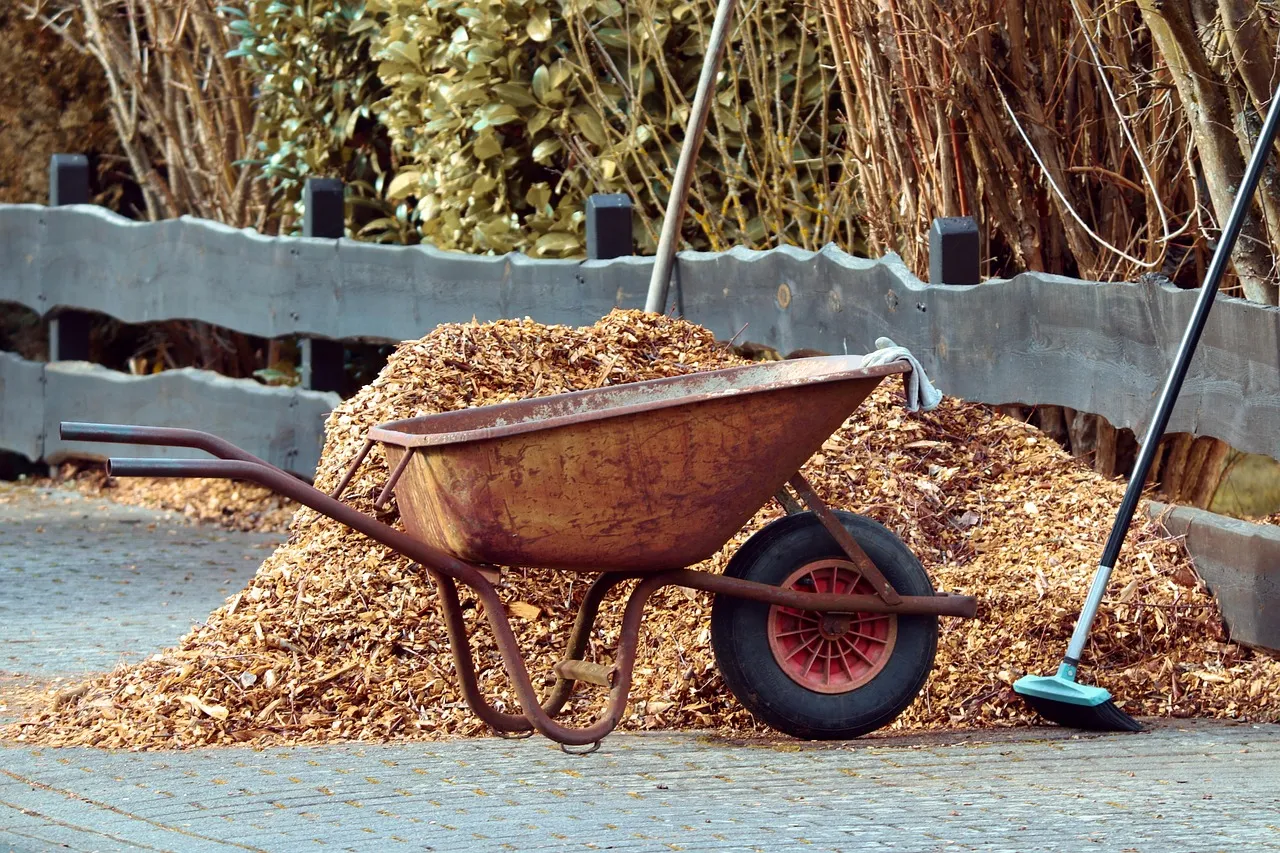
The barrier is then covered with mulch, including shredded bark, wood chips, or other compostable materials, rocks, or pebbles on top to keep it in place. Wood-based mulches work particularly well here because they break down at a complementary pace alongside the cardboard.
Cover the cardboard with about 3 inches of mulch. For a lasagna-style garden bed where you actually want to plant into the layers, you can build it significantly taller using alternating organic materials.
Chopping up small branches or hedge trimmings into one-inch pieces and layering them four inches thick over the cardboard provides good drainage. Adding an eight-inch layer of fallen leaves or straw, followed by two inches of well-rotted manure or compost, builds the foundation of a rich growing bed.
What Happens Underground While You Wait
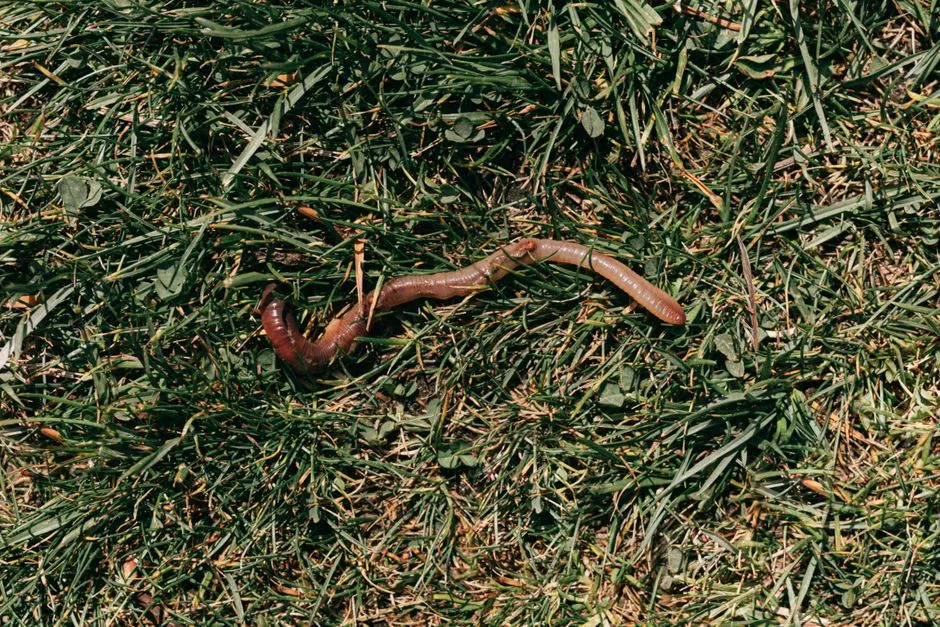
Over time, both the cardboard and mulch will break down, contributing organic matter and small amounts of nutrients back into the soil. What was once a weedy patch becomes something genuinely fertile, without any digging.
The sheet mulching technique creates ideal earthworm habitat while suppressing weeds and retaining moisture. Earthworms are worth celebrating here because their role is substantial.
Earthworms are known as ecosystem engineers due to their unique biological characteristics. They are not only indicators of soil health but also play an important role in improving it. As earthworms break down organic matter, they release nitrogen and other nutrients that are locked away in plant residues and soil organic matter, making these nutrients available to plants and leading to healthier and more vigorous growth.
A Note on PFAS and Cardboard Safety
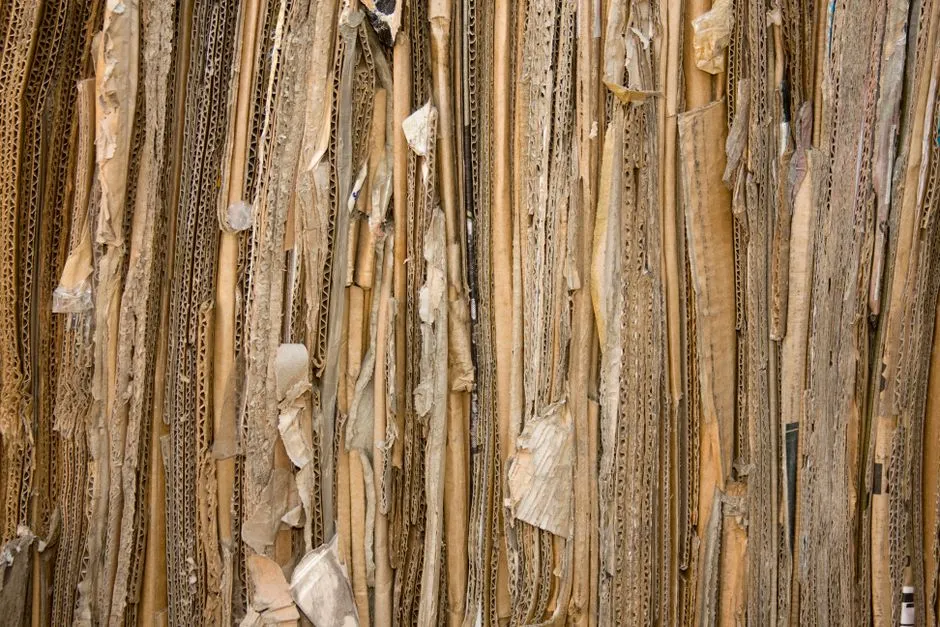
Some potential concerns arise with colorful or glossy prints, which may include heavy metals or chemical coatings; waxed or grease-resistant surfaces, sometimes treated with PFAS; heavily recycled cardboard, which may carry traces of chemicals from previous uses; and tape, staples, or labels, which may leave metal or adhesive residues in the soil.
PFAS can be found in grease-resistant or waxed cardboard, but these are not typical of plain shipping boxes. For ordinary brown boxes, the risk is considered negligible. There is a simple home test you can do before using any box near food crops.
Drop a little cooking oil on the cardboard. If it beads up, the cardboard likely contains PFAS and should be avoided for edible beds. If the oil soaks in, you’re almost certainly dealing with untreated cardboard that is safer to use.
When to Build Your Cardboard Garden Bed
You can start building a garden this way anytime, but fall is a great time. Laying down cardboard in autumn gives the whole system months to break down over winter, leaving you with softer, richer soil ready for spring planting.
Remove any pernicious or persistent weeds such as blackberry, bindweed, morning glory, or quackgrass before starting. Lasagna composting may not smother these particular weeds. Pulling the most aggressive species first gives the cardboard a far better chance of working effectively.
Cardboard sheets can also be used on garden beds as weed suppression during the off-season. It’s a flexible tool, not just a one-time setup, and many gardeners reapply a fresh layer each season as the previous one breaks down.
What You Can Grow and How to Plant Into It
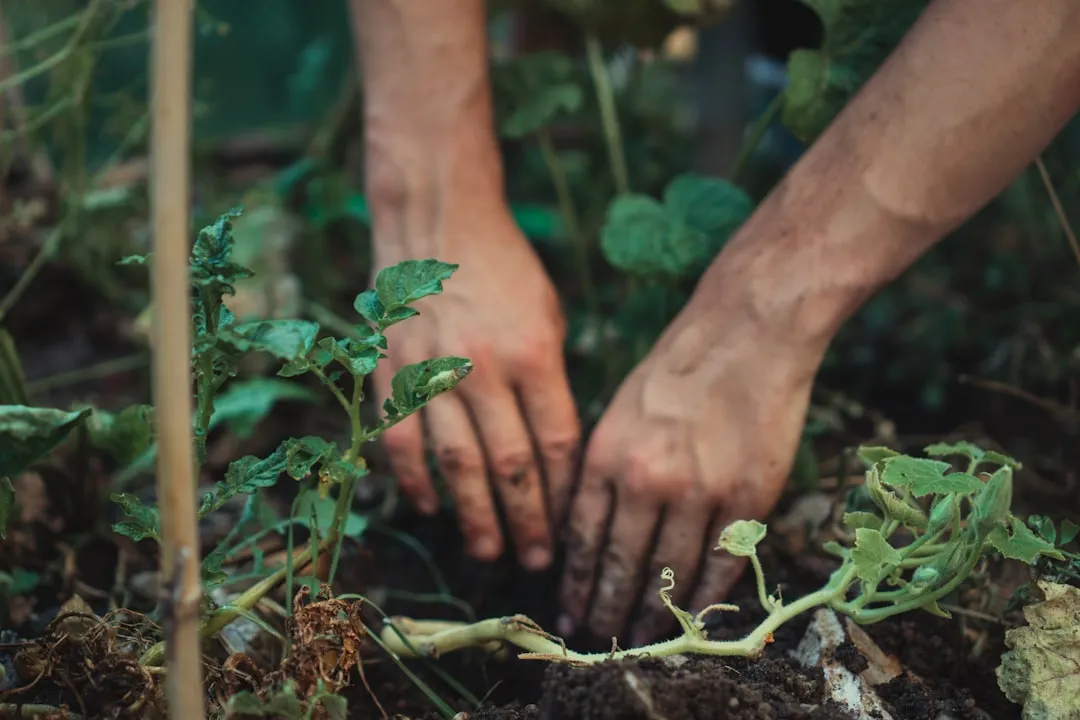
Many sheet-mulching adherents top the cardboard with compost or planting mix, maybe even a cover crop, and in this way reinvent entire landscapes without a drop of herbicide. Once the layers begin to decompose and merge, the growing conditions are often noticeably better than the ground was before.
Lasagna gardening enriches the soil with essential nutrients by layering organic materials, promoting healthy plant growth. The layered approach helps to suppress weed growth, reducing the need for constant weeding and maintenance. The organic layers also act as a sponge, retaining moisture and reducing watering frequency.
If you prefer raised bed gardening, you can spread cardboard beneath new raised bed frames before filling them with soil. This cardboard layer keeps weeds and grass from sprouting in your new raised bed and eventually breaks down into the earth. Either way, the setup is genuinely low effort for what it delivers.
The Bigger Picture: Less Waste, Better Soil
A comprehensive two-year study conducted from 2023 to 2024, combining controlled research trials with community-based participatory research across multiple urban agriculture sites, included replicated experiments at the University of Minnesota comparing shredded cardboard mulch, straw mulch, and bare soil treatments across three crops. That kind of formal research backing gives the method more credibility than most garden trends ever receive.
Cardboard mulch significantly reduced both weed biomass and weeding time when properly applied. Fewer weeds, less time on your knees, and a more productive bed in the same season are a hard combination to argue with.
Lasagna gardening reduces the need for chemical fertilizers and pesticides, making it an environmentally friendly gardening approach. That’s the quiet bonus most people overlook. Every box you divert from the recycling bin and lay down in your garden is doing double duty.
There’s something quietly satisfying about turning a stack of Amazon boxes into a productive, weed-free growing space. No tilling, no chemicals, no expensive inputs. Just layers, moisture, and time doing what they’ve always done in nature. The best gardens, it turns out, often start with the least glamorous materials.
AI Disclaimer: This article was created with the assistance of AI tools and reviewed by a human editor.