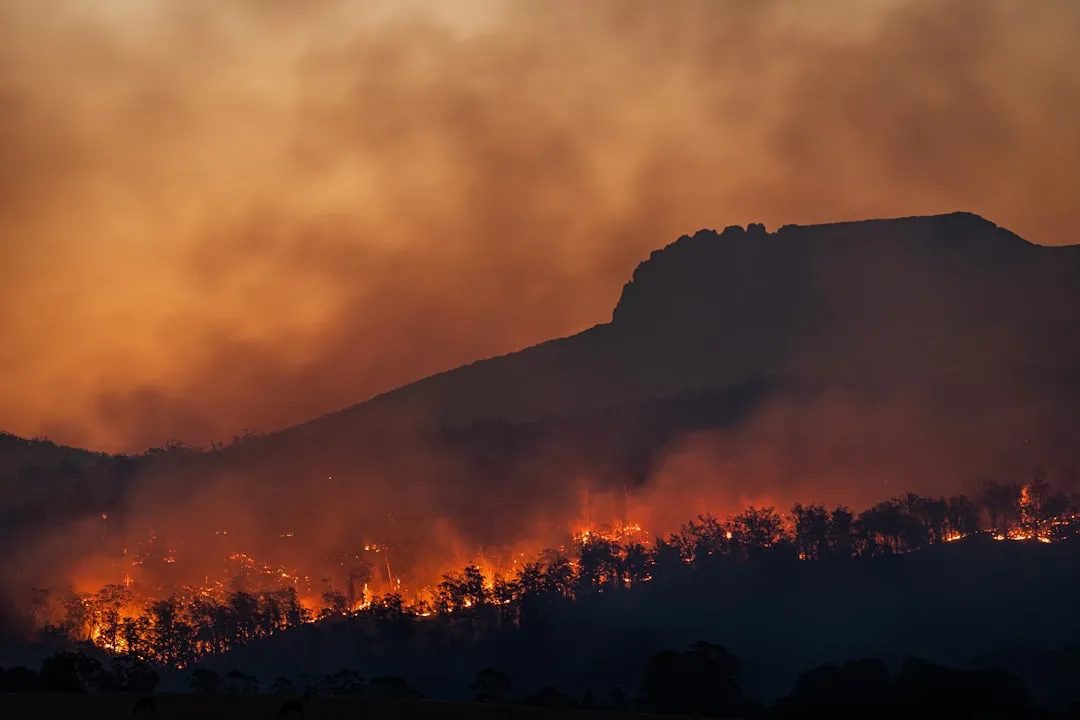

Living on the edge of chaparral means living with a specific kind of awareness. Every dry season, the air carries a faint smoky reminder of what’s at stake. That awareness doesn’t have to translate into anxiety, though, because the plant choices you make right now can shift the odds meaningfully in your favor.
Wildfires spread largely by embers that fly on the wind in search of dry fuel. Palm trees and invasive grasses provide exactly that kind of tinder, and so do homes themselves, which are often the most combustible material on any given landscape. The good news is that thoughtful tree selection is one of the most practical defenses available to any homeowner in a fire-prone zone.
Why Chaparral Gardens Demand a Different Approach
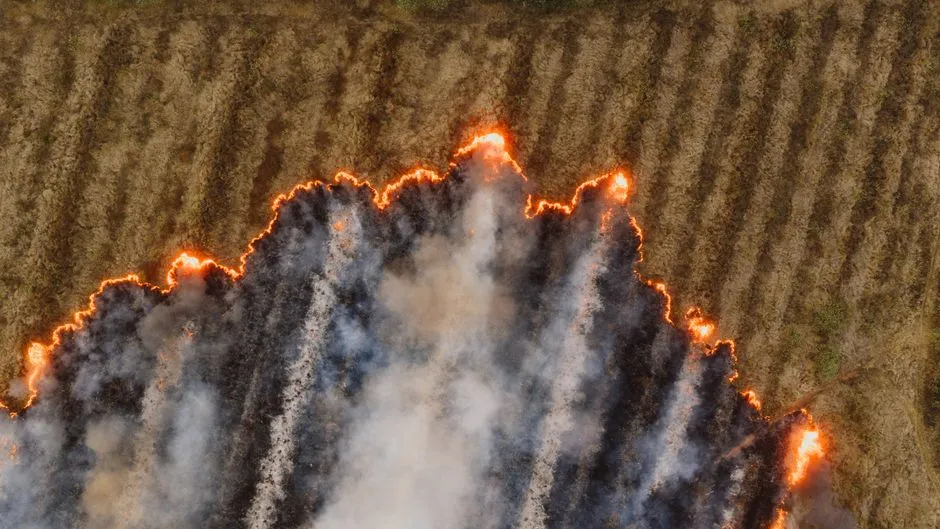
Chaparral is naturally adapted to high-intensity burning, with relatively long intervals between fires, roughly 30 to 100 years, typifying undegraded conditions. Modern fire frequencies are now much higher, driven largely by high densities of human ignitions and coincidence between ignitions and severe weather.
Research published in Ecosphere in 2024 found that short-interval fires significantly reduced postfire native woody regeneration, with obligate seeding species experiencing a 99% reduction in regeneration in the most frequently burned plots. That kind of disruption changes the entire composition of a landscape over time.
Since wildfires can now hit Southern California at any time of year, there’s no better time to incorporate water reserves, firebreaks, and fire-resistant plants into a landscape. Your yard is not just a welcoming entrance or a place to entertain. It’s also a protector of your house and a surrounding shield against an increasingly unpredictable climate.
Coast Live Oak: The Gold Standard for Fire Resistance
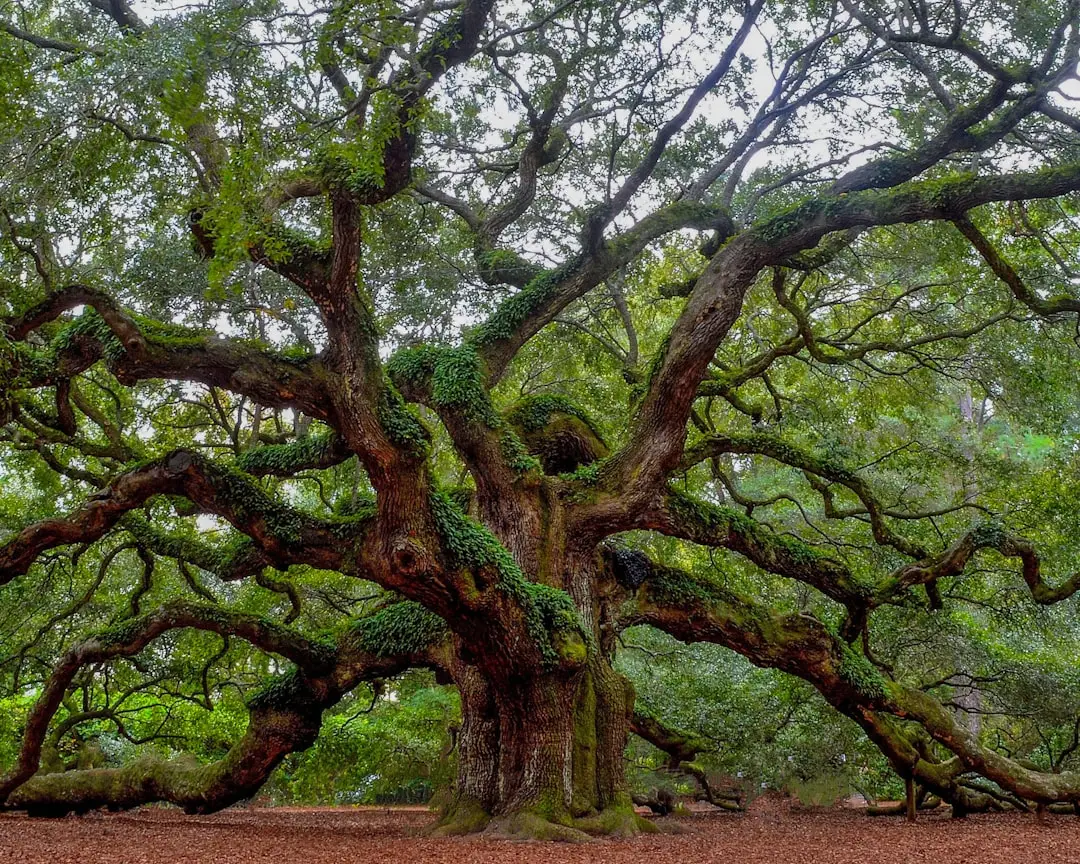
Coast live oak is one of the most fire-resistant oaks in California. Seedlings and saplings can survive relatively low-intensity surface fires, while adult trees exhibit a number of fire adaptations, including dense outer bark, a thick inner bark with high insulating capacity, and an ability to resprout from the base and crown following severe wildfires.
Adult survival rates exceeding 95% have been documented following severe wildfire. That’s a remarkable figure for any tree in California’s most fire-prone ecosystems.
The oak’s dense canopy resists penetration by flying embers, which is often how a fire jumps from the landscape to a structure in the first place. Coast live oaks require plenty of room to mature and can reach 20 to 70 feet in both height and width. They enjoy full to partial sunlight and have low watering requirements.
Toyon: California’s Own Firescape Hero
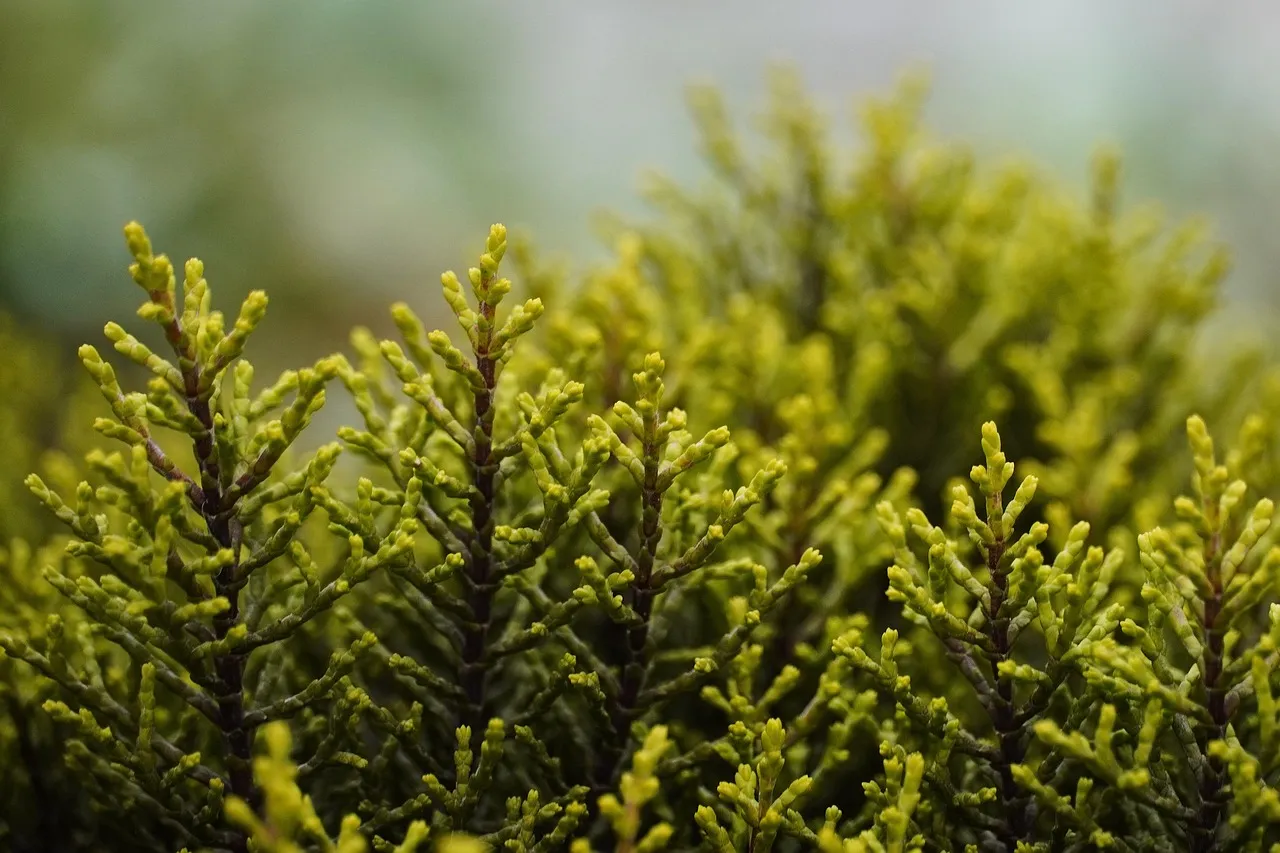
Toyon is considered less of a fire hazard than most chaparral plants, being less flammable than many of its neighboring shrubs. It grows as a small tree in many settings, bridging the gap between shrub layer and canopy in a layered garden design.
According to UC Agriculture and Natural Resources, native plants adapted to California’s fire ecology, such as toyon, are naturally more fire-resistant than most non-native ornamentals because of their high leaf moisture content and low volatile oil levels.
Toyon is very drought-tolerant and produces red berries for months, making it a favorite among many bird species found in the area. It earns its place in any chaparral garden on both ecological and practical grounds.
Catalina Ironwood: Underrated and Highly Effective
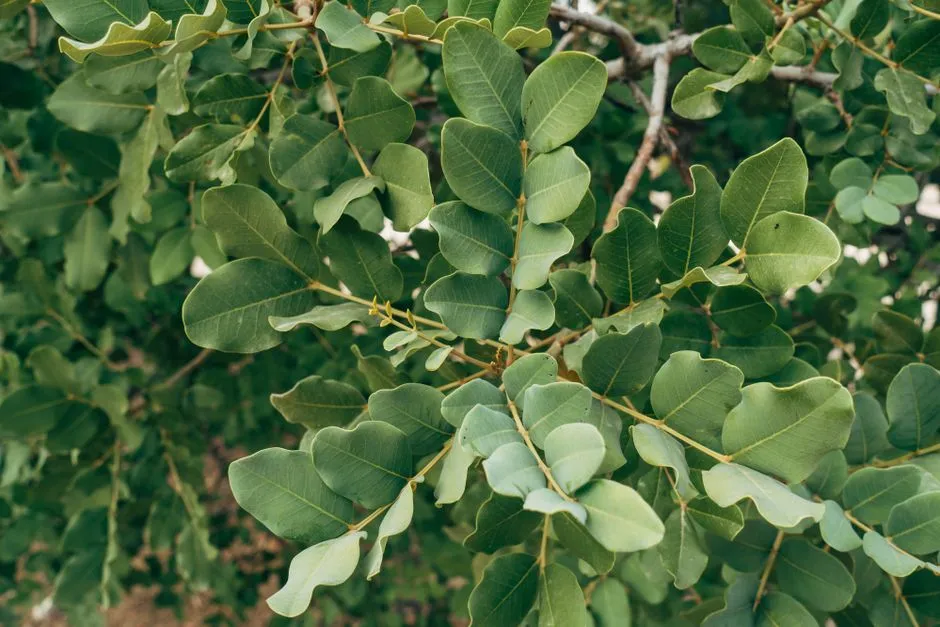
A young ironwood, Lyonothamnus floribundus, now sits in many fire-forward California gardens where more combustible specimens once stood. This tree has quietly earned a strong reputation among native plant advocates and landscape designers alike.
Fire-resistant plant lists from California native plant authorities consistently include Catalina ironwood, formally Lyonothamnus floribundus, alongside coast live oak, madrone, and western redbud as recommended tree-form options for fire-safe landscapes.
The ironwood offers a fine-textured canopy and relatively open branching, which keeps fuel load low. It handles the heat and dry summers of Southern California well, and its moderate size makes it more manageable in urban and suburban chaparral-adjacent lots than a full-grown oak.
Western Redbud: Beauty With a Fire-Smart Profile
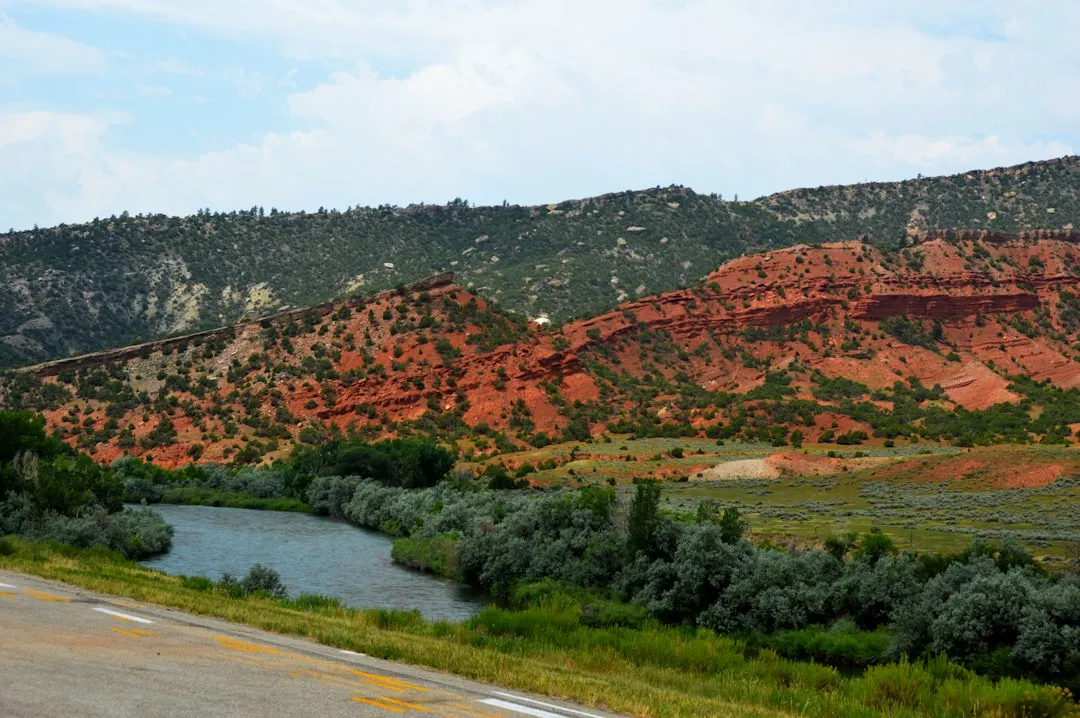
Western redbud is an interesting plant all year long, with magenta flowers on leafless stems in summer, followed by crimson seedpods and heart-shaped blue-green leaves. It is deciduous, with yellow or red fall foliage falling away in winter to reveal smooth reddish-brown trunks. It is long-lived and very drought-tolerant.
Deciduous trees generally offer a seasonal advantage in fire resistance because they drop their leaves during winter and reduce accumulated dry fuel. When summer arrives, the redbud’s high leaf moisture content keeps ignition risk comparatively low.
Western redbud, Cercis occidentalis, appears on California’s fire-resistant native species lists for fire-safe landscaping, making it a verified and well-supported choice rather than just a popular one.
California Buckeye: A Native Deciduous Option
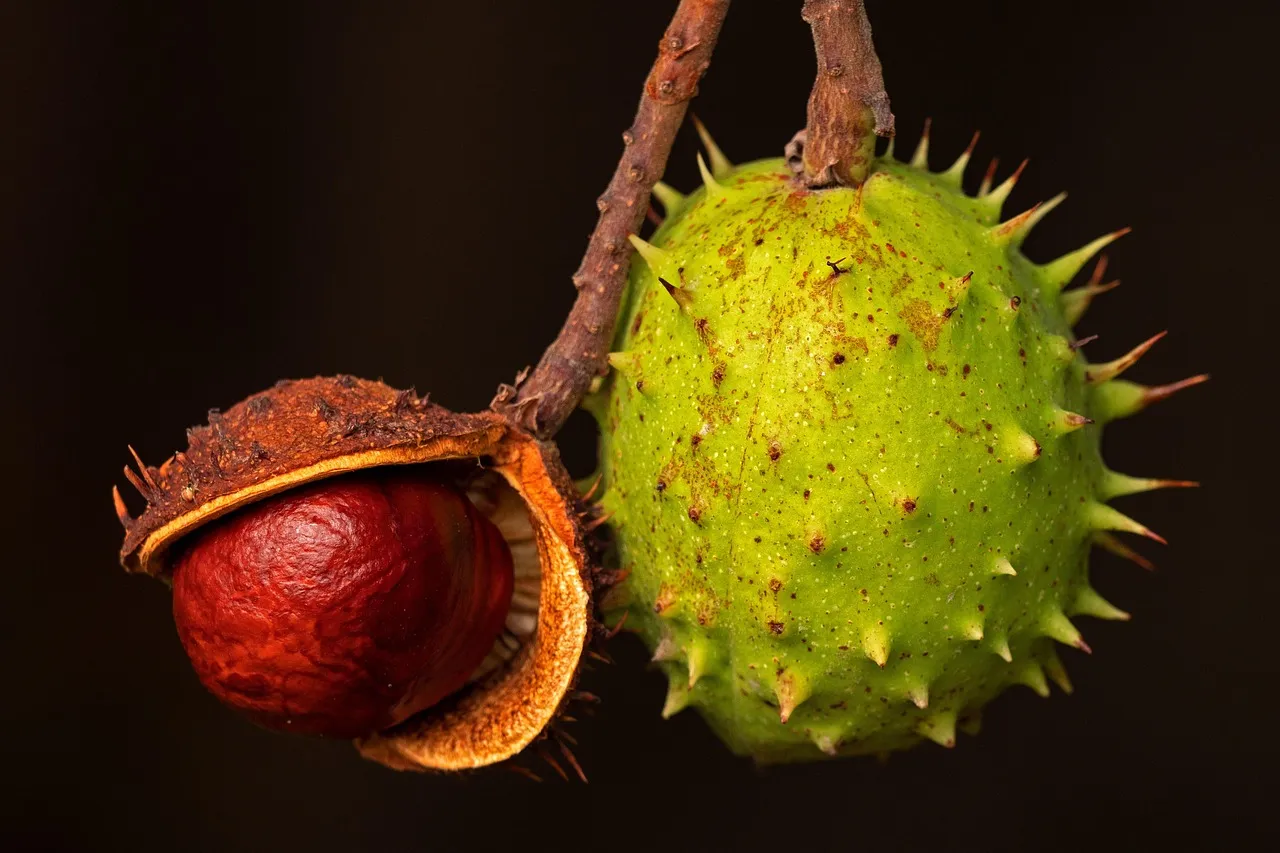
California buckeye, Aesculus californica, is among the fire-resistant trees recommended for creating defensible space in chaparral-adjacent California properties. It has a distinctive silhouette and a growth habit that stays relatively open and clean.
The buckeye goes summer-dormant, dropping its leaves earlier than most trees. That trait, which can seem unusual to gardeners expecting lush summer foliage, is actually a finely tuned drought adaptation. Less dry leaf mass on the tree during the hottest fire-risk months means less immediate fuel.
It also supports a notable range of native pollinators and wildlife. Pairing ecological function with fire safety is the hallmark of a well-designed chaparral garden, and buckeye does exactly that.
Big Leaf Maple: Where Moisture Helps Most
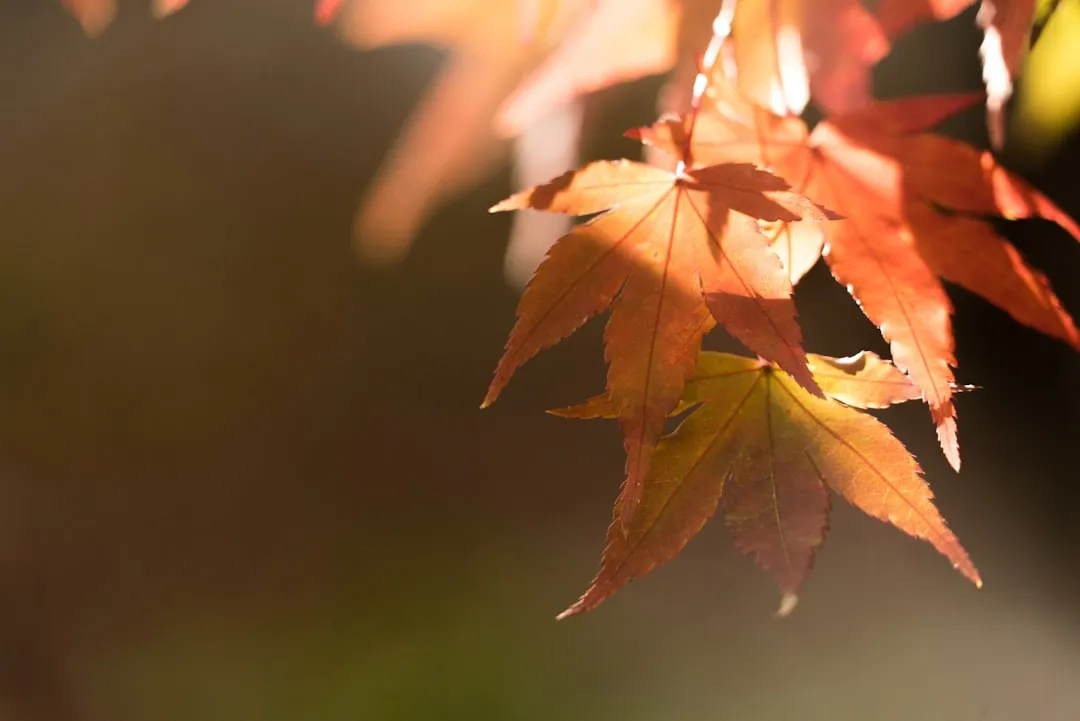
Big leaf maple, Acer macrophyllum, appears on California native fire-resistant species lists as a tree-form option for fire-safe landscaping. It tends to perform best where there is at least some seasonal moisture or access to supplemental irrigation.
Fire-resistant trees placed in moister microclimates, such as north-facing slopes, drainage areas, or spots bordering riparian zones, benefit from naturally higher vegetation moisture content that enhances their resistance. Big leaf maple takes full advantage of those conditions.
In a chaparral garden, placing this tree strategically near a swale or in a shaded low spot uses the landscape’s natural hydrology to your benefit. It’s a good reminder that placement matters as much as species selection.
California Ceanothus: Slow to Ignite, Fast to Establish
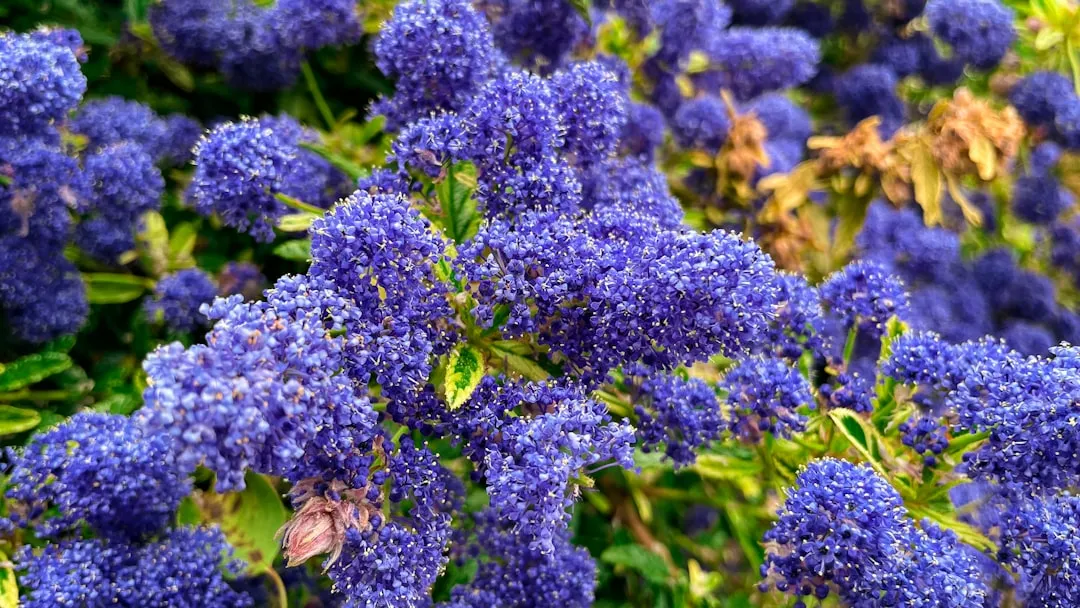
California lilac, Ceanothus spp., when subjected to a direct flame test at the Las Pilitas Nursery in Santa Margarita, took longer than sixty seconds to ignite. That testing gave researchers a concrete benchmark for comparing plants under real-fire conditions rather than simply relying on anecdotal observation.
California native plants that are both drought-tolerant and fire-resistant, such as California lilac, manzanita, and certain sage varieties, are widely recommended for chaparral-zone landscapes. Ceanothus grows into a multi-stemmed large shrub or small tree form depending on the species chosen.
It establishes quickly, fixes nitrogen in the soil, and produces extraordinary spring blooms. For homeowners who want both beauty and measurable fire resistance backed by actual ignition testing, ceanothus is one of the most compelling options available.
The Role of Defensible Space Zones in Tree Placement
The California Department of Forestry and Fire Protection defines three zones of a defensible space: Zone 0 covering 0 to 5 feet, Zone 1 covering 5 to 30 feet, and Zone 2 extending 30 to 100 feet or more from the structure.
Varying plant heights to avoid creating fire ladders, where flames can climb from ground level up into tree canopies, is essential. Keeping tree branches at least 10 feet from structures and other trees reduces that risk substantially.
Compliance with updated defensible space rules now directly influences wildfire insurance pricing and eligibility in California. Homes meeting the latest ignition-resistant construction and landscaping requirements generally receive better rates and access to more carriers, while those that don’t may face higher premiums or limited options. Tree selection has become a financial decision as much as a safety one.
Maintenance Is What Keeps Fire Resistance Real
Fire-resistant plants are not fireproof. All require irrigation and routine maintenance to resist ignition, and all plants can burn if poorly maintained. That’s a distinction worth keeping front of mind every season.
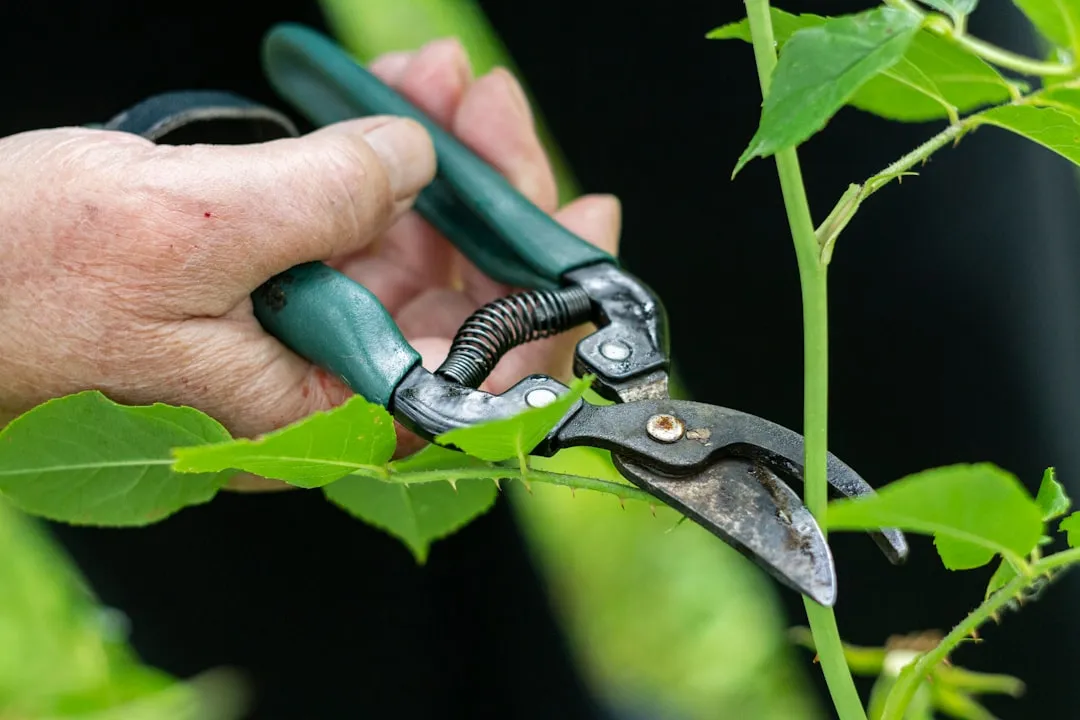
Inspecting plants regularly for signs of disease or stress is important because unhealthy plants become more flammable. Ensure all plants remain accessible and healthy, particularly during peak fire season. Prune at appropriate times for each species to minimize stress and promote vigorous growth that maintains fire resistance.
Pruning back branches that extend toward the structure of the home, in accordance with defensible space principles, is recommended annually. A well-maintained fire-resistant tree is a very different thing from a neglected one, no matter what species you choose.
Putting It All Together: A Garden That Works With You
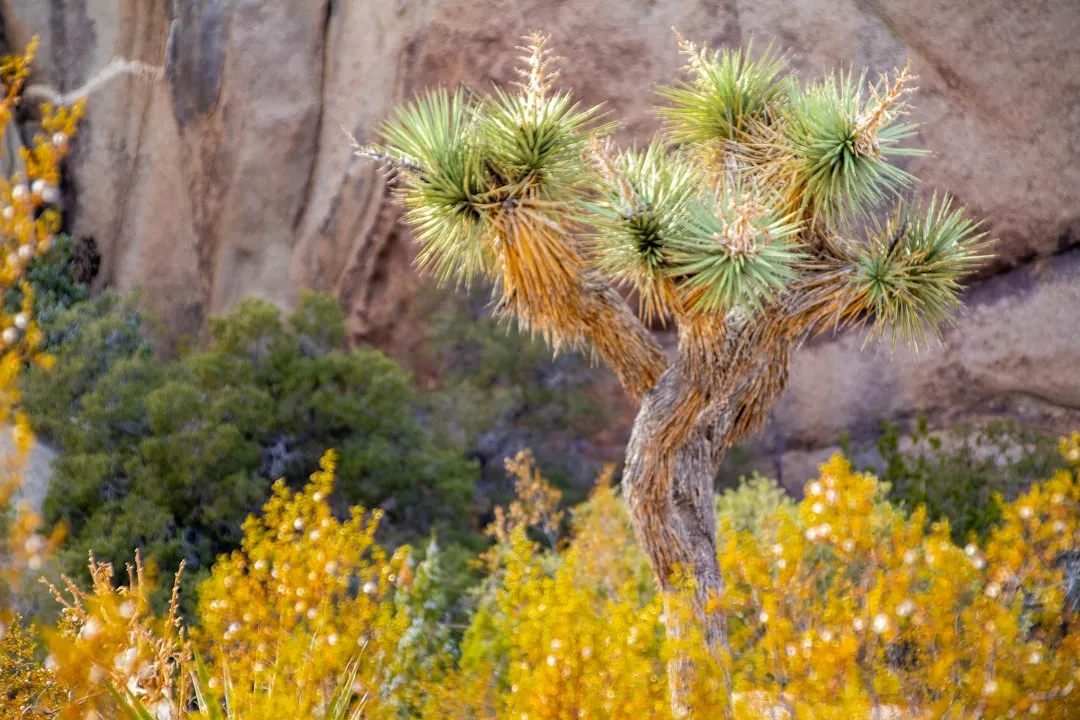
UC Agriculture and Natural Resources confirms that native plants adapted to California’s fire ecology have naturally more fire-resistant qualities than most non-native ornamentals, owing to their high leaf moisture content and low volatile oil levels. Choosing natives, in other words, aligns with the landscape’s own logic.
For decades, non-native hillside grasses like pampas and fountain grass have succumbed to fire because they were placed there without understanding their role in increasing wildfire danger. We’ve been mandated to clear brush without realizing that the non-native grasses bought at nurseries become this brush when they travel to wildspaces where they easily burn.
California experienced unprecedented wildfires in 2025 due to low precipitation and warmer temperatures. According to CAL FIRE, over 16,400 structures were destroyed from more than 7,000 wildfires during that period. The stakes are not abstract. They’re measured in homes, and the trees you plant today are part of how you respond to that reality.
A chaparral garden built around verified fire-resistant native trees isn’t a compromise between beauty and safety. It’s proof that the two can grow side by side, rooted in the same soil, working toward the same goal.AI Disclaimer: This article was created with the assistance of AI tools and reviewed by a human editor.