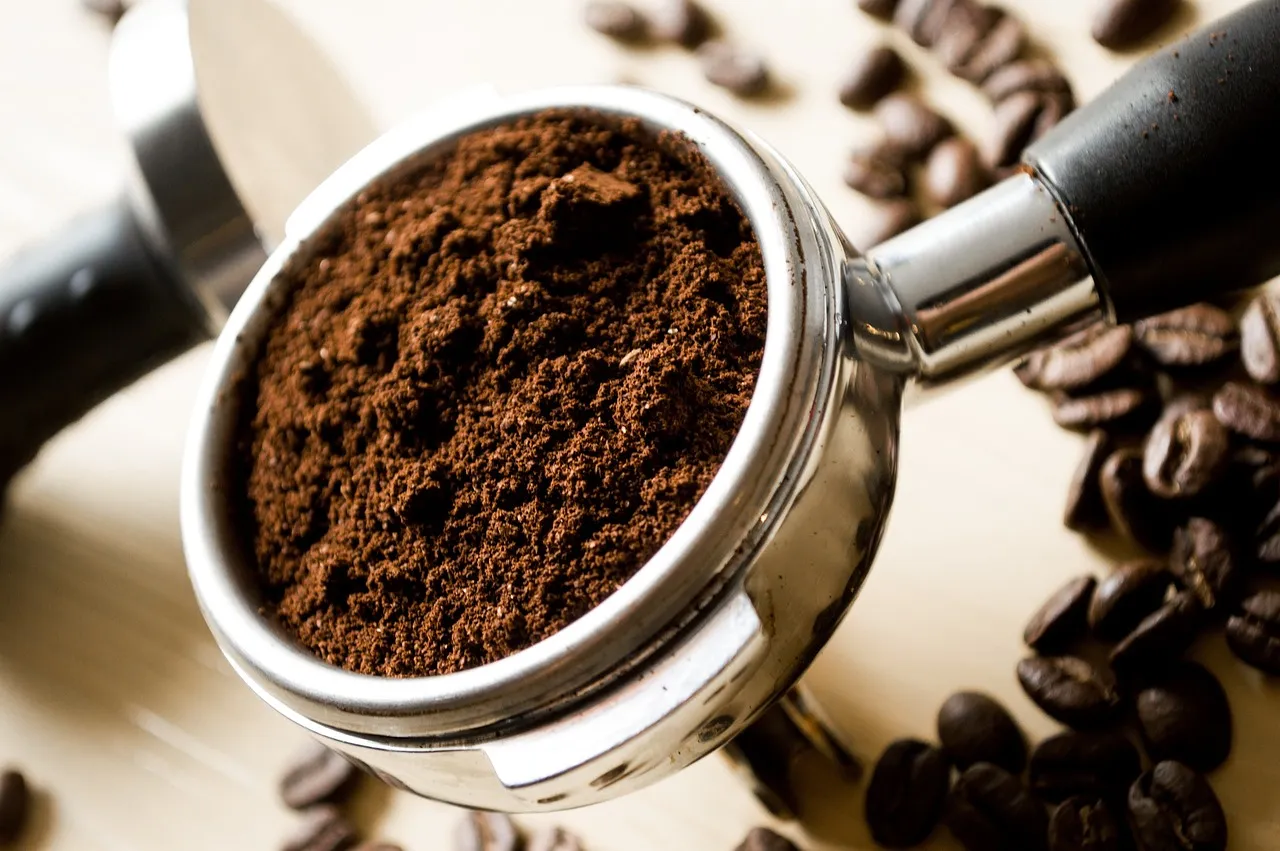

Coffee grounds have earned a near-mythical reputation among gardeners. They’re free, they smell pleasant in the soil, and they feel like the ultimate recycling win. The problem is that the science behind their use is far more complicated than the gardening folklore suggests, and for certain plants, that morning cup could quietly be working against you.
The Real Science Behind Coffee Grounds in Soil
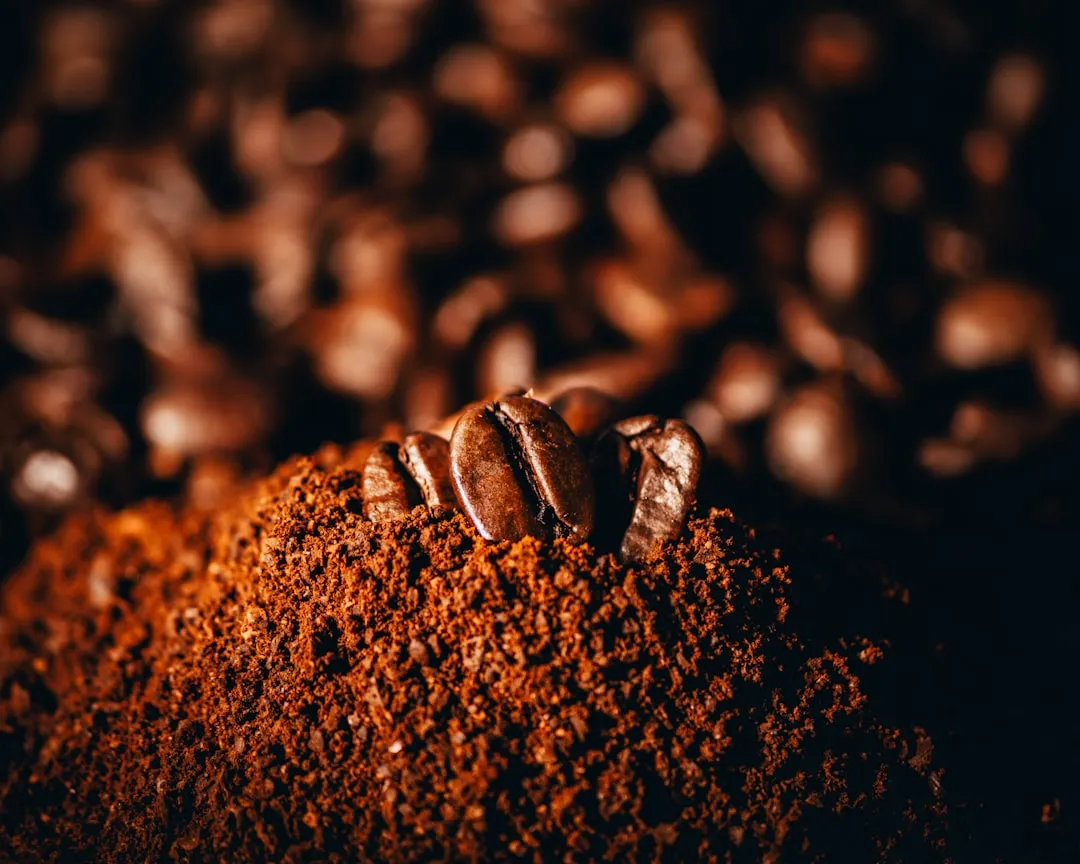
A 2016 study published in the journal Urban Forestry & Urban Greening found that applying spent coffee grounds directly to urban agriculture soils greatly reduces plant growth. That finding alone should give pause to anyone sprinkling grounds generously around their beds.
Though coffee grounds can be good for compost and decay organisms, they are not beneficial for plants in their undecomposed state. Used grounds leach compounds that restrict plant growth and can inhibit water flow in the root zone.
Research has also connected higher levels of caffeine with lower levels of seed germination and slower plant growth. The issue isn’t just acidity. The caffeine itself plays a role that most gardeners never consider.
The Caffeine Problem Nobody Talks About
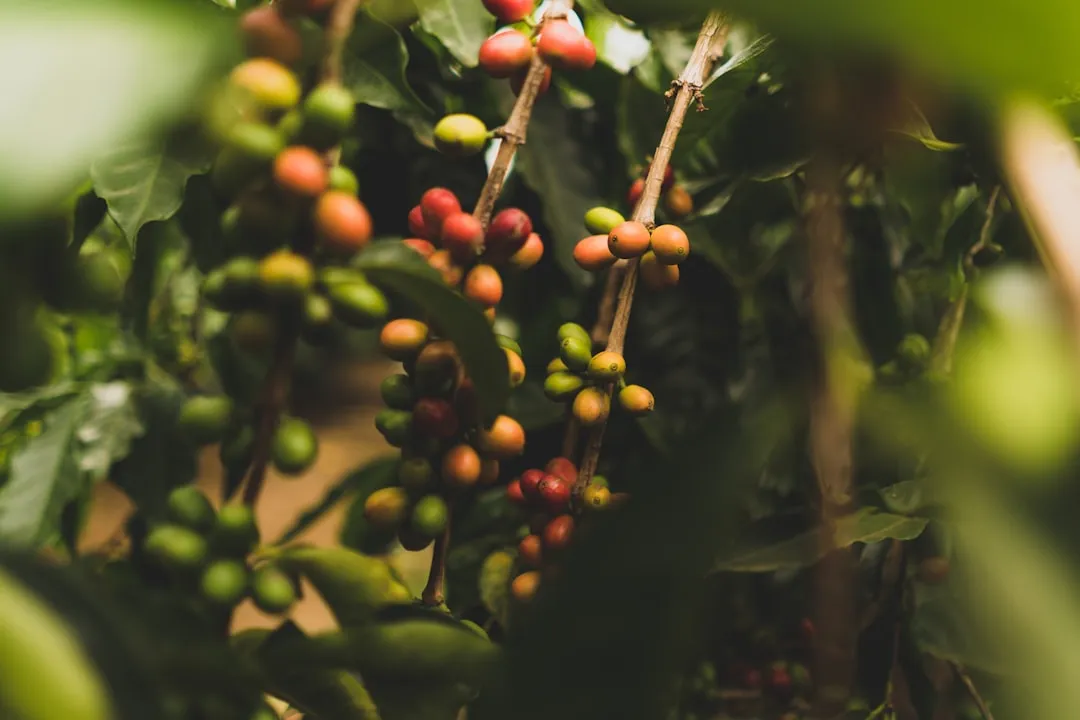
Coffee beans contain caffeine, which is said to suppress the growth of other plants in order to reduce competition for space, nutrients, water, and sunlight. In nature, this is a survival mechanism. In your garden bed, it becomes an accidental sabotage.
Caffeine acts as a natural pesticide and can inhibit growth, particularly for seedlings and young plants. This is especially true for plants that are sensitive to caffeine and tolerate acidic soil poorly.
If too much caffeine is present in leftover grounds, it could distort or even kill plant cells, causing the plant to stop growing. That’s a significant risk when you consider how liberally some gardeners apply them.
The pH Myth That Misleads Millions
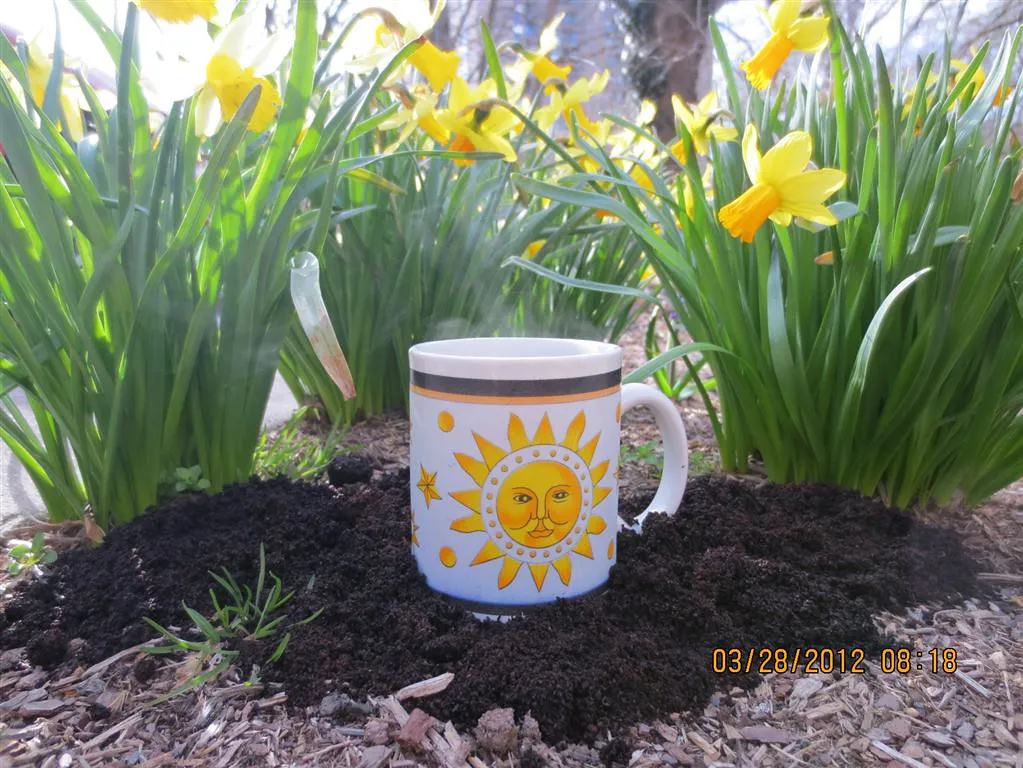
Coffee grounds lose some of their acidity after brewing, giving them a pH level of around 6.5 to 6.8. This is important context, because many gardeners believe they’re dropping a highly acidic amendment into the soil when, in reality, used grounds sit close to neutral.
Adding organic material with a pH of 6.7 will not make your soil acidic. Coffee grounds are a source of organic material, and once composted they will help create better soil structure. However, there is some evidence that when used directly on the soil without composting, coffee grounds may have some short-term negative effects.
In scientific studies, adding coffee grounds to compost has shown varying results, from creating a mildly acidic finished compost of 4.6 to a highly alkaline compost with a pH of 8.4. That kind of variability makes coffee grounds an unpredictable amendment, especially for plants with narrow pH tolerances.
Plant #1: Lavender
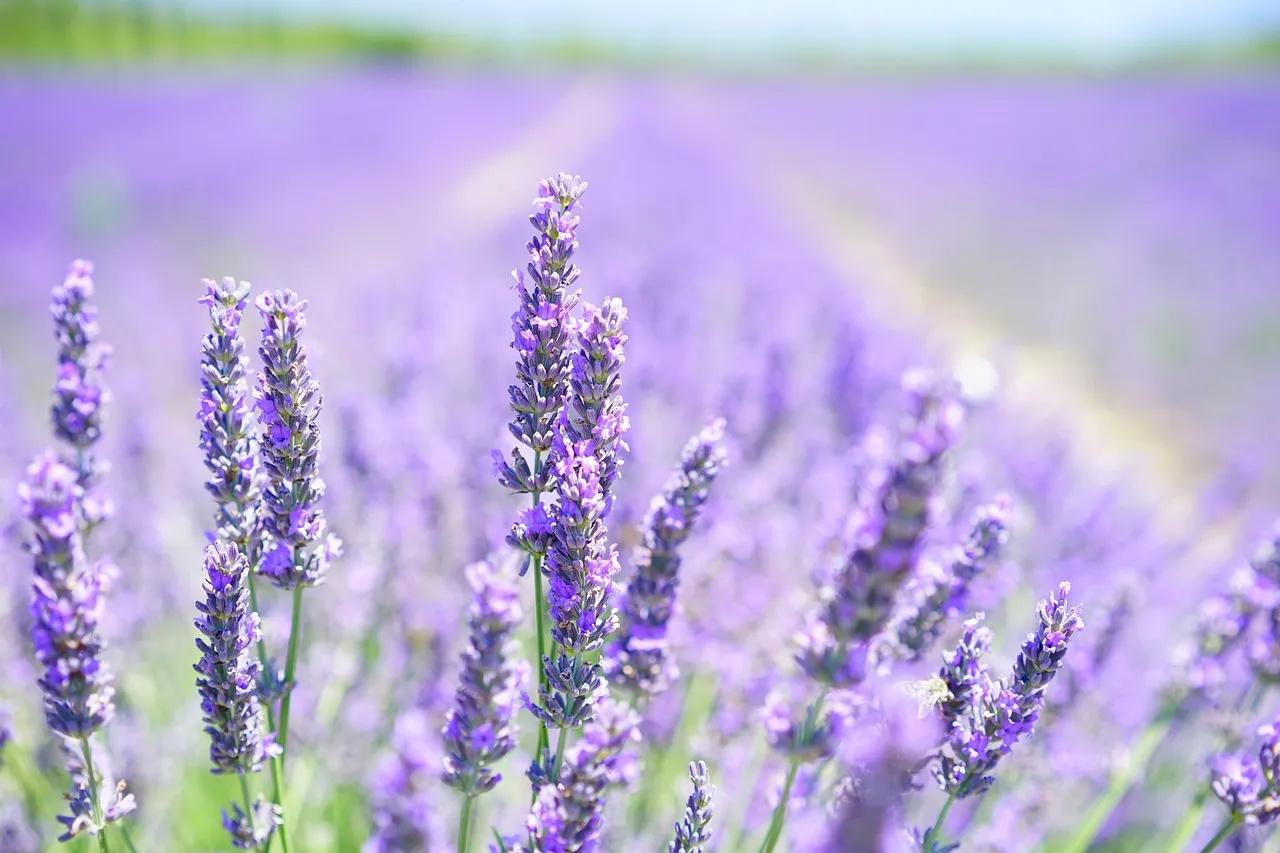
Lavender thrives in slightly alkaline soil and can suffer in acidic conditions. It’s a plant that evolved on dry, rocky Mediterranean hillsides where the soil is lean, well-drained, and far from nutrient-rich. Coffee grounds are essentially the opposite of its natural environment.
Lavender shrubs are low maintenance and require few nutrients to thrive. Excess application of used coffee can cause toxic acidity that hurts the lavender’s roots, and the caffeine can prevent them from thriving.
Fertilizing with clumps of wet coffee grounds can prevent water from draining properly through the plant’s root system. Instead, the water remains in the coffee grounds, bogging down the root zone. When herb roots get waterlogged, the plants may develop root rot and experience delayed growth or yellowing leaves.
Plant #2: Rosemary
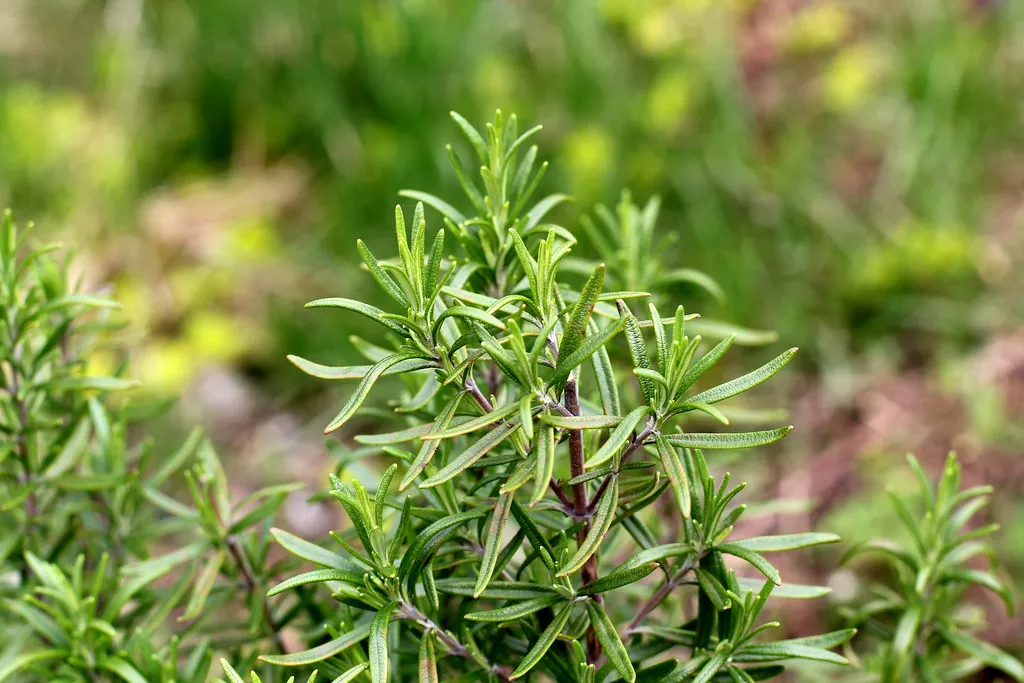
Rosemary prefers a more neutral to slightly alkaline soil and might not do well with coffee grounds. Like lavender, it’s a Mediterranean herb that genuinely struggles when its soil chemistry shifts in the wrong direction.
The grounds may not do well in an herb or tea garden, with produce such as lavender, rosemary, sage, and oregano preferring soil that’s more alkaline. These are not fringe plants. They’re some of the most commonly grown herbs in home gardens.
You can’t use coffee grounds on potted plants like rosemary, lavender, and geraniums, as it makes the potting mix too acidic for them. In pots, the effect is even more concentrated, since there’s no surrounding soil to buffer the shift.
Plant #3: Asparagus
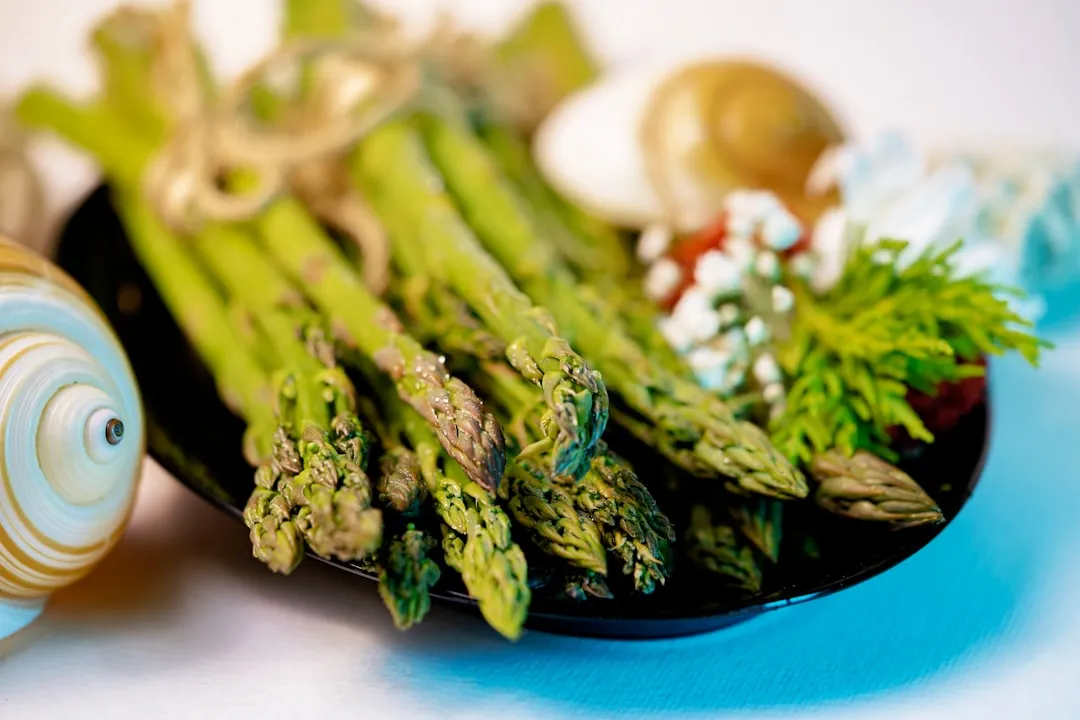
Asparagus prefers deep, well-draining soil or sandy loam with a pH between 6.5 and 7.0. It leans toward the neutral-to-alkaline end of the spectrum, which puts it directly at odds with undecomposed coffee grounds.
Using coffee in mulch or fertilizer can increase soil acidity and negatively affect the growth of asparagus plants. Stems may wilt or become limp if the soil becomes too acidic, leading to unattractive and less tasty vegetables.
The acidity and caffeine content can also repel beneficial garden visitors like earthworms, which are a crucial part of maintaining the garden’s delicate ecosystem. Earthworms break down organic material and enhance soil health, which in turn creates ideal growing conditions for herbaceous plants like asparagus.
Plant #4: Broccoli

Broccoli, leeks, radishes, violas, and sunflowers were part of a study that looked at how plants perform with coffee grounds mixed in their soil. All five plants suffered from the grounds at various application rates. Both the caffeine content and acidity levels harmed the growing crops, causing low yields at the end of the trial.
Depending on the type of coffee used and how strong it is, it may contain compounds that are toxic to broccoli and could stunt its growth or even kill young plants. Coffee that is particularly high in caffeine, including freshly brewed coffee and unused grounds, can kill beneficial bacteria in the soil that are necessary for healthy plant growth.
When soil is too acidic, nutrients become less available to plants or even moved below the root zone, and elements can increase to toxic levels. Low pH levels can also create an unfavorable environment for bacteria, essential to maintaining plant health.
Plant #5: Geraniums
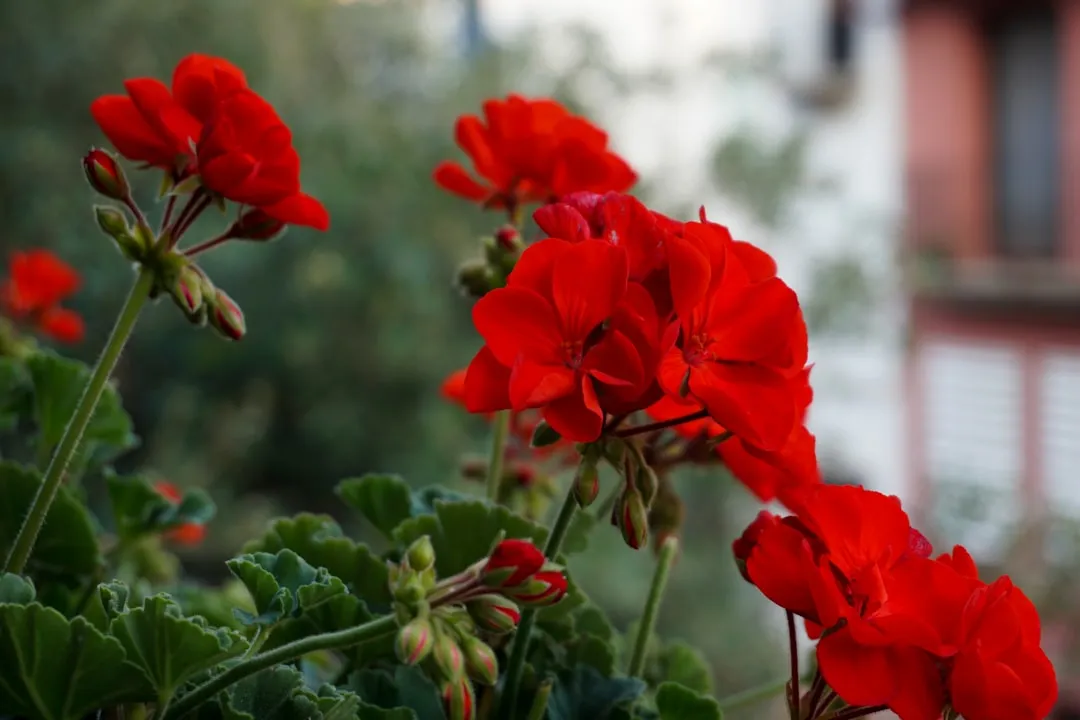
Plants that won’t thrive with coffee grounds include vegetables like Chinese mustard, grasses like Italian ryegrass, rosemary, lavender, and flowering plants like geraniums. Geraniums are a popular garden and container plant, which makes this finding particularly relevant.
If you put asparagus and geraniums near even used coffee grounds, they might not grow well. The sensitivity here is tied to both the caffeine content and the way grounds compact in soil over time.
Coffee grounds can harm the roots of seedlings by inhibiting growth if applied too thick. Some plants may wilt and die with too much acidity, while others may struggle to germinate. For geraniums started from seed or cuttings, this is a real and documented risk.
The Compaction and Water Problem
If you don’t properly incorporate grounds into the soil, you can force your garden to dry out. Coffee grounds can create a dense layer on the soil surface that might impede water infiltration if not properly mixed into the soil. This is a structural problem, not just a chemical one.
Too many grounds in one spot can create a nitrogen overload, which may burn delicate plants or inhibit growth. The issue compounds quickly when gardeners, thinking more is better, pile on extra grounds week after week.
Research found that coffee grounds stunted plant growth, including the growth of weeds. The fact that they suppress even weed germination is a signal that their allelopathic properties are strong enough to affect a wide range of plant life.
What to Do Instead
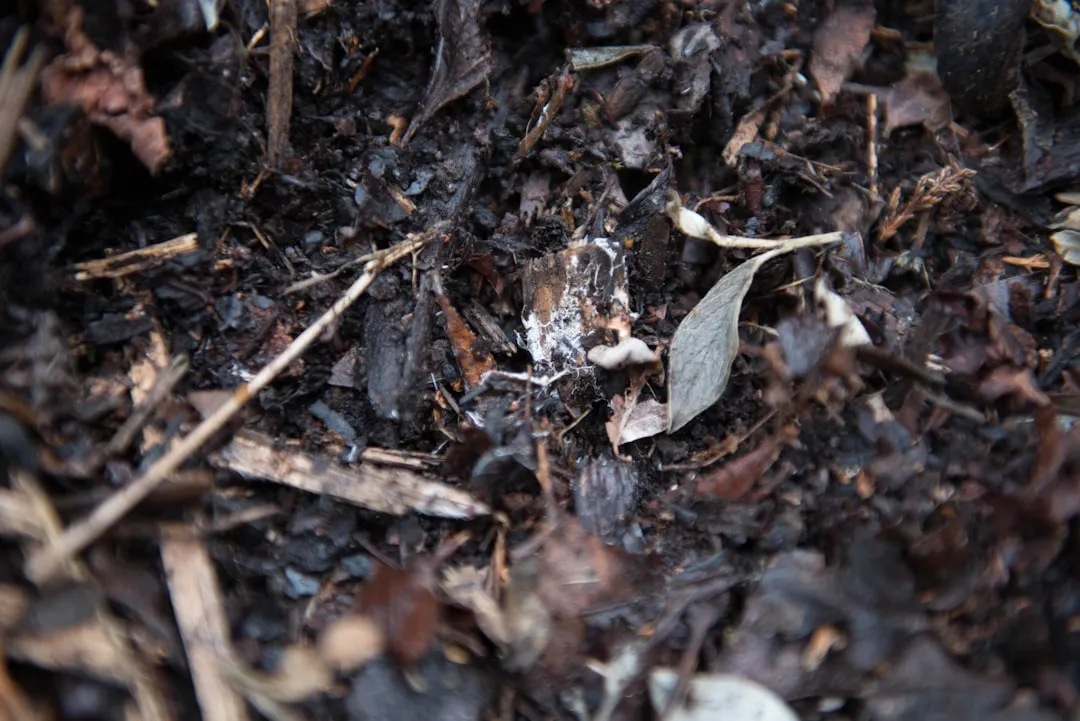
Incorporating coffee grounds into compost rather than directly into garden soil avoids creating a dense layer that can impede water infiltration. This method allows nutrients to break down naturally and mix more evenly in the soil. Composting first is the single most consistent recommendation from horticulturists across the board.
The safest rule is keeping all coffee ground additions within 10 to 20 percent of compost volume, pairing them with other organic matter, and testing soil pH periodically. That kind of measured approach preserves the benefits while cutting out most of the risk.
Performing a soil test to better understand the acidity and nitrogen levels of the bed before adding grounds is a good way to determine if your plants truly need a boost. It takes about ten minutes and removes most of the guesswork entirely.
Conclusion: Know Before You Scatter
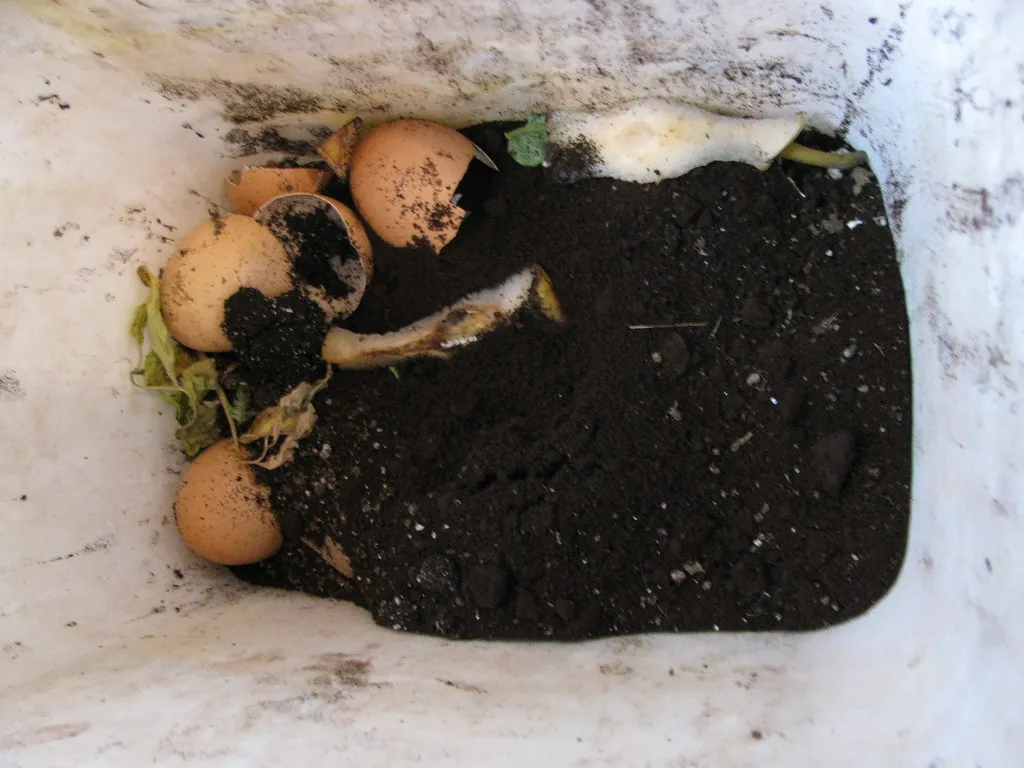
Coffee grounds aren’t villains. For acid-loving plants like blueberries, azaleas, and hydrangeas, they genuinely belong in the garden toolkit. The problem is the blanket assumption that they’re universally beneficial, a belief that doesn’t hold up when you look at the research.
Coffee grounds are a valuable garden amendment, though they aren’t best for all crops. That’s a straightforward truth that gets lost in the enthusiasm for free, easy organic material.
The plants covered here, lavender, rosemary, asparagus, broccoli, and geraniums, all have documented reasons to keep coffee grounds away from their roots. The soil pH preferences, caffeine sensitivity, and drainage requirements are real, measurable factors. Understanding them isn’t just useful. It’s the difference between a thriving bed and one that slowly puzzles you into frustration.
AI Disclaimer: This article was created with the assistance of AI tools and reviewed by a human editor.