
Most gardeners understand that composting is a good idea. Fewer realize there are genuinely distinct methods, each with its own pace, demands, and payoffs. The choice between hot and cold composting isn’t just a technical detail – it touches on how much time you have, what you’re growing, and what problems you want to avoid in the garden.
The compost market is showing a steady growth trajectory, driven by increasing consumer demand for organic and sustainable products, and robust growth in the U.S. is led by rising demand for sustainable waste management and organic farming. As more home gardeners and growers take composting seriously, understanding the mechanics behind each method matters more than ever.
What Composting Actually Is
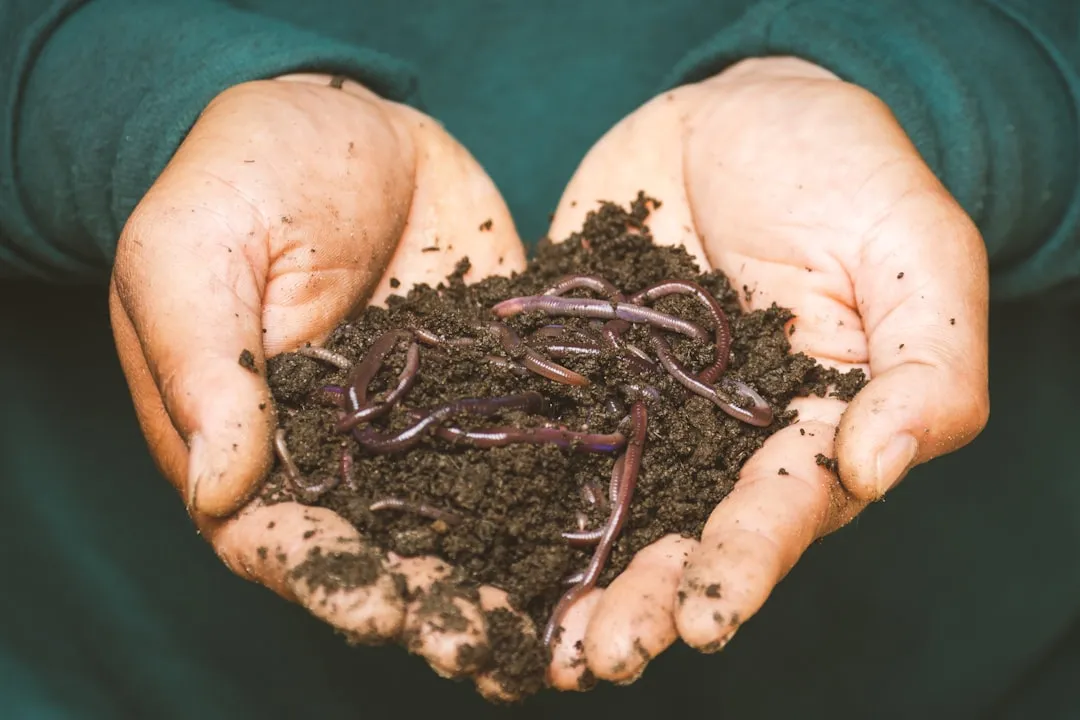
At its core, compost creation is about using bacteria, fungi, and other microorganisms to break down organic matter into nutrient-rich humus. The end result – dark, crumbly, sweet-smelling material – is essentially the same regardless of which method you use. What differs is how quickly you get there, and what conditions you manage along the way.
As a soil amendment, compost helps to promote soil health, improving the physical, chemical, and biological characteristics of soil, and is a source of organic matter, providing nutrients and structure to soils. A 2025 EPA report confirmed these benefits apply across composting types, making it clear that both methods have real agricultural and environmental value.
How Hot Composting Works
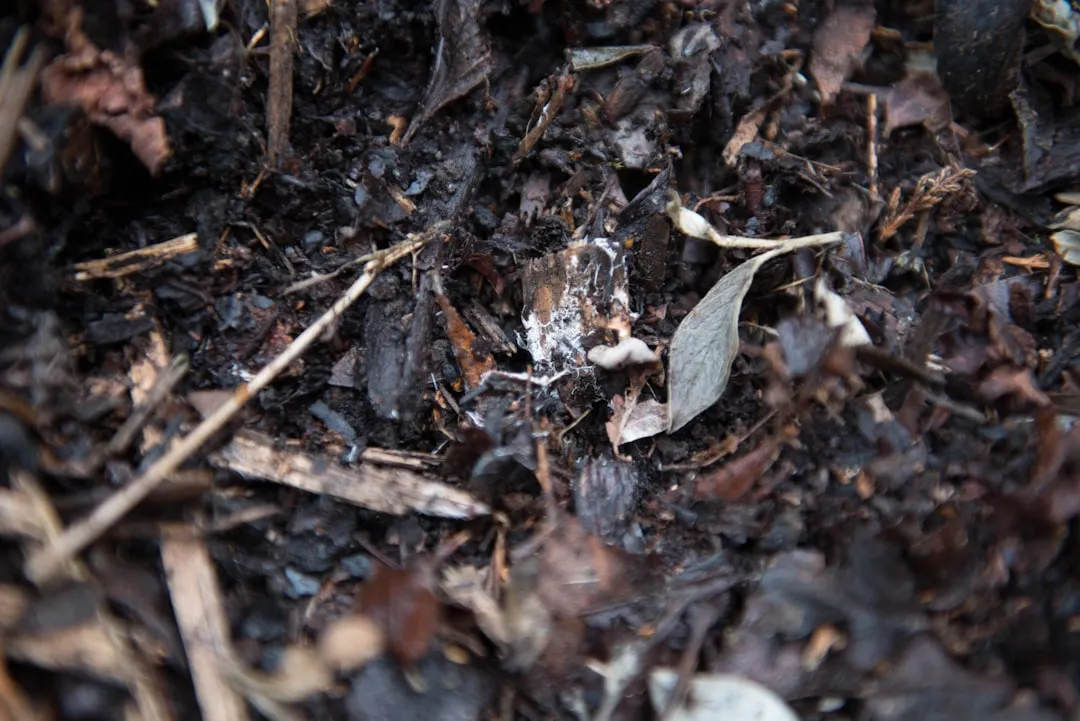
Hot composting is an accelerated process that generates significant heat up to 160°F through microbial activity, requiring careful management of carbon-to-nitrogen ratios, moisture levels, and regular turning. The biology behind it moves through two distinct stages. If the carbon-to-nitrogen ratio and other conditions are right, mesophilic microorganisms, which thrive in moderate temperatures, start breaking down the organic material, producing heat in the process – these microorganisms do best in temperatures of around 20 to 45 degrees Celsius, and are then replaced by thermophilic microorganisms, which thrive in high temperatures.
If the pile is built correctly, it will heat up within 24 to 36 hours to the ideal temperature of 141°F to 155°F, at which point weed seeds and disease pathogens die. That speed and biological intensity is what makes hot composting genuinely different from simply letting a pile sit.
How Cold Composting Works
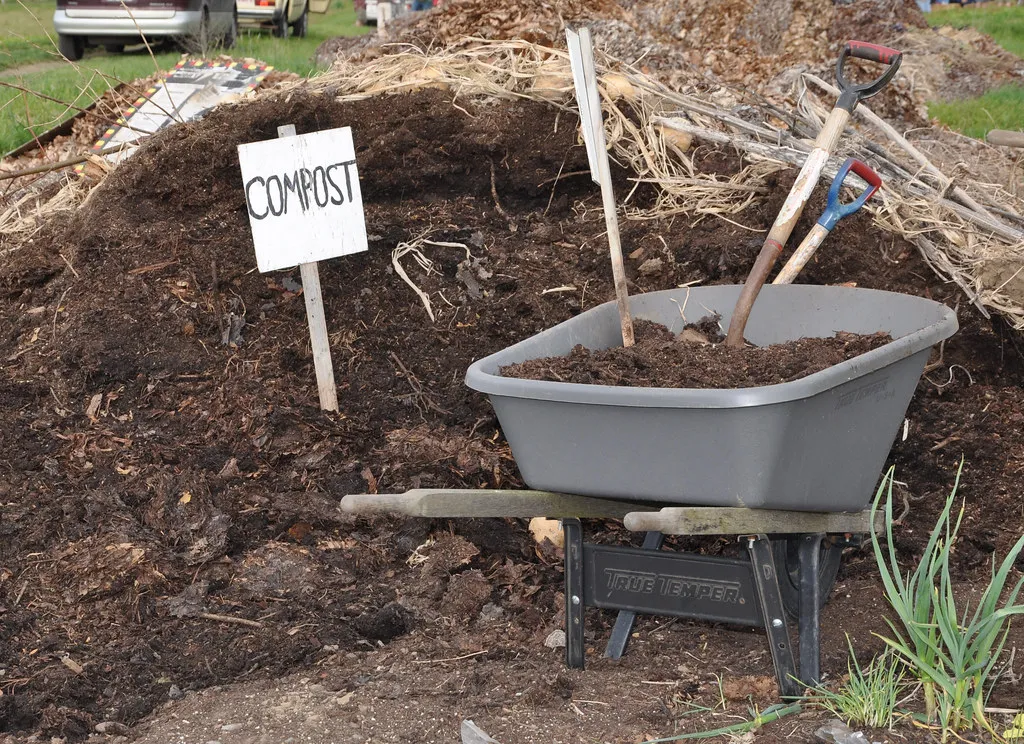
Cold composting is a passive approach where materials decompose slowly at ambient temperatures with minimal intervention. There’s no need to monitor temperatures or turn the pile on a schedule. This method of composting has essentially two steps: put your waste in a pile, and wait – you can think of cold composting as the add-as-you-have-materials pile.
Cold composting breaks down organic material naturally over time, without generating significant heat. Since conditions don’t support rapid bacterial growth, the process is slower and relies more on fungi and anaerobic bacteria as oxygen levels reduce. It’s less dramatic, but it does still work. A cool pile can still make good compost, breaking down yard trimmings and fruit and vegetable scraps over time.
The Speed Difference Is Real
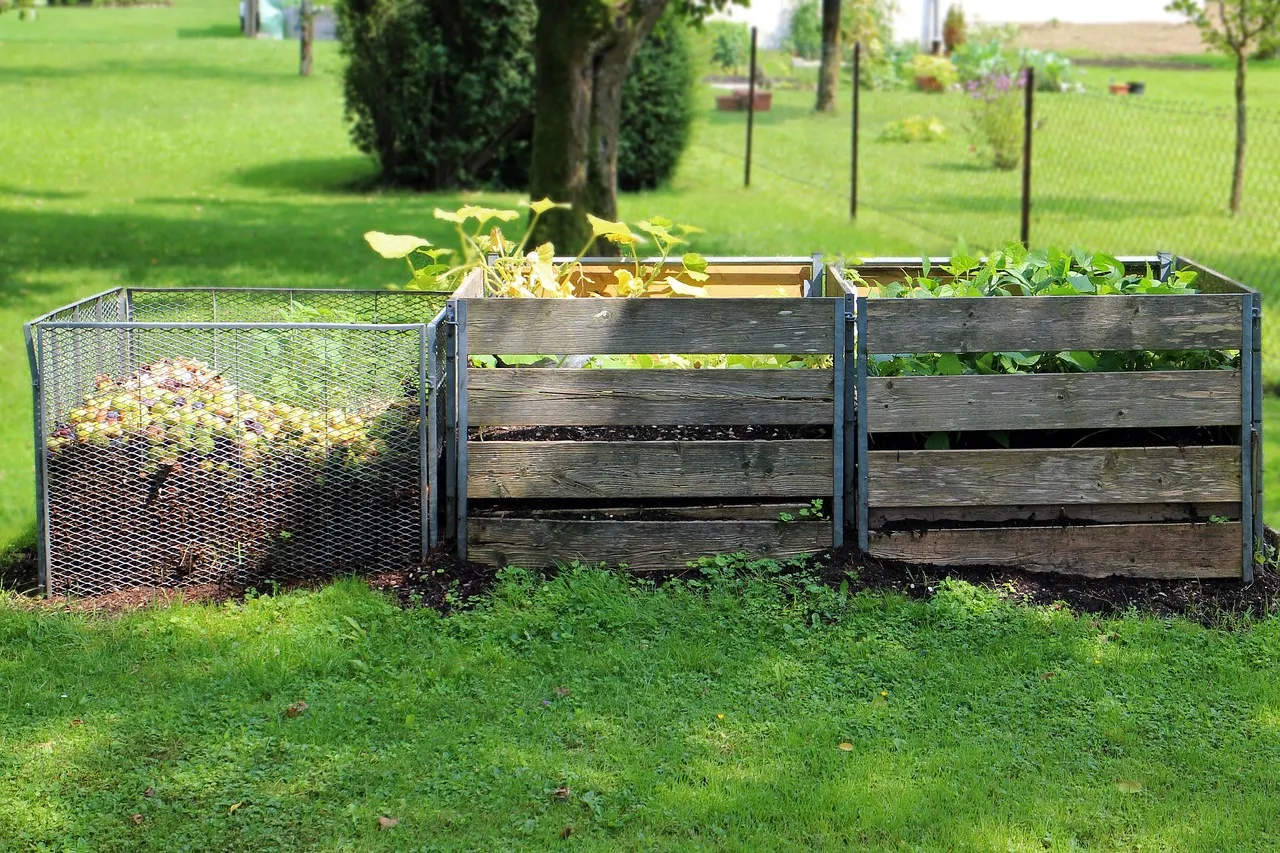
Hot composting helps the pile heat up to between 115 and 160 degrees Fahrenheit, which is warm enough to kill weed seeds and diseases, and due to this process, hot compost can be ready to use in as little as two weeks. That’s a striking turnaround compared to the alternative. Cold composting requires minimal effort but may take a year or two before it produces compost you can use in your garden.
A hot pile can finish in weeks, while a cool pile can take three to six months or longer – but it requires far less management. The tradeoff is straightforward: time versus effort. Neither answer is wrong, and it really comes down to your situation.
What Hot Composting Demands From You
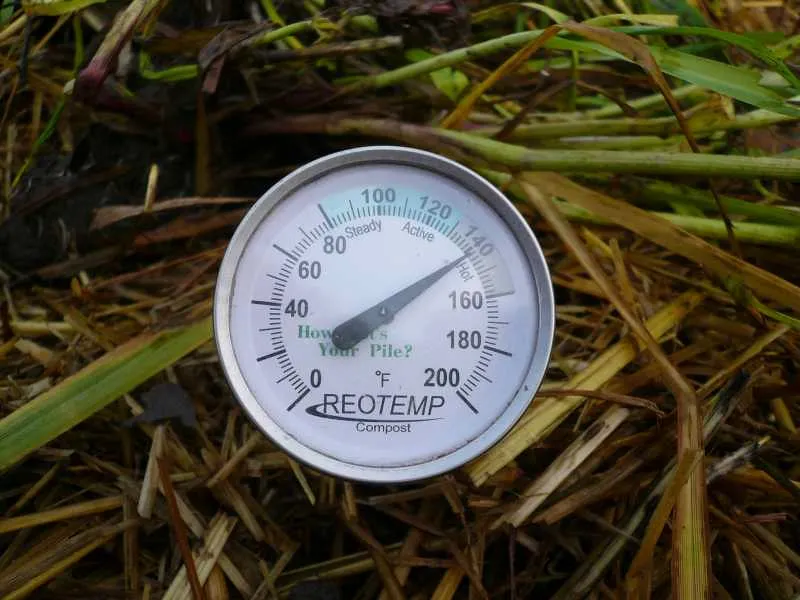
Hot composting doesn’t just happen – turning, temperature monitoring, watering, and attention to what you put in the pile are absolute musts. The carbon-to-nitrogen balance is especially critical. Research suggests that the ideal ratio is around 25:1 to 35:1, but you can produce successful compost with a wider range of carbon-to-nitrogen ratios.
To keep a pile running hot, pay attention to four elements: carbon, nitrogen, water, and air. A hot pile requires enough high-nitrogen materials to get the pile to heat up, with a ratio by volume of two parts carbon to one part nitrogen. This method takes more effort because you have to monitor the moisture and turn it weekly, and it also requires more tools, such as a pitchfork, compost tumbler, or thermometer, making it less beginner-friendly.
The Pathogen and Weed Seed Advantage
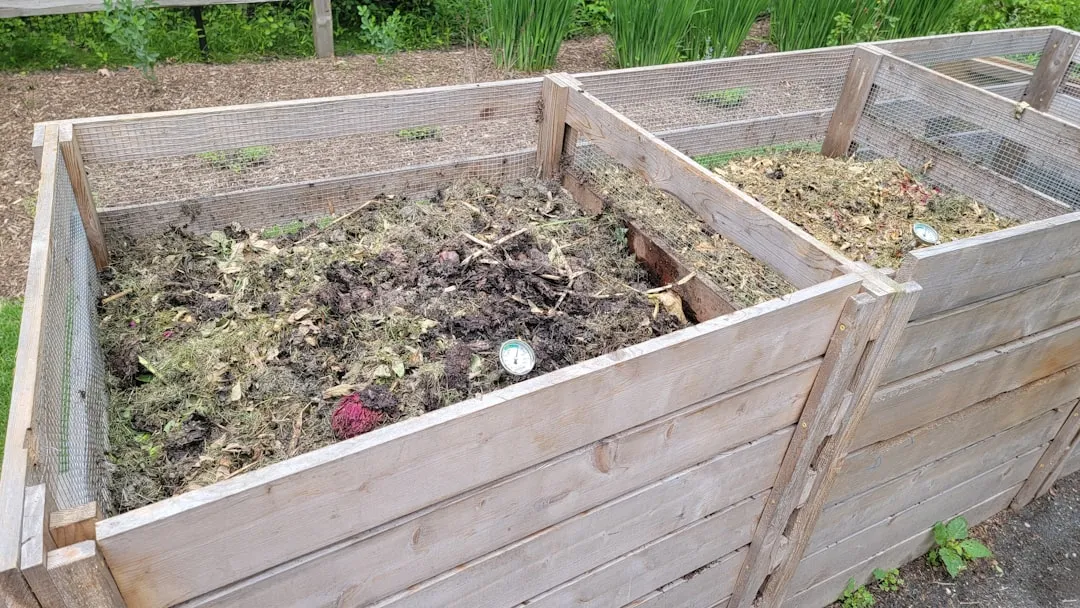
Compost must reach 130 to 135 degrees to kill weed seeds and pathogens, according to Oregon State University research. This is one of the clearest practical advantages hot composting holds over its passive counterpart. Hot composting kills weed seeds and most disease organisms, which is especially relevant for gardeners dealing with persistent weed pressure or disease-prone crops.
Improperly assembled and maintained piles or windrows may not reach high enough temperatures during the active phase for killing all weed seeds and pathogens. Failure to reach adequate temperatures can come from too high a carbon-to-nitrogen ratio, too little water, or too little oxygen, which inhibit the rate of decomposition and thus the production of heat. Careful setup is therefore essential – half measures won’t deliver the full benefit.
Why Cold Composting Suits Busy Lives
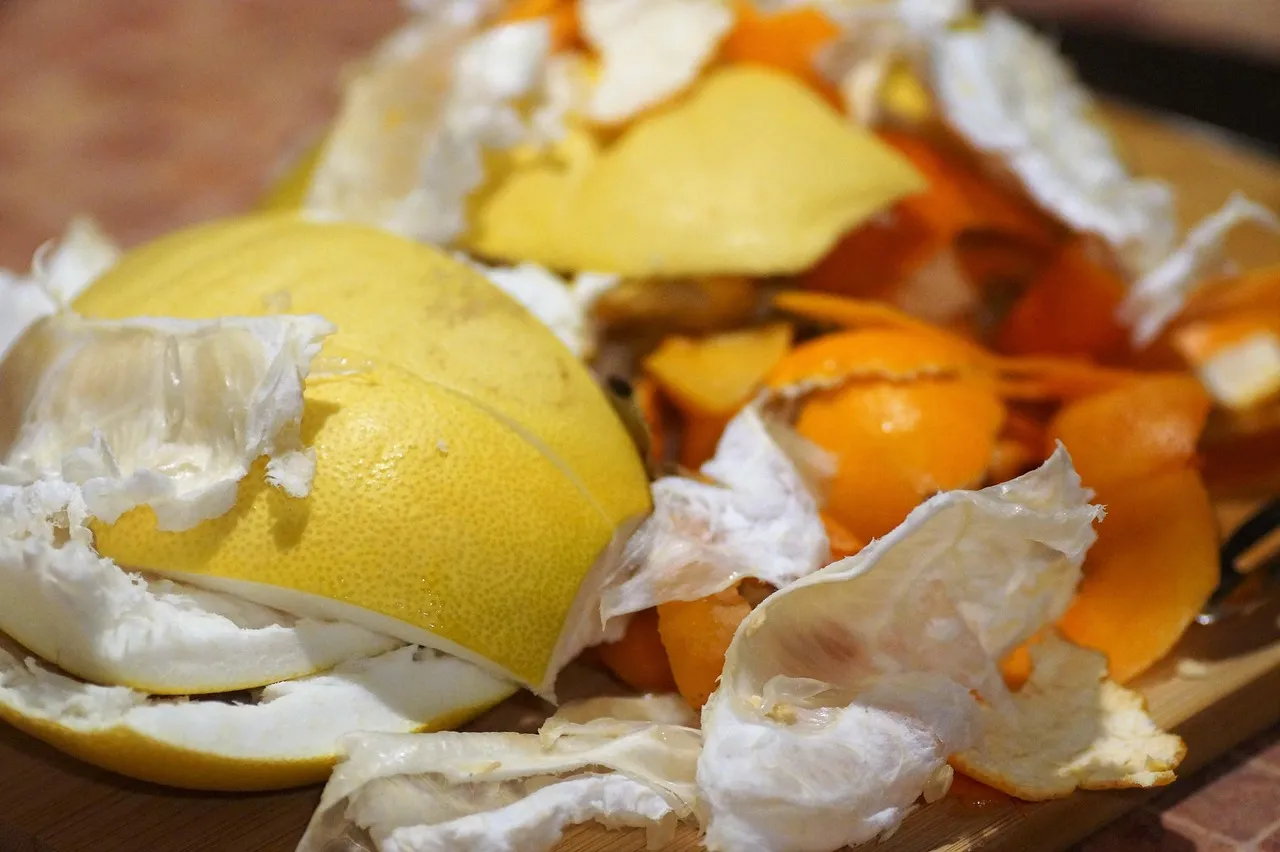
Cold composting takes significantly longer to yield compost, but it’s usually a better fit for busy lifestyles. There’s real freedom in being able to toss kitchen scraps and yard clippings into a pile without strict rules about ratios or turning schedules. Cold composting is more forgiving than hot composting in terms of the brown vs green balance.
Cold composting needs minimal maintenance and suits limited spaces. For apartment dwellers with small outdoor areas, or anyone whose gardening fits around a demanding schedule, this low-intervention method is genuinely practical. If hot composting isn’t for you, easy cold-composting methods each have their own advantages and disadvantages, but the end result is the same: improved garden soil and less organic waste in landfill.
The Soil Benefits Both Methods Share
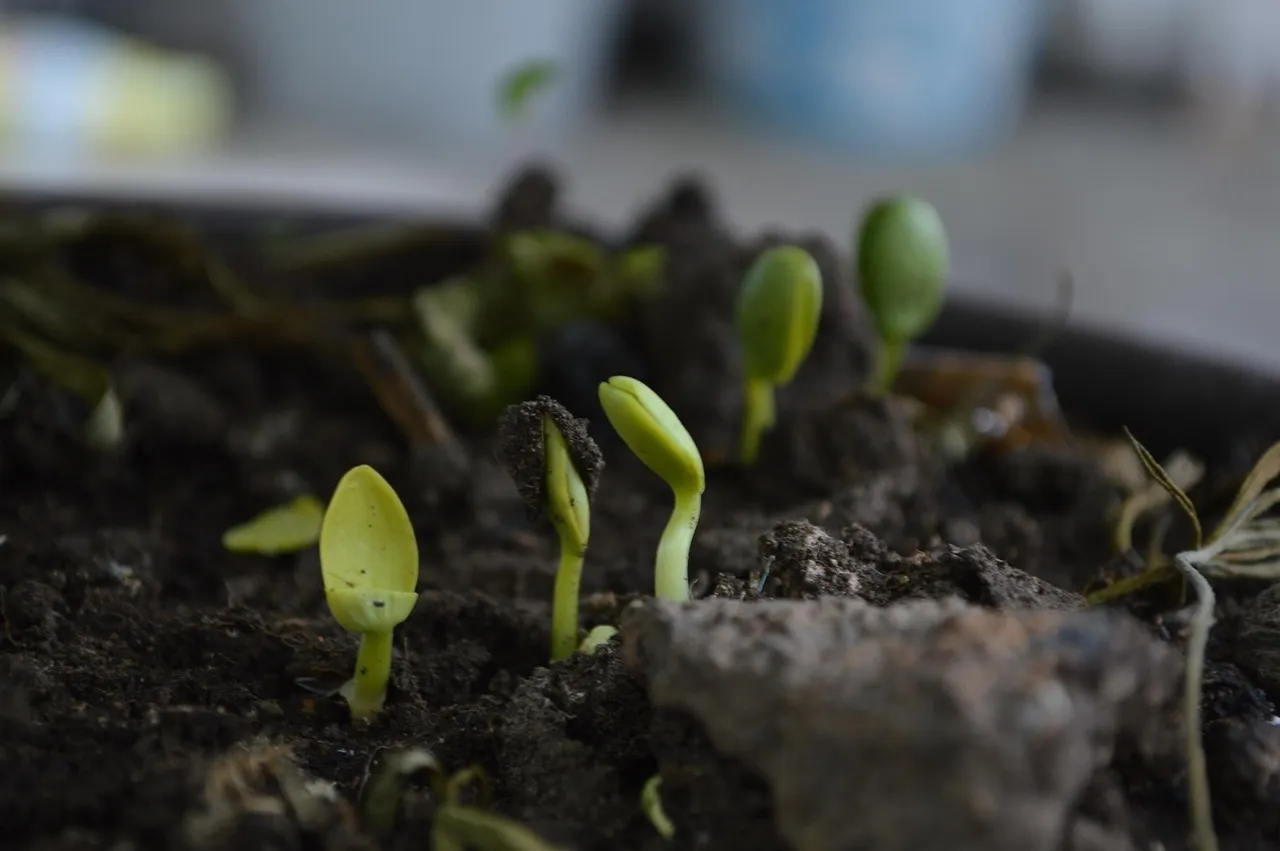
Compost reduces bulk density, enhances porosity, and improves water retention, particularly in degraded soils. It also provides slow-release macronutrients including nitrogen, phosphorus, and potassium, and increases cation exchange capacity, improving long-term soil fertility. These gains apply whether your compost came from a hot pile or a slow passive heap. The nutrient profile may vary somewhat, but the structural soil benefits are broadly consistent.
Composting adds organic matter to soil and increases the nutrient content and biodiversity of microbes in soil, conserves water and reduces water use by helping soils retain moisture, helps prevent soil erosion by reducing soil compaction and runoff, and reduces reliance on chemical fertilizers and pesticides. These are EPA-documented benefits, confirmed in a 2025 report on the environmental value of applying compost.
The Composting Landscape in 2025 and 2026
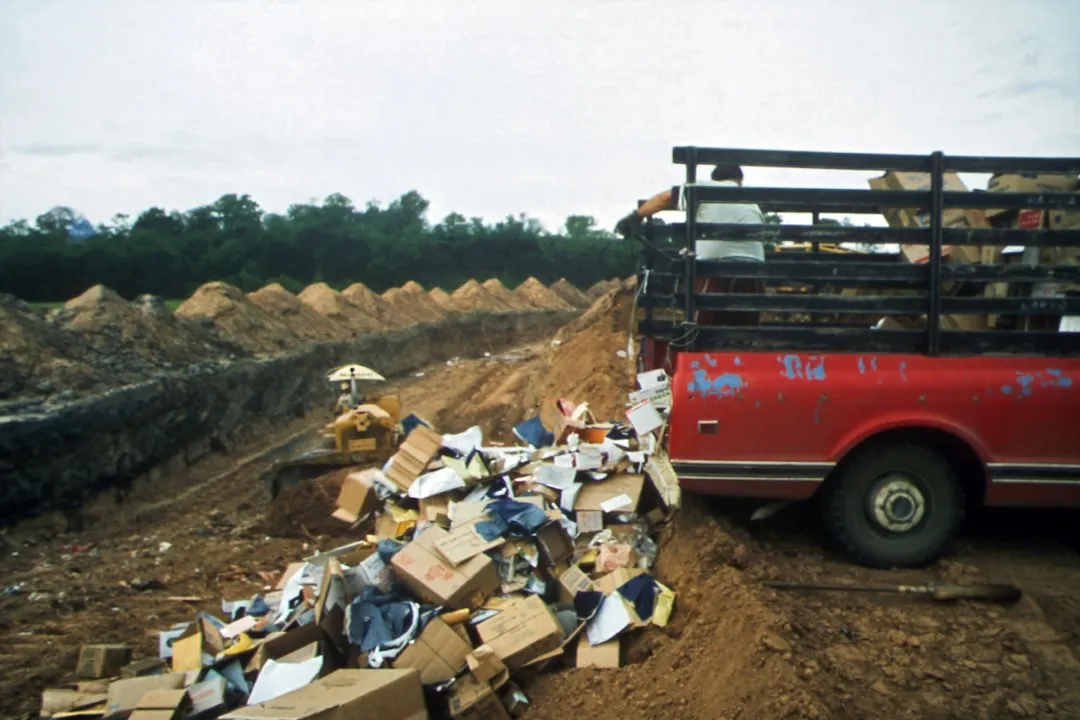
The US Composting Council reported results of a Compost Throughput and Environmental Impact Survey conducted between December 2024 and May 2025 that collected 2023 data. The findings pointed to significant industry growth. As testament to the growing strength of the industry, member compost producers took in over five and a half million more tons of organic feedstock in 2023 compared to 2020.
Composting access can be instrumental in addressing climate change, with food waste accounting for roughly well over half of landfills’ methane emissions, despite making up less than a third of landfill content. Home composting, whether hot or cold, contributes meaningfully to this picture. Total organic material handled by community composters increased by roughly one-fifth from 2023 to 2024, a sign that momentum at the grassroots level is building alongside industrial-scale operations.
Which Method Is Actually Right for You?
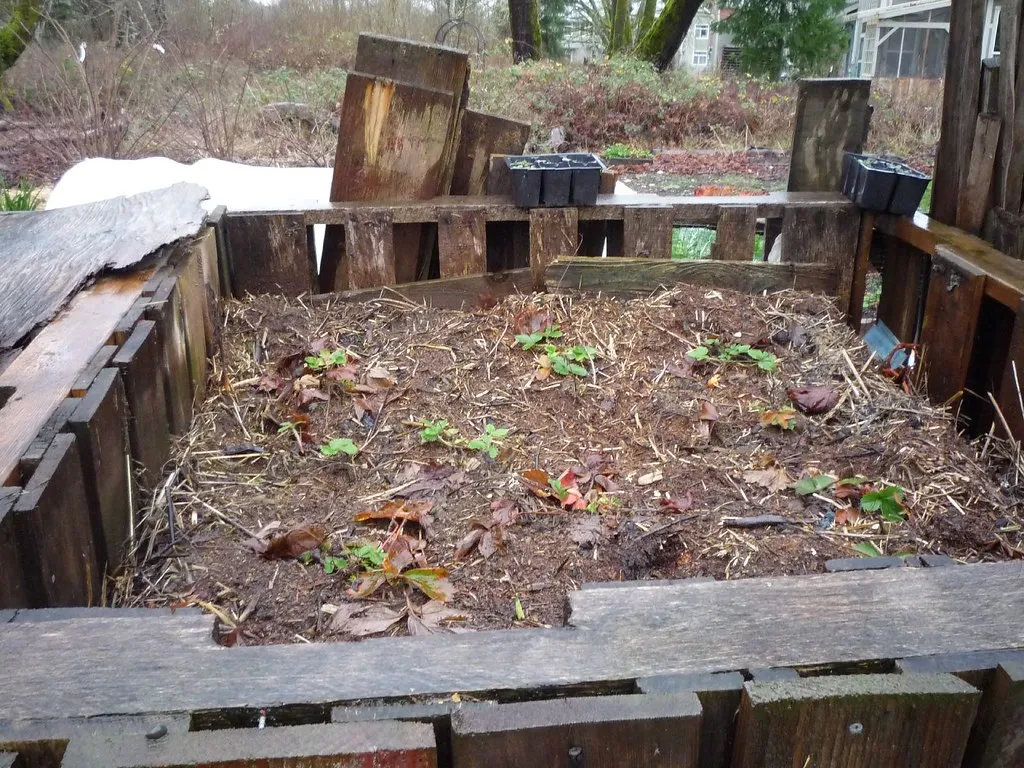
Although gardening enthusiasts who love hands-on projects might prefer the hot method for its speed and involvement, your approach – whether you use a pile, a tumbler, or a hot bin – should fit into your daily routine without becoming a burden. That’s the honest framing. If you have an active kitchen garden and need compost quickly while also dealing with weeds, hot composting earns its extra demands.
The right choice depends on what you are trying to accomplish, when you need the compost, and how much time and effort you are willing to put into it – and there is certainly a use for both, since regardless of which sort of compost you make, your garden will be better off for it. There’s no wrong answer here. The best compost system is the one you’ll actually maintain.
A Practical Starting Point
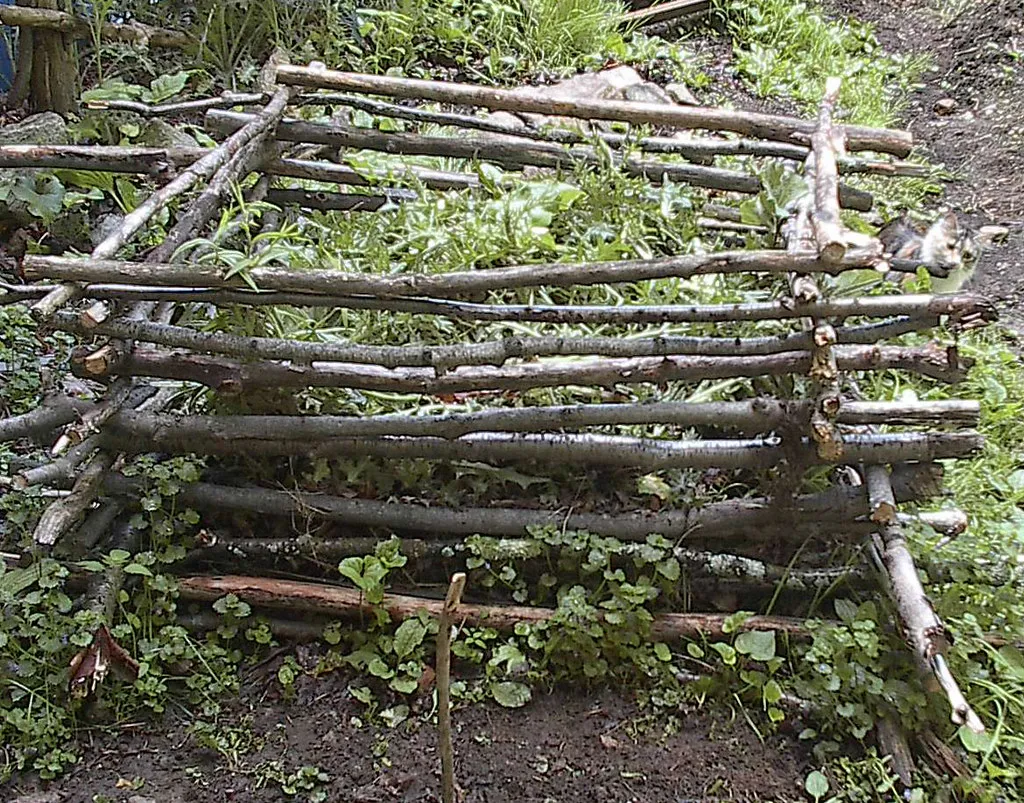
The process involves balancing greens (nitrogen-rich materials like food scraps and grass clippings) with browns (carbon-rich materials like dead leaves and branches), and ensuring adequate moisture and aeration to facilitate decomposition. Both methods start from this same foundation. The difference is in how actively you manage what follows.
Starting with cold composting is a sensible first step since it is so much easier, and if you find that you catch the composting bug, you can give hot composting a try. That’s practical advice regardless of experience level. Most experienced composters end up using both at different points in the season – a hot batch when the garden demands it, a passive pile running quietly in the background the rest of the time.
Composting, in either form, is one of the few garden practices that simultaneously reduces waste, cuts your reliance on bought inputs, and genuinely improves the ground beneath your feet over time. The method is secondary to the habit – starting is what matters most.AI Disclaimer: This article was created with the assistance of AI tools and reviewed by a human editor.