

You step outside one morning and find your favorite potted fern uprooted, fresh soil scattered across the patio, and a small walnut tucked just below the surface. It wasn’t a mystery for long. Squirrels have a particular fondness for soft, loose container soil, and that cheerful planter on your balcony might as well be a five-star hotel for their food reserves.
This behavior is not random mischief. It is driven by deep biological programming, sophisticated memory, and survival strategy. Understanding what’s happening beneath your plants makes the whole thing considerably more interesting, even when it’s frustrating.
The Survival Instinct Behind Every Buried Nut
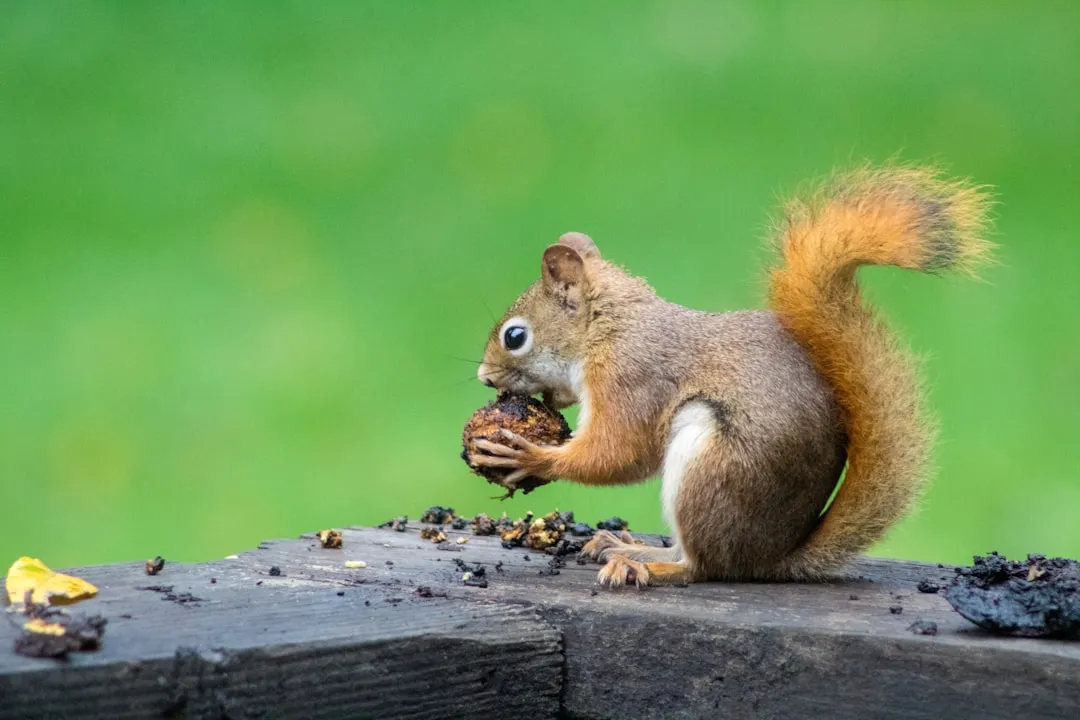
Squirrels bury nuts and other food items as a long-term strategy to ensure they have a reliable food supply when food is scarce. Eating everything immediately would leave them vulnerable during lean periods.
Unlike some animals that hibernate or migrate, squirrels generally remain active year-round, which means they need a reliable food source even when natural supplies dwindle. That simple biological reality is the root of every torn-up pot in your yard.
Squirrels bury nuts out of necessity. During the fall, as food sources become scarce, they rely on their cached nuts to sustain them through the long winter when plants and trees no longer produce fruits and seeds.
Scatter Hoarding: The Strategy of Spreading the Risk
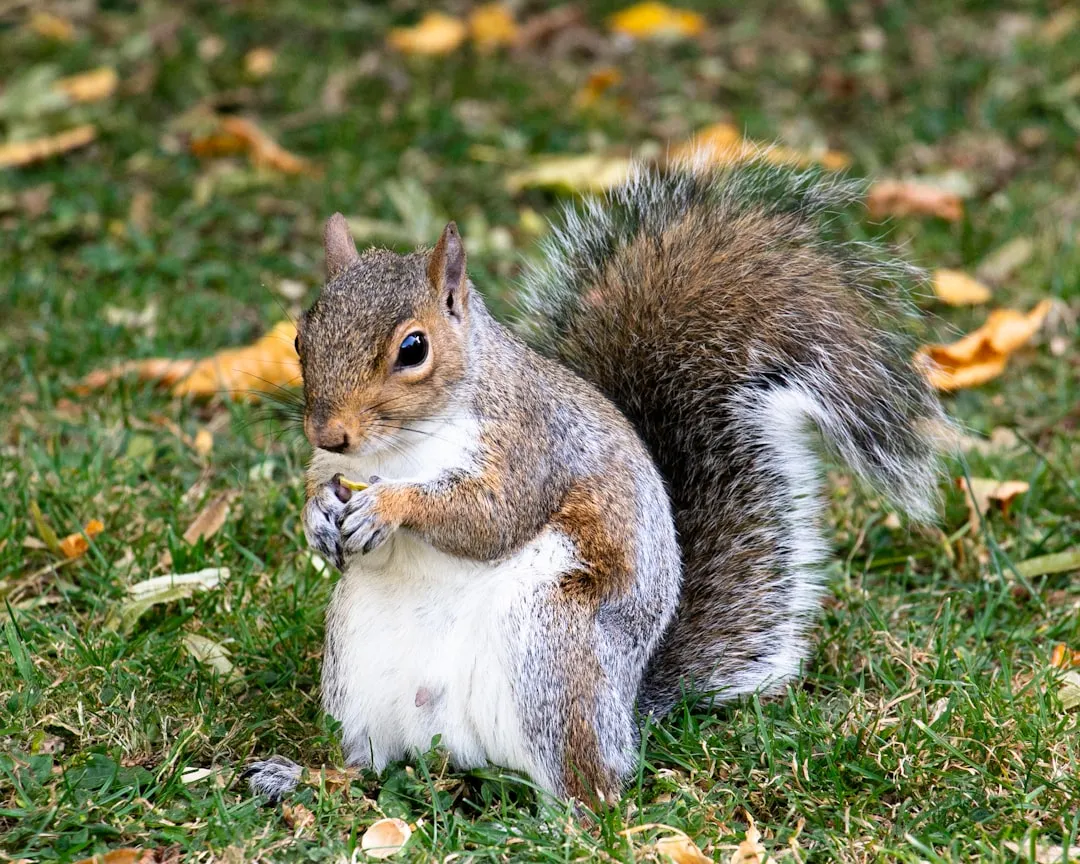
Animals that store food to survive the winter don’t just do so randomly. They typically either larder-hoard, storing all their food in one place, or scatter-hoard, splitting their bounty across many different locations. Most squirrel species are scatter-hoarders.
The more widely dispersed the food, the lower the risk that a hungry competitor will discover the squirrel’s entire supply and destroy it in one go. It’s essentially a diversified portfolio strategy, applied to acorns.
Most tree-dwelling squirrels, including the familiar Eastern gray that’s common in the Eastern and Midwestern United States, are what biologists call scatter-hoarders, stashing thousands of nuts across a wide area. Some squirrels can bury up to 3,000 nuts in a single season.
Why Your Potted Plants Are a Prime Target
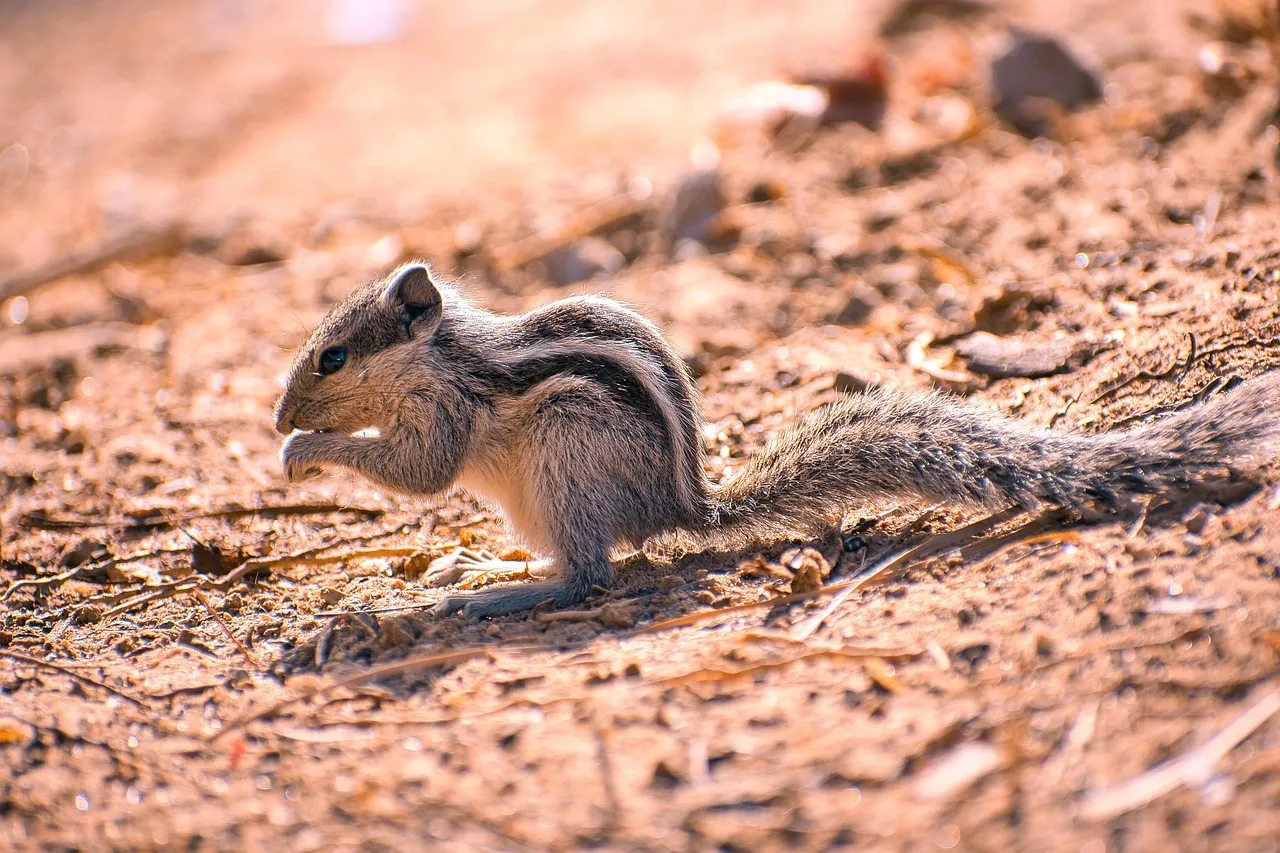
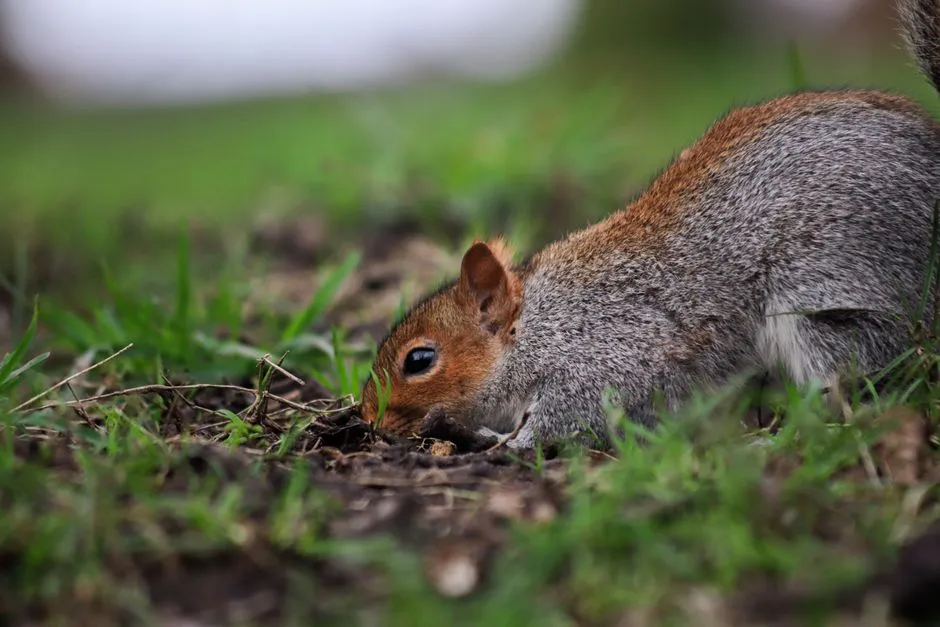
Squirrels dig in potted plants because the loose soil is perfect for burying food like acorns and nuts. Container soil is softer than garden soil, making it easier for them to hide their food for later.
Squirrels dig primarily to bury their cache of food, such as acorns or nuts. Flowerpots are ideal because potting soil is so soft and easy for squirrels to dig in. From a squirrel’s perspective, a well-watered pot of soft loam is basically pre-prepared ground, ready to go.
When a squirrel finds a potted plant in the fall, it may see a great place to bury a nut. Along the same lines, when a new seedling is planted in early spring, squirrels in the area may smell the exposed dirt, which to them may suggest a place where another critter recently dug up some goodies or buried something worth investigating.
How Squirrels Actually Remember Where They Buried Everything
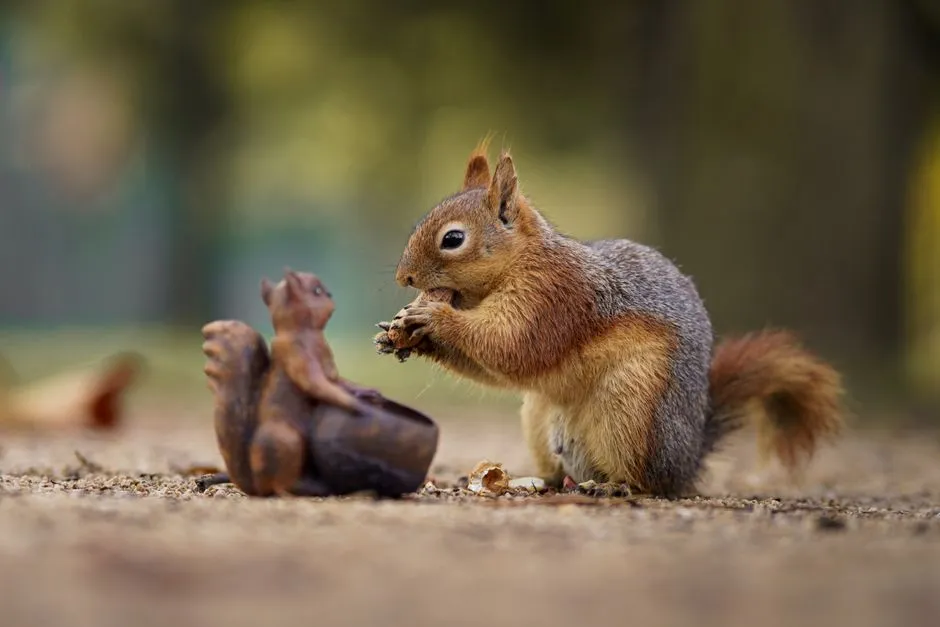
A squirrel’s recall is not merely a product of chance but is supported by spatial memory and cognitive skills. Squirrels use a combination of landmarks, olfactory cues, and mental mapping to retrieve their caches, demonstrating a sophisticated memory system tailored to their ecological niche.
Squirrels seem to have a good spatial memory, which helps them relocate their caches, although it has been suggested that memory guides the squirrel to the general area while scent guides it to the specific location of the cache over the final few centimetres.
Research from Jacobs’s lab suggests that the fox squirrel’s tendency to carefully bury nuts of the same type close together may indicate an information-streamlining strategy called “chunking,” which humans also use. In squirrels, organizing nuts by type likely reduces memory load and should increase accuracy of recall.
The Deception Game: Fake Caches and Food Thieves
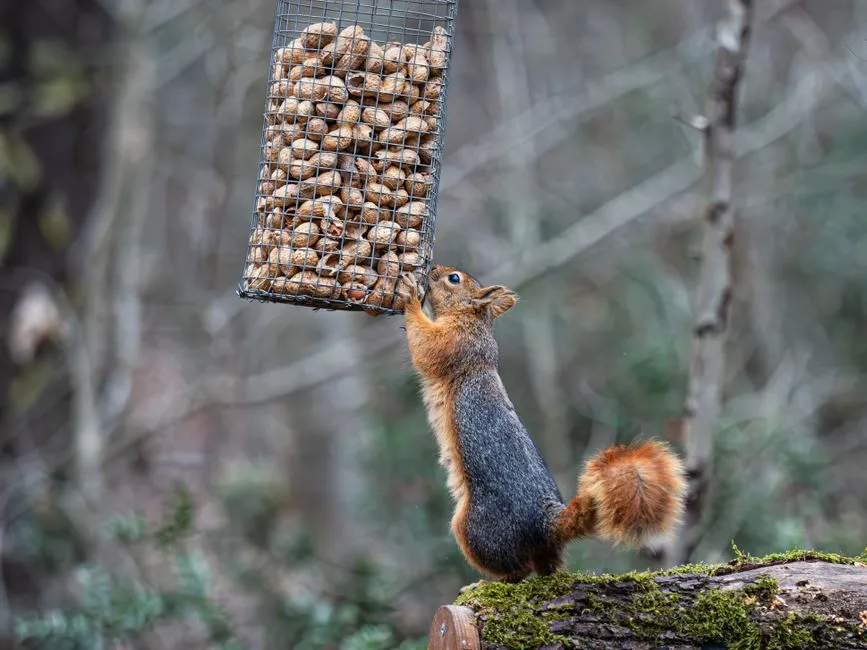
The process of nut storage and retrieval involves more than just memory; it also includes strategic planning. Squirrels often employ “deceptive caching,” where they pretend to bury a nut to mislead potential thieves, such as other squirrels or birds. This behavior highlights their awareness of their environment and the potential threats to their food stores.
Pilfering is a common occurrence in the squirrel world. Squirrels often raid each other’s caches, leading to a constant game of hide-and-seek.
Squirrels are not territorial, and they are watching each other’s caching behavior, stealing food, and then caching it in other places. It’s a competitive, socially aware system running parallel to the one playing out in your garden containers.
What Science Says About Their Memory Accuracy
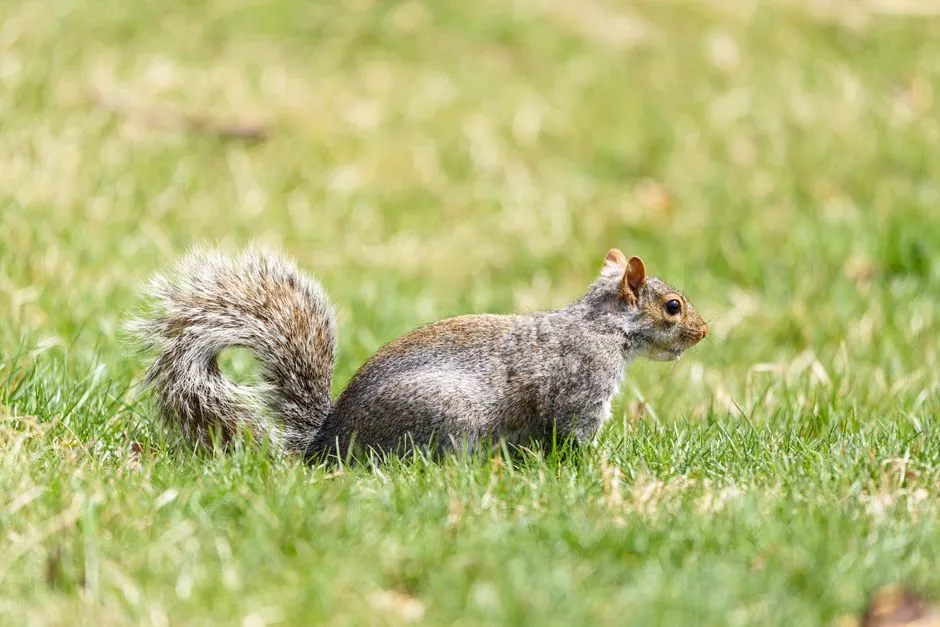
Cache recovery rates are highly variable, with between roughly a quarter and nearly all nuts recovered, depending on the mast crop. The range is wide because conditions, season, and individual ability all factor in.
In a key 1991 experiment, researchers provided eight hand-raised gray squirrels with ten nuts each to bury in the same enclosed area. When each squirrel was released back into the area several days later, the animals were retrieving twice as many of their own nuts as those of another squirrel’s cache.
Factors such as age, health, and environmental conditions can influence a squirrel’s ability to recall cache locations. Younger, healthier squirrels tend to have better memory retention compared to older or malnourished individuals.
What Squirrels Actually Bury Beyond Nuts
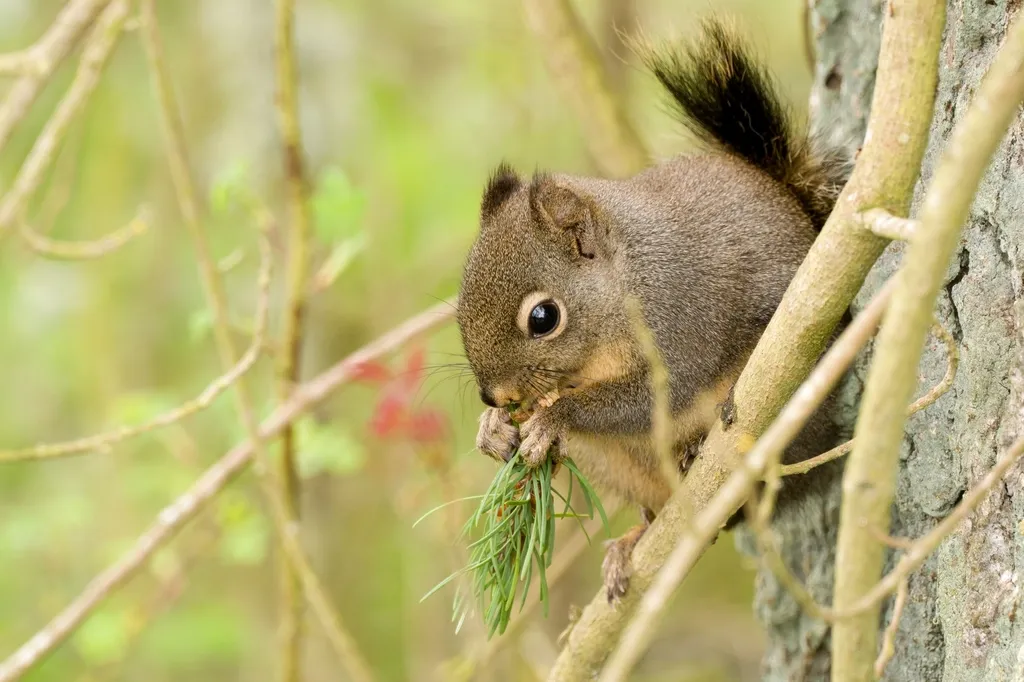
Squirrels bury a wide variety of foods, including nuts, seeds, acorns, berries, and even fungi. They are opportunistic hoarders, caching whatever food sources are readily available.
Squirrels don’t limit their stockpiling to nuts and seeds. They also bury insects, berries, and even bones. Another reason for hiding food by burying it is to avoid competition, both from other squirrels and other animals.
Squirrels prefer high-fat, high-energy options like walnuts and acorns, ensuring they’re burying the most nutritionally beneficial food. This preference shapes what you’re most likely to discover in your planters.
Urban Squirrels and the Garden Adaptation
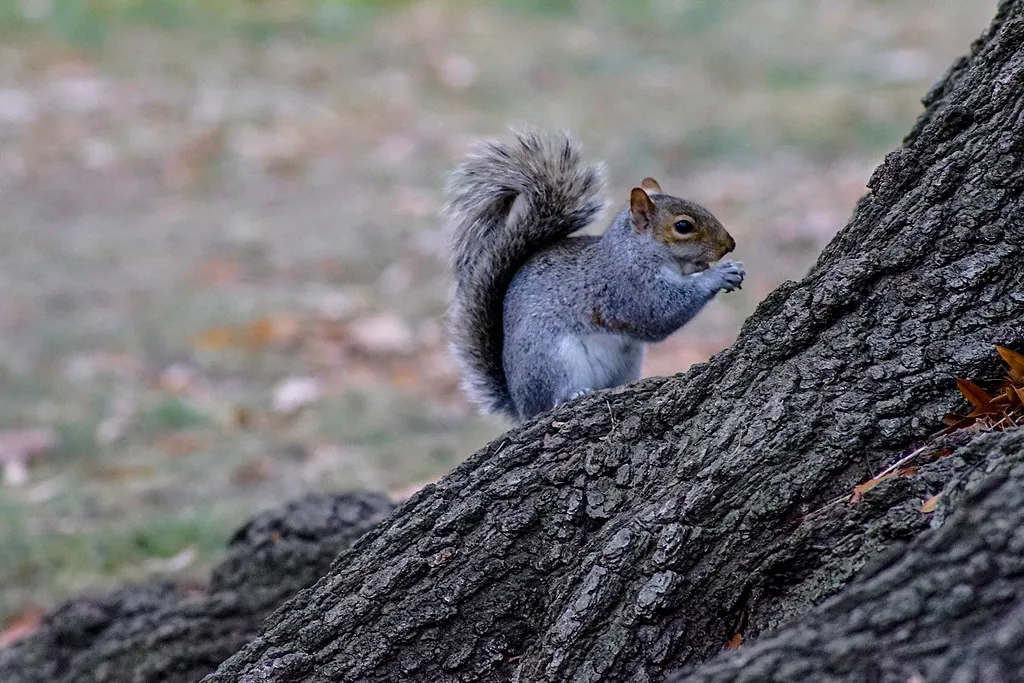
Squirrels in urban areas face additional challenges, such as human activity and concrete surfaces, which limit their caching options and increase the likelihood of nut loss. In that context, a soil-filled container becomes one of few viable options in a paved-over environment.
Squirrels in urban environments often adapt their behavior to use human-modified spaces like gardens, planters, and even flower beds for storing food. Their ability to live alongside humans is both fascinating and sometimes frustrating for homeowners.
Squirrels dig holes to bury nuts and food throughout their territories. While they might not be as much of a problem in lawns or between plants in a larger garden, their digging behavior and stashes can quickly ruin carefully arranged plants in pots.
The Accidental Forest Planters
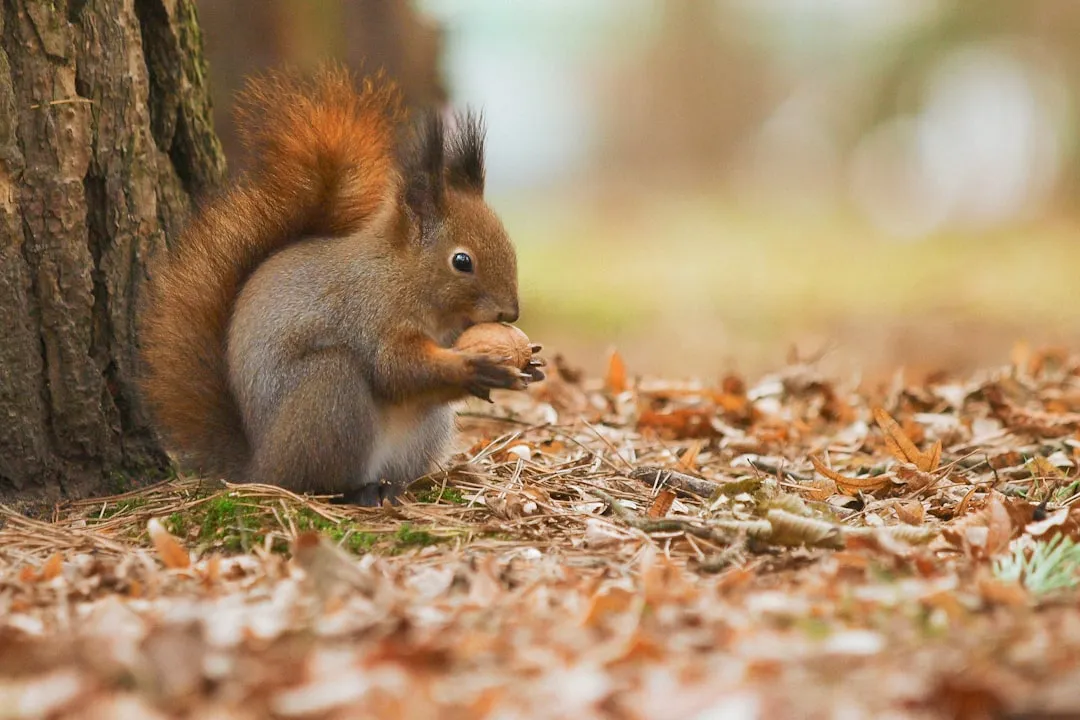
Research from the University of Richmond found that squirrels fail to recover up to roughly three-quarters of the nuts they bury. That number sounds like failure, but the ecological reality is the opposite. The misplacing of so many acorns is likely responsible for oak forest regeneration. When squirrels misplace buried acorns, they allow the seeds to eventually grow into full oak trees.
Estimates suggest squirrels may be responsible for planting anywhere from ten to twenty percent of certain tree species, particularly oaks and hickories, depending on the ecosystem.
Scatter-hoarding spreads seeds across different locations and times in ways that other seed dispersers such as wind, birds, or gravity cannot. A squirrel that carries an acorn away from the parent tree reduces the chance that the young oak will have to compete with its parent or suffer from the same pests and fungal pathogens concentrated under the adult tree.
Practical Steps to Protect Your Potted Plants
Squirrel digging in containers can unfortunately damage roots and uproot plants. The good news is that several low-effort deterrents work reasonably well without harming the animals.
Mixing something into the potting soil that squirrels find distasteful is one approach. Natural repellents may include cayenne pepper, crushed red pepper, vinegar, peppermint oil, or garlic.
Coffee grounds may smell pleasing to humans, but squirrels don’t seem to like the odor. Mixing them in with the top layer of growing medium may help keep the critters away, though the jury is still out on how consistently effective they are. Physical barriers like wire mesh or stones laid flat across the soil surface can also block access without harming the plants underneath.
A Closing Perspective on the Creatures Digging Up Your Terracotta
The squirrel raiding your planter isn’t being careless. It’s executing a survival strategy refined over millions of years, one sophisticated enough to involve spatial memory, social deception, and categorical organization. The daily activities of burying, retrieving, consuming, and forgetting thousands of nuts contribute to larger processes such as tree regeneration, soil turnover, and the maintenance of food webs. When a squirrel hides an acorn and never comes back for it, a thousand tiny decisions add up to the architecture of tomorrow’s forest. Scientists increasingly view these small-scale behaviors as major drivers of ecosystem pattern and resilience.
There’s something worth sitting with in that. The creature digging through your succulents is, in a very real sense, planting trees it will never see grow.
AI Disclaimer: This article was created with the assistance of AI tools and reviewed by a human editor.