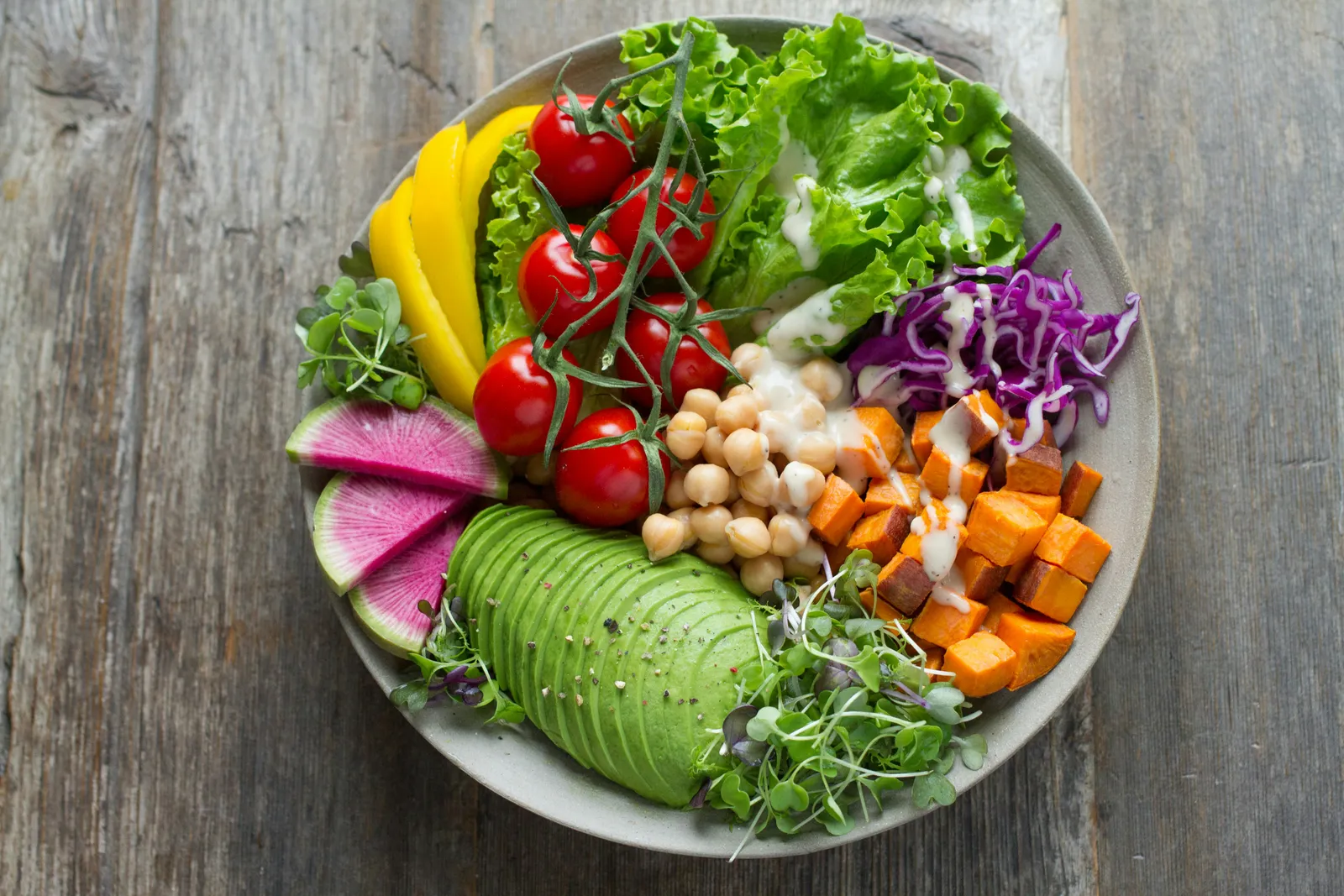

Many people reach for another jar of moisturizer when dryness persists, yet the most effective moisture often begins with what grows in the garden. Water-rich produce supplies structured hydration at the cellular level while supplying antioxidants and nutrients that support the skin barrier. This approach turns everyday garden harvests into a reliable foundation for a smoother, more resilient complexion. Cucumbers stand out for their exceptional water content. Roughly 95 percent water by weight, a few slices deliver hydration comparable to an extra glass of water along with vitamin C and caffeic acid that help ease inflammation. The silica they contain further supports collagen, helping skin maintain firmness over time. Regular inclusion in salads or as snacks keeps cells supplied without relying solely on surface applications.
Watermelon and Tomatoes Offer Year-Round Lycopene Protection
Watermelon brings both volume and targeted benefits. Its high water percentage pairs with lycopene, an antioxidant that helps defend against environmental stress and supports the skin’s ability to retain moisture. A serving of fresh melon therefore works internally to reduce redness and maintain plumpness throughout the day. Tomatoes provide similar advantages with even greater flexibility. At 94 to 95 percent water, they function as a savory hydration source that fits into meals year-round. Their lycopene content protects the skin barrier, and research indicates that light cooking with a small amount of oil improves absorption of this compound compared with eating them raw. Both fruits and vegetables therefore deliver measurable support beyond simple fluid intake.
Citrus Supplies the Vitamin C Needed for Collagen
Oranges and grapefruit add another layer of benefit through their water content and vitamin C levels. Grapefruit ranges from 88 to 91 percent water while oranges sit between 86 and 88 percent. Vitamin C is essential for collagen production, the protein that maintains skin structure and elasticity. Oranges generally present fewer concerns for people taking common medications, and they also contribute more dietary fiber that supports overall wellness linked to clearer skin.
Barrier-Strengthening Produce Locks Moisture In
Hydration introduced through water-rich foods requires a stable outer layer to remain effective. Avocados supply monounsaturated fats and vitamin E that reinforce the skin’s lipid barrier, reducing transepidermal water loss. Sweet potatoes contribute beta-carotene, which the body converts to vitamin A and uses for healthy cell turnover. Together these foods help seal in the moisture delivered by cucumbers, melons, and tomatoes. A short comparison of water percentages illustrates the range available from common garden crops:
| Produce | Approximate Water Content | Key Supporting Nutrient |
|---|---|---|
| Cucumbers | 95% | Silica, vitamin C |
| Tomatoes | 94–95% | Lycopene |
| Watermelon | High (exact varies) | Lycopene |
| Oranges | 86–88% | Vitamin C |
Putting Garden Produce to Daily Use
Simple combinations make the strategy practical. A salad of cucumber, tomato, and a few avocado slices combines hydration with barrier support in one dish. Roasted tomatoes drizzled with olive oil increase lycopene availability while adding flavor. Sweet potato wedges or fresh citrus segments round out meals without extra effort. These choices emphasize produce that can be grown or purchased fresh, aligning with a garden-centered lifestyle. Consistent attention to both water-rich and barrier-supporting foods creates conditions for lasting moisture retention. The result is skin that feels supple because internal processes, rather than surface products alone, are working in its favor.
AI Disclaimer: This article was created with the assistance of AI tools and reviewed by a human editor.