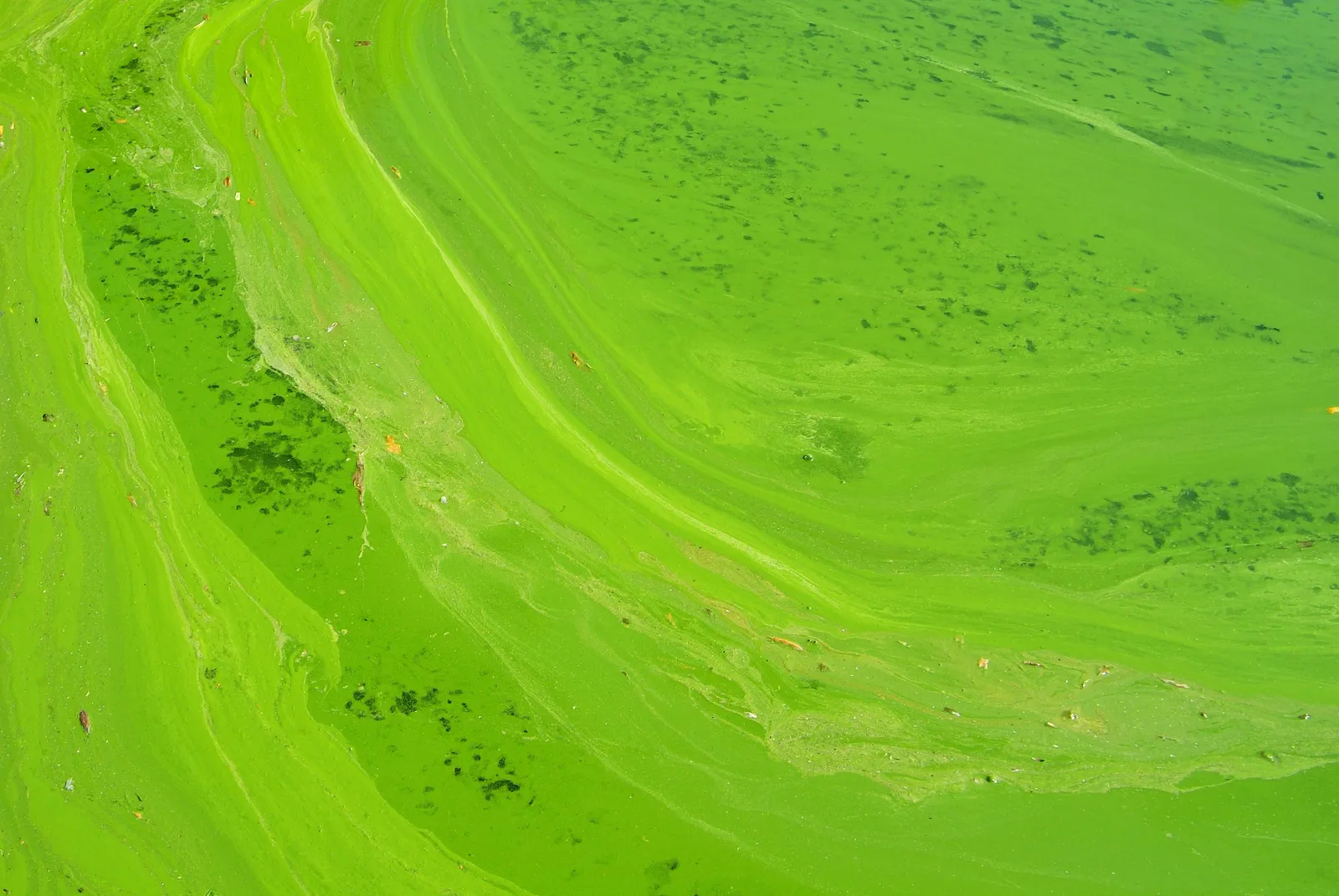

Washington, D.C. – Green algae has returned to the Lincoln Memorial Reflecting Pool on the National Mall within days of the latest renovation work. The development underscores the recurring difficulties of keeping large outdoor water features clear, even after significant investment in upgrades. Observers note the contrast between the scale of the project and the speed of the algae’s reappearance.
Scope of the Current Renovation
The project targets maintenance and improvements at one of the capital’s most visited sites. Work began recently under the current administration, with crews addressing structural and aesthetic elements around the pool. Such efforts aim to preserve the landmark while managing environmental factors that affect water quality. Public access to the area has continued with standard safety measures in place during the phased updates.
Swift Return of Green Algae
Photographs taken shortly after construction activity commenced show visible green discoloration across sections of the water surface. This marks a repeat occurrence at the reflecting pool, where algae blooms have appeared periodically despite prior interventions. The timeline, spanning just days, illustrates how quickly biological growth can establish in still or slow-moving water exposed to sunlight and nutrients. Maintenance teams have historically applied treatments to control such growth, yet conditions often allow it to recur.
Practical Challenges in Water Feature Care
Large reflecting pools require ongoing attention to balance water chemistry, circulation, and filtration. Algae thrives in environments with ample light and organic matter, conditions common in outdoor urban settings. Gardeners and landscape professionals managing similar features at homes or public gardens face comparable issues on a smaller scale. Effective control typically involves a combination of mechanical cleaning, chemical treatments, and design adjustments to reduce stagnation.
Implications for Public and Private Water Features
The situation at the National Mall offers a visible case study in the resilience of aquatic organisms. It serves as a reminder that renovations address visible infrastructure but do not eliminate underlying environmental dynamics. For those maintaining ponds or pools elsewhere, the episode reinforces the value of proactive, layered strategies rather than reliance on one-time fixes. Continued observation of the site will show how crews respond to the latest growth.
AI Disclaimer: This article was created with the assistance of AI tools and reviewed by a human editor.