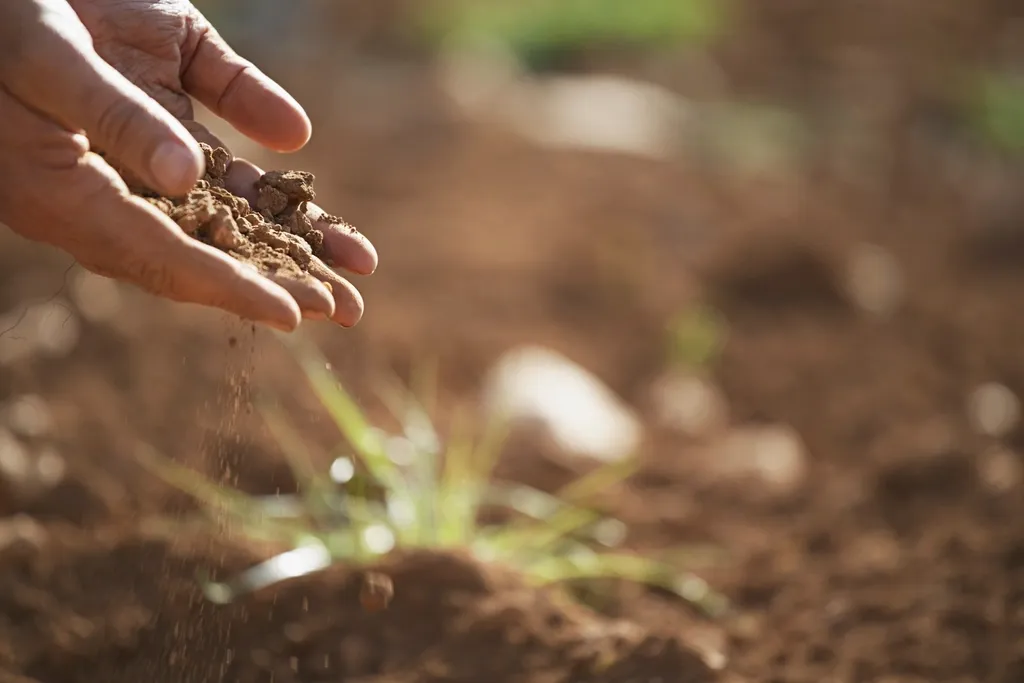

Most gardeners spend a surprising amount of energy hauling pruned branches, stems, and leaves away from their beds, only to replace those nutrients with store-bought fertilizer shortly after. There is a quiet irony in that cycle. The material being removed is, in many ways, the exact thing the soil is asking for.
Chop and drop is one of those ideas that sounds almost too simple. You cut plant material down and leave it right where it falls. No compost bin, no bagging, no hauling. Yet the science behind it is real, and its roots stretch back further than most people realize.
What Chop and Drop Actually Means
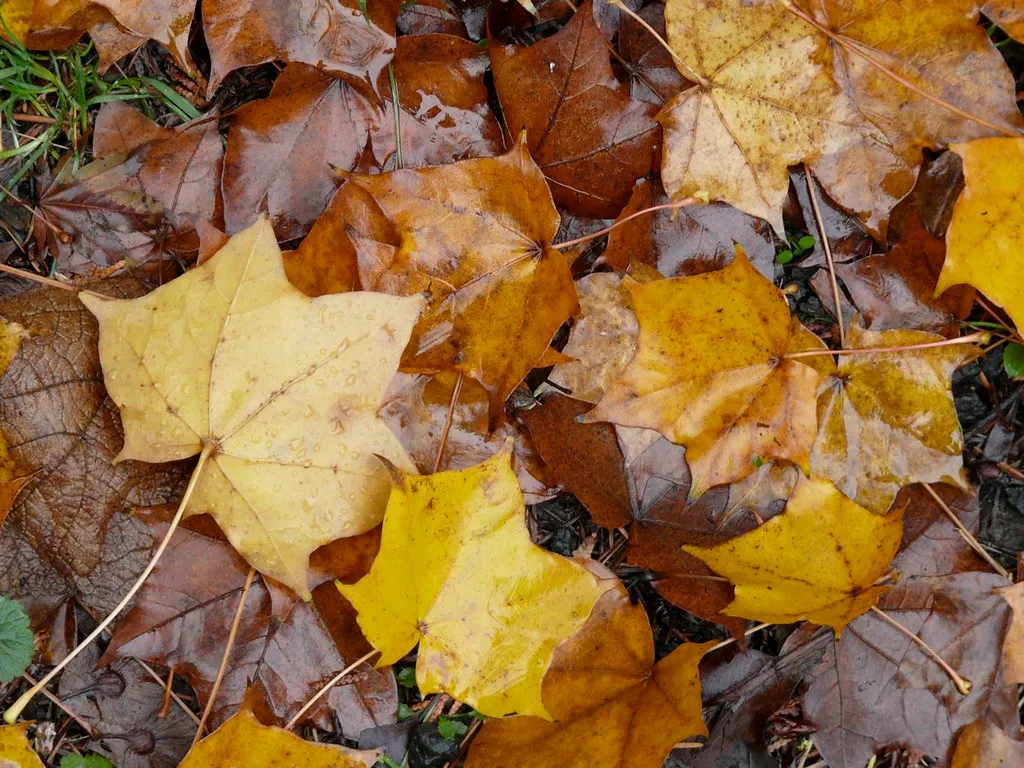
In a natural system, as leaves fall and plant matter dies back, nutrients return to the soil and allow the growth cycle to begin again. Chop and drop systems simply shortcut this natural cycle, making sure that fertility and soil health are maintained in a cultivated area. You are, in essence, doing what the forest floor has always done, just with a little more intention.
Instead of letting plants fall naturally, gardeners grow and cut down plants and allow them to decompose in place. Just like in the forest, this process feeds the soil, improving the overall health and vitality of the garden. The method requires no special equipment and almost no additional cost.
A Practice With Deep Roots
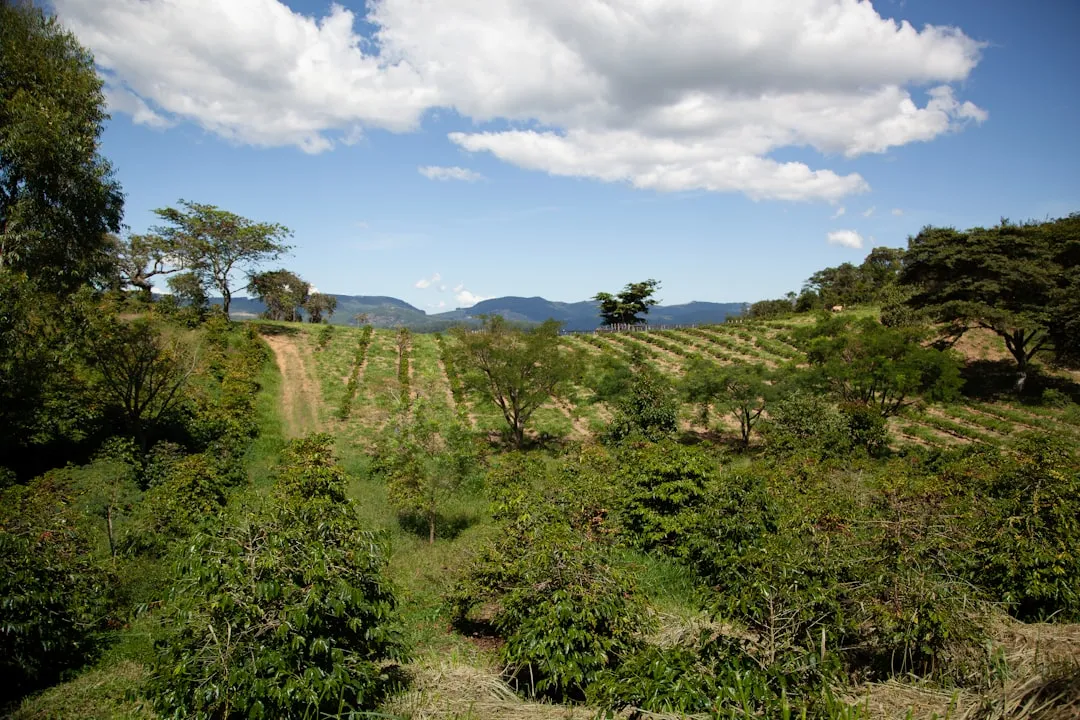
This regenerative and syntropic practice mimics nature’s own way of nourishing the soil by recycling garden organic matter directly back into the ecosystem. It is not a modern invention. Agroforestry helped grow crops in the eastern Amazon as far back as 2000 BCE, and the concept was more widely shared in the modern era when Masanobu Fukuoka described similar principles in his 1975 book, One Straw Revolution.
Modern agriculture introduced mechanical tilling, chemical herbicides, and synthetic fertilizers, and this approach carried over into home gardening as well. Chop and drop is, in part, a return to something older and more sustainable, practiced long before chemical inputs existed.
How Nitrogen Returns to the Soil
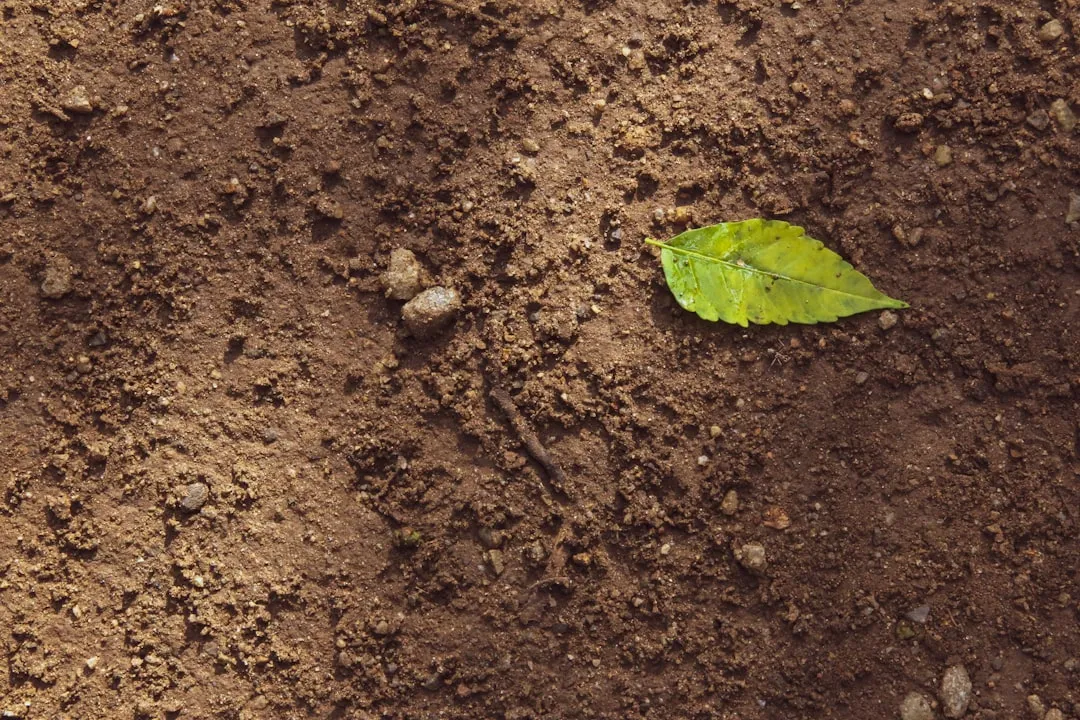
Letting chopped material lie on the soil surface will allow roughly half its nitrogen content to enter the soil within four months, with most of it incorporated within seventeen months. That timeline matters. It means you are making a slow, steady investment in soil fertility rather than delivering a sharp chemical spike that fades quickly.
By chopping plants down instead of pulling them, the roots are left intact. Decomposing roots add nitrogen to the soil when they belong to a nitrogen-fixing crop, and the biomass from leafy greens and stems adds organic matter above ground. Both parts of the plant contribute in different ways and at different speeds.
The Carbon and Nitrogen Balancing Act
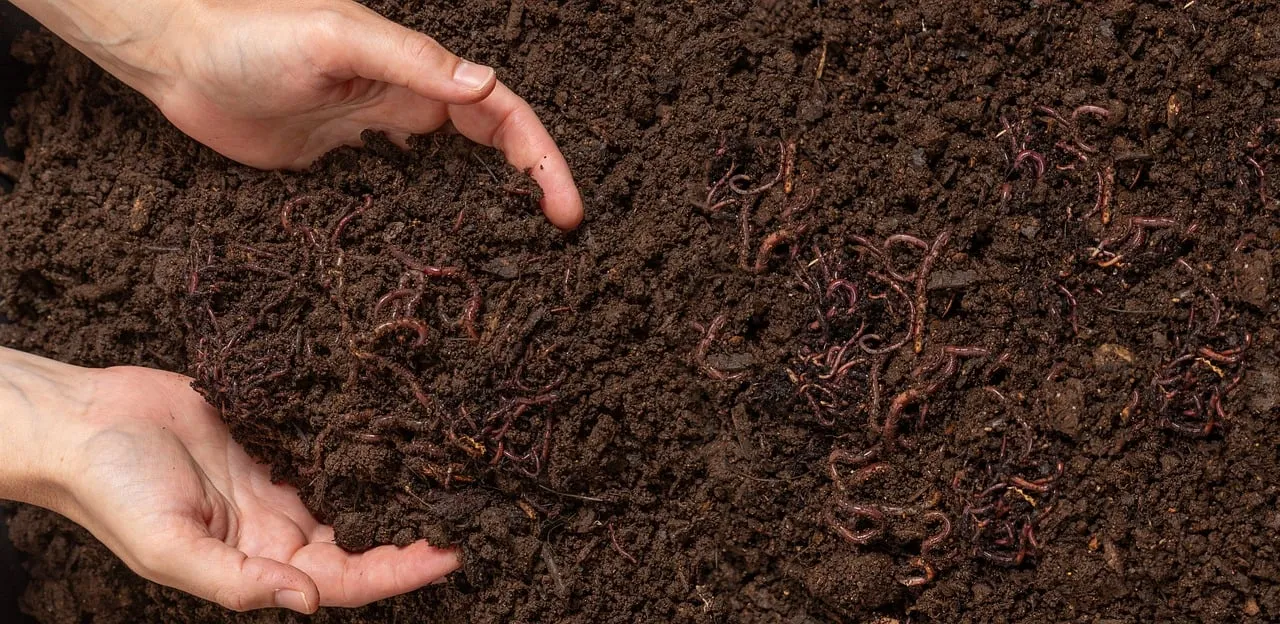
When large amounts of carbon are added to the soil without much nitrogen, fertility may dip temporarily as the carbon absorbs available nitrogen, but once that capacity is filled, fertility climbs back up past its original levels. This is why plant selection matters when choosing what to chop and drop.
When too much nitrogen is added without enough carbon, the effect resembles synthetic NPK fertilizer: plants surge, microorganisms are stressed, and carbon burns off, ultimately leaving soil fertility lower than before. The goal is a reasonable balance, which is exactly what varied plant material tends to provide naturally.
Best Plants to Use for Chop and Drop
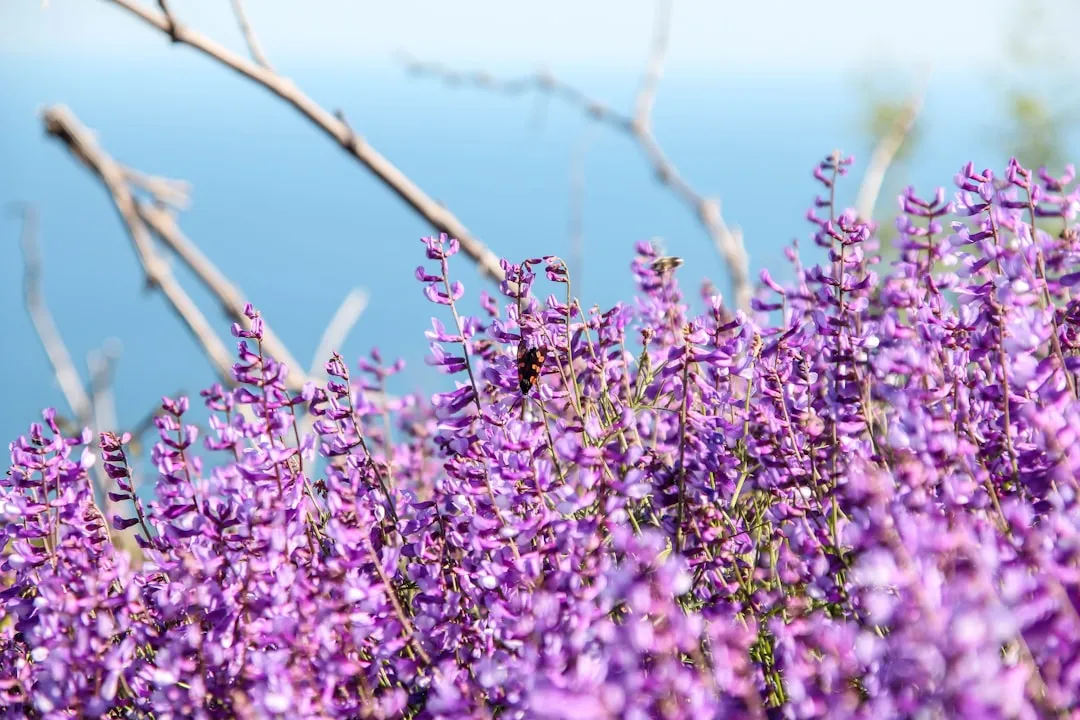
Within chop and drop systems, there are three key plant groups: nitrogen fixers, dynamic accumulators, and fast-growing biomass plants that generate large amounts of organic matter. Each group plays a slightly different role in feeding the soil. Some plants fall into more than one of these groups, making them especially useful.
Lucerne (alfalfa) is a particularly useful plant, as its deep roots can access nutrients far below the surface, and being perennial and fast-growing, it can be chopped up to five times per year. Comfrey is high in potassium and calcium and works well as mulch, dandelion’s deep taproots mine calcium and iron, and stinging nettle is known to boost nitrogen and calcium in the soil.
What Research Says About Dynamic Accumulators
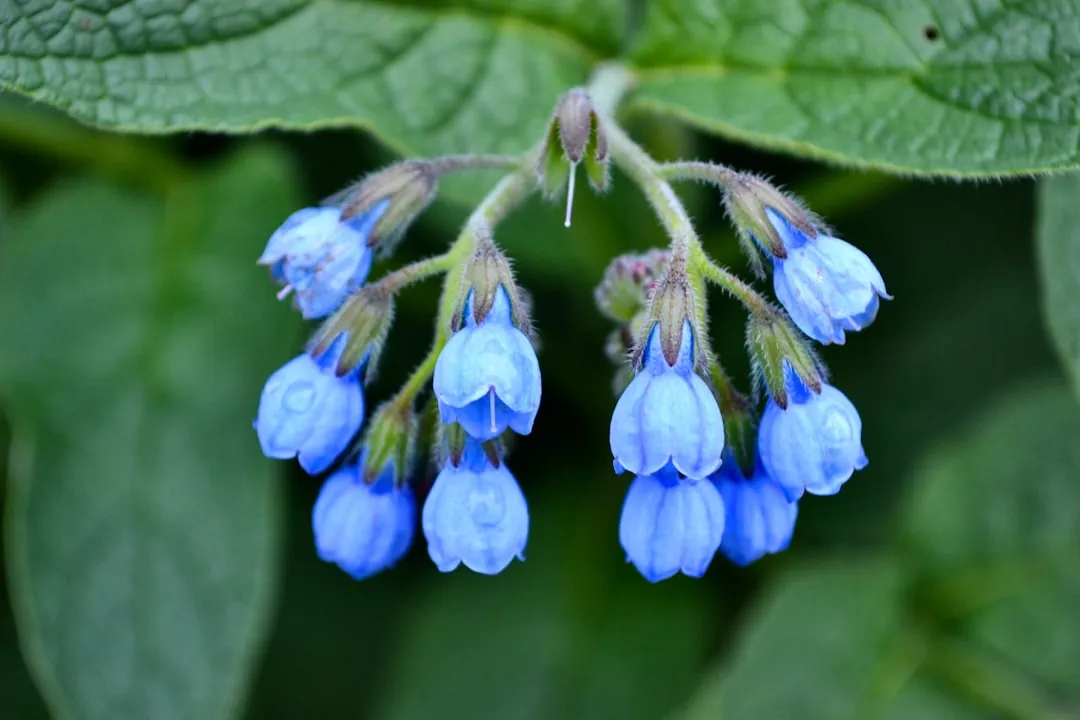
Even when grown in poor, unamended soil, comfrey surpassed dynamic accumulator thresholds for both potassium and silicon. That said, the science here is still developing, and results are not always consistent. The nutrients that plants accumulate depend heavily on what is already present in the soil, and a plant can only function as a dynamic accumulator if grown in soil that already contains the nutrient in question.
While we do not yet fully understand how beneficial chop and drop is in strict nutrient terms, we do know that the practice can help increase soil carbon, improve soil structure, protect against erosion, conserve moisture, and suppress weed growth. These benefits are well-established, even where nutrient data remains mixed.
Moisture Retention: A Major Hidden Benefit
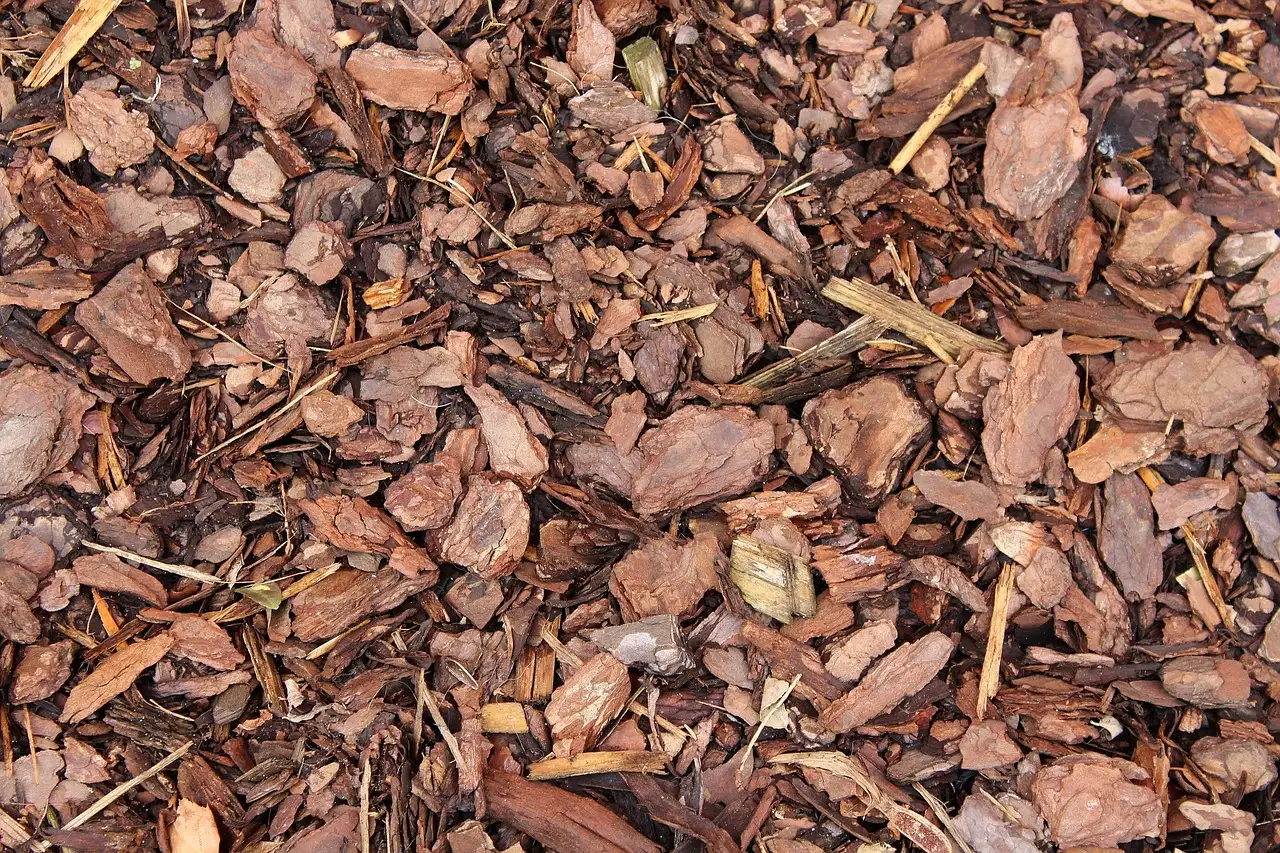
Research has shown that organic mulch can significantly increase available water capacity by between roughly one fifth and more than one third, and boost soil moisture retention at low suctions by anywhere from about thirty to seventy percent. That kind of water savings matters a great deal in dry summers or regions with limited rainfall.
When you chop and drop plant material, you create a layer of organic matter on top of the soil that acts as a barrier, preventing water from evaporating too quickly and protecting soil from the sun’s heat. The organic matter also provides food for beneficial microorganisms, which help break down the material and release nutrients. It is a self-reinforcing loop that improves with every cycle.
Weed Suppression Without the Work
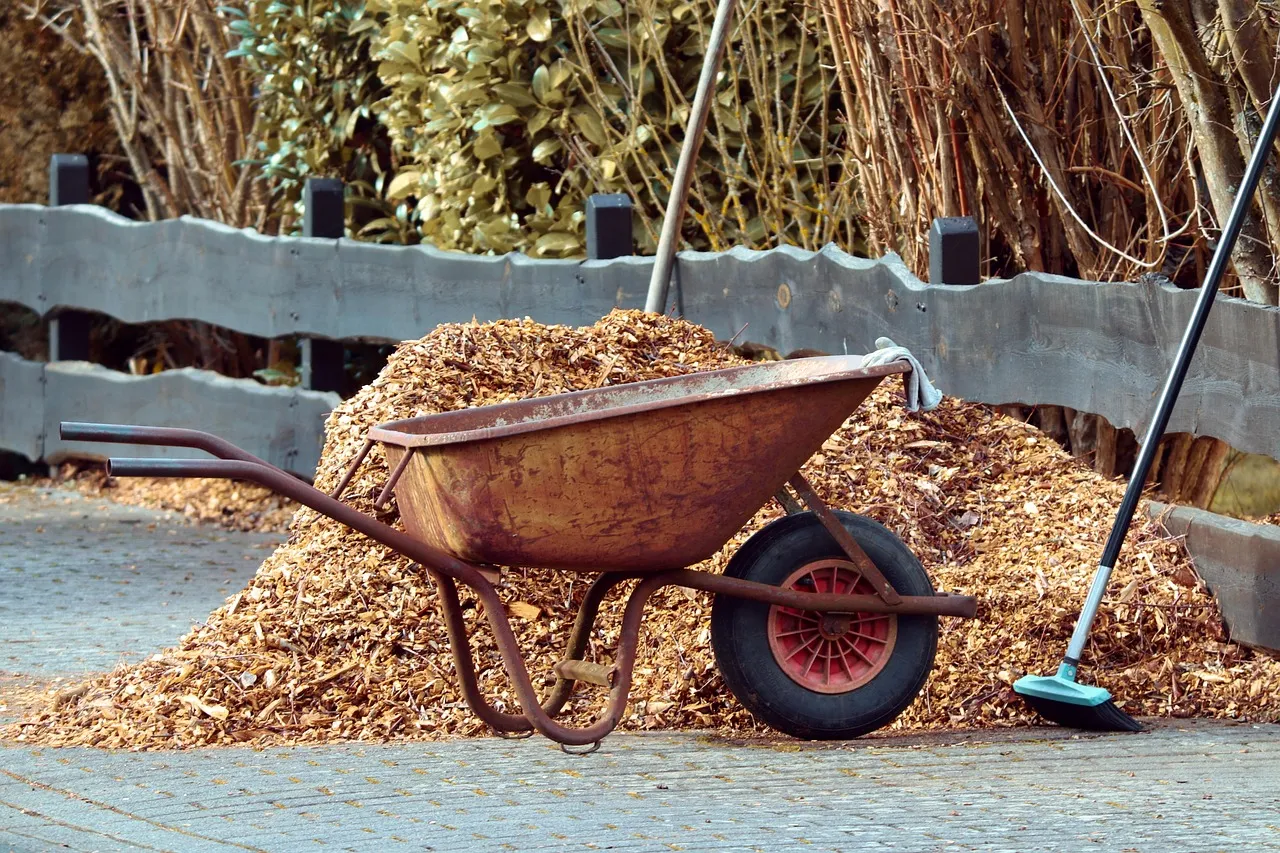
Covering the soil with a thick layer of mulch blocks sunlight from reaching the soil surface, which inhibits the growth of weeds. For gardeners who spend significant time weeding, this alone can make chop and drop worth practicing. Organic mulches such as wood chips or bark not only suppress weeds but also decompose over time, enriching the soil and improving its structure.
Organic mulches break down over time, slowly releasing small amounts of organic nutrients, and they can also suppress pathogens, pests, and weeds as part of their broader system benefits. The mulch layer, in other words, is doing several jobs simultaneously without any ongoing effort from the gardener.
How to Do It Well: Practical Guidance
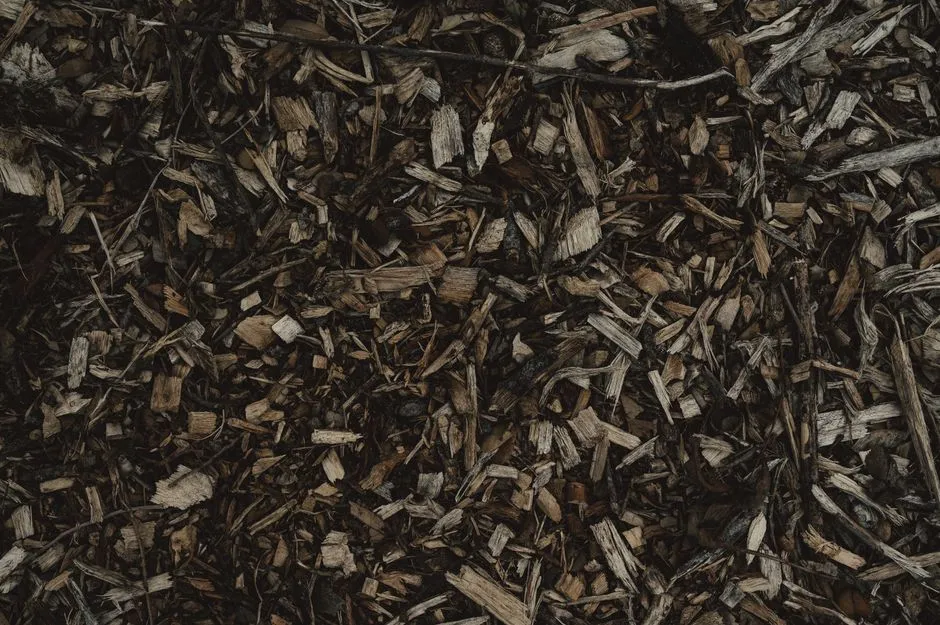
In some areas it is beneficial to take pruned materials and chop them more finely, or shred them, before using them as mulch, in order to derive the full benefits. Smaller pieces decompose faster and make better contact with the soil. Making sure that a woodland or food forest system has a fungal-dominant rather than bacteria-dominant soil can help create a functioning ecosystem, and wood chip mulch can help nurture a fungal environment similar to a natural woodland.
It is generally easiest to grow plants intended for chop and drop near where you need extra fertility, for example, planting lucerne or comfrey close to fruit trees. Proximity reduces labor and keeps the nutrient cycle tight. There is no strict right or wrong way to use this method, but there are best practices that help avoid attracting potential pests.
Why This Matters for Sustainable Gardening in 2026
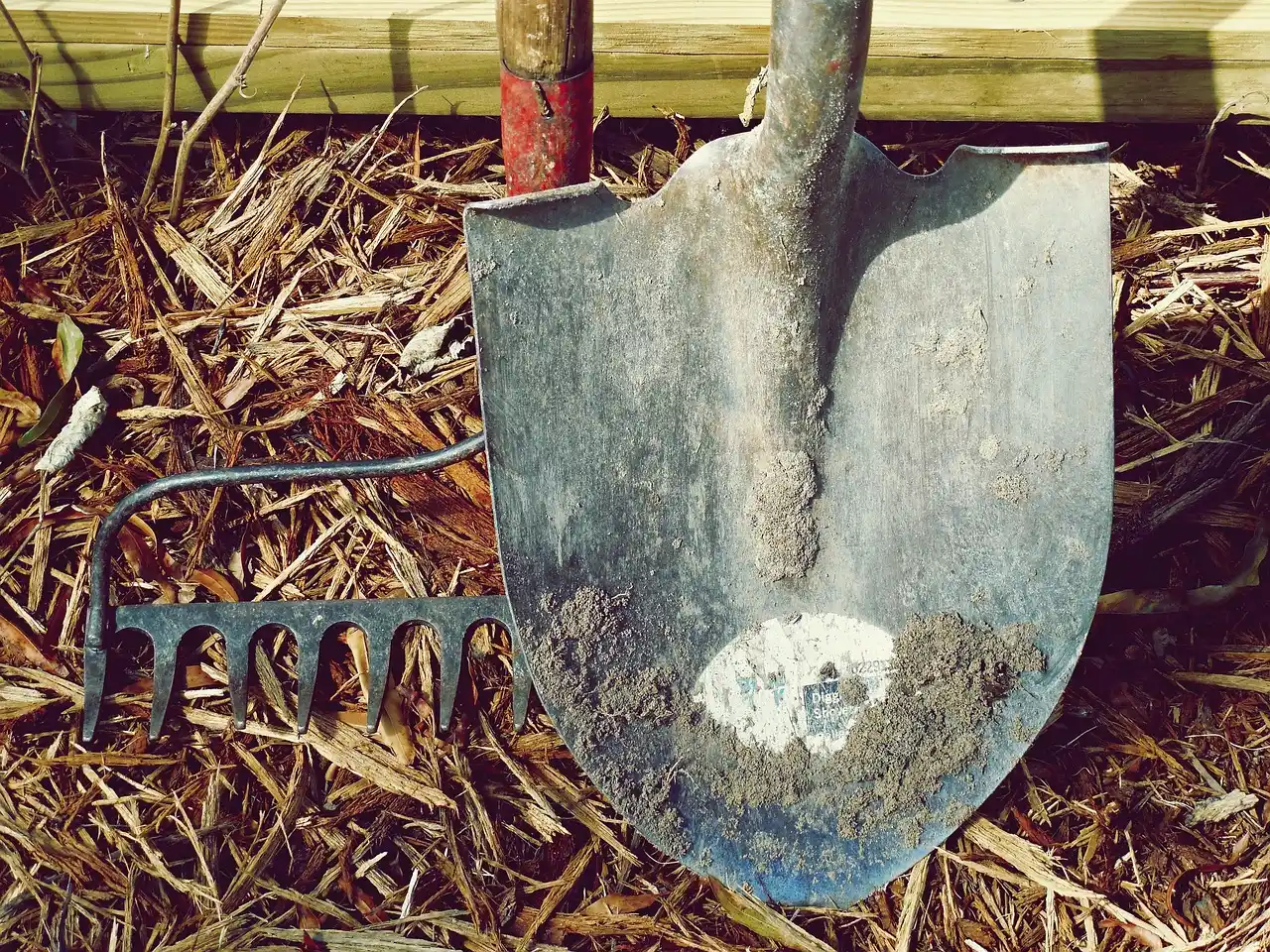
Chop and drop is an eco-friendly technique that supports sustainable gardening practices. By using organic material from your own garden as mulch, you reduce the need for chemical fertilizers and pesticides, which can have negative effects on the environment. In a time when soil health is increasingly recognized as a global priority, that local impact adds up.
Incorporating organic matter into your soil is a key component of sustainable gardening. By allowing plant material to remain on the soil, you create a natural, nutrient-rich mulch that slowly breaks down and replenishes the soil over time, reducing the need for chemical fertilizers and helping retain moisture, suppressing weed growth, and supporting the soil microbiome. The method does not ask much of you. It mostly asks you to stop removing what the soil already needs.
Chop and drop is a reminder that some of the most effective gardening practices are also the most effortless. The soil has been feeding itself for hundreds of millions of years. Your job is mostly to get out of the way.
AI Disclaimer: This article was created with the assistance of AI tools and reviewed by a human editor.