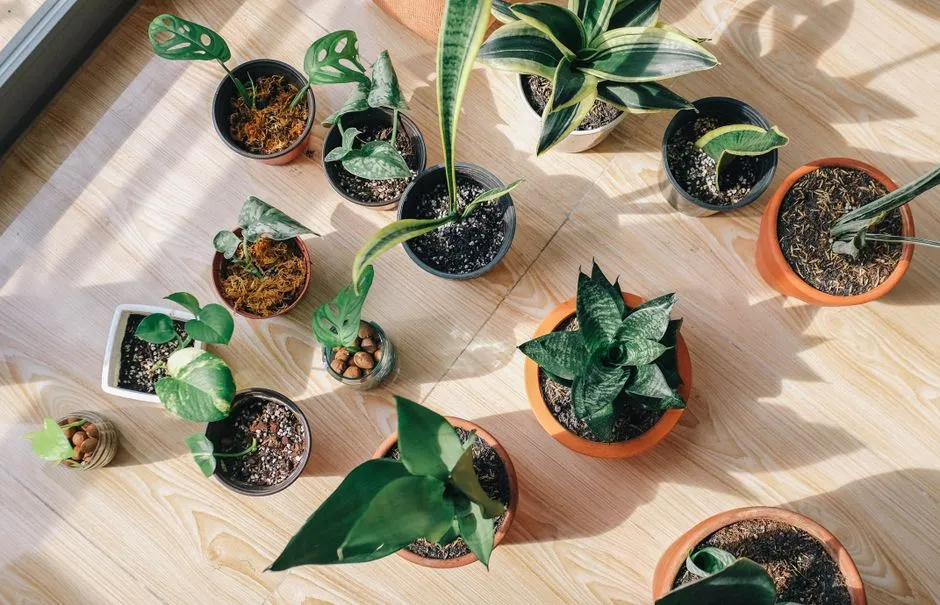

There’s a surprisingly honest connection between the plants people choose and the way they like to live. Some of us gravitate toward a single sculptural specimen in a clean white pot, and others fill every windowsill, shelf, and corner with trailing vines, rare varieties, and ceramic planters in five different colors. Neither approach is wrong. They just say something different about you.
As we settle into 2026, the perennial tension between abundance and restraint in interior design has evolved into something more nuanced – a question not of trend, but of authentic self-expression. The choice between maximalist exuberance and minimalist precision reveals as much about how we wish to live as it does about how we wish to appear. Your houseplant collection, it turns out, is a pretty reliable mirror.
The Booming World of Houseplants: A Quick Reality Check
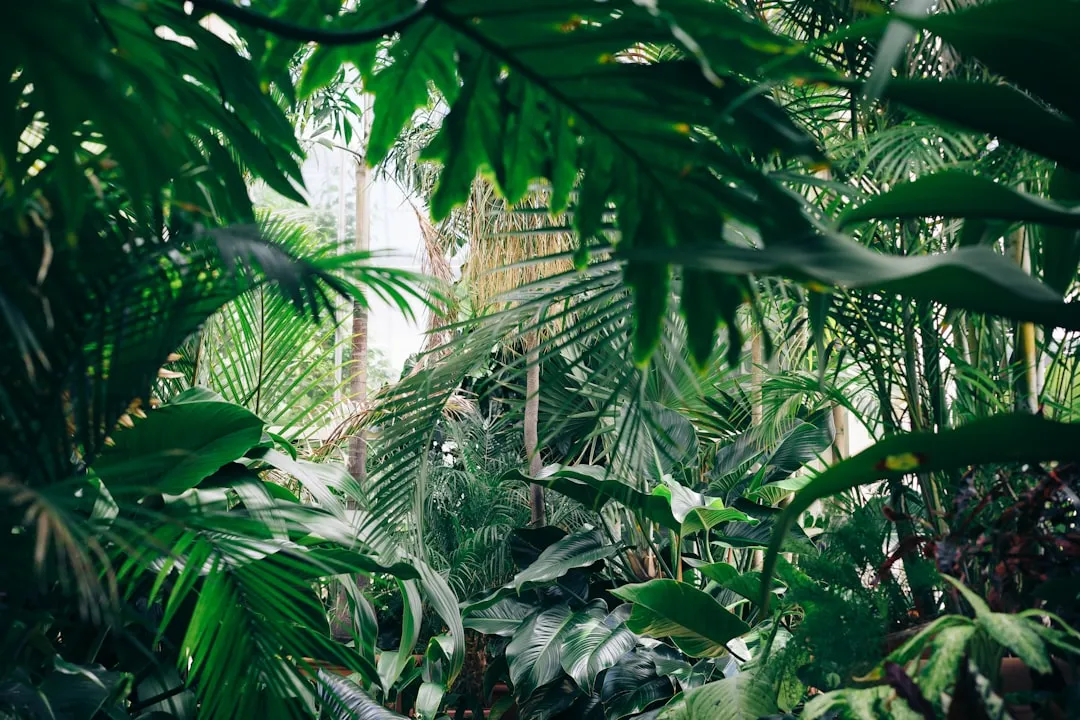
Before sorting anyone into a design camp, it helps to understand just how seriously people take their plant choices. According to several recent industry analyses from major market research firms, the global indoor plant market was valued at approximately $20 to 21 billion in 2025. That is not a hobby figure – that is a full-blown cultural commitment.
The indoor plants market size is forecast to increase by roughly $6.4 billion at a compound annual growth rate of 5.1% between 2024 and 2029. The market is being pulled forward by urbanization, wellness culture, and a growing interest in biophilic design. According to a survey, roughly four in five indoor plant owners experience reduced stress levels.
The Snake Plant: Quiet, Structured, Deeply Minimalist
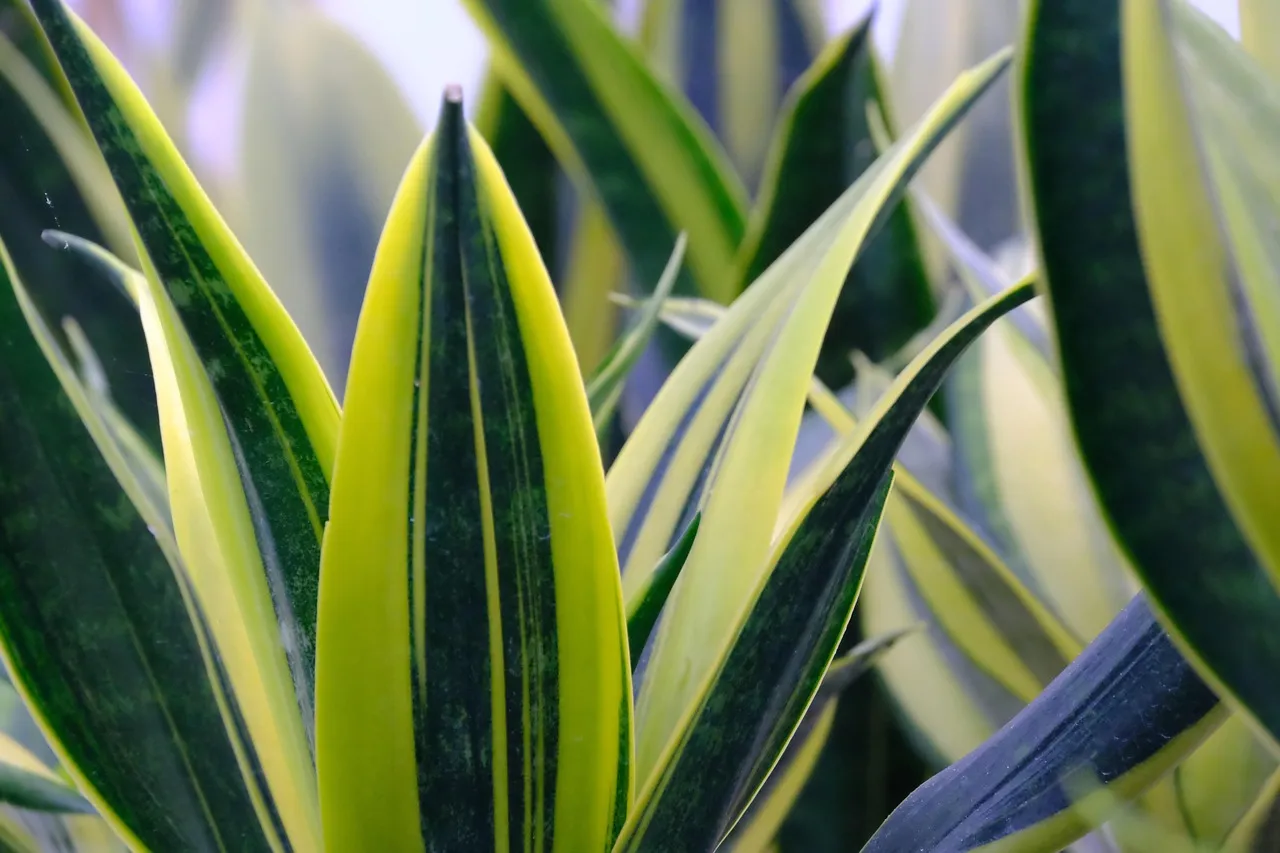
Snake plants are a classic that never runs out of style. They are always present in contemporary to modern interiors due to their columnar, thick structure, fundamental to home support or interior design. If this is your plant of choice, you probably value things that work without much fuss.
With modern lifestyles becoming increasingly hectic, the demand for low-maintenance plants has skyrocketed. Species like the Snake Plant, ZZ Plant, and Pothos are perennial favorites for exactly this reason. Snake plant people tend to own fewer things, keep surfaces clear, and feel a quiet satisfaction when a room has breathing room. Minimalist designs tend to reduce stress and promote mental clarity by decreasing visual clutter and cognitive load.
The Monstera: Bold, Social, Fully Maximalist
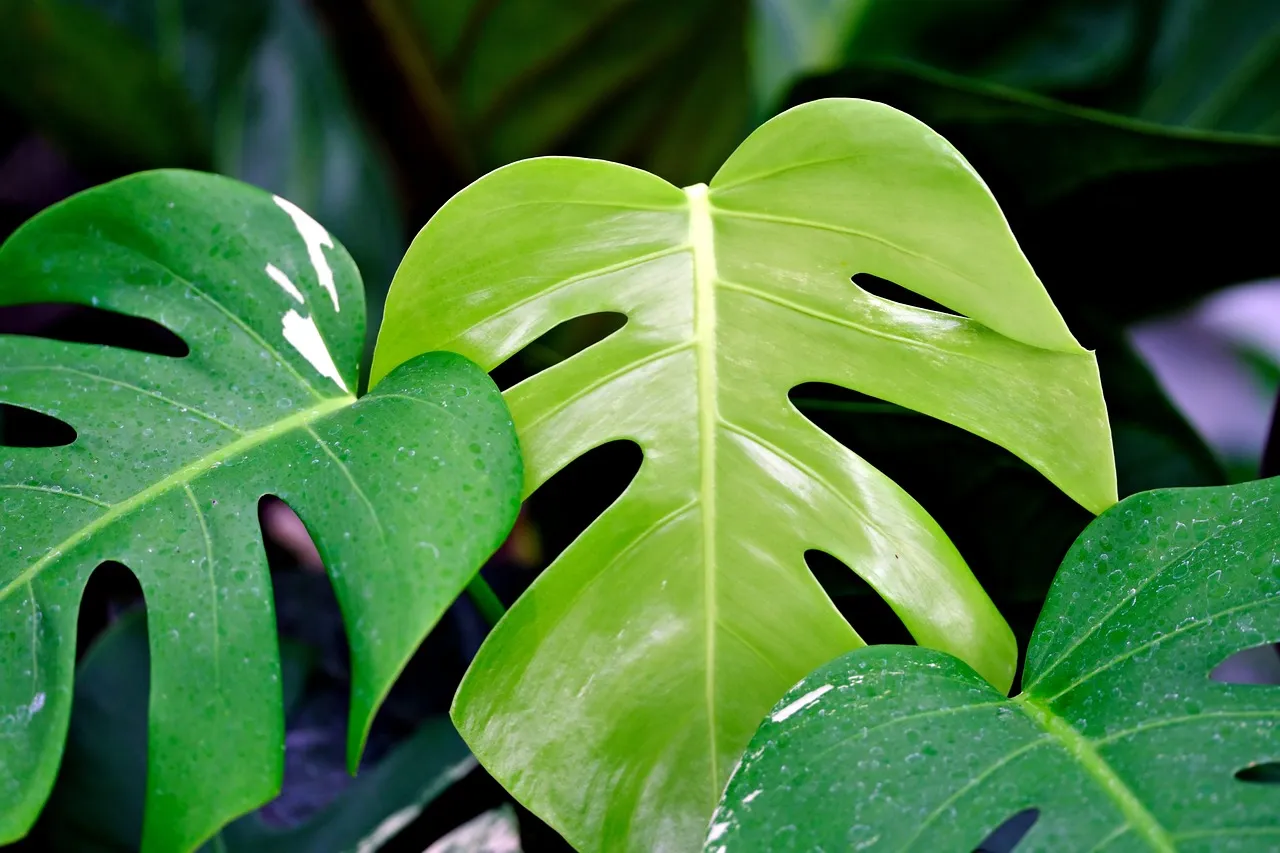
With its fancy fenestrations and large leaves, the Monstera brings its A-game every time. It’s low-maintenance, striking, and most definitely maximalist. Of all the trending 2025 plants, this one is potentially the most striking and memorable. Monstera owners are usually the same people who also own gallery walls, layered rugs, and a collection of ceramics with no intention of stopping.
With its large, fenestrated leaves, the Monstera adds a tropical vibe to any indoor setting. In 2025, newer rare Monstera varieties have been taking the plant world by storm, including the Thai Constellation with its creamy white variegation. Collectors who chase rare varieties are, almost definitionally, maximalists. Maximalist designs stimulate creativity and evoke joy through rich textures and vibrant colors.
The Fiddle Leaf Fig: The Architectural Middle Ground
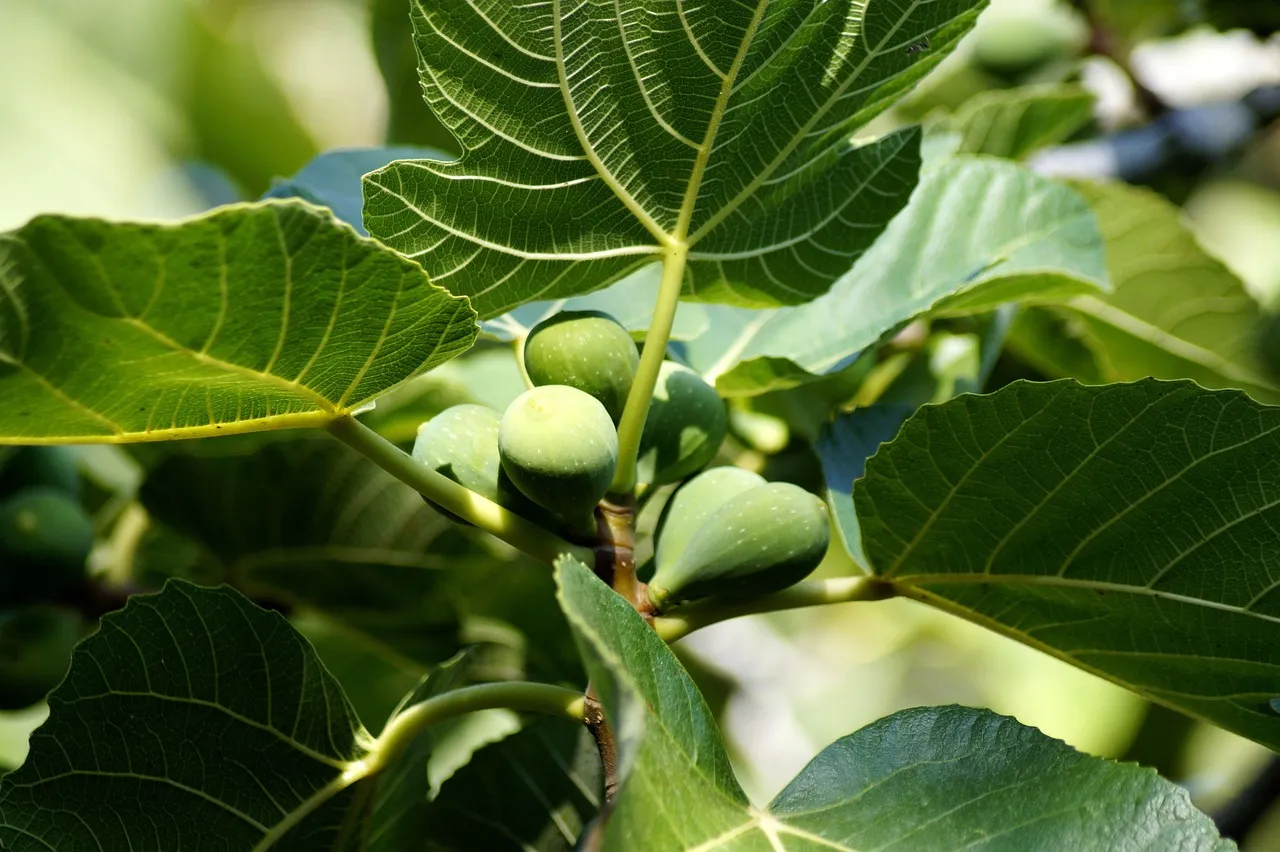
Fiddle-leaf fig trees are popular indoor plants that significantly impact a space. They read as sculptural and refined rather than cluttered or sparse. This makes the fiddle leaf a genuinely ambiguous choice – it can anchor a minimalist room as a single statement piece or become just one dramatic player in a packed maximalist scene.
Homeowners are opting for single, oversized plants like the Fiddle Leaf Fig and Bird of Paradise to add personality and greenery to their spaces. If the fiddle leaf is your one plant, you lean minimalist. If it’s one of twelve you’ve named individually, you already know which camp you’re in. Large plants are back in a major way, acting as instant focal points in any room – living sculptures that bring drama and life to a space.
Succulents and Cacti: The Minimalist’s Tiny Collection
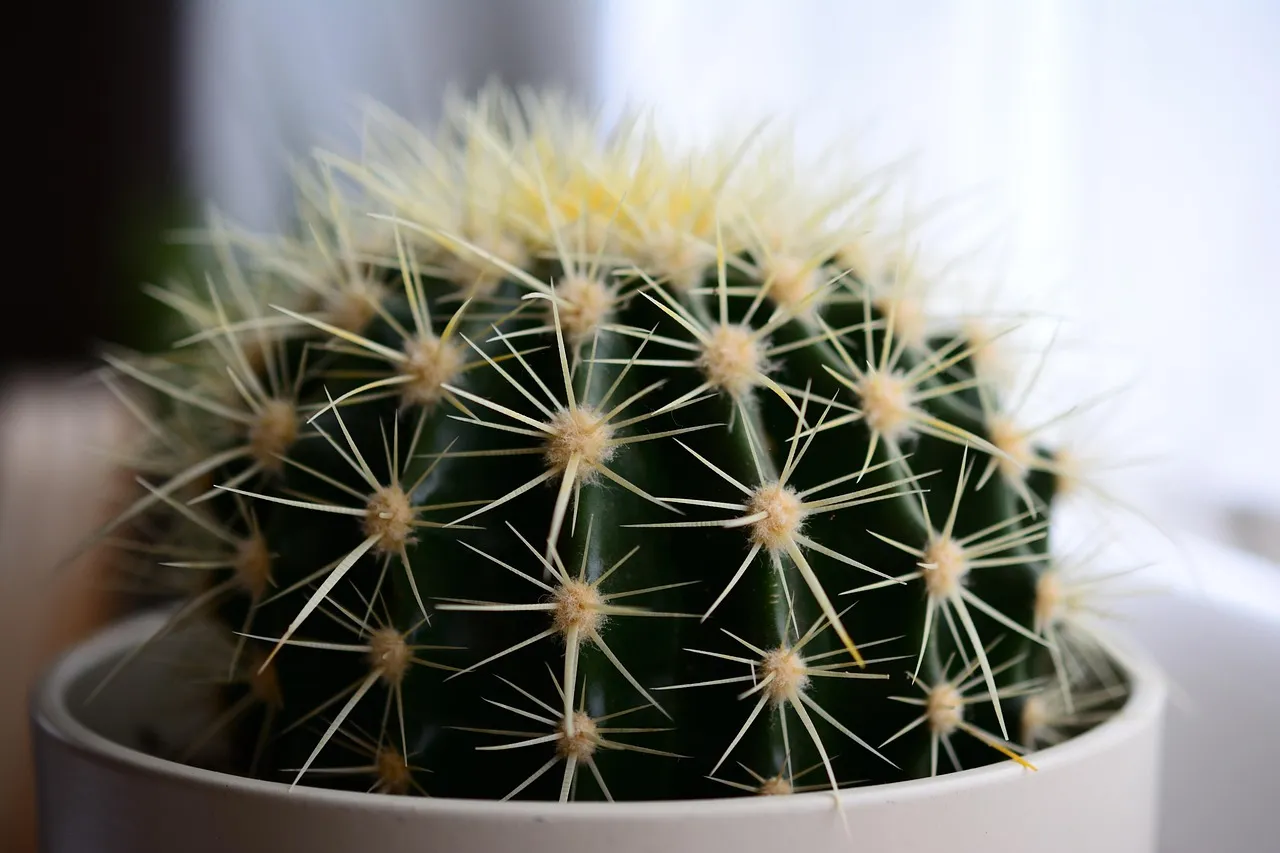
Looking to decorate an uninspired, petite tabletop or lifeless corner table? Compact plants like succulents, cacti, and other small plants like the Dwarf ZZ will do the trick. But here’s what’s interesting: succulents attract two very different personalities. Minimalists keep one or two on a windowsill and leave it at that.
The maximalist, on the other hand, ends up with forty succulents arranged in a color-coded grid and a dedicated grow-light setup. Roughly two thirds of plant owners report that caring for houseplants helped them develop a routine or daily habit, and for succulent collectors, that routine often becomes its own kind of obsession. The plant is simple. The person is not always.
Pothos: The Easygoing Personality in Both Camps
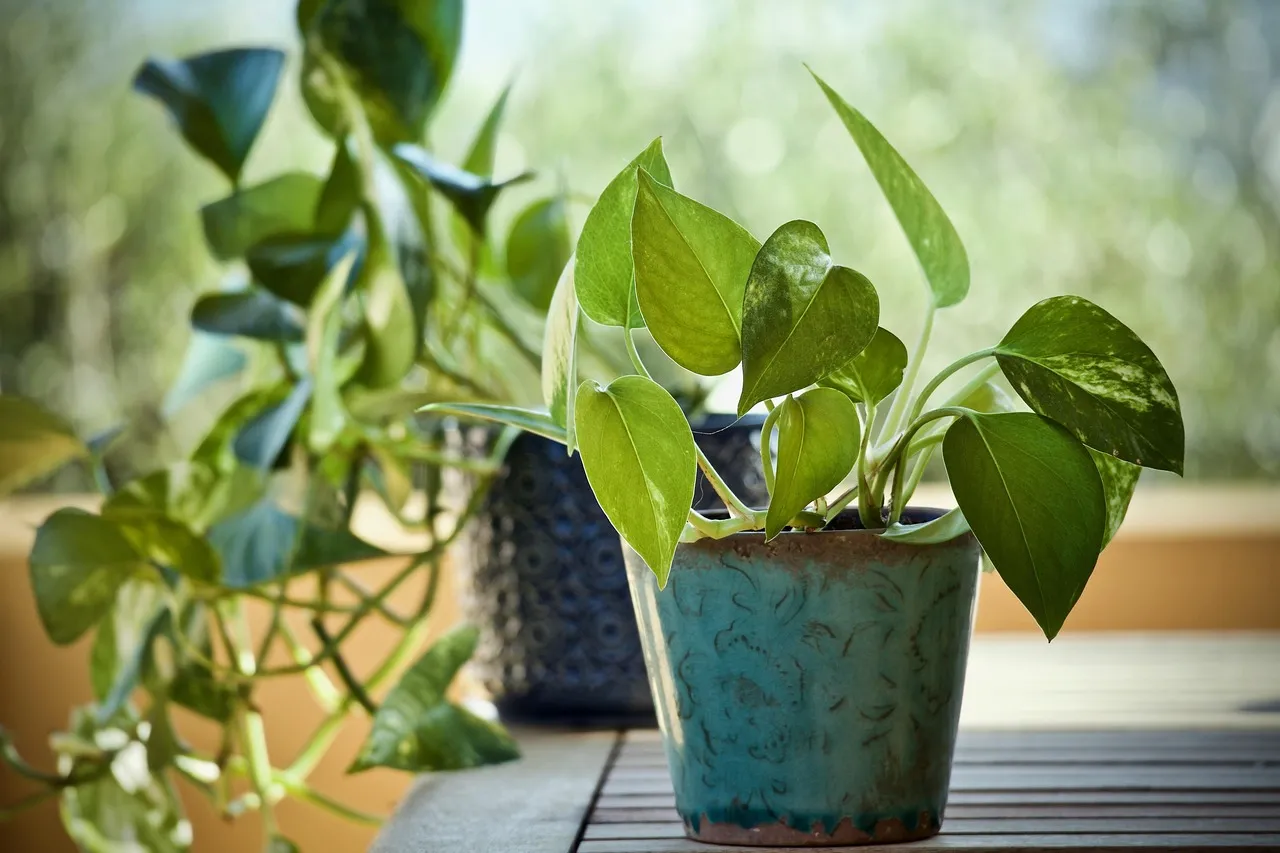
Research shows that houseplants can help reduce stress, improve mood, increase focus, and lower feelings of anxiety. Simply being around greenery can have calming psychological effects. Pothos owners tend to embody this finding more than most – they don’t overthink the plant, and they probably don’t overthink their decor either.
The pothos is the rare plant that fits genuinely well in both aesthetic worlds. Trailing plants such as Pothos can cascade from exposed pipes and beams, while clusters of Snake Plants echo industrial geometry while adding life. If pothos is your signature plant, you’re likely a pragmatist first – and the minimalist-maximalist question probably doesn’t keep you up at night.
The Rare Plant Collector: Maximalism as Identity
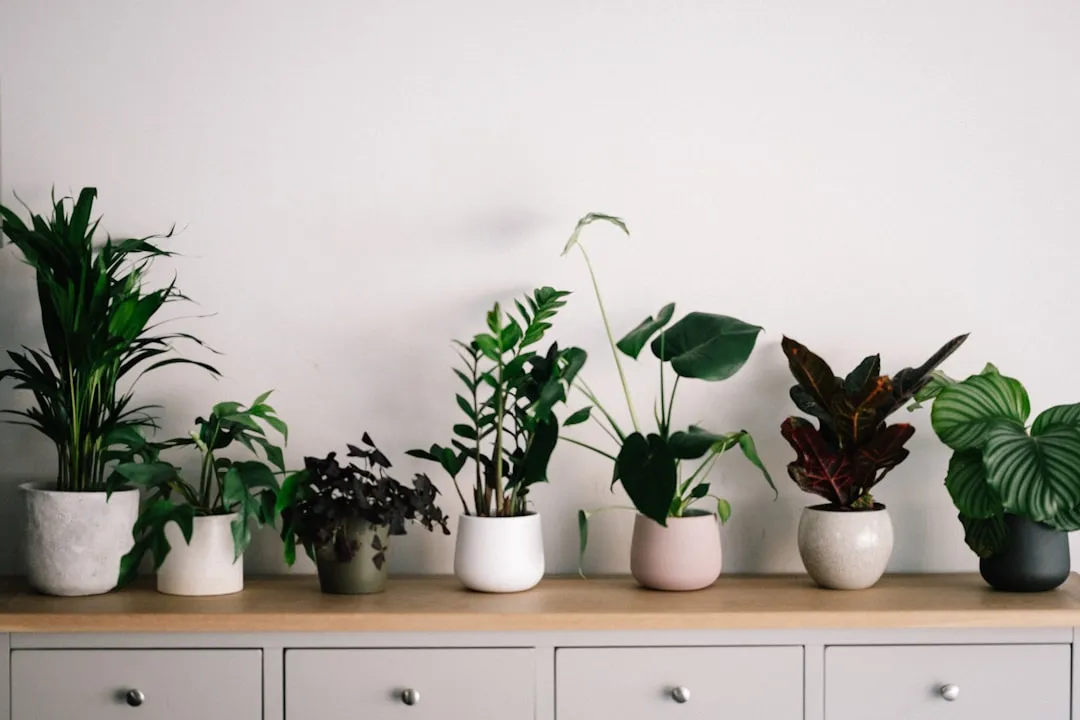
There is a category of plant owner who doesn’t just fill a room – they curate an experience. Rare varieties, variegated leaves, plants sourced from specialty growers or online plant swaps: this is maximalism taken to its most intentional form. Maximalism celebrates accumulation, storytelling, and sensory richness.
Homeowners in maximalist spaces display art, travel souvenirs, and vintage finds to create a personalized and lived-in feel. For rare plant collectors, the plants themselves are the vintage finds. Despite extensive research on the psychological and environmental benefits of houseplants, little is known about how individuals perceive and form emotional connections with them – a gap researchers are now addressing by applying para-social relationship theory to human-plant interactions. The bond is real, and for rare plant people, it runs deep.
The Soft Minimalist: One Plant, Perfect Pot, Zero Compromise
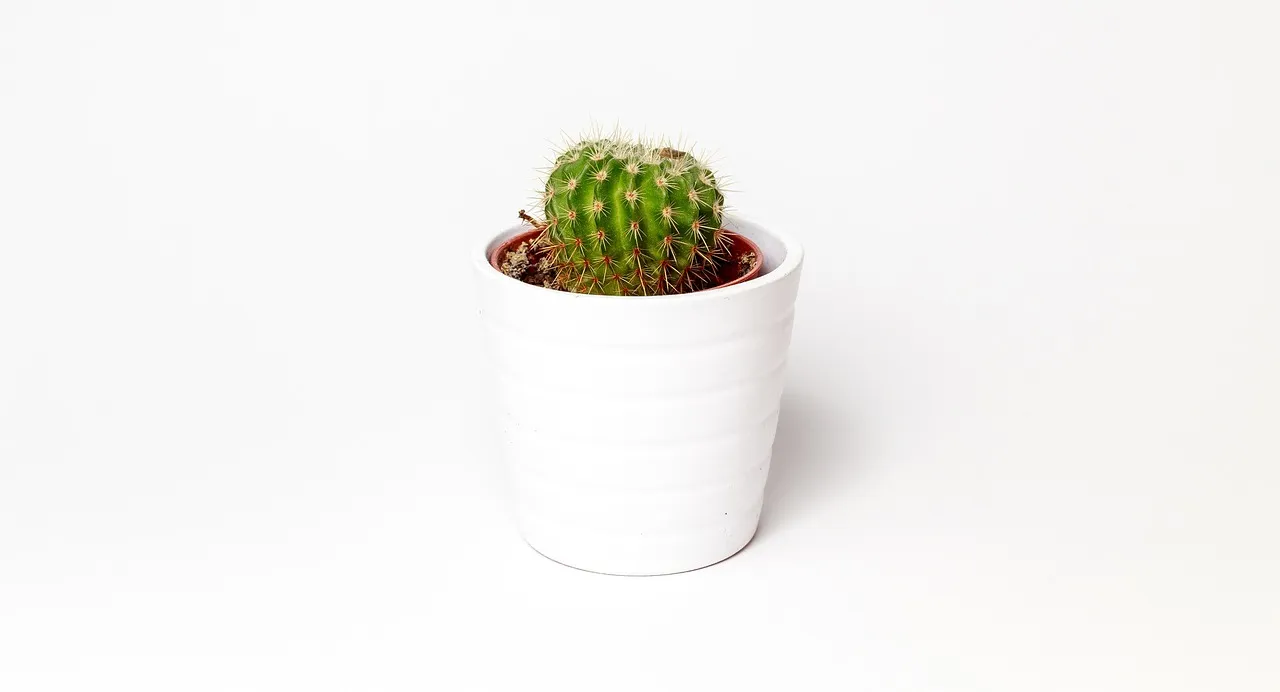
Minimalism in 2025 is no longer about stark white walls and ultra-modern furniture. Instead, it has evolved into a softer, more inviting aesthetic. The soft minimalist plant owner chooses deliberately: one olive tree in a terracotta pot, or a single lemon cypress near the window. Every element is considered.
Warmer neutrals – shades of beige, taupe, and soft terracotta – have replaced the cold whites and grays of previous years. Organic materials like natural wood, stone, and linen add depth and texture without overwhelming the space. For the soft minimalist, the plant isn’t decoration. It’s the room’s quiet reason for existing. Research confirms that participants who self-classified as houseplant carers reported higher levels of mental well-being, and hours spent caring for plants were positively associated with greater mindfulness.
The “Soft Maximalist”: A New Middle Ground That Plants Define Well
2025 introduced a design philosophy called soft maximalism – a middle ground that blends bold design elements with minimalist restraint. This approach layers textures and patterns while maintaining a sense of cohesion and balance. Many houseplant enthusiasts have been living this hybrid style for years without having a name for it.
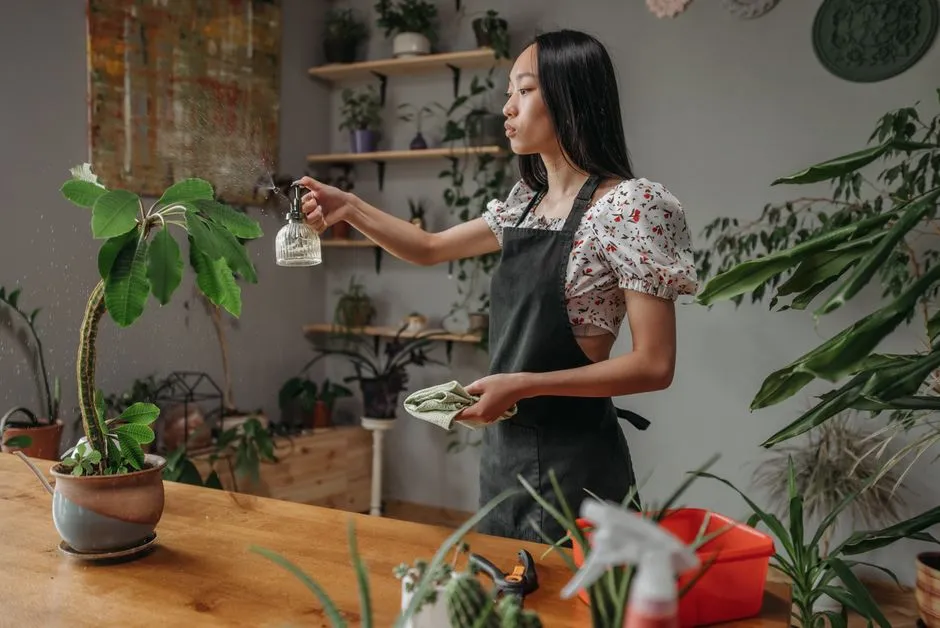
Think: a shelf of seven plants arranged by height and leaf texture, all in muted ceramic pots that share a color palette. It’s curated volume. After a decade ruled by minimalism, we’re seeing a revival of maximalist influences inspired by classic art movements. Even more intriguing is the rise of minimalist maximalism, blending clean lines with striking statements to create sophisticated, balanced interiors. Your plants can do the same thing.
What the Research Actually Says About Plant People
Researchers from the National Chin-Yi University of Technology in Taiwan reviewed 50 studies focused on the psychological benefits of indoor plants and found that the most significant effect they had on study participants was that they made them feel happier. That finding cuts across both design philosophies without favoring either one.
Academic staff without any plants in their offices reported lower levels of job and life satisfaction, while participants who had plants in any part of their office or on their windowsills reported higher job satisfaction and moderate levels of life satisfaction. Whether you have one or thirty plants matters less than having them at all. Indoor plants can boost productivity and concentration in home offices by up to fifteen percent – a statistic that might push even the most committed minimalist toward adding a second pot to their desk.
Conclusion: The Plant Doesn’t Lie
The honest truth is that most people already know which side of the spectrum they fall on. The plant just makes it visible. These opposing philosophies represent more than design trends – they embody distinct approaches to modern living. Maximalism celebrates accumulation, storytelling, and sensory richness, while minimalism champions intentionality, focus, and spatial breathing room.
Neither approach is inherently better. The choice between the two often depends on individual personality and lifestyle needs. Some people think most clearly in a room with one plant and four clean walls. Others feel most alive surrounded by green from every angle. From smart plant care to rare plant collecting, the 2025 houseplant trends reflect a growing love for greenery – in whatever form that love takes.
What the plant world keeps quietly confirming is that how you choose to share your space with living things says something real. Take a look at your favorite plant, then look around the room. The answer was already there.
AI Disclaimer: This article was created with the assistance of AI tools and reviewed by a human editor.