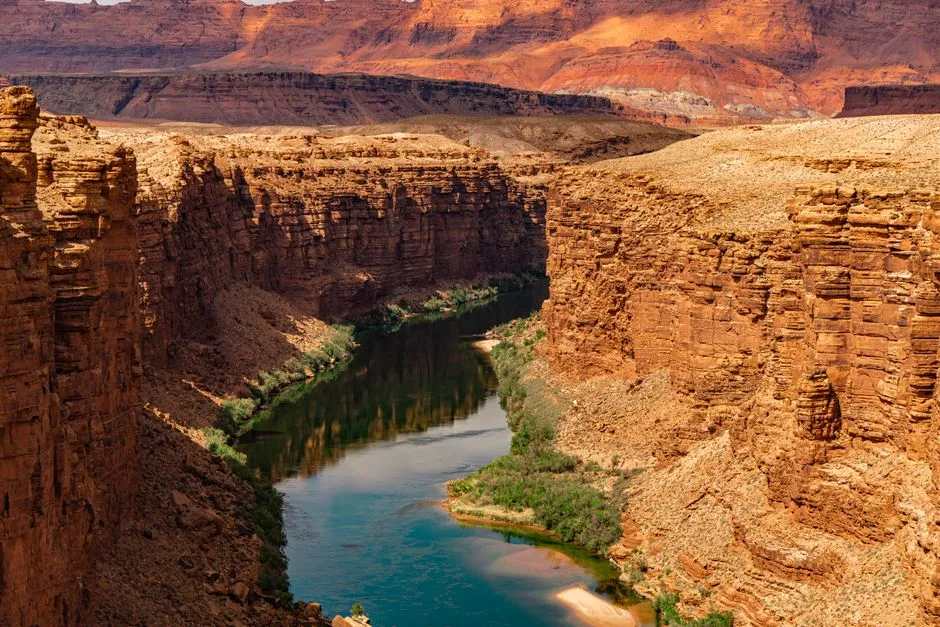

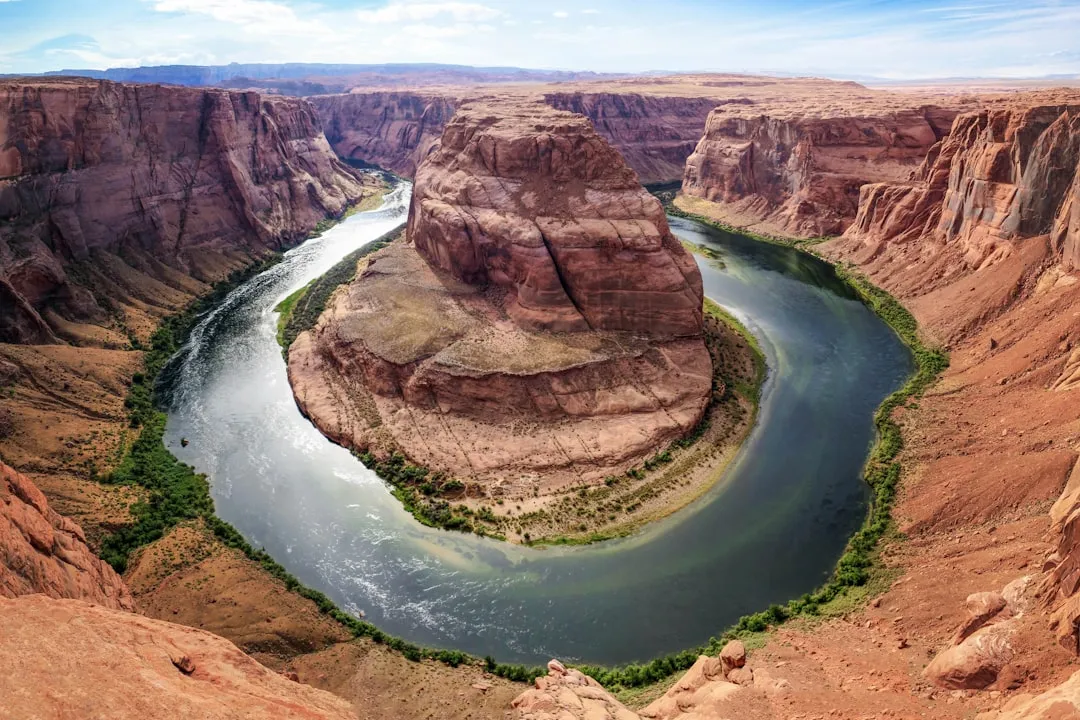
The Colorado River has long been the lifeblood of the American Southwest, winding through seven states and supporting roughly 40 million people along the way. It is a river that has been dammed, diverted, and depended upon at a scale few waterways anywhere in the world can match. What makes today’s moment so different from previous droughts or dry spells is the convergence of long-term climate change, a century of overallocation, and the sheer weight of a growing population pressing against a system that simply cannot keep pace.
The solutions being proposed and, in some cases, already deployed range from engineering feats to political agreements to rethinking how water is valued and used. None of them is a silver bullet. Taken together, though, they represent the most concentrated effort in the river’s managed history to keep it alive.
A River in Real Trouble: The Scale of the Crisis
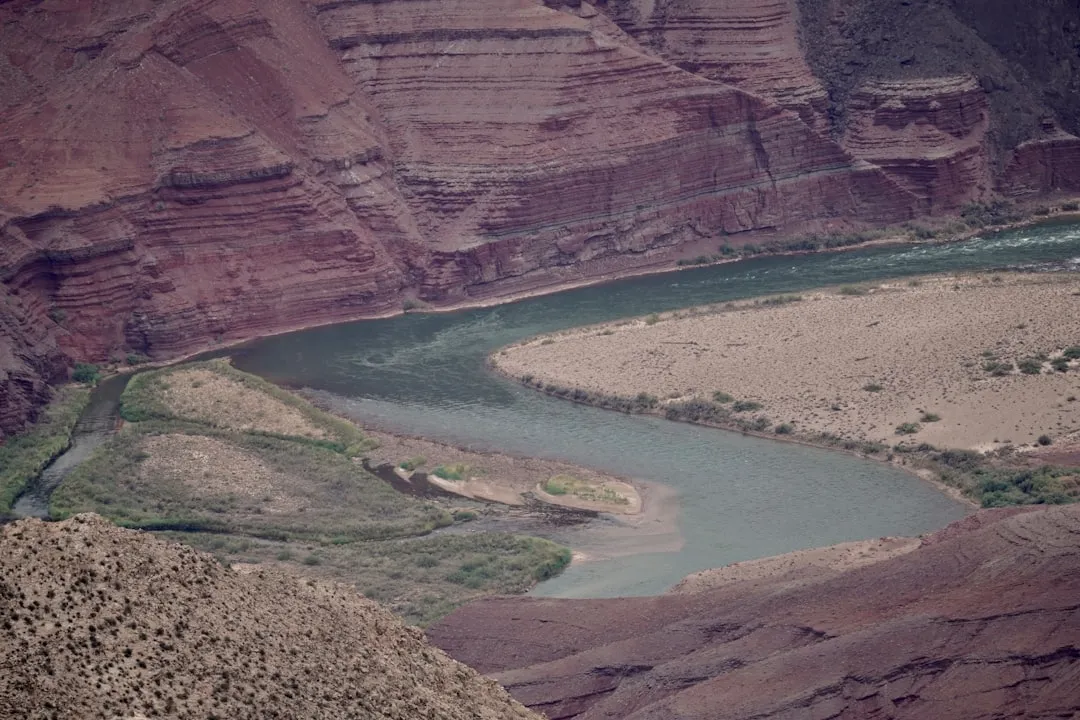
Colorado River flows have shrunk by roughly a fifth since 2000, and as of 2026, its two largest reservoirs sit at critical levels, with Lake Powell at just 25% full and Lake Mead at 34% full. These are not minor dips. They represent a structural imbalance between how much water is drawn from the river and how much is actually available.
About 40 million people rely on today’s depleted Colorado River for municipal water and farmland irrigation, and roughly 60% of the basin’s water consumption goes to agriculture and livestock. The demand side of the equation has barely budged, even as supply continues to tighten.
The Southwest is experiencing a historic megadrought, the river’s flows have declined by about 20% over the last century, and scientists predict that flows could shrink by as much as 31% by 2050. Those projections are not distant abstractions anymore. They are shaping negotiations happening right now, in 2026.
The Hidden Crisis Below Ground
The Upper Basin’s groundwater shrank by about 11.8 million acre-feet between 2002 and 2024, with one acre-foot equaling roughly 325,851 gallons, or the amount of water used by two to four households in a year. This depletion is largely invisible to the naked eye, which makes it one of the most underappreciated threats in the entire basin.
That groundwater loss equals about 72% of the basin’s total storage capacity in federal reservoirs, and the rate of depletion happened about three times faster over the last decade compared with the decade before. Researchers at Arizona State University uncovered this trend using satellite data and on-the-ground modeling.
People are drawing on groundwater faster and at a larger scale than it can be replenished, a dynamic driven by scant regulation in some regions and a century of industrial-scale agriculture. Addressing groundwater is increasingly recognized as inseparable from any meaningful long-term fix for the river itself.
The 2026 Deadline: A Pivotal Moment for the River’s Future
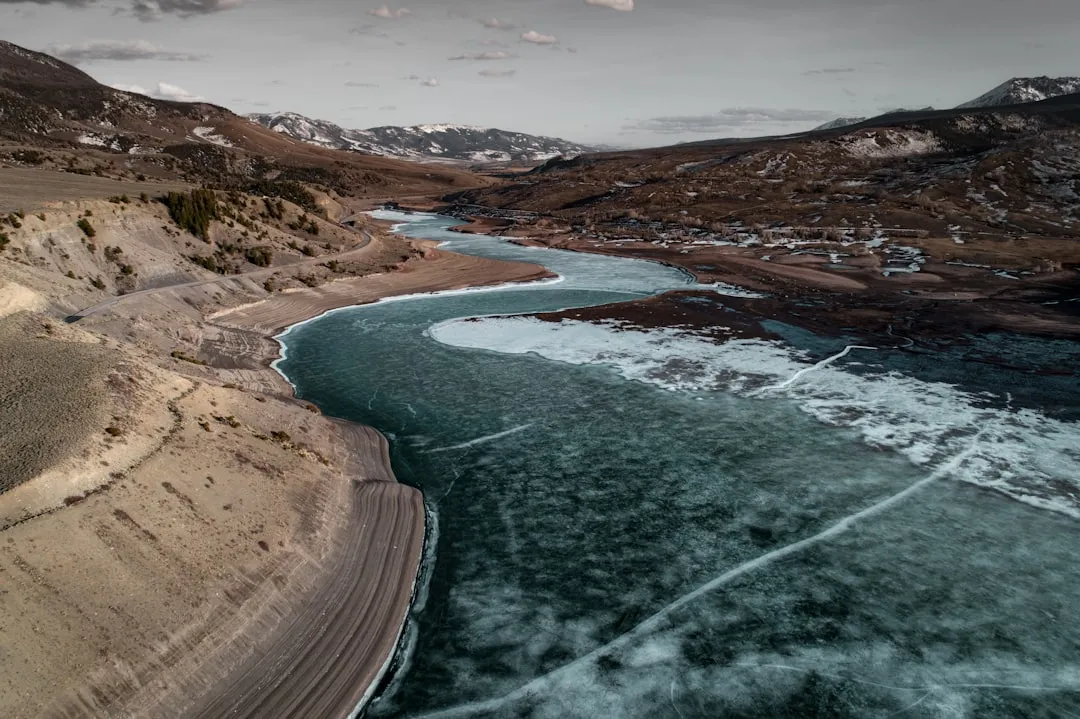
The management rules that have governed how Lake Powell and Lake Mead store and release water, the 2007 Interim Guidelines and the 2019 Drought Contingency Plans, expire at the end of 2026, and the Bureau of Reclamation has set an October 1 deadline to finalize new operating guidelines. The urgency could not be more concrete.
The states failed to put forward a joint alternative in 2024 and missed a November 2025 deadline to reach consensus, with state governors emerging empty-handed from a meeting at the end of January 2026. Failure to reach an agreement risks pushing the states closer to litigation, leaving decisions about the future of water in the West to U.S. Supreme Court judges 1,600 miles away.
In January 2026, Reclamation published a draft environmental impact statement with four potential action alternatives for post-2026 operations, and plans to identify a preferred alternative in the summer of 2026. The clock is ticking in a way it never has before for the Colorado River system.
Agricultural Reform: Where the Biggest Savings Live
Conservation efforts target both municipal and agricultural use, with cities running programs to reduce water consumption while farmers are incentivized to adopt more efficient irrigation methods, sometimes receiving financial compensation to divert less water from the river. Agriculture is the dominant player, so it must also carry a dominant share of any solution.
An effective way to save water is to manage the irrigation process in agriculture more precisely, applying water exactly where it is needed and running irrigation systems to match the growing cycle. Technologies like drip irrigation and soil moisture sensors are already being deployed across the basin with measurable results.
To address the basin’s water security crisis, the U.S. government allocated more than four billion dollars for drought mitigation, including paying water users across the basin’s seven states to extract less water. These incentive payments have shown real short-term effects, even as long-term structural reform remains elusive.
Water Recycling and Reuse: A Scalable but Underused Tool
The U.S. Bureau of Reclamation is currently negotiating new Colorado River operating guidelines for the post-2026 era, and without permanent, coordinated efforts to reduce demand, including aggressive investment in wastewater recycling, the basin’s future remains deeply uncertain.
Districts served by the Metropolitan Water District of Southern California have carried out water recycling programs that include using recycled water and desalination to reduce the region’s reliance on the Colorado River. These programs are already operational, not just theoretical.
The Interior Department has committed 281 million dollars for 21 water recycling projects that are expected to increase annual water capacity by 127,000 acre-feet annually. Through the Bipartisan Infrastructure Law, Reclamation is also investing 8.3 billion dollars over five years for water infrastructure projects, including water purification and reuse, water storage and conveyance, desalination, and dam safety.
Desalination: Ocean Water as a Long-Term Buffer
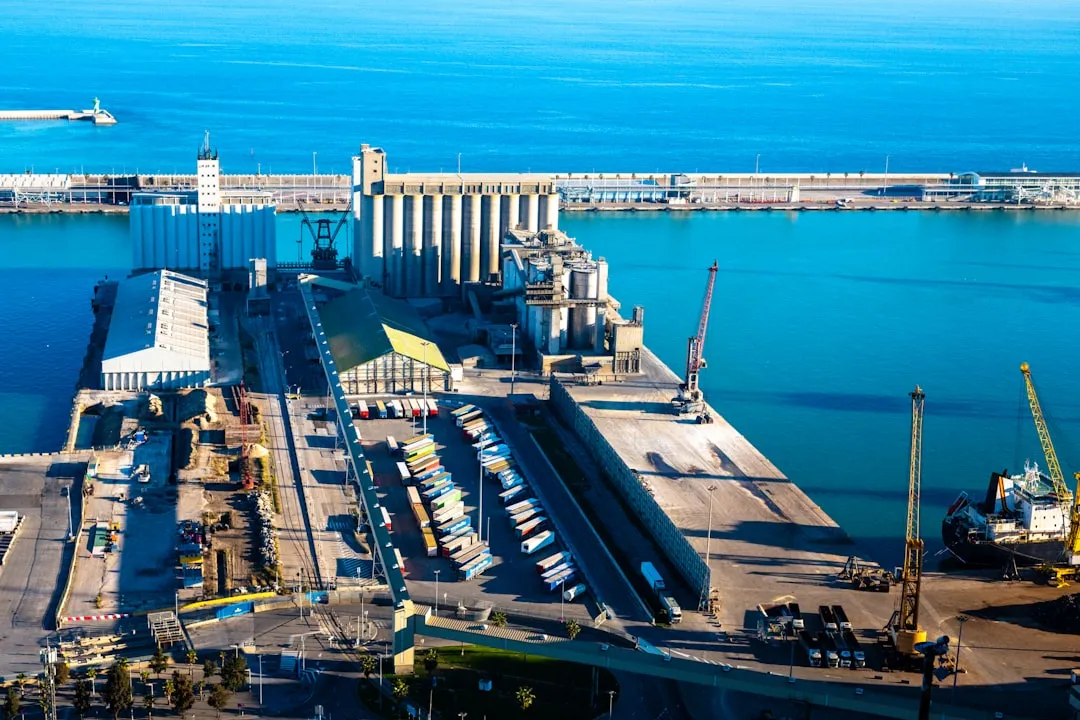
A public lands access group has proposed an ambitious plan to build eight massive desalination plants off the California coastline, turning ocean water into freshwater for farming and reducing demand on the ailing Colorado River. The idea is not new, but the scale being proposed is unprecedented for this region.
A Memorandum of Understanding signed at the Claude “Bud” Lewis Carlsbad Desalination Plant marks an early step toward interstate water exchanges in the Colorado River Basin, using desalinated ocean water and recycled supplies to potentially shift allocations on paper. This framework opens a door that has been largely closed for decades.
Inland desalination in certain areas with brackish groundwater and surface water is also a viable option to stretch water supplies, potentially generating up to 620,000 acre-feet of water. Desalination is expensive and energy-intensive, but as water scarcity deepens, the math shifts in its favor.
Water Markets and Flexible Savings Accounts
The crisis on the Colorado River requires collaborative, bold solutions, including proactive alternatives that incorporate flexible water savings accounts, include contributions from both basins, and account for current river conditions to get through dry years ahead.
In the Lower Basin, conserved water may only be saved in Lake Mead, missing a significant opportunity to boost river flows in the Grand Canyon upstream, and the basin needs expanded conservation pools that allow water to be saved and moved between Lake Powell and Lake Mead to protect river health and stabilize the system.
Overexploitation of the Colorado River system has resulted in a steep decline in native fish species, and developing strategic water markets in the Colorado River headwaters can restore habitat while conserving water resources, according to research published in Nature Sustainability. Water markets, when designed thoughtfully, can align economic incentives with ecological recovery.
Turf Replacement and Urban Conservation Programs

Colorado’s Turf Replacement Grant Program was established in January 2023, with a total of four million dollars allocated to the program. Removing decorative grass, which consumes an enormous volume of water relative to its function, has become one of the more visible and politically popular conservation strategies.
The Colorado Water Conservation Board has awarded funding to support the voluntary replacement of nonfunctional and high water use turf, including to water utilities, special districts, municipalities, and nonprofit organizations with a background in turf replacement and water-related projects.
Towns and cities most likely to face permanent reductions to their water use are putting hundreds of millions of dollars into systems that will prepare them against smaller water deliveries in the future. Urban water efficiency is no longer optional in the Colorado basin. It is becoming infrastructure.
Tribal Nations: Rights, Voice, and a Path Forward
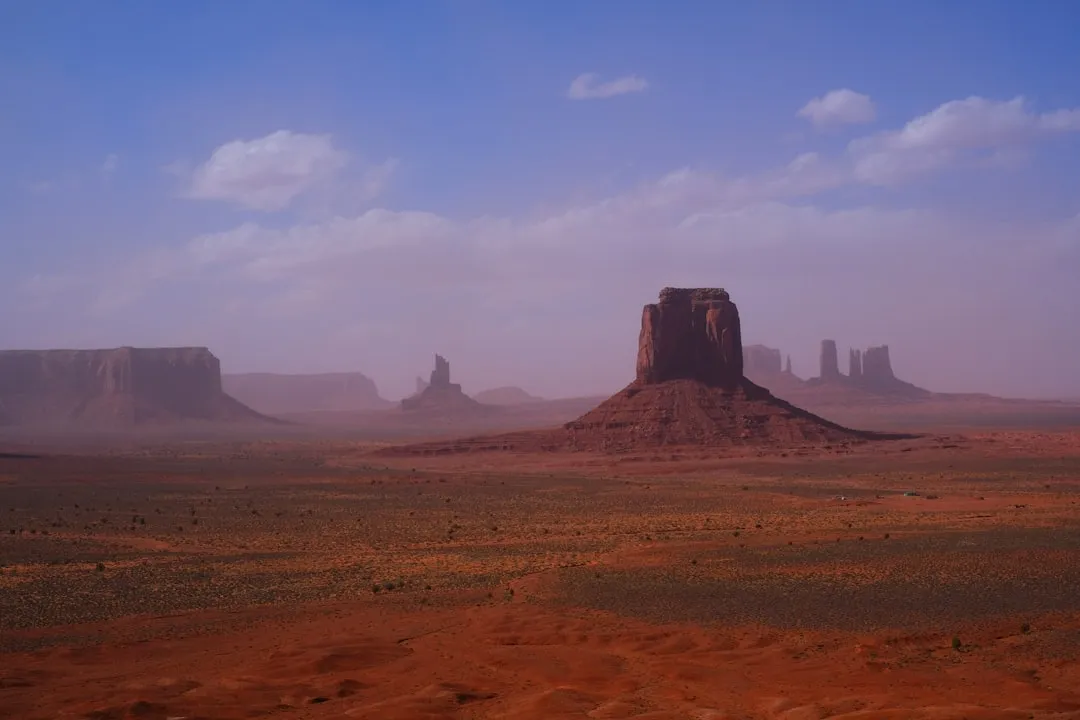
The Colorado River Basin is home to thirty federally recognized Tribal Nations, each with unique histories, cultures, and relationships to the Colorado River and its tributaries. Their water rights, many of which were legally established but never fully recognized in practice, are central to any honest accounting of the river’s future.
Tribal Nations hold about a fifth of senior Colorado River water rights, and greater inclusion of these nations would be better facilitated by federal action. In January 2025, the Navajo Nation celebrated the decree for their Utah Upper Basin water rights following the passage of the Navajo Utah Water Rights Settlement, and is now moving toward implementation.
Extension agreements provide tribes, cities and farmers with funding for water savings during the development of Post-2026 Colorado River Operating Guidelines. Whether Tribal Nations are given a genuine seat at the negotiating table, not just acknowledgment in press releases, will likely shape how durable any eventual agreement turns out to be.
The Hydropower Stakes and the Threat to Glen Canyon Dam
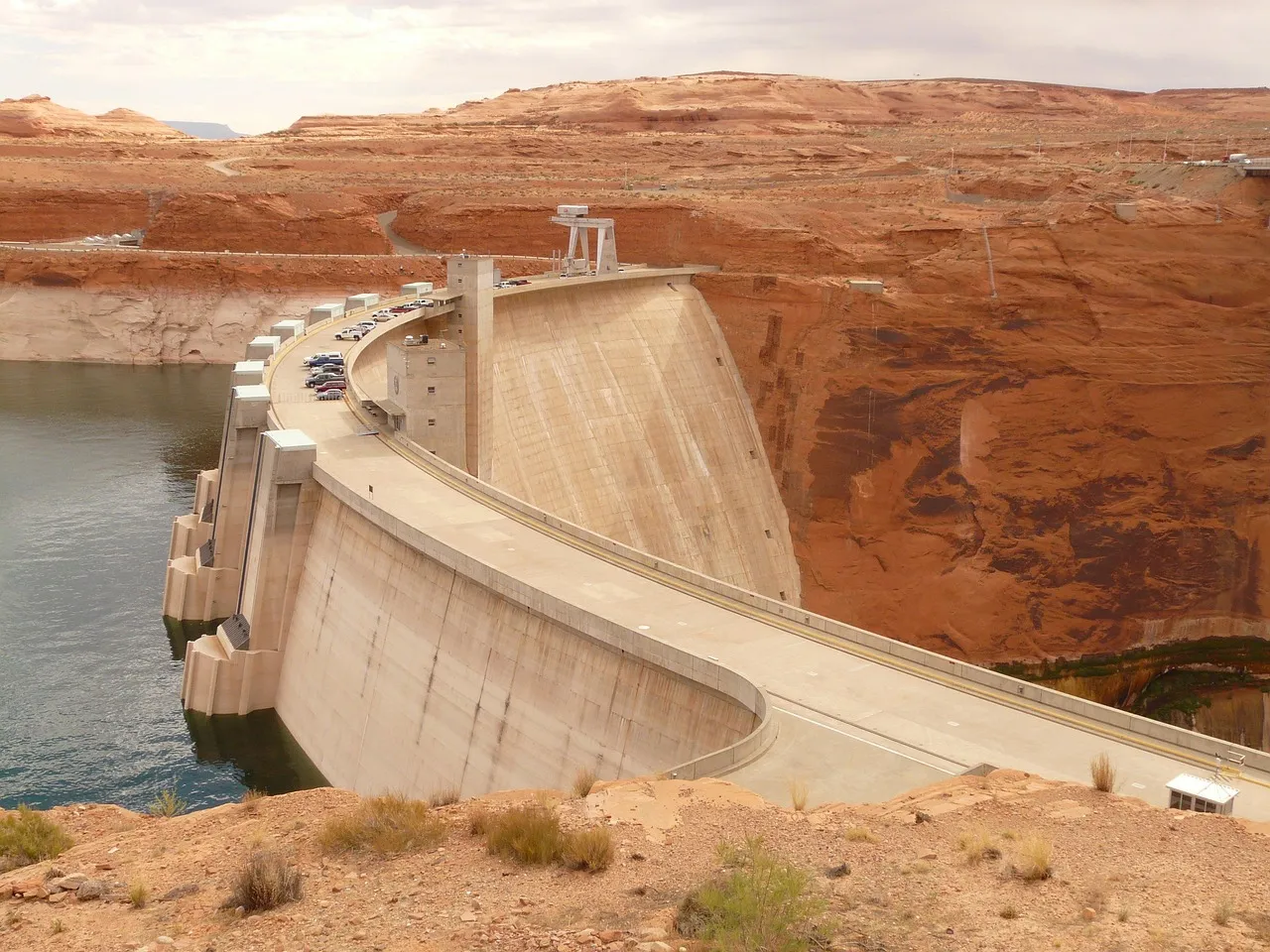
As of April 2026, Lake Powell’s water levels sit barely above 3,500 feet, Lake Mead is projected to decline by 20 feet over the year, which would decrease Hoover Dam’s hydropower output by 40%, and spring and early summer runoff into Lake Powell is forecast at roughly 36% of average. These are not distant scenarios. They are unfolding right now.
Dropping levels at Lake Powell are jeopardizing electricity generation for about five million people across seven states, and new data shows that could happen as soon as November 2026. Hydropower loss adds a new dimension of urgency, pushing energy policy directly into what was primarily a water management conversation.
The entire basin is experiencing what researchers describe as a persistent “hot drought,” distinguished by high temperatures in addition to low precipitation, a combination that causes more precipitation to fall as rain instead of snow and increases evaporation, both of which reduce spring runoff, the main source of water for the Colorado River. This is not a drought in the traditional sense. It is a new climate baseline.
Conclusion: Urgency, Innovation, and the Long Game
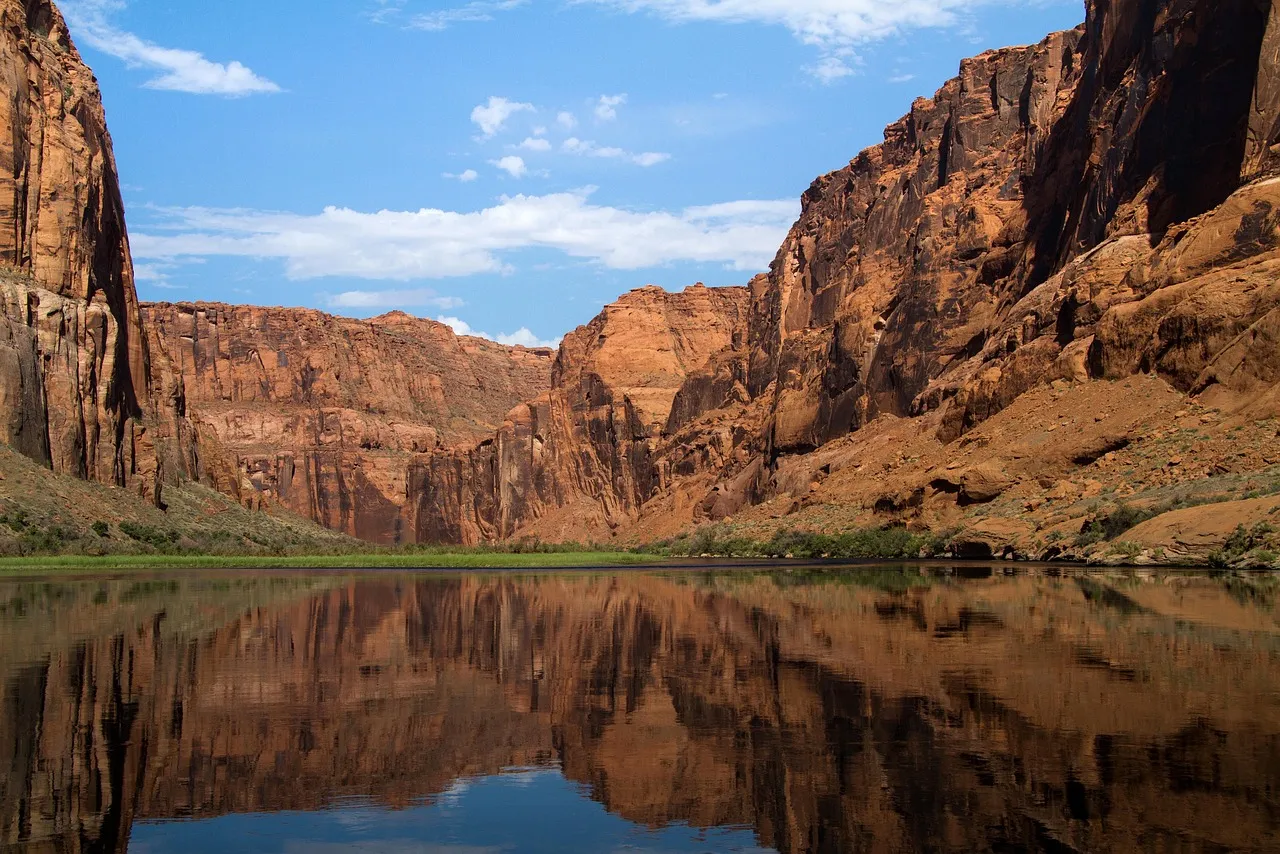
The Colorado River’s situation in 2026 is genuinely difficult, shaped by decades of overuse, a warming climate, and the structural complexity of managing water across seven states, thirty Tribal Nations, and an international border with Mexico. The innovations being deployed, from desalination and water recycling to flexible savings markets and turf replacement, are real and measurable. Leading with innovation, collaboration, and best-in-class planning offers the foundation for long-term and sustainable management of the Colorado River, and cooperation provides the certainty that businesses and communities alike depend on.
Despite significant efforts, storage levels throughout the basin have continued to fall and pose widespread concerns, and with previous agreements set to expire at the end of 2026, Reclamation is currently leading an effort to study and implement post-2026 operations that account for the realities of the basin’s hydrology. The decisions made in the next several months will reverberate for decades.
What the Colorado River ultimately needs is not just smarter engineering or better policy, but a willingness to accept that the river is not what it once was, and to build a future around what it actually is. That kind of honesty, uncomfortable as it may be, is the most essential innovation of all.
AI Disclaimer: This article was created with the assistance of AI tools and reviewed by a human editor.