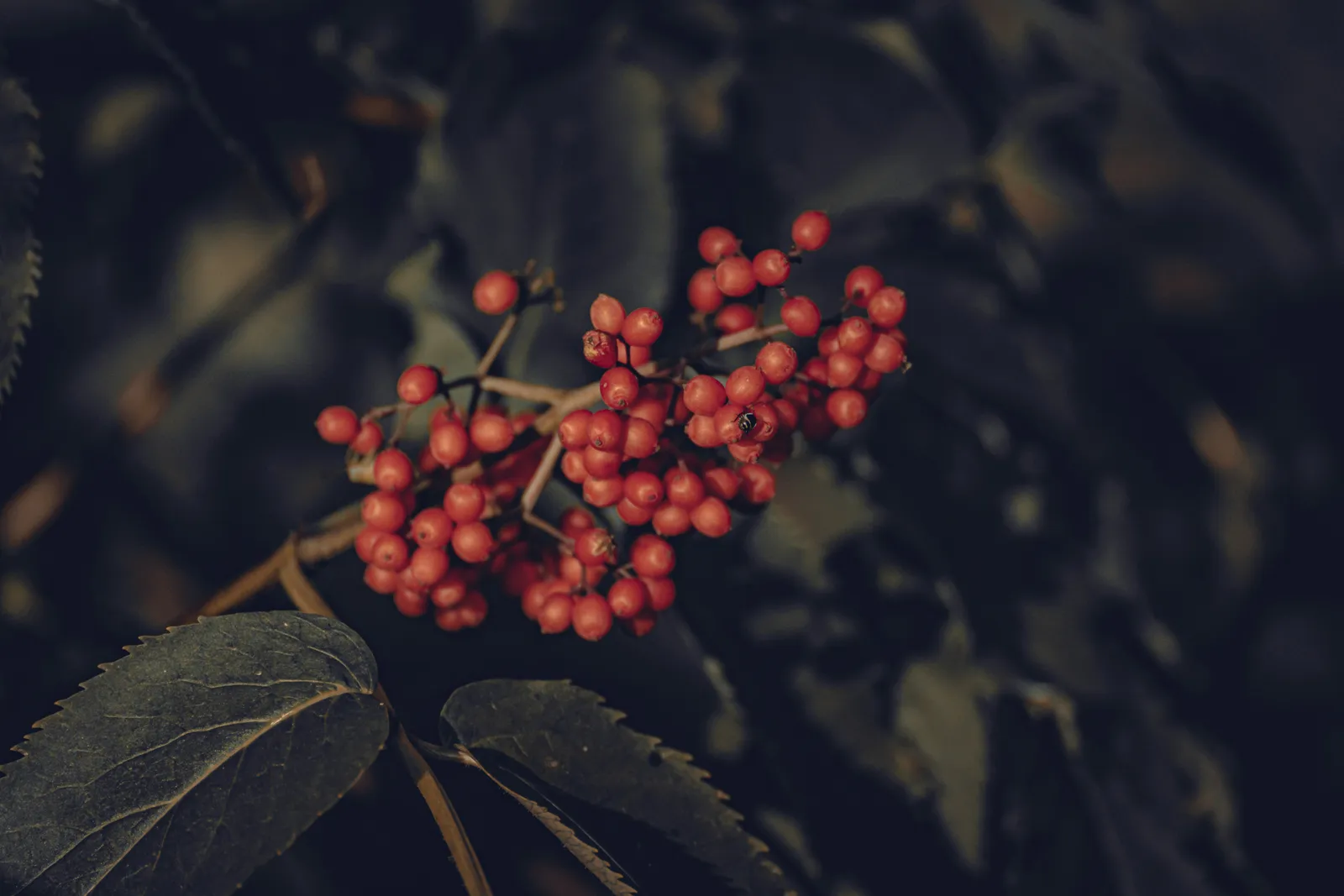

Many homeowners continue to maintain Japanese barberry in their yards, unaware that the shrub’s spread has drawn increasing attention from land managers and ecologists. The plant, once valued for its durability and color, now carries documented risks that extend beyond individual properties. Gardeners who act now can limit further establishment while selecting options better suited to current landscape priorities.
Why the Issue Matters Now
Japanese barberry has long been a staple in residential and commercial plantings across much of the United States. Its popularity stemmed from tolerance for varied soils and light conditions, yet those same traits contribute to its ability to move beyond intended boundaries. Recent assessments by state agencies and conservation groups have highlighted how the shrub displaces native vegetation in forests and along edges of developed land. The practical consequence is straightforward: continued presence in yards sustains a source population that can affect neighboring natural areas. Landowners, municipal planners, and native plant nurseries all face the downstream effects. Replacing the shrub addresses the source rather than managing symptoms after spread has occurred.
Ecological and Practical Consequences
Once established, Japanese barberry forms dense thickets that reduce light reaching the forest floor. This change alters conditions for native wildflowers, tree seedlings, and ground-nesting wildlife. Birds that consume the fruit help distribute seeds into new locations, accelerating the plant’s reach into areas where control becomes more difficult and costly. For property owners, the shrub can also create maintenance challenges. Its thorny branches complicate pruning and increase the chance of minor injuries during routine care. Over time, these factors add to the workload rather than reducing it, contrary to the low-maintenance reputation the plant once held. Stakeholders who manage larger landscapes, such as parks departments or golf courses, report similar patterns of increased effort and reduced biodiversity where the shrub persists.
Selecting Appropriate Replacements
Choosing a substitute requires attention to site conditions, desired function, and regional plant availability. Factors such as soil moisture, sun exposure, mature size, and seasonal interest should guide decisions. Native shrubs or non-invasive cultivars often provide comparable structure and color without the same risk of escape. Consulting local extension services or native plant societies helps match species to specific growing zones. These organizations maintain lists of plants that perform well locally and support pollinators or other wildlife. Timing the removal and replanting for early spring or fall minimizes stress on both the old plant and the new selection. Proper site preparation, including removal of remaining roots, further reduces the chance of regrowth.
Steps for Homeowners and Landscapers
– Assess current plantings to identify Japanese barberry and note its location relative to natural areas or property lines.
– Research approved alternatives through university extension resources or regional native plant guides.
– Plan removal during periods when the shrub is easiest to extract and before fruit ripens.
– Prepare the planting area by improving soil and ensuring adequate spacing for the replacement.
– Monitor the site for several seasons to confirm successful establishment and absence of seedlings. These actions align individual landscape decisions with broader efforts to limit invasive spread.
What matters now: Property owners who still have Japanese barberry can reduce its long-term presence by planning replacements this season. Coordinated choices across neighborhoods and communities produce measurable reductions in seed sources and maintenance demands over time.
The shift away from Japanese barberry reflects a wider adjustment in how landscapes are designed and maintained. Gardeners who evaluate their plantings now contribute to more resilient yards and surrounding natural areas without sacrificing visual appeal.
AI Disclaimer: This article was created with the assistance of AI tools and reviewed by a human editor.