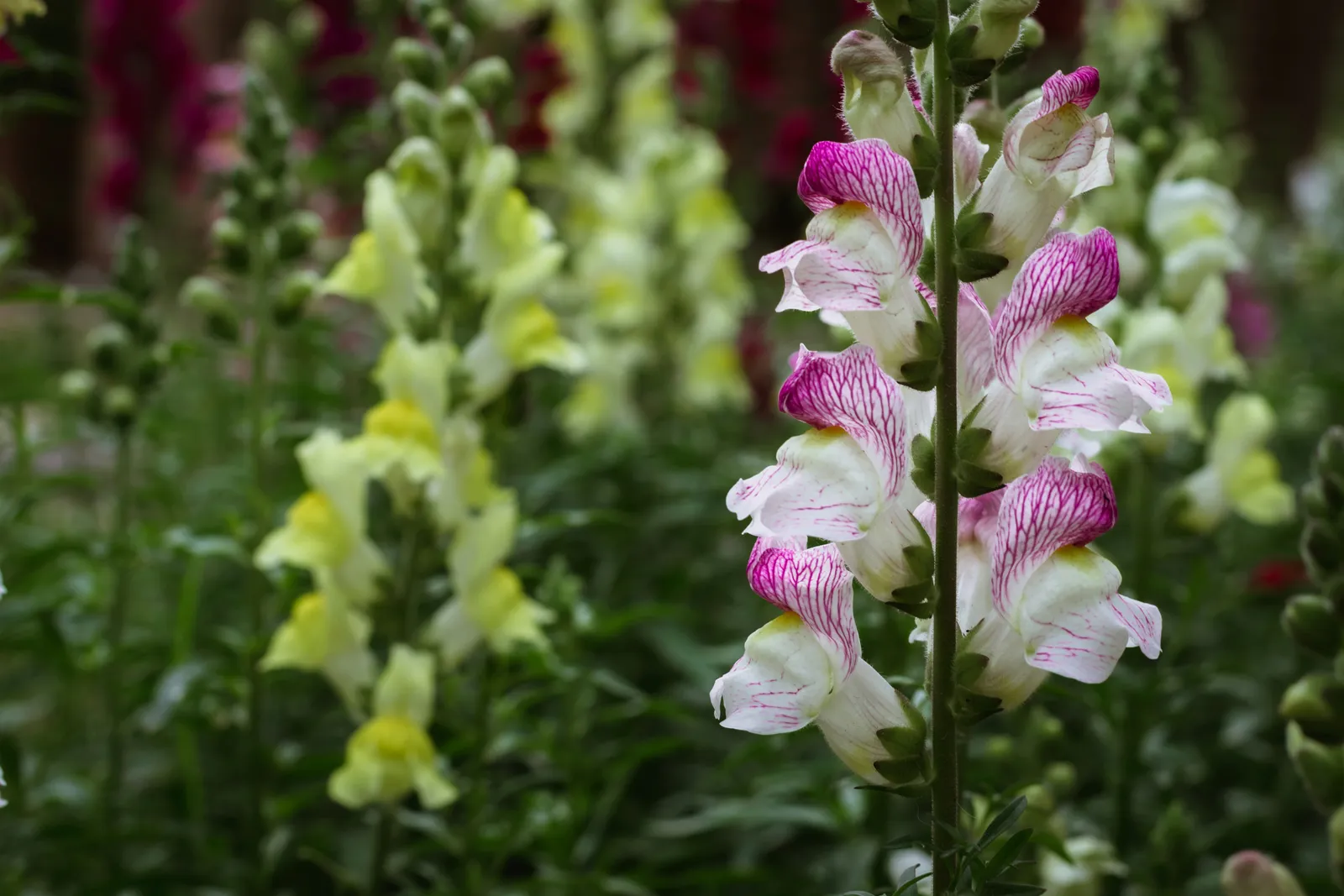

Central Indiana – In a Zone 6a garden, the shift from spring to summer has brought steady rain and warmer days that encourage new growth. Spring flowers linger in places, yet summer perennials now dominate the beds. This monthly Bloom Day tradition captures the moment when the garden settles into its warmer rhythm.
Early Summer Perennials Take Center Stage
Hydrangeas have begun their display along the edges of open areas where new plants fill gaps. One standout shrub arrived from Proven Winners and continues to impress with its reliable performance. Nearby, bee balm draws pollinators with its vibrant spikes, offering a reliable source of color through the season. Daylilies add height and texture as their first blooms open. Spider forms and unusual shapes stand out among the favorites for their striking appearance. These plants thrive in the current conditions and signal the steady progression of summer.
Self-Sown Plants and Lasting Favorites
Hollyhocks started from winter-sown seed two seasons ago now reach full height in beds beside the vegetable garden. Their presence shows the value of patience with young plants. A rose of unknown variety promises repeated blooms well into fall, providing consistent interest across months. Verbena seedlings from an All-America Selection variety have appeared on their own and attract pollinators through late season. These volunteers often perform as well as planned plantings. The garden rewards observation of what returns naturally each year.
Reflections on Past Bloom Days
Records from previous years reveal how gardens evolve over time. Some flowers that appeared in earlier posts no longer grow here, while others have taken their place. The list stretches back nearly two decades and serves as a personal reference for tracking changes. Notable moments include the night-blooming cereus in 2010 and abundant clematis in 2020. Comparisons show that timing varies slightly from year to year depending on weather. This ongoing record highlights both continuity and the natural turnover in any garden.
Why Bloom Day Matters This June
The tradition encourages gardeners everywhere to notice what is actually flowering around the middle of each month. Sharing observations online connects people who follow the same seasonal rhythm. The original inspiration remains simple yet powerful: flowers can appear in nearly every month with thoughtful planting. Central Indiana gardeners see clear evidence of that principle right now. The current mix of lingering spring color and emerging summer displays offers a timely reminder of seasonal progression. Observing these shifts helps anyone appreciate the steady rewards of a working garden.
AI Disclaimer: This article was created with the assistance of AI tools and reviewed by a human editor.