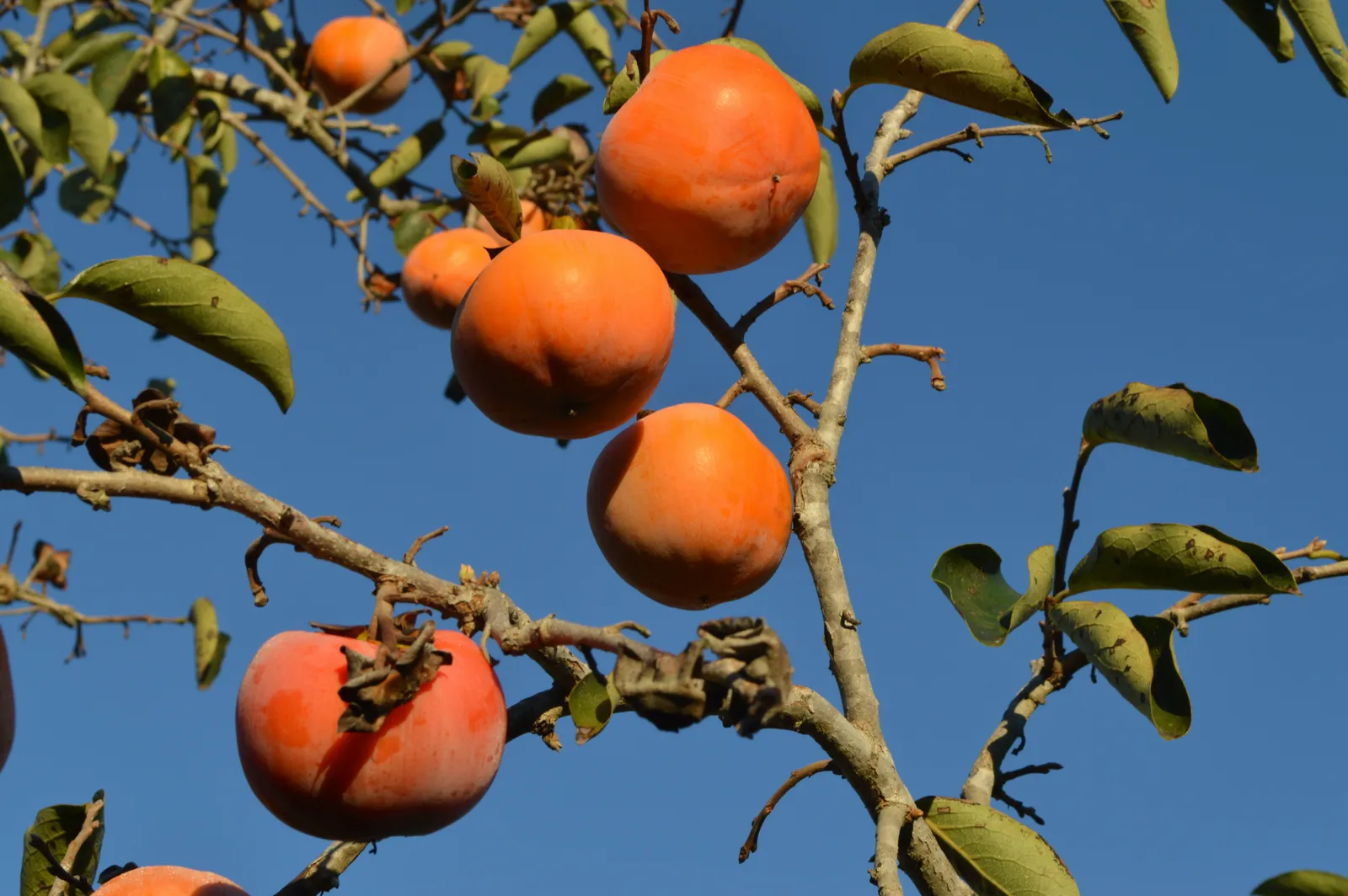

American gardeners often overlook Asian persimmons, yet these trees deliver a flavor profile that sets them apart from apples, pears, or stone fruits. Their complex taste combines sweetness with subtle notes that many describe as distinctive and memorable. At the same time, the trees require minimal intervention once established, making them a practical choice for home landscapes across a wide range of climates.
A Flavor That Defies Simple Comparison
Unlike more familiar orchard fruits, Asian persimmons offer a taste experience that evolves as the fruit ripens. Early stages can bring a firmer texture with brighter notes, while fully ripe specimens develop a softer, richer character. This progression gives gardeners and cooks flexibility in the kitchen, from fresh eating to baking and preserving.
The appeal lies in that very complexity. Home cooks appreciate how the fruit pairs with both savory dishes and desserts without overpowering other ingredients. For those seeking something beyond standard backyard produce, the tree provides a reliable source of this uncommon flavor each fall.
Why the Trees Fit So Well in Home Settings
Asian persimmon trees remain relatively problem-free compared with many other fruiting options. They tolerate a range of soil types and show resilience against common pests and diseases that trouble apples or peaches. This reliability reduces the need for frequent spraying or intensive care routines.
Many varieties also adapt to smaller yards because they stay manageable in size without aggressive pruning. Their ornamental value adds another layer of interest, with glossy leaves that turn vibrant colors in autumn before the fruit appears. Gardeners who value both productivity and visual appeal find the combination especially satisfying.
Practical Advantages for Everyday Gardeners
Planting an Asian persimmon represents a low-risk addition to the home garden. The trees establish steadily and begin producing within a few seasons under typical conditions. Once mature, they continue to yield fruit with little ongoing attention beyond basic watering during dry spells.
This ease of cultivation opens the door for newer gardeners who want results without extensive experience. It also appeals to those managing larger properties who prefer trees that do not demand constant monitoring. In both cases, the reward is consistent harvests of fruit that feels genuinely different from supermarket options.
What matters now: With planting season underway, Asian persimmons offer a straightforward way to expand the range of flavors available from a single backyard tree while keeping maintenance demands modest.
The combination of distinctive taste and straightforward growing habits positions Asian persimmons as a worthwhile consideration for anyone looking to diversify their home garden. Their understated reliability and memorable fruit continue to earn quiet appreciation among those who give them a place.
AI Disclaimer: This article was created with the assistance of AI tools and reviewed by a human editor.