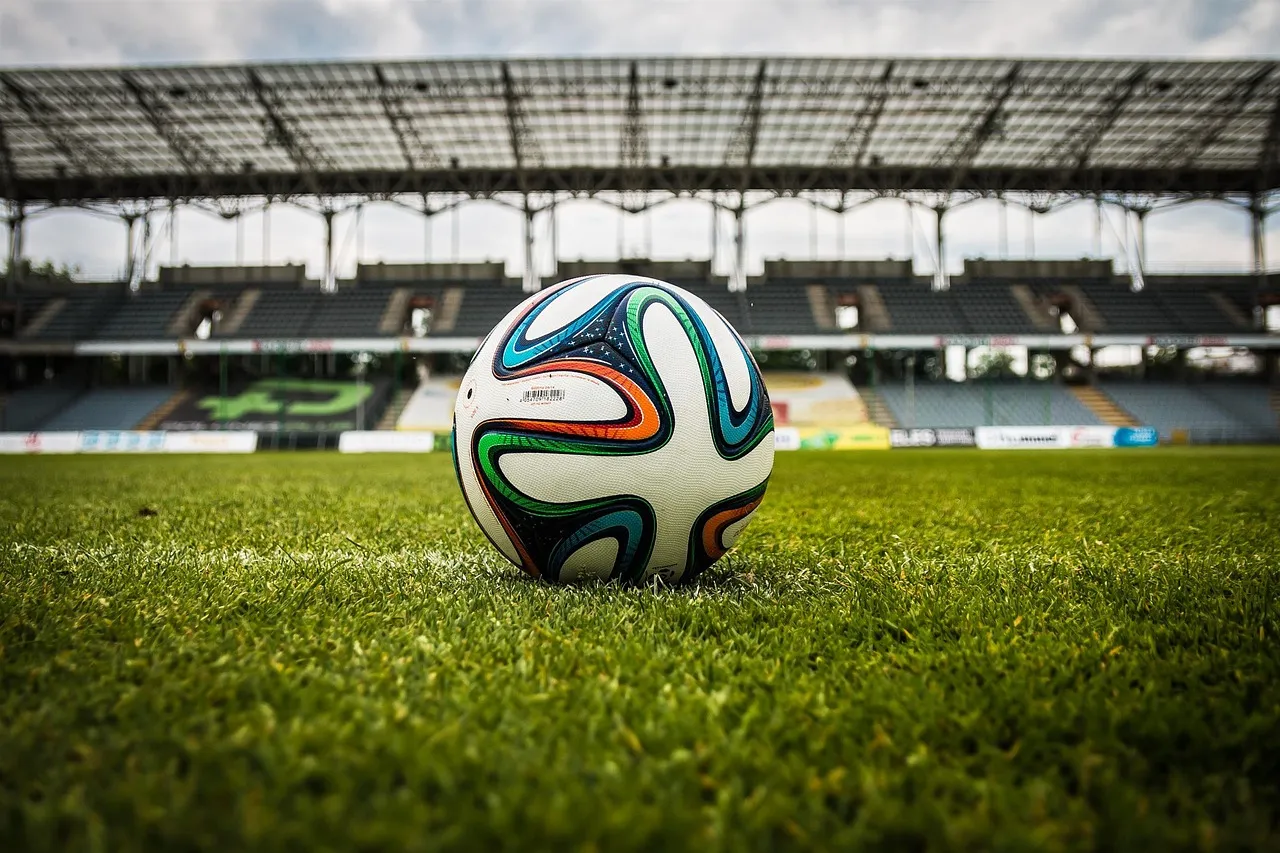

Stadium operators at Gillette have begun the careful work of laying natural grass over the existing artificial surface ahead of the 2026 World Cup. The change is temporary yet deliberate, driven by the requirements of international soccer rather than the preferences that have shaped NFL venues for years. Grounds crews and field managers now face the practical task of establishing and maintaining living turf inside a facility built around synthetic materials. The effort underscores a long-standing difference in how different sports approach playing surfaces.
Why the Switch Matters for Field Management
Artificial turf offers durability and lower day-to-day upkeep in many climates, yet it lacks the living root system that natural grass provides. For soccer events, organizers have consistently favored the latter because it allows for better ball roll and player movement under varying weather conditions. At Gillette, the installation requires precise layering so the natural grass can take root without damaging the underlying structure. This process involves coordination among turf specialists, irrigation teams, and event planners who must balance the needs of multiple upcoming matches.
The decision rests with team ownership and stadium management, who weigh the costs and logistics of the temporary conversion. Natural grass demands regular mowing, watering, and aeration during its limited time in place. These steps add operational complexity that artificial surfaces largely avoid. Still, the choice reflects a clear priority: meeting the standards expected for a global tournament.
Natural Grass Versus Artificial Turf: Key Differences
| Aspect | Natural Grass | Artificial Turf |
|---|---|---|
| Maintenance Needs | Daily mowing, irrigation, and aeration required | Periodic cleaning and infill checks |
| Player Surface Feel | Softer underfoot with living roots | Firmer and more consistent year-round |
| Weather Response | Can soften or harden with rain and temperature | Drains quickly but retains heat |
| Installation for Events | Temporary overlay possible but labor-intensive | Permanent once laid |
Stakeholders and Practical Consequences
Groundskeepers at Gillette now manage an added layer of horticultural care that includes monitoring soil health and root development during the grass’s short lifespan at the venue. Event organizers must schedule field work around match days and practice sessions. Local suppliers of sod and specialized equipment also see increased demand as the installation timeline tightens. These changes ripple through the operational budget and staffing plans for the stadium.
Ownership groups across the NFL have long accepted artificial surfaces for regular-season play. The World Cup requirement at Gillette illustrates that a different standard can be met when the event demands it. The contrast leaves open questions about whether similar adjustments could be considered for other high-profile uses of the same facilities.
What Changes Next
- Continued monitoring of grass establishment through the summer months
- Coordination with World Cup scheduling to protect the surface
- Post-tournament removal and return to the original artificial field
- Review of maintenance records to inform future surface decisions
The temporary grass at Gillette will be removed once the tournament concludes, returning the stadium to its standard configuration. This cycle of installation and reversal highlights the flexibility that modern venues can achieve, even as it leaves the broader choice between living turf and synthetic materials unresolved for everyday professional use.
AI Disclaimer: This article was created with the assistance of AI tools and reviewed by a human editor.