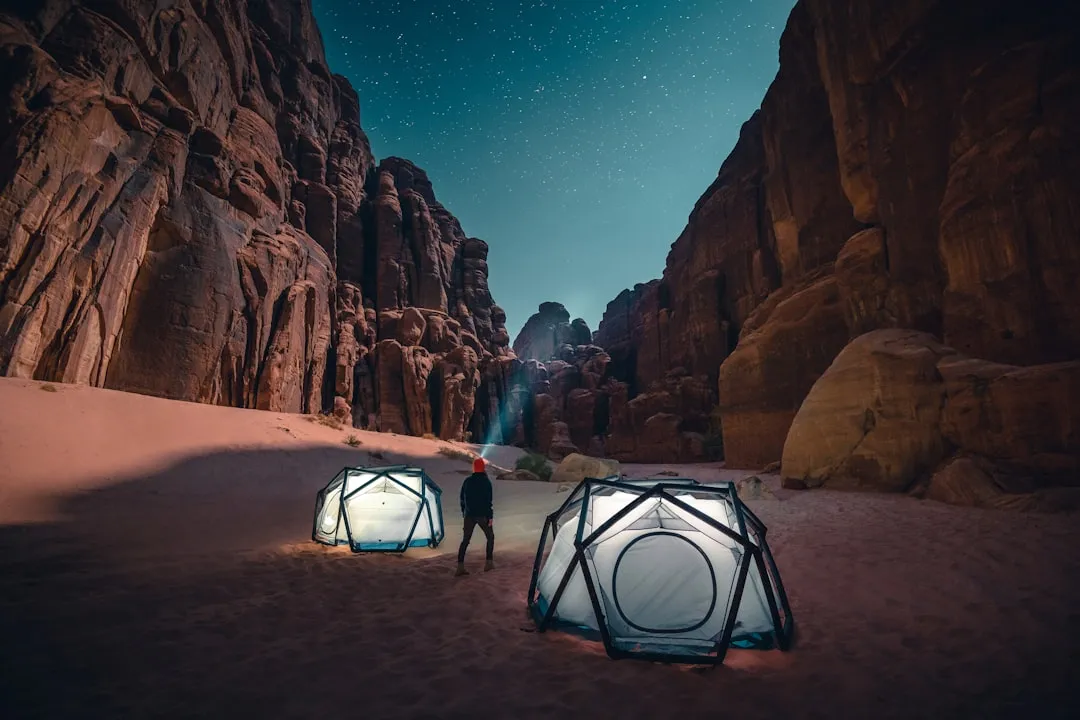

There’s a stretch of road in Nevada that has a way of making you feel like you’ve driven off the edge of the known world. No billboards, no chain restaurants, just sagebrush, mountain passes, and a silence that’s surprisingly comfortable once you settle into it.
The “Loneliest Road in America” is the section of U.S. Route 50 that runs through Nevada. It’s a place that rewards patience and preparation in equal measure, and if you’re thinking about camping along its route, this guide covers everything worth knowing before you head out.
The Origin of the Name and What It Actually Means
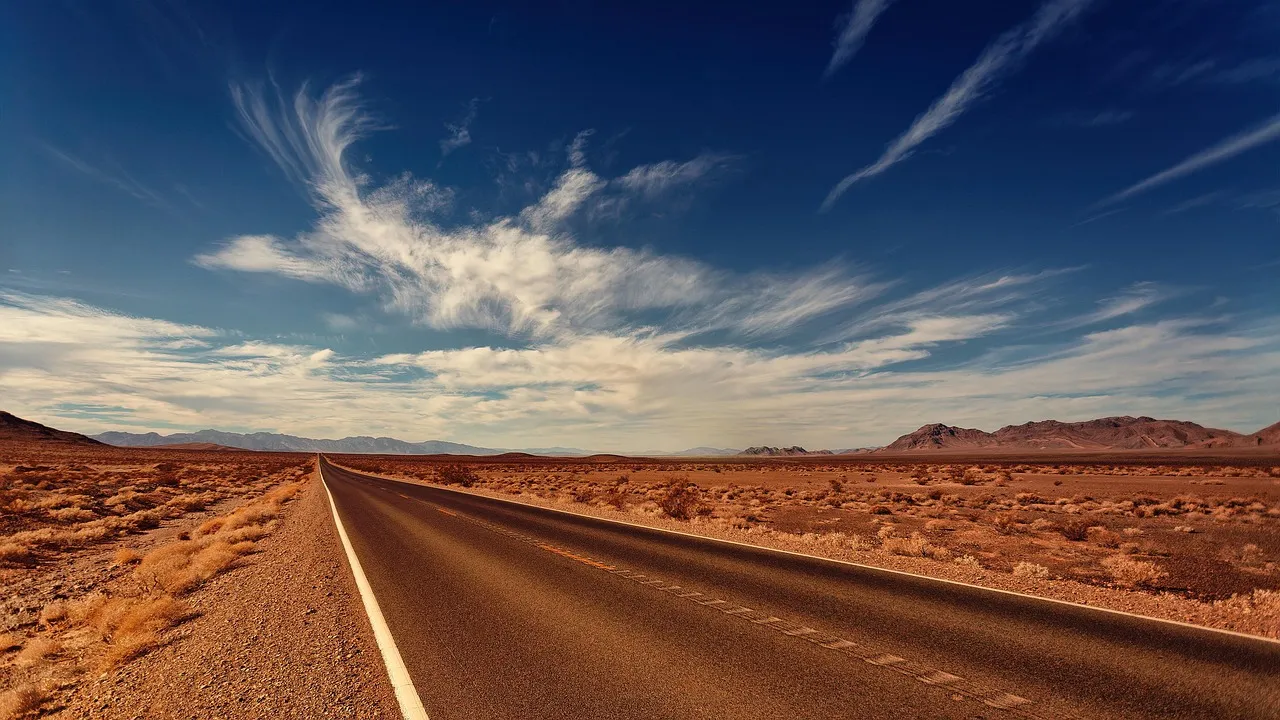
Highway 50 through Nevada was given the notorious moniker in 1986 by Life magazine, which recommended its readers have some “survival skills” before attempting to drive it. That warning aged strangely. What Life magazine meant as a discouragement became, over the decades, a badge of honor that travelers actively seek out.
While it’s true that Route 50 in Nevada crawls through some flat expanses of near nothingness, the route is far from featureless or boring. The loneliest road in America passes some of the most intriguing landscapes in the west, including ghost towns, mountain passes, petroglyphs, lakes, deserts, caves, and more.
Nevada’s Highway 50 has been a major thoroughfare since the Pony Express connected the West. That history runs deep beneath the asphalt, and once you know it, the road reads differently.
The Route Itself: What You’re Working With
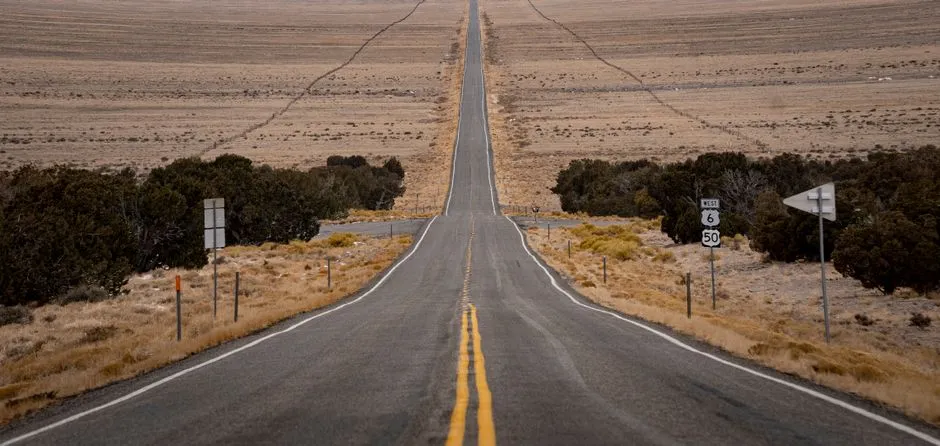
Highway 50 runs through high desert and over 17 mountain passes. That’s not a minor detail. Elevation changes of several thousand feet mean temperatures can shift dramatically between one stretch and the next.
The route follows Highway 50 heading west from the Utah border through the towns of Baker, Ely, Eureka, Austin, Fallon, Virginia City, and Carson City, ending along Nevada’s shores of Lake Tahoe. Between those towns, the distances are real. Services are sparse, and that’s precisely the point.
Don’t skip fuel stops: fuel stations are spaced out along Highway 50 Nevada, so top up when you can. Carry extra water in your vehicle, as temperatures can soar in the desert. Download offline maps as mobile reception is patchy.
Where to Set Up Camp: From BLM Land to State Parks
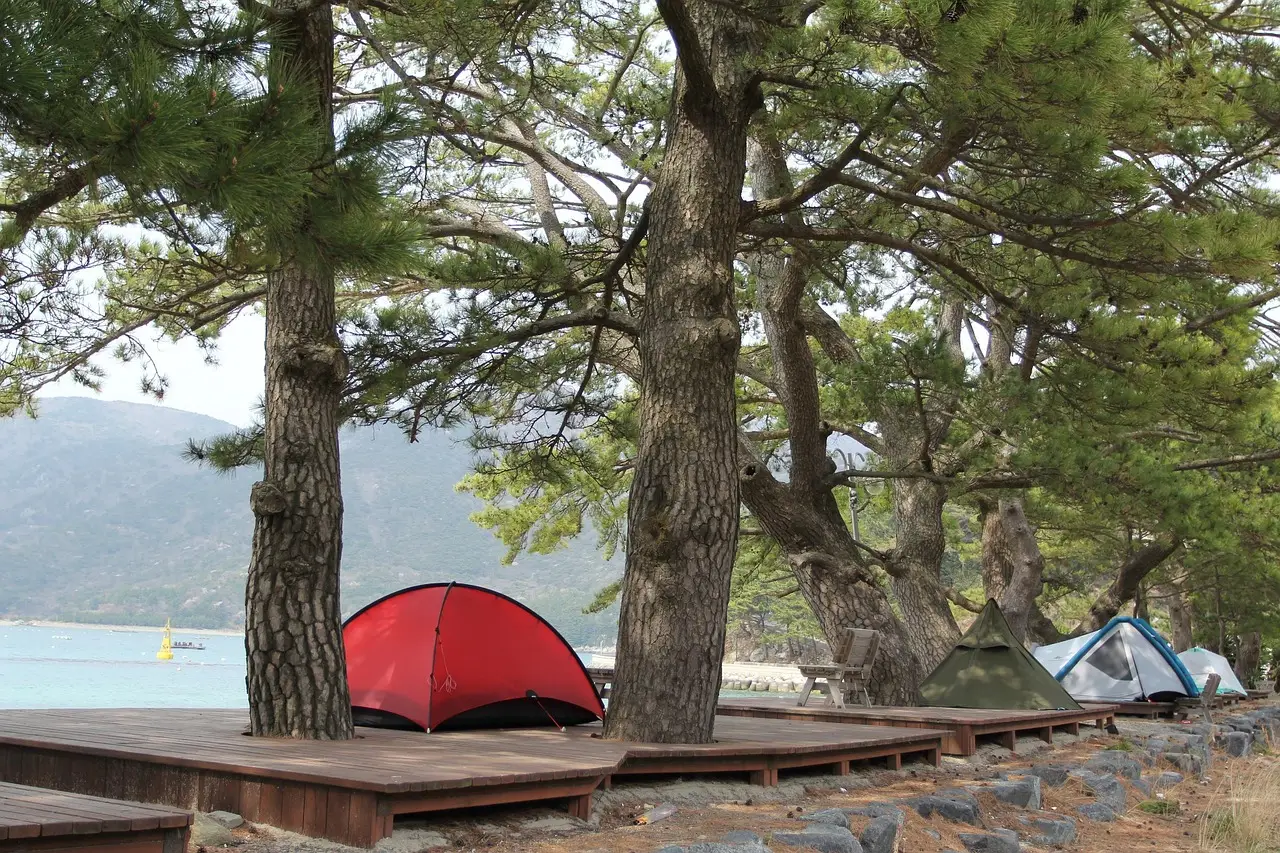
Nevada is more than 80 percent public land, and the Bureau of Land Management and the National Forest Service do a great job of maintaining campgrounds, often with bathrooms, picnic tables, and fire pits, without charging fees. For campers, that statistic is as good as it gets.
There are many dispersed campsites available along the route. You can simply pull up a side valley, make sure you don’t block through traffic, and enjoy the quiet. Most of this open land falls under BLM jurisdiction and comes with no reservation system and no fee.
The Sand Mountain Recreation Area is home to almost 5,000 acres of dunes and is surrounded by the beautiful Stillwater Mountains. There are also 23 miles of designated hiking and biking trails around some of the area’s otherworldly dunes. It’s a legitimate landmark and a solid first stop heading east from the Fallon area.
Sand Mountain: A Giant Dune in the Middle of Nowhere
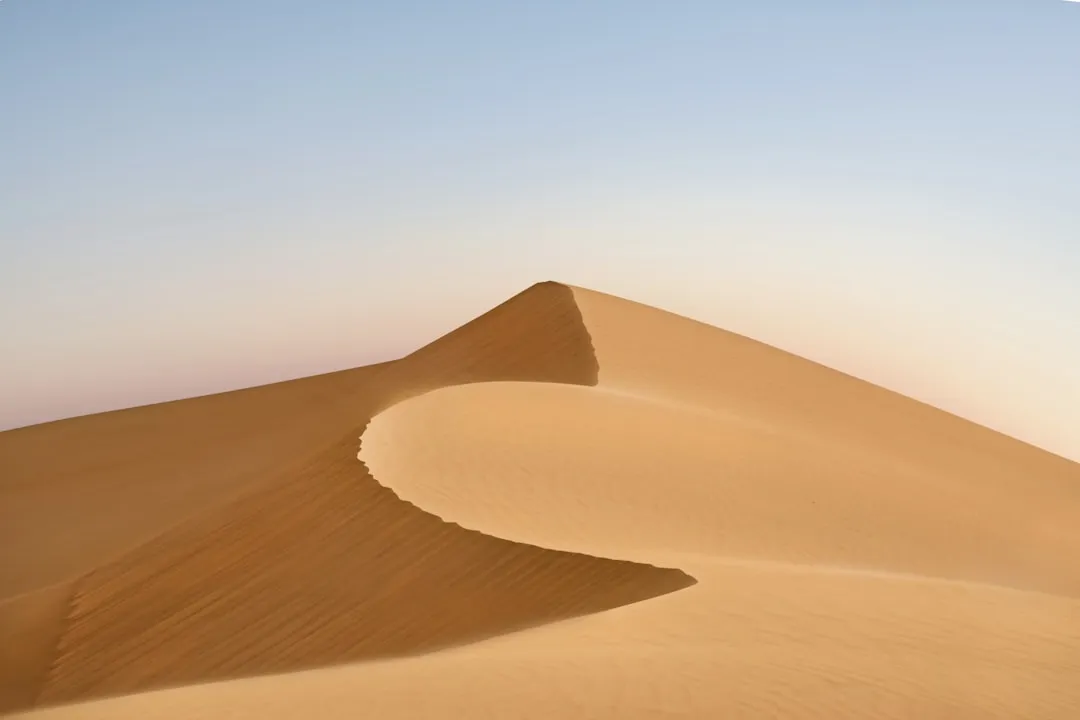
You’ll come across Sand Mountain, a 600-foot-high sand dune, about 30 miles outside of the nearby town of Fallon. The scale of it surprises people. Rising suddenly from the flat desert floor, it looks almost out of place.
Entrance to Sand Mountain is $40 for up to a week of stays and $90 for an annual pass. There is room for tents, RV, and trailer camping. There are vault toilets scattered around but no other amenities.
The dunes are particularly popular with ATV riders, so if you’re looking for deep solitude here, aim for a weekday. The surrounding Stillwater Mountains offer a quieter backdrop once the machines are parked for the night.
Spencer Hot Springs: Desert Camping With a Natural Reward
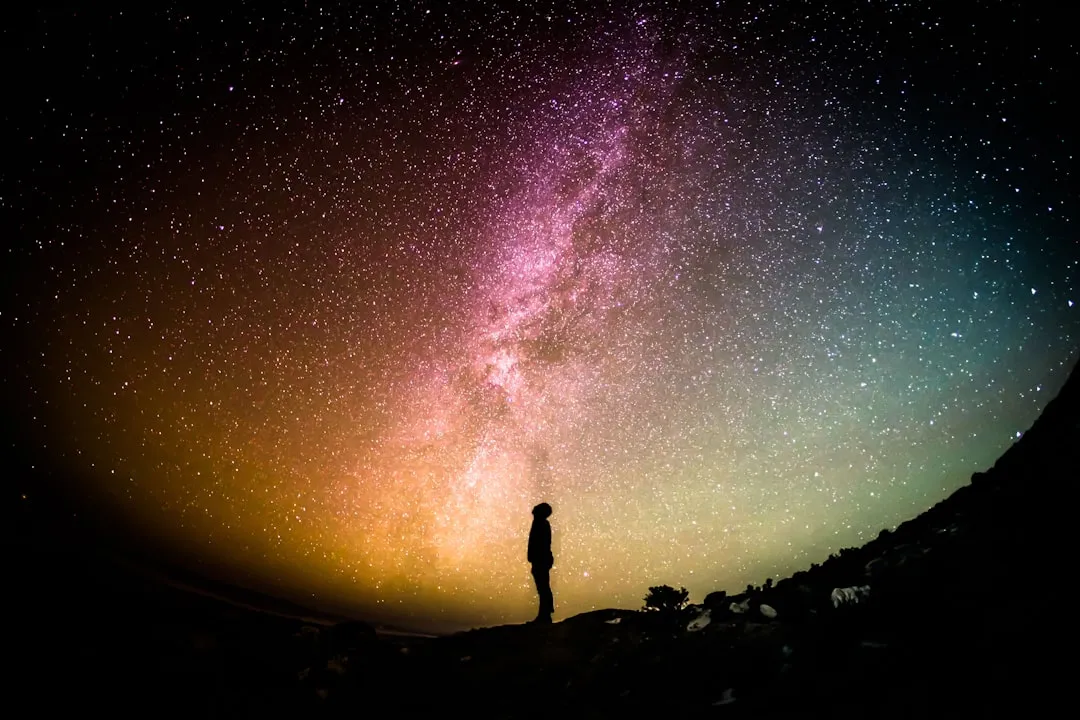
Following the old route of the Pony Express, Highway 50 passes through rugged mountains, dusty old mining towns, and plenty of open country that, once the sun sets, sits under a shimmering night sky entirely unmarred by light pollution. Spencer Hot Springs is one of the clearest examples of this combination.
This land is run by the Nevada Bureau of Land Management, so there is no admission fee and the springs are open 365 days a year. It’s a primitive site, which means there are no restroom facilities and, other than a couple of benches and decks, no infrastructure.
Nevada has more hot springs than any other state, and with gorgeous mountain views and wonderful night sky viewing, Spencer is one of the most beautiful. Plan for the access road: the dirt road leading to the springs can be a bit rough in spots, so take care when driving.
Great Basin National Park: The Jewel at the End of the Road
Great Basin is home to one of the US’s southernmost glaciers, the world’s oldest trees (over 5,000 years old), dazzling caves, and an International Dark Sky Park. It is the third least visited national park in the lower 48. That last fact is worth sitting with.
Great Basin National Park offers five different campgrounds to stay at while you visit. These campgrounds range from high-elevation areas like Wheeler Peak Campground at 10,000 feet to beautiful pinyon juniper areas at 6,500 feet in Grey Cliffs Campground.
Great Basin National Park is home to the oldest living organism on earth, the Bristlecone Pine. You can also hike to Nevada’s second highest peak, Wheeler Peak. Both are genuinely worth the drive out.
Stargazing Along the Highway: One of the Darkest Skies in the US
Great Basin National Park is officially recognized as an International Dark Sky Park, a designation given by the International Dark-Sky Association to protect night skies from light pollution. The Bortle scale rating for the park confirms what visitors already sense the moment the sun goes down.
Great Basin National Park is rated Bortle Class 1 – the darkest possible classification on that scale. For context, most suburban areas sit at Class 8 or higher. The difference at night is genuinely startling.
In July and August, the Perseids meteor shower comes through and it is quite a sight to behold, with up to a hundred shooting stars per hour at its peak. The Milky Way core, which is that dense cluster of stars you may see in some astrophotography photos, is only visible in the months from March to October.
Water, Heat, and Staying Safe in the Desert
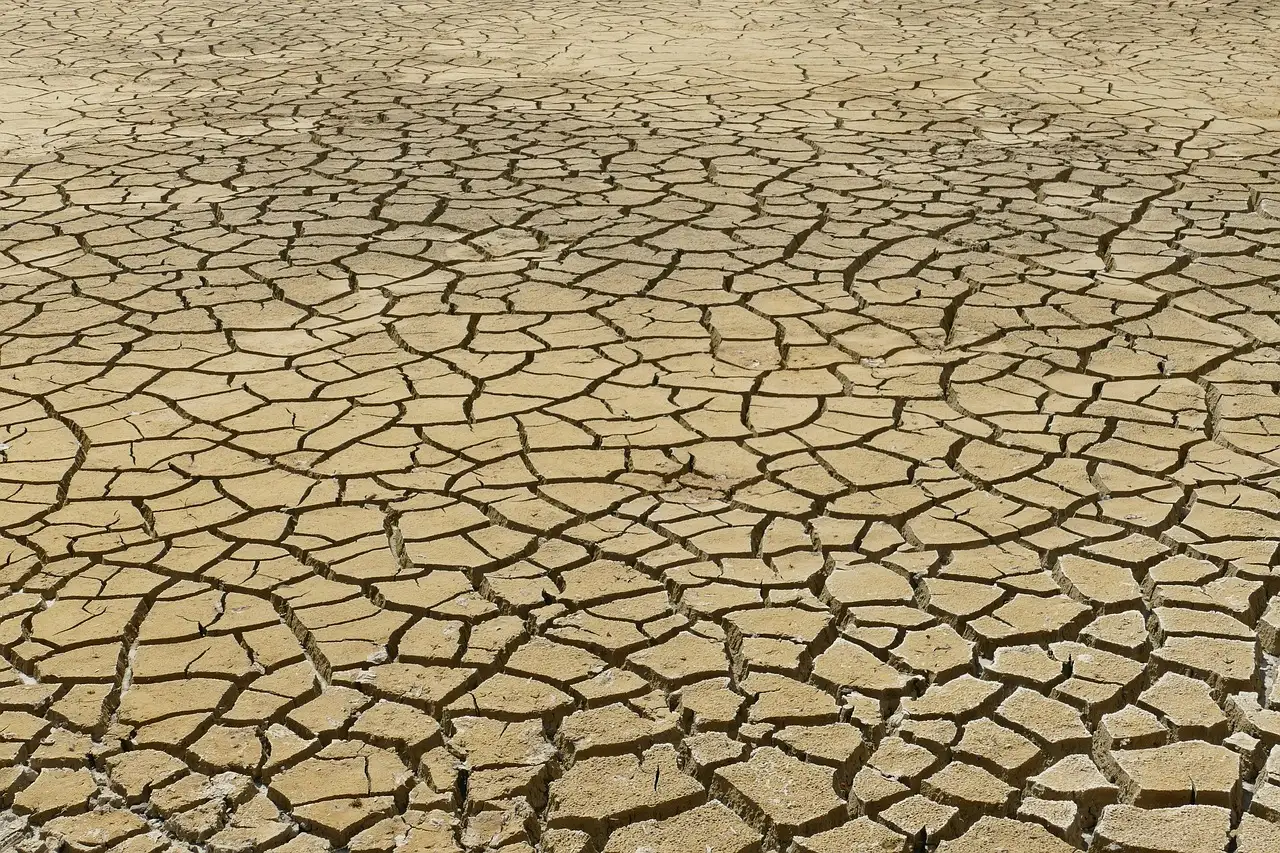
Most desert deaths happen from dehydration or heatstroke long before starvation becomes a factor. That’s a sobering reality, and one that shapes every planning decision you should make before heading out here.
Carry more water than you think you need – a minimum of 4 liters per person per day. Desert heat is primarily dry heat, which means your sweat evaporates almost instantly. This is the body’s natural cooling mechanism, but it can be deceptive. Because you don’t feel “sweaty,” you may not realize how much fluid you are losing.
The hottest part of the day in Nevada is typically between 11 AM and 4 PM. Plan your activities for early morning or late afternoon when temperatures are cooler. The desert rewards an early start and punishes those who ignore the midday hours.
Dispersed Camping Rules and Leave No Trace Principles
To help ensure dispersed camping will always be part of exploring Nevada’s public lands, basic backcountry ethics should be observed. Drive only on designated routes. Camp only in previously disturbed areas and on durable surfaces.
Higher numbers of people doing dispersed camping in recent years has led to increased bad behavior, including driving and camping in forbidden areas and leaving trash. Rule changes for dispersed camping accelerated since 2020 as more and more people headed into the backcountry to camp, in part due to the pandemic. Knowing the current rules before you go is not optional.
Packing out waste is especially important in desert environments where it’s difficult to dig holes and the soil cannot break down waste quickly. The standard Leave No Trace principles apply here with even greater weight than in wetter, more forgiving ecosystems.
Flash Floods, Wildlife, and Other Hazards Worth Knowing
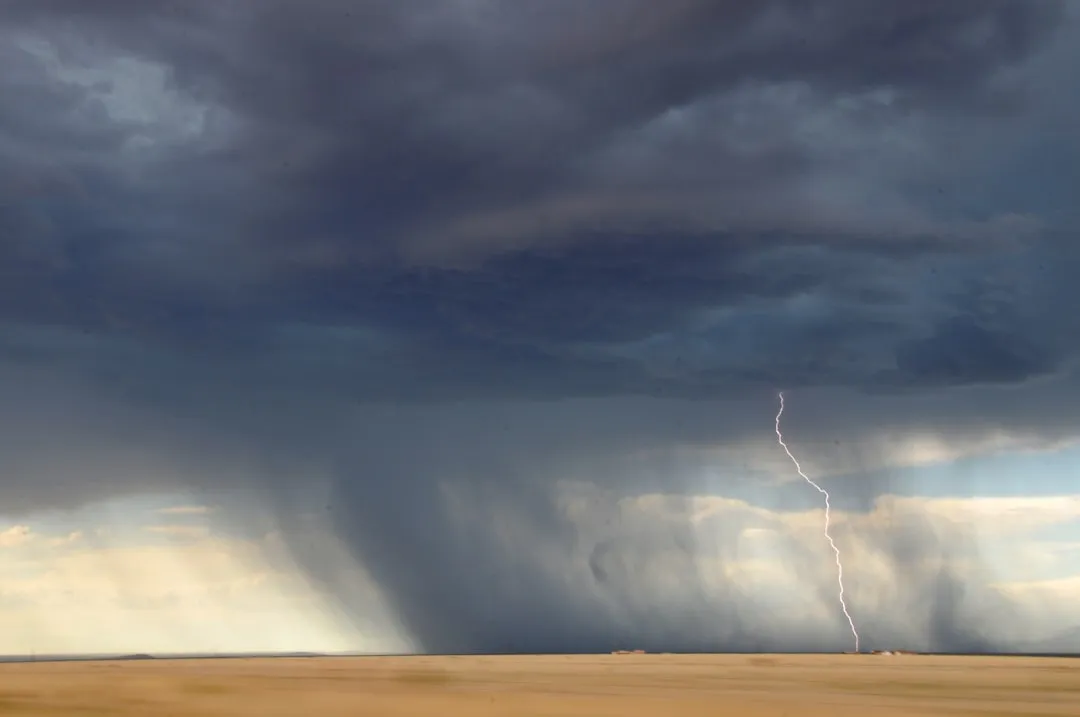
Flash floods can occur unexpectedly in the desert. Avoid camping in dry riverbeds and stay aware of weather forecasts to prepare for sudden storms. Desert storms move fast and funnel into canyon systems without warning. High ground is always the safer choice for a campsite.
The desert is home to various creatures like snakes and scorpions. Shake out shoes and sleeping bags before use, and keep food stored securely. Neither species is particularly aggressive, but both deserve consistent respect.
Underestimating the cold is a frequent and dangerous error. Daytime heat creates a false sense of security. Nighttime temperatures can drop shockingly fast. Clear skies and low humidity can drop temperatures below freezing. A sleeping bag rated well below the expected low is not overkill – it’s basic planning.
The Survival Guide Passport: A Fun Reason to Stop Everywhere
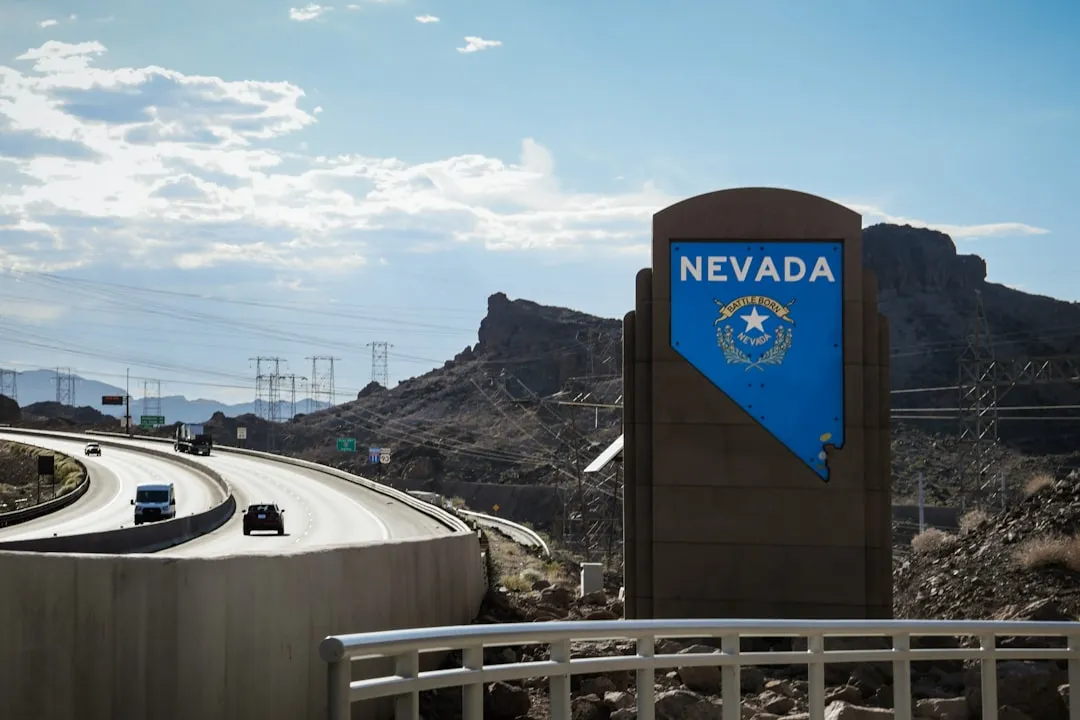
Make the Loneliest Road a game by picking up “The Official Nevada Highway 50 Survival Guide” at several locations along the highway. The guide lists the local businesses and visitor centers where you can get your passport stamped. When you collect all the stamps, you can send your passport into Travel Nevada to receive an official certificate certifying that you survived traveling the Loneliest Road in America.
Born a silver mining town, Austin was home to many prospectors and silver miners. Today, it features some of the best mountain biking, hiking, and exploring in the state. It’s one of the essential stamp stops and well worth an overnight.
The passport program is a genuinely clever way to ensure you slow down enough to actually see the towns rather than treating them as fuel stops. The stamps are earned. The road earns them for you.
Conclusion
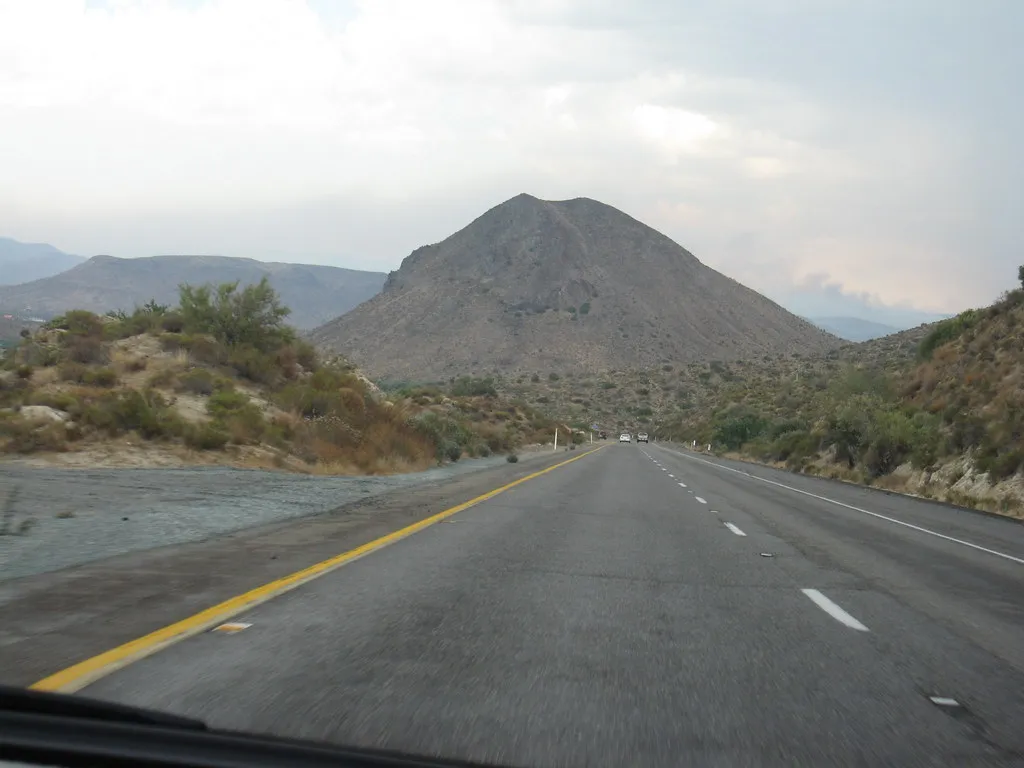
The Loneliest Highway is not really about loneliness. It’s about a specific kind of space that most people rarely encounter anymore, a space where the land is patient and the sky is enormous and nothing is asking for your attention.
The loneliest road in America isn’t devoid of attractions, but they’re not in your face every five minutes either. This road trip simply rewards travelers who are willing to slow down and explore.
Come prepared, carry more water than feels necessary, and give the road the time it deserves. The desert doesn’t rush. It helps to match that pace.
AI Disclaimer: This article was created with the assistance of AI tools and reviewed by a human editor.