
Dive beneath the surface along almost any stretch of California’s coast and you enter a different world entirely. Towering columns of kelp rise from the seafloor like the pillars of a sunlit cathedral, their fronds filtering the light into shifting green and gold. These are some of the most productive ecosystems on the planet – and they’re disappearing faster than most people realize.
The Pacific’s kelp forests have been in serious trouble since the mid-2010s. What unfolded wasn’t a slow, quiet decline but something closer to a cascade – one crisis triggering the next, stripping these ecosystems bare in ways scientists had never seen before. Understanding what happened, and what’s at stake, is essential for anyone who cares about the ocean’s future.
What Kelp Forests Actually Are
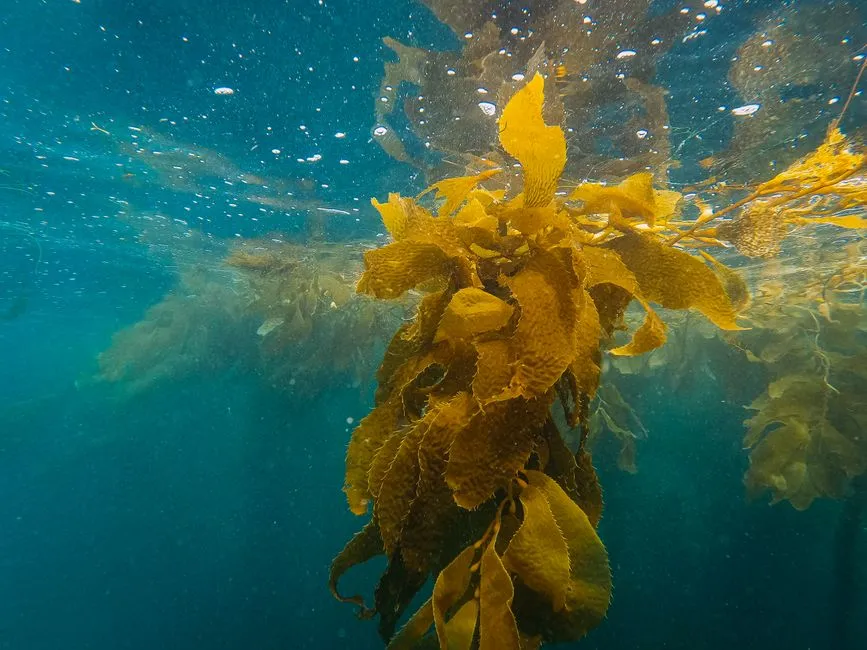
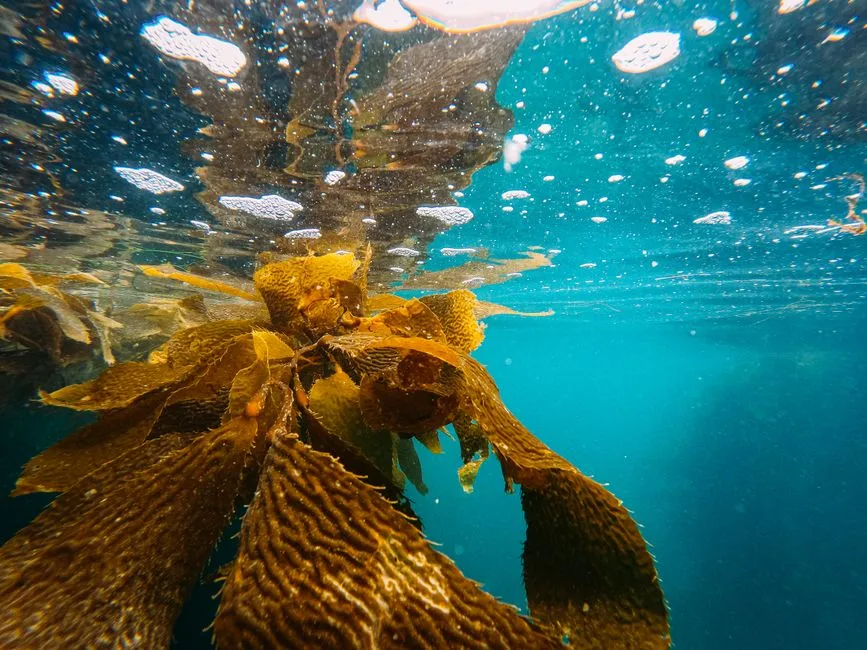
Sprouting from rootlike holdfasts that can be a foot in diameter, the stems of giant kelp sway with the currents, growing to lengths of 100 feet or more, with their leafy blades stretching upward toward the sunlight and spreading across the ocean’s surface to create a dense canopy. It’s an underwater forest in the most literal sense, with layers, light, and life stacked from the seafloor to the surface.
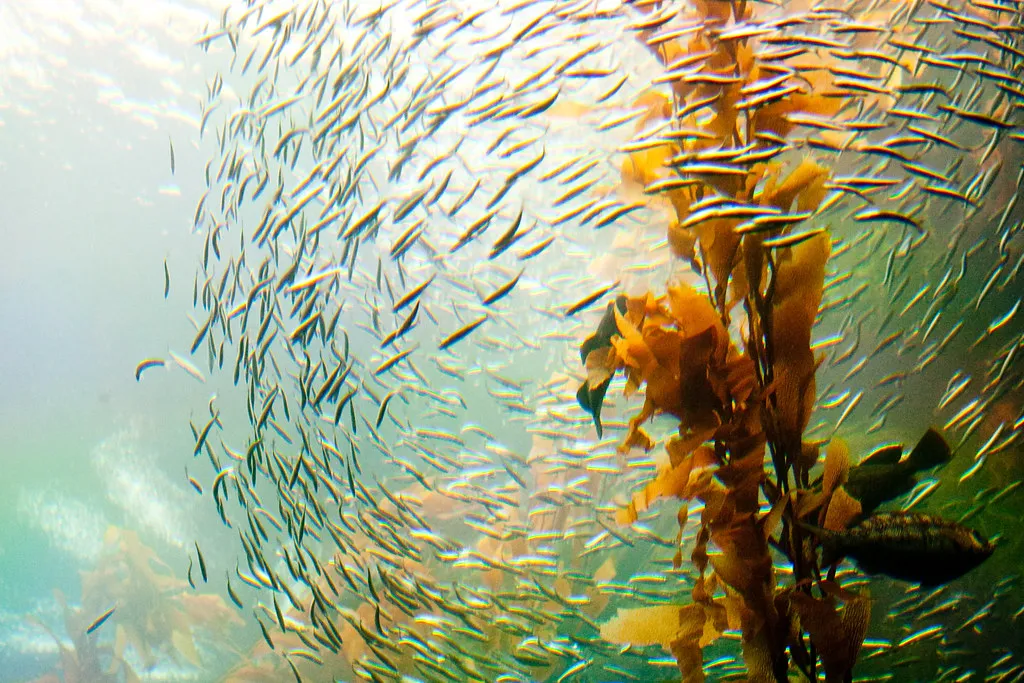
Found along roughly a third of the world’s coastlines in temperate waters, these underwater forests provide critical habitat, biodiversity, and benefits to thousands of marine species, coastal communities, and the planet as a whole. These complex ecosystems are havens for marine wildlife, including commercially important fish, and are one of the most productive habitats on Earth.
Bull kelp represents one of the most important ecological, economic, and cultural coastal habitats, providing critical ecosystem services such as carbon sequestration, coastal protection, biodiversity enhancement, and habitat and food provisioning for important life stages of fishes, invertebrates, and marine mammals.
The Scale of the Collapse
Based on 34 years of U.S. Geological Survey Landsat images, researchers found that California’s once-healthy and nearly ubiquitous kelp forests had declined by more than 95 percent, with most of that loss taking place between 2014 and 2019. These aren’t numbers from a computer model – they come from decades of satellite observation.
A record-breaking marine heatwave struck the Pacific Northwest coast during 2014 to 2016, which eventually led to a greater than 90 percent decline of bull kelp cover along more than 350 kilometers of coastline that has not yet recovered. In some of the hardest-hit areas, what was once an expansive underwater forest became bare rock.
Once covering about 210 hectares on average, those northern California forests were reduced to a mere 10 hectares scattered among a few small patches. That’s not a dip in the data. That is near-total erasure.
The Perfect Storm: Heat, Disease, and Urchins
Beginning in 2013, a marine heat wave hit the U.S. West Coast and lasted some three years. Scientists dubbed it “the Blob,” and the spiking water temperatures weakened kelp forests in Oregon and California that normally thrive in cold, nutrient-rich water.
A triple-whammy of stressors – the large marine heatwave, a sea star die-off, and a sea urchin outbreak – led to pronounced declines in kelp abundance on California’s central coast. Each stressor alone might have been survivable. Together, they were devastating.
More than 90 percent of bull kelp and 96 percent of red abalone were lost along 217 miles of northern California coastline within just a few years. Meanwhile, purple sea urchin populations exploded 60-fold between 2014 and 2015. The urchins, suddenly unchecked, ate everything they could reach.
The Sea Stars That Could Have Saved Everything
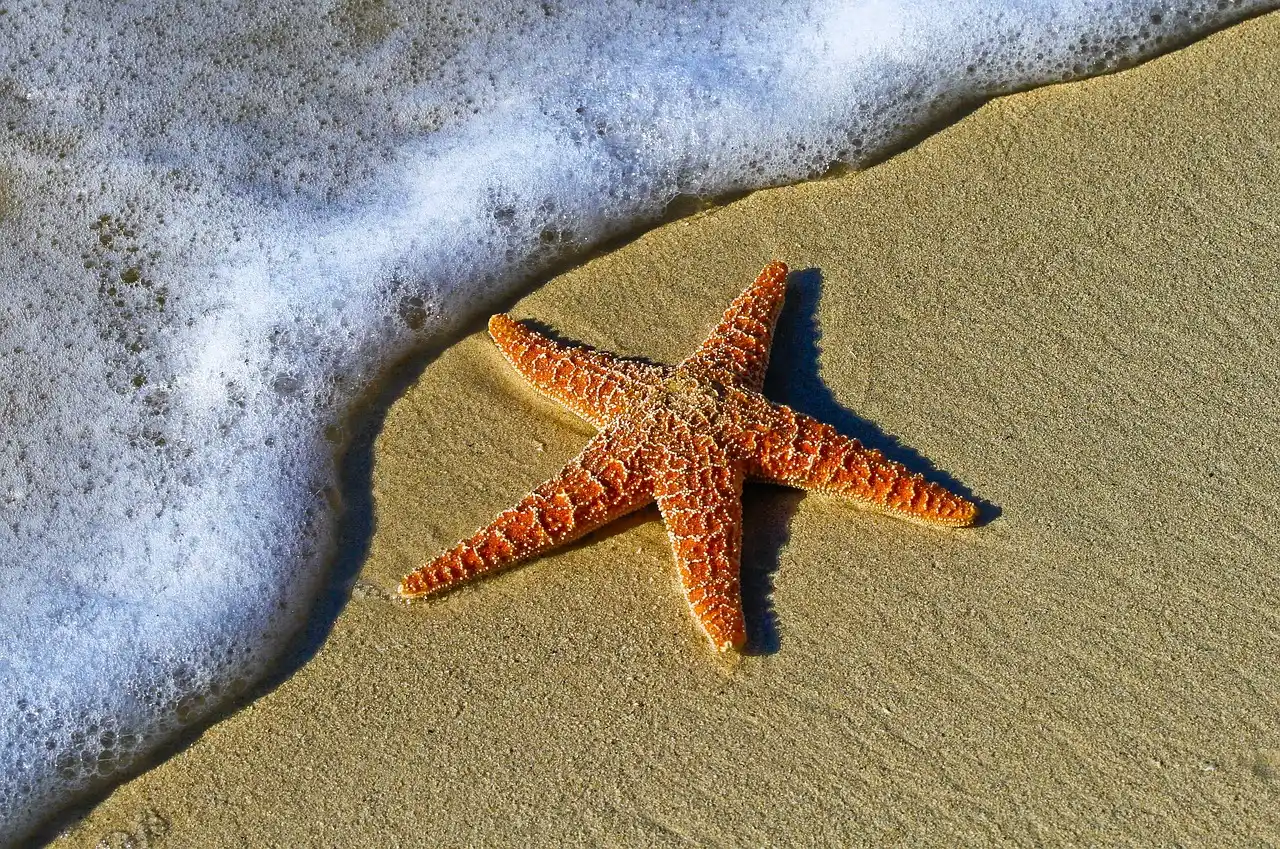
Sea star wasting syndrome led to the decline of 20 species of sea stars, including the sunflower star – a primary predator of urchins. The sunflower star was subsequently listed as critically endangered by the International Union for the Conservation of Nature in 2020.
The losses included the sunflower sea stars that can grow to the size of a serving platter, weigh up to 5.9 kilograms, and sprout up to 24 arms. This voracious starfish is the main urchin predator in northern California and southern Oregon, where another urchin predator, the sea otter, was extirpated by 18th and 19th century fur traders.
The absence of some 99 percent of sunflower sea stars, which literally melted away within days to weeks of contracting the disease, allowed small purple urchins to proliferate. The direct cause of the wasting disease remained a mystery for more than a decade until scientists recently identified the bacterium Vibrio pectenicida as the cause, reported in Nature, Ecology & Evolution.
What Urchin Barrens Actually Look Like
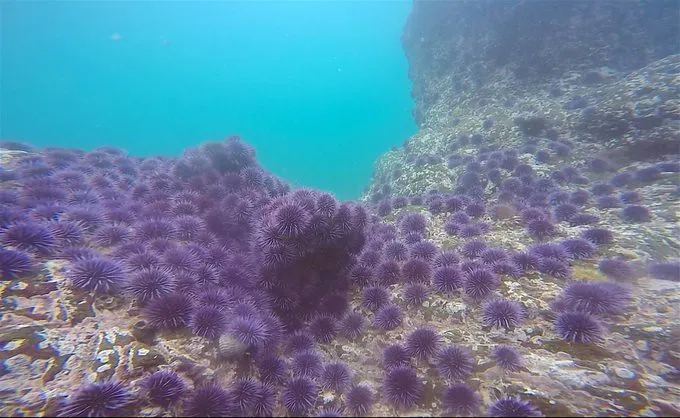
These voracious kelp eaters took out almost all of Northern California’s heat-weakened bull kelp along roughly 563 kilometers of coastline, while also impacting the giant kelp forests of Central and Southern California. The spiky creatures decimated the complex, nearshore marine kelp forests, replacing them with urchin barrens – leaving the seabed carpeted with small, pastel-colored urchins.
This urchin population boom with few predators to keep their population in check led to widespread and rapid decline of more than 90 percent of the kelp forest in some regions. Urchins can survive on extremely small amounts of food and are even able to shrink in size to reduce energy requirements. Urchin barrens can persist for years and even decades.
The barrens create a kind of ecological trap. When there’s no food, the urchins go into a kind of hibernation. When a nutrient source like kelp becomes available again, they awaken and continue to consume and reproduce, making it an almost losing battle to recover the kelp while those urchins remain in place.
The Economic Damage Is Enormous
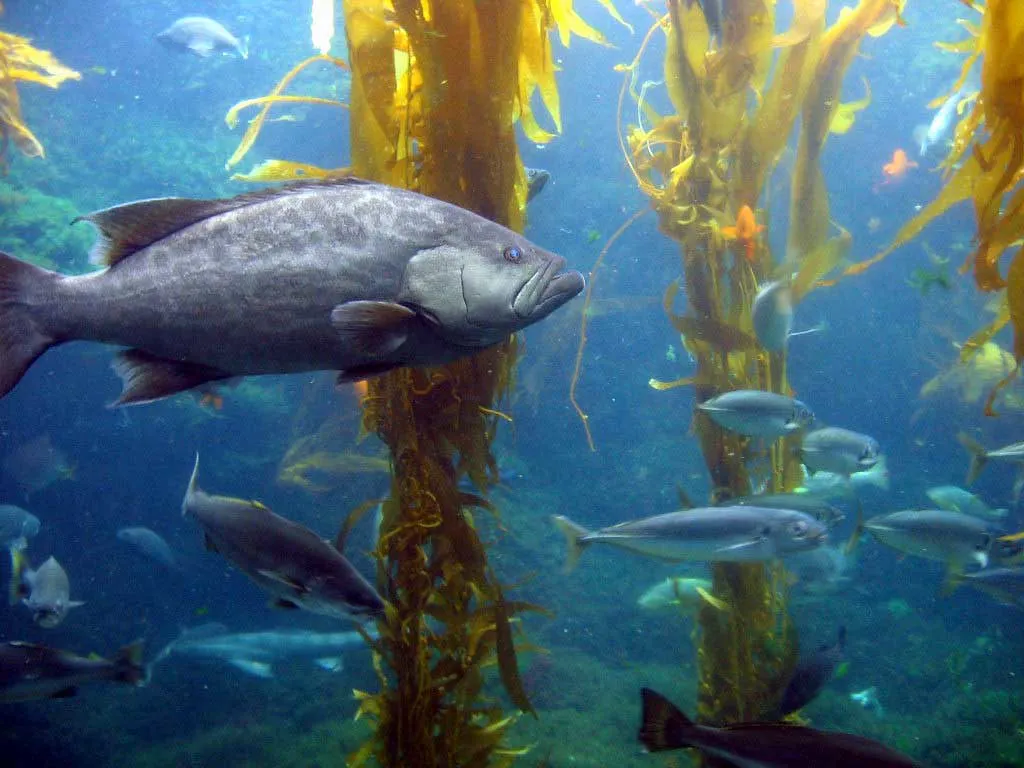
By combining fisheries, nutrient, and carbon cycling data, research published in Nature Communications suggests that marine kelp forests provide services with a potential value of $111,000 per hectare per year and a global yearly value of roughly $500 billion. That figure, for context, is comparable to the annual GDP of a mid-sized European nation.
The loss of kelp forests has led to total collapse of the commercial red urchin fishery, which had an annual commercial value of roughly $3 million, and to the closure of the recreational red abalone fishery, which carried an estimated annual non-market value of $44 million.
Fisheries worth tens of millions of dollars collapsed, cutting off an important source of income for local communities. These are not abstract losses. They are real closures, real fishing families, real coastal towns that felt the consequences directly.
A Global Problem, Not Just a California One
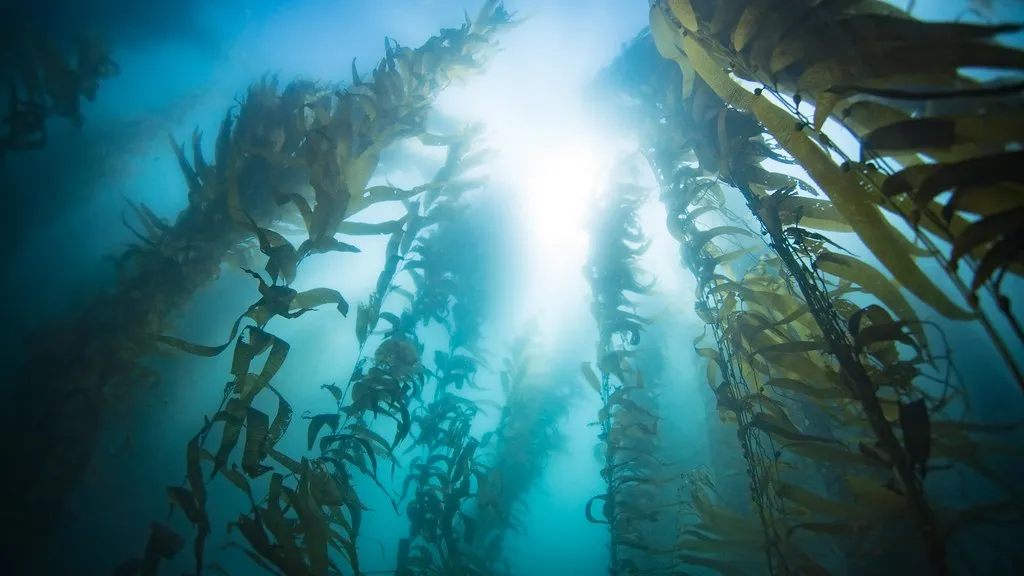
Globally, kelp forest abundance has declined at a rate of roughly 2 percent per year over the past half-century, with trends varying significantly across regions due to local environmental conditions and stressors such as climate change-amplified marine heatwaves, storms, herbivory, eutrophication, and species invasion.
The Kelp Forest Alliance estimates that more than 7 million acres of kelp forest have been lost globally, with the hardest-hit regions including Tasmania, the Pacific Northwest’s Salish Sea, and Western Australia.
Like all marine ecosystems, kelp forests are impacted by everything going on in the ocean, from overfishing and pollution to sedimentation and habitat loss due to coastal development. The two most critical threats today are rising ocean temperatures caused by climate change and increases in the populations of kelp-consuming herbivores, primarily sea urchins.
The Role of Sea Otters in Recovery
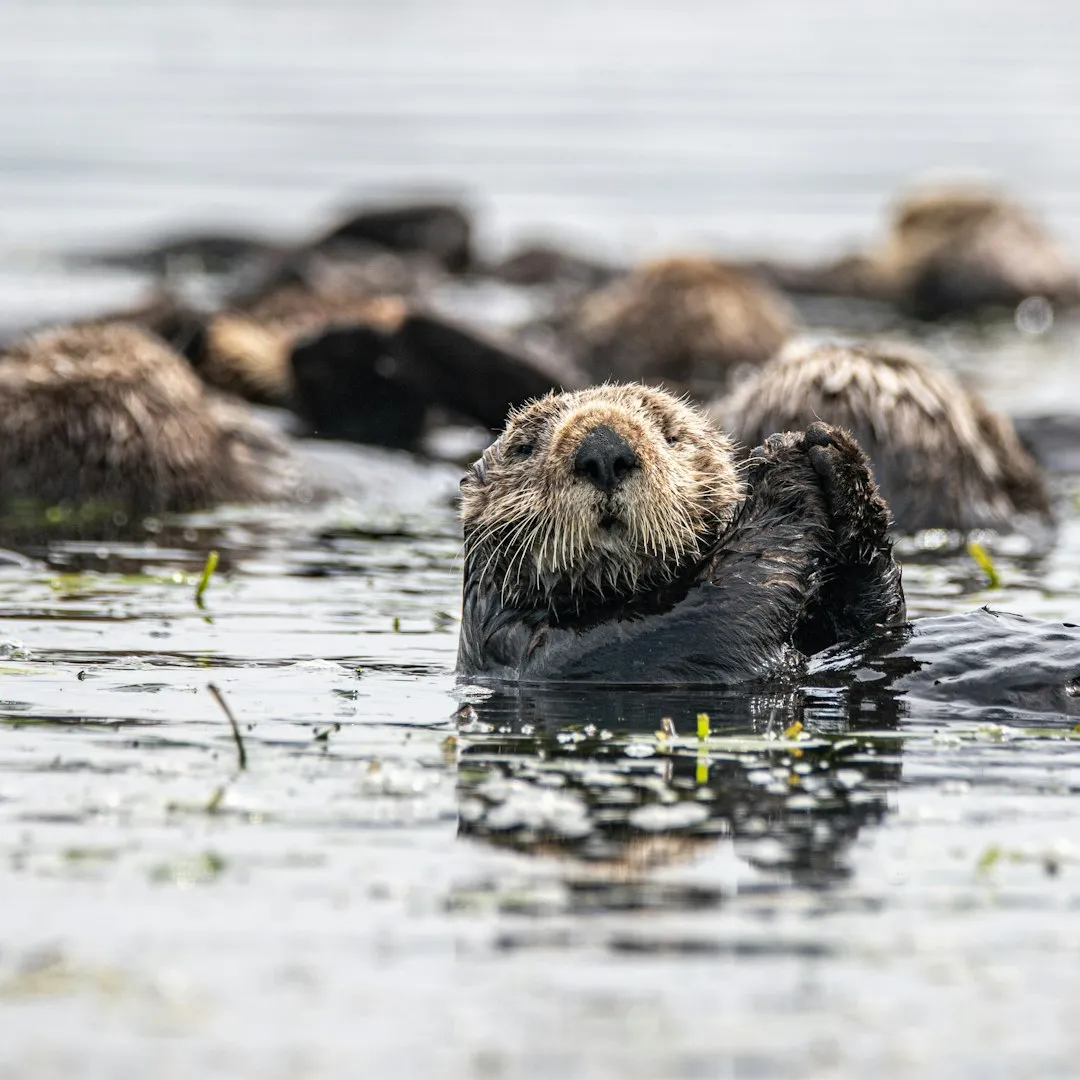
A paper published in the journal PLOS Climate found that sea otter population growth during the last century enhanced kelp forest resilience in California. This finding reinforces the importance of conservation and recovery of the threatened southern sea otter and highlights a potential nature-based solution for restoring kelp forests along the California coast.
Some natural recovery has occurred in Central and Southern California, thanks in part to the presence of some 3,000 sea otters and other predators including large sheephead fish and lobsters, while Northern California’s bull kelp remains largely a memory more than a decade after the crisis first appeared.
The study indicates that returning otters to areas of their historical range could help recover kelp forests and restore their benefits in more places along the California coast. It’s not a simple fix, but it’s one that ecology itself points toward.
Restoration Efforts and What’s Actually Working
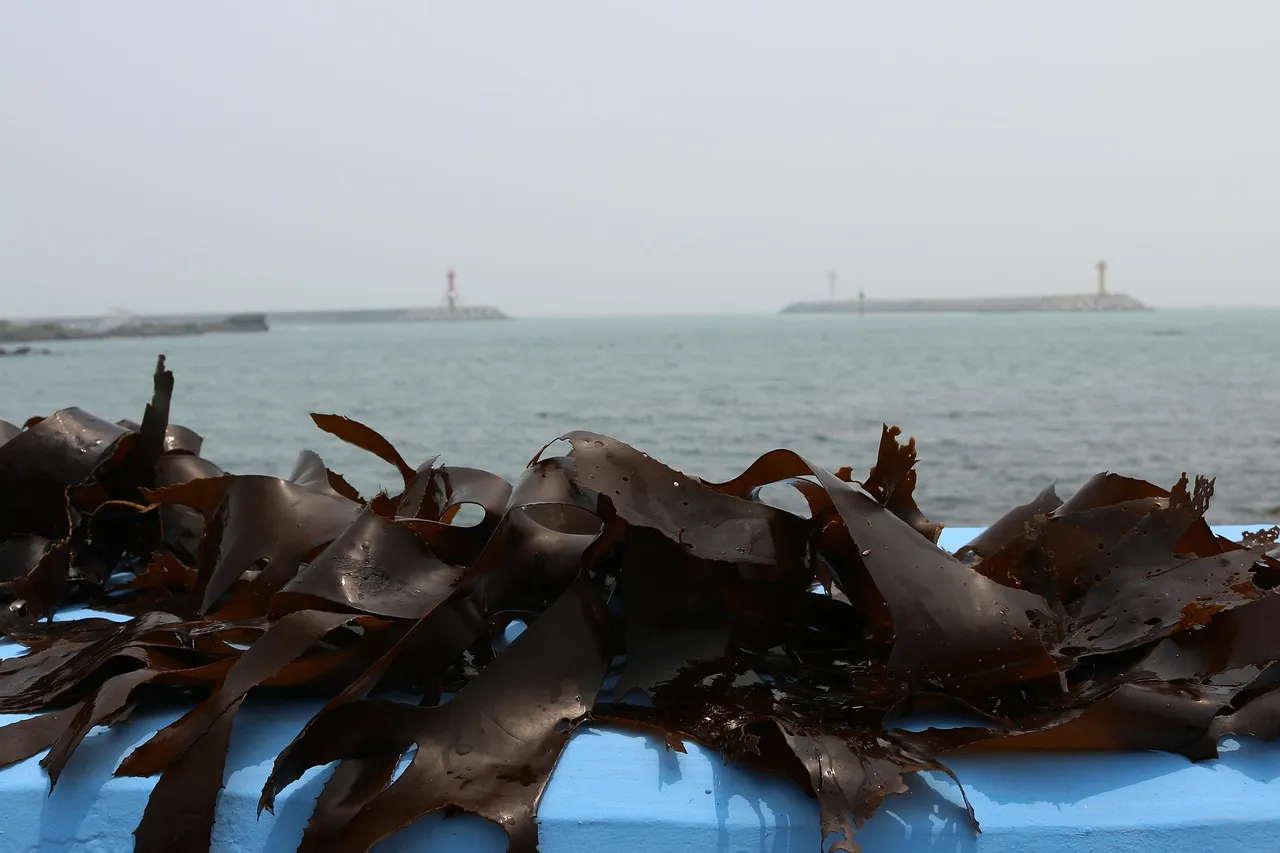
In a concerted effort to restore these vital habitats, volunteers and organizations have removed an unprecedented 5.8 million purple sea urchins from California’s coastal waters. This massive effort has sparked remarkable recovery in the kelp forests, offering hope for restoration.
Collaborative efforts have included culling urchins and selecting larger purple urchins for rearing as seafood, with marine labs in Bodega Bay and elsewhere growing kelp and out-planting spores and sprouts in the ocean on ropes or on gravel. Other labs are also rearing sunflower sea stars for reintroduction to the wild.
Researchers used satellite data from 1984 to 2022 to compare kelp forests inside and outside of 54 marine protected areas along the California coast, testing whether those areas helped kelp forests resist loss or recover from the extreme marine heatwaves of 2014 to 2016. The researchers warn that while MPAs can help kelp recovery, the effect was highly variable depending on location.
What the Science Tells Us About the Road Ahead
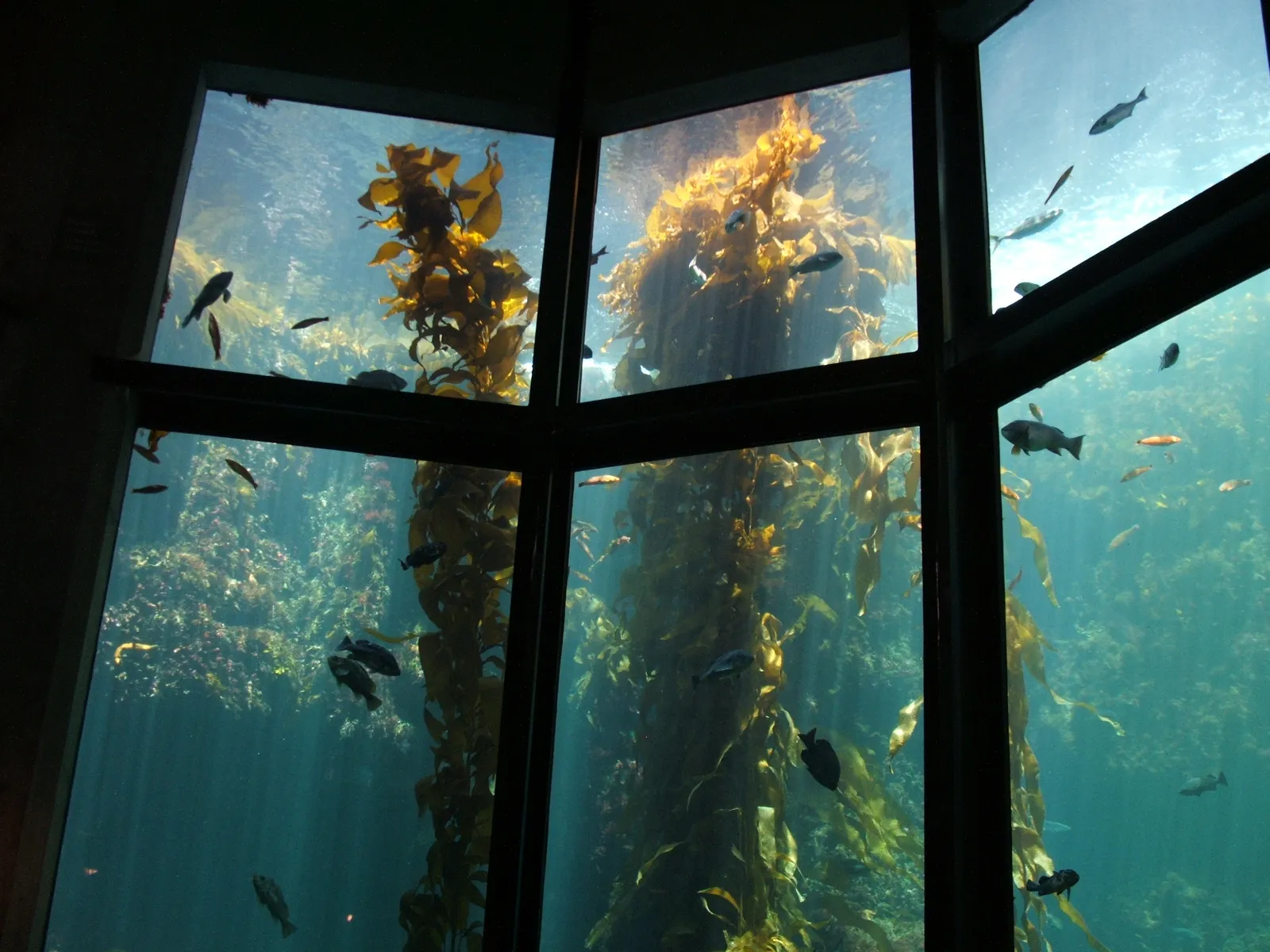
Research led by Monterey Bay Aquarium and the University of California, Santa Cruz, reveals that denser and more sheltered kelp forests can withstand serious stressors amid warming ocean temperatures, and the study offers the first comprehensive assessment of how declines in kelp abundance affected marine algae, invertebrates, and fishes living in Monterey Bay.
Research using 35 years of satellite imagery found that only about 4 percent of giant kelp is both present and protected by marine reserves, with protection decreasing sharply from Central California southward to near zero in Baja California. Researchers suggest that a two-fold increase in the area of kelp protected by marine reserves is needed to fully protect persistent kelp forests.
Restoration of kelp forests is extremely difficult and requires far more resources than are currently being committed. That is the honest assessment from the field, and it’s one worth taking seriously before these forests become something we only read about.
Why Saving Kelp Forests Matters to All of Us
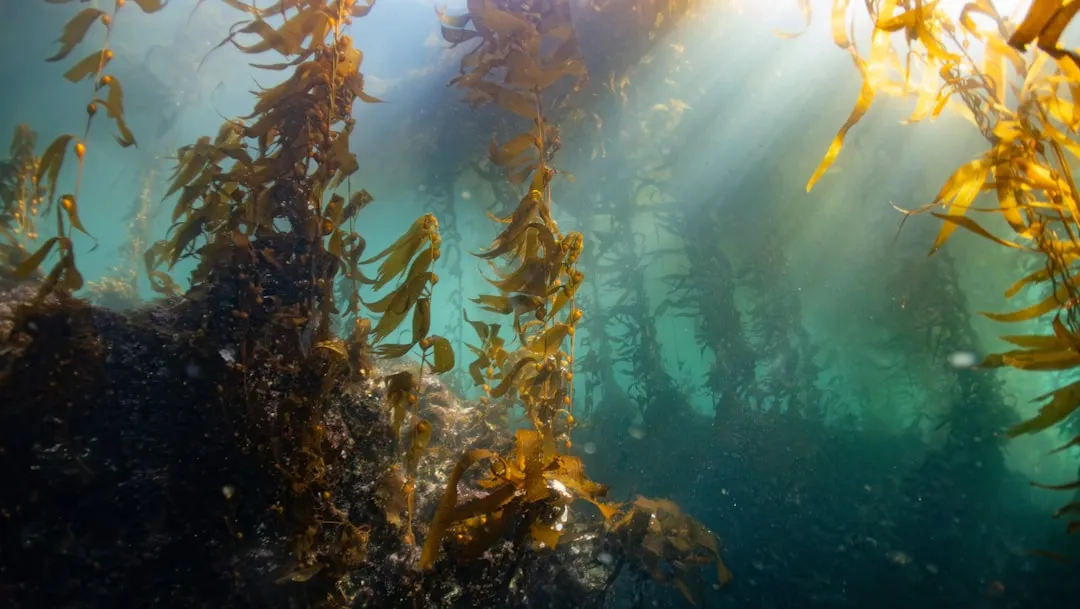
Kelp forests are havens for marine wildlife, including commercially important fish, and are one of the most productive habitats on Earth. They’re also efficient in capturing carbon and protect coastlines by buffering against wave energy.
Collectively, kelp forests could remove nearly 5 million metric tons of carbon from the atmosphere per year – a number likely to increase further as more kelp forests are mapped. For a world searching for scalable climate solutions, that matters more than most people currently appreciate.
Continued commitment, innovative science, and community engagement will be essential to securing a healthy future for California’s underwater forests, ensuring they continue to sustain marine biodiversity and coastal communities for generations to come. These forests didn’t disappear through neglect alone. They can’t come back through neglect either.
The Pacific’s kelp forests have endured for millions of years, surviving ice ages and shifting seas. What they haven’t faced before is the combination of warming oceans, vanishing predators, and relentless urchin pressure happening all at once. The science is clear on what’s been lost and, importantly, on what could still be saved. The question now is whether the will to act matches the scale of what’s at stake.
AI Disclaimer: This article was created with the assistance of AI tools and reviewed by a human editor.