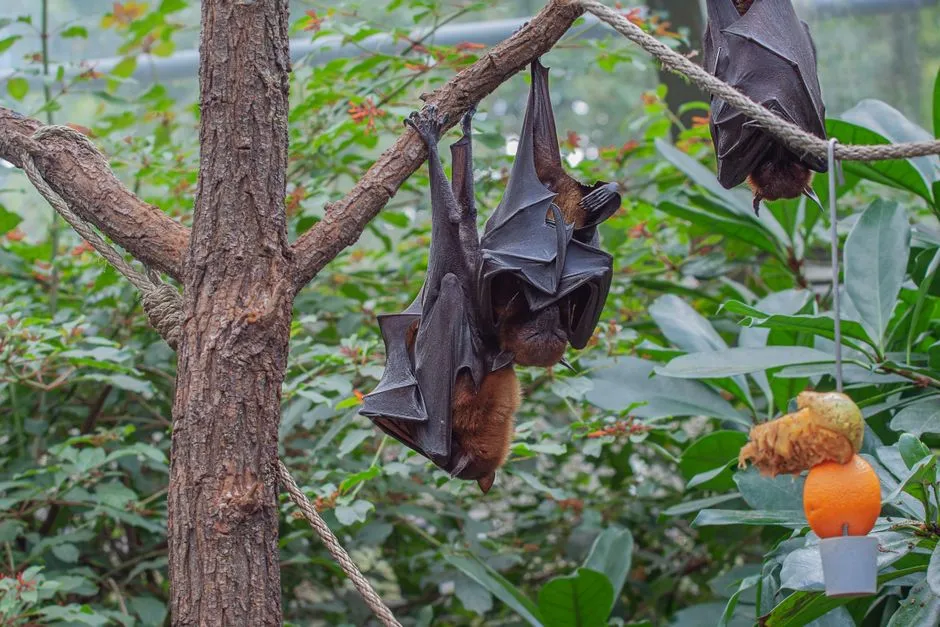

Most people spot a bat swooping through the evening sky and instinctively step back inside. The reputation bats carry – spooky, disease-ridden, unwelcome – has followed them for centuries, even as science has steadily built a case for why they’re among the most valuable wild neighbors your yard could have.
Bats play a vital role in many ecosystems, including controlling insect populations, fertilizing soils, and pollinating plants. Once you understand the scale of what they actually do, the discomfort starts to feel a lot less rational.
They Are the Night Shift’s Top Bug Hunters
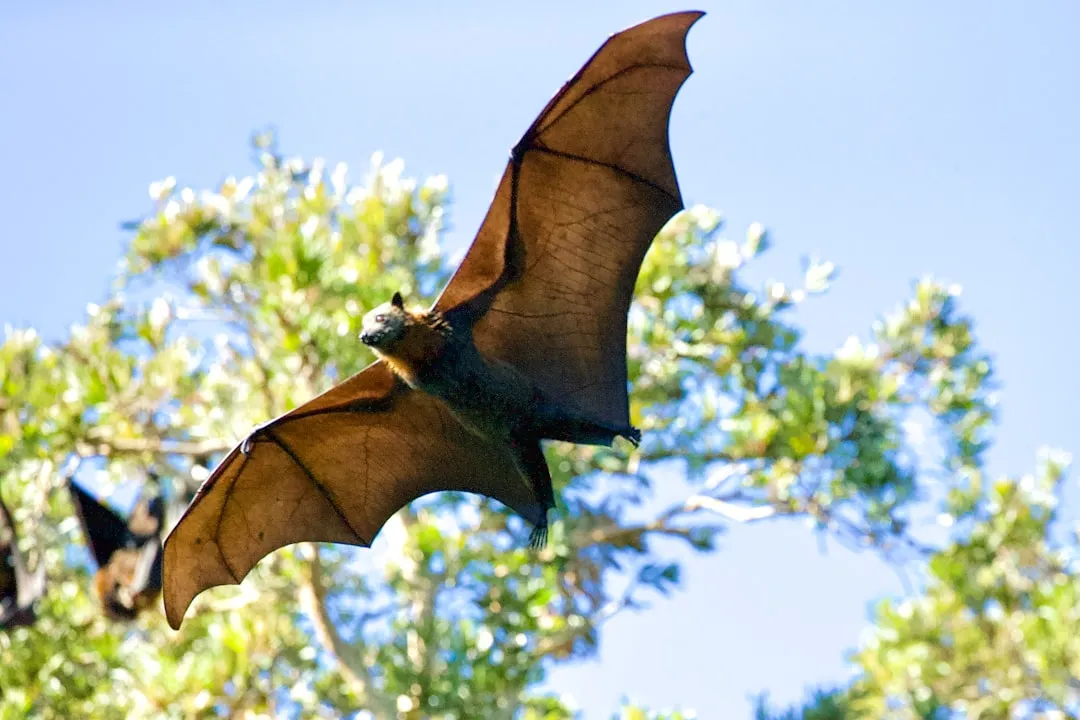
Bats are the most significant predators of night-flying insects, and there are at least 40 different kinds of bats in the United States that eat nothing but insects. That’s a specialized workforce running every single evening with zero effort on your part.
A single bat can eat up to 1,200 mosquito-sized insects every hour, and each bat usually eats between 6,000 and 8,000 insects each night. Scale that up to even a small colony in your neighborhood, and the numbers become genuinely remarkable.
Nursing mother bats have the highest appetite, often catching over 4,000 insects. The U.S. Forest Service confirms that just one little brown bat can easily catch 1,000 mosquito-sized insects in an hour, and a nursing mother eats approximately 4,500 insects every night.
Your Summer Evenings Get Noticeably Better
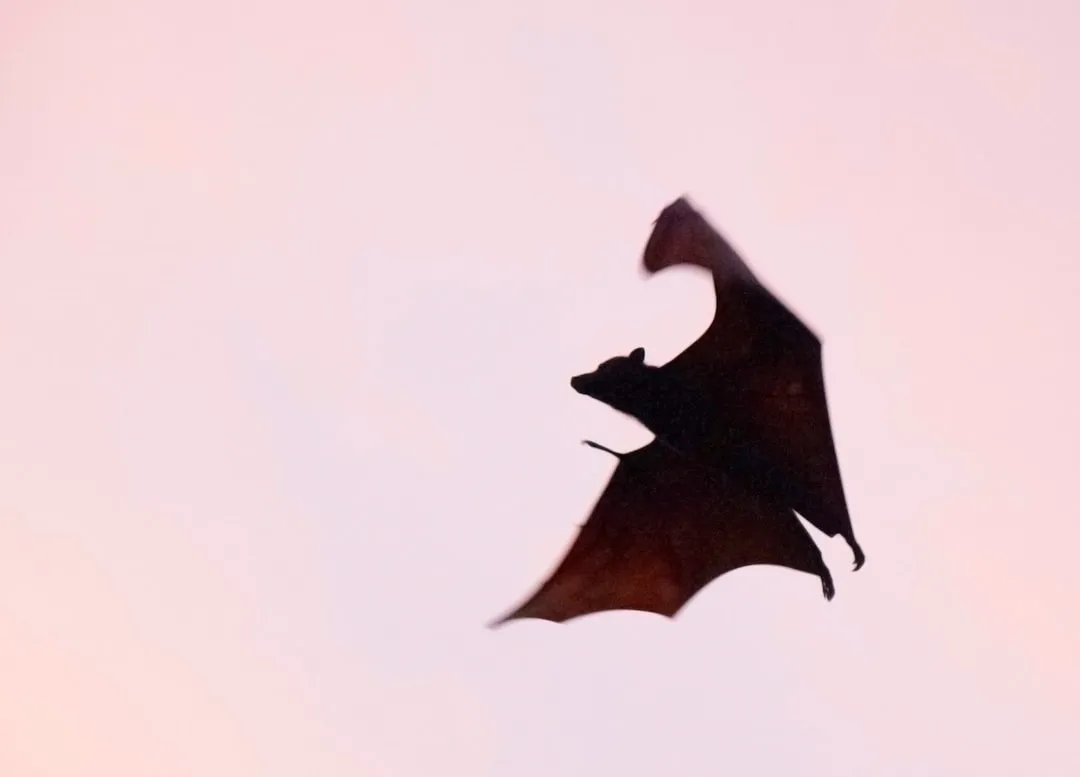
Bats’ appetite for mosquitoes is a huge help in controlling the spread of diseases like West Nile virus and malaria. Having bats routinely patrolling your yard at dusk isn’t just pleasant – it’s a legitimate public health benefit.
Some of their favorite prey include crop-destroying moths, cucumber beetles, flies, and gnats. Many of those pests are exactly what ruins outdoor gatherings and garden plants alike.
A typical bat colony can consume tens of thousands of insects each evening, which is why they are often referred to as natural pest managers. No chemical spray, no side effects, no subscription service required.
They Save Farmers – and Taxpayers – Billions
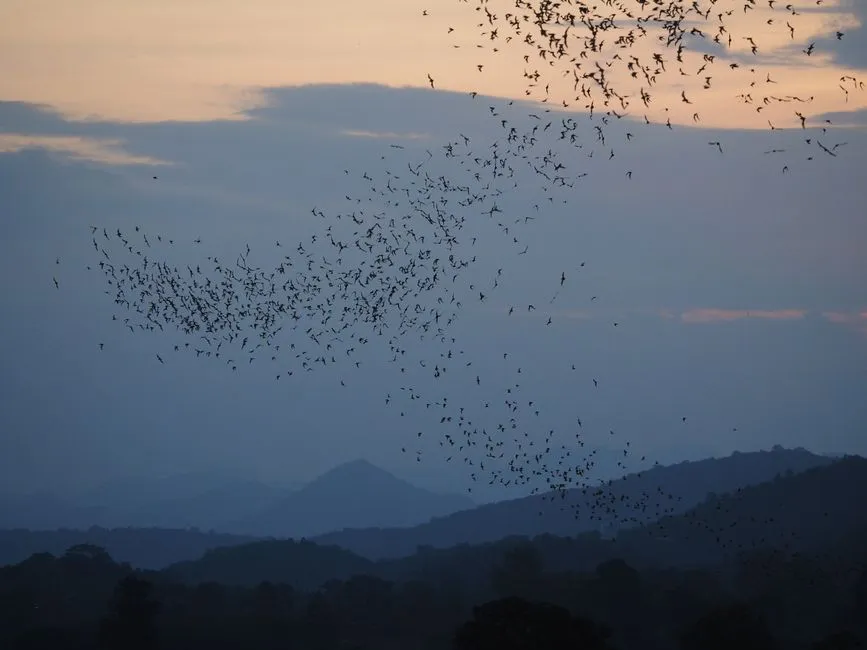
In North America, bats predate on agricultural pests, saving costs of up to $3.7 billion per year. That figure comes from peer-reviewed research and has been cited widely by conservation bodies and government agencies alike.
Bats save farmers in some regions around $1.7 million alone by reducing pesticide costs and losses on cotton crops. Beyond cotton, bats play a huge role in protecting a wide variety of crops, including corn, wheat, and soybeans.
The loss of bat populations as natural predators leads to dramatic increases in pesticide use. That cost gets passed along the food chain – to farmers, to consumers, and to ecosystems that absorb chemical runoff.
They Are Surprisingly Skilled Pollinators
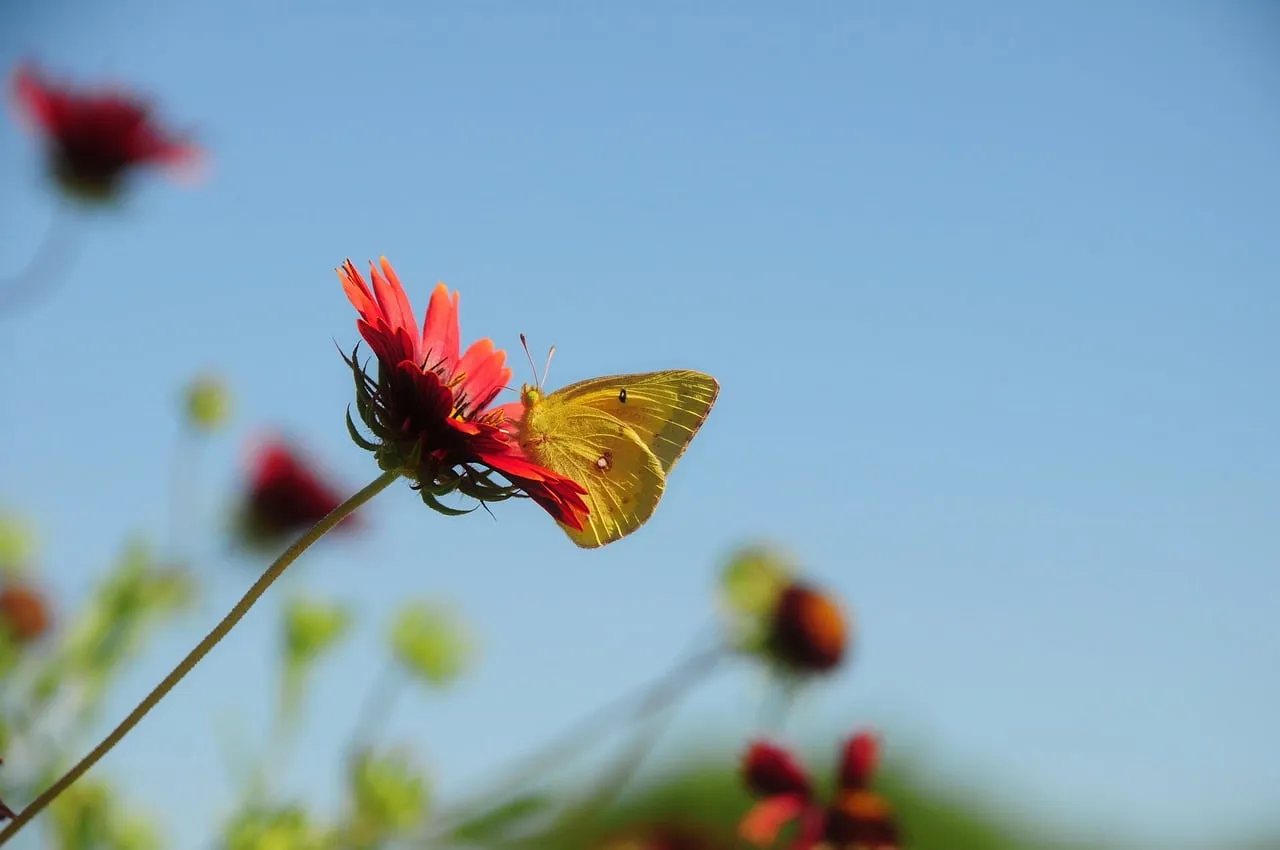
Across the world, bats perform pollination services for agave, durian, mango, banana, carob, and cloves. If you’ve ever enjoyed tequila or a ripe mango, there’s a reasonable chance a bat helped make that happen.
In Mexico, experiments excluding bats from pitaya cactus flowers revealed that fruit yield fell by about a third, and the remaining fruit was smaller and less sweet. That’s a concrete, measurable loss from simply removing bats from the equation.
Among animal pollinators, bats have emerged as particularly effective in tropical landscapes, transporting larger amounts of pollen due to their generally larger body size relative to insects and the structure of their fur, which retains more pollen than the feathers of hummingbirds of similar size.
They Help Forests Regenerate
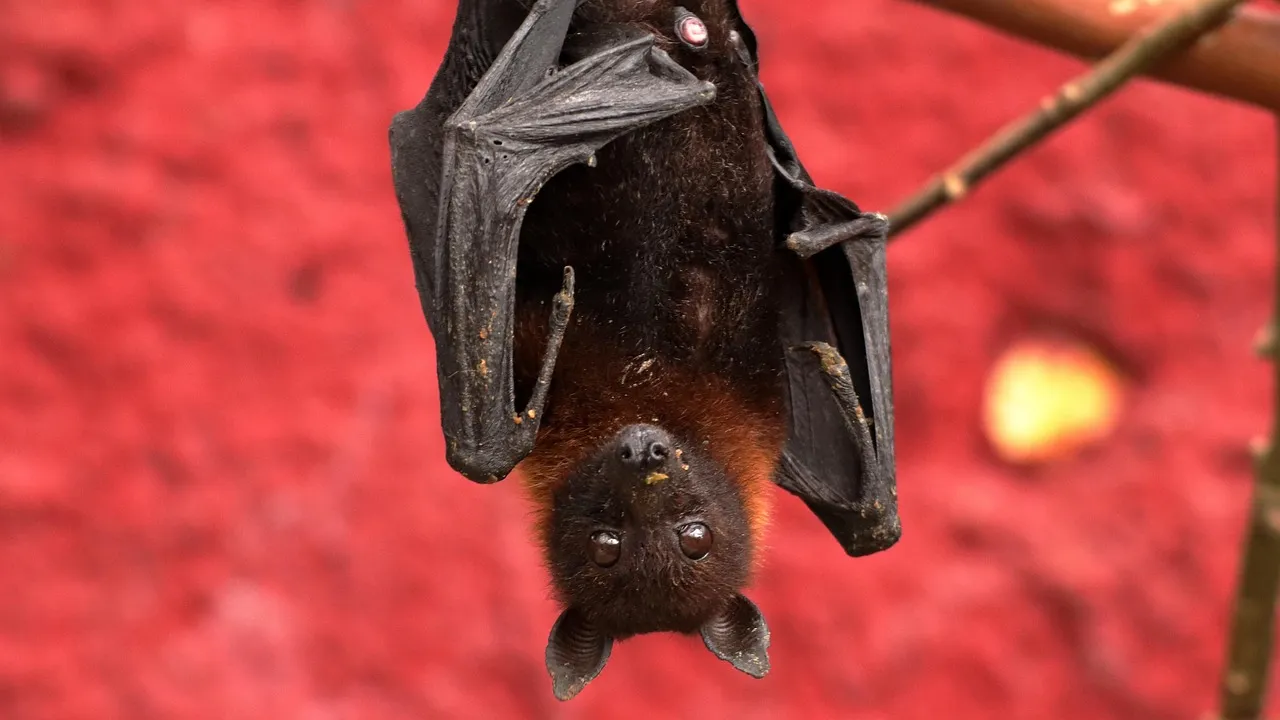
The seed dispersal conducted by bats is fundamental for maintaining neotropical biodiversity, as it supports habitat regeneration and the propagation of various plant species. Forests don’t just grow – they need help, and bats provide a lot of it.
Fruit bats are responsible for the propagation of around 289 plant species, of which 186 provide economically important products. That’s a direct link between bat behavior and the raw materials humans depend on for food, medicine, and timber.
Bats play essential roles in neotropical ecosystems, performing crucial ecological functions such as insect pest control, pollination of plants with significant economic, social, and ecological value, and seed dispersal, including that of pioneer plant species.
They Are Ecological Indicators You Can Actually Use
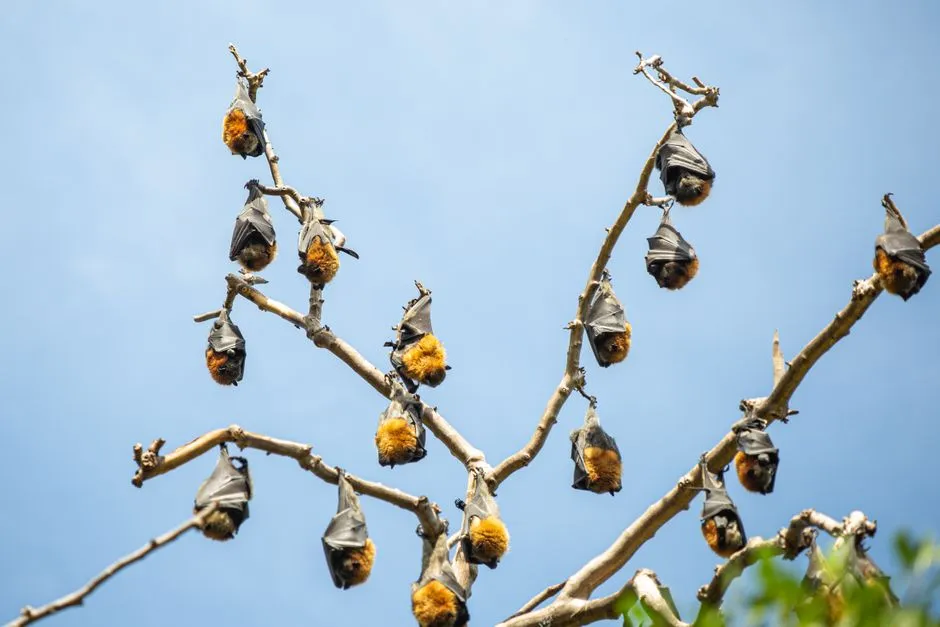
Bats are ecological indicators, meaning their health and well-being is indicative of the health of ecosystems broadly. They are sensitive to disturbance, including landscape change, agricultural intensification, habitat fragmentation, and climate change.
In practical terms, if bats are present in your neighborhood and thriving, it’s a sign your local environment is reasonably healthy. Their absence often signals the opposite.
Bats are essential contributing members of healthy, functioning ecosystems, performing numerous ecosystem services like insect pest control and plant pollination, and providing enormous economic benefits through ecotourism, medical research, and novel biotechnologies.
Their Populations Are Under Serious Threat Right Now
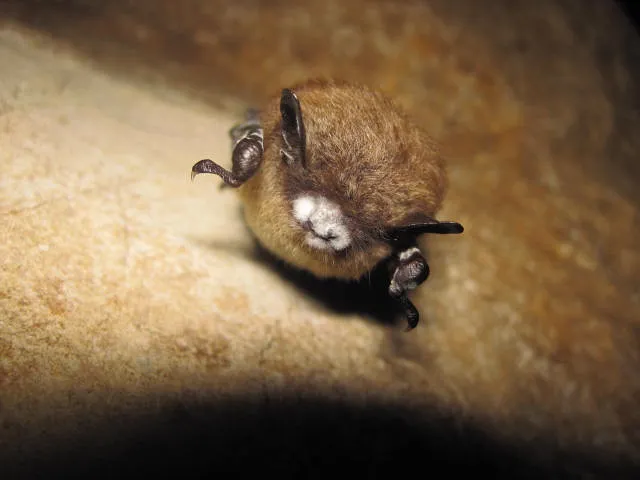
White-nose syndrome – a fungal disease that disrupts hibernation – has killed over 6 million bats in eastern North America since 2006. Some cave bat colonies have declined by 90 percent or more.
As of December 2025, bats with white-nose syndrome were confirmed in 41 states and five Canadian provinces. The disease has spread steadily for nearly two decades with no cure yet confirmed.
Researchers have found that more than half of North American bat species have a moderate to very high risk of extinction in the next 15 years. That’s not a distant, abstract risk – it’s a timeline that overlaps with our own.
A Bat House Is One of the Easiest Things You Can Do
Installing a bat roost box, or “bat house,” on your property is an easy way to promote local wildlife conservation right in your backyard. It’s low-cost, low-maintenance, and genuinely useful.
Mount your bat house on the side of your house or on a pole, at least 15 feet in the air, with several feet of clearance in front of the entrance. These distances are important to give bats adequate space to fly in and out and to keep predators at bay.
Bat houses directly address the habitat loss problem. When natural roost sites disappear, providing artificial roosts helps bat populations maintain the numbers they need to survive white-nose syndrome and other pressures.
Reducing Light Pollution Helps More Than You’d Think
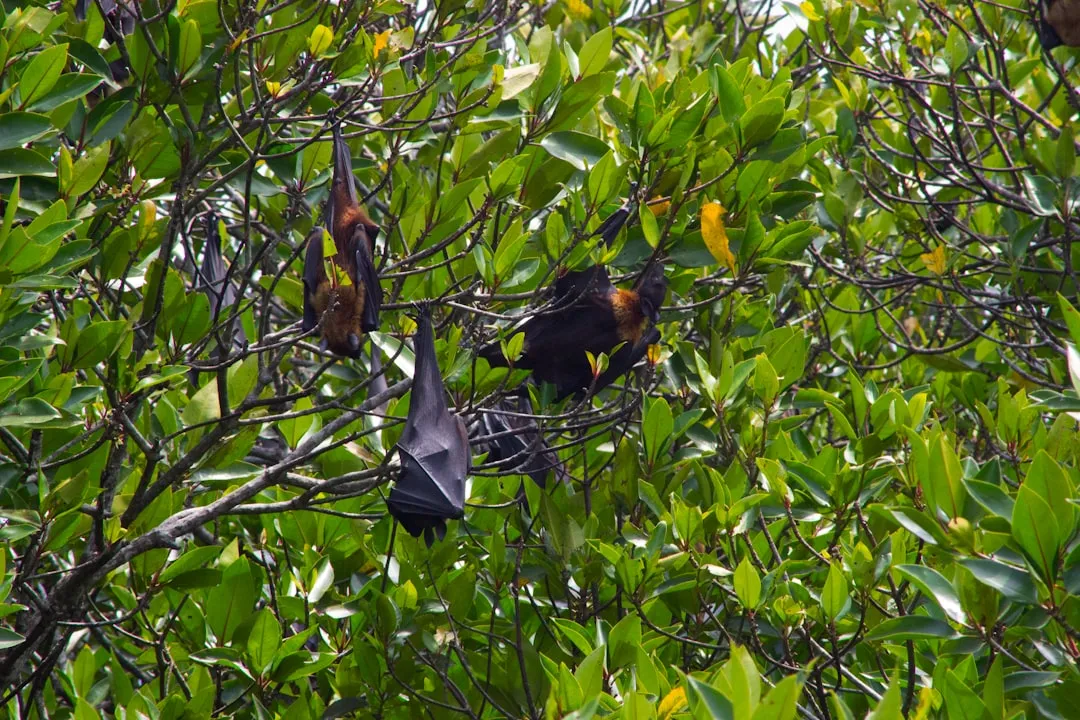
Bats are adapted to darkness – when they roost near artificial light sources, it can take them longer to leave the roost at night or find a dark place to forage, disrupting their natural daily rhythms. So if you’re trying to attract bats, keeping artificial light around your home to a minimum helps considerably.
You can also support bats by reducing lighting around your home, minimizing tree clearing, and protecting streams and wetlands. Incorporating snags into your landscape and keeping old or damaged trees when possible provides important habitat for bats and other backyard wildlife.
These small choices add up quickly. A single yard won’t save a species, but a neighborhood full of bat-friendly properties creates corridors that genuinely support recovery.
Most Bat Fears Simply Don’t Hold Up to Scrutiny
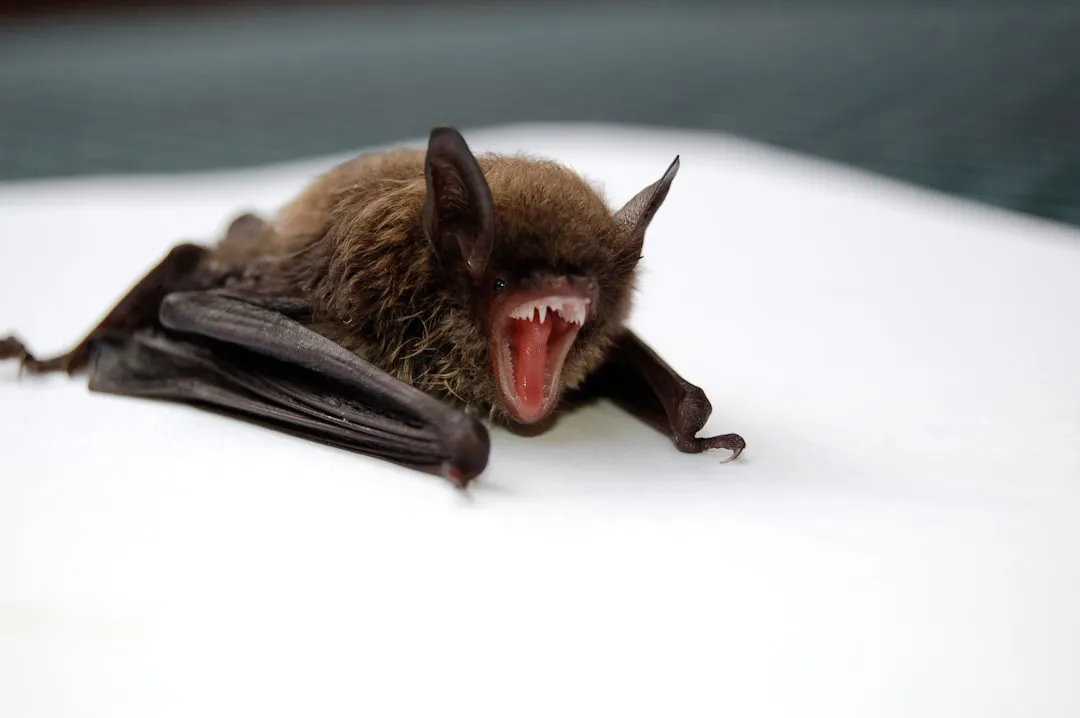
The vampire bat story – the one that seems to fuel most of the fear – is largely irrelevant in the United States. In fact, 42 of the 45 bat species in the United States are insectivores, meaning the vast majority are far more interested in your mosquitoes than in you.
White-nose syndrome, the disease currently decimating bat populations, does not affect humans, livestock, or other wildlife. The disease is a crisis for bats, not a threat transmitted outward.
To protect yourself and bats, it’s wise never to touch or pick up a bat. Although white-nose syndrome does not cause illness in humans, a small percentage of bats can carry other diseases such as rabies. Healthy respect and a safe distance is all that’s really warranted.
The Bottom Line
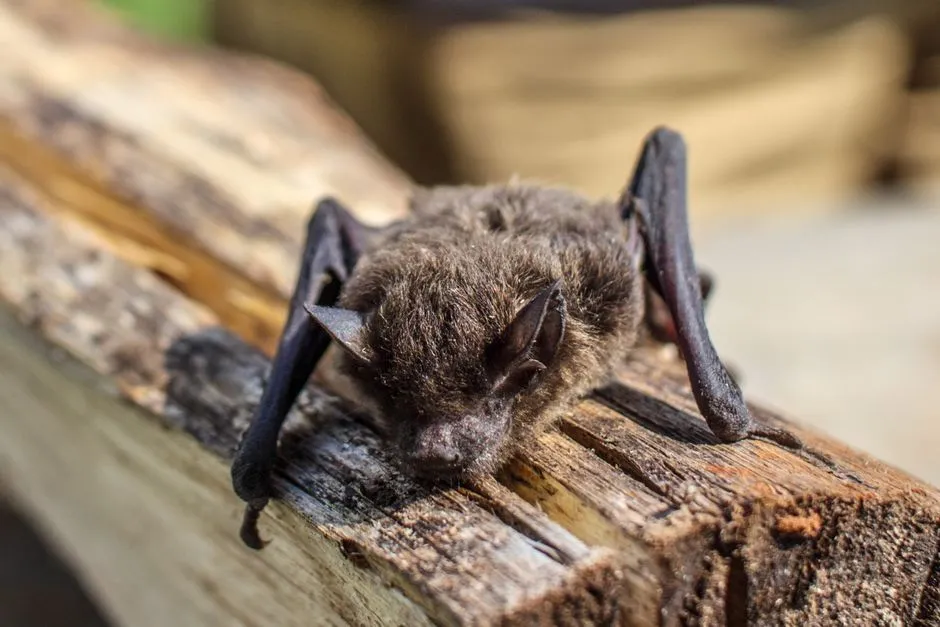
Bats are doing quiet, unglamorous, essential work every night in yards and fields across the country. The science on their value is not thin or contested – it’s robust, consistent, and backed by the USGS, the U.S. Forest Service, conservation researchers, and ecologists worldwide.
Wildlife biologists classify bats as a keystone species – their presence or absence has effects on the ecosystem far beyond what their numbers alone would suggest. Remove bats from an agricultural landscape and insect pressure on crops can increase dramatically.
The next time you see a bat cutting quick arcs through your evening sky, the most accurate response isn’t alarm. It’s something closer to appreciation. They were working long before you sat down outside, and they’ll keep working long after you head in for the night – as long as we give them the space to do so.
AI Disclaimer: This article was created with the assistance of AI tools and reviewed by a human editor.