

Wind is one of farming’s most underestimated adversaries. It doesn’t announce itself the way a frost or a flood does, yet its cumulative damage on delicate crops can quietly erode yields, strip topsoil, and leave even well-tended fields worse off season after season. For many growers, the solution isn’t a structure or a chemical treatment but something far older and more elegant: a living wall of carefully chosen shrubs.
Windbreaks, also known as shelterbelts, are rows of trees or shrubs planted in strategic locations to reduce wind speed and protect against wind erosion. The concept is deceptively simple. Place the right plants in the right positions, and the wind does far less harm. The challenge, as farmers across climates have learned, lies in the details of design, species selection, and placement.
What the Wind Actually Does to Crops
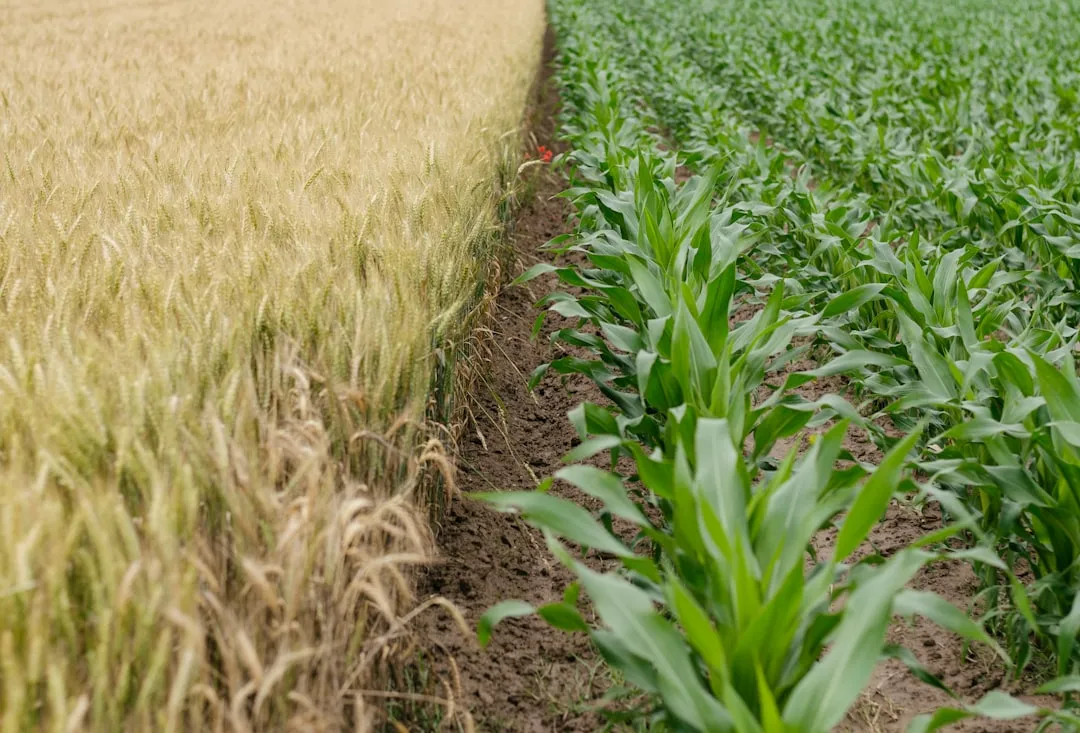
Most people think of wind damage as something dramatic, like a storm flattening a field. The reality is more gradual and more insidious. Wind can have detrimental effects on soil and agricultural crops. Persistent winds can decrease soil temperature, increase water loss, and lead to erosion. Wind exposure can damage crops, causing yield and quality loss through desiccation, abrasion, bruising, and breakage.
Plants lose more water through evaporation and transpiration when exposed to constant wind, so they end up needing more frequent watering. Over time, constant winds cause plants to grow with an unnatural bend. That lopsided growth isn’t just cosmetic. It signals chronic physiological stress that compounds across a full growing season.
A major effect of a windbreak is to reduce the incidence of low frequency, high magnitude damage events such as sandblasting or lodging. Even a single severe gale during pollination or heading can wipe out weeks of careful cultivation in a matter of hours.
The Science Behind Why Shrubbery Works
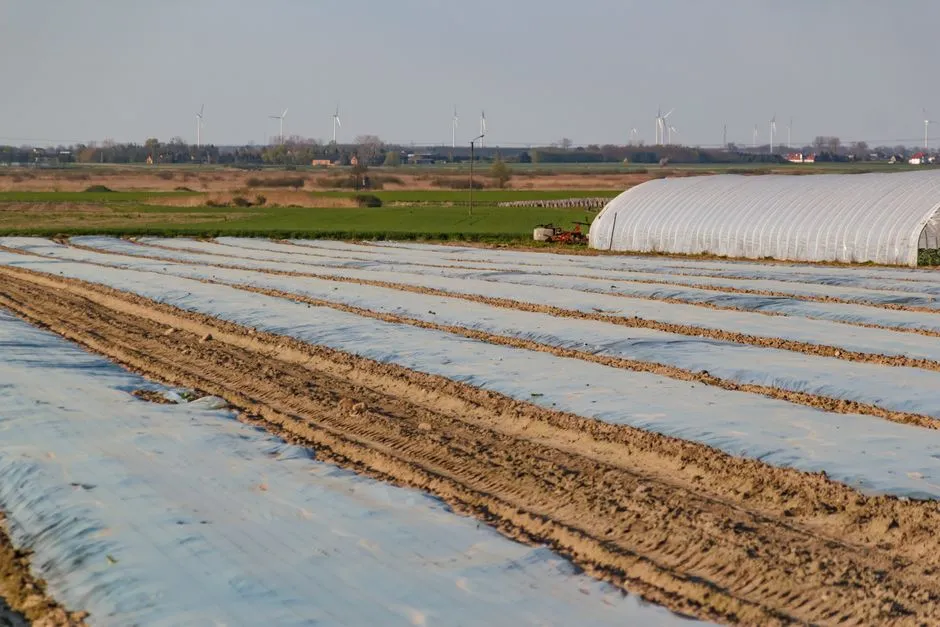
Windbreaks have long been recognized as an effective strategy in mitigating the damaging effects of wind on crops. By creating a barrier that reduces wind speed and turbulence, windbreaks protect crops from wind erosion, desiccation, and physical damage.
The reduction in wind velocity behind a windbreak leads to a change in the microclimate within the protected zone. Temperature and humidity levels usually increase, decreasing evaporation and plant water loss. This warmer, moister pocket of air is not incidental. It’s what drives much of the measurable yield improvement seen in protected fields.
Research conducted in the Midwest has shown that windbreaks can reduce wind speed by up to 50% within their immediate leeward zone, resulting in significant reductions in soil erosion and crop damage. That’s a substantial shift in field conditions, achievable with nothing more than a well-placed row of plants.
How Much Yield Improvement Can Farmers Realistically Expect?
This is often the first question growers ask, and the data is genuinely encouraging. Favorable growing conditions have been associated with a 6 to 44 percent increase in crop yield in studies. The range is wide because outcomes depend heavily on crop type, local climate, and windbreak design.
Research in Kansas and Nebraska showed that soybeans presented the most positive response to windbreak effect, with significant yield increases 46% of the time and a 16% average yield increase. Wheat yield increases were significant 30% of the time, with a 10% average yield increase.
While a windbreak requires some land to be removed from crop production, it typically results in a net increase in total crop yield, ranging from roughly one tenth to one fifth, depending on the crop. That net gain is key. The ground “lost” to the shrub row tends to pay for itself and then some.
Understanding the Protected Zone: Height and Distance
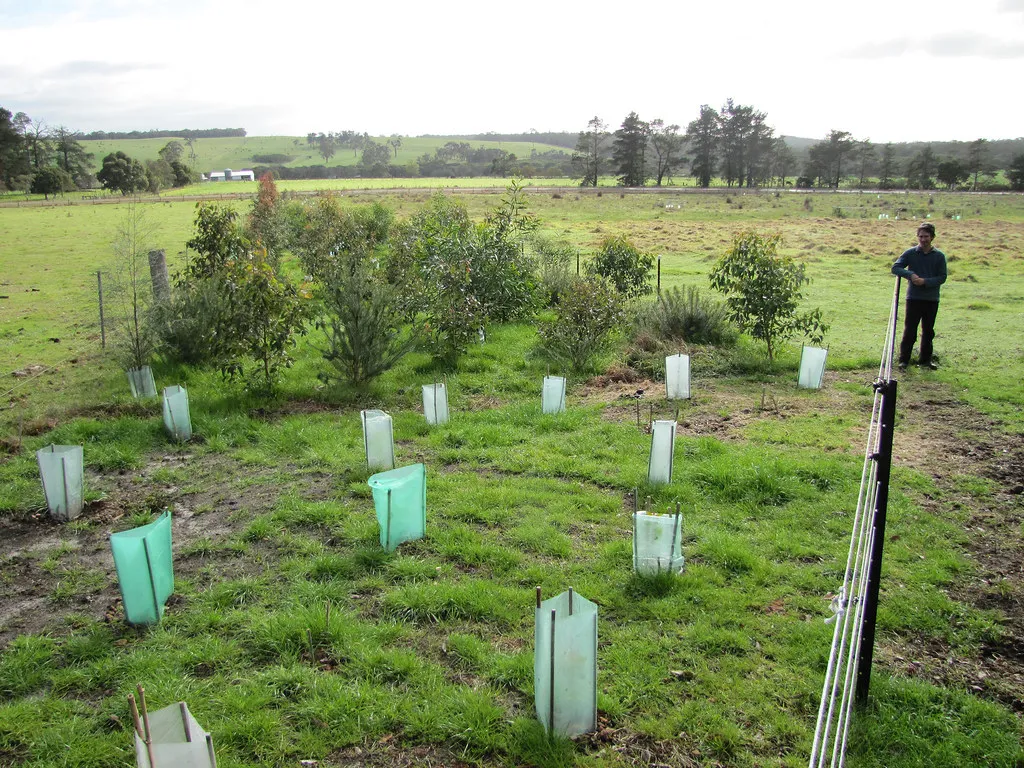
Knowing where protection actually occurs helps farmers position their crops strategically. Height is the most important factor determining the downwind area of protection. The windbreak height is measured at the tallest row. A windbreak will reduce wind speed for 2 to 5 times its height on the upwind side and up to 30 times its height on the downwind side of the barrier.
In general, windbreaks increase crop yields most in the area of the field that is 3 to 10 times their height downwind from the windbreak, with some benefits seen even at 15 times the windbreak’s height. So a shrub row standing three meters tall could offer measurable protection across a field strip thirty meters or more in depth.
Narrow windbreaks of one to two tree rows, averaging about 13 meters wide, and those on the north edge of fields resulted in yield increases that compensated for the footprint of the windbreak more often than wider windbreaks on the south edges of fields. Placement and orientation both matter significantly, not just planting density.
Density and Orientation: Getting the Design Right
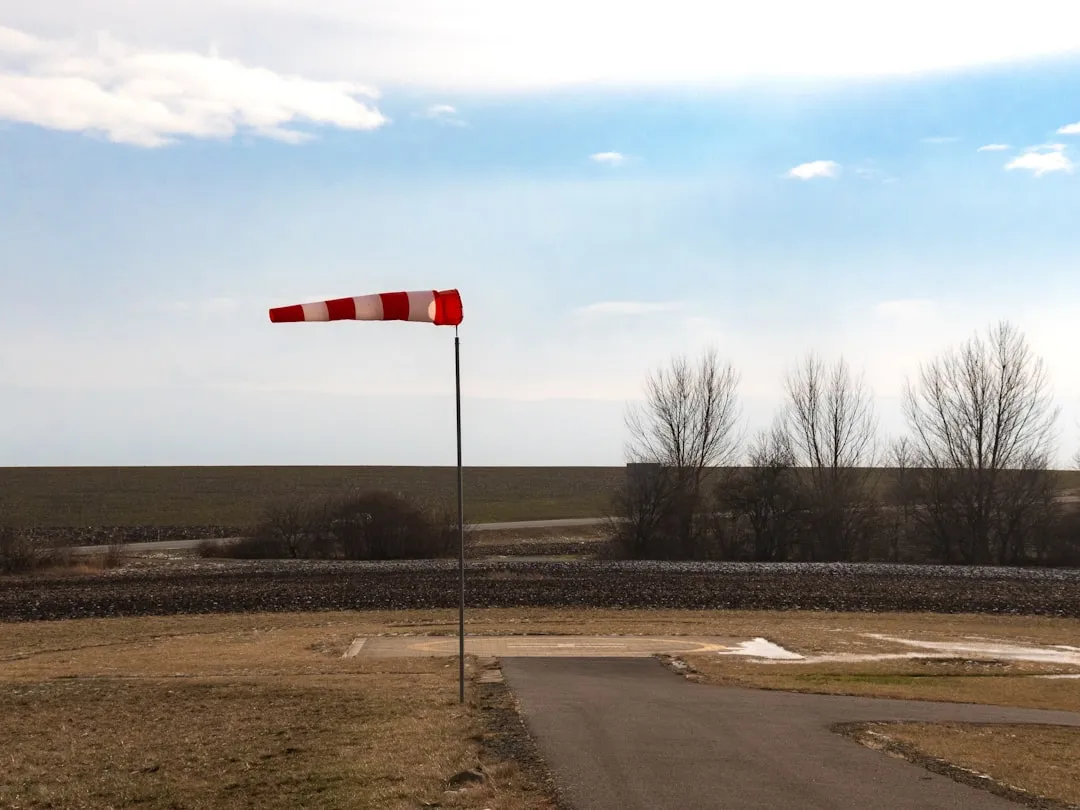
Density is the ratio of the solid portion of the barrier to the total area of the barrier. Wind flows through the open portions of a windbreak, so the more solid the windbreak, the less wind passes through. By adjusting windbreak density, different wind flow patterns and areas of protection are established.
Windbreak orientation is also critical. Windbreaks are most effective when oriented at right angles to the prevailing winds. A row running parallel to the dominant wind direction offers almost no benefit, while one placed perpendicular creates the maximum sheltered zone behind it.
The main factors, besides height, that make a windbreak effective are the density of the breaks, how they are oriented, and their length. These three variables interact with each other, and fine-tuning them for a specific farm site is what separates a functional windbreak from an underperforming one.
Choosing the Right Shrub Species

Species selection is where theory meets local reality. A good windbreak shrub needs to have dense branching, sturdy stems, and foliage that extends close to the ground so it can effectively block and slow harsh winds. Evergreens generally outperform deciduous species in winter months because they retain their foliage year-round.
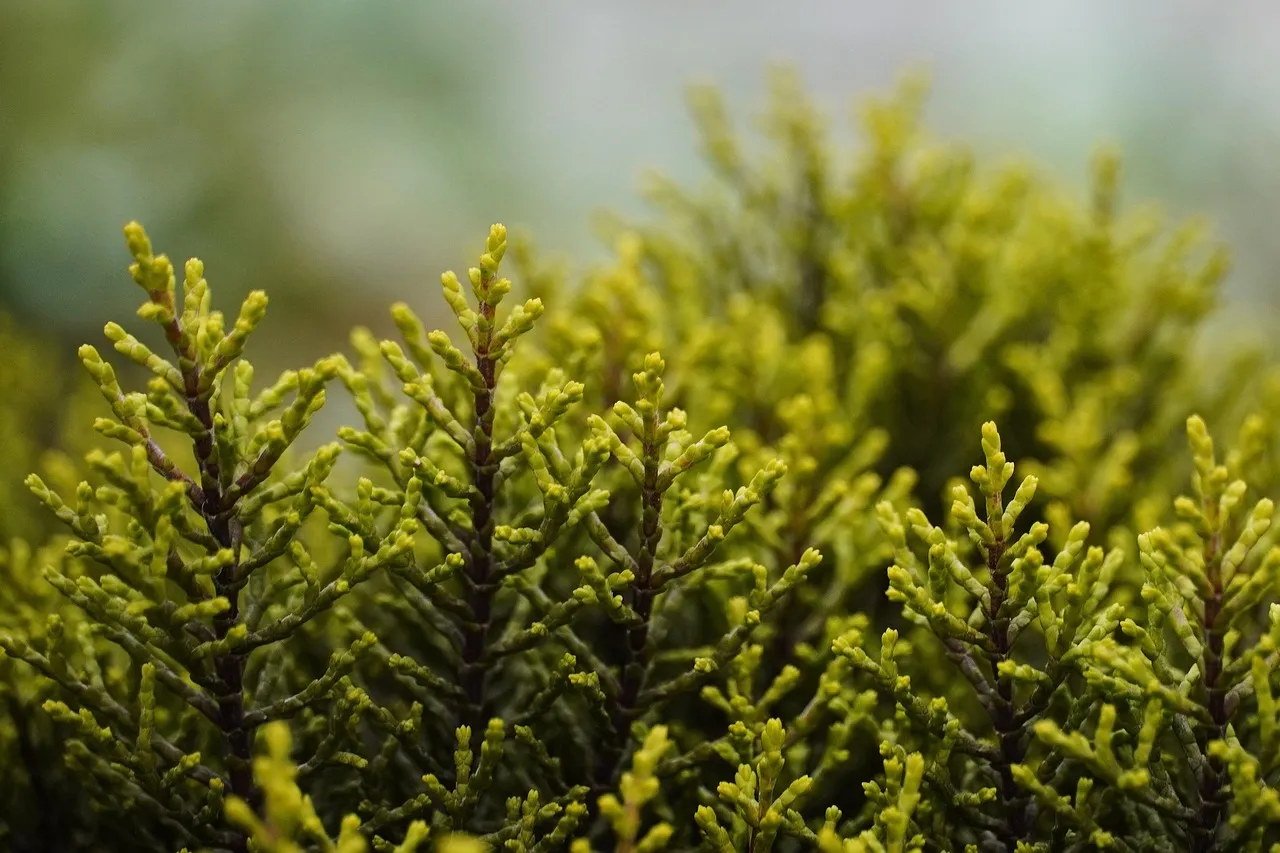
Evergreen shrubs are an excellent choice for windbreaks as they provide year-round coverage. Species such as boxwood, yew, and holly maintain their foliage and can thrive in various soils. Their dense growth habit effectively traps wind, making them ideal for creating a protective barrier.
Species like hawthorn and blackthorn provide excellent windbreak capabilities in the growing season and can still disrupt airflow in winter. Incorporating a mix of evergreen and deciduous plants can provide steady protection throughout the year. For coastal farms, in coastal areas where salt spray and high winds are common, hardy species like sea buckthorn are ideal due to their adaptability to harsh conditions.
Multi-Row Systems and Shrub Layering

A single row of shrubs is a start, but a layered approach tends to outperform simple single-row designs. Implementing a multi-layered approach with staggered planting can offer greater effectiveness and visual interest. Taller trees can be placed at the back of the hedge, with shorter shrubs in front, mimicking natural growth patterns found in woodland edges.
Select multiple species of trees and shrubs so that if there is a failure in a row, the windbreak is still effective. A mix of deciduous and coniferous plants is best and should be selected based on the planting’s purpose. Monocultures are convenient to plant but fragile over time: a single disease event can compromise the entire barrier.
Tree and shrub plant spacing affects active growth. Trees planted too close together may be stunted due to crowding, while those planted too far apart from each other may cause gaps that reduce the effectiveness of the windbreak. Finding the right balance requires knowing the mature spread of each species before planting, not after.
Windbreaks, Soil Health, and Pollinators
The benefits of a shrub windbreak extend well beyond the obvious wind reduction. Field windbreaks protect a variety of wind-sensitive crops, control soil wind erosion, increase crop yields, and increase bee pollination and irrigation and pesticide effectiveness. Better pollinator access to sheltered crop flowers is a quietly significant gain that many farmers don’t initially anticipate.
Slowing the wind can have indirect positive impacts as well. By redirecting the wind, windbreaks create microclimates that facilitate pollinator visits, enhancing crop production. In crops that depend heavily on insect pollination, this alone can justify the investment.
Windbreaks have also been recognized for their value in providing ecosystem services, which often extend beyond the farm. Benefits include enhancement of biodiversity, wildlife habitat, carbon storage, pollinator habitat, and soil and water quality protection. The shrub row, in other words, does far more ecological work than its footprint would suggest.
Windbreaks as a Climate Adaptation Tool

As weather patterns grow less predictable, the windbreak strategy is gaining renewed attention. Due to climate change, growing seasons may include frequent and intense droughts, heatwaves, and unusual weather patterns. Windbreaks are a key tool to help producers manage risk, maintain crop production, and enhance crop quality in the face of these challenges.
Under drought conditions, the integration of trees into cropping systems provides numerous benefits, such as shade and protection from high winds that help retain soil moisture. This moderation of the harsh microclimate increases crop resilience against drought-induced risks. In semi-arid regions particularly, that moisture retention can determine whether a crop survives or fails in a dry year.
Windbreaks also sequester carbon dioxide from the atmosphere into their woody biomass above and below the ground. This can play a role in reducing rising atmospheric carbon dioxide concentrations, and add carbon to the soil via leaf and root litter from trees and shrubs. A well-established windbreak, then, is simultaneously a crop protector, a microclimate regulator, and a modest carbon store.
Maintenance, Costs, and Long-Term Planning

Planting a windbreak is a long-term commitment, not a seasonal fix. The first three years are the most critical for any new windbreak, as the plants are focusing all their energy on establishing a deep root system. Even drought-tolerant species need regular deep watering during their first two summers. Instead of a light daily sprinkle, use a soaker hose or buckets to provide a deep drenching once or twice a week, encouraging roots to grow downward rather than staying near the surface.
Plant spacing will depend on the species selected and their growth habits. Dense shrubbery may be planted closer together, while taller trees might require spacing of one to two meters. Closer spacing leads to a faster formation of a cohesive barrier but may require regular pruning to prevent overcrowding.
Cost-sharing and annual land payments for land planted to windbreaks, wildlife plantings, shelterbelts, and living snow fences may be available. The USDA Conservation Reserve Program continuous sign-up offers cost-share, annual payments, and incentive payments. For growers in the United States, exploring these programs before breaking ground can meaningfully reduce the upfront investment in establishing a shrub windbreak.
Conclusion
The windbreak strategy isn’t new. It has a long history of use, dating back to ancient civilizations such as the Egyptians and Chinese, who used trees to protect their crops and settlements. What’s changed is our understanding of exactly how and why it works, and the growing urgency to apply that knowledge as climate pressures mount on farming systems worldwide.
While the spatial cost of shelterbelt implementation is real, yield gains, climatic buffering, and ecological services often outweigh the land lost. From cereals like wheat and maize to legumes and tubers, shelterbelts consistently improve crop output, environmental resilience, and system sustainability. Their integration into farming systems, if appropriately designed and regionally adapted, presents a highly effective strategy for enhancing both agricultural productivity and ecological integrity.
There’s something fitting about the oldest tool in agriculture still being among the most effective. A well-planted row of shrubs asks for patience in its first few years. What it gives back over decades is considerably more than just a break from the wind.
AI Disclaimer: This article was created with the assistance of AI tools and reviewed by a human editor.