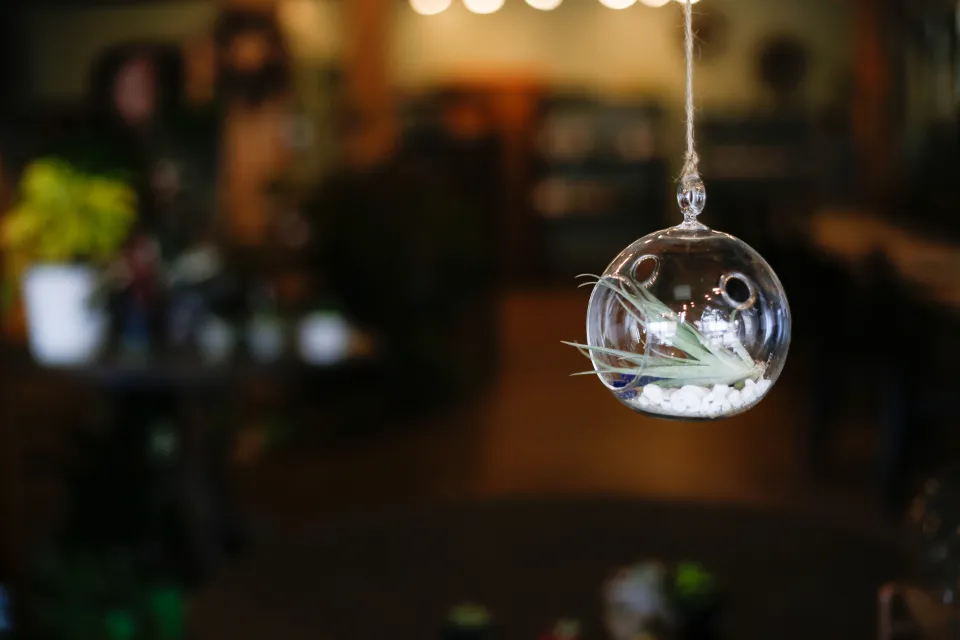

There’s something quietly radical about a plant that needs no soil. Air plants, or Tillandsia, don’t ask for a pot, a patch of earth, or even a fixed spot on a shelf. They just exist, clinging to whatever surface they find, drawing everything they need from the air around them. That’s a kind of independence most houseplants can’t offer.
For a lot of people, the species they gravitate toward says something real about how they see the world. Whether you love the dramatic spirals of the Xerographica or the tiny, low-key Ionantha, your pick often mirrors something about your restlessness, your values, or the way you move through life. Here’s what ten popular air plants might reveal about the traveler in you.
Tillandsia Xerographica: The Grand Adventurer
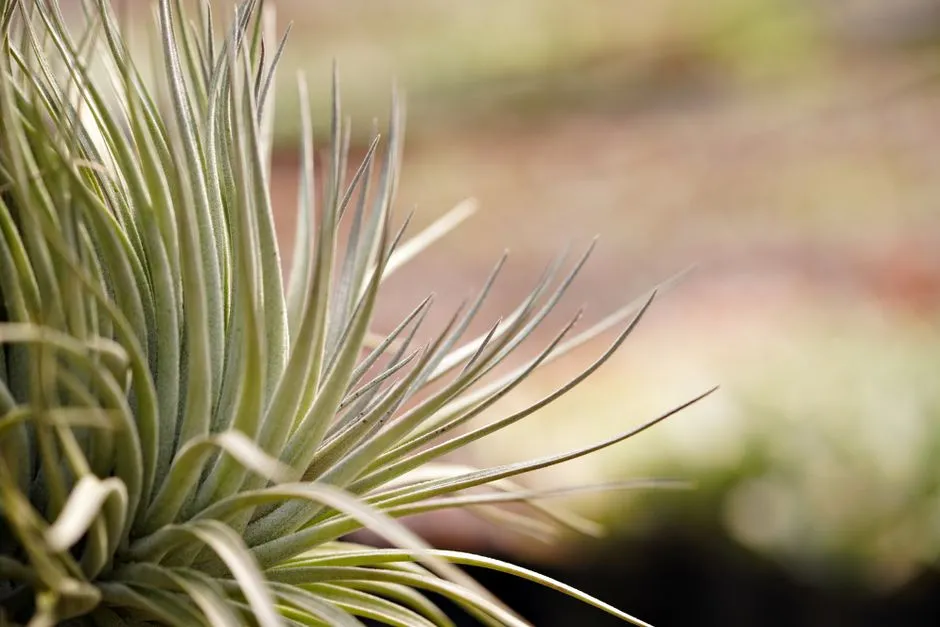
T. xerographica is native to the semi-desert regions of El Salvador, Honduras, and Guatemala, forming a sweeping spiral rosette that can grow to widths of three feet, with silvery gray leaves that are wide at the base and curl to narrow, tapered tips. It’s visually commanding, the kind of plant that takes up space unapologetically.
It can live upwards of 20 years and grow up to three feet in diameter before sending out a large orange bloom spike, and it remains one of the most coveted air plant species available for both novices and collectors.
People drawn to this plant tend to think in long arcs. They plan multi-month journeys, not weekend getaways. There’s a patience in them that matches the Xerographica perfectly, willing to wait for something truly grand.
Tillandsia Ionantha: The Spontaneous Weekend Traveler
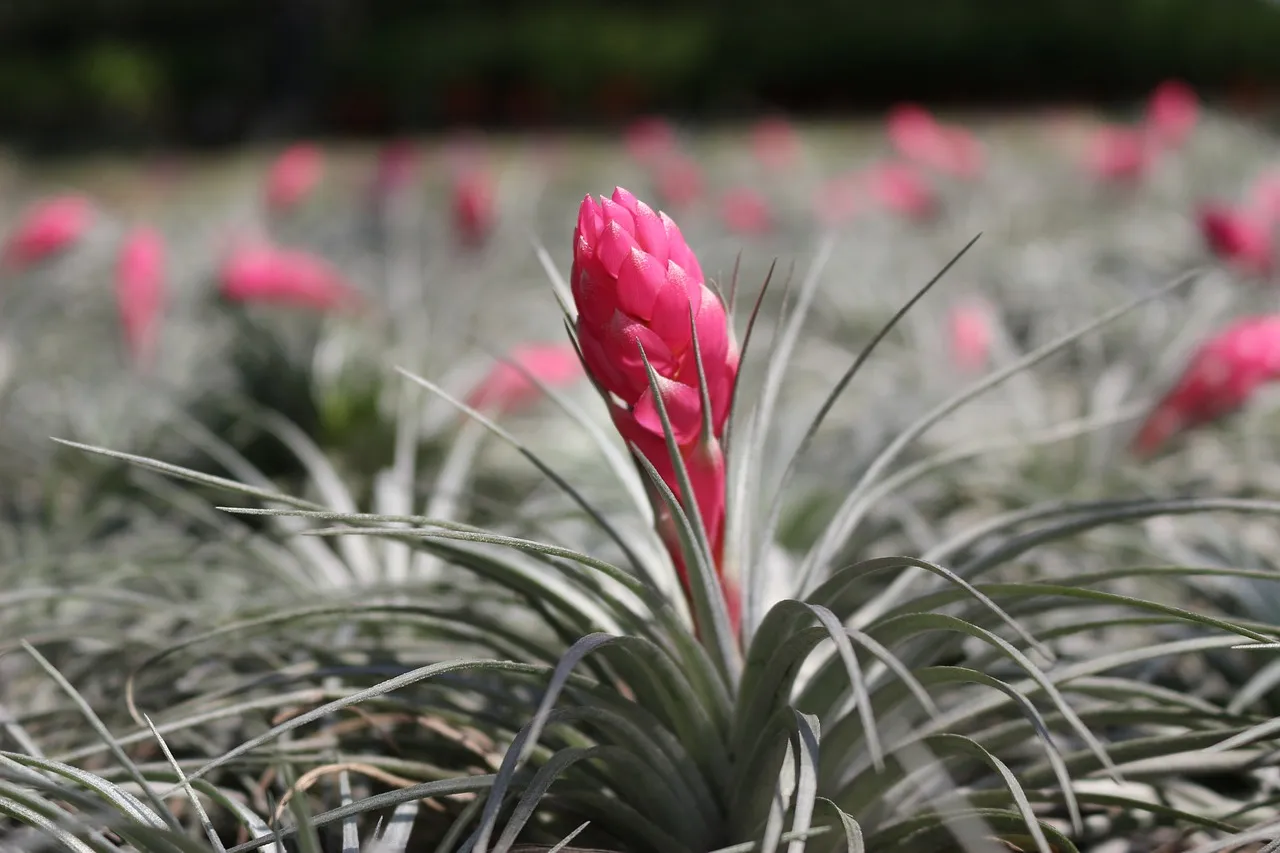
The rosettes of xeric Tillandsia ionantha, also known as sky plants, start out silver-green and change in shade to take on red tones at bloom time. Small, compact, and full of surprise color, these plants shift dramatically when they’re ready to bloom.
The ionantha species includes several air plant varieties, all compact and striking with plentiful, curved leaves measuring about one and a half inches in length. Leaves are silvery grayish green, turning red towards the center before the plant blooms in late spring. Depending on the variety, blooms may be purple, red, blue, or white.
If this is your plant, you’re probably the kind of traveler who books a flight on Thursday for a trip that starts Saturday. Adaptable, easy to please, and quietly vivid when the moment calls for it.
Tillandsia Caput-Medusae: The Offbeat Explorer
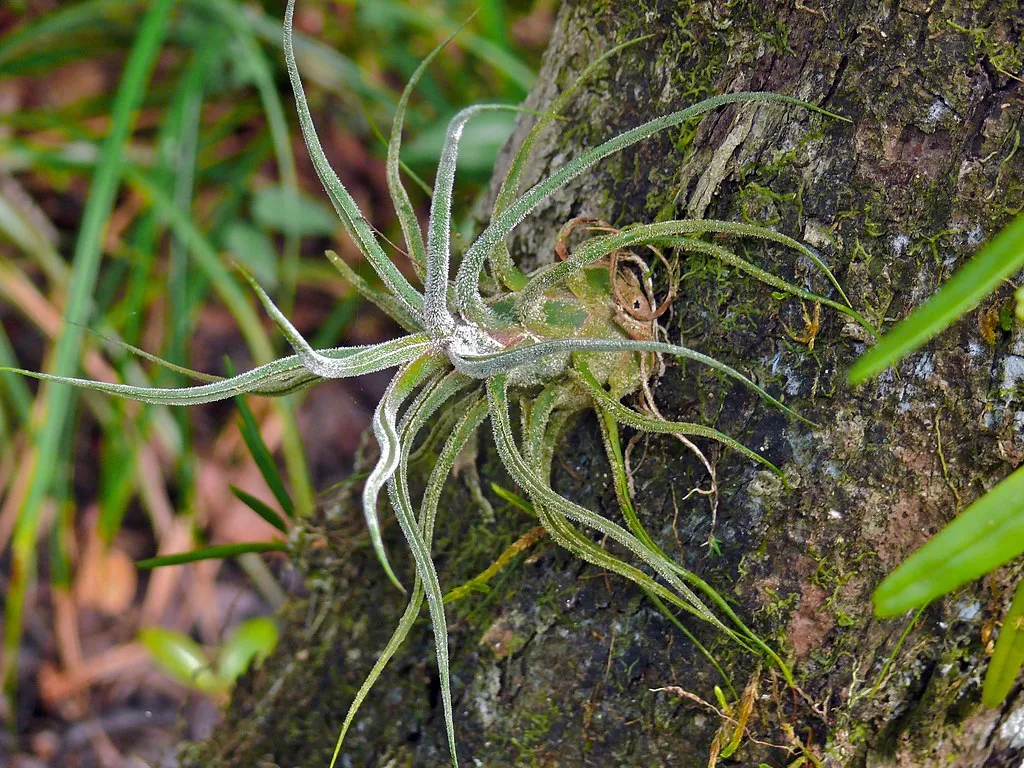
Tillandsia caput-medusae is also referenced as the head of Medusa due to its distinct shape, with snake-like leaves that spread horizontally like strands of hair. It produces red or blue flowers in early summer.
Air plants are perennial flowering plants that exhibit various growth habits, from compact rosettes to elongated, vine-like forms. Their adaptability allows them to thrive in a wide range of environments, from rainforests to arid deserts. The Caput-Medusae is a particularly striking example of that range.
People who love this plant rarely go to popular tourist destinations. Their travel wishlist leans toward volcanic islands, hidden ruins, and train routes through unfamiliar countries. They want to look at something the world hasn’t fully categorized yet.
Tillandsia Bulbosa: The Tropical Wanderer
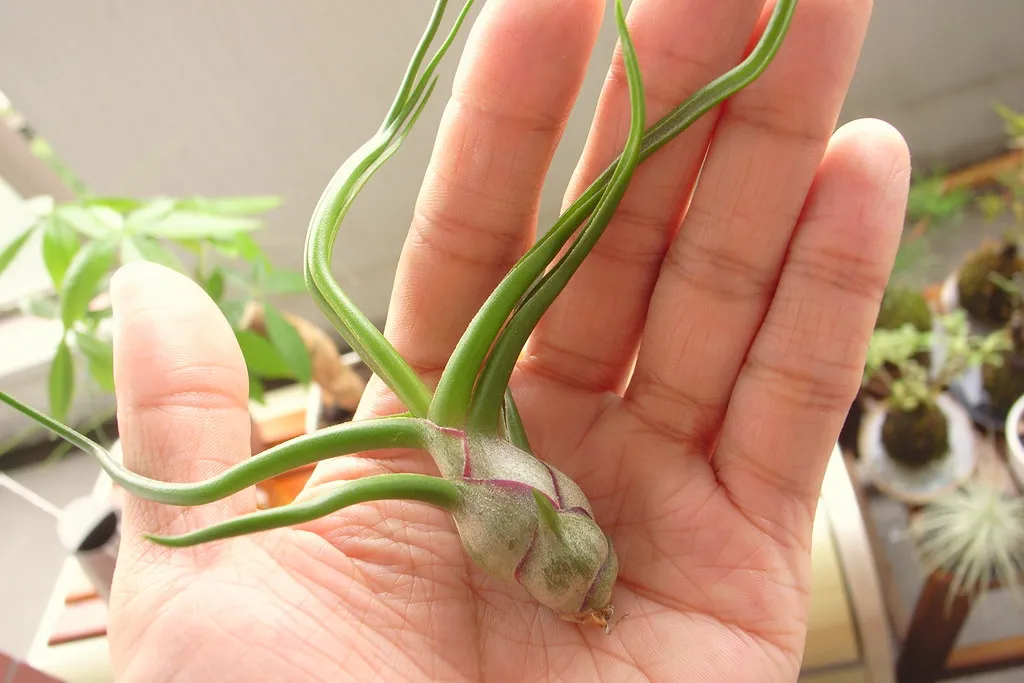
Tillandsia bulbosa is named after its bulb-like appearance, originates from Central America, and thrives in humid conditions. If you live in a dry location, your plant will need to be misted every other day to thrive.
True to its name, this medium-sized air plant forms a bulb-like base and thrives in tropical America and the Caribbean islands. Its twisted leaves turn reddish before blooming.
The Bulbosa lover has a clear pull toward the tropics. Warm coastlines, jungle hikes, and late-night markets are their natural habitat. They tend to romanticize humidity, and they probably own more linen clothing than anyone they know.
Tillandsia Streptophylla: The Free-Spirited Nomad
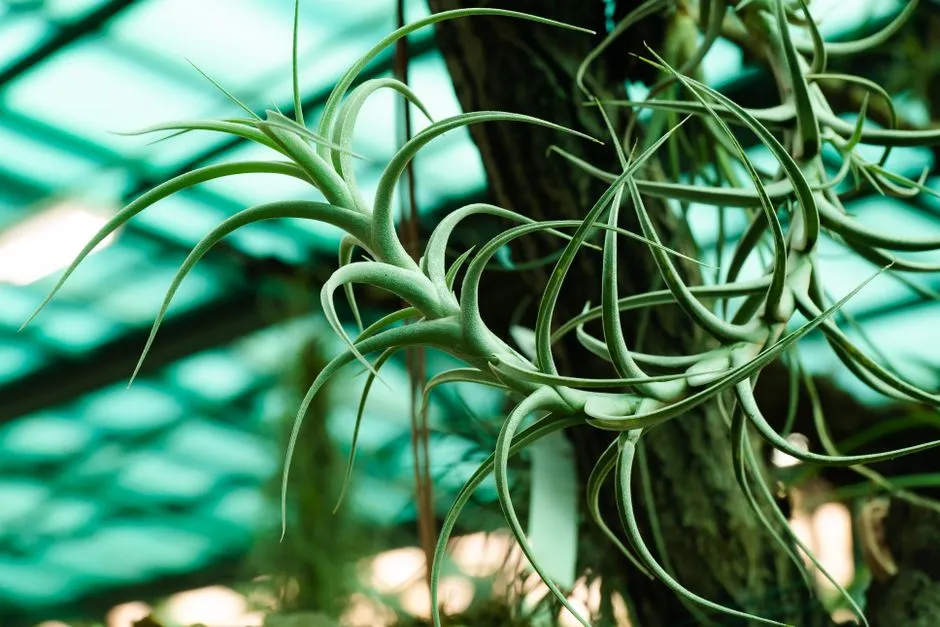
Tillandsia streptophylla, also known as the curly plant, is a fast-growing air plant that grows to a mature size of 8 inches and produces a pink inflorescence frosted with trichomes. Its name is derived from the Greek words meaning “with twisted leaves,” which perfectly suits its appearance.
This xeric air plant is easy to care for and grows under less-than-perfect conditions, and when kept outdoors, it attracts pollinators and hummingbirds with its vibrant pink flowers.
Those who choose the Streptophylla tend not to over-plan. They’re comfortable with detours, and their best travel stories begin with something going wrong. The twistier the path, the more at home they feel. They thrive under imperfect conditions, much like this plant.
Tillandsia Cyanea (Pink Quill): The Romantic Traveler
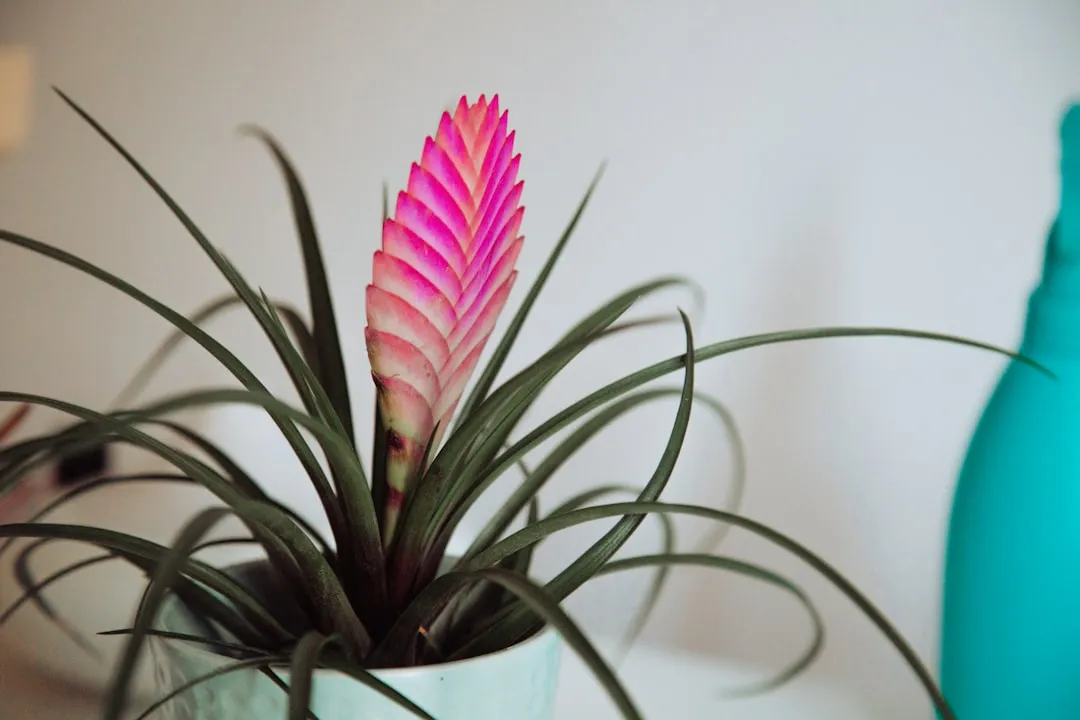
Tillandsia cyanea, also known as the pink quill plant, is treasured for its bright pink quills and vibrant purple-blue flowers. Although this variety is still an epiphyte that absorbs nutrients through its leaves, it can also be grown in soil.
T. cyanea is a mesic variety with a cluster of medium green, spider-like leaves. Unusually, this plant has roots capable of taking up nourishment, and unlike other species, it also thrives in potting soil.
The Pink Quill person travels with intentionality. They seek beauty above all else. Think slow travel through Lisbon or Kyoto, afternoons in flower markets, and rooms with good natural light. Freedom, for them, means space to be moved by beautiful things.
Tillandsia Usneoides (Spanish Moss): The Deep South Dreamer
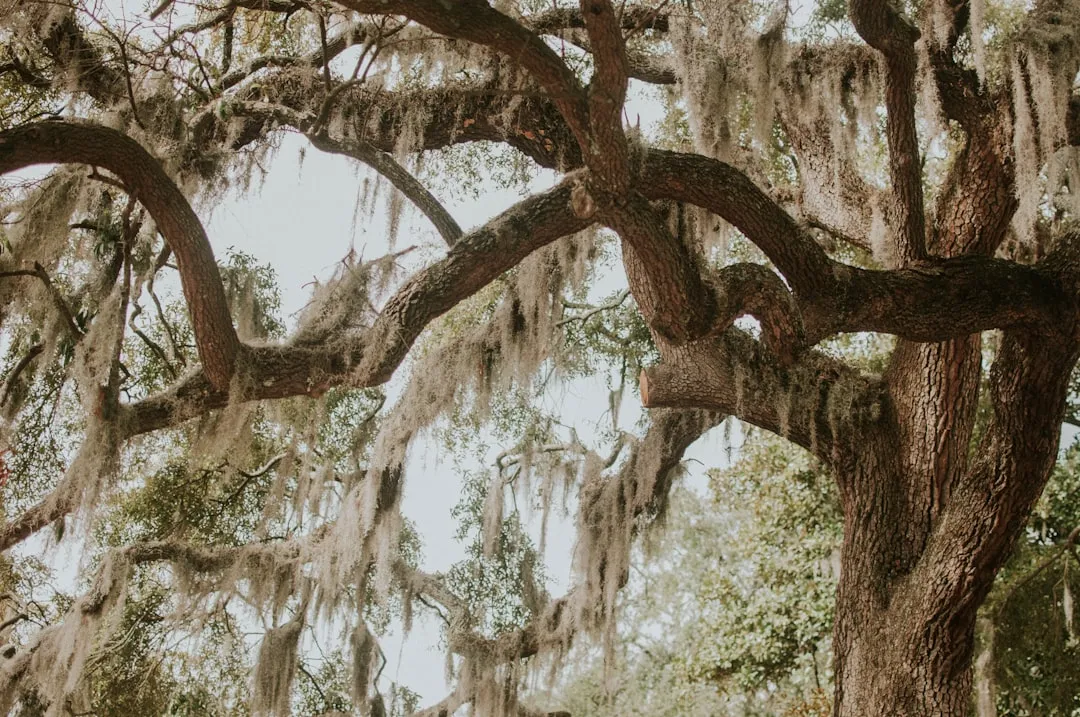
Tillandsia usneoides, or Spanish moss, differs from other air plants in that the leaves hang rather than sprout up. In its natural environment, Spanish moss can be found draped over tree branches and emitting a fragrant scent.
Tillandsia have naturally been established in diverse environments such as equatorial tropical rain forests, high elevation Andes mountains, rock dwelling regions, and Louisiana swamps, where Spanish moss grows atop tree limbs.
Spanish moss fans tend to be drawn to atmosphere over activity. They linger. They want to feel the weight of a place, not just pass through it. Road trips through the American South, slow river journeys, and old cities with ghost stories are their version of freedom.
Tillandsia Funckiana: The High-Energy Backpacker
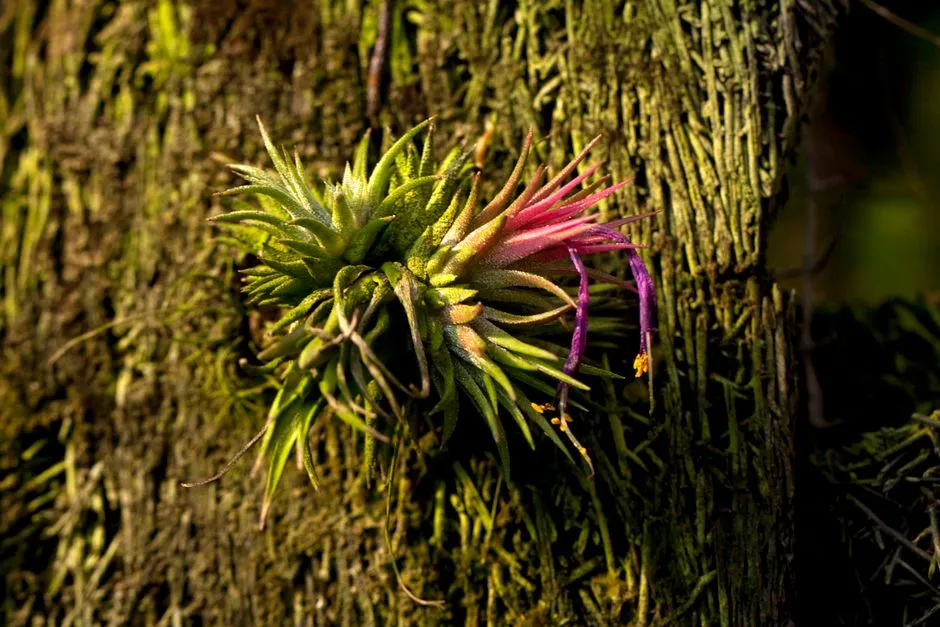
T. funckiana is a xeric type that looks like a cluster of light green balsam fir needles coated with a light dusting of snow. Soft to the touch, it may wind or stretch upright to a length of about eight inches. Its flower is a long red tubular blossom that gracefully emerges at the tip of the narrow leaves.
Tillandsia funckiana are unique air plants because their leaves grow like quills, all spiking in the same direction. They also curl in a distinct shape, adjusting based on their environment. When they are ready to bloom, the leaves will turn yellow and a neon orange flower will form.
If you keep a Funckiana, you’re probably the person in your friend group who shows up to every trip with a packed itinerary and a backup plan. The energy is high, the blooms are bright, and there’s a sense that something exciting is always about to happen.
Tillandsia Aeranthos: The Urban Wanderer
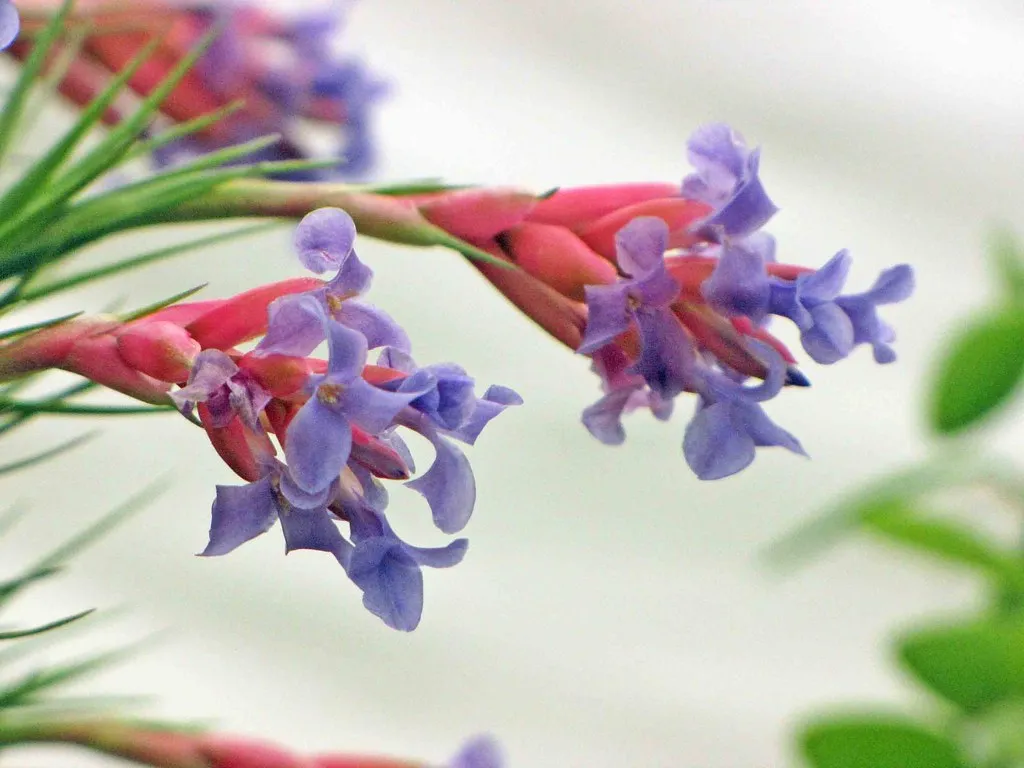
T. aeranthos is native to Brazil, Uruguay, Paraguay, and Argentina. It is a popular air plant with scaly, silver-blue leaves with dark blue blooms emerging from dark pink bracts. It is available in several forms, including a number of hybrids.
Tillandsia aeranthos have long spiky leaves and thrive in bright, indirect sunlight. They produce pink and blue flowers, which makes them popular house or office plants. Tillandsia aeranthos can grow to be up to nine inches in height.
Those who pick Aeranthos tend to love cities the way others love mountains. They travel to Buenos Aires and Berlin and Tokyo, spending hours in side streets and record shops. Freedom, for this traveler, means a city they haven’t fully figured out yet.
Why Air Plants and Freedom Make So Much Sense Together
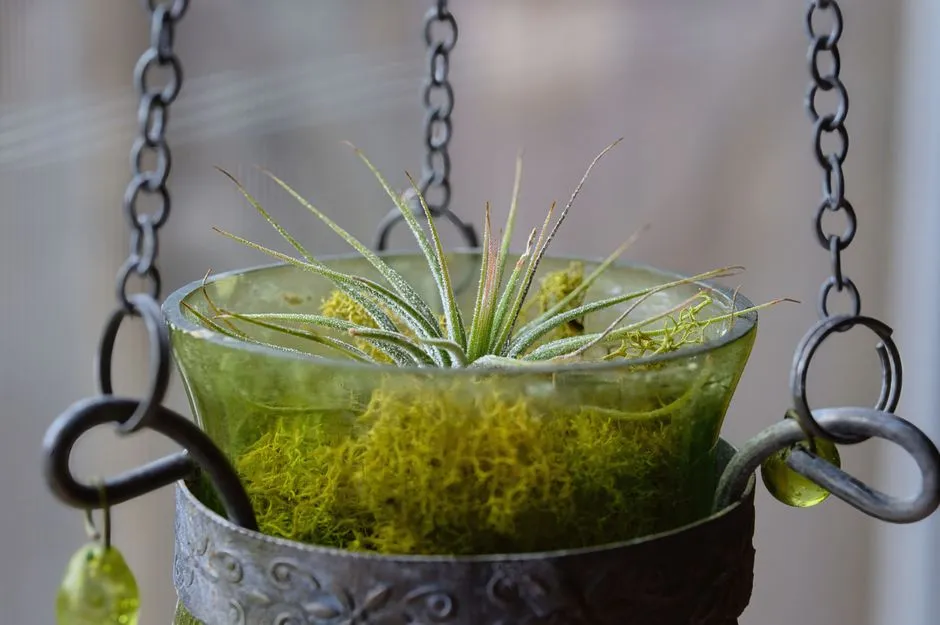
Tillandsia is a genus of around 650 species of evergreen, perennial flowering plants in the family Bromeliaceae, native to the forests, mountains and deserts of the Neotropics, from northern Mexico and the southeastern United States to Mesoamerica and the Caribbean to central Argentina. That range is remarkable, and it’s central to their appeal.
Species of Tillandsia photosynthesize through a process called CAM cycle, where they close their stomata during the day to prevent water loss and open them at night to fix carbon dioxide and release oxygen. This allows them to preserve water, necessary because they are epiphytes. They’ve essentially evolved to be self-sufficient in a way most plants haven’t managed.
If you’re an air plant enthusiast planning a vacation, you don’t have to fret about leaving your beloved Tillandsia behind. Unlike many houseplants that require daily attention, air plants are remarkably low-maintenance and can thrive with just a few simple precautions. That ease of travel is a real reason they resonate with people who are frequently on the move.
The indoor plant market broadly reflects this growing appetite for greener, lighter living. The global indoor plants market was valued at USD 20.68 billion in 2024 and is expected to reach USD 30.25 billion by 2032, primarily driven by increasing consumer interest in home decor, air purification, and wellness benefits, as well as rising demand for sustainable and eco-friendly living. Air plants sit comfortably within that wave, offering low maintenance alongside genuine character.
There’s a conservation angle here that’s worth knowing too. Xerographica, one of the most popular air plants, was almost extinct from the wild by the mid-1990s. Due to international regulation and growers committed to seed production, this spectacular Tillandsia will be around for generations to come. Choosing a nursery-grown air plant today is a small but meaningful act of care for something genuinely wild at heart.
In the end, whatever Tillandsia you’re drawn to, the instinct behind it is the same: a desire for something alive and unanchored, something that asks very little of you in return for its quiet, persistent company. That’s not a bad thing to have on your windowsill before the next trip.AI Disclaimer: This article was created with the assistance of AI tools and reviewed by a human editor.