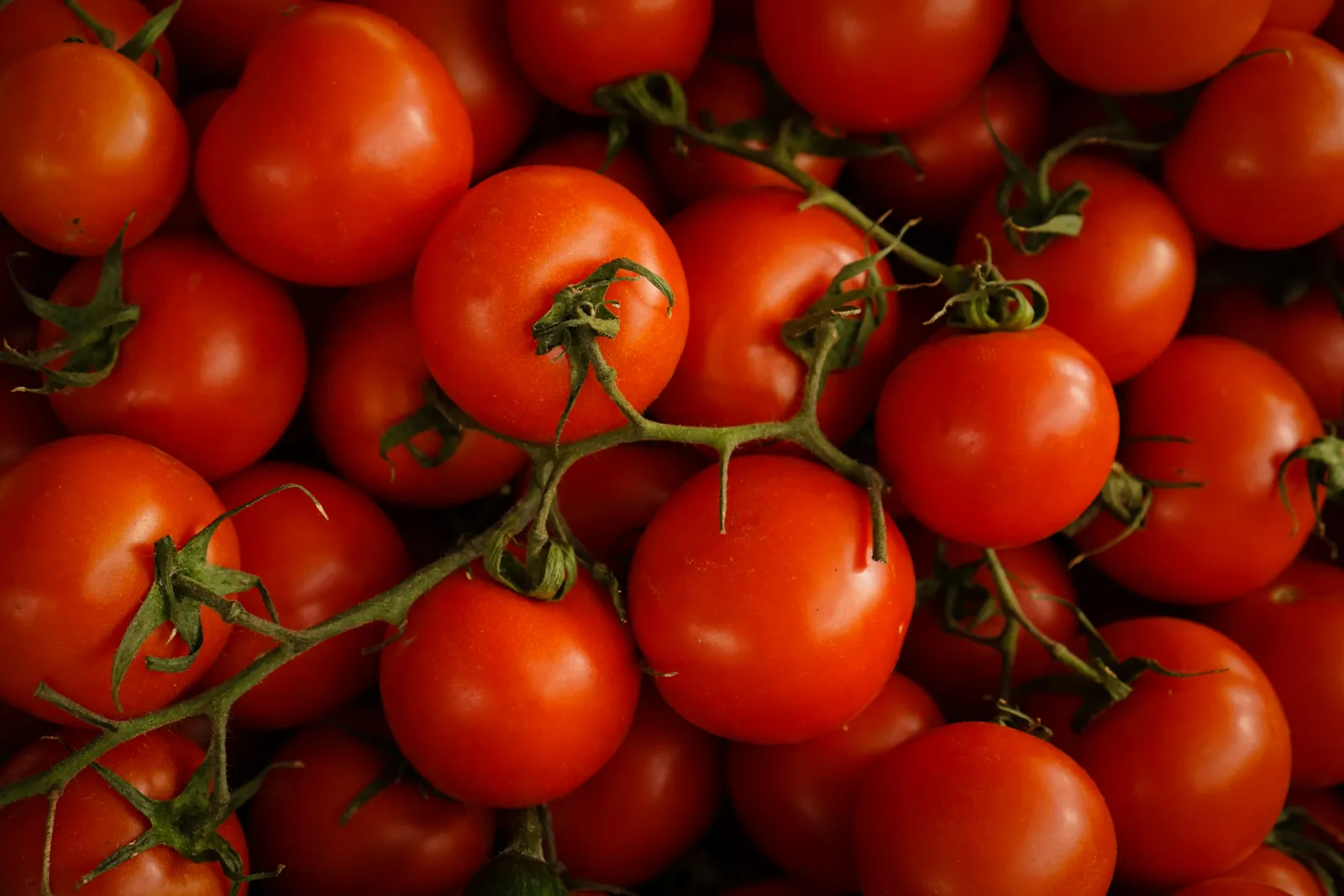

You step into the garden on a warm afternoon and gather a basket of tomatoes at peak ripeness. A few days later the same fruit sits on the counter, some still firm while others soften faster than expected. The instinct to move them into the refrigerator feels practical, yet that single choice can quietly undo weeks of careful growing.
The Permanent Cost of Cold
Homegrown tomatoes picked before full ripeness rely on continued warmth to develop their flavor and texture. Refrigeration halts that process for good. Once chilled, the fruit never regains the ability to ripen properly, leaving it mealy and muted no matter how long it sits afterward.
Gardeners who harvest in batches often face this exact moment. A cool counter spot preserves the natural progression instead. Direct sunlight speeds things along too quickly, so a shaded area away from windows works best for the first few days.
Counter Storage That Actually Works
Place whole ripe tomatoes stem-side down. The scar left by the stem is the most porous part of the fruit, and this simple position slows moisture loss while keeping bacteria from entering. Tomatoes stored this way stay firmer longer than those resting on their sides or shoulders.
Keep them separate from leafy greens. Tomatoes release ethylene gas that makes nearby lettuce and spinach wilt faster. A dedicated spot on the counter or a separate crisper drawer in the refrigerator protects both the tomatoes and the rest of the harvest.
When the Refrigerator Helps
Fully ripe tomatoes can move into the refrigerator if you need extra days before using them. The cold extends their usable window by a few days, though flavor compounds fade slightly. Bringing the fruit back to room temperature for half an hour before eating raw restores much of the aroma and taste.
Cooked dishes such as sauces or soups show almost no difference after refrigeration. The heat masks any subtle changes, so gardeners can safely store surplus ripe fruit this way when counter space runs short.
Recognizing the End of the Line
Soft, leaking fruit or visible mold means the tomato has passed its prime. Large brown patches that spread through the flesh also signal it is time to discard the whole piece rather than trying to salvage part of it. A sour or fermented smell confirms the same verdict.
Small isolated soft spots can sometimes be trimmed away with a generous margin of healthy flesh around them. When in doubt, cook the tomato instead of eating it raw. Heat neutralizes surface concerns and turns aging fruit into soup or sauce that still tastes fresh from the garden.
Store stem-side down on the counter, move only fully ripe fruit to the fridge when needed, and keep tomatoes away from greens to protect the entire harvest.
AI Disclaimer: This article was created with the assistance of AI tools and reviewed by a human editor.