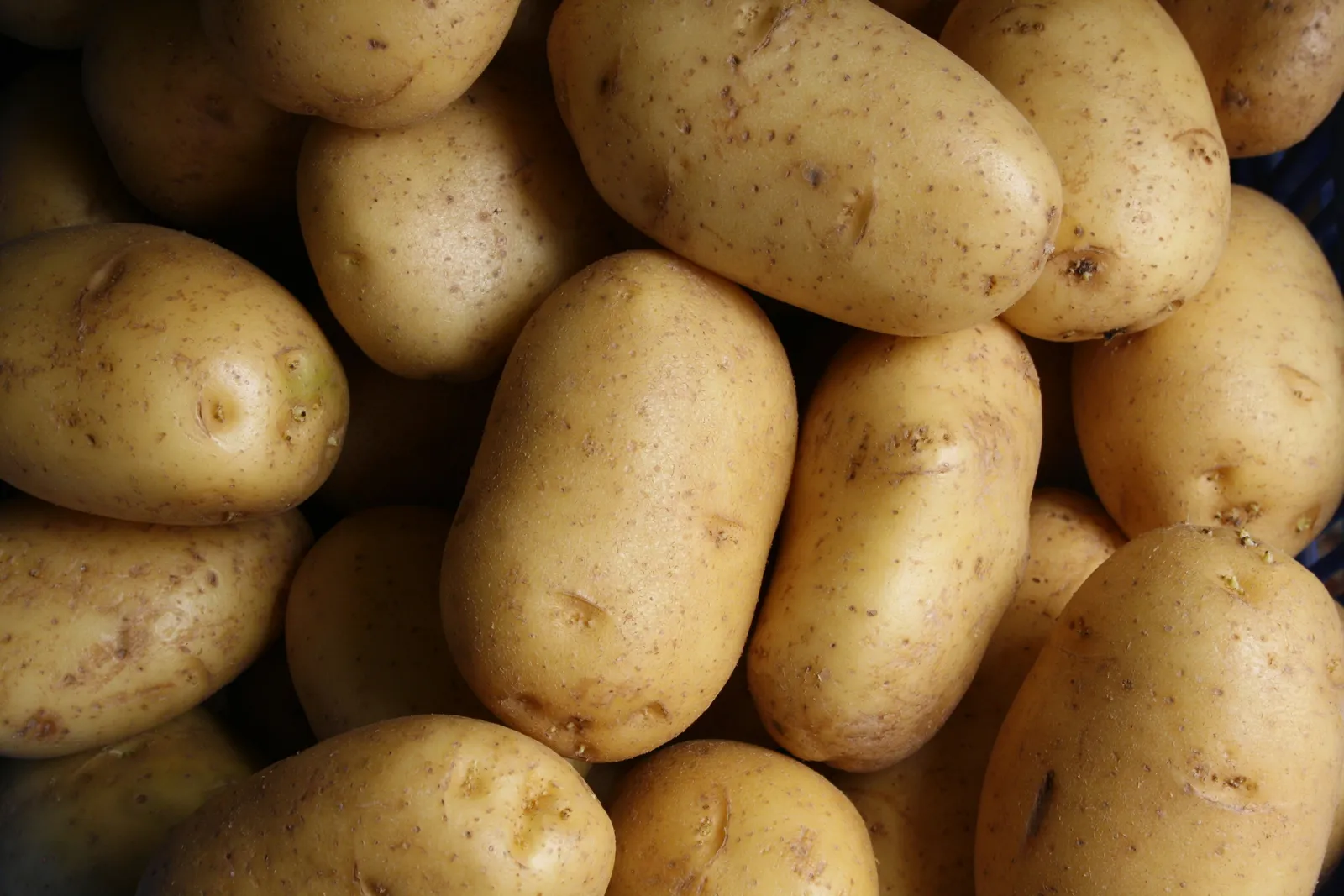

Many home cooks instinctively place a fresh bag of potatoes in the refrigerator for safekeeping. That choice, however, triggers a chemical change that alters flavor and creates cooking problems later. The issue stems from how cold temperatures interact with the potato’s natural starch content.
The Chemical Reaction at Play
Whole raw potatoes stored below roughly 42 degrees Fahrenheit undergo a process known as cold sweetening. Enzymes inside the tuber convert stored starch into simple sugars such as glucose and fructose. The result is a noticeably sweeter taste that most people do not expect.
This sweetness becomes a liability during high-heat cooking. When the sugars meet frying oil or a hot oven, they accelerate the Maillard reaction and cause the exterior to darken or blacken long before the interior cooks through. Commercial producers avoid this exact problem by keeping storage temperatures carefully controlled.
Boiling or mashing masks the extra sweetness, so refrigeration remains acceptable in those limited cases. For roasting, frying, or baking, the pantry remains the better option.
Ideal Conditions for Whole Raw Potatoes
A cool, dark, and ventilated space between 45 and 55 degrees Fahrenheit preserves quality longest. Pantries, cellars, or interior cupboards that stay within this range work well. Paper bags, wire baskets, or cardboard boxes allow the necessary airflow.
Light exposure quickly produces chlorophyll and the natural toxin solanine, which turns skins green and raises safety concerns. Plastic bags trap moisture and speed spoilage, so they should be avoided. Washing the potatoes before storage also invites mold and sprouting; rinse them only right before use.
Safe Handling Once Potatoes Are Cooked
Cooked potatoes require refrigeration within two hours of preparation. The added moisture and heat create conditions that support bacterial growth if left at room temperature. Store them in airtight containers and use within three to four days.
Foil-wrapped baked potatoes present a specific risk. The wrapping traps warmth and moisture while limiting oxygen, conditions that can allow Clostridium botulinum spores to produce toxin. Removing the foil before refrigerating eliminates this hazard.
Cut raw potatoes behave differently. Submerge them in cold water inside an airtight container and keep them in the refrigerator. Use the pieces within 24 hours before texture and flavor begin to decline.
Key storage reminders
– Whole raw potatoes belong in a cool, dark pantry.
– Cooked potatoes must enter the refrigerator within two hours.
– Remove foil from baked potatoes before chilling.
– Cut potatoes stay fresh in cold water for up to one day.
These straightforward adjustments protect both flavor and safety without complicated equipment. Home growers who harvest their own potatoes benefit especially from following the same guidelines that commercial operations already observe.
AI Disclaimer: This article was created with the assistance of AI tools and reviewed by a human editor.