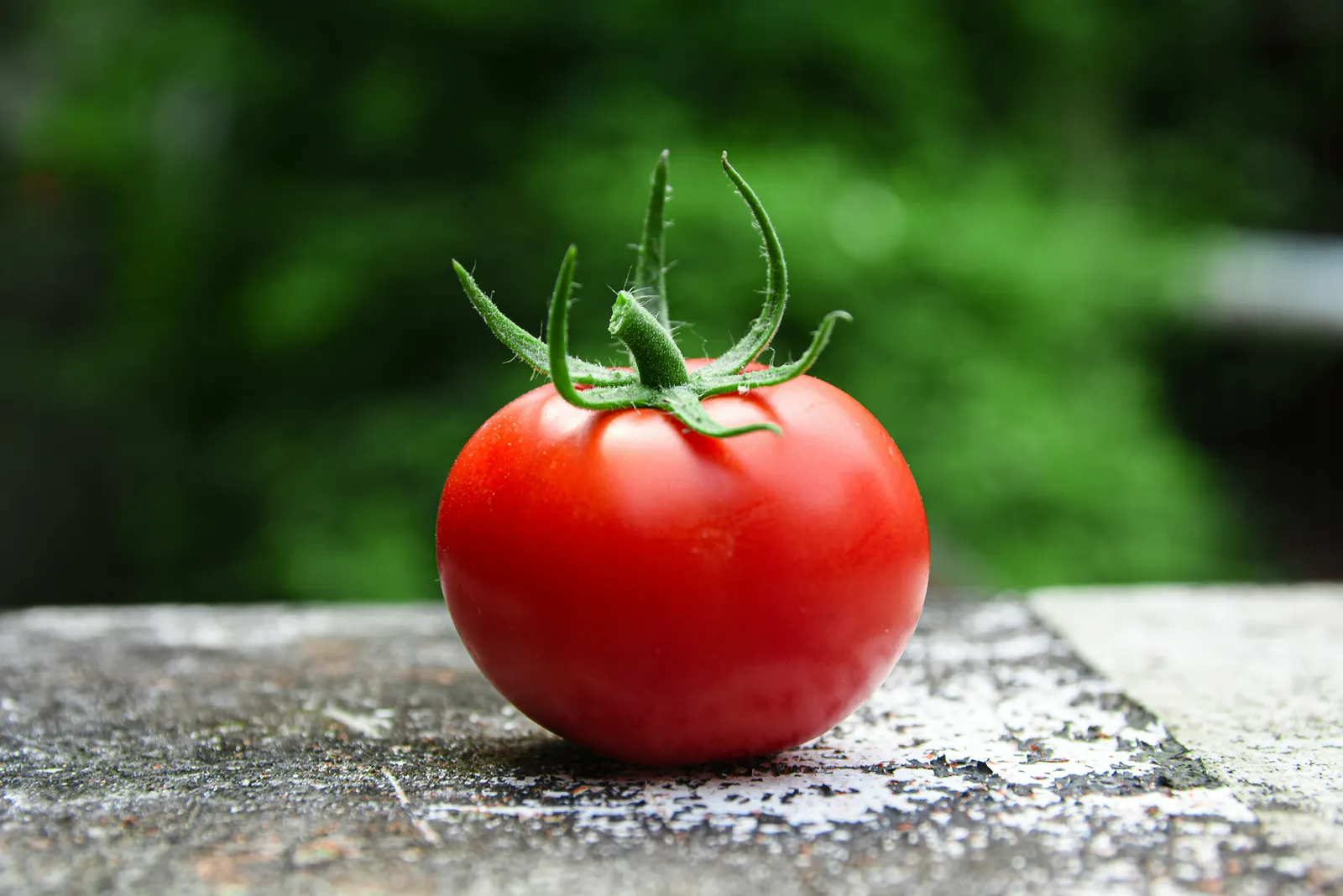

Home gardeners often harvest tomatoes at varying stages of ripeness, only to face a common kitchen dilemma about where to keep them. Many have absorbed the widespread advice against refrigeration, yet the full picture hinges on the fruit’s maturity and intended use. The science behind tomato storage reveals why cold can inflict lasting damage on those picked too soon.
The Science of Ripening and Chilling Injury
Tomatoes develop through ethylene gas and enzymatic processes that need temperatures above roughly 50 degrees Fahrenheit. When an unripe tomato enters a typical refrigerator at 37 to 40 degrees, those mechanisms halt completely. The fruit never resumes normal ripening once returned to room temperature. Cell walls also break down under cold conditions, producing a mealy or grainy texture that no amount of counter time can reverse. This chilling injury explains why tomatoes shipped long distances are often picked green and later treated with ethylene gas. Home growers who refrigerate early harvests risk the same irreversible outcome.
Practical Storage Choices for Garden Harvests
Ripe whole tomatoes fare best on the counter in a cool spot away from sunlight, stored stem-side down to limit moisture loss and bruising. This approach preserves flavor compounds that give tomatoes their bright aroma. If kitchen temperatures climb above 75 degrees or the fruit nears the end of its usable window, refrigeration can add two to five days of life. The key step is allowing refrigerated ripe tomatoes to sit at room temperature for about 30 minutes before eating them raw. Cooked applications such as soups or sauces eliminate any flavor difference, so refrigeration poses no drawback there. Cut tomatoes, however, require immediate refrigeration in an airtight container and should be used within three to four days.
Common Mistakes Gardeners Make
Stacking tomatoes or placing them near ethylene-sensitive produce like leafy greens accelerates unwanted ripening or wilting in those items. Direct sunlight generates extra heat that speeds over-ripening on the counter. Plastic wrap on cut pieces fails to protect against air exposure and temperature swings. Many assume the blanket “never refrigerate” rule applies universally, yet ripe tomatoes can benefit from cold storage when time is short. The distinction matters most for unripe fruit pulled straight from the vine.
Key Storage Guidelines
- Unripe whole tomatoes stay on the counter until fully ripe.
- Ripe whole tomatoes last up to two weeks at room temperature or gain extra days in the fridge.
- Cut tomatoes go into an airtight container with a paper towel and must be used within three to four days.
- Cooked tomato dishes refrigerate within two hours and keep three to four days.
Home tomato growers who understand these temperature effects can protect the quality of their harvest from vine to table. Proper handling turns a simple storage decision into reliable flavor preservation season after season.
AI Disclaimer: This article was created with the assistance of AI tools and reviewed by a human editor.