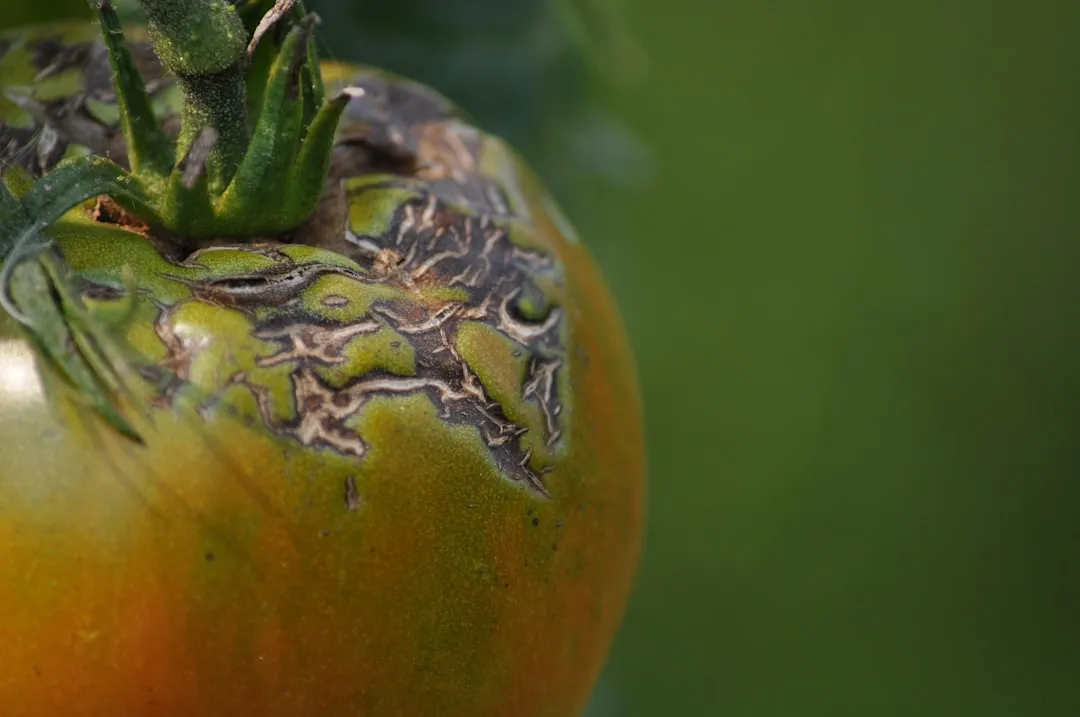

Growing tomatoes for the first time carries a particular kind of anticipation. You water, you wait, you watch the green fruits swell – and then one morning, you spot a dark, sunken patch spreading across the bottom of your best tomatoes. That’s blossom end rot, and it’s one of the most common disappointments in the home garden.
The good news is that it’s not a disease, not a pest, and not something that requires chemical intervention. Understanding what actually causes it changes everything about how you can stop it.
What Blossom End Rot Actually Is
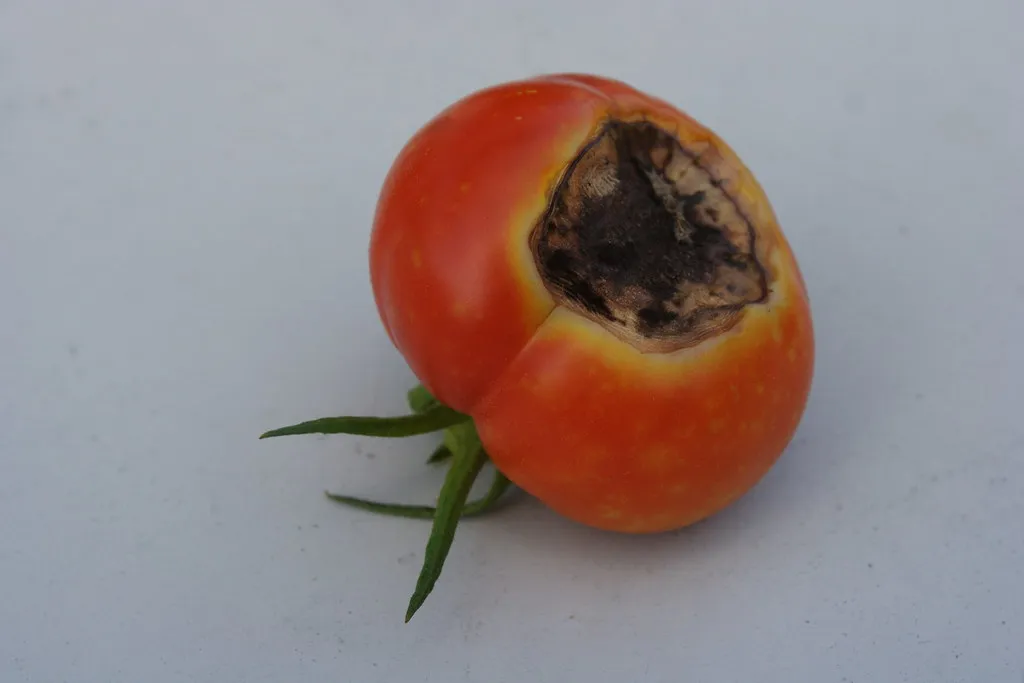
Blossom end rot is a disorder in which the tissue of the blossom end, the “bottom” of the fruit, breaks down and rots, reducing the quality of the fruit and the overall yield from the plant. It is not caused by a disease or a pest. It is a physiological problem caused by a low level of calcium in the tomato fruit.
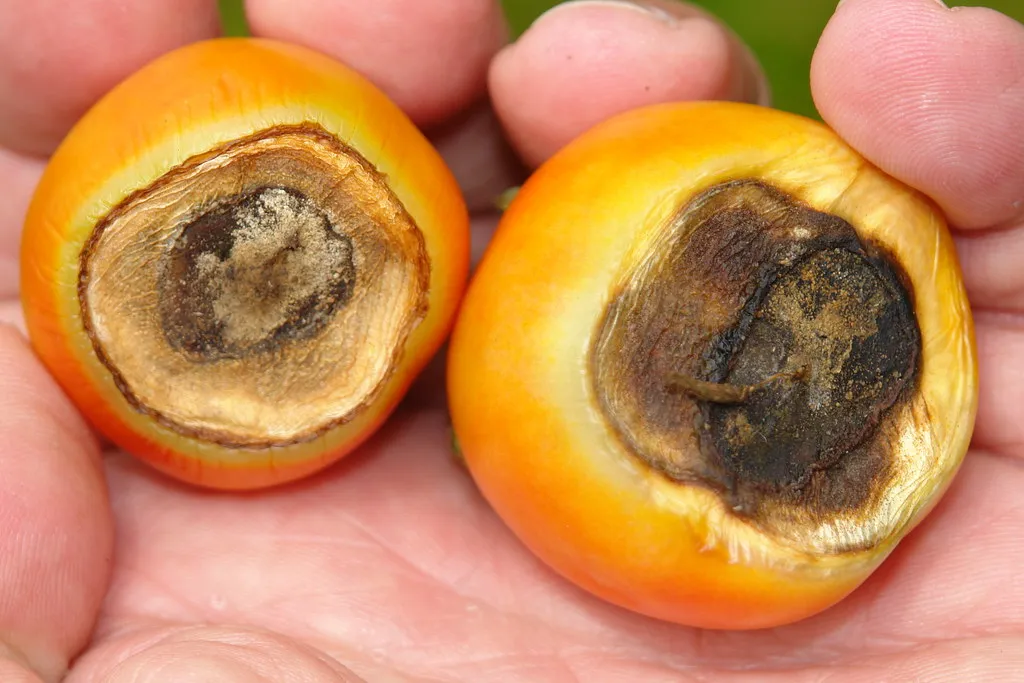
Blossom end rot occurs when cell wall calcium is deficient during early fruit development, and results in cell wall membrane collapse and the appearance of dark, sunken pits at the blossom end of fruit. Many farmers and gardeners treat this condition as a fruit disease; however, nutrient and water management regimes are the real culprit.
How the Symptoms Progress
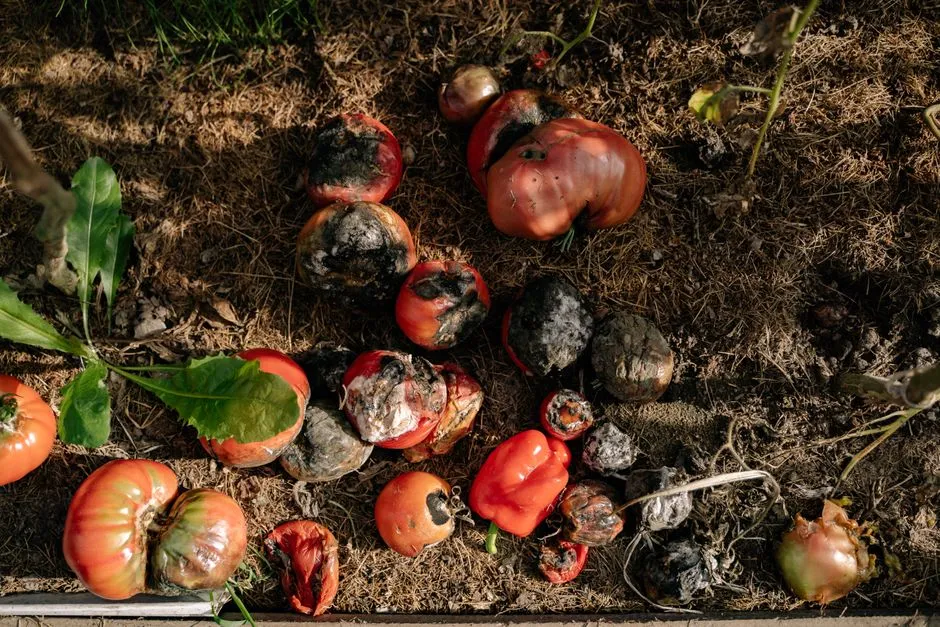
A water-soaked spot at the blossom end of tomato fruits is the classic symptom, and damage first appears when fruits are approximately half their full size. The water-soaked areas enlarge and turn dark brown and leathery. In time, lesions often become covered with a secondary black mold.
There is also a condition called internal blossom end rot in which symptoms develop on the sides of the fruit or internally. A secondary fungal infection can cause additional fruit rot, which may mask the typical symptoms of blossom end rot. Catching it early, before secondary mold takes hold, gives you the clearest picture of what you’re dealing with.
Why Calcium Doesn’t Reach the Fruit
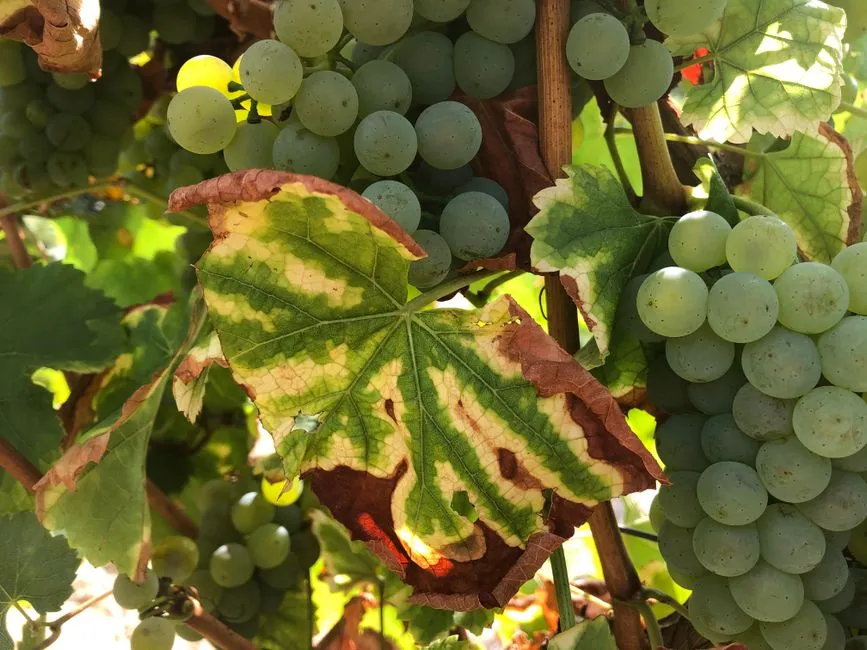
Calcium is required in relatively large concentrations for normal cell growth, and when the rapidly growing fruit is deprived of calcium, the tissues break down, leaving the characteristic lesion. Unlike other mobile nutrients in plants, calcium is relatively immobile once it’s incorporated into plant tissues. This immobility makes it crucial for plants to have a consistent supply of calcium throughout their growth cycle, especially during fruit development.
Once calcium is used in the plant, it becomes immobilized and cannot be translocated from older tissues to the younger, growing tissues, which need calcium for their normal development. This is why the problem tends to hit the first flush of fruit hardest – the plant is simply growing faster than its calcium delivery system can keep up.
Inconsistent Watering Is the Core Trigger
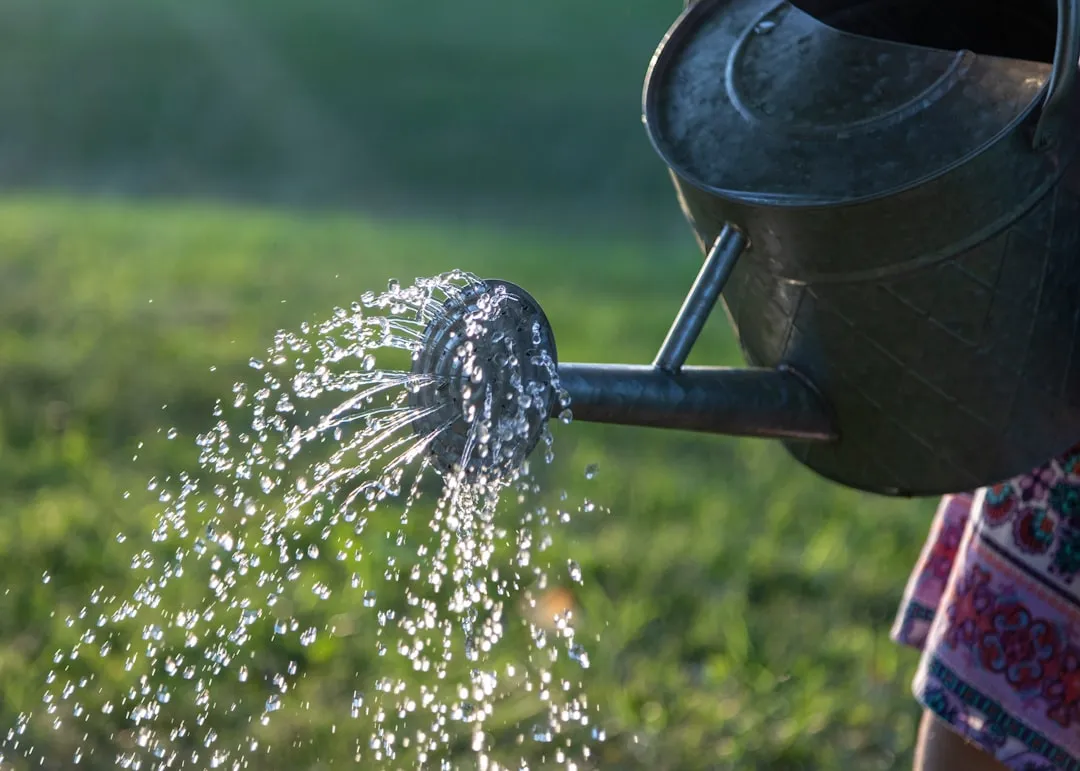
The conditions that cause blossom end rot are closely linked to inconsistent soil moisture throughout the growing season. Since calcium is only moved into the plant with an ample moisture supply, when drought occurs the fruit continues to develop but will be affected by a calcium deficiency.
If your plants experience periods of drought followed by heavy watering, or simply dry out too much between waterings, calcium transport goes haywire. When the soil dries out, the plant struggles to take up water, and therefore calcium. Then, when you water heavily, the plant tries to catch up, but the sudden rush doesn’t fix the prior deficit in the fruit’s development.
Soil pH and Its Overlooked Role
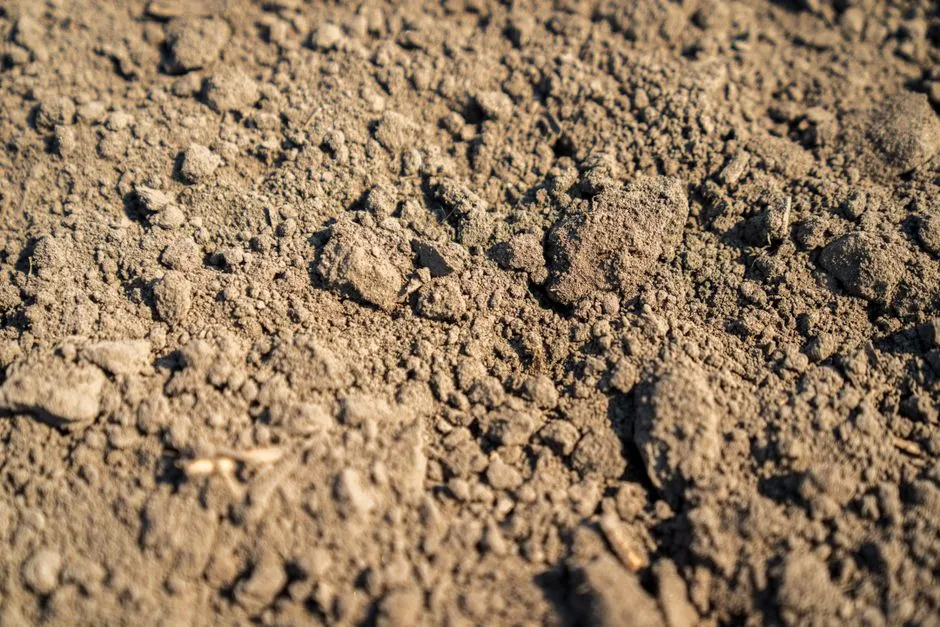
Factors that can reduce the uptake and movement of calcium into the plant include low calcium levels in the soil, excessive soil moisture, root damage, and a soil pH that is too high or too low below the optimum 6.5. Calcium moves through the soil primarily via mass flow, which means it’s carried along with water as plants transpire. Calcium is most available in soils with a pH between 6.0 and 6.5.
In highly acidic soils, calcium is less available to the plant. If the pH is too low, lime can be added to raise it and increase calcium availability. Running a basic soil test before planting is a small step that can save an entire season’s harvest.
How Nitrogen Fertilizer Makes Things Worse
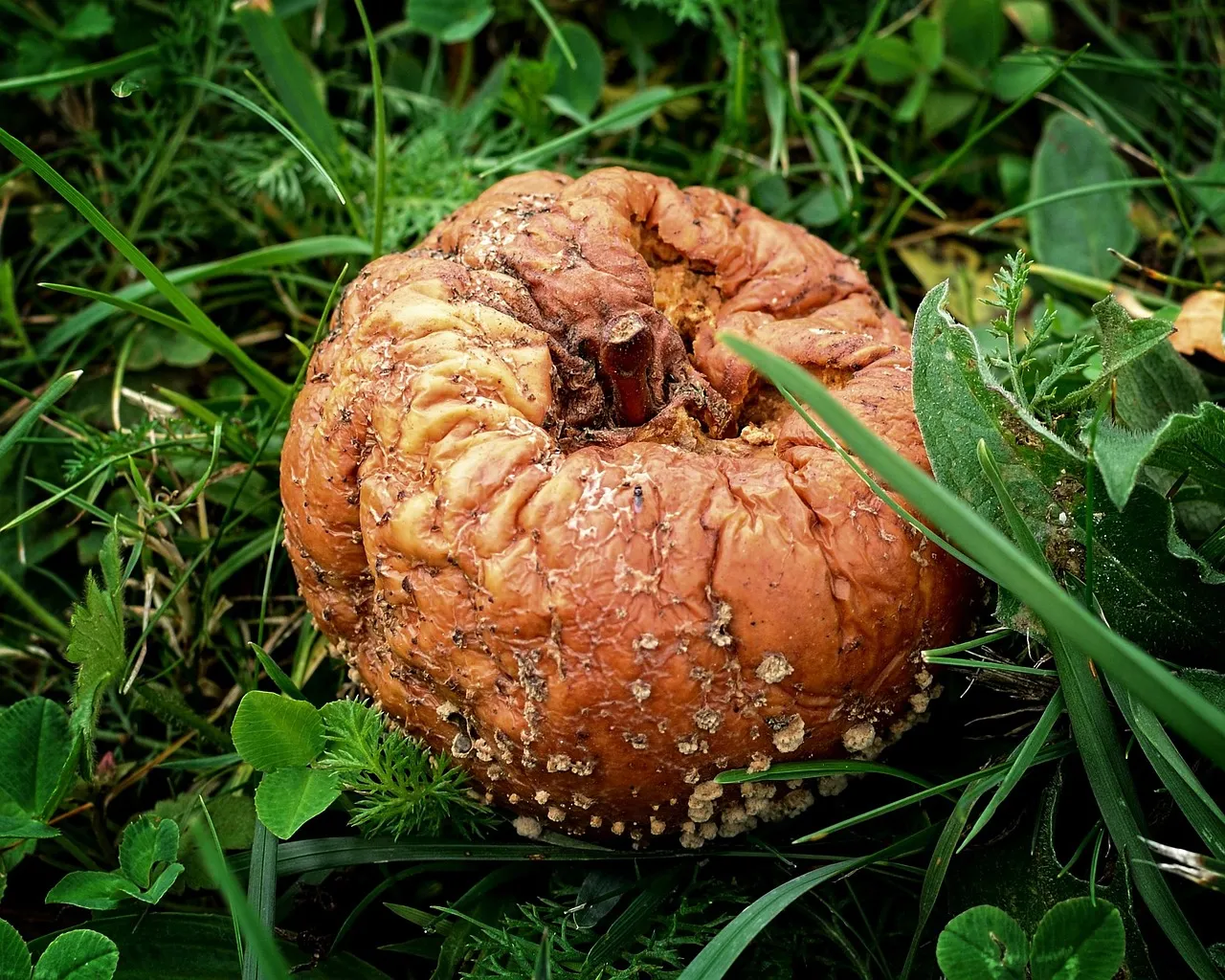
Too much nitrogen fertilizer can contribute to the problem of blossom end rot by diverting calcium for leaf growth at the expense of the fruit. Heavy doses of fertilizer containing ammonium nitrate, a common nitrogen source, creates competition with calcium ions for absorption by the roots. The ammonium ions win, providing lush vegetation with low calcium levels and likely blossom end rot issues down the road.
Rapid early growth of the plants can cause the rot because the calcium is needed by the tomatoes when they are actively growing, and the plants may not be able to take up sufficient calcium quickly enough through the roots. The lesson: a plant growing too fast in nitrogen-rich soil is actually a liability, not an asset.
Mulching as a Practical Defense
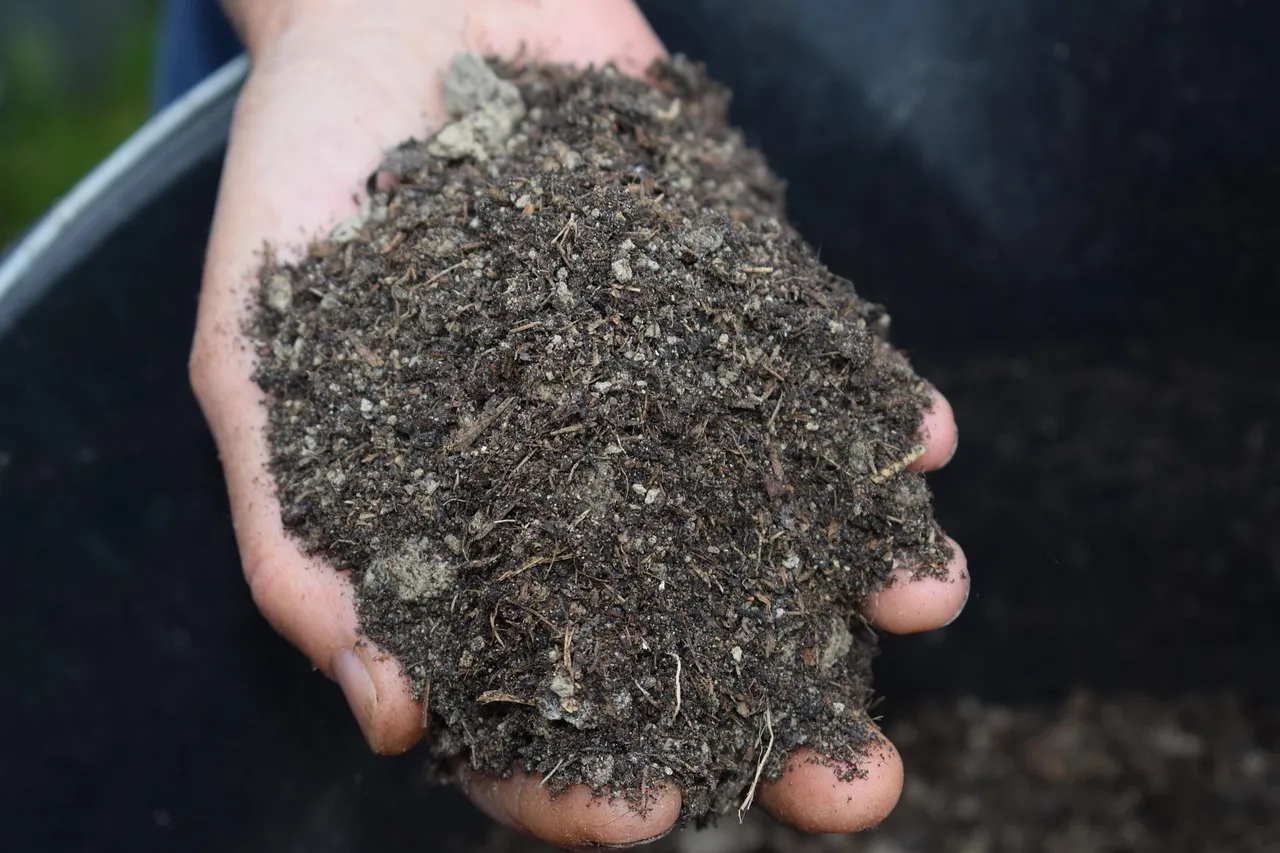
Mulching your soil under the tomatoes serves the triple benefit of gently moderating the sometimes harsh boom-and-bust summer soil moisture cycle, reducing weed problems, and preventing soil-borne pathogens from splashing up onto lower leaves. Applying a layer of organic mulch, such as straw, shredded leaves, or grass clippings, around the base of your plants helps retain soil moisture and provides a more stable environment for nutrient uptake.
Apply two to three inches of organic mulch around plants – this maintains steady soil temperature and moisture levels while preventing the stress that triggers calcium uptake problems. It’s one of the simplest, most cost-effective tools in the garden, and it pays dividends all season long.
Smarter Watering Strategies That Work
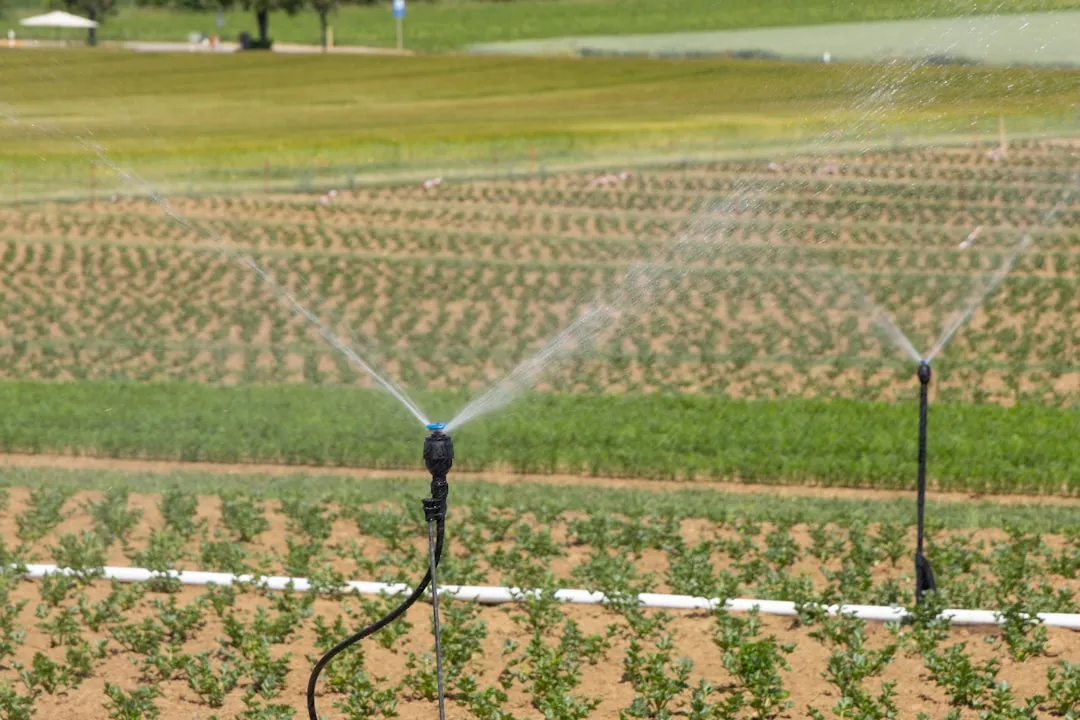
Once fruits begin to form, water to supply one to two inches per week from rain and irrigation combined. Water deeply one to two times per week rather than frequent shallow waterings to promote good root growth. Drip irrigation systems or soaker hoses deliver water slowly and directly to the root zone, minimizing evaporation and ensuring consistent moisture without waste.
Transpiration slows down when there is high humidity, resulting in less water being needed from the soil. Less water from the soil means less calcium coming into the plant, so extended periods of high humidity can also result in blossom end rot. This is worth keeping in mind during muggy summer stretches even when rain seems plentiful.
Adding Calcium When It’s Truly Needed
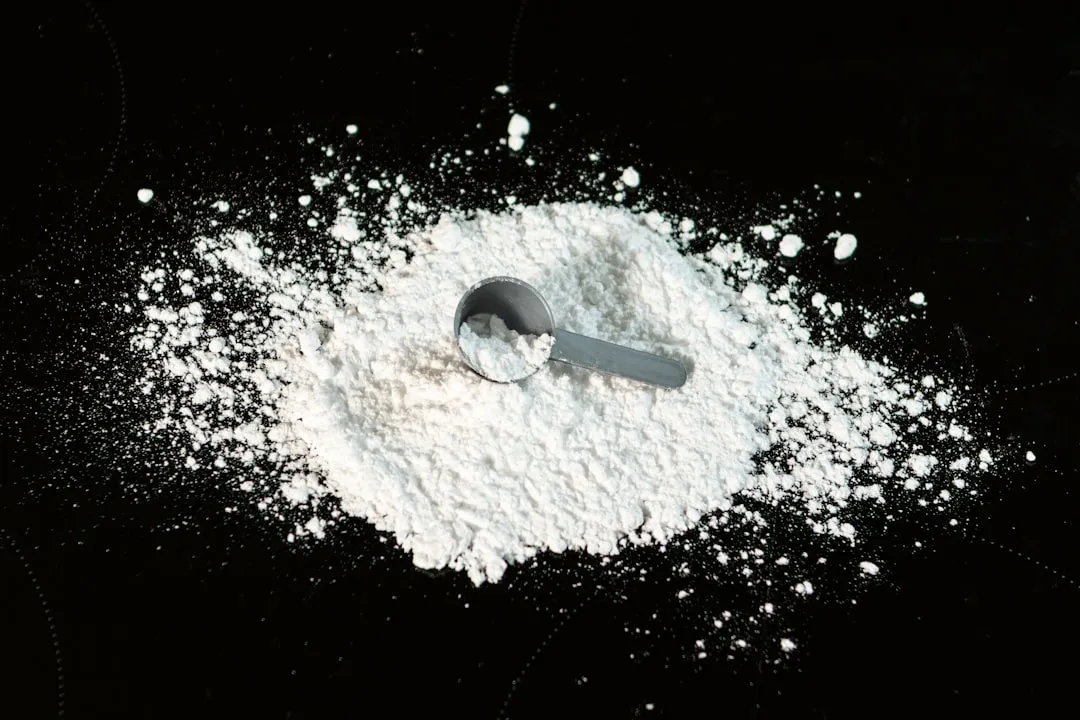
Calcium nitrate is a water-soluble source of calcium and nitrogen and is routinely injected in drip irrigation systems. Injections of soluble calcium sources should begin at bloom and proceed until fruit is approximately golf ball-sized. This is believed to be the critical time when calcium must move into developing fruit to avoid onset of blossom end rot.
Foliar calcium sprays can offer a temporary fix by delivering calcium directly to leaves, but they rarely solve the root cause. True calcium deficiency in the soil is uncommon. Addressing inconsistent watering, proper soil pH, and good soil health are far more effective long-term solutions than simply adding more calcium.
Epsom salts are often touted as a cure-all for tomatoes, but this is a garden myth. Excess magnesium is a cation that can inhibit calcium uptake in tomatoes, and Epsom salts are about ten percent magnesium. While magnesium is required in small amounts by plants, it typically isn’t deficient in garden soil. Applying Epsom salts in large quantities can actually cause blossom end rot, not cure it.
What to Do Once Rot Has Already Appeared
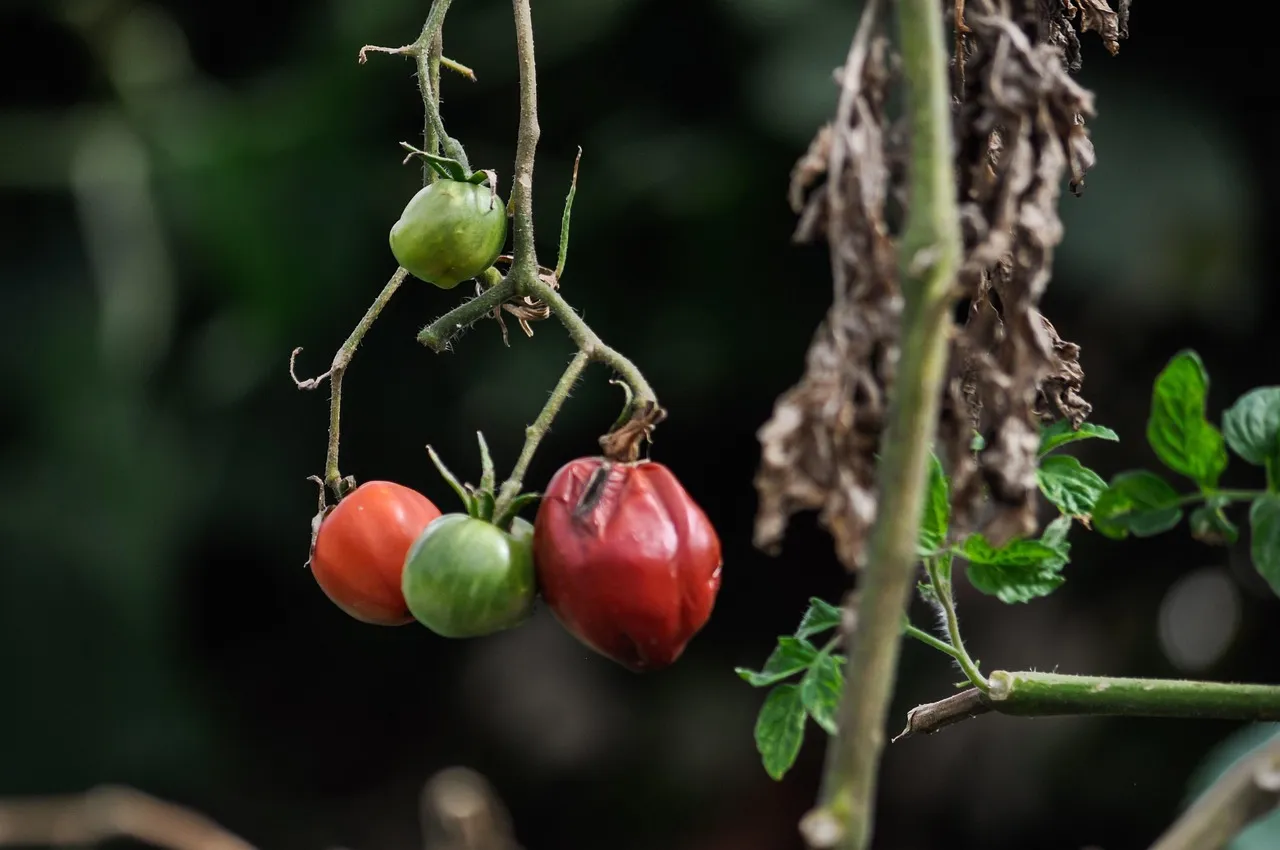
Once end rot forms on a tomato fruit, there’s no way to get rid of it. If the lesions are small, you can let the fruit ripen and simply cut off the end when it’s ready to eat. Remove affected fruits immediately to redirect the plant’s energy toward producing healthy new growth.
New fruits that develop after you implement corrective measures, like consistent watering or mulching, should be free of the problem. The disorder does not spread from fruit to fruit like a disease, so correcting the growing conditions is genuinely enough to turn things around mid-season.
Which Varieties Are Most Susceptible
In tomatoes, blossom end rot is commonly seen on larger and elongated varieties, which can have a greater demand for calcium. Paste tomatoes like Roma and San Marzano, and large-fruited heirloom varieties, tend to be more susceptible. This is often due to their rapid growth and the high demand for calcium in their fast-developing fruits.
Blossom end rot is more likely to develop when fruiting vegetables are grown in raised beds, especially when planted in the southern or southwestern-facing corners where soil moisture levels can be more quickly depleted. Potted tomato plants are generally more susceptible to this nutritional problem than when grown in the ground. Container growers, in particular, need to be especially diligent about consistent watering from the moment fruits begin to set.
The Bigger Picture: Prevention Always Wins
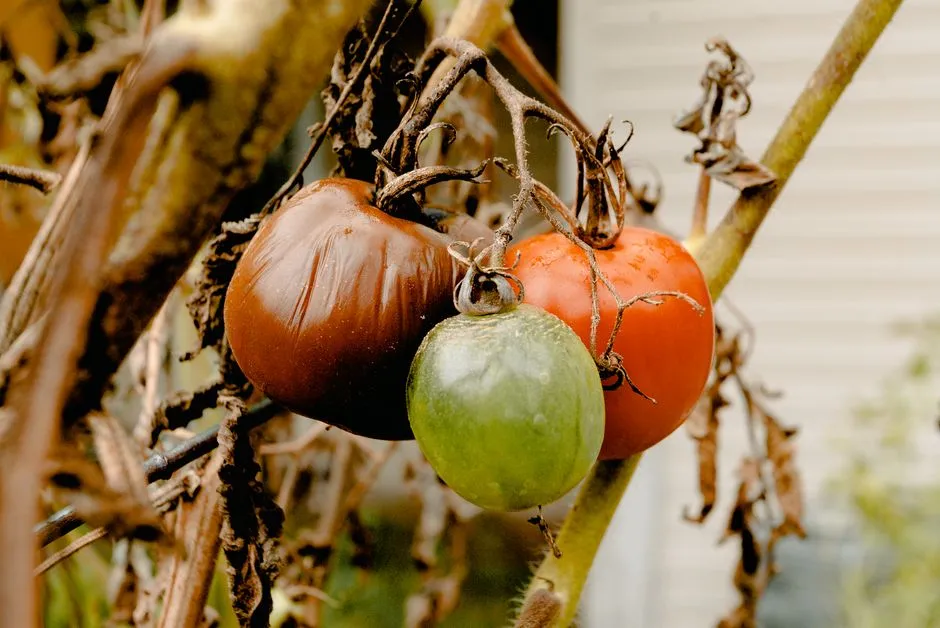
Extensive research into the physiological aspects of the disorder has demonstrated that the underlying causes of blossom end rot are associated with perturbed calcium homeostasis and irregular watering conditions. Blossom end rot in tomatoes is a physiological disorder primarily caused by the disruption of calcium absorption and transport. The science keeps pointing to the same practical truth: consistency matters more than any single product or remedy.
By using a few simple irrigation and fertilization practices, damage from blossom end rot can be prevented or reduced. Start with a soil test, get your pH right, mulch heavily, water deeply and evenly, and hold back on nitrogen during fruit set. Those steps address the actual chain of events that leads to rot, rather than chasing symptoms after the damage is done.
A first harvest should be a reward, not a disappointment. The plants will do their part once the growing conditions support them – and with blossom end rot, the conditions are something you genuinely have control over.
AI Disclaimer: This article was created with the assistance of AI tools and reviewed by a human editor.