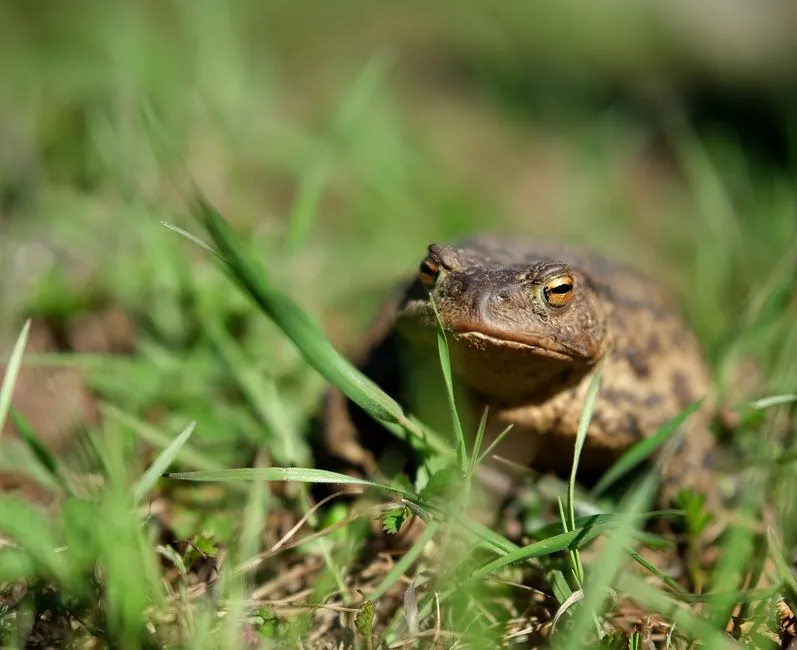

Most gardeners reach for a spray bottle the moment they spot aphids or slugs. It’s instinctive. What’s less instinctive is looking down at the damp soil near your flower beds and realizing that the stocky, warty little creature sitting there is already doing the job for free. Toads are one of the garden’s most underrated allies, and giving them a simple place to rest is one of the easiest things you can do for the health of your outdoor space.
Why Toads Are Worth Welcoming
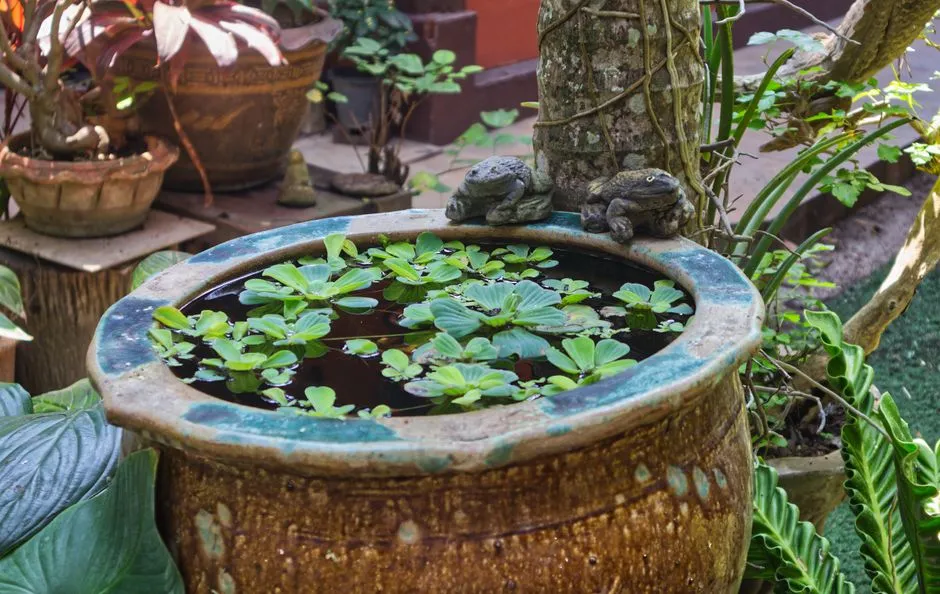
Toads can eat between 50 and 100 insects and other prey each night, or as many as 10,000 in a single growing season, including slugs, earwigs, Japanese beetles, cutworms, grasshoppers, sow bugs, snails, cucumber beetles, grubs, and tent caterpillars. That’s a remarkable range of pests covered by a single animal. Hosting a toad means fewer pests and less reliance on harsh chemical pesticides or laborious pest control methods.
Toads are sensitive to pollution and chemicals, so their presence often indicates that your garden is a thriving, chemical-free environment. They’re practically a living health gauge for your soil and plants. Toads are also an essential part of the food chain in the garden, serving as a food source for larger predators such as snakes, birds, and mammals. By supporting a healthy population of toads, you’re indirectly supporting the biodiversity of your garden and helping to maintain a balanced ecosystem.
Understanding What a Toad Actually Needs
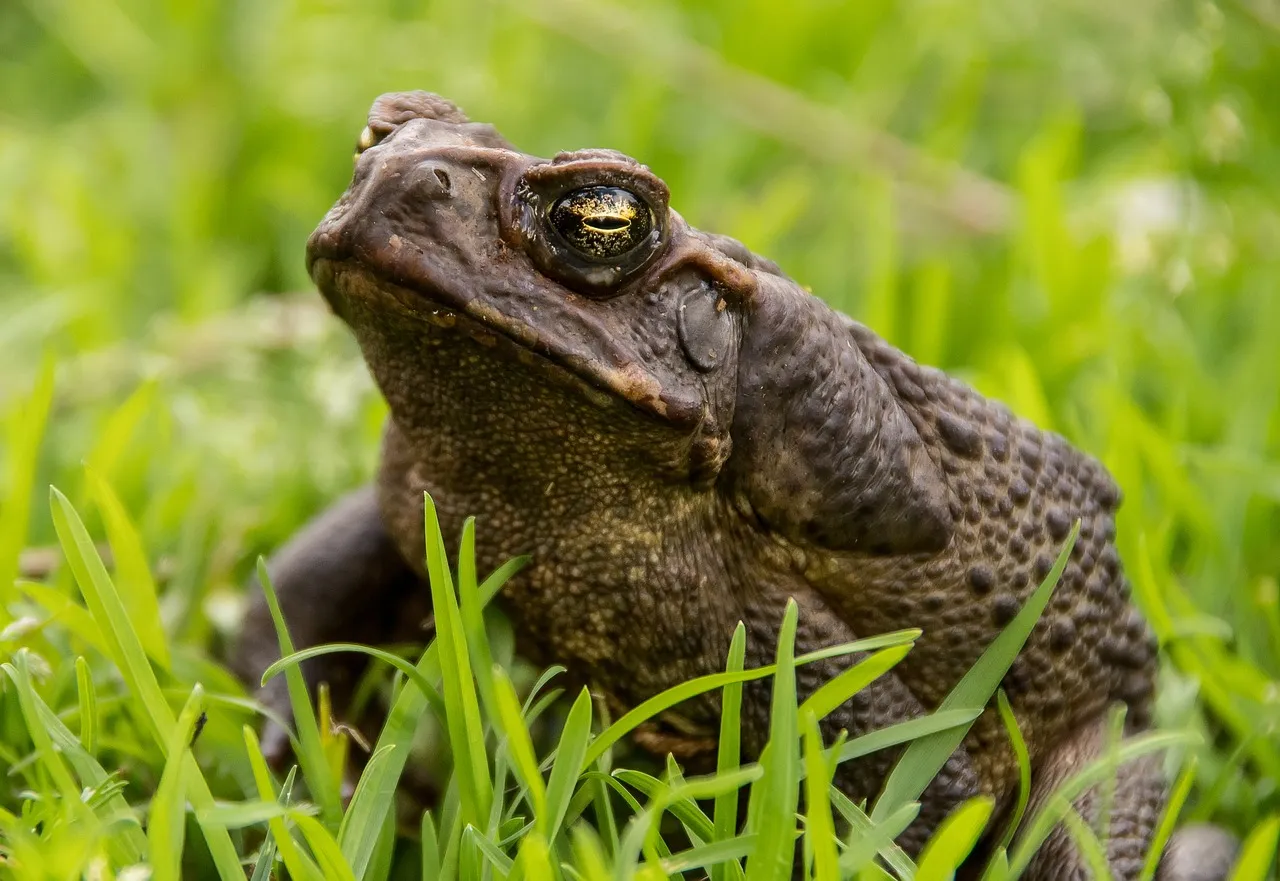
Known for their reclusive nature, toads seek refuge during daylight hours in moist, shaded spots like under logs, within thick leaf piles, or inside shallow burrows, only emerging at night to hunt. That nocturnal lifestyle is key to understanding where and how to build a shelter for them. Make sure whatever house you make does not have a bottom, as toads will want to burrow down a little and make the house their own.
Toads need access to water, not deep water, but just enough to get a daily soak. Small garden ponds, bird baths, or even a terracotta plant saucer will work. The combination of cool shelter and nearby moisture is the core formula for attracting them. Since toads have permeable skin that can lose moisture quickly, maintaining a damp area in the garden is genuinely beneficial for them.
Choosing Your Materials
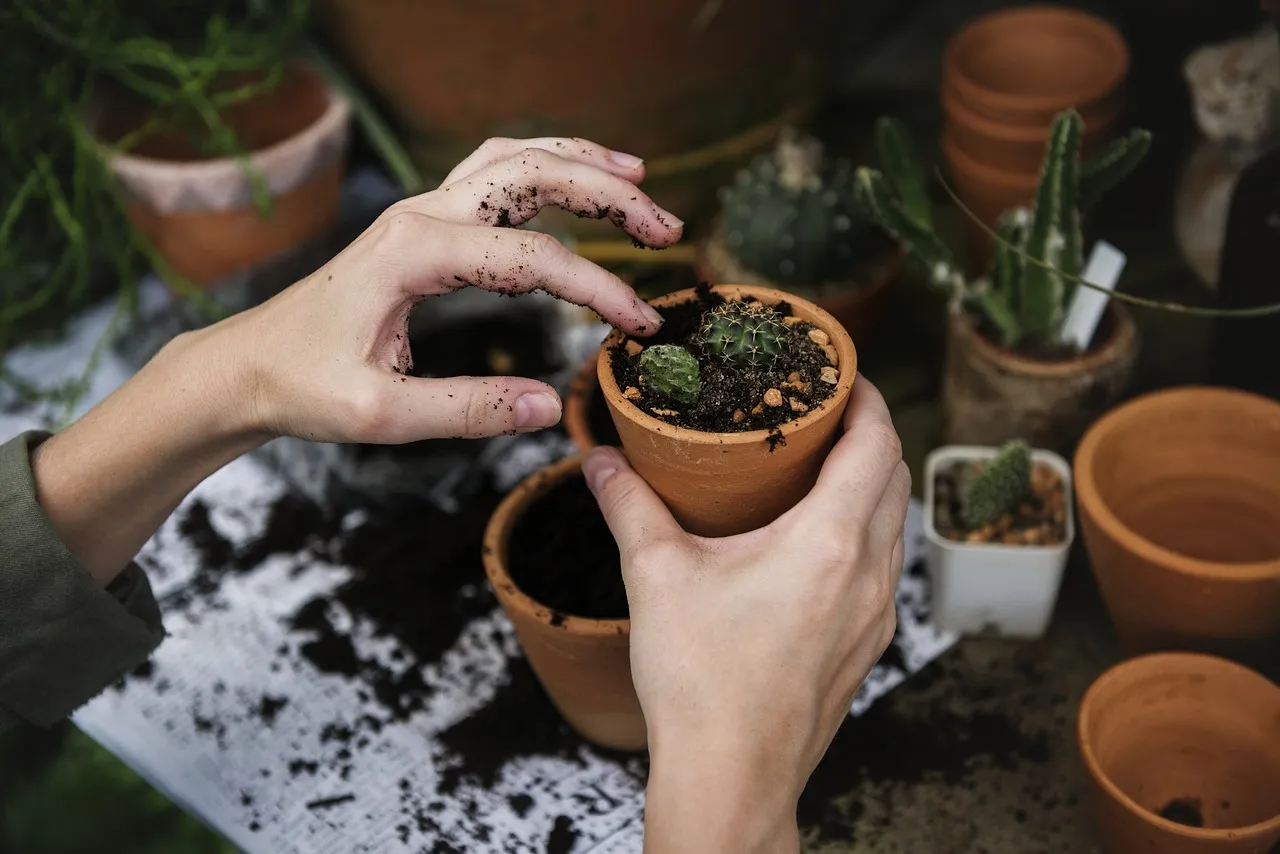
A simple toad house can be constructed from just about any small, opaque vessel with an opening large enough to accommodate its residents. A coffee can or plastic container will work, but using a container of stone, ceramic, or clay will provide better protection against the midday heat. Clay is the preferred choice for many gardeners precisely because it stays naturally cool. Using a clay pot is a great option because they stay cooler in the hot summer months, allowing your amphibious friends to escape the heat.
While just about anything can be repurposed into a toad house since it just needs to provide a bit of shelter, terra-cotta flowerpots are a popular option. They’re inexpensive, widely available, and easy to work with. A toad shelter can be made out of anything, but a toad house constructed from an old terracotta garden pot, some outdoor paint, and twigs and moss makes a natural and functional choice.
The Classic Terracotta Pot Method
The first method is to lay the pot horizontally on the ground and bury the lower half in the soil, resulting in a toad cave. The second option is to set the pot upside down on a circle of rocks. Both approaches have merits depending on your garden layout. When using the upside-down method, make an entryway by removing a couple of rocks to create an accessible entrance.
Once your toad house is dry, turn the pot sideways and place it into a shallow hole. Half of the pot should be below ground level and the other half above. Position the pot so the opening faces north, away from the sun. Fill the bottom of the pot with dirt and pat it down firmly. This grounding technique helps the shelter stay cool and stable through seasonal changes. A good size for a toad house is between four and six inches wide at the base. Smaller toads do well in a four-inch house, while larger, more seasoned garden residents will prefer a six-inch pot.
Carving the Entrance
Start by chipping out a doorway or entrance in the rim of the flower pot. Terra-cotta is brittle, so take care with this step. A slow, steady approach with a small chisel or flathead screwdriver works well. Make entrance and exit holes by drilling a series of holes in a semicircular pattern above the lip of the flowerpot.
The opening doesn’t need to be large or perfectly shaped. Toads are adaptable and will squeeze into surprisingly compact spaces as long as there’s enough room to enter comfortably. Alternatively, you can partially bury an old birdhouse and fill it with soft soil to ground level, leaving the entrance hole just barely above the ground so a toad has easy access.
Choosing the Perfect Location
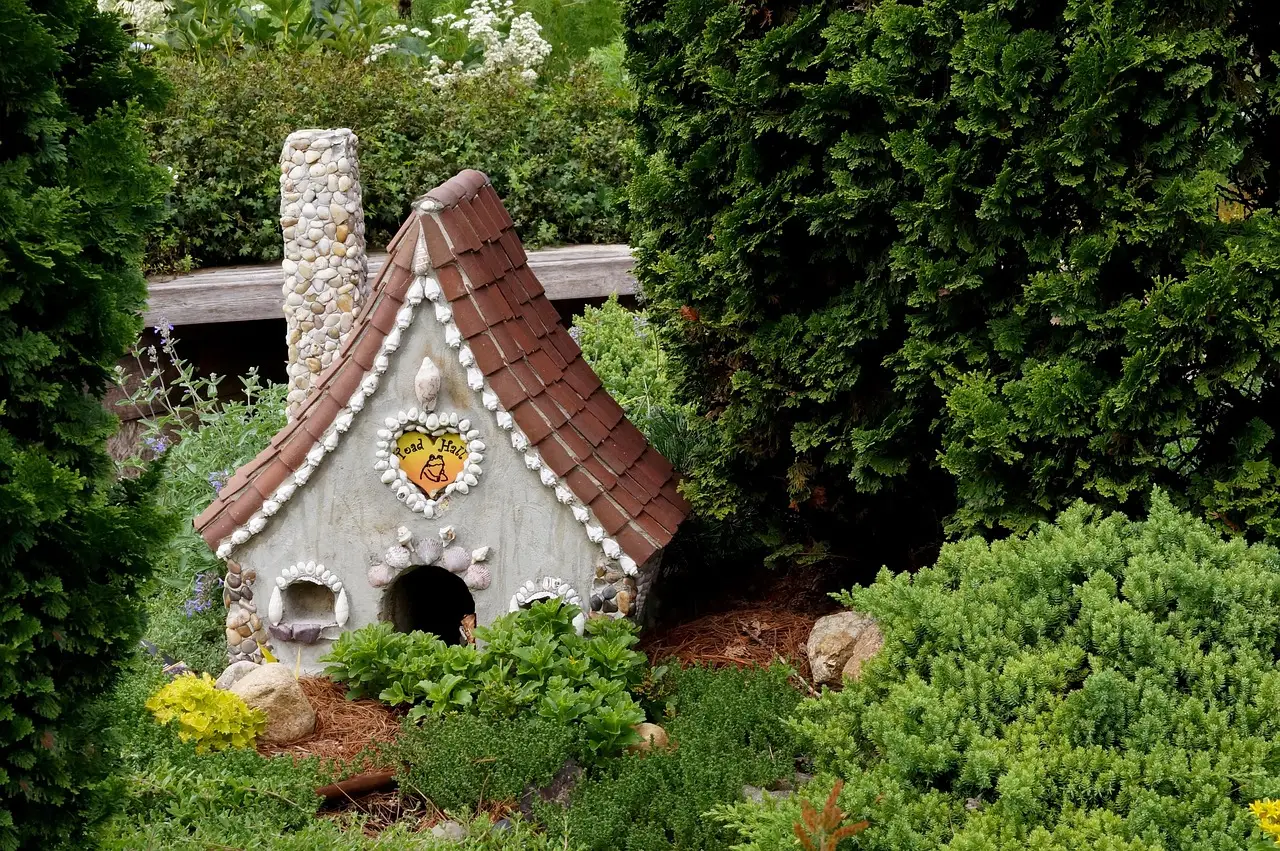
A toad house for the garden needs a shady location, preferably under a shrub or plant with low-hanging leaves. Make sure there is a source of water nearby. In the absence of a natural water source, sink a small dish into the soil and keep it filled with water at all times. Shade is the single most important placement factor. Because toads hole away during the day to keep cool, putting your toad house in the shade is a must. Even if your garden gets full sun most of the day, find a little place behind a shrub that will provide some shade in the hotter afternoon.
Placing it under a bush, near a downspout, or under an air conditioner drip would work great. Those naturally damp zones are exactly where a toad would choose on its own. Try to space multiple toad houses at least ten feet away from each other so that resident toads have clearly defined territories without competition.
Decorating Without Harming
Making your toad abode a real home with some decorating is a fun way to match your personal style. Giving kids the opportunity to paint the home is a great activity and opportunity to teach them about amphibians, wild critters, and conservation. If you want to decorate your abode, make sure to use non-toxic, washable paint, as other paints could be harmful to your new friend.
Collecting stones, acorns, moss, shells, and anything else from your backyard makes for nice natural siding and roofing. Natural decorations blend into the garden and won’t stress the toad. When painting decorated pieces, cover them with two layers of acrylic sealer, but don’t spray the interior. That keeps any surface treatment away from direct toad contact.
Adding Water and a Welcoming Environment
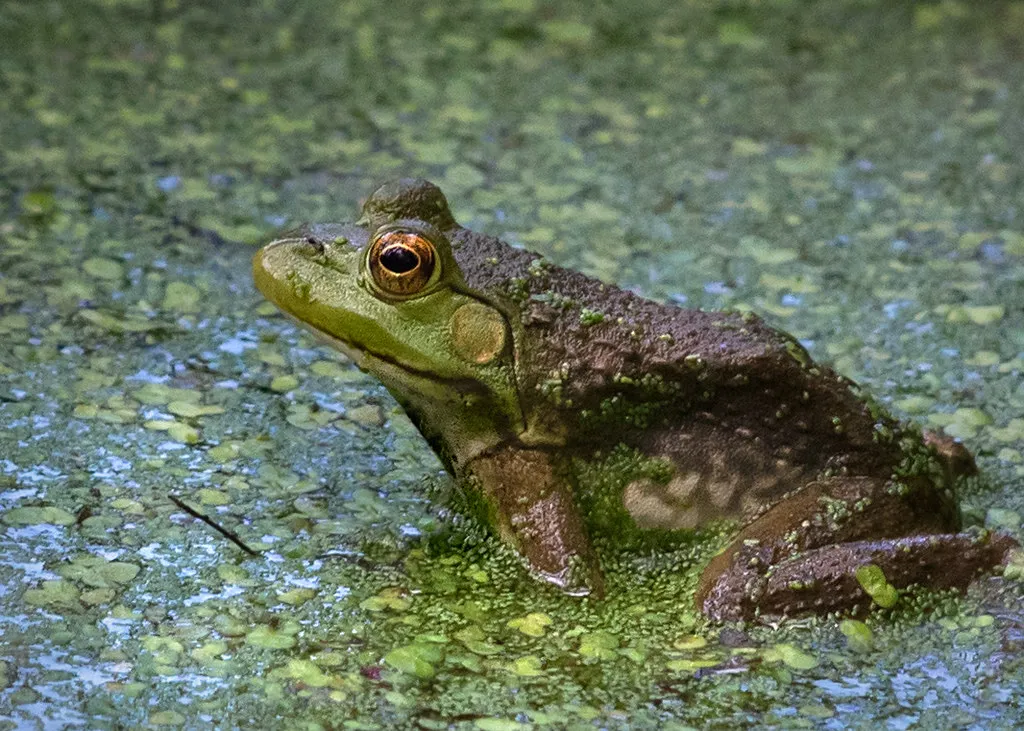
Setting up a shallow water feature or a toad pond provides the moisture toads need. Ensure that edges are low or include ramps so that the toads can easily enter and exit the water. This is a detail that many people overlook. A toad that can’t climb out of a water dish will drown, making accessibility as important as the water itself. Give your water source a daily spritz with the hose to keep the water fresh, and scrub it with a wire brush if you start to see algae appear.
Temporarily hanging a soft light a couple of feet above the ground near the entrance to the toad house to attract insects will draw toads if there are any living in your yard. This is a useful trick in the early days after installation. Placing toad houses near rain barrels or in a wood-chipped area in the shade are reliable locations where toads are regularly seen.
Going Chemical-Free to Protect Your Toad Residents
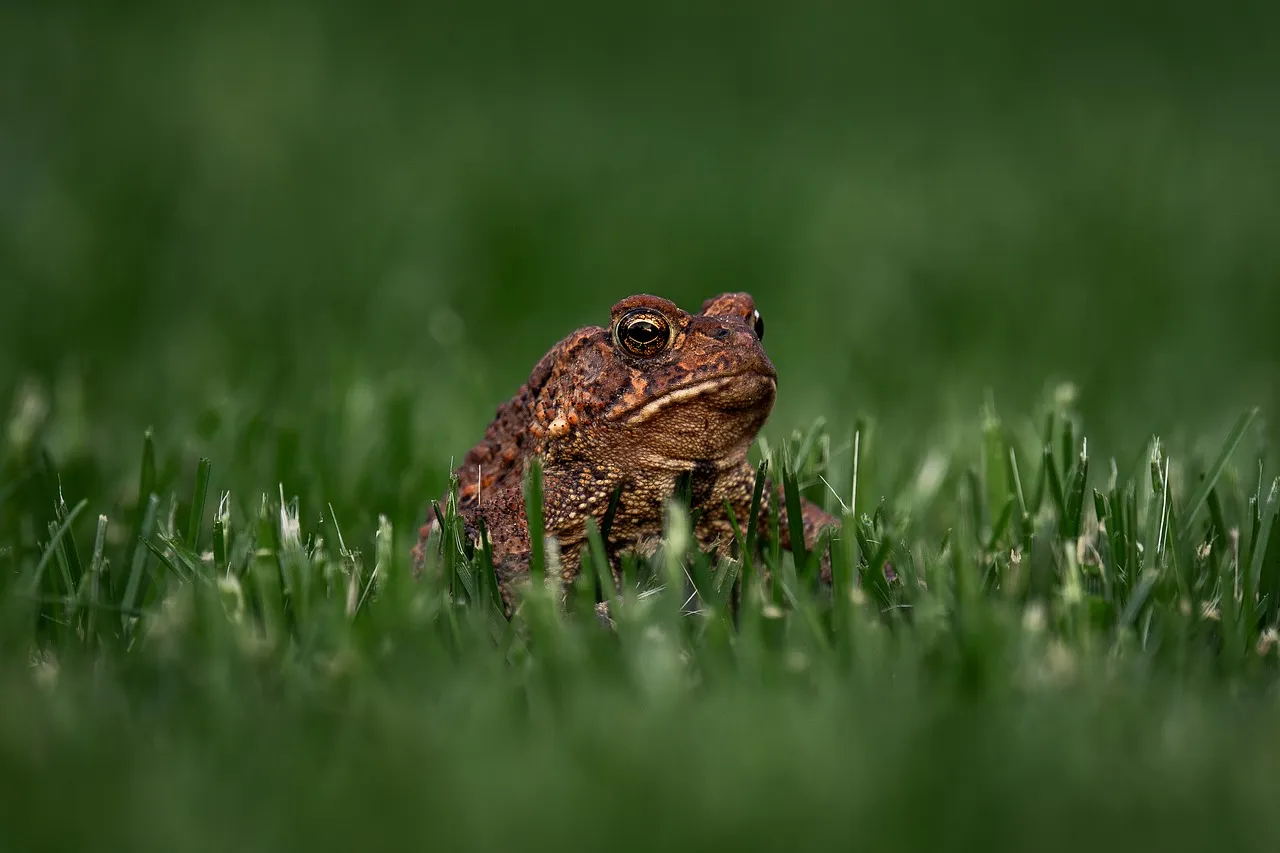
Frogs and toads have highly permeable skin that allows liquids and gases to pass through easily. This makes them particularly sensitive to pollution, especially when developing from tadpoles to adults. This isn’t a minor concern. Dermal uptake of chemicals has been shown to be two orders of magnitude faster in amphibians than in mammals, which means even small pesticide residues can cause real harm.
To keep toads happy in your garden, avoid using chemical pesticides and herbicides, cultivate a diverse garden with native plants to attract a variety of insects, leave some areas of your garden wild with leaf litter and natural debris, and minimize nighttime lighting which can disrupt toads’ natural cycles. The average decline in overall amphibian populations is 3.79 percent per year, and if this rate remains unchanged, some species will disappear from half of the habitats they occupy in about 20 years. Building a toad abode is a small act, but reducing pesticide use to go with it makes it genuinely meaningful.
Patience: Letting the Toad Find You
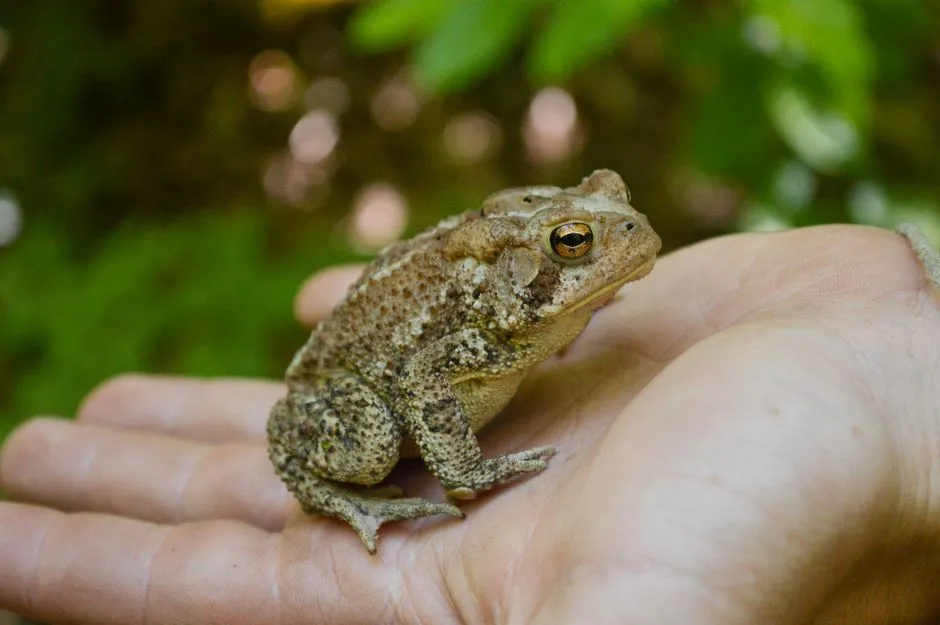
At first glance you might think a toad abode is just a cute garden decoration, but toads really do use these little cottages. It could take anywhere from a couple of days to a few months for a toad to find and claim your provided home, but once they do they make great yard companions. Resist the urge to intervene. Do not find an adult toad and place it in your yard, as they have already decided where they want to live. Instead, put your abode out during the growing season so that young toads searching for a place to call home will find it over the summer.
Left to fend for themselves, toads will seek out fallen branches, leaf piles, or other spots with nearby access to water and food. Once they have settled on a home, they will return year after year to patrol the yard, gobbling up garden pests like grubs, slugs, and insects. That loyalty is one of the most rewarding parts of the whole project. Toads and frogs will often return to the same location from year to year as long as the environment is pleasant and there is plenty to eat.
Conclusion
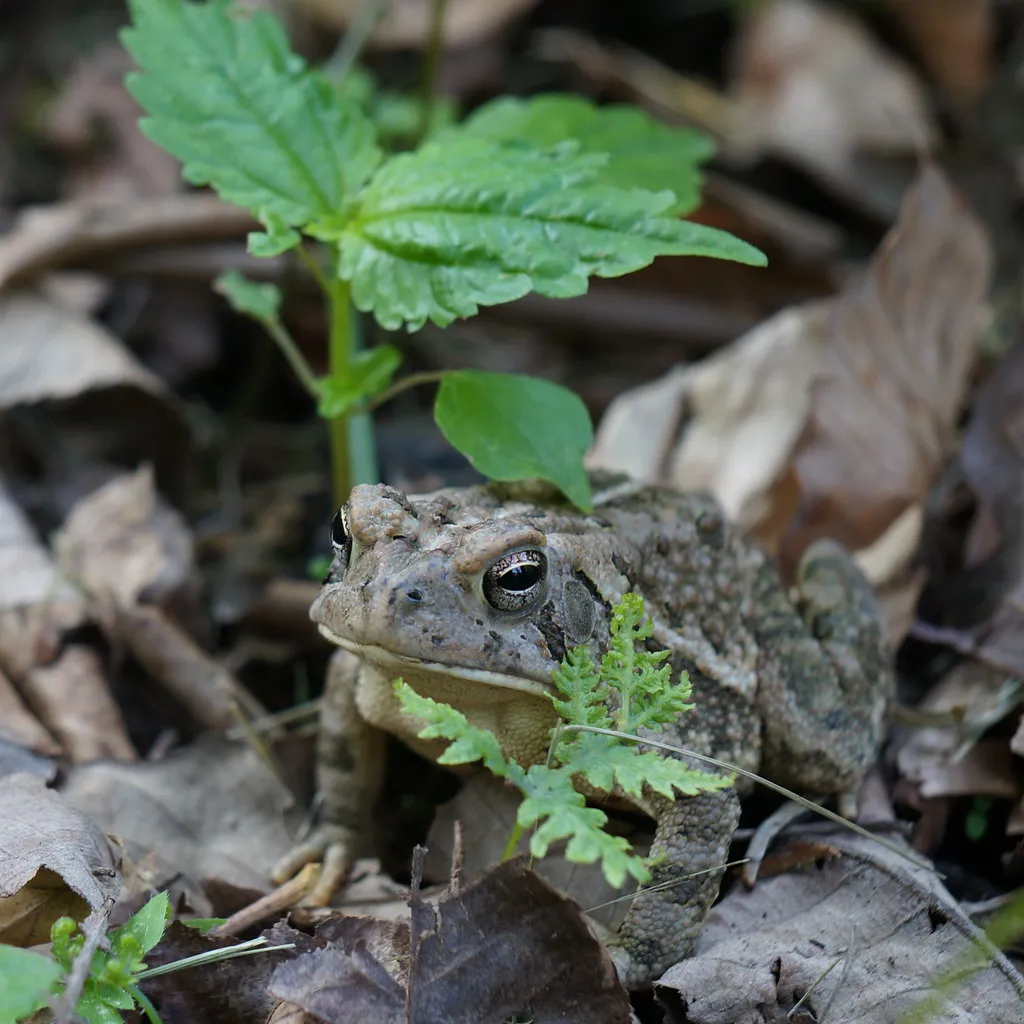
Building a toad abode takes less than an afternoon and costs next to nothing. A clay pot, a shallow dish of water, a shady corner, and some patience are genuinely all that’s required. What you get in return is a natural pest controller working every night through the growing season, completely on its own terms.
There’s something quietly satisfying about knowing a toad has moved in. It signals that your garden has reached a certain balance, one where something wild has judged your space worthy of residence. That’s a better endorsement of your gardening than any chemical result could offer.
AI Disclaimer: This article was created with the assistance of AI tools and reviewed by a human editor.