
There’s a certain crispness that arrives in the air well before the calendar officially announces the end of the growing season. Leaves go golden, mornings turn sharp, and your container garden – the one you’ve nursed all summer – suddenly looks fragile against the coming cold. The window between that first chill and a killing frost is shorter than most gardeners expect.
Getting your containers indoors safely isn’t just about hauling pots through the back door. It involves timing, inspection, gradual adjustment, and a change in how you care for your plants once they’re settled inside. Done right, many of your favorite plants will emerge in spring exactly as you left them in fall.
Know Your Temperature Thresholds Before It’s Too Late

The first thing to understand is that there’s no single magic temperature that signals a universal move-inside date. Softer, more tender plants like geraniums or coleus need to be carried inside to acclimate when nights hit 45 to 50°F, and tropicals like hibiscus can’t deal with anything below 50°F. Temperature tolerance varies considerably by species, so a one-size-fits-all approach will cost you plants.
Keep a close eye on the forecast; container-grown plants are less insulated, and therefore more vulnerable to cold snaps, than those grown in the ground. This is especially critical in early fall when a single cold night can arrive without much warning. Once temperatures drop below about 28°F, covering plants outdoors is typically no longer effective at preventing cold damage.
Your hardiness zone will impact the timing of this transition: zones 3 and 4 may need to bring plants in by the end of September, while growers in zones 7 or 8 may be able to keep their houseplants outdoors well into November. Check your local frost date, and set a reminder well before it arrives.
Start the Gradual Acclimation Process Early
Plants hate sudden environmental changes – it’s one of the most consistent things gardeners learn the hard way. A couple of weeks before temperatures dip to 50 degrees or below, put your potted plants underneath a tree or onto a covered porch so they can start adjusting to the reduced light they’ll experience in your home. This one step alone prevents the most common transition failure: leaf drop.
Move your tropical or non-hardy plants to a shady outdoor location for 10 days to two weeks, which will help them adjust to the lower light conditions they’ll experience indoors. Think of it as a decompression period. Then move them to a porch or garage for three to five days before final placement inside the house.
Plants need time to acclimate to indoors, so the longer you wait to bring them in the more likely they will suffer. A sudden change in light and humidity can shock the plants, causing them to drop foliage, wilt, and even die. Starting early costs you very little effort and saves you a great deal of heartbreak.
Know Which Plants Are Worth Bringing Inside
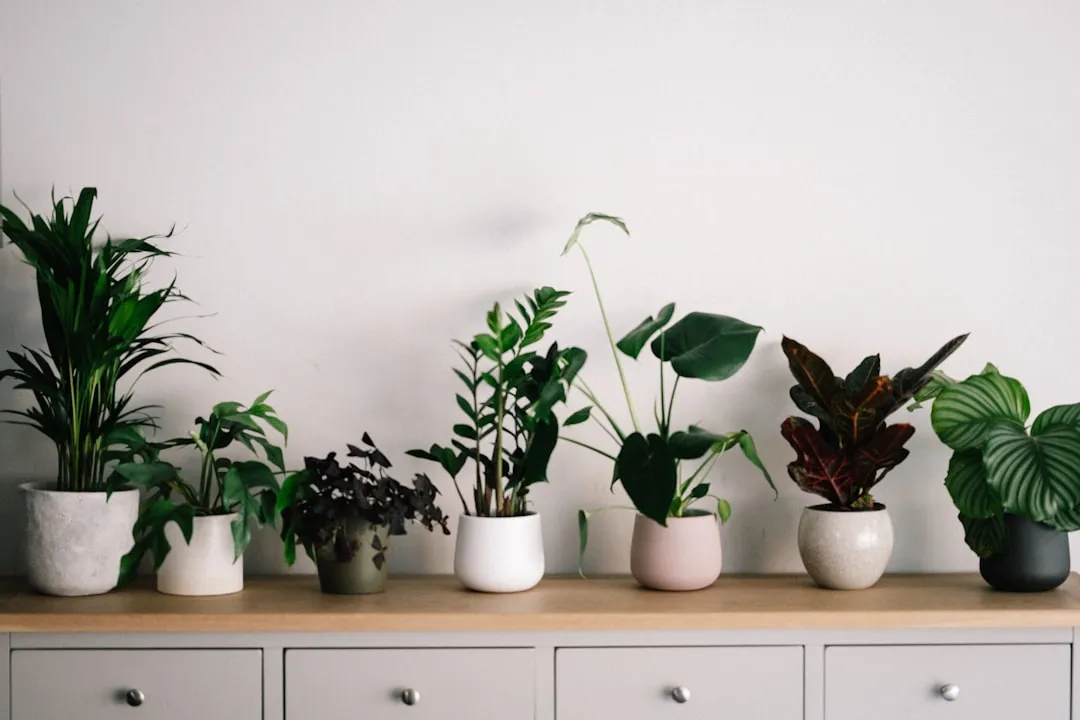
Not every plant in your container garden deserves a spot on your windowsill. Some plants are not meant to be brought inside and saved for the following season. There’s no point in trying to prolong the life of true annuals such as marigolds, zinnias, and nicotiana. Once they bloom and set seed, these plants are preordained to die.
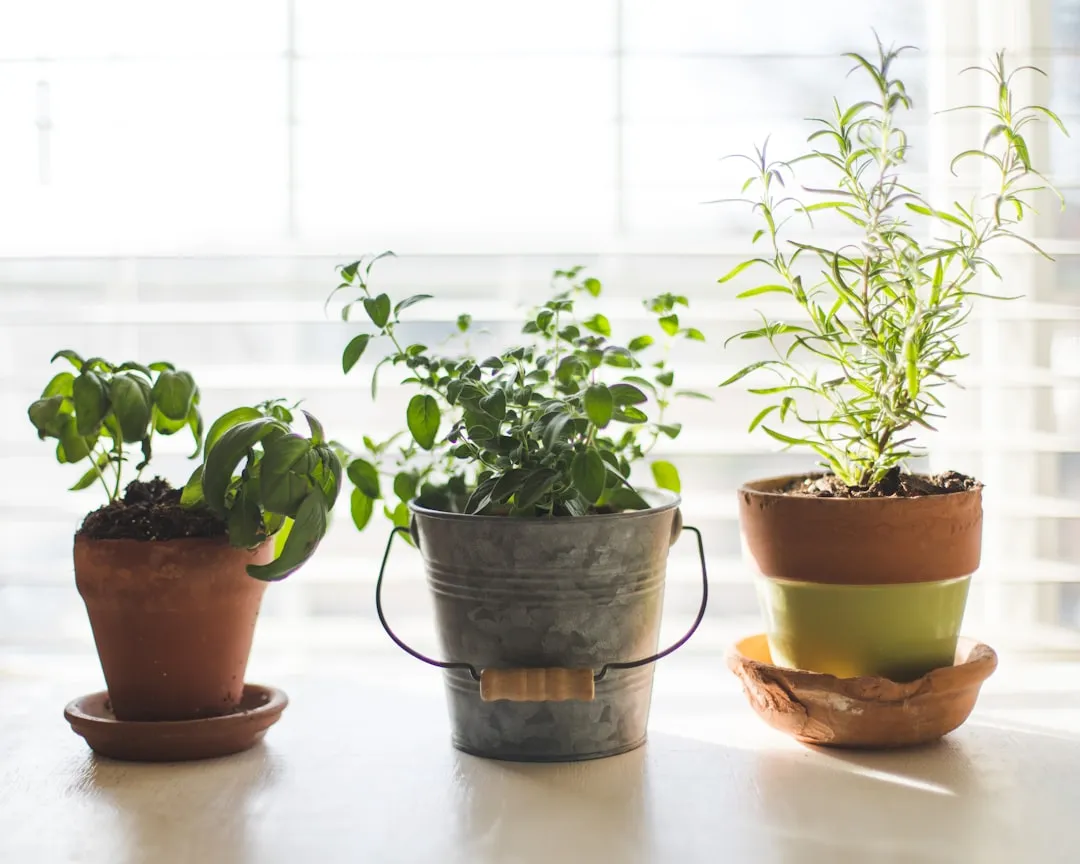
Plants like herbs such as basil, rosemary, and thyme, tropical plants such as ferns, palms, and orchids, succulents such as aloe and jade plants, and flowering plants such as geraniums and begonias can all be successfully brought indoors. These plants often struggle with colder outdoor temperatures, so bringing them inside helps them thrive through winter.
Geraniums can be brought indoors and kept as houseplants or allowed to go dormant in a cool, dry area. Rosemary is a great herb for overwintering indoors as long as it gets enough light. Hibiscus, while it may lose some leaves initially, can thrive indoors and reward you with blooms even in winter. Each of these plants responds well to a careful indoor transition.
Inspect Every Plant Thoroughly Before It Comes Inside
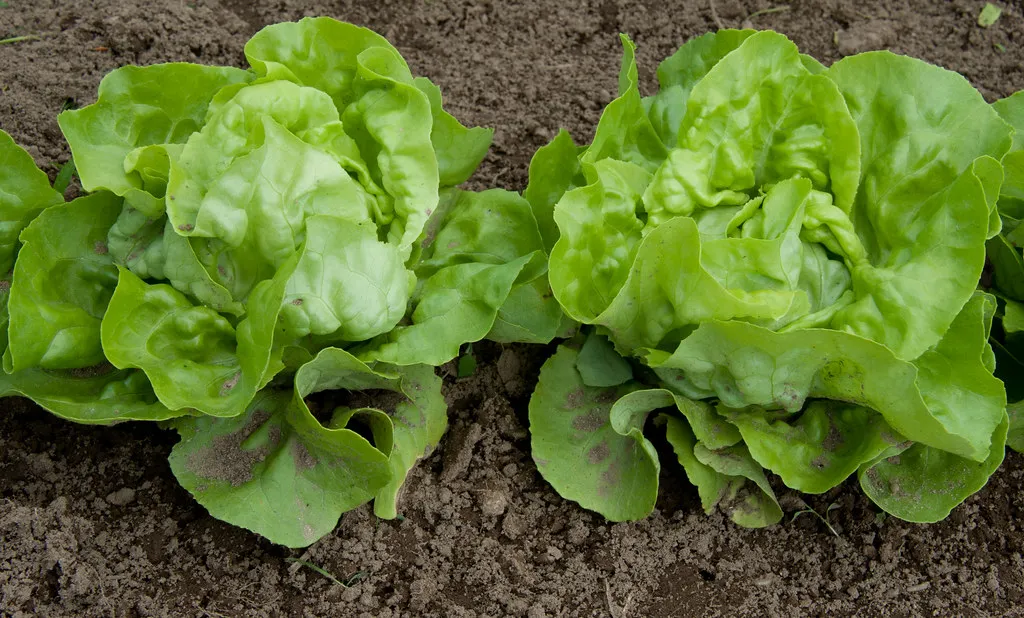
Outdoor containers are living ecosystems. Insects, eggs, and soil-dwelling pests ride along happily if you don’t catch them first. Avoid bringing pests indoors that might infect your other houseplants such as mealybugs, thrips, or spider mites. Do a thorough check in the soil, on the tops and bottoms of leaves, and even the drainage holes of the pot, where pests like slugs sometimes hide.
Gently spray the plants with water from the garden hose or, for more delicate plants, use a sprinkling can filled with warm, tepid water. Be sure to get the underside of the leaves and all along the stems. Besides removing pests, you’re also removing dirt, cobwebs and pollen that you don’t want brought indoors.
Before bringing your plants indoors, thoroughly spray their leaves, stems, and trunks with insecticidal soap to eliminate any remaining pests. Once they’re inside, keep plants isolated from other houseplants for three to four weeks. Typically, if there is going to be an issue with common indoor plant pests, such as scale, mealybugs, aphids, whiteflies, ants, or cockroaches, they will be evident within a month or so of being indoors.
Protect Your Containers From Cracking and Frost Damage
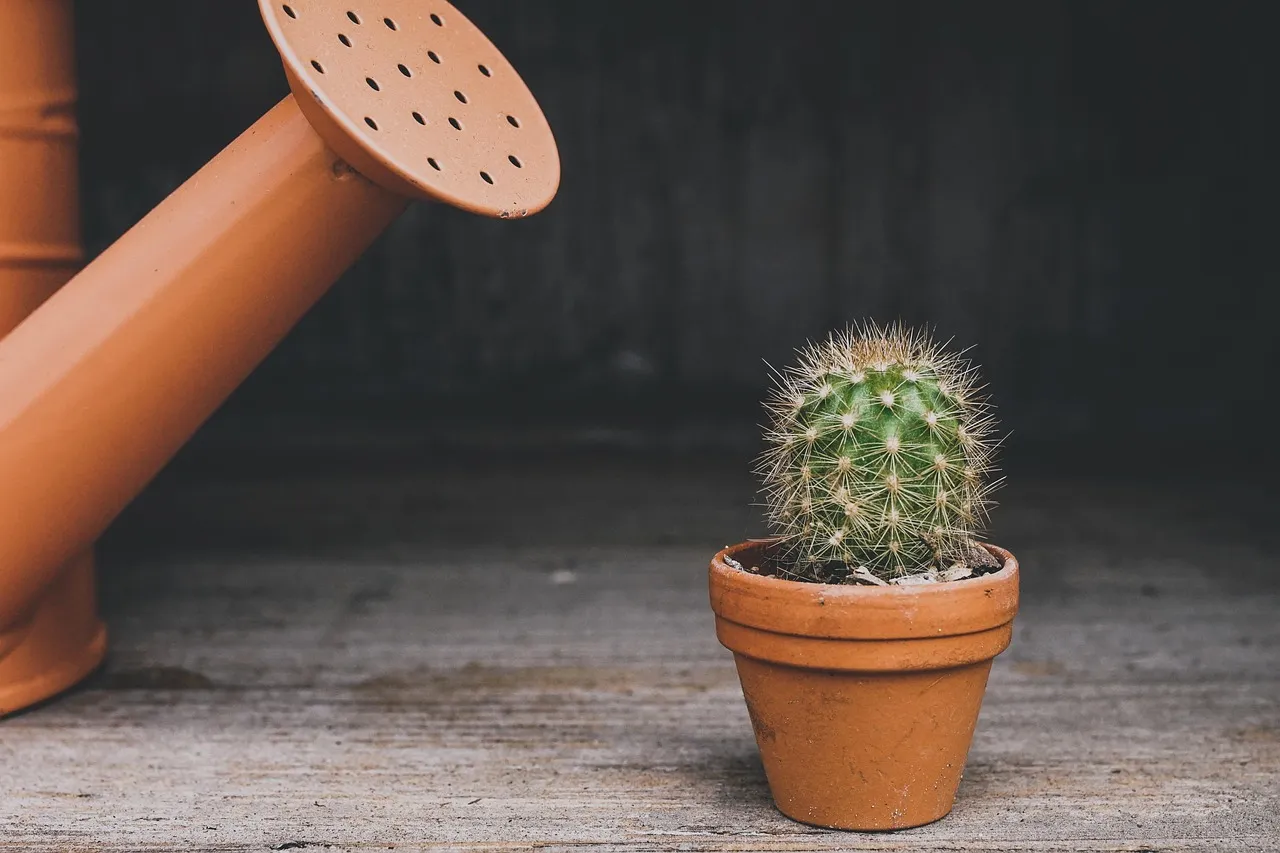
The plants themselves aren’t the only things at risk when temperatures plunge. The containers matter just as much. Pots made from porous and inflexible materials like terracotta and porcelain are more likely to crack when left outside during the winter. That’s because water in the soil and the pot itself expands when frozen, pushing against a pot’s brittle exterior, causing it to break. Even when the soil in the pot appears dry, it can still expand as temperatures plunge.
Wood, plastic, resin, and metal are better container materials for winter survival than ceramic or clay pots. The freeze and thaw cycle can cause ceramic containers to crack. If you have prized ceramic or terracotta pots, simply bring them indoors rather than risk losing them.
Wrap the outside of containers you plan to leave in transitional spaces with bubble wrap or burlap to provide insulation and protect the roots from extreme temperatures. This simple step takes only minutes and can make the difference between a plant that survives and one that doesn’t make it to spring.
Prune and Clean Up Before Moving Day
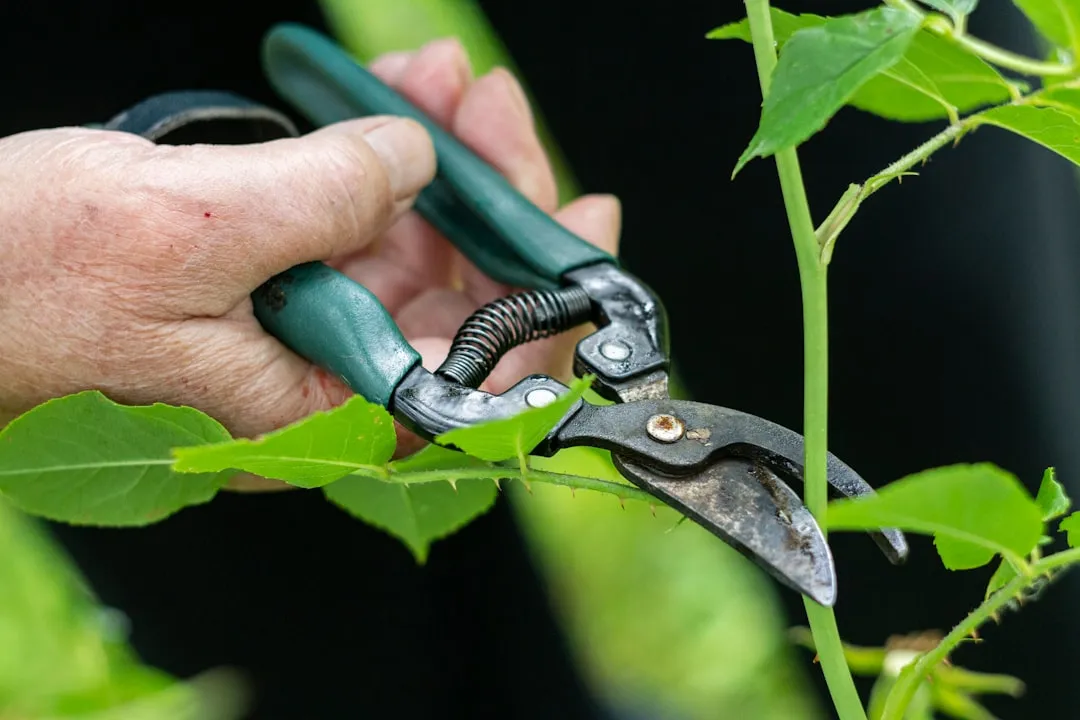
Moving a plant indoors is also a natural opportunity to tidy it up. Before the first frost, inspect plants for pests and treat any infestations to avoid bringing them inside. Prune any dead or excessive growth to help the plant conserve energy. A smaller, tidier plant also takes up less precious indoor space.
Check for any browning and wilting leaves or flowers and gently remove them. This helps the plant to focus its energy on supporting healthy tissue. Continue this light pruning throughout the winter, saving larger pruning efforts for spring.
Avoid heavy pruning at this stage. The goal is a clean, manageable plant that can settle into its indoor environment without unnecessary stress. Major reshaping is best left for early spring, when warmth and longer days give the plant energy to recover quickly.
Choose the Right Indoor Spot for Each Plant
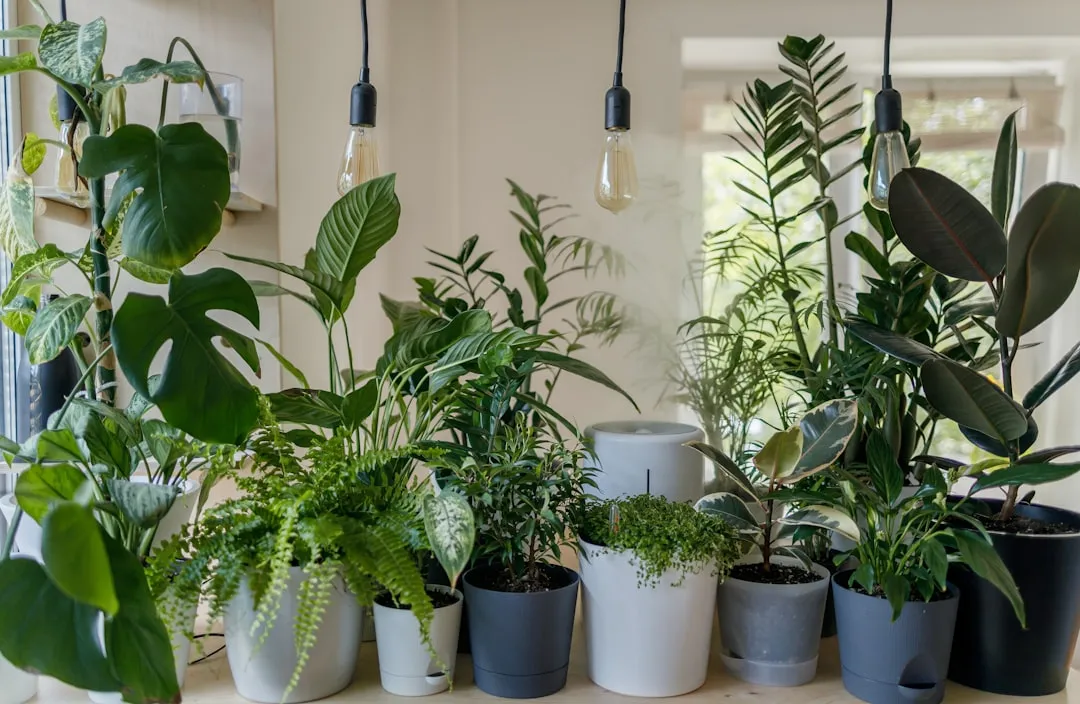
Where you place a plant inside your home matters enormously. Pick a spot for your plants away from furnace vents, heaters, and drafts. Keep them away from doors that will be opened frequently. If the light coming through your windows isn’t bright enough or you live in an area that gets only a few hours of daylight in winter, supplement the light with fluorescents or grow lights.
Most houseplants prefer temperatures between 65 and 75°F. Avoid placing plants near exterior doors or single-pane windows where temperature fluctuations are extreme. The window matters, too. Bright-light plants like cacti need south-facing windows, medium-light plants like monstera prefer east or west-facing windows, and low-light plants like snake plants do well in north-facing rooms.
Place plants brought back inside in bright, indirect light. Even the brightest locations indoors are a fraction of the light intensity found in shade or part-shade locations outside. Some houseplants, especially tropical hibiscus and weeping fig, will drop leaves in response to this change in light intensity. New foliage will grow to replace the lost leaves.
Adjust Your Watering Routine for Indoors
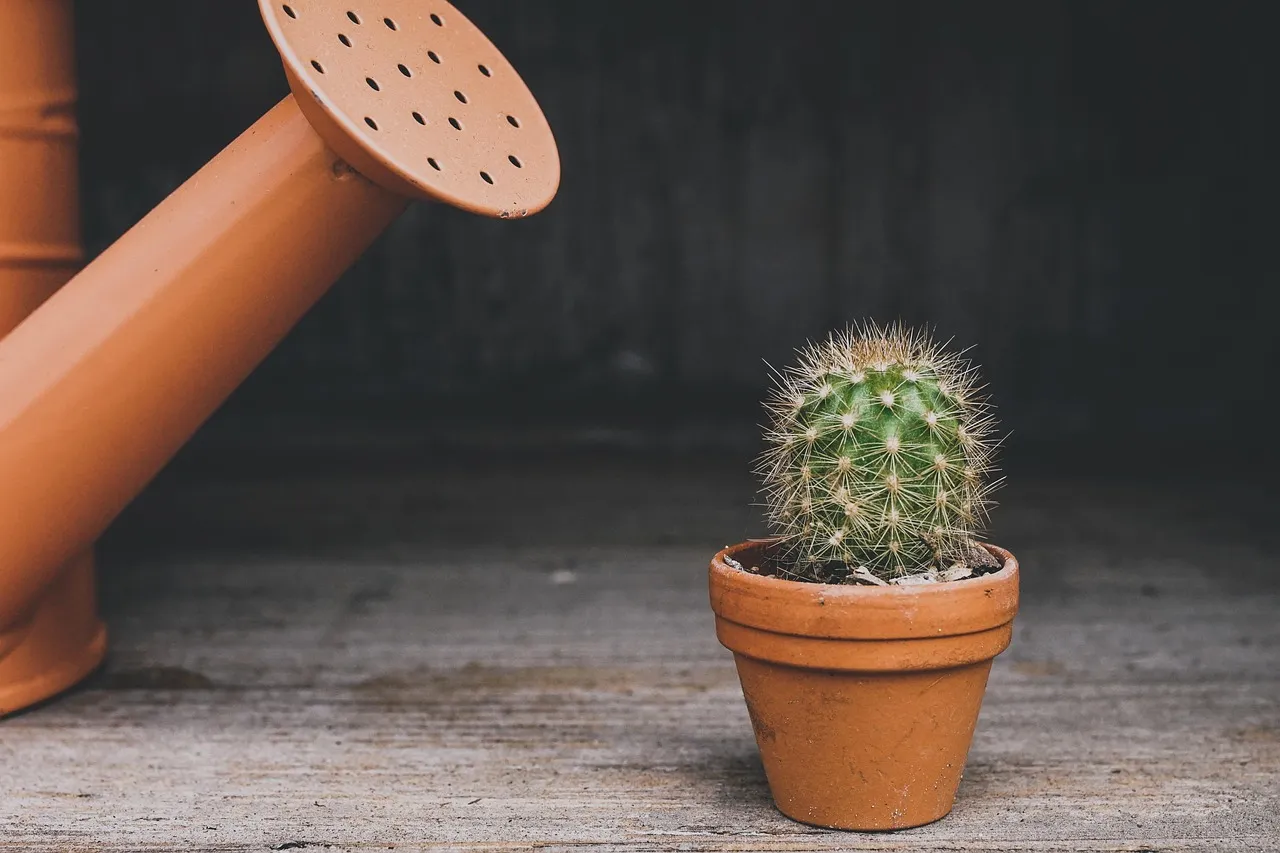
One of the biggest mistakes gardeners make after bringing plants inside is watering them on the same schedule they used outdoors. More houseplants die from overwatering than from any other cause. Adjusting your watering routine, once houseplants are moved back inside, is essential for the plant’s continued survival. Plants simply don’t need the same volume of water when light levels are lower and growth slows.
As growth slows, plants need less water. Extend the time between waterings and always check soil moisture before watering. What needed water twice weekly in summer might now need it only once. The soil is your best guide. Let the top half-inch of soil get dry to the touch before watering again. If in doubt, don’t water.
Make sure your plant containers all have drainage holes. This is a very important step to avoiding invisible overwatering, or allowing your plants to sit in water continually. Good drainage is non-negotiable, especially indoors during winter months when conditions dry out more slowly.
Hold Off on Fertilizing Until Spring
Fall and winter are not the time to feed your plants. While pots and planters may need extra feeding throughout the growing season, winter is not the time to fertilize. Dosing plants with organic or synthetic fertilizers in fall could encourage the plant to put on new, tender growth too close to frost. Save the fertilizer for early spring, when new growth begins.
Begin tapering fertilizer applications in fall. By late fall, most plants should receive fertilizer only once monthly or not at all. Over-fertilizing dormant plants causes salt buildup and root damage. This is one area where doing less is genuinely better for the plant.
Most houseplants grow slowly in winter and rely on stored energy, so additional fertilizer isn’t needed – and overfertilizing can damage leaves. Save regular feeding for spring and summer when growth resumes. Patience here pays off in stronger, healthier growth when the days lengthen again.
Manage Humidity and Monitor Through Winter
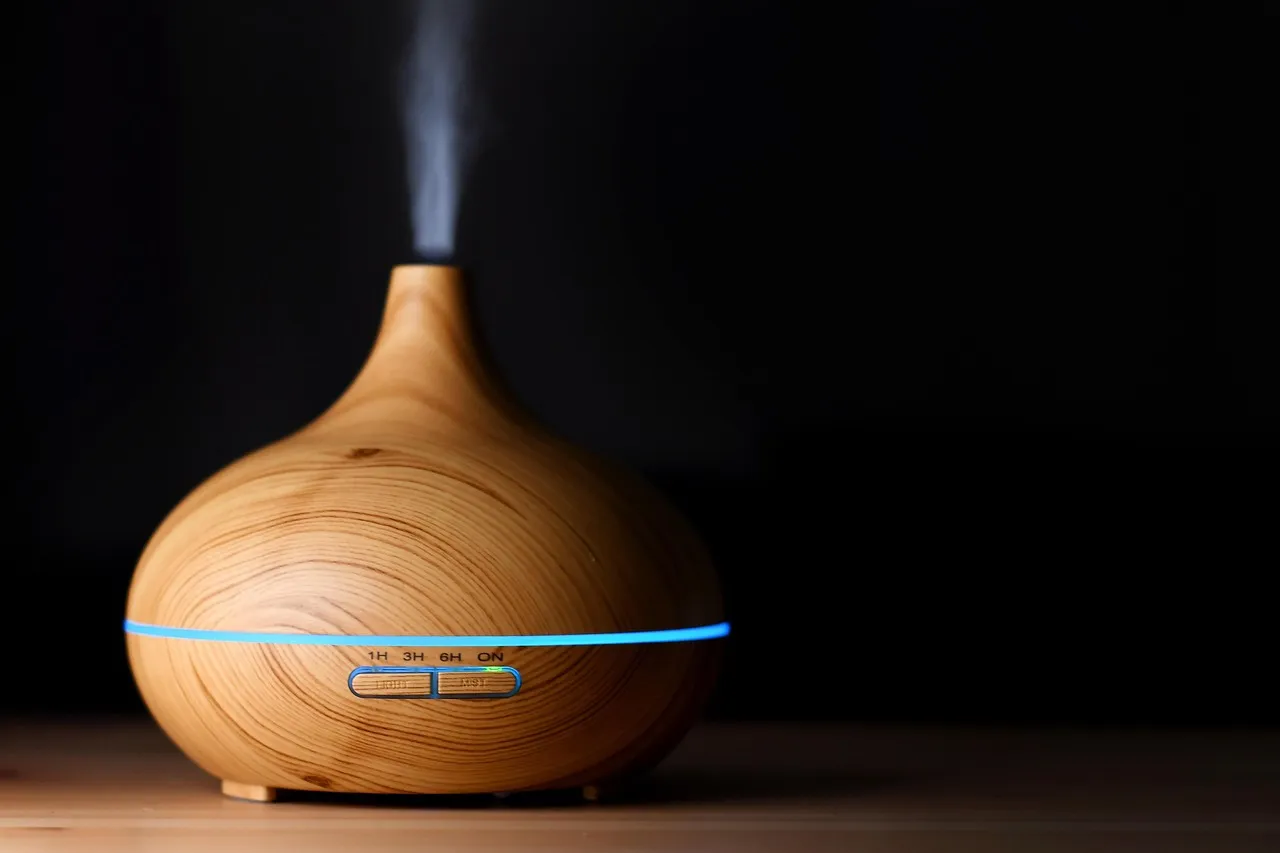
Central heating does something most people overlook: it turns your home into a surprisingly dry environment. Indoor humidity can drop to between roughly ten and twenty percent in winter, which are essentially desert-like conditions that stress tropical plants. Many of the plants you’ve just brought inside are tropical species that evolved in far more humid climates.
Indoor air can be very dry in winter due to heating, so your plants will appreciate extra humidity from a humidifier, misting, or placing the pot on a saucer with pebbles and water – just make sure the bottom of the pot is not sitting in the water. Grouping plants together also helps, as they create a small shared microclimate that retains moisture.
Dry indoor air and stressed plants attract pests like spider mites and scale. Check plants weekly and treat problems immediately. Isolate affected plants to prevent spread. A brief weekly walk-around takes just a few minutes and catches problems before they spiral into something much harder to address.
Conclusion: A Little Preparation Goes a Long Way
Transitioning a container garden indoors is less about one dramatic act and more about a series of small, well-timed decisions. Starting early, watching temperatures, inspecting carefully, and adjusting how you water and feed your plants through winter – these are the things that determine what survives and what doesn’t.
The gardeners who lose the fewest plants to winter aren’t necessarily the most experienced. They’re simply the most attentive. They watch the forecast, move before the crisis arrives, and resist the urge to overwater or overfeed once things are settled.
Winter indoors, handled well, is just another chapter in the growing season. Spring will come, and the plants you bring through will be all the stronger for the care you gave them when the cold moved in.
AI Disclaimer: This article was created with the assistance of AI tools and reviewed by a human editor.