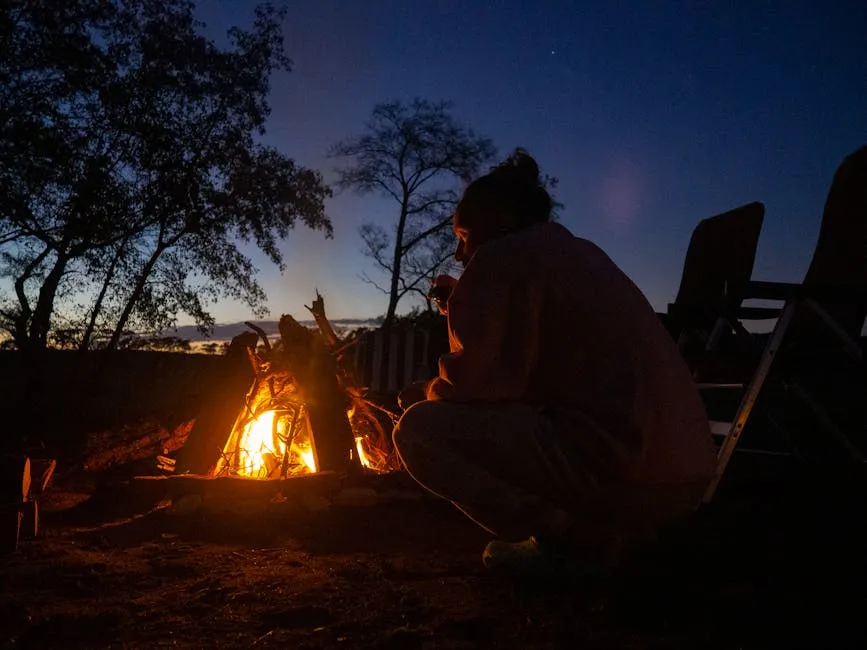

There’s something quietly radical about loading your whole camp into a kayak and paddling away from the trailhead parking lot. No road. No cell signal. Just water, sky, and whatever you packed into those dry bags. Kayak camping sits at a beautiful crossroads between paddling and backpacking, and it’s been drawing more people to the water every year.
Canoeing and kayaking participation has increased by roughly eleven percent since 2014, and the market continues to grow. The global canoe and kayak market was valued at approximately 1.26 billion USD in 2024 and is projected to reach 1.86 billion USD by 2033. That’s a lot of paddles in the water. The routes below are some of the finest places on the continent to spend a long weekend with a loaded boat and nowhere else to be.
San Juan Islands, Washington: Island Hopping in Orca Country
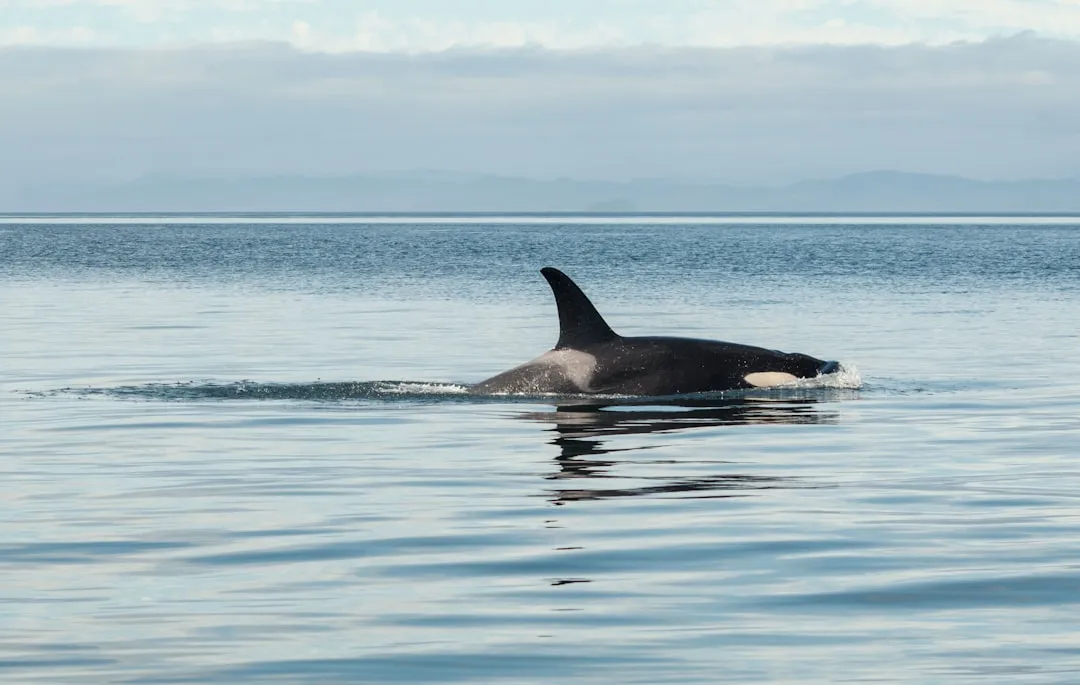
Dreamy loops of islands, snow-capped mountains, rocky coastline, and sweeping ocean views make the San Juan Islands a bucket list kayaking destination. This stunning archipelago was formed by glaciers and volcanoes millions of years ago and sits in the cold sea between Canada and Seattle.
Three-day and five-day sea kayak camping trips in the San Juans are designed for paddlers who want a supported open-water adventure, with daily paddling routes of roughly six to twelve miles along scenic shorelines. The island-to-island format means your campsite changes every night.
Paddling through remote islands and breathtaking scenery in wildlife-rich waters, you’ll likely encounter eagles, seals, and marine birds, with the possibility of spotting orcas, humpbacks, otters, and sea lions. Few extended weekends offer wildlife viewing quite like this one.
Apostle Islands National Lakeshore, Wisconsin: Sea Caves and Shipwrecks
The Apostle Islands National Lakeshore lies in northwestern Wisconsin on the waters of Lake Superior, the largest freshwater lake in the world. The base camp area sits on the South Shore of Lake Superior, an enticing mix of rolling hills, sandstone cliffs, sand beaches, and a 22-island archipelago covered with northern hardwood and boreal forest laced with streams, waterfalls, and wetlands.
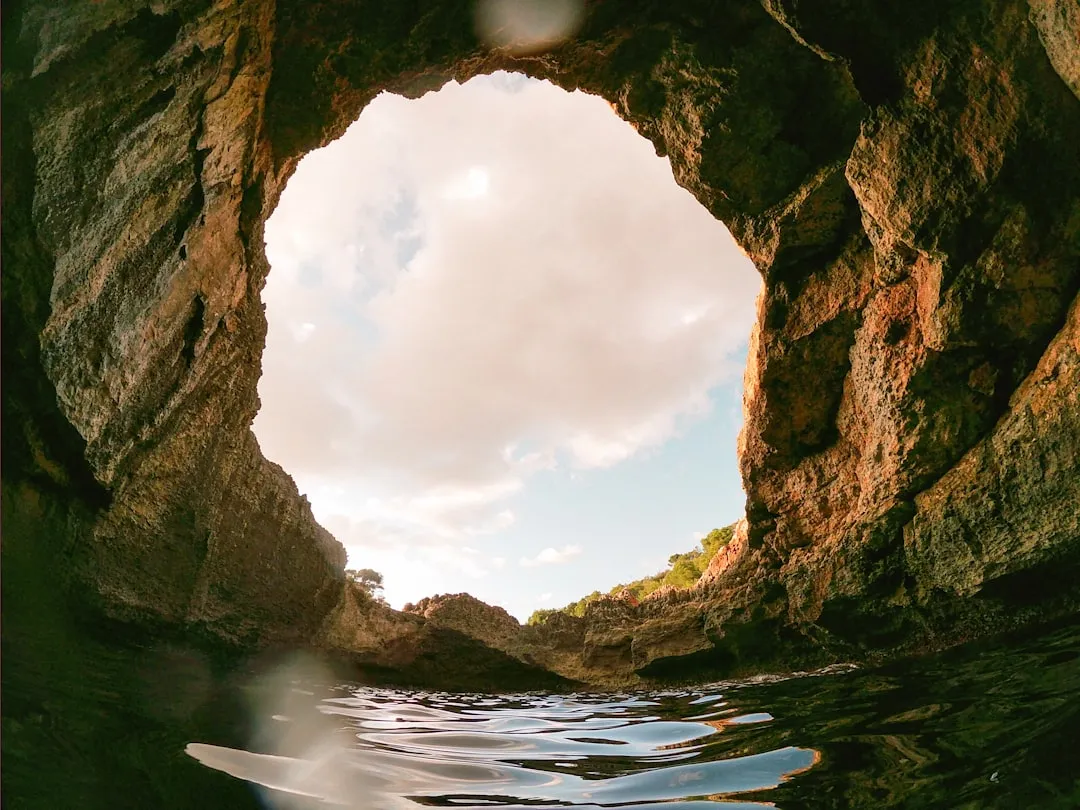
Paddlers can kayak through intricate sea caves, explore quiet coves and cliffs, and spend time hiking island trails through old-growth forests, setting up camp on a remote island and falling asleep to the sound of Lake Superior’s waves.
Your route may take you to the turn-of-the-century Raspberry Island lighthouse or the Swallow Point Sea Caves of Sand Island, where twisted sandstone pillars have been sculpted by millennia of wave action. This is wilderness paddling at a genuinely grand scale.
Boundary Waters Canoe Area Wilderness, Minnesota: America’s Most-Visited Wilderness
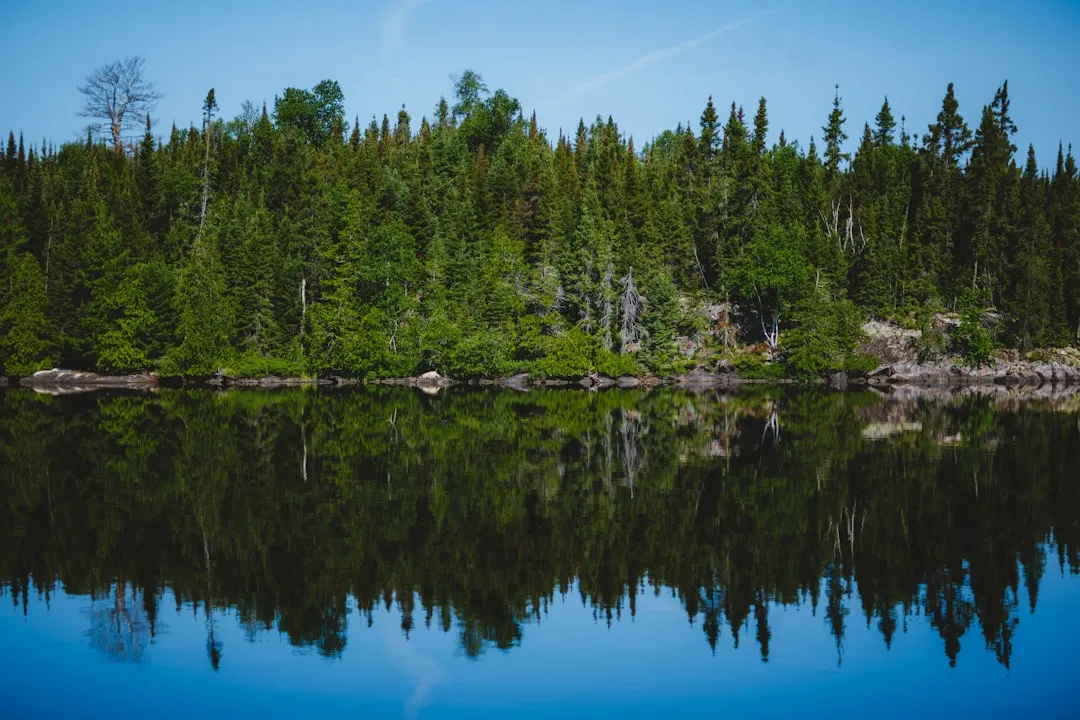
The Boundary Waters Canoe Area Wilderness is the number one visited wilderness area in the United States, with more than a million acres of wooded rock and glacial waters containing over 1,200 miles of canoe routes and over 2,000 designated campsites.
The wilderness forms the aquatic border with Canada in Northern Minnesota and is made up of rocky landforms, islands, lakes, streams, and other water bodies that give you a chance to experience long-distance watercraft trips. You can explore the area for several weeks without using the same campsite twice.
The primitive and remote sites are mostly accessible only by non-motorized watercraft and are on the craggy, wooded shorelines of lakes, with amenities that include cleared tent spaces, a metal fire grate, and a pit toilet. Permits are required, so plan and reserve well ahead of your trip.
Suwannee River Wilderness Trail, Florida: Limestone Bluffs and Platform Shelters
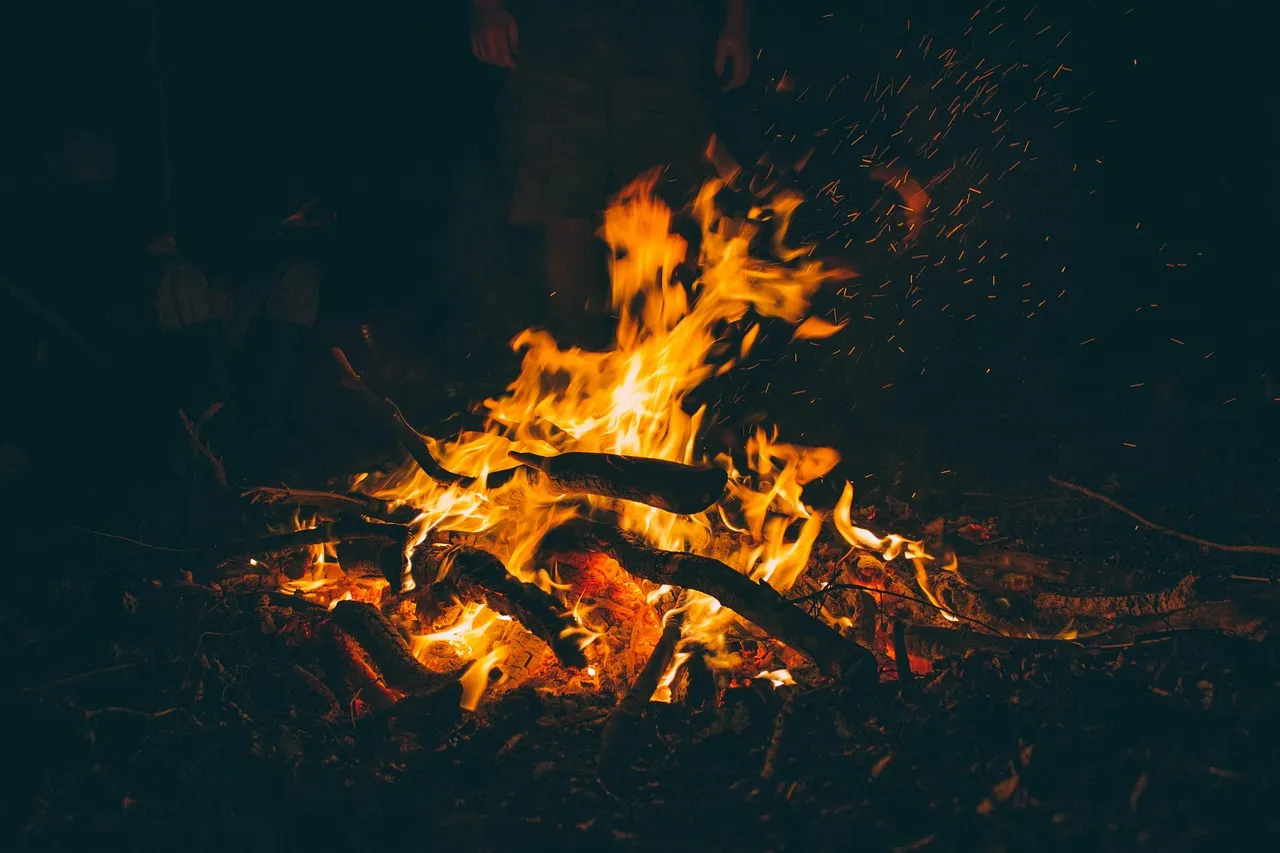
If you canoe or kayak the upper section of the Suwannee River in Northern Florida, you paddle through a wild and scenic world that seems like you’ve been transported to the 19th century, and when it comes time to make camp for the night, the unusual river camping sites provide some of the most appreciated modern comforts.
Five camps offer campsites where you can spread out your sleeping bag on a wooden platform with a roof and plug in your cell phone, with screening to keep out mosquitoes, lights, running water nearby, and a bathhouse with hot water and flush toilets. That’s not something you find on most paddle-in routes.
Each of the five river camps is designed to be a ten-mile paddle from another campground or river camp, making the distance between stops completely manageable over a long weekend. Note that as of December 2025, the Holton Creek River Camp remains closed due to damage from the 2024 hurricane season, though it is expected to reopen in early 2026.
Shenandoah River, Virginia: Valley Views and River Islands
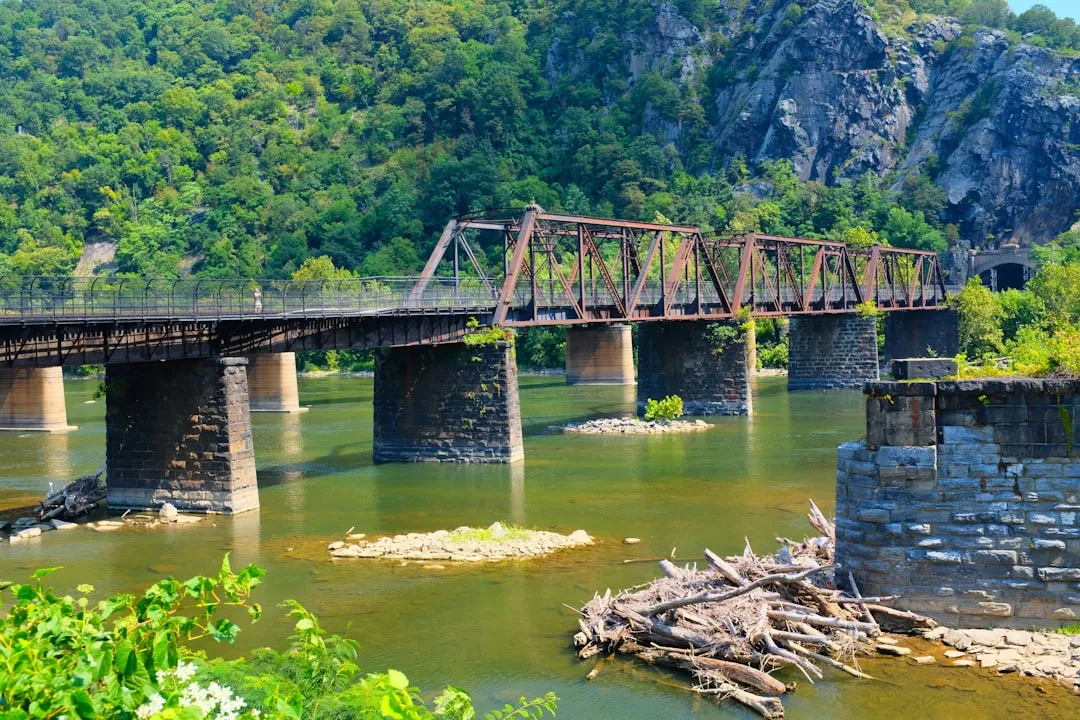
Paddlers navigating the Shenandoah River find themselves moving through small rapids and ledges as well as mellow water sections, winding their way down river through the scenic Shenandoah Valley, nestled between the rolling Blue Ridge Mountains.
Paddling trips on the Shenandoah often include wildlife sightings of birds such as blue heron, osprey, egrets, and sometimes bald eagles, and you can bring a fishing pole or simply enjoy watching the fish jump.
This is a novice paddle and wilderness overnight camping trip, described as a perfect getaway for families, couples, and groups. The river islands offer a primitive but rewarding place to set up camp after a full day on the water.
Willamette River Trail, Oregon: Wine Country on the Water
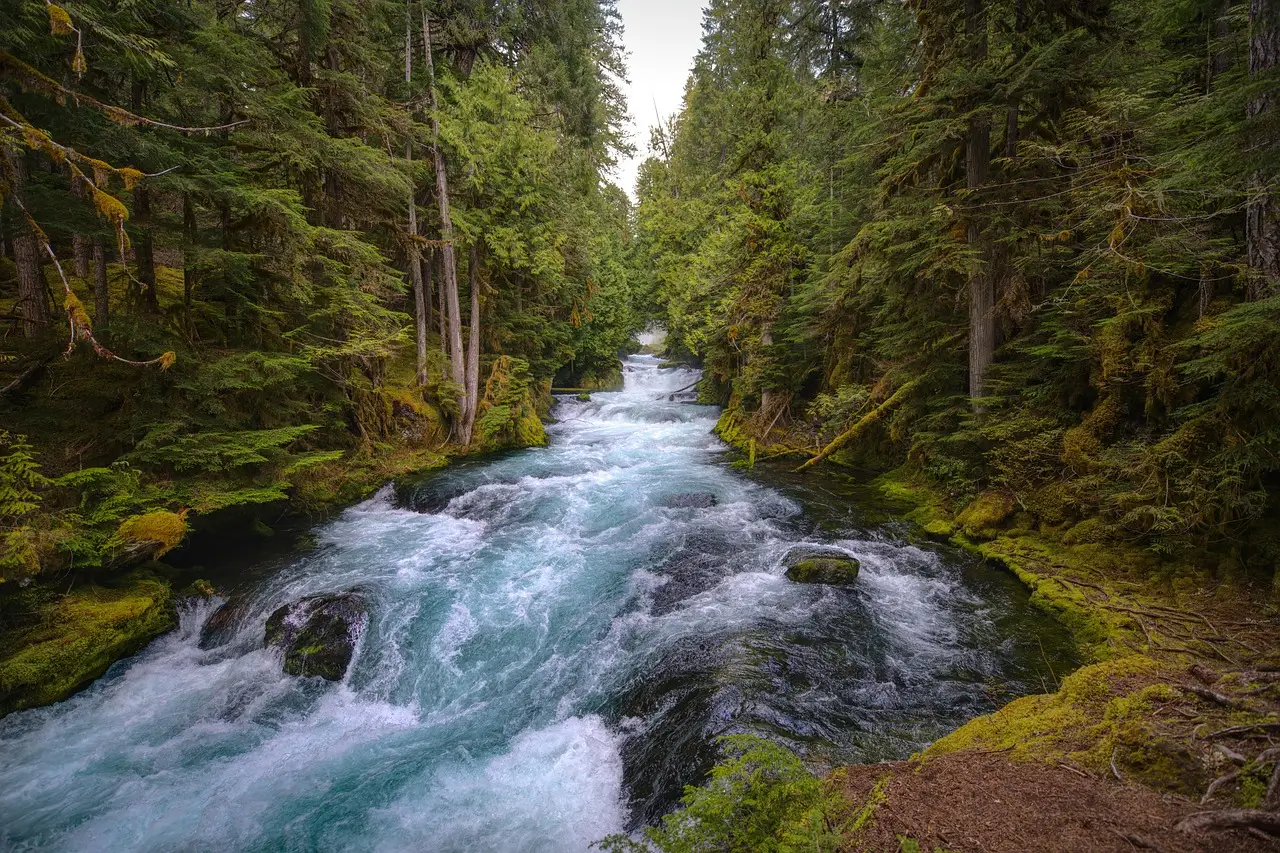
Two days, seventy paddlers, nearly thirty miles of paddling, and an island camp-out on the Willamette River Trail in Oregon sums up exactly what this route can be at its best. The trail passes through one of the country’s most celebrated wine-producing valleys.
This popular annual event navigates through Oregon’s largest wine region, the Willamette Valley, where pinot grapes thrive, and is hosted by the nonprofit Willamette Riverkeepers. Even outside of organized events, the river is open for independent multi-day trips year-round.
July is historically the most ideal time to paddle this beautiful area. The scenery shifts constantly between open farmland, forested stretches, and sandy beaches where you can pull ashore for a break or a night’s sleep.
French Broad River, North Carolina: Mountain Camping at Its Best
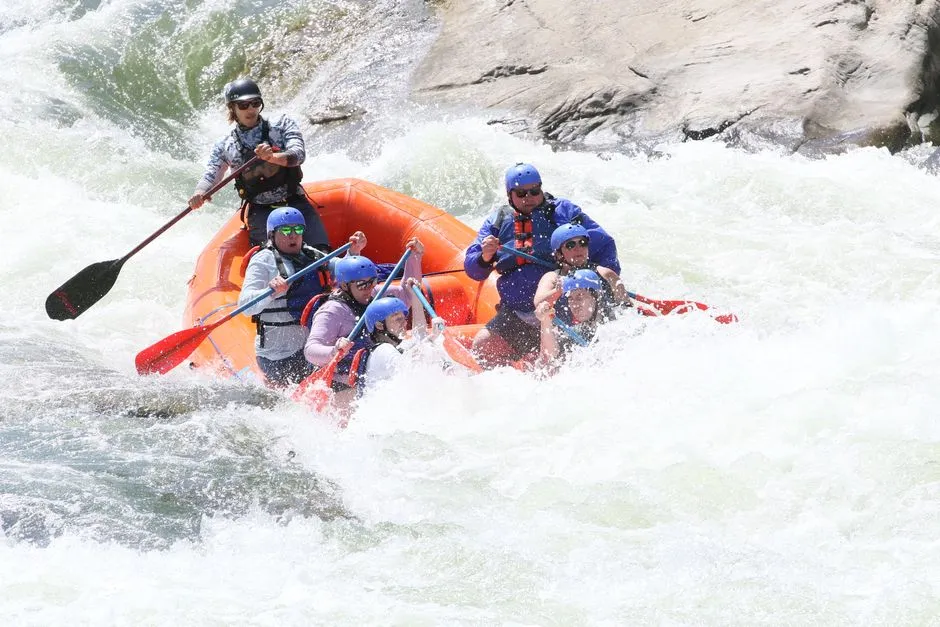
An eight-mile, three-hour paddle down the beautiful French Broad River leads to a paddle-in campground, where you can relax by the fire, enjoy dinner, and fall asleep to the soothing sounds of the river. This is mountain camping at its best.
The French Broad flows through the mountains of Western North Carolina, offering Class I and Class II water that keeps paddlers engaged without demanding advanced skills. The surrounding landscape, old hardwood forests rising from the riverbanks, makes every turn worth slowing down for.
For those wanting a second day on the water, you can extend your adventure with a full day on the water before taking out at a downstream point. It’s a route that scales nicely from a short overnight to a genuine three-day escape.
St. Regis Canoe Area, Adirondacks, New York: Quiet Ponds and Portage Trails
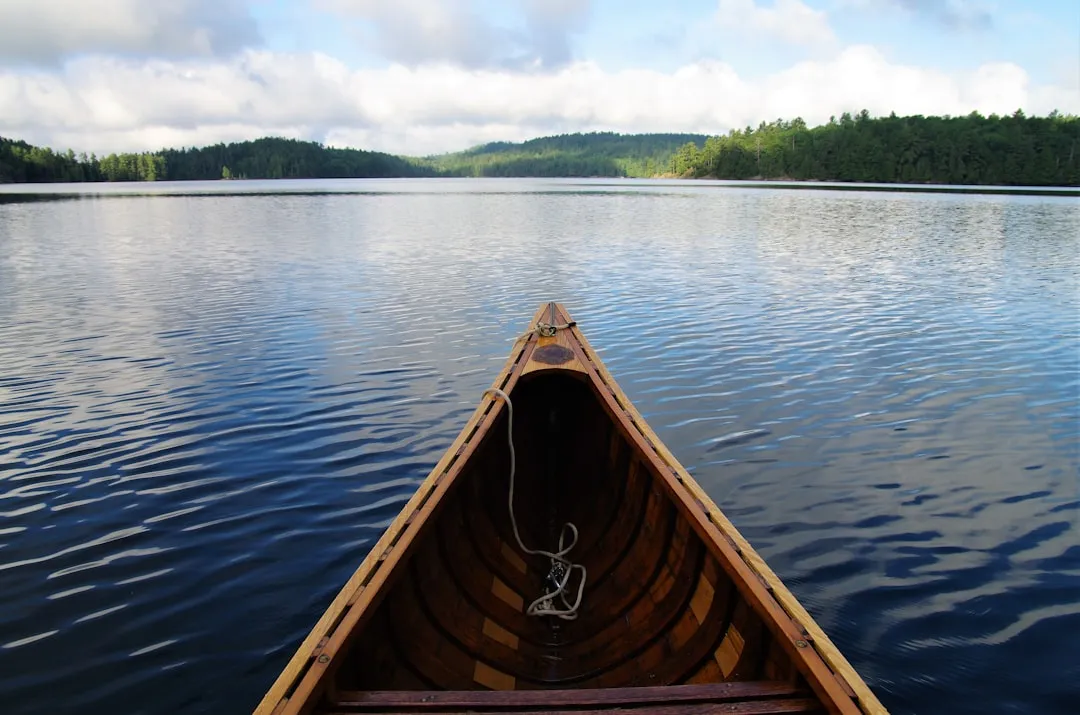
The Adirondacks are home to New York State’s only designated canoe wilderness area, the St. Regis Canoe Area, which spans 18,400 acres. Ideal for overnight canoe camping trips, St. Regis offers a network of lakes and ponds with opportunities for portaging and continued exploration, as well as 75 primitive tent sites and three lean-tos.
The area rewards paddlers who are willing to portage between ponds. You might cover only a few miles in a straight line, but the sheer variety of water bodies gives the weekend an exploratory quality that bigger, more linear routes can’t match.
Whether you’ve never been paddling before or make it your life’s passion to get on the water as much as possible, you’ll find kayaking and canoeing experiences in the Adirondacks that you won’t find anywhere else on Earth. That’s a fair description of a place with this much paddling terrain packed into one region.
Lake Tahoe Water Trail, California and Nevada: Alpine Blue
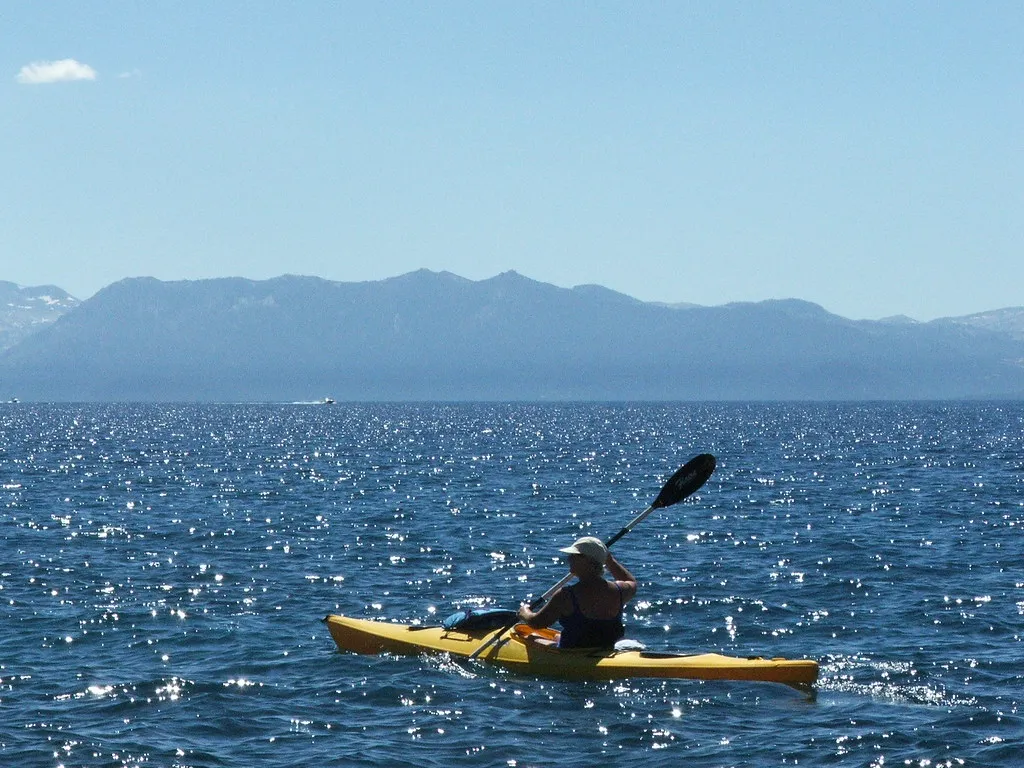
There are few places to go kayak camping as perfect as the 72-mile water trail of Lake Tahoe, though because it’s a high alpine lake, paddlers need to stay conscious of winds, weather, and mountain conditions that can turn quickly.
There are many launch sites to access Lake Tahoe, including Kiva Beach, Timber Cove, and Zephyr Cove, and the route features wayfinding signage, navigation tools, landing sites, water safety tips, and paddle paths to suit different interests and skill levels.
Although you can experience water activities on Lake Tahoe all year long, the best time to visit is during the summer months when the water is at its warmest, but if you want to avoid the rush of tourists, timing your visit for spring or fall is worth considering. The elevation and clarity of the water are genuinely unlike anything else in the Lower 48.
Lake Superior, Ontario: Rugged Coastlines with a Guided Option
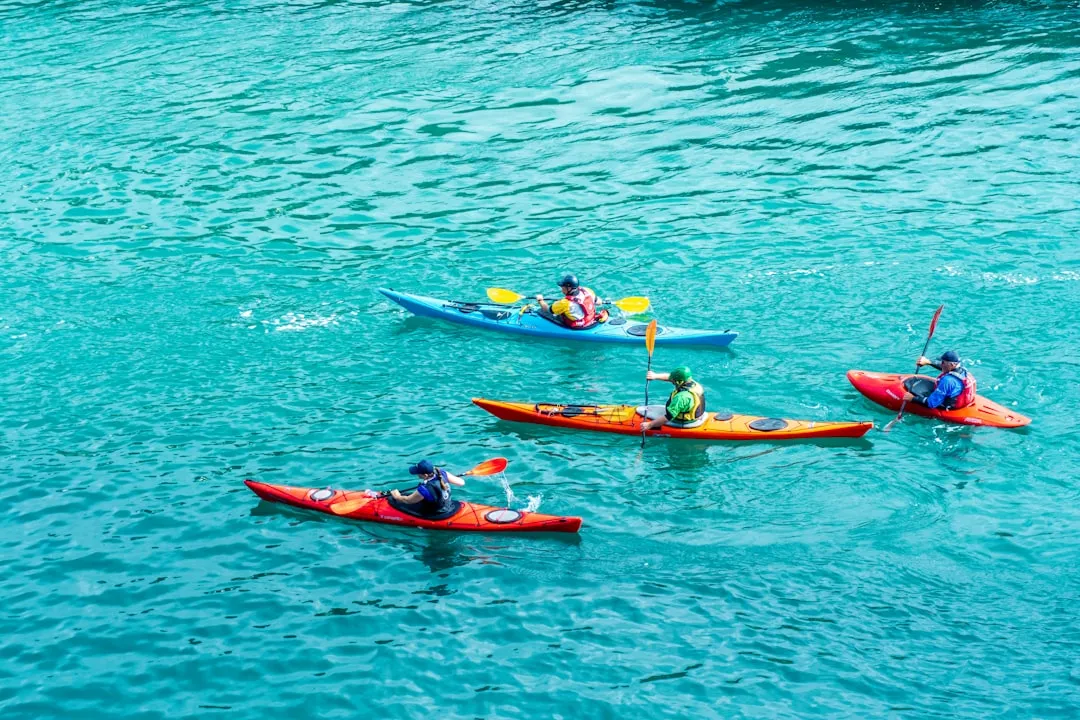
Spending a weekend sea kayaking spectacular Lake Superior coastlines with rocky headlands, hidden beaches, and verdant forests framed by crystal clear water is an experience carved from ten thousand years of wind and water, deep green boreal forests, rare Arctic plants, and wildlife including moose, fox, beaver, and otters.
A two-and-a-half-day sea kayak guided trip includes two days paddling, two nights camping, and a half day of sea kayak training, with the extended weekend getaway adding extra paddling days and an optional certification pathway.
This type of trip is designed for new to intermediate paddlers, and while no previous sea kayaking experience is required, your enjoyment will be enhanced if you are in good physical condition and comfortable with backcountry camping. Lake Superior demands respect, but it rewards those who show up prepared.
A Final Thought
Kayak camping occupies a particular niche in outdoor travel. It’s slower than backpacking, more remote than a car-camping site, and far more self-reliant than any resort. Kayak and canoe camping represent a smaller but fast-growing share of outdoor recreation, as social media communities and influencer travel inspire new styles of exploration.
Water recreation was listed as the top amenity category for camping in 2024, with nearly two thirds of survey respondents interested in water activities including kayaking. The appetite for paddle-powered getaways is clearly there.
The routes above span coastlines, rivers, high alpine lakes, and Great Lakes archipelagos. Each one offers something different, but they all share the same essential promise: a long weekend that genuinely feels like time away. The water takes you somewhere roads simply can’t reach.
AI Disclaimer: This article was created with the assistance of AI tools and reviewed by a human editor.