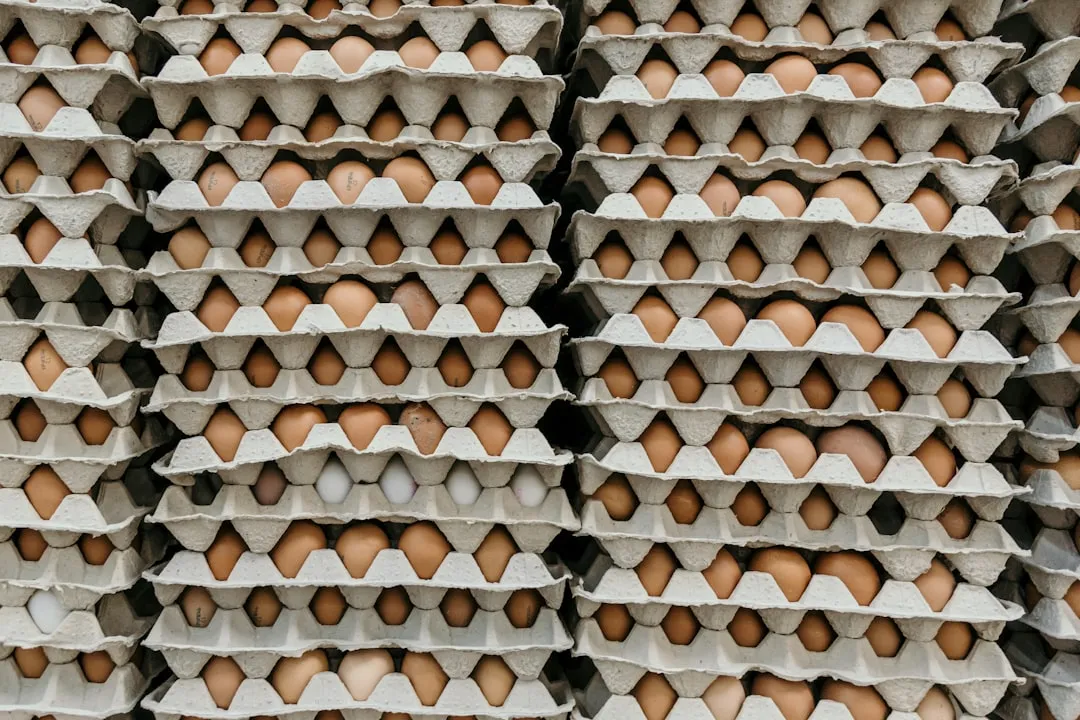

Most gardeners have tossed out hundreds of egg cartons without a second thought. That’s a lot of perfectly good seed-starting trays heading straight to the bin. Once you understand how well these humble containers work, it’s hard to look at them the same way again.
Starting seeds indoors is one of the most rewarding practices for gardeners who want to control their food supply and extend the growing season. While seed trays and plastic cells are commonly used, many home growers are turning to a more eco-friendly and readily available alternative: egg cartons. The method is practical, low-cost, and genuinely effective when done correctly.
Why Egg Cartons Work So Well as Seed Trays
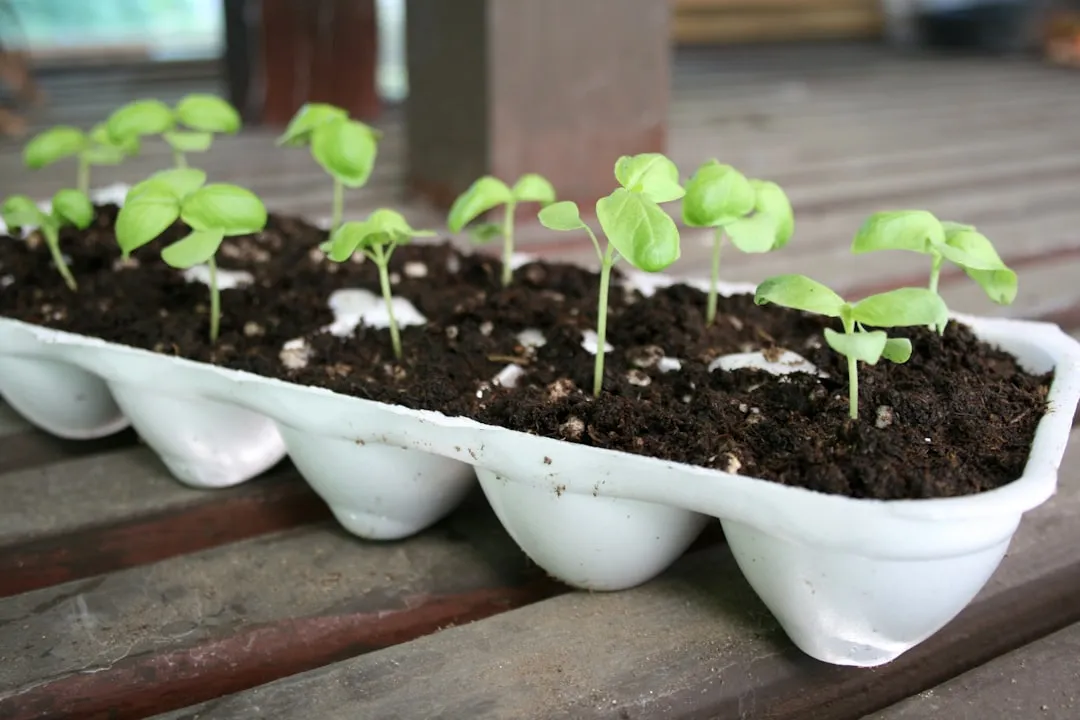
Starting a garden at home is made easier and cheaper by setting aside empty egg cartons to start seedlings instead of purchasing seed-starting trays from your local garden center. Not only are they basically free, but egg cartons are already divided into small, even sections perfect for holding just enough soil and water to help seedlings thrive.
Egg cartons provide excellent insulation, keeping soil temperatures consistent for optimal germination and growth. That natural insulation is something plastic trays simply don’t offer. Starting seeds in egg cartons exemplifies a closed-loop system, reusing materials from your kitchen and eventually returning them to the earth as part of your gardening cycle.
Choosing the Right Egg Carton: Not All Are Equal
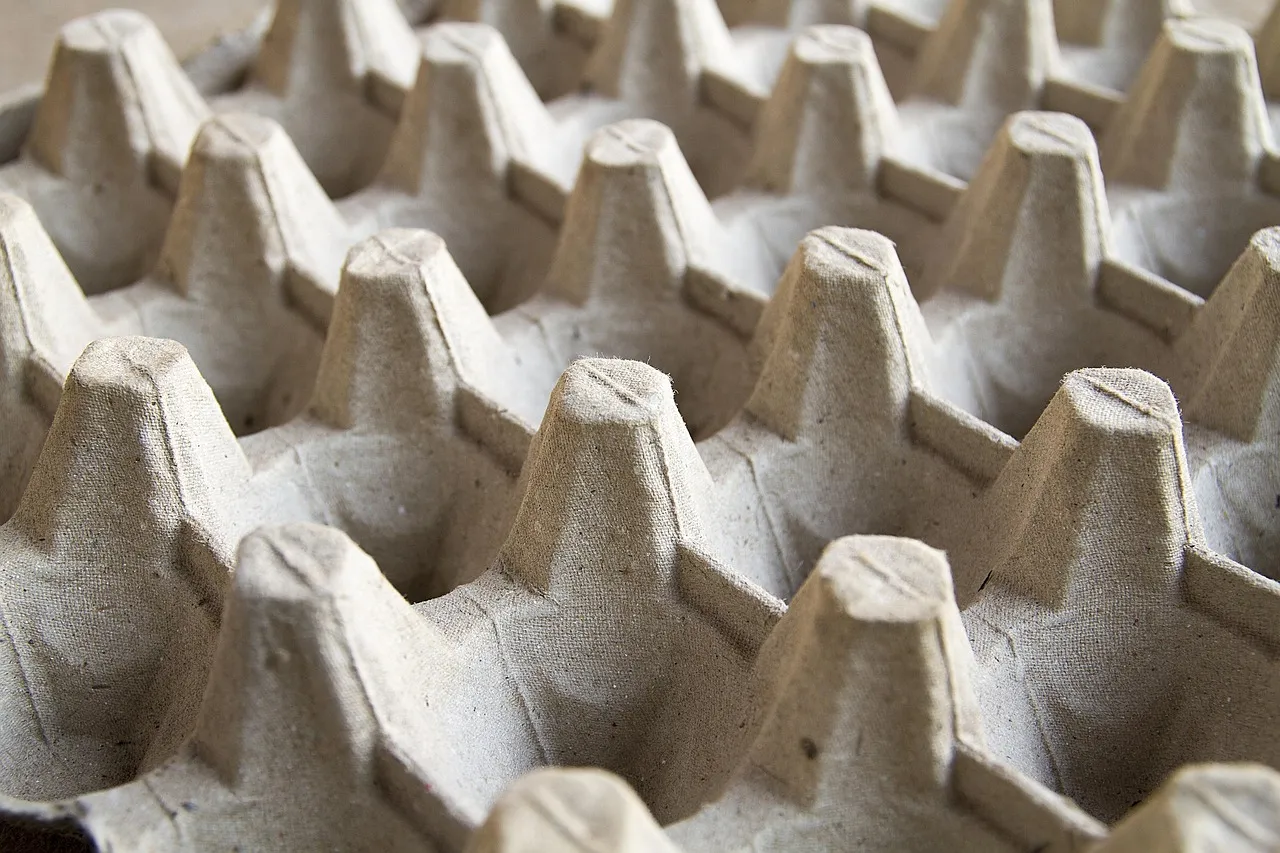
There are a lot of advantages to starting seeds in egg cartons, but if you choose the wrong carton, you’ll miss out on almost all of them. You want a paper-based egg carton. Styrofoam and plastic containers won’t give you the same benefits.
While you may have success starting seeds in Styrofoam or plastic egg cartons, these materials pose some challenges that paper, cardboard, and pulp egg cartons don’t. Styrofoam and plastic cartons are nonporous and will retain more moisture, which puts seedlings in danger of developing root rot or becoming moldy because excess moisture can’t evaporate through the sides of the material.
Styrofoam does not break down in the soil and may contain harmful chemicals. When in doubt, stick with plain cardboard or paper pulp. It’s safer for the plants and better for the soil.
Prepping Your Egg Carton Before Planting
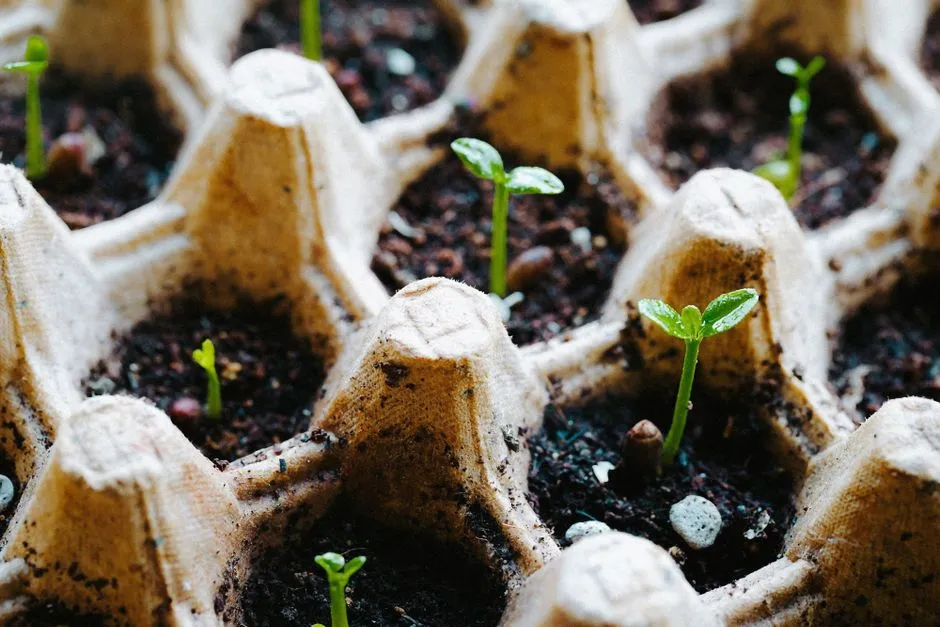
Drainage is important to prevent water from collecting and rotting the seed or roots. Poke a few small drainage holes in the bottom of each cup. You can cut the lids off of the cartons and place them underneath the seed cups to catch any water.
Once you’ve obtained your cartons, seeds, and soil medium, it’s time to start planting. Simply cut the lid off the carton and poke some drainage holes into the bottom of the egg cups. You can put the container lid under the bottom of the carton, and any moisture will drain out and into the lid underneath.
Choosing the Right Soil Mix for the Cells
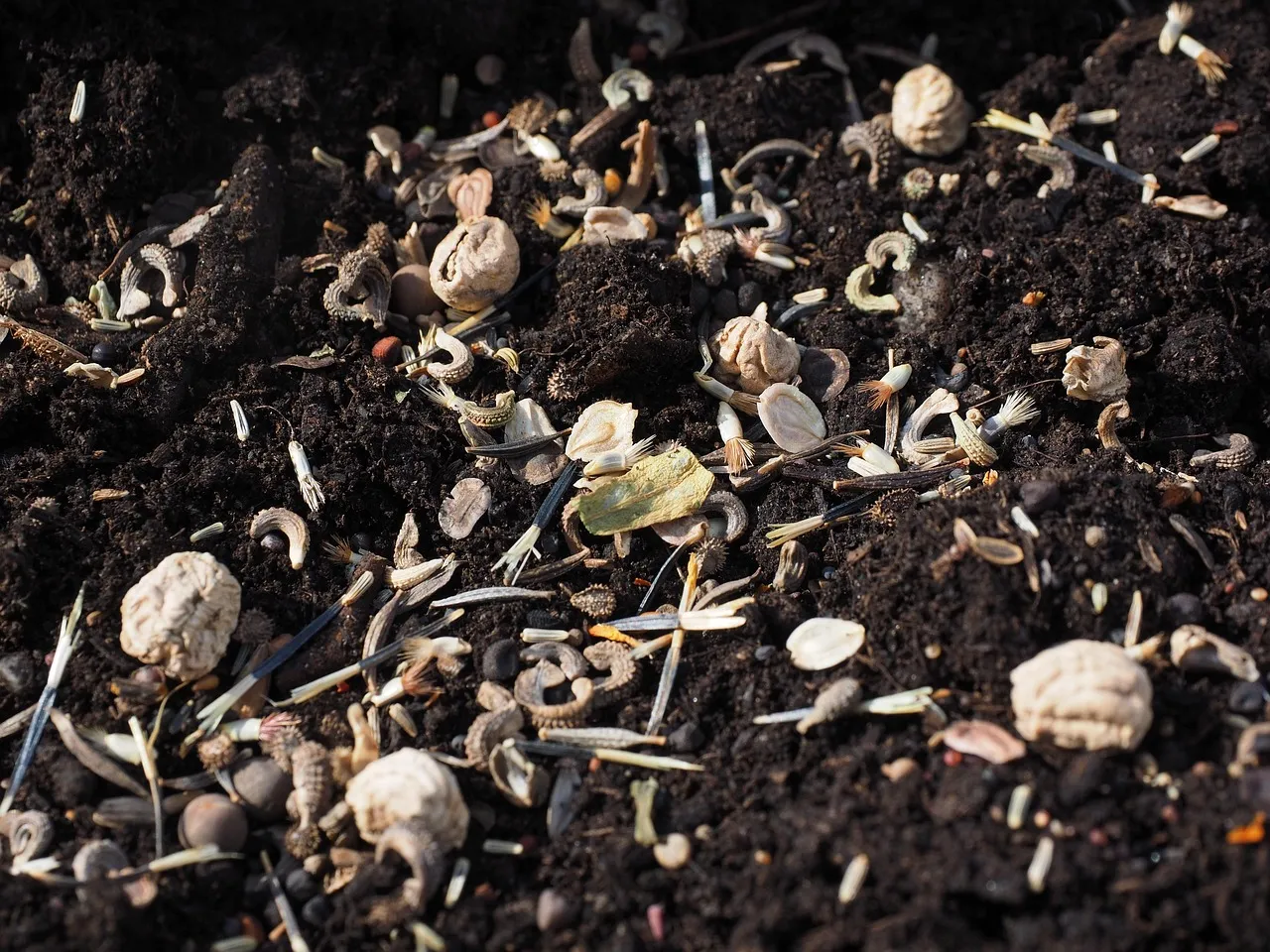
Seed starting mix and potting soil are not interchangeable. Seed starting mix is finely textured, lightweight, and holds moisture evenly without compacting. Regular potting mix is too coarse, drains too fast at the surface, and often contains bark that can harbor pathogens.
Fill the cups about halfway with a seed starting mix. This is a very light, soil-less blend that won’t weigh down sprouts. It’s effective, but it’s also a bit more expensive than potting soil. To save a bit, you can mix three parts potting soil with one part perlite, an ultra-light volcanic glass that will reduce the density of your soil.
Which Seeds Work Best in Egg Cartons
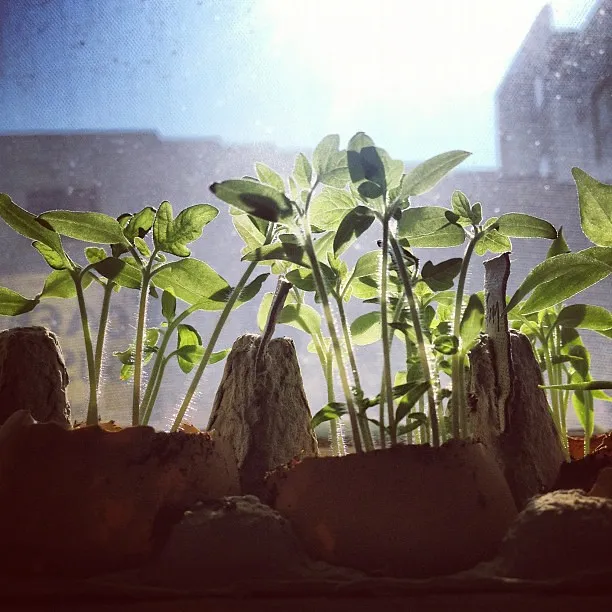
You may use egg cartons for any number of seeds, from lettuce to peppers to herbs. The best types of plants to start in cartons are those with fibrous, shallow roots. Though you can plant any seed in them, plants with quick-growing or deep-reaching roots need repotting shortly after germination.
Pretty much any type of seed will grow in egg cartons, but the ones that will truly benefit from this method of germination are those that do not do well being transplanted. Root crops, peas, beans, and small leafy greens can all be propagated in egg cartons, provided they are the biodegradable paper variety.
Lettuces, beans, peas, cucumbers, and zucchini can be used, though some plants like cucumbers and zucchinis don’t always like being transplanted, with more success if sown into their final destination right away.
Getting the Temperature and Timing Right
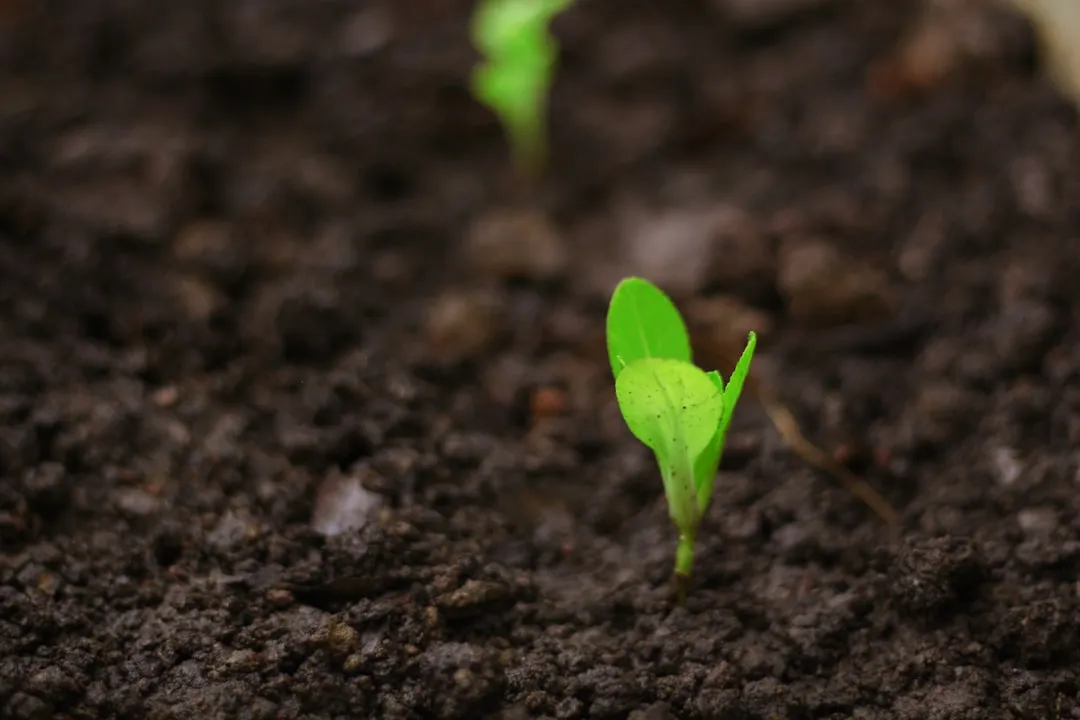
Most seeds germinate when the soil temperature is between 68 and 86 degrees Fahrenheit. Once germination occurs, the optimum growing temperature for the seedling is about 10 degrees Fahrenheit cooler than the optimum germination temperature.
Resist the urge to start seedlings too early in the season. It is easy to get excited for spring, but starting seed too early leads to challenges later. Seedlings planted too early get large and lanky by the time they can be planted outside, and lanky seedlings do not transplant well.
Tomatoes need six to eight weeks while peppers and eggplant need eight to ten weeks to grow before transplanting. Once you’ve determined your last frost date, simply count back the number of weeks for your respective seed type to set your indoor planting date.
How to Sow Seeds and Manage Germination
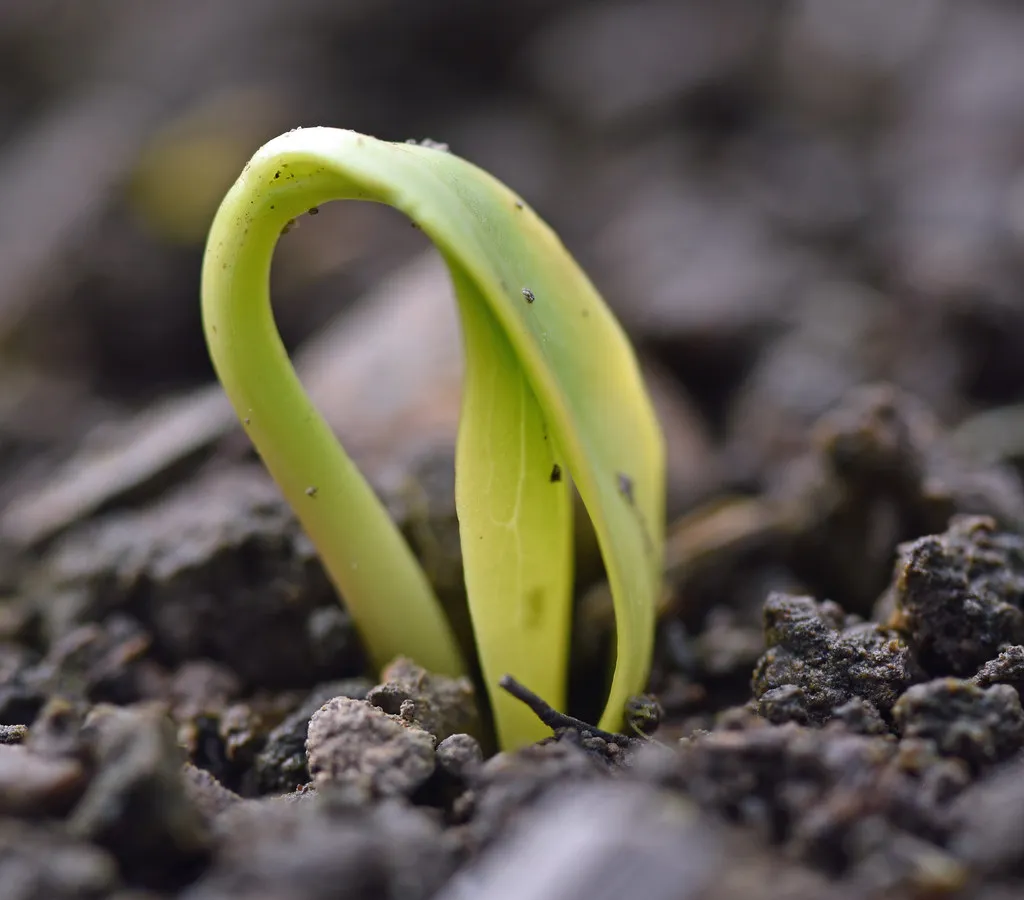
Rather than putting just one seed per compartment, placing two to four seeds per cell gives you a higher chance of ending up with one or two seedlings per compartment, since not all seeds will germinate.
When seedlings develop their first true leaves, choose the strongest plant in each cell and snip the others at the base using scissors. This prevents overcrowding and gives each plant room to grow.
Moisture is critical for germinating seeds. They like a moist but not soggy environment. Seeds require oxygen and, if kept waterlogged, may rot. On the other hand, if the soil dries out, the seed will lose whatever water it has absorbed and die.
Watering and Light: The Two Most Common Mistakes
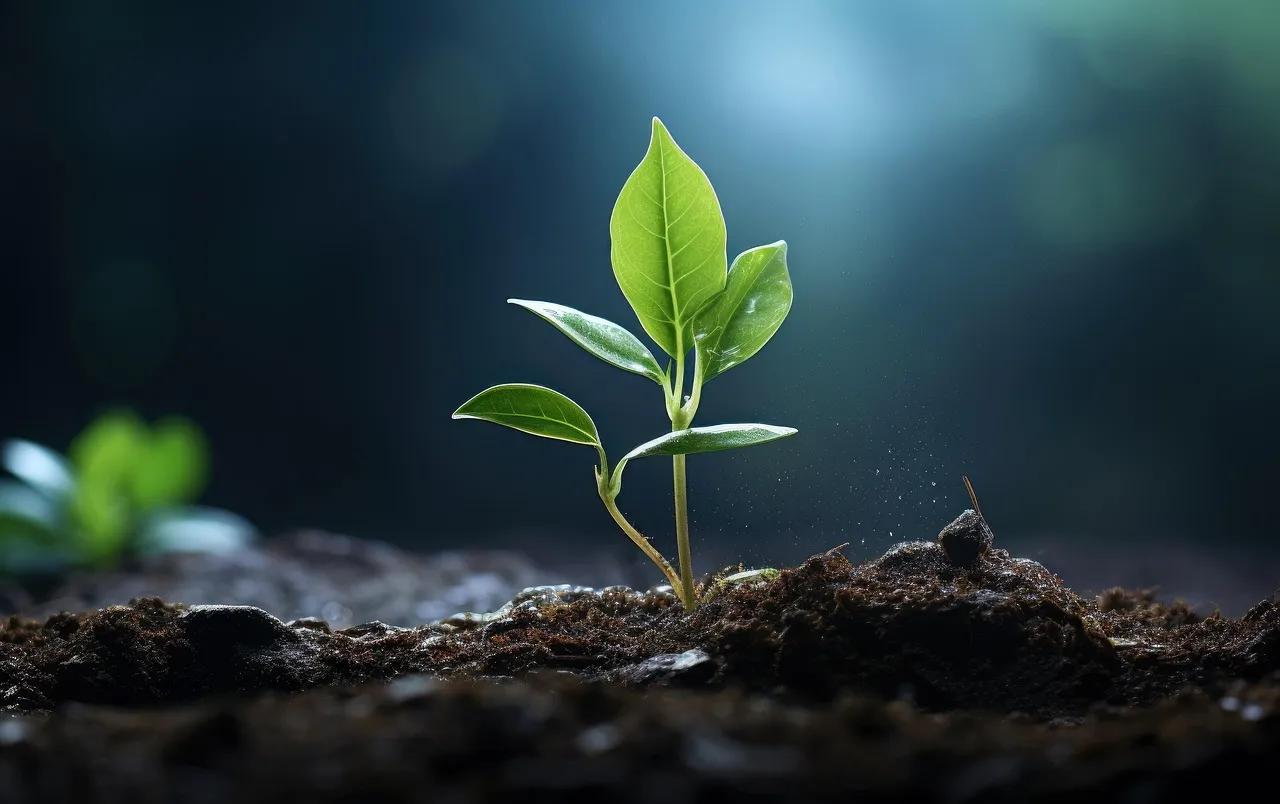
Water gently as needed, either from above using a mister or from below by adding water to the tray. If seedlings are growing toward the light, rotate the cartons every day or two. This encourages even, upright growth.
Seedlings need fourteen to sixteen hours of sun each day, which isn’t going to happen by simply setting them by the window, especially in winter when days are shorter and sunlight is weaker. Seed starters need a fluorescent or LED grow light to get the amount of sun they require to grow big and strong.
Position grow lights so that they’re just two to three inches from the tops of the seedlings. Any further and you’ll encourage them to become leggy, a term used to describe when seedlings grow tall with thin, weak stems.
Transplanting Directly Into the Soil, Cardboard and All
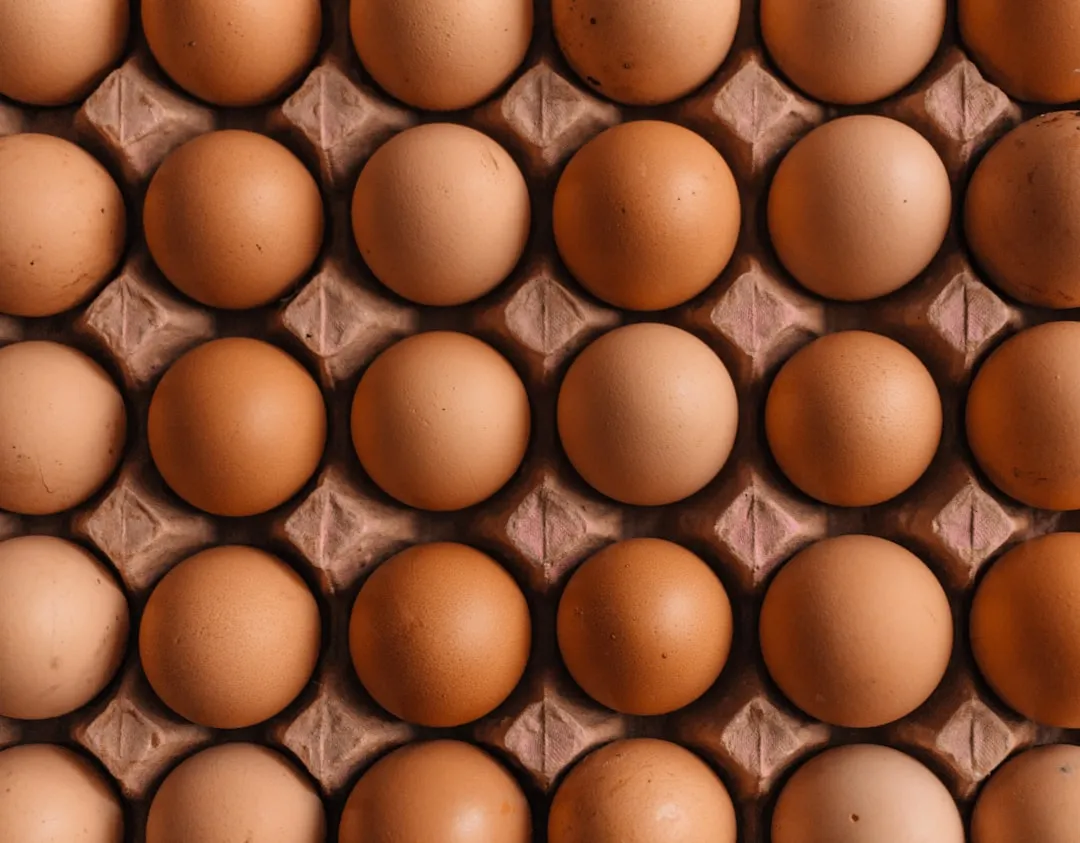
If you used a cardboard egg carton, you can cut the cups apart and plant the whole cup right in the soil. The cardboard will disintegrate and return back to the ground. It’s a good idea to cut some slits in the cardboard cup to make it easier for the roots to expand as the plant grows.
Another advantage of paper-based egg cartons is that they make it easier to transplant your seedlings once they’ve outgrown the little cups. Instead of scooping them out of a carton, you can simply cut the paper cups apart and plant the whole seedling, paper and all, into your raised bed or garden, as these kinds of egg cartons can be composted. As the plant continues to grow, the egg carton cup will simply rot away.
Timing the Move Outside: Hardening Off Your Seedlings
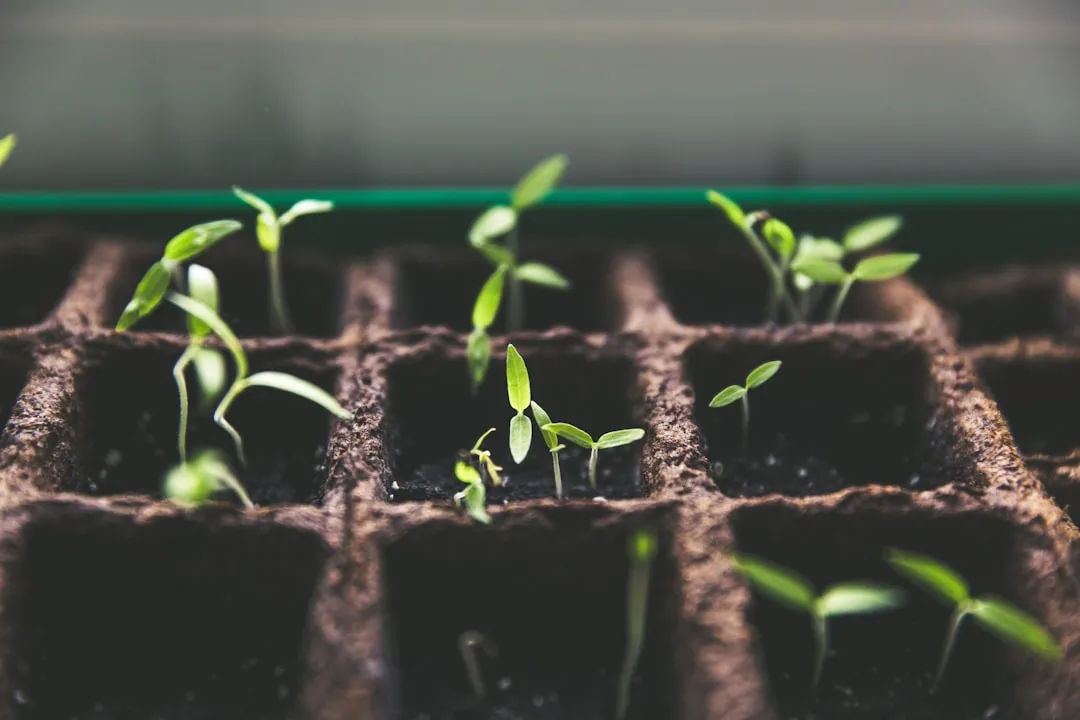
Seedlings should be moved to the garden once the roots reach the bottom of the tray, but before they start to grow into a circle. Circling roots will make your plants unstable and stifle their growth.
When the time comes to move your plants outside, take care to harden them off and transplant properly. Before transplanting, gradually introduce your seedlings to outdoor conditions. This process toughens the plants so they’re not shocked by outdoor conditions.
After seedlings have two to three sets of true leaves, begin feeding with a diluted organic liquid fertilizer at roughly one quarter strength. Do this once a week to support continued growth before the transition outdoors.
The Bigger Picture: Sustainability and Savings
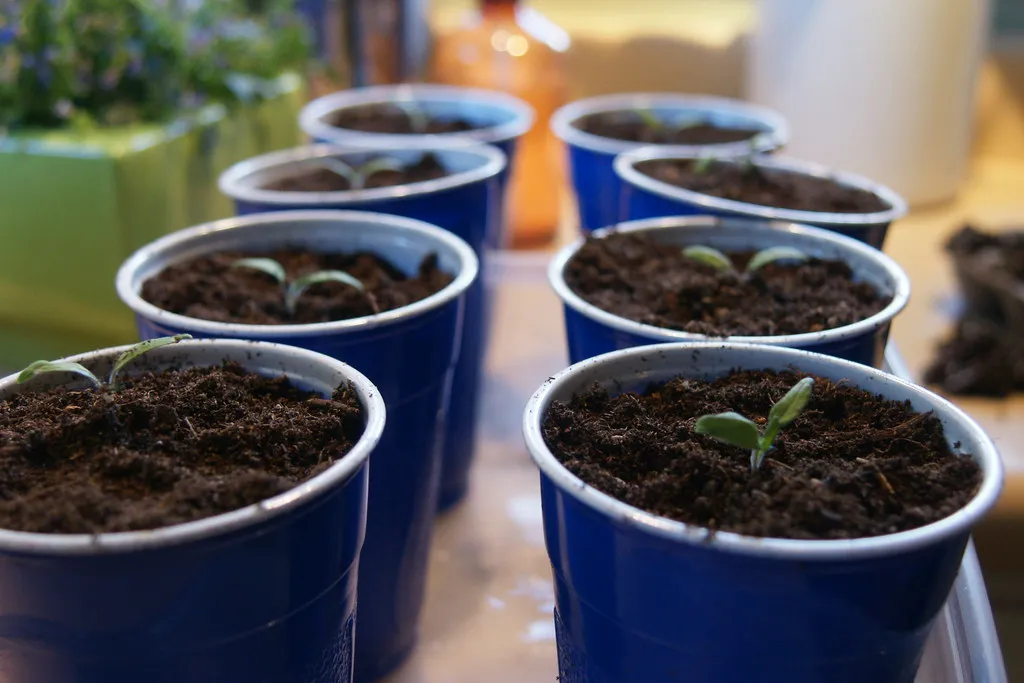
Learning how to start seeds in egg cartons is more than just a budget-friendly garden hack. It’s a reflection of sustainable living, reducing waste, encouraging responsible reuse of household materials, and helping foster a deeper connection to the food we grow.
If your family eats one dozen eggs a week, you’ll have 52 cartons by the end of the year, giving you dozens of cells for planting seeds across multiple growing seasons. That adds up to meaningful savings on garden supplies without any reduction in results.
Egg cartons are biodegradable, reducing plastic waste. By using them as seed starters, you’re repurposing an item while contributing to sustainable gardening practices and enriching the soil after use. Few gardening habits are this easy to start and this easy to justify.
There’s something quietly satisfying about the whole cycle: a carton that carried your breakfast eventually feeds your garden. It doesn’t require a special setup or a big investment. Just patience, decent light, and a little care. That combination tends to work well for most things worth growing.
AI Disclaimer: This article was created with the assistance of AI tools and reviewed by a human editor.