

Most gardeners judge their compost by smell or texture. Color, though, tends to be an afterthought. That’s a missed opportunity, because the visual cues in a compost pile can tell you quite a lot about what’s happening below the surface and whether the pile is heading toward rich, plant-ready material or quietly going off track.
Color isn’t a perfect diagnostic tool on its own, but when paired with what you know about your inputs, it can flag nitrogen shortages, moisture problems, incomplete breakdown, and more. Here’s what each shade is actually signaling.
Deep Dark Brown or Black: The Gold Standard
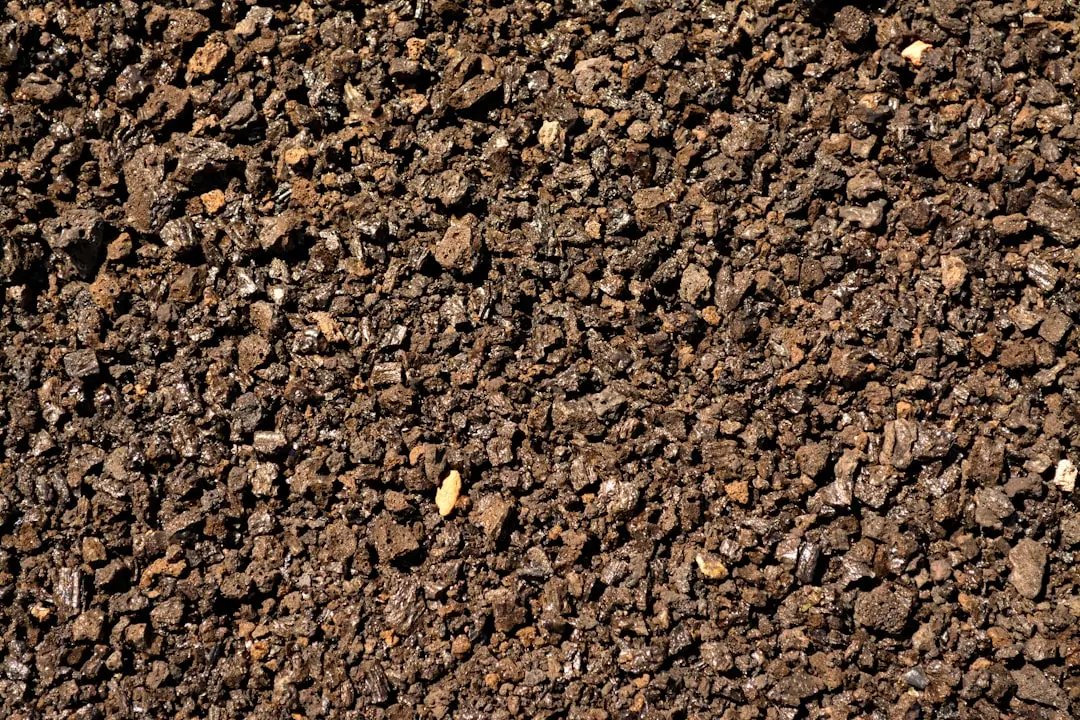
The composting process ideally results in a dark brown material in which the initial constituents are no longer recognizable. This is the color range most experienced composters are aiming for, and it’s a reliable visual indicator of maturity.
Finished compost will be dark brown or black, crumbly in texture, and smell earthy and pleasant, like a forest floor. When you see this, you’re looking at a product that has gone through full humification, the biological process that converts raw organic matter into stable, nutrient-holding compounds.
Great compost is teeming with billions of beneficial microorganisms – bacteria, fungi, and other tiny helpers. This vibrant microbial life continues to break down organic matter in the soil, slowly releasing nutrients plants can absorb. The dark color is partly a reflection of that biological activity having run its full course.
Light or Tan Brown: Decent But Not Done
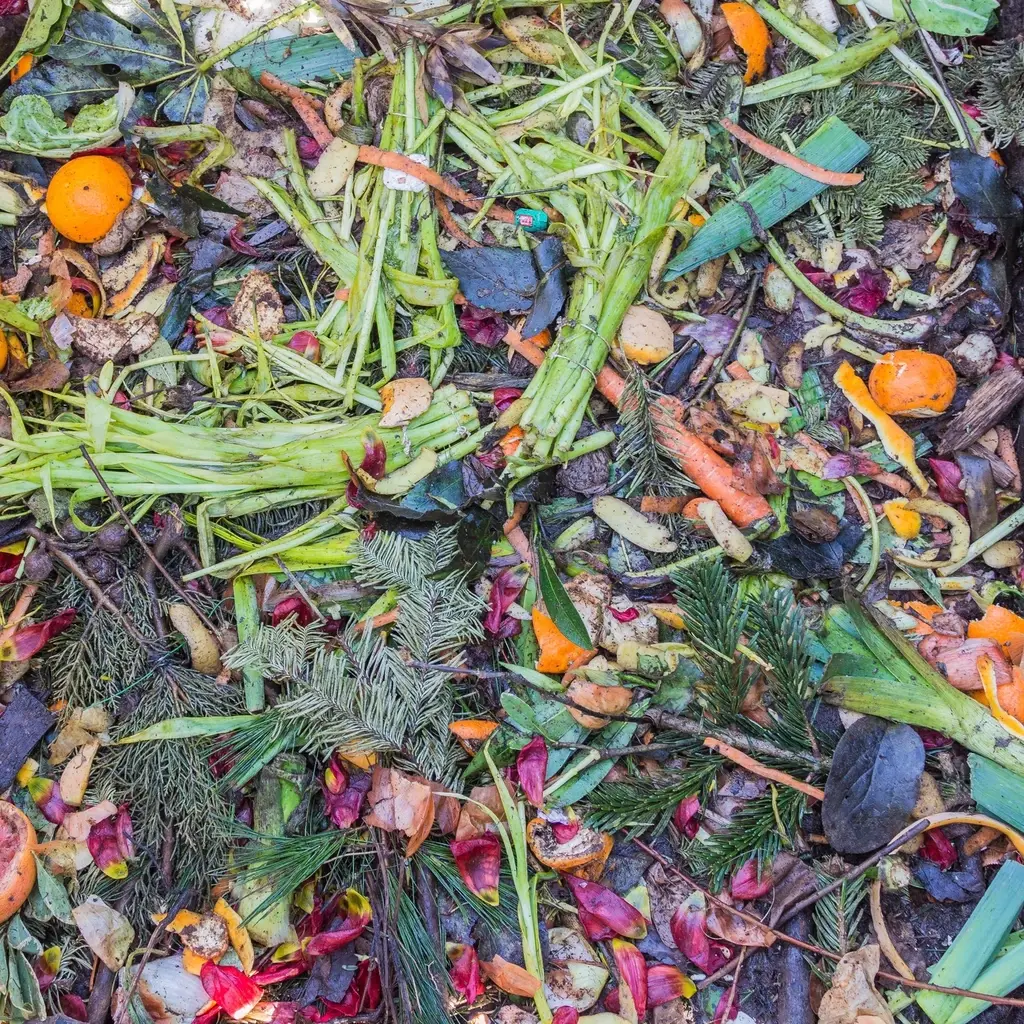
The significant difference between dark brown compost and fairly brown compost is in the level of its nutrients. A tan or light brown pile isn’t a failure, but it suggests either carbon-heavy inputs or decomposition that hasn’t fully reached maturity.
Hot composting is attainable by a mix of brown carbon-rich materials, such as sawdust, leaves, wood chips, and straw, and nitrogen-rich green materials. If the compost pile contains a higher proportion of carbon-rich materials, it can affect the brown hue of the finished compost. A pale result is often simply a sign of too many “browns” relative to “greens.”
If there is too much carbon in the compost, the decomposition process will slow down as microorganisms will struggle to break down the organic matter. The compost pile may become compact and dry, and the compost will not heat up as it should. Adding nitrogen-rich materials like fresh grass clippings or kitchen scraps can move things in the right direction.
The Green Tint: Nitrogen Overload
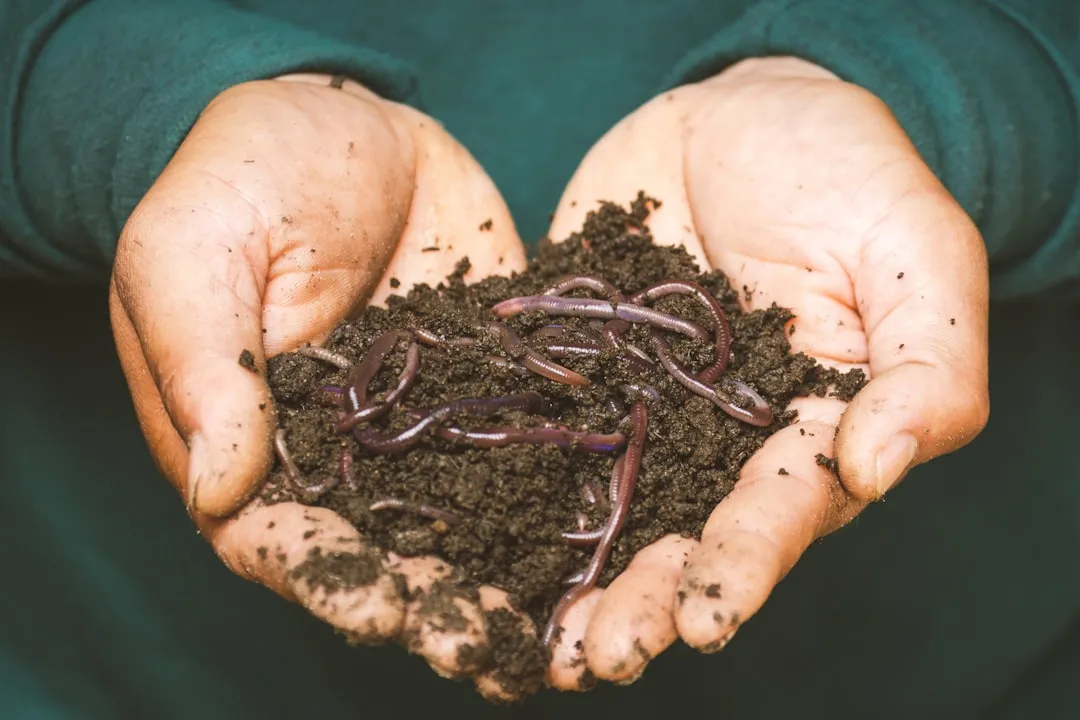
When it comes to composting materials, it’s not solely about the color. Green materials refer to compost ingredients high in nitrogen. These ingredients form the microbial life’s protein-rich diet, promoting faster composting. A fresh green-tinted pile is normal early on, but a persistently greenish compost that also smells sour is a different story.
When there’s too much nitrogen, the pile may smell strongly of ammonia, become slimy, and materials may mat together and lose porosity. Excess nitrogen cannot all be taken up by the microbial community, so it escapes as ammonia gas. This is both a nutrient loss and a sign that the pile needs rebalancing.
Research by Tiquia and Tam (2000) on nitrogen fate during composting demonstrated that nitrogen losses of 20 to 35 percent of initial nitrogen content are common when the C:N ratio is too low, with most of that loss occurring as ammonia volatilization. Correcting this early, by adding carbon-rich browns, preserves the nitrogen that plants actually need.
White or Gray Patches: Fungi at Work
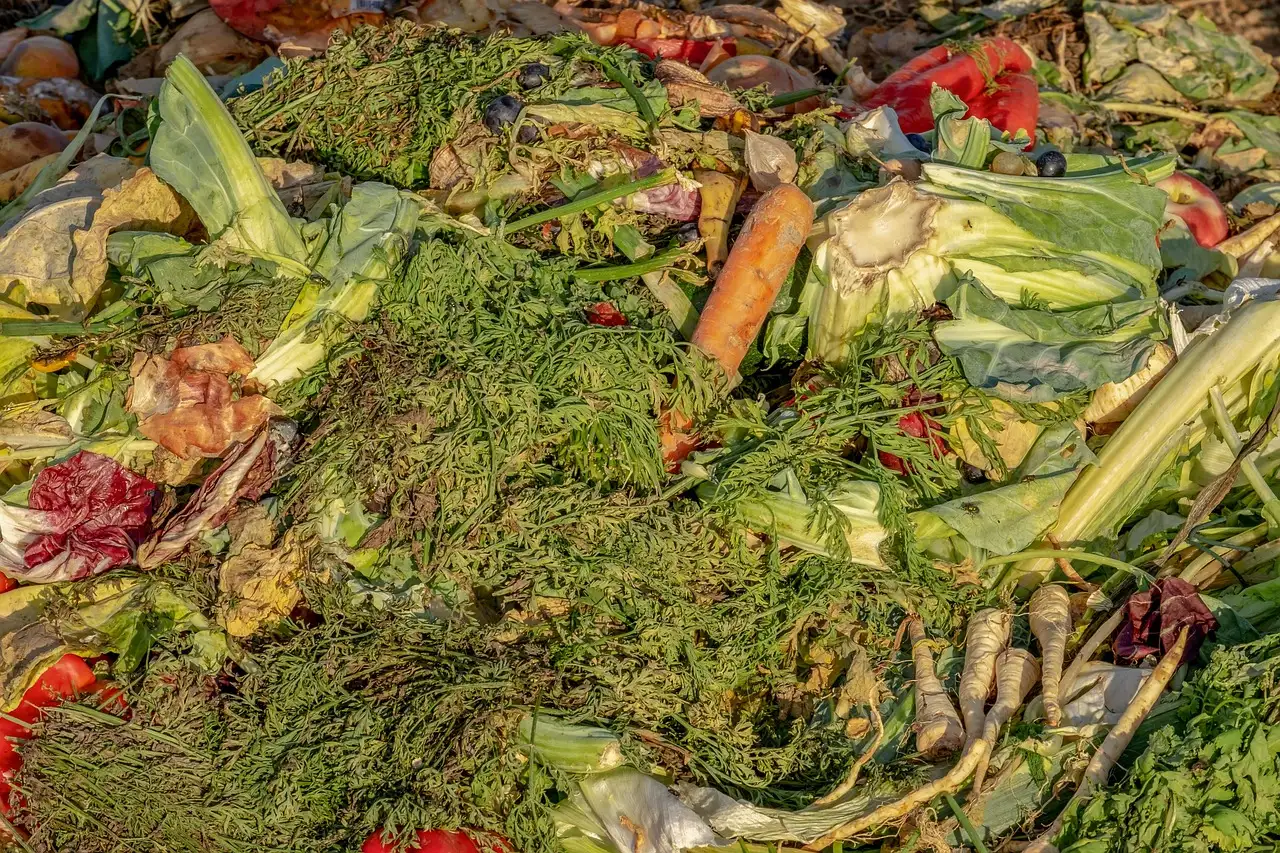
White fluffy growth in your compost bin is almost always beneficial mycelium, a sign of active decomposition. Many composters see this and panic, but it’s one of the more encouraging things you can spot in an active pile.
Mycelium is the thread-like root structure of fungi. It weaves through organic matter, breaking down tough carbon-based materials like dried leaves, cardboard, and wood chips. The second common white organism is actinobacteria, which look similar to mold but are actually bacteria. Both are essential decomposers.
If your compost smells good and the white growth is woven through carbon materials, it is almost certainly beneficial mycelium. If the compost smells bad and the white growth is concentrated on food waste with a slimy or powdery texture, anaerobic conditions may be causing problematic decomposition. Smell, not color, is the deciding factor here.
Gray and Ashy in the Center: Moisture Loss
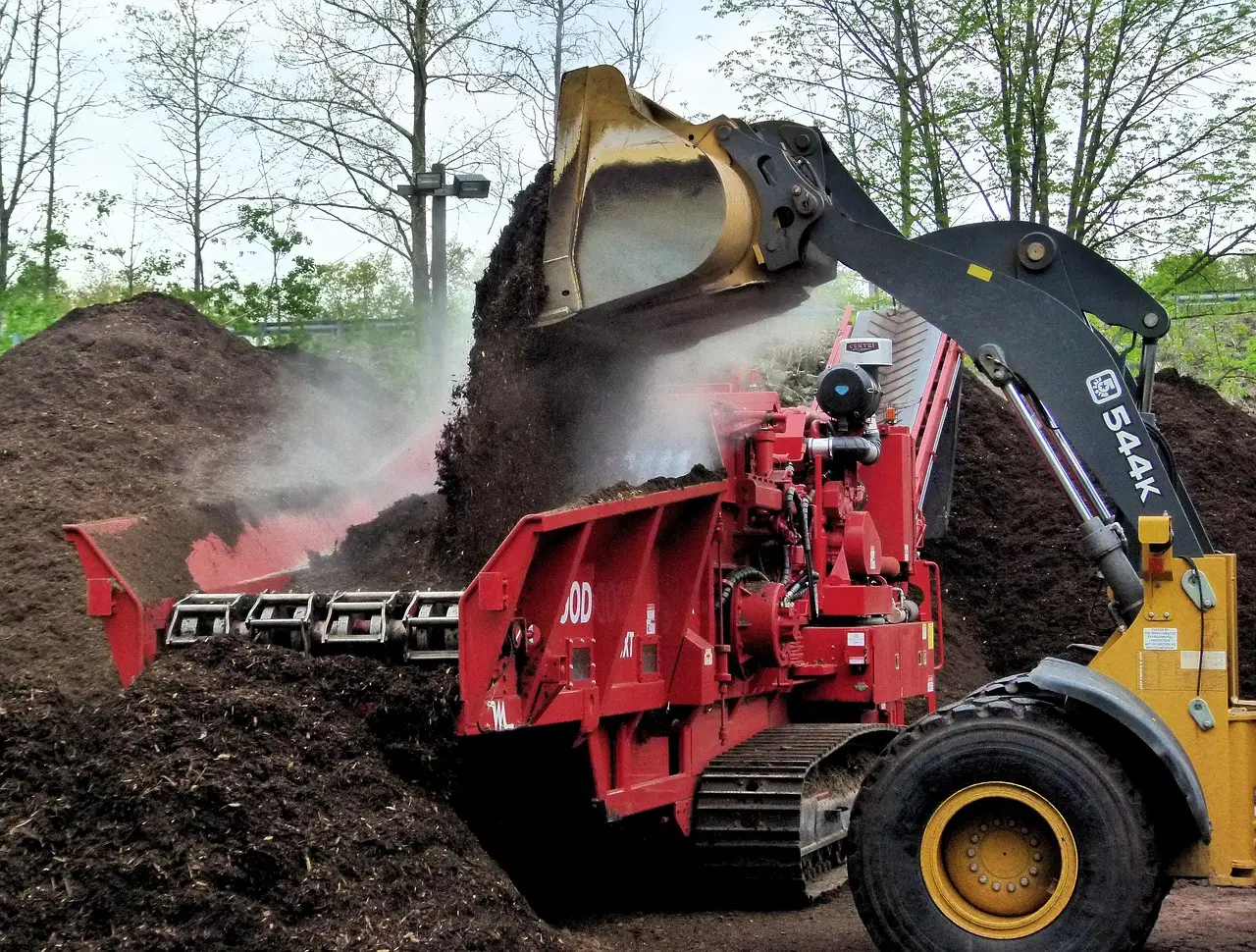
If the compost pile has been neglected and has dried out completely, the result is the compost losing moisture and structure and appearing gray and dusty in the center. This kind of ashy gray coloring in the middle of a pile points squarely at inadequate hydration rather than any fungal issue.
Even a perfectly balanced pile will stall if moisture drops below 40 to 60 percent water content. A simple test: squeeze a handful; it should feel moist but not drip. A gray, dusty pile that fails this test needs water before it needs anything else.
Dusty compost is usually a symptom of a lack of moisture. If caught early enough, the compost can be saved by adding water to raise dampness levels. Microbial activity slows sharply without adequate moisture, so nutrient development stalls along with the color transformation.
Green Mold on Food Scraps: Too Wet, Too Nitrogen-Heavy
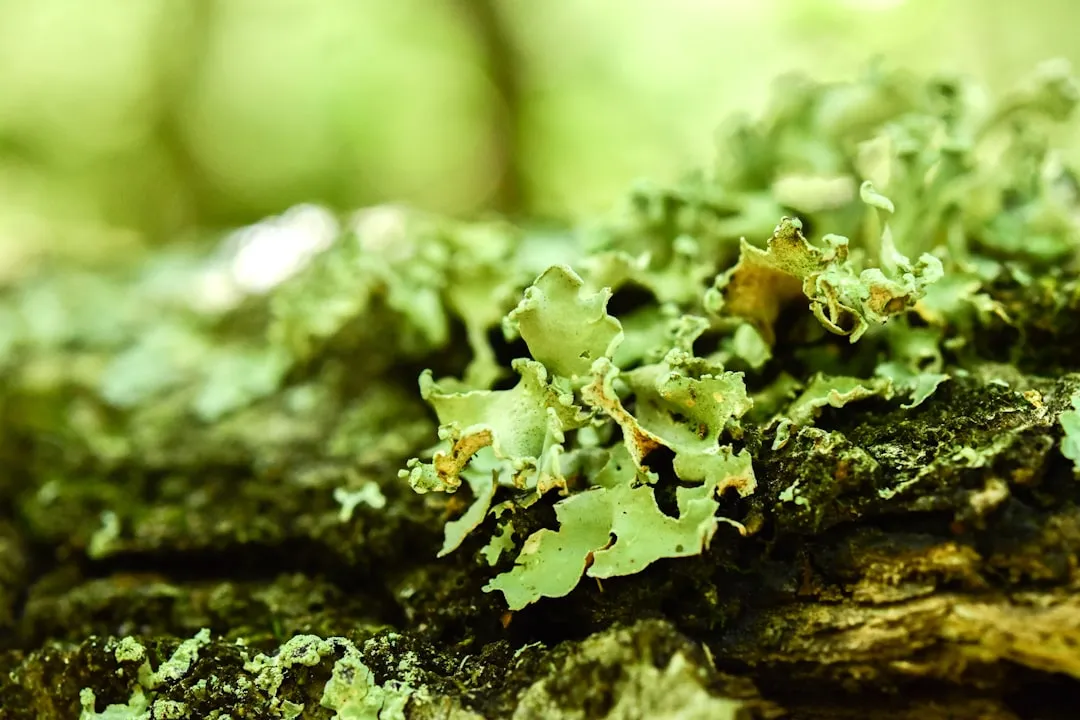
Green mold is seen in compost with a lot of food waste. It is also a sign of too much moisture in the bin, so keeping a balance of dry to wet ingredients helps. Green mold spreads fast as it digests nitrogen-carbon compounds in food scraps.
Green coloration is often an indicator of excess moisture in the compost pile. While generally not harmful, its presence suggests that adjustments may be needed to balance moisture levels. The practical fix is simple: layer in dried leaves, shredded cardboard, or straw to absorb that excess moisture.
When green mold appears alongside an off odor, it usually points to the same underlying issue as an ammonia smell: a pile that has too much nitrogen material relative to carbon and not enough air moving through it. Turning the pile thoroughly and adding dry browns typically resolves both problems within days.
Black Mold Spots: A Warning Sign
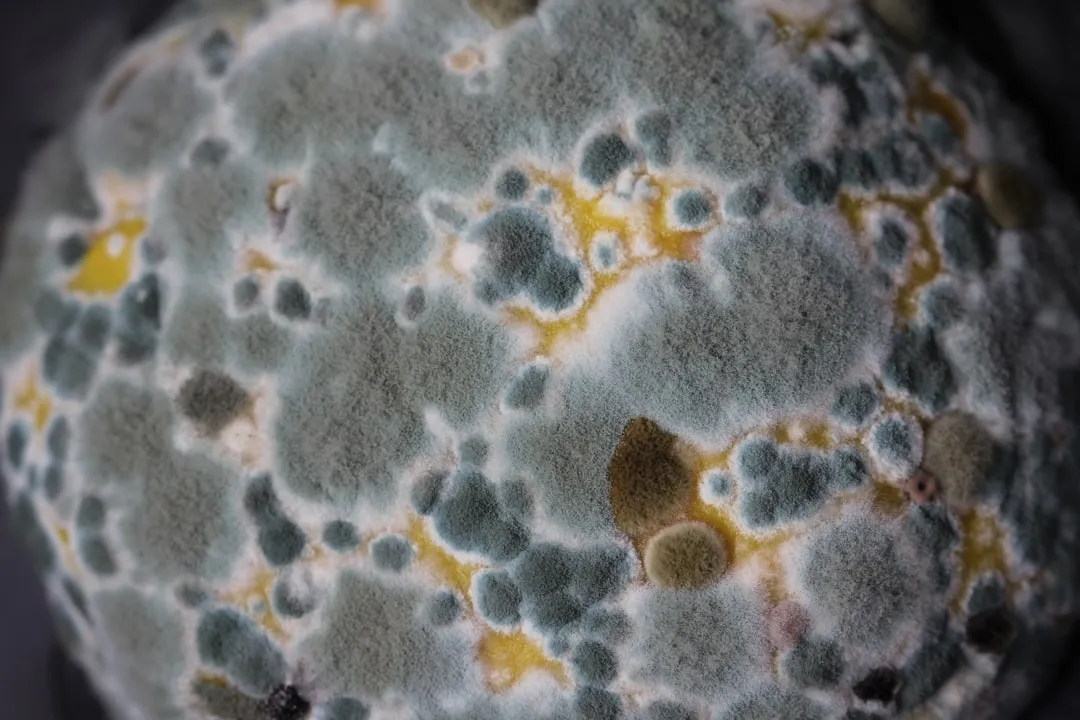
Black mold usually signals poor compost conditions, such as inadequate aeration or excessive moisture. Its appearance warrants immediate corrective action to restore balance. Unlike the white or gray fungal growth that indicates healthy decomposition, black mold patches tend to mean the pile has become anaerobic in spots.
An anaerobic pocket in a compost pile essentially pauses useful decomposition in that zone. Nutrients stop cycling, beneficial bacteria die back, and the material in that area begins to rot in the wrong direction rather than break down productively. A single good turning, redistributing dry material into wet zones, often fixes this.
When making compost, adequate aeration is required for microbial activity responsible for decomposition to take place. This can be thwarted by poor oxygen circulation. Keeping a pitchfork nearby for regular turns isn’t just good habit; it’s the most direct intervention for maintaining healthy color throughout the pile.
The Misleading Color of “Browns” and “Greens”
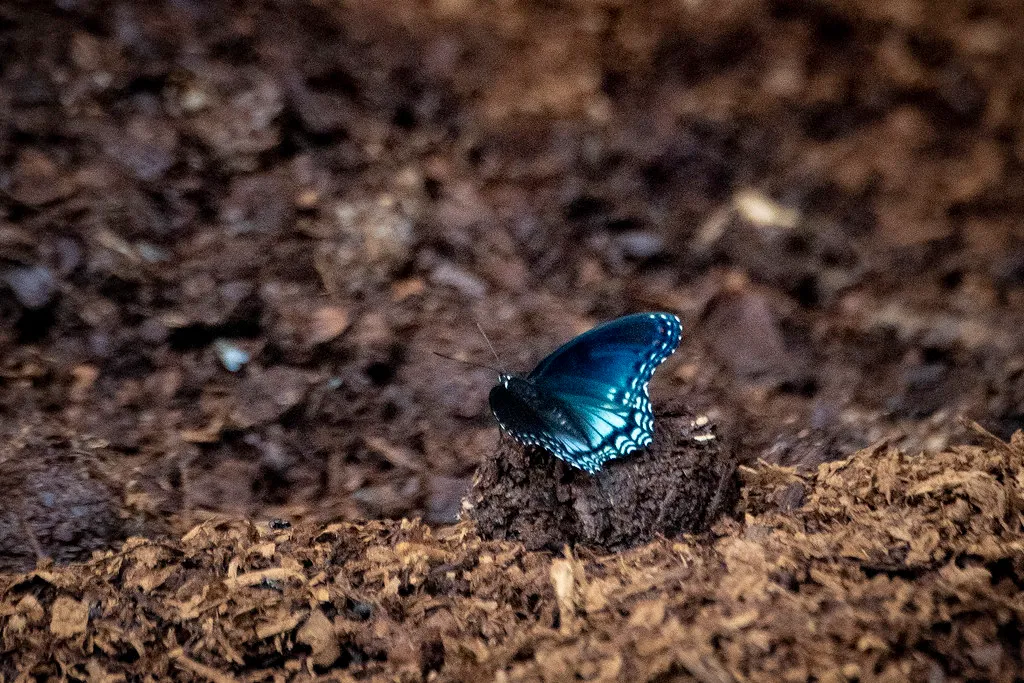
While you need to choose the correct green and brown material for compost, their actual color is not an indicator of what might be compost browns or greens. This is one of the most important points to understand about compost color: the labels “brown” and “green” refer to carbon or nitrogen content, not physical appearance.
For example, manure has a brown color, but since it has a lot of nitrogen relative to carbon, it’s considered a “green.” For the same reason, coffee grounds are a green. Fresh cut grass is a green due to the high nitrogen level, but as it dries it loses nitrogen and becomes a “brown.”
Generally, greens for compost are green in color, but not always. For instance, manure, although brown, is actually a green. Alfalfa hay is yet another example. It looks like it would be a “brown,” but due to its high nitrogen content, is actually a green. Judging a material’s contribution to the pile by its color alone will send you in the wrong direction.
The Ideal Ratio Behind the Right Color
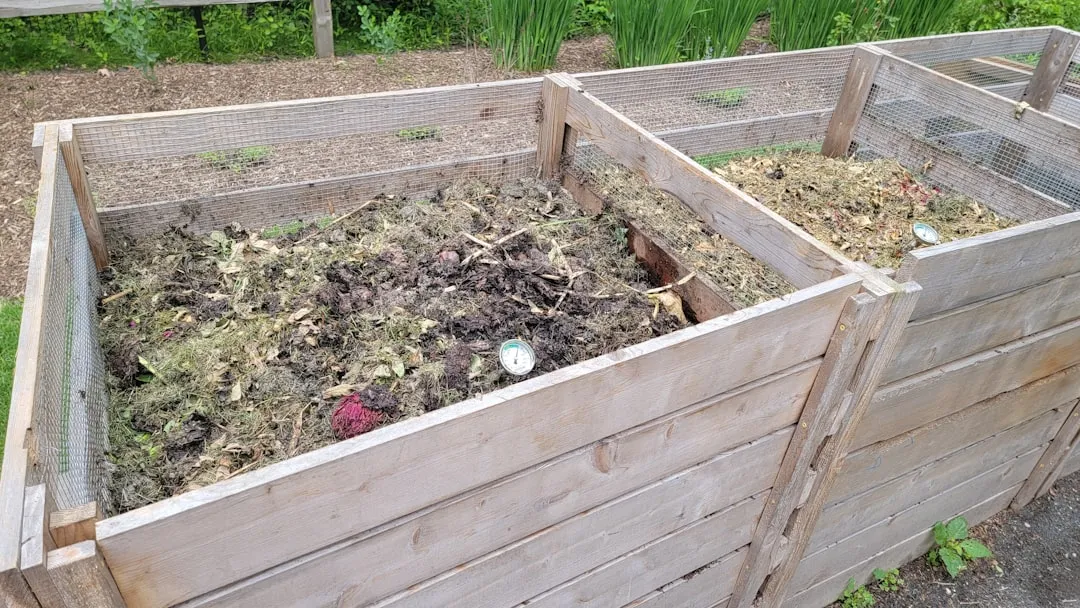
Scientists have determined that the fastest way to produce fertile, sweet-smelling compost is to maintain a C:N ratio somewhere around 25 to 30 parts carbon to 1 part nitrogen. Getting this balance right is what produces that coveted dark, crumbly finished product.
While professional composters aim for a 30:1 carbon-to-nitrogen ratio by weight, for everyday backyard composting, a simple rule of thumb is 3 parts brown to 1 part green by volume. The pile’s color at any given stage is essentially a visual summary of whether those proportions are holding or drifting.
Research suggests that the ideal ratio is around 25:1 to 35:1, but you can produce successful compost with a wider range of carbon-to-nitrogen ratios. The finished color won’t be identical across every pile, but a consistent dark brown result is a reliable sign that the ratio stayed within a workable range throughout the process.
What Color Tells You About Nutrient Availability at the End
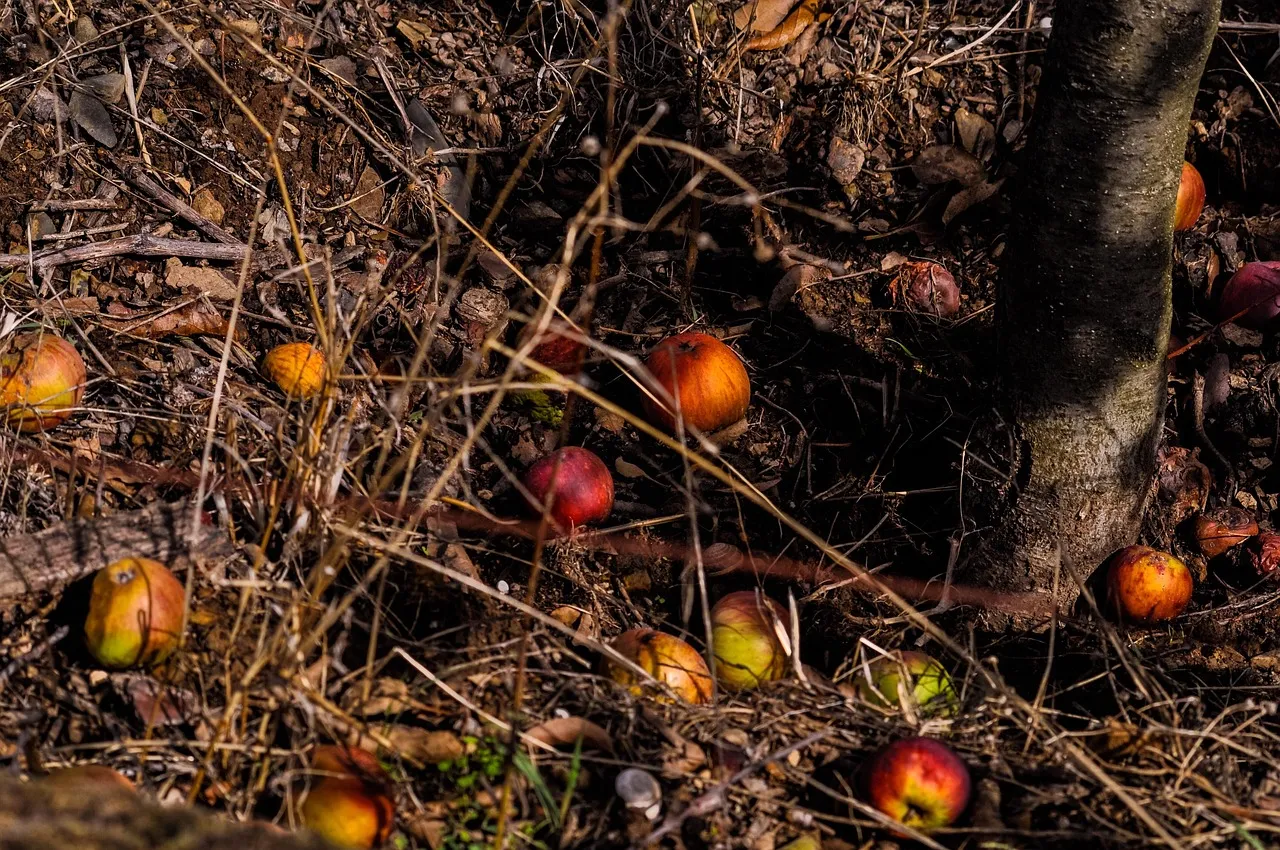
In most cases, finished compost is classified as a soil conditioner rather than a fertilizer due to the relatively low levels of nitrogen, potassium, and phosphorus. Finished compost adds these elements and others, but releases them over a longer period of time than chemical fertilizers.
Whether the compost product is fully mature is very important. Indicators of full maturity include the appearance, color, and odor, temperature, carbon nitrogen ratio, changes in organic matter content, humification index, and seed germination index. Color, in other words, is one piece of a larger diagnostic picture, but it’s a useful one.
Studies have found that between 35 and 100 percent of total phosphorus in compost is released depending on the time elapsed after application, with roughly 35 percent available after one year and approaching full availability after three to five years. A dark, fully matured compost signals that these nutrients are locked into stable organic forms, ready to be released gradually into the soil where plants need them most.
Conclusion
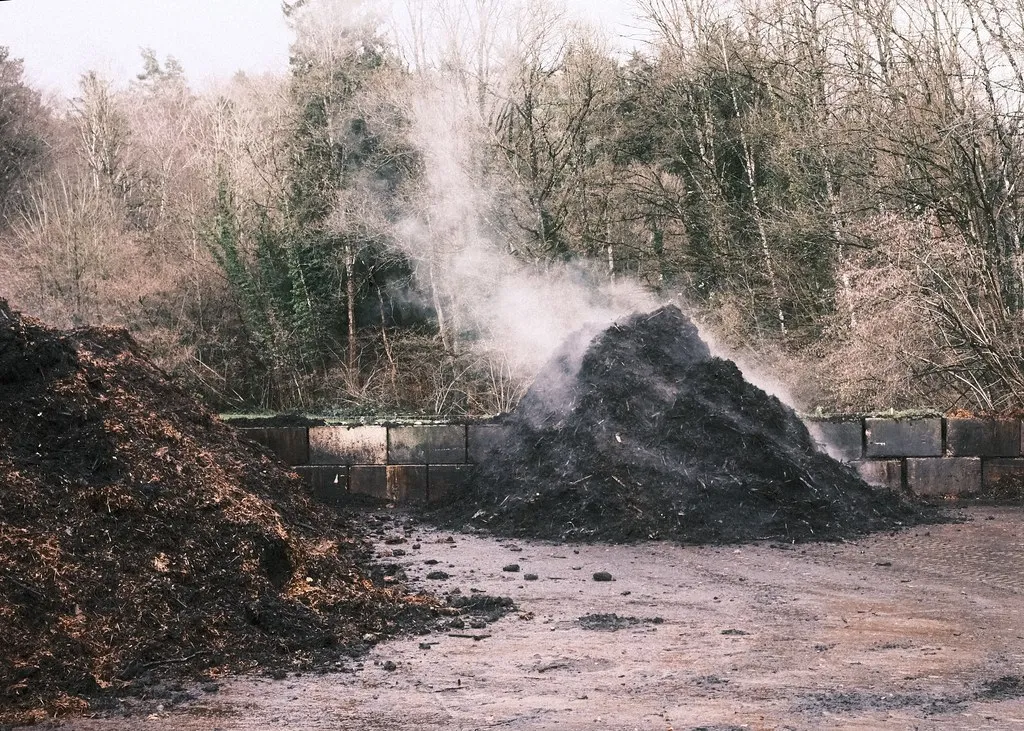
Color won’t give you a soil chemistry report, but it does give you something equally valuable: a quick, immediate read on where your pile stands. Dark brown means you’re close. Pale tan means you need more nitrogen. Persistent green smells mean you need more carbon. White fuzz usually means everything is fine. Gray and dusty means water it now.
The most useful shift any composter can make is to stop seeing color as purely aesthetic and start treating it as information. A pile that looks right usually is right, and one that looks off is trying to tell you something specific. The more you learn to read those signals, the less guesswork is involved in producing compost that genuinely improves the soil it touches.
AI Disclaimer: This article was created with the assistance of AI tools and reviewed by a human editor.