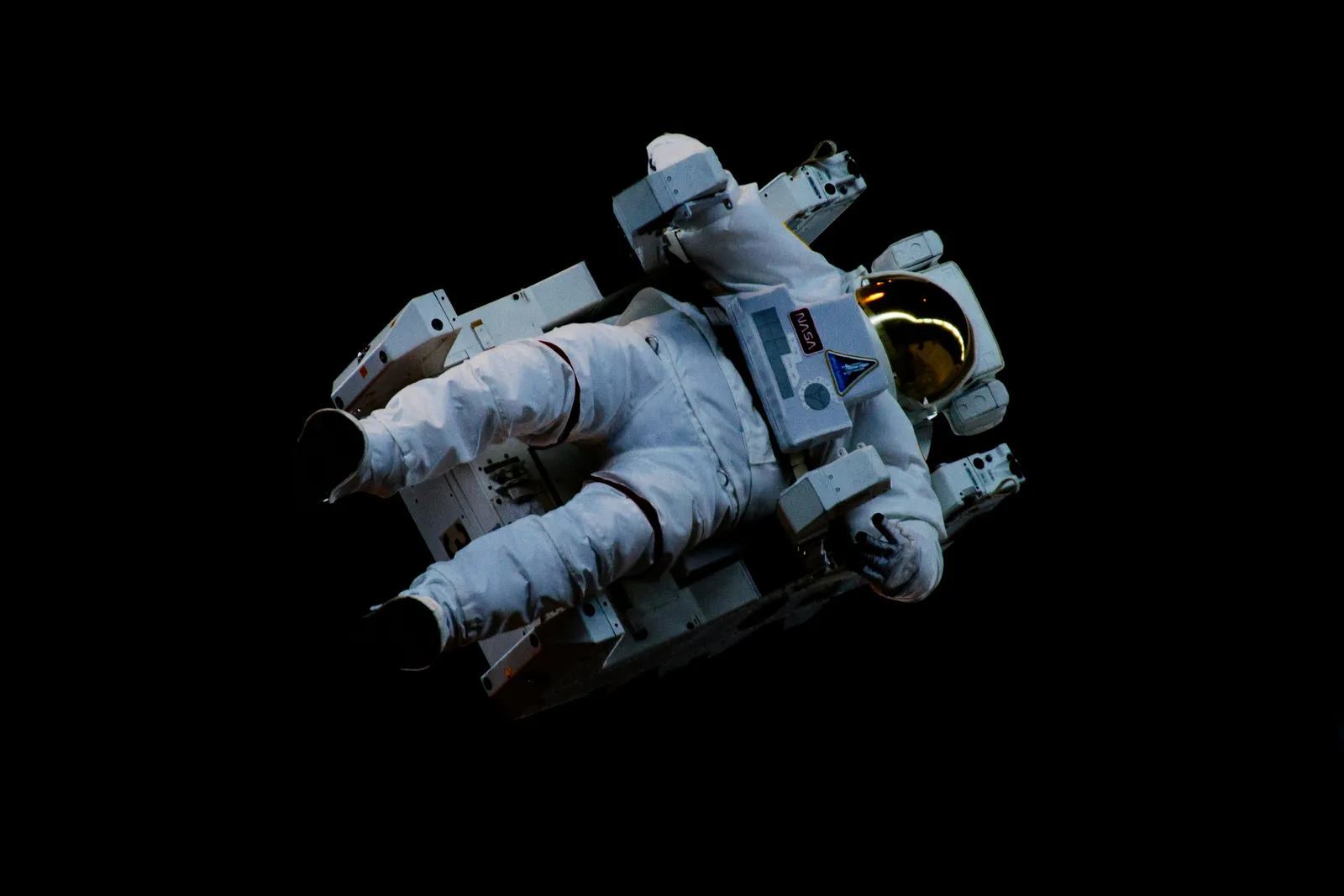

NASA has selected the astronauts who will fly on the Artemis III mission. Their primary task involves evaluating equipment while the spacecraft remains in orbit around Earth. This phase of work forms an essential part of the broader effort to prepare reliable systems for eventual lunar operations.
Why Orbital Testing Matters First
Equipment that performs well in the controlled environment of low Earth orbit provides critical data before any hardware faces the harsher conditions near the Moon. The Artemis III crew will operate these systems in real time, identifying issues that ground simulations cannot fully replicate. Such testing reduces risk for later stages of the program.
Astronauts bring human judgment and adaptability that automated systems still lack. Their observations during these flights will guide refinements to life support, navigation, and communication tools. The results will influence designs used on subsequent missions.
What the Crew Will Focus On
The astronauts will run a series of checks on hardware intended for future lunar use. These evaluations take place entirely in Earth orbit, allowing quick return to the ground if adjustments are needed. The work emphasizes reliability and safety over any immediate surface operations.
Each test contributes to a growing body of knowledge about how components behave during extended flights. Data collected will help engineers understand performance limits and maintenance requirements. This step-by-step approach builds confidence in the overall architecture.
Looking Ahead to Broader Exploration Goals
Successful completion of these orbital tasks clears one more milestone on the path toward sustained lunar activity. The Artemis program aims to establish a foundation for regular human presence beyond low Earth orbit. Crew feedback from Artemis III will shape planning for those longer journeys.
Public interest remains high because the mission represents a tangible step in expanding human reach. The selected team carries the responsibility of validating systems that future crews will depend on. Their work keeps the possibility of renewed lunar exploration on a steady timeline.
AI Disclaimer: This article was created with the assistance of AI tools and reviewed by a human editor.