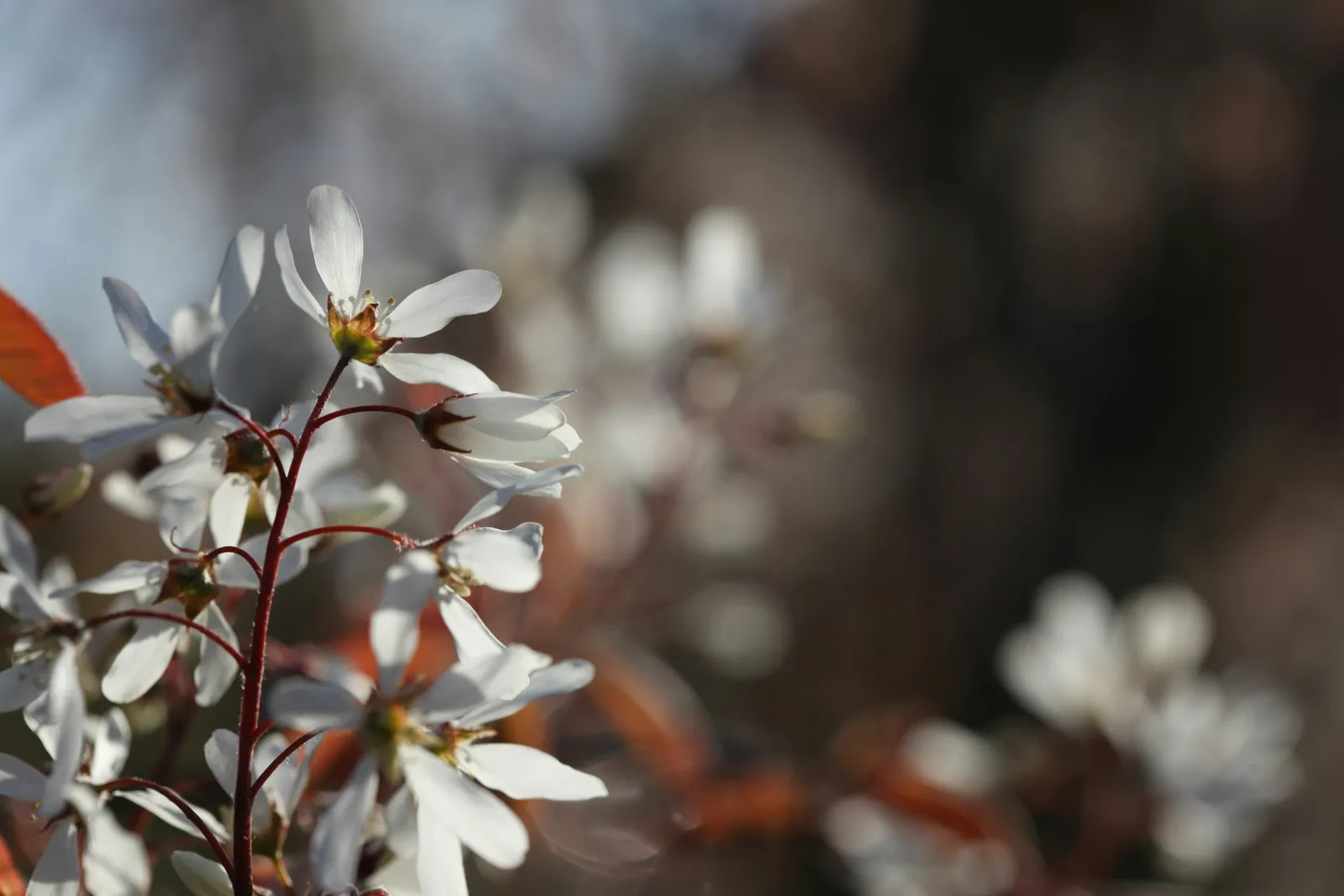

Across much of North America, gardeners continue to overlook a resilient native shrub or small tree that delivers both ornamental spring displays and flavorful summer fruit. Juneberries, members of the Amelanchier genus, have sustained Indigenous communities and early explorers for centuries yet remain uncommon in modern plantings. Their adaptability to varied soils and climates makes them a practical choice for edible landscapes in many regions.
Historical Role as a Native Food Source
Indigenous tribes across the continent relied on juneberries as a staple ingredient in pemmican, a preserved mixture of dried berries, meat, and fat that supported survival through harsh winters. Explorers including Lewis and Clark adopted the fruit during westward journeys across the plains, where it served as a reliable foraging option. Regional names reflect this heritage: shadbush or shadblow on the East Coast, tied to the timing of shad fish migrations, and saskatoon in western areas where the plants favor open prairies.
Botanist L. H. Bailey noted in 1930 that juneberries had nourished pioneers and prospectors, praising their value as both nourishing and pleasing dessert fruits. Despite this long record, the plants stayed largely outside commercial fruit production until recent interest in native edibles grew. Today they appear in roughly twenty to twenty-five species distributed from Alaska through Canada and into the southern United States.
Fruit Qualities and Practical Uses
The small fruits resemble blueberries in size and color progression but qualify botanically as pomes rather than true berries. They ripen over a brief window in early summer, shifting from green to shades of red, purple, and near-black with a waxy coating. Flavor combines notes of dark cherry, apple, and raisin with a subtle almond finish from the edible seeds, though the low acidity can leave some tasters finding them mild.
Fresh eating offers the peak experience, yet the fruit preserves well and substitutes directly for blueberries in pies, muffins, and other baked goods. Home cooks also turn the harvest into wine, beer, or cider. Nutritionally, juneberries supply iron along with vitamins A and E, plus notable amounts of protein, magnesium, calcium, potassium, and antioxidants.
Site Selection, Care, and Potential Challenges
Juneberries tolerate a broad spectrum of soils, from sandy to clay-heavy, provided drainage remains adequate. Full sun supports the strongest fruit production and reduces disease pressure, even though some species naturally occur in partial shade. Hardiness ratings range from zone 3 to zone 4 depending on the species, covering winter lows down to minus 40 degrees Fahrenheit in the coldest areas.
Plants are self-fertile yet yield larger crops when another compatible specimen grows nearby. Annual compost applications improve fruiting without heavy fertilization. Pruning helps manage suckering tendencies and maintains a tidy shape with three or four main trunks. The primary obstacles remain fungal issues such as rust, leaf spot, fire blight, and powdery mildew during wet seasons, plus heavy bird pressure that often requires netting or early harvest of slightly underripe fruit for baking.
Strong Cultivar Options for Home Gardens
Selecting a named cultivar reduces uncertainty around species identification and performance. Several stand out for reliable fruit and landscape value.
- Autumn Brilliance, a hybrid reaching about 25 feet, produces consistent crops and vivid fall color while showing good hardiness to minus 35 degrees Fahrenheit.
- Regent, a compact saskatoon type growing 4 to 6 feet tall, flowers early and delivers notably sweet fruit with solid disease resistance.
- Thiessen, another saskatoon selection, forms a larger bush 12 to 15 feet high and bears the largest individual fruits among common varieties.
Propagation from root suckers works well in late winter before flowering begins, while seed requires cold stratification and may produce variable offspring.
Juneberries reward modest effort with early-season interest, summer harvests, and ecological compatibility that few exotic fruit plants can match. Adding one or two specimens this season expands both garden diversity and the edible yield available from native stock.
AI Disclaimer: This article was created with the assistance of AI tools and reviewed by a human editor.