

Most of the electricity wasted in an average home doesn’t come from leaving the lights on all night. It hides in the thermostat nobody adjusted, the television on standby, and the hot wash cycle that didn’t need to be hot. The average U.S. household uses about 10,332 kilowatt-hours of electricity per year, or roughly 861 kWh each month – a number that has been creeping upward. That’s a significant chunk of both household budget and greenhouse gas output, and a surprising share of it can be cut without replacing a single appliance.
Residential energy use accounts for roughly a fifth of all greenhouse gas emissions in the United States. The good news is that accelerating energy efficiency improvements can deliver over a third of all carbon dioxide emission reductions between now and 2030. None of that starts with a government policy. It starts in your home.
Switch Every Bulb to LED

Lighting accounts for around 15% of an average home’s electricity use, and the average household saves about $225 in energy costs per year by using LED lighting. Residential LEDs, especially ENERGY STAR rated products, use at least 75% less energy and last up to 25 times longer than incandescent lighting. The upfront cost difference has almost disappeared – bulb prices have dropped steadily over the past several years.
The shift is already well underway. In 2015, the share of U.S. households using mostly LED bulbs for indoor lighting was just 4%. By 2024, that share had climbed to 63%. According to the most recent Residential Energy Consumption Survey, 90% of U.S. households now report using LED bulbs, with over a third relying on them for all indoor lighting. If you’re still in the remaining 10%, the switch pays for itself quickly.
Install a Smart Thermostat
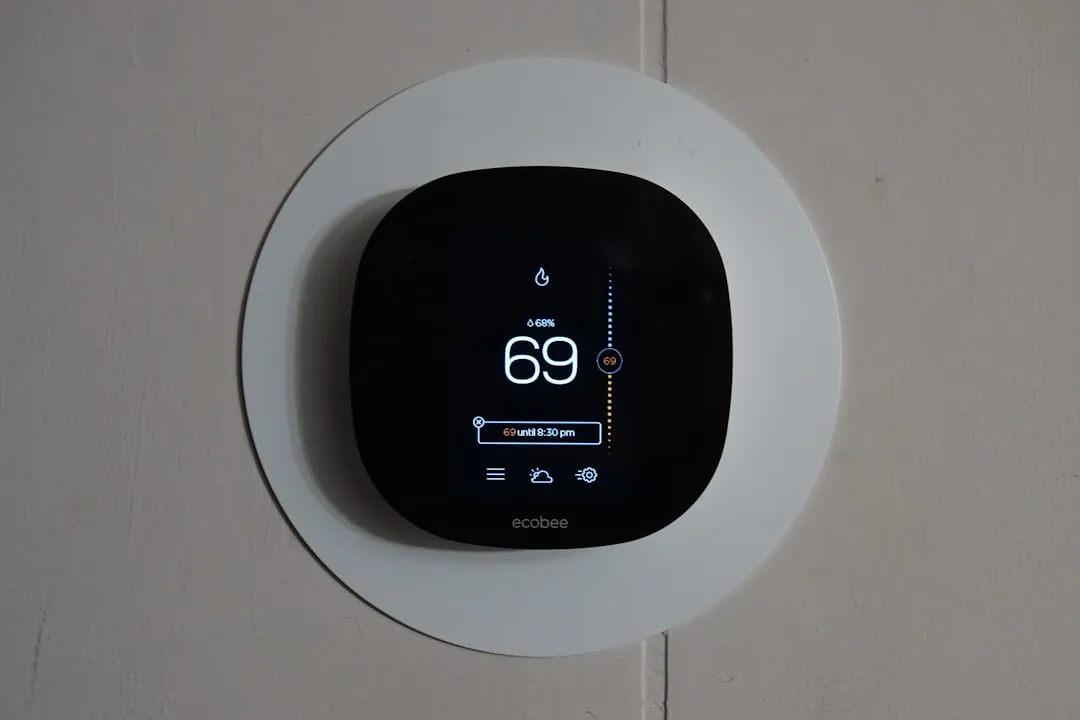
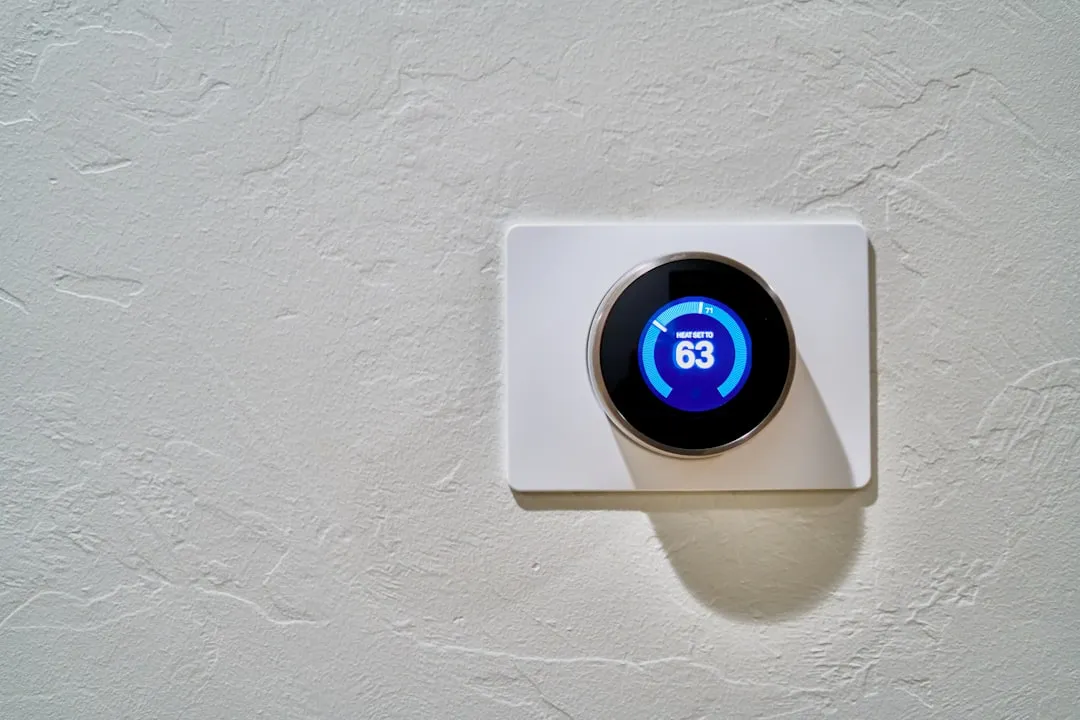
For the average American household, almost half of the annual energy bill goes to heating and cooling – that’s more than $900 a year. A smart thermostat works by learning your schedule and cutting conditioning in rooms or at hours when you don’t need it. According to two independent studies of actual Nest customers, smart thermostats can, on average, save customers between 10 and 12 percent on heating and 15 percent on cooling.
On average, ENERGY STAR certified smart thermostats save approximately 8% of heating and cooling bills, or about $50 per year, though savings may be greater depending on climate, occupancy, and the type of HVAC equipment involved. Each 1°F adjustment also shifts HVAC costs by roughly 2 to 3%, which adds up fast over a full season. The thermostat itself typically costs between $100 and $250 and can be installed in an afternoon.
Seal Air Leaks and Add Insulation
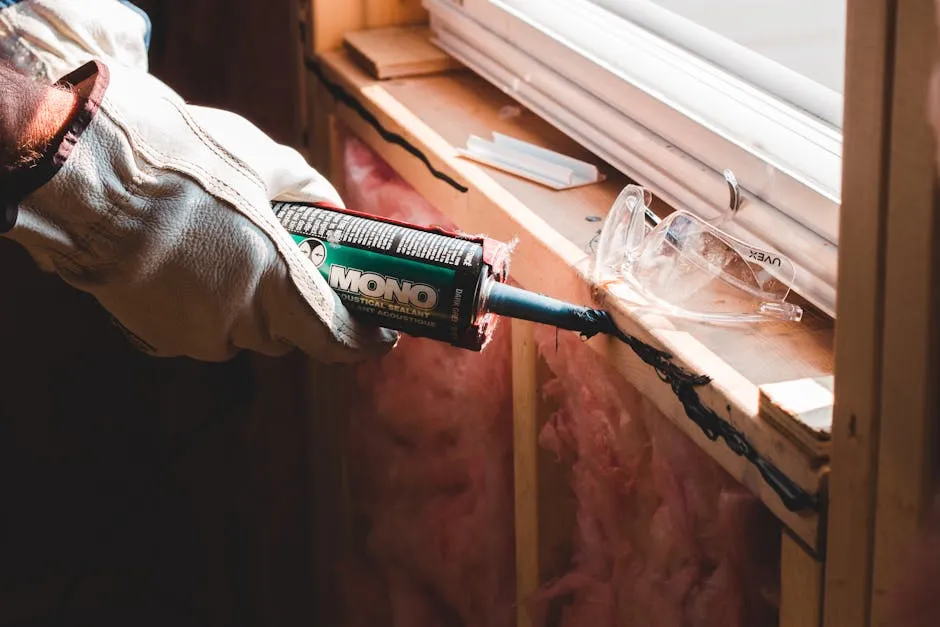
A properly insulated home and attic can save between 10 and 50% on a home’s energy bill, according to the U.S. Department of Energy. Air sealing is one of the cheapest projects a homeowner can do, often requiring little more than weatherstripping and caulk around doors, windows, and pipe penetrations. Insulation and air sealing reduce heating and cooling energy loss by 25 to 30%, and comprehensive weatherization programs reduce total energy bills by an average of 23%.
Air sealing and attic insulation deliver some of the best return on investment of any home upgrade, saving between $300 and $600 per year, with a payback period of three to seven years. They also reduce the required HVAC capacity, improving the payback on any future heating or cooling equipment you install. The practical implication: insulate before you upgrade anything else.
Eliminate Phantom Loads with Smart Plugs
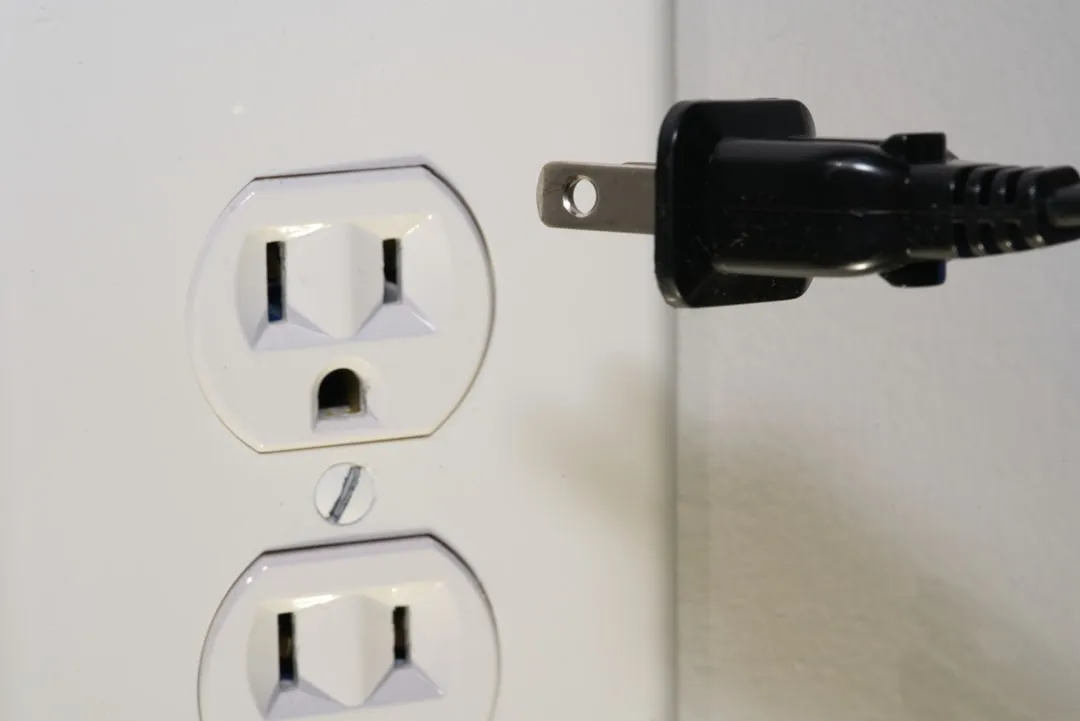
Phantom load is the electricity devices draw while in standby or switched off. It accounts for 5 to 10% of household electricity use, costing between $100 and $200 per year for the average home. Televisions, game consoles, desktop computers, and even phone chargers all draw a quiet, continuous trickle that adds up across every hour of every day.
Smart plugs are a practical fix. A single device in standby mode, like a game console or printer, might draw around 5 watts constantly. Across 10 to 15 plugged-in devices, smart plugs could help eliminate $75 to $150 per year in wasted energy. The plugs themselves cost well under $30 each and require no special wiring or technical knowledge.
Wash Clothes in Cold Water

Water heating consumes about 90% of the energy it takes to operate a clothes washer. Unless you’re dealing with oily stains, washing in cold water will generally do a good job of cleaning. Switching your temperature setting just from hot to warm can cut a single load’s energy use in half. Going fully cold cuts it further still.
Switching from hot to cold water reduces washing energy consumption by 75 to 85%, saving between $50 and $150 annually for typical households while also protecting fabrics from damage. The average American family washes about 300 loads of laundry each year, and ENERGY STAR certified washers use about 20% less energy and 30% less water than regular models. Cold water and a quality machine is a combination that’s hard to beat for low-cost savings.
Lower Your Water Heater Temperature
Water heating is the second largest energy expense in the home, accounting for about 18% of your utility bill. Many water heaters are factory set to 140°F, which is unnecessarily hot for most household needs and burns extra energy around the clock. Setting the water heater to 120°F is a change that is safe, comfortable, and genuinely energy-efficient.
Electric water heaters account for roughly $23 per month on the average electricity bill. Heat pump water heaters can cut this cost by 50 to 65%. Even without upgrading the unit, simply lowering the thermostat setting and insulating the first few feet of hot water pipes will produce measurable savings each month. It takes about five minutes and a screwdriver.
Upgrade Windows or Seal Existing Ones
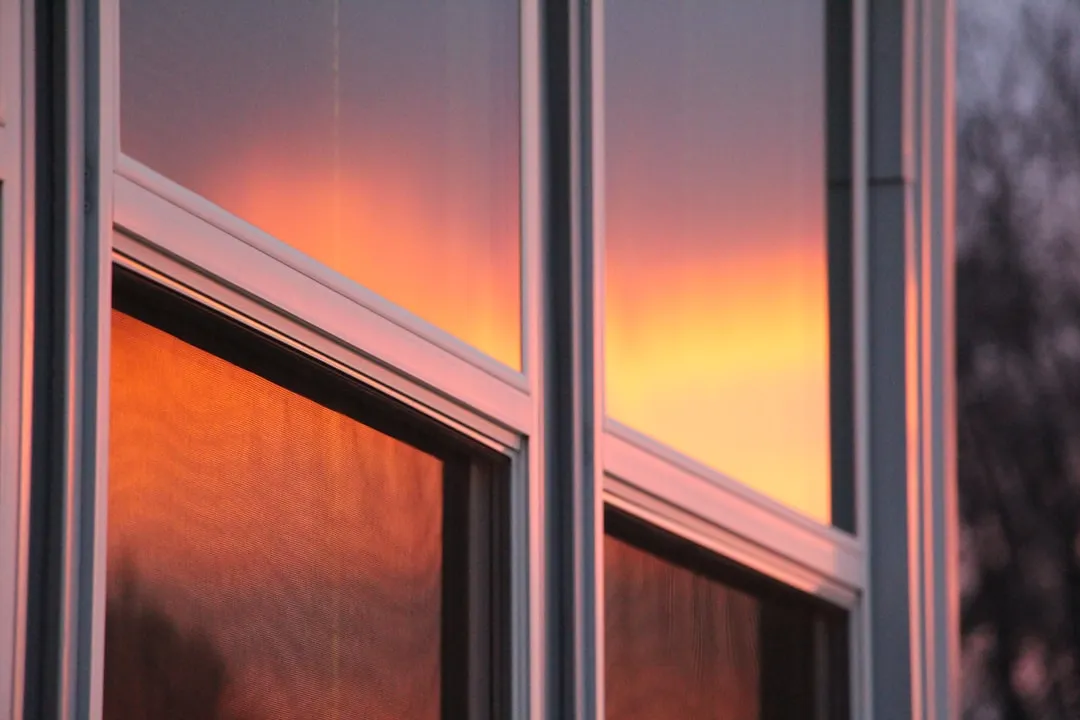
Heat gain and loss through windows are responsible for 25 to 30% of a home’s heating and cooling energy use. Before investing in full window replacements, check for drafts around existing frames. A simple rope caulk or foam strip can plug gaps that are silently costing money. Switching to ENERGY STAR certified windows can lower household energy bills by an average of 12%.
Replacing single-pane windows can save on average between roughly 1,000 and 6,200 pounds of CO2 annually, depending on the home and climate. For renters or those who can’t replace windows, heavy curtains or thermal window film offer a meaningful partial solution. They won’t eliminate the loss, but they reduce it at very low cost.
Use Energy-Efficient Appliances
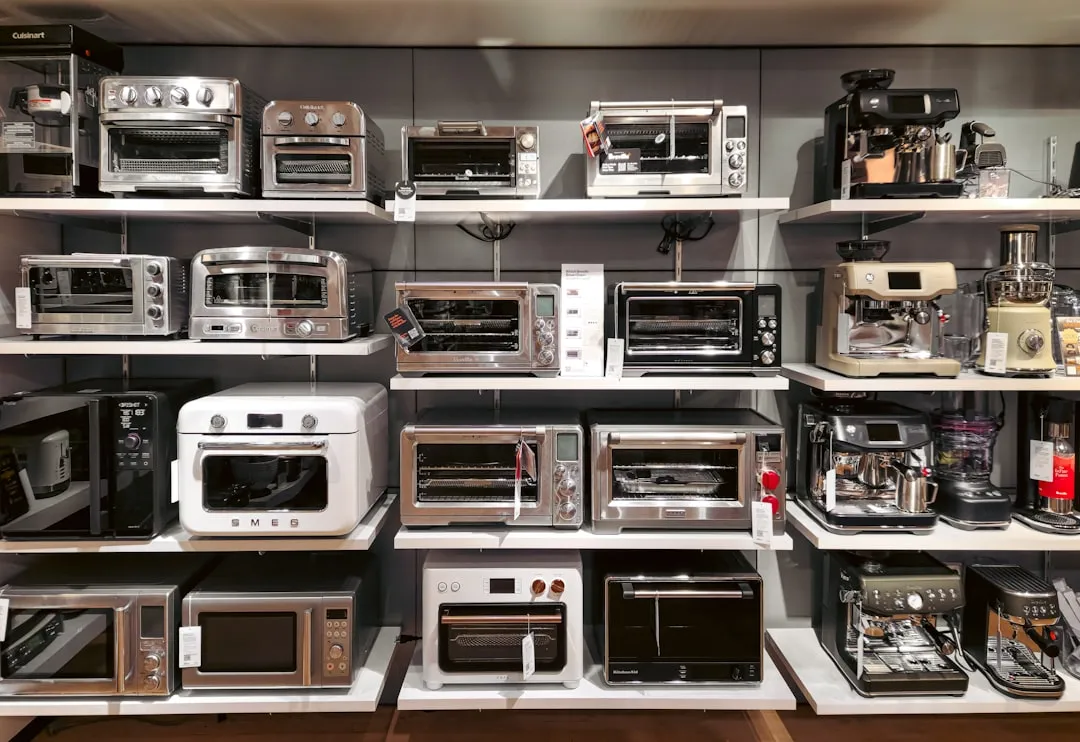
Energy Star appliances use 10 to 50% less energy than standard models. When a fridge, dishwasher, or washing machine reaches the end of its life, choosing an ENERGY STAR replacement is one of the most impactful decisions a household can make. ENERGY STAR certified clothes washers use about 20% less energy and 30% less water than regular models, and over the lifetime of the product, they can save about $530 in energy costs.
National appliance standards saved the average U.S. household about $500 a year on utility bills in one study period, or about 16% of average annual utility bill spending. Updated standards continue to tighten those benchmarks. Buying ENERGY STAR isn’t just a green gesture – it’s typically the financially smarter choice over the life of the appliance.
Switch to Renewable Energy or Green Tariffs
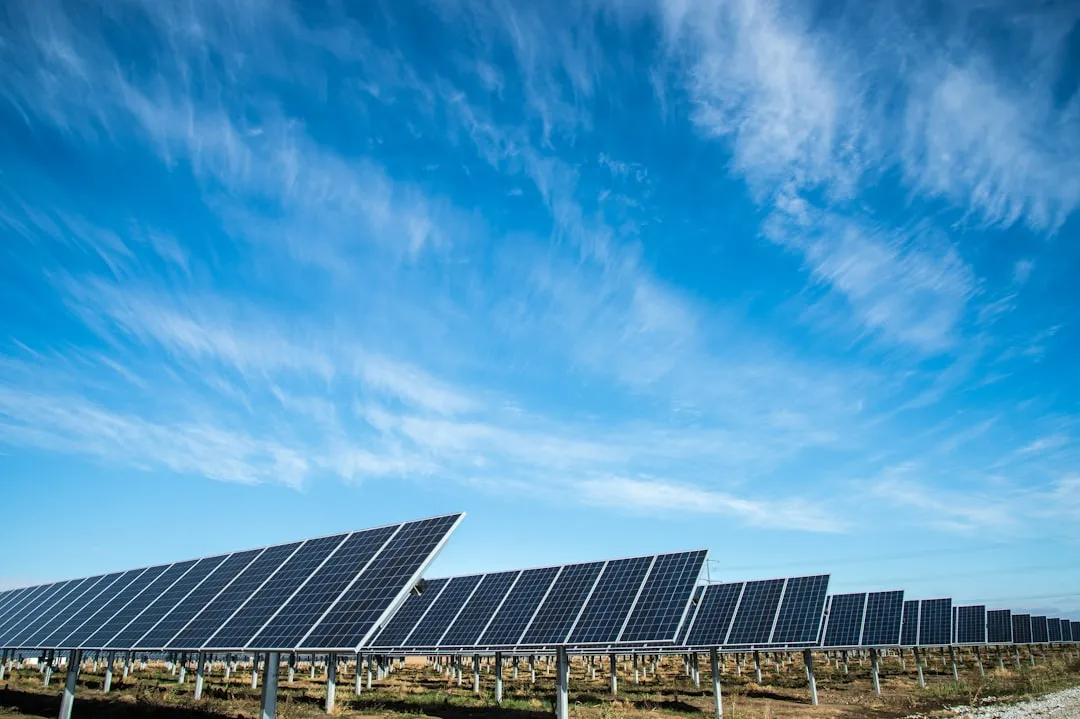
By switching to renewable energy, a household can reduce its carbon footprint by up to 2.5 tons annually. Solar panels are the most direct route for homeowners, but they’re not the only one. Many utilities now offer green tariff programs where your electricity is matched with renewable generation on the grid, often at little or no premium. If your home has access to a suitable roof, installing solar panels can reduce both carbon emissions and long-term energy bill costs. Many local energy providers also have ways to incorporate renewable energy for households without panels.
Over the lifetime of a solar panel system, the average home can save between $20,000 and $75,000 in electricity costs. Those figures vary widely by state, roof orientation, and system size, so it pays to get a local estimate. Even without panels, contacting your utility about a green power option takes about ten minutes and can shift the emissions profile of every kilowatt-hour you consume.
Improve Heating and Cooling Efficiency

Heating and cooling account for about half of a standard home’s energy usage. Beyond thermostats and insulation, the efficiency of the hardware itself matters a great deal. ENERGY STAR certified heating and cooling equipment can yield annual savings of 10 to 30%. Heat pumps, in particular, often consume less than 25% of the energy used by gas boilers, making them one of the most impactful upgrades available to homeowners in 2026.
Properly sealing ducts can improve a heating and cooling system’s efficiency by 20% or more. That’s a step that’s easy to overlook because ducts are hidden in walls and ceilings, but leaky ductwork effectively means paying to heat and cool spaces that aren’t even rooms. Improving a home’s energy efficiency through better insulation or replacing an oil or gas furnace with an electric heat pump can reduce a household’s carbon footprint by an average of 900 kilograms of CO2 equivalent per year – that’s nearly a full metric ton.
Conclusion

None of the adjustments in this list require a major renovation or a large upfront investment. Some, like switching to cold water washes or lowering the water heater thermostat, cost absolutely nothing. Others, like smart plugs and LED bulbs, pay for themselves within months.
The pattern is consistent across all of them: small, deliberate changes compound over time into real savings. In the wake of rising energy prices, many households are recognizing energy efficiency’s important role in keeping energy affordable – reducing costs, improving living conditions, and supporting goals to reduce carbon emissions all at once. A lighter power bill and a lighter carbon footprint tend to arrive at the same address.
AI Disclaimer: This article was created with the assistance of AI tools and reviewed by a human editor.