

Somewhere between the vegetable patch and the flower border, there’s a small crisis unfolding. The insects that keep gardens productive and ecosystems stable are losing their homes faster than most people realize. Because of development, green spaces are being destroyed, and many pollinators are losing their natural habitat. A bug hotel won’t fix everything, but it’s a genuine, tangible step you can take on a weekend afternoon.
At first glance, a bug hotel may look like a simple wooden block with tubes, but it’s an extraordinary habitat custom-designed to support solitary bees, predatory beetles, and other vital garden helpers. The best part is that you likely already have most of what you need.
Why Pollinators Are in Serious Trouble
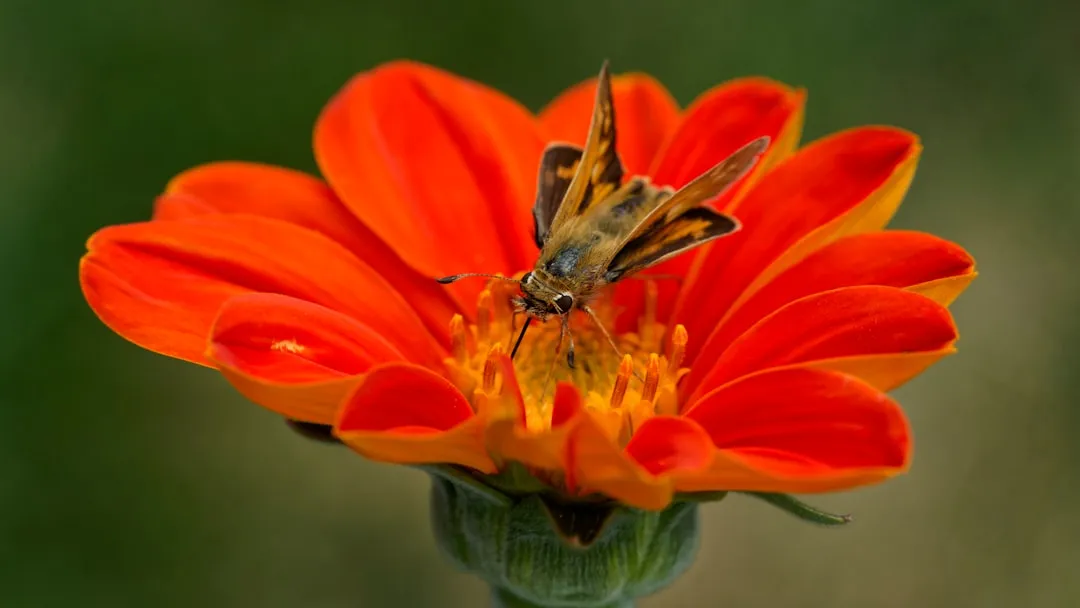
The numbers behind pollinator decline are hard to ignore. A review found nearly a 45% decline in global insect abundance since the 1970s. That’s not a slow drift; it’s a collapse happening within living memory.
Approximately 16% of vertebrate pollinators, such as birds and bats, and 40% of invertebrate pollinators, such as bees and butterflies, are at risk of extinction. A 2025 PNAS study reinforced this, finding that more than one in five species of vertebrate and insect pollinators assessed across nearly 1,600 species is at risk of extinction.
With 76% of the food crops we rely on globally dependent on pollinators, the decline in pollinator populations is causing reduced crop yields and threatening the world’s food supply. This isn’t an abstract ecological concern. It lands on your plate.
What a Bug Hotel Actually Does
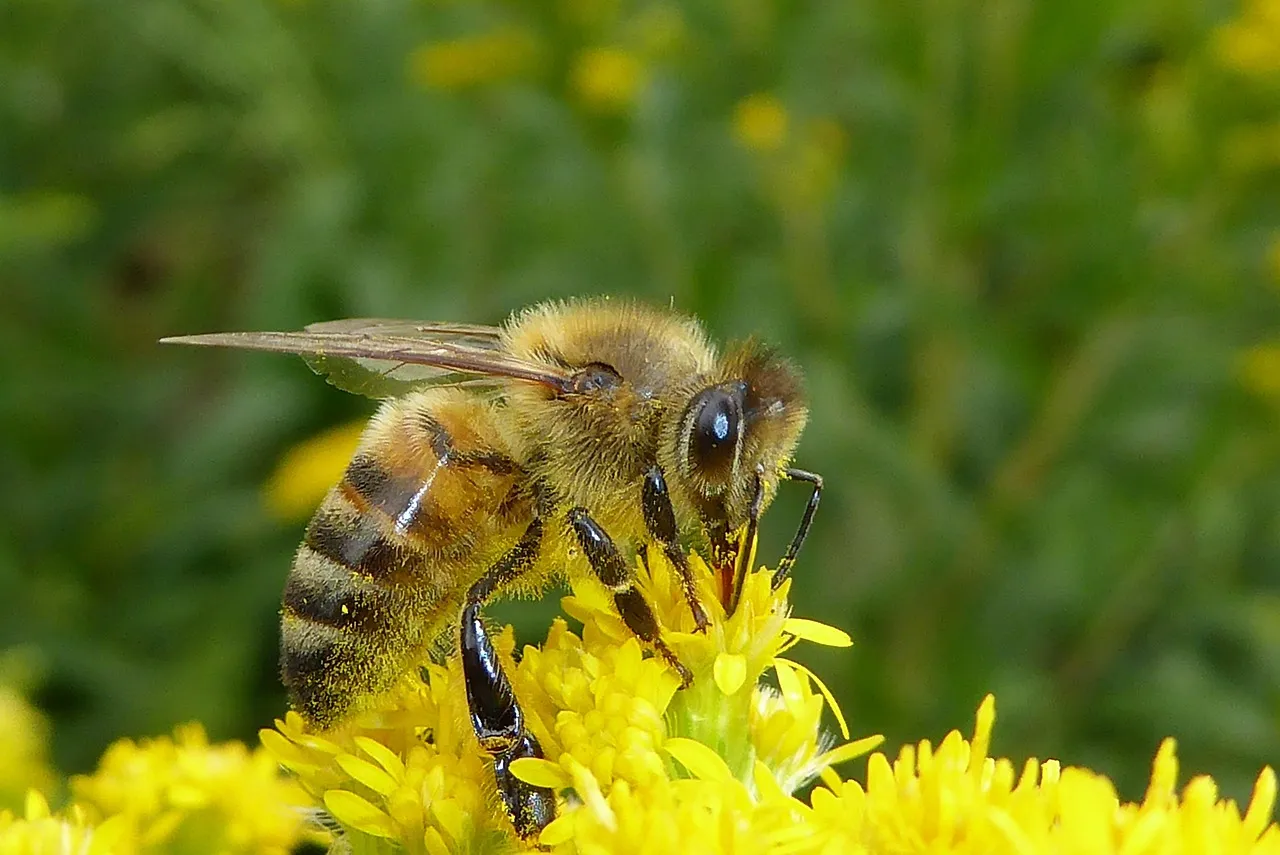
Bug hotels provide shelter and nesting sites to native and migratory solitary insects, and as most gardeners could tell you, these tiny creatures are crucial since most plants depend on pollinators. Think of it as offering real estate rather than food.
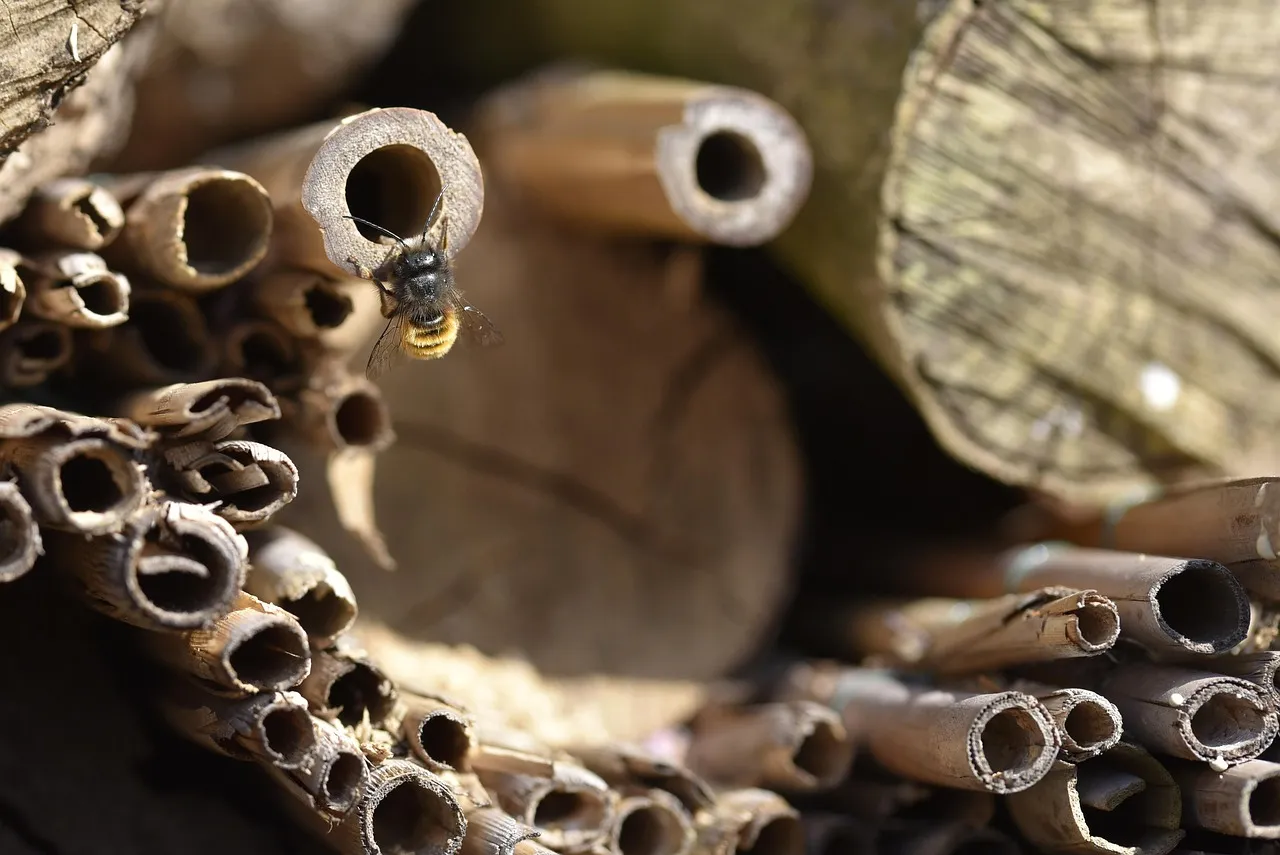
A bug hotel, often called an insect hotel or insect house, is a manmade structure crafted to mimic the natural nooks and crannies where insects nest or overwinter, typically built from untreated hardwood blocks with drilled holes, bamboo tubes, hollow stems, and other natural materials all tucked under a little roof.
DIY bug hotels support biodiversity by sheltering beneficial insects that help with pest control, pollination, and soil health. These functions aren’t separate. They work together to create a more balanced garden ecosystem that needs fewer inputs from you over time.
Know Your Guests: Which Insects Will Move In
Broadly, beneficial insects fall into three groups: pollinators like solitary bees and some wasps that transfer pollen between flowers; predators such as lady beetles and lacewings that feast on aphids, mites, and other crop-damaging pests; and parasitoids like certain tiny wasps whose larvae develop inside pest insects, eventually killing them.
Solitary bees, including mason, miner, and leafcutter bees, are superstar pollinators. Unlike honeybees, they live alone, excavate or occupy pre-drilled tunnels, and often outperform honeybees in pollination efficiency. Their solitary nature is actually what makes them so effective.
Ladybugs, a beneficial garden predator if you’re growing vegetables, like to hibernate in dry sticks and leaves. Certain beetles need dead wood, while spiders, beetles, and centipedes enjoy a loose bark cover. Designing for variety means you get a wider range of garden helpers.
The Remarkable Case for Mason Bees Specifically
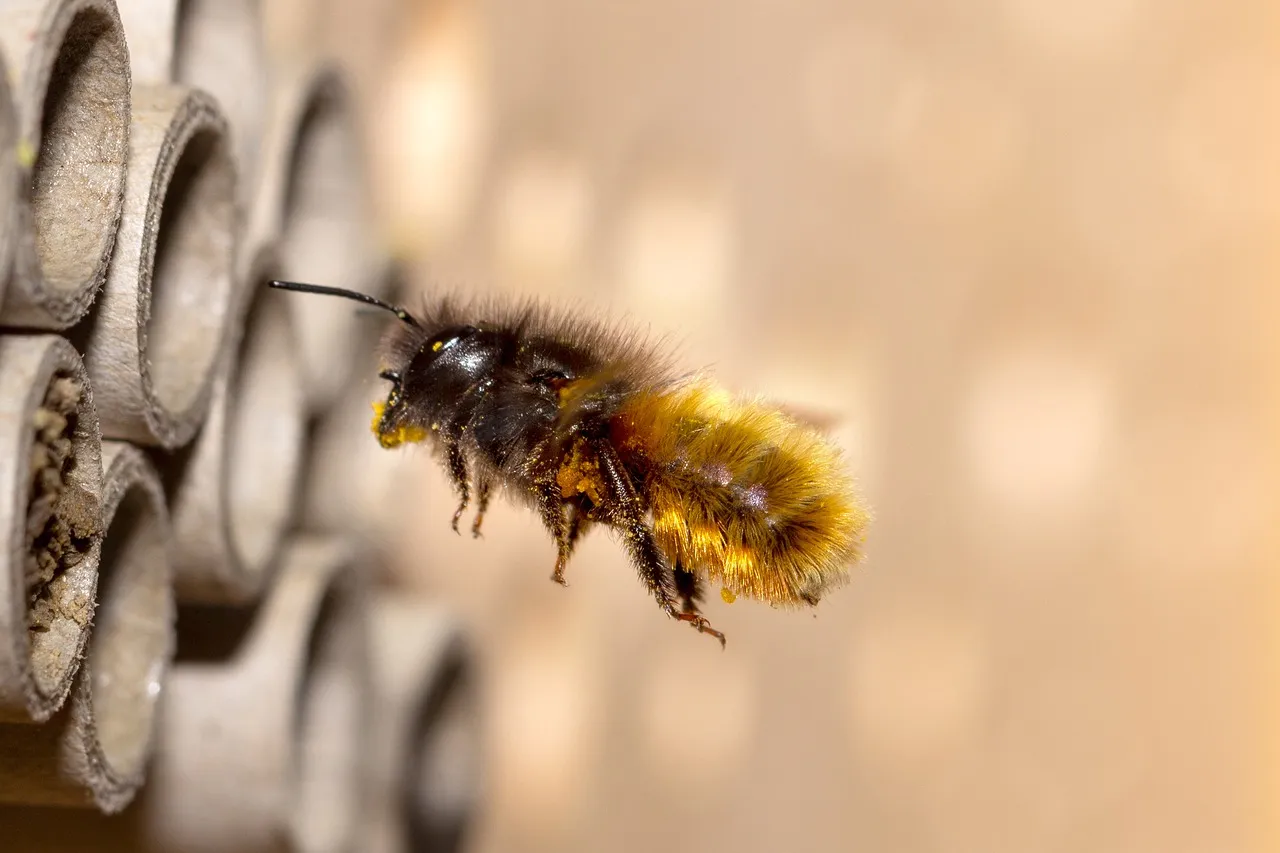
Mason bees deserve special attention in any bug hotel discussion. Unlike honeybees, which pollinate only about 5-10% of the flowers they visit, mason bees achieve an impressive 95-99% efficiency per visit. That difference is dramatic.
Unlike honeybees that carry pollen on their hind legs using specialized pollen baskets, mason bees carry pollen on stiff hairs under their abdomen, allowing more pollen to be transported per trip. Additionally, mason bees tend to forage more intensively on individual flowers within one plant species during a single trip, a behavior called floral fidelity, which improves cross-pollination effectiveness.
Mason bees are active at temperatures as low as 6°C, compared to honeybees’ 12°C threshold, making them invaluable during cool spring flowering periods. They’re also more tolerant of light rain and wind, crucial advantages given increasingly variable spring weather patterns. For a fruit-growing garden, these are meaningful advantages.
Choosing the Right Materials
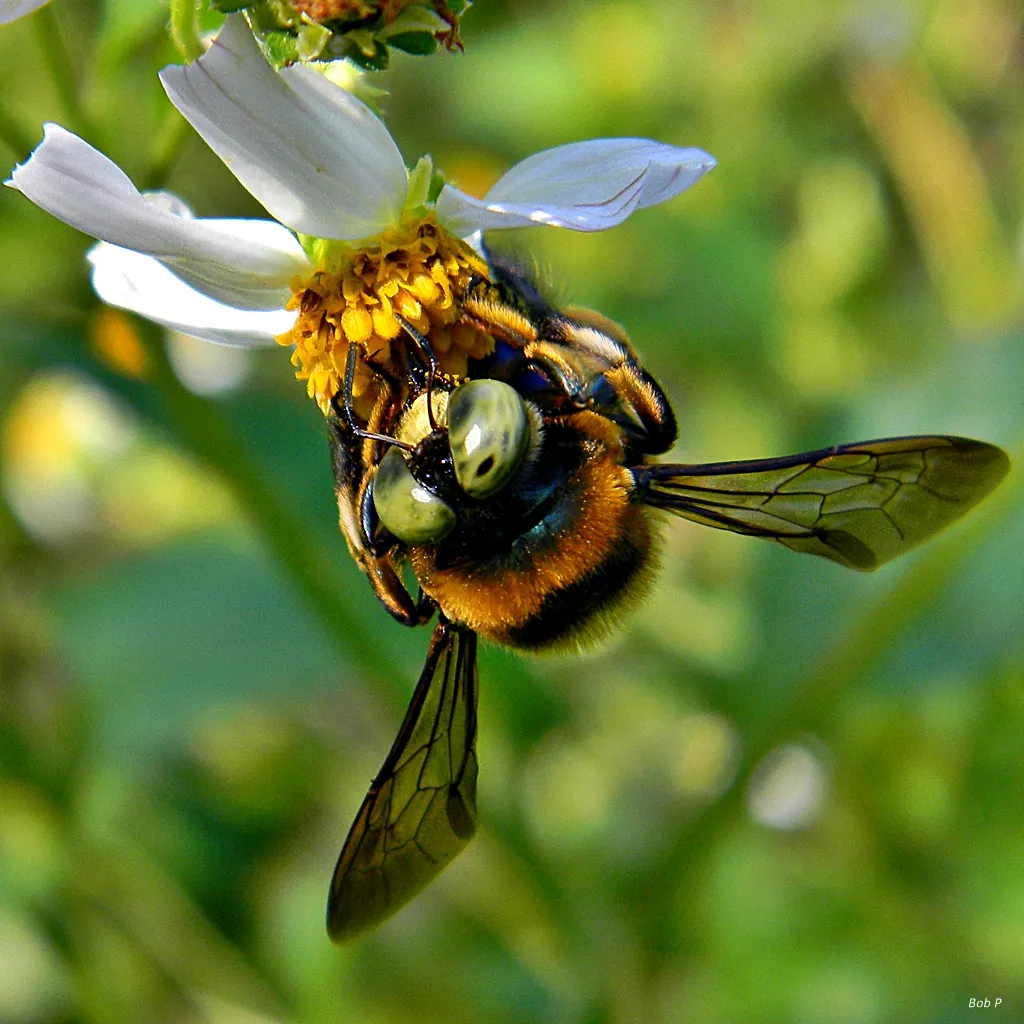
Natural tubes of bamboo, reed, or drilled hardwood between 4-10mm in diameter, at least 15cm deep, with smooth interiors, consistently see the best occupancy by solitary bees. This spec matters more than how the hotel looks from the outside.
Use untreated hardwood such as poplar, ash, beech, or oak that is at least 5cm thick. Hardwoods give smooth tunnels that solitary bees love; softwoods like pine tend to splinter inside. Splintered interiors can injure bee wings and deter nesting entirely.
Good filling materials include hollow stems like bamboo, elderberry, or sunflower stalks; logs and branches with drilled holes; dry leaves for hiding spots; pinecones for ladybugs and spiders; and straw or hay for shelter. Plastic traps moisture and can harm insects, so stick to natural, breathable materials.
Getting the Hole Sizes Right
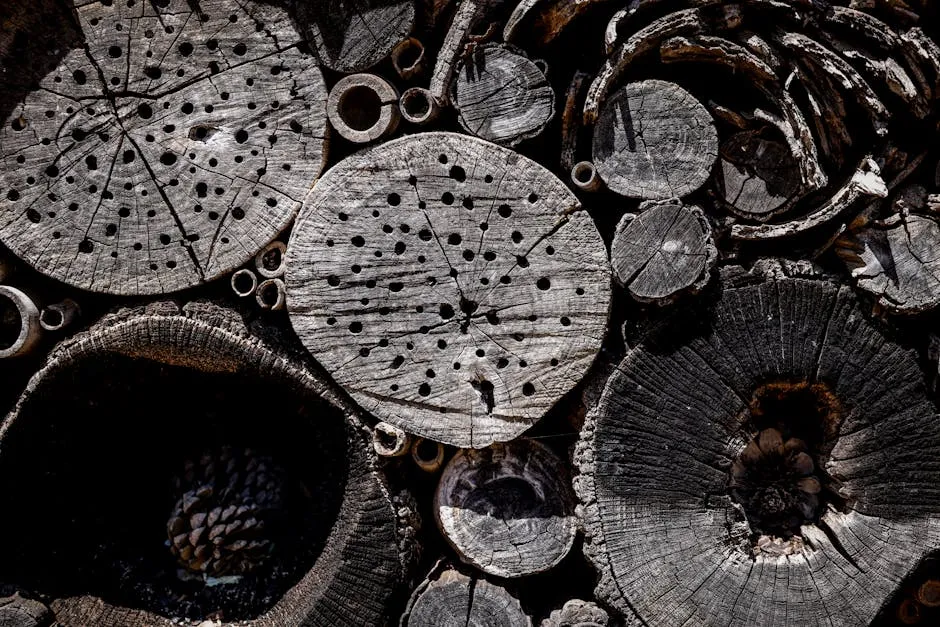
Holes should vary in diameter between 2mm and 10mm to attract the widest range of species. A single size will favor only a narrow group of insects, which misses much of the point.
The tubes should be at least 100mm deep to provide enough space and winter protection for the growing larvae. Nesting holes that are too shallow will skew the sex range of the next generation’s bees, which can gradually reduce the local population over time.
Use sandpaper to smooth any rough edges on the holes and remove any sawdust before setting the bee hotel out for occupancy. A rough entrance or debris-filled tunnel is one of the most common reasons well-intentioned bug hotels go unused.
How to Build the Frame: Step by Step
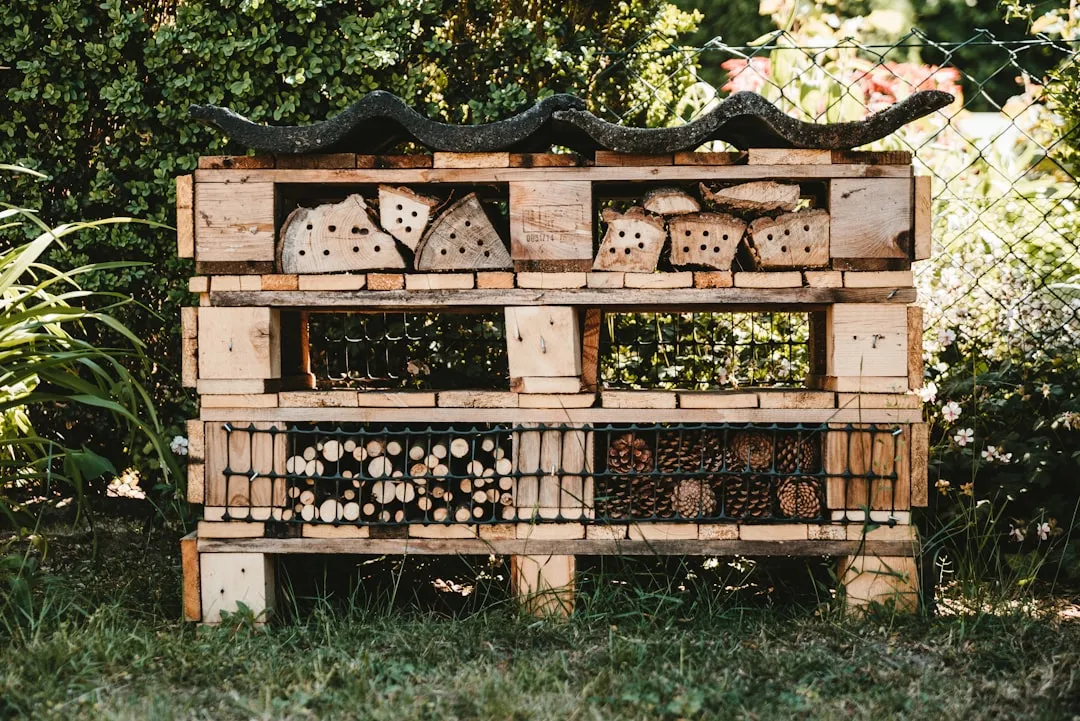
Build a wooden frame in any shape, such as a rectangle or hexagon, from natural or recycled components. Make sure it’s deep enough to add materials later: at least 3 inches should do the trick. Old wooden drawers or deep picture frames work surprisingly well as a recycled starting point.
Create a sturdy wooden frame with compartments for various materials, then weatherproof it by adding a sloped roof and ensuring proper drainage for durability. The roof should extend 2-3 inches beyond the frame, since rain kills developing larvae and wet conditions promote fungal diseases that can wipe out entire generations.
No matter the type of nesting material you choose, keep your bug hotel structure modest in size, with fewer than about 100 nesting tunnels per hotel. Logic and ease of maintenance suggest that smaller structures will appeal to more species and be more successful.
Where to Place Your Bug Hotel
Place your hotel on a post or tree about 3 to 6 feet off the ground, preferably facing the south or southeast. This keeps the hotel warm on chilly days, allowing bees and other pollinators to go about their business.
Many insects love warmth but don’t want constant wind, so choose a sunny but sheltered spot. The hotel should never sit directly on wet soil, and it should be close to flowers so pollinators can find food easily.
If your hotel remains unoccupied after one full season, evaluate flower diversity within flying range. Most beneficial insects won’t travel more than 300 yards from nesting sites to food sources. Proximity to plants isn’t optional; it’s the whole strategy.
Planting Around Your Bug Hotel
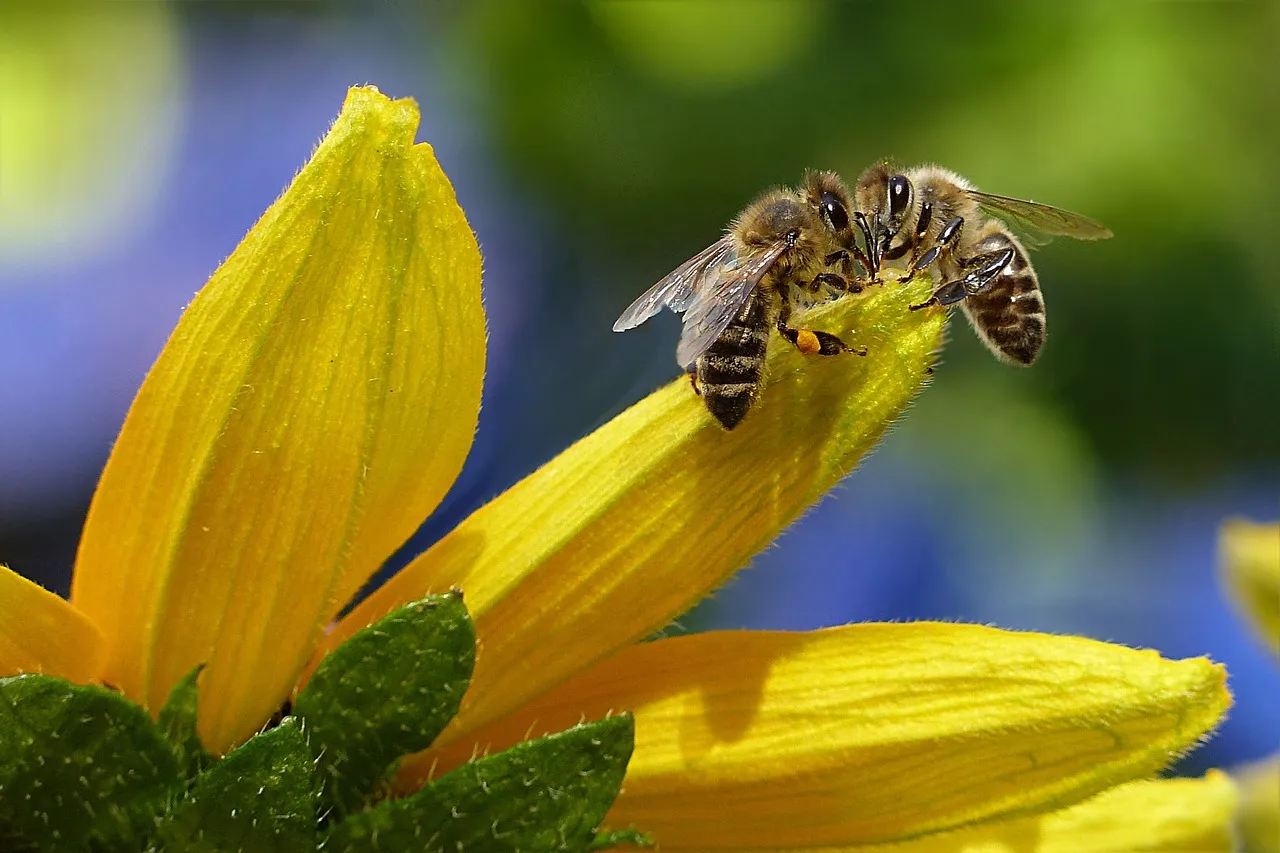
Position your insect hotel near plants that attract pollinators so insects can easily find nectar and pollen. Place it close to a water source but not so close that it becomes overly damp. Planting native flowers that bloom at different times of the year around your insect hotel creates an inviting space for insects to settle.
Ideally, your bug hotel should be surrounded by nectar-rich plants like coneflowers, lavender, bee balm, and borage. Native plant choices matter most because, as researchers consistently note, local insects evolved alongside native plants over thousands of years.
Healthy bees need a balanced diet from different types of plants across the seasons, some of which will provide nectar or pollen, or both. You can create a wildflower patch with lots of goodies that flower at different times of the year. Even if you don’t have much of a garden, you can still feed bees from a window box of herbs.
Ongoing Maintenance and What Success Looks Like
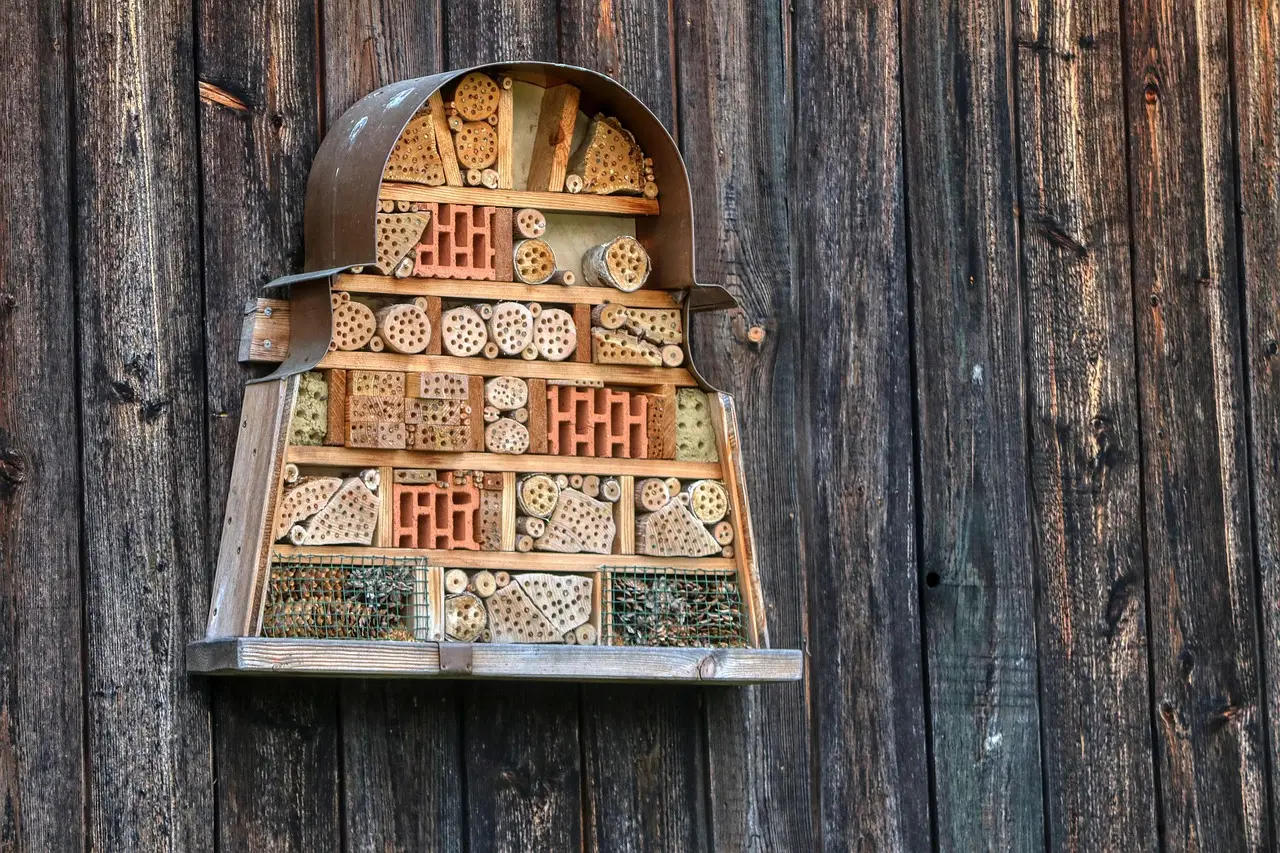
Successful insect hotels show obvious signs of occupancy. Sealed holes indicate successful mason bee reproduction. Each female lays 25-30 eggs, creating next year’s pollination workforce. Mud-capped holes mean active nesting, while chewed openings show successful emergence.
Do not clean the structure between seasons. New 2024 research shows that undisturbed nesting shelters averaged higher bee occupancy. Let old nests remain for at least 2 years before considering removal. The instinct to tidy up is often one of the worst things you can do here.
Clean tubes annually in late fall by gently removing old mud plugs and debris. Replace bamboo sections every 2-3 years as they weather and split. Fresh materials attract more residents than deteriorated ones. Avoid pesticides completely within 500 feet of your hotel, as even organic sprays kill beneficial insects along with pests, undermining your investment in natural pest control.
The Bigger Picture: Why It All Adds Up
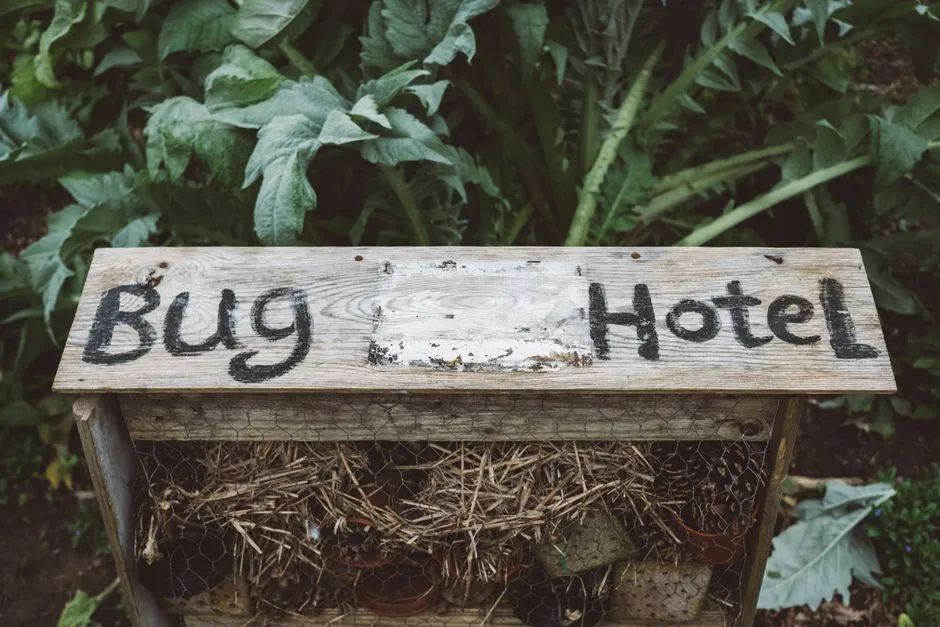
A thoughtfully constructed insect hotel transforms any garden into a functioning ecosystem where beneficial insects provide services worth hundreds annually. The initial investment of time and materials pays dividends for decades as established populations build year after year, creating natural balance without ongoing inputs or expenses.
Insects are important to a garden because of the volume of food that they eat, including weeds and other bugs deemed pests, as well as the volume of food they provide for creatures above them in the food chain. Bugs also help aerate the soil while recycling natural materials and decomposing nutrients.
There’s something quietly satisfying about building a structure with scrap wood and hollow stems that genuinely improves a small corner of the natural world. A bug hotel won’t reverse decades of habitat loss on its own. Despite stark declines, there’s a great deal you can do right in your own backyard to give insects a fighting chance, and building a DIY bug hotel is a proven way to create havens for solitary bees, predatory beetles, and other crucial helpers. Start small, pay attention, and let the tenants move in on their own terms.
AI Disclaimer: This article was created with the assistance of AI tools and reviewed by a human editor.