

You don’t need a yard to grow your own food. A sunny balcony, a small patio, a rooftop corner – any of these will do the job if you’re working with five-gallon buckets and the right approach. Bush beans are one of the most forgiving, productive crops you can grow in containers, and they fit neatly into the pace of modern urban life.
The appeal isn’t just convenience. Bush beans stay small, produce a lot, and are ready to harvest a few weeks earlier compared to pole beans. That combination of compactness and output is exactly why they’ve become a go-to for container gardeners who are serious about maximizing every square foot of growing space.
Why Bush Beans Are the Perfect Container Crop
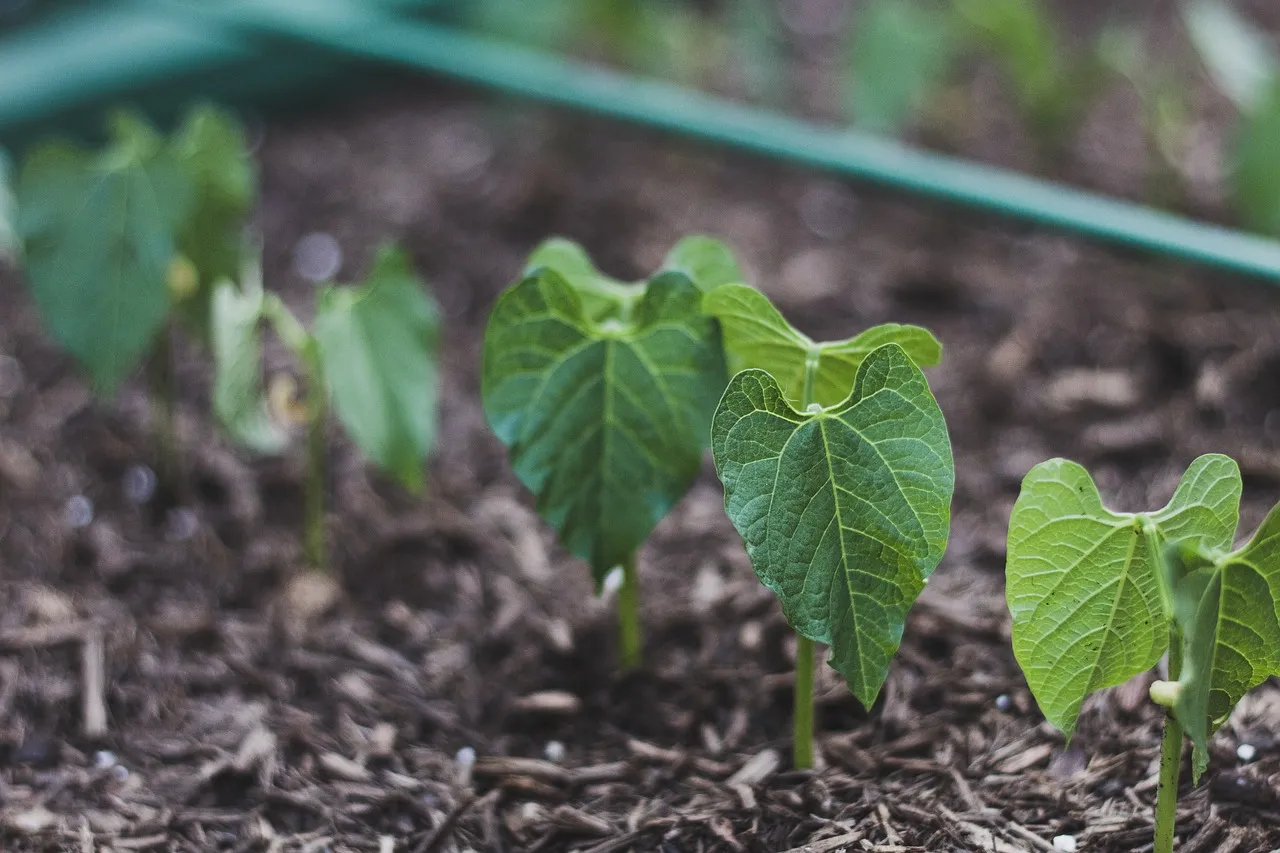
Beans, whether bush or pole, don’t require a lot of soil and tend to grow very well in confined spaces. Bush varieties in particular are well-suited to bucket gardening because their root systems stay relatively shallow and don’t need to spread far to support the plant. Beans don’t have particularly deep roots, so you can get away with a relatively small container that’s only nine inches deep.
When it comes to the popularity of vegetables used in home gardens, bush beans come second after tomatoes. That says something about how well they perform and how often people return to them season after season. Once they start producing, you’ll find handfuls of crisp, tender beans ready for picking every few days, and their fast growth and generous yields make them a reliable choice for gardeners who want a simple crop with big rewards.
Choosing the Right Variety for Your Bucket
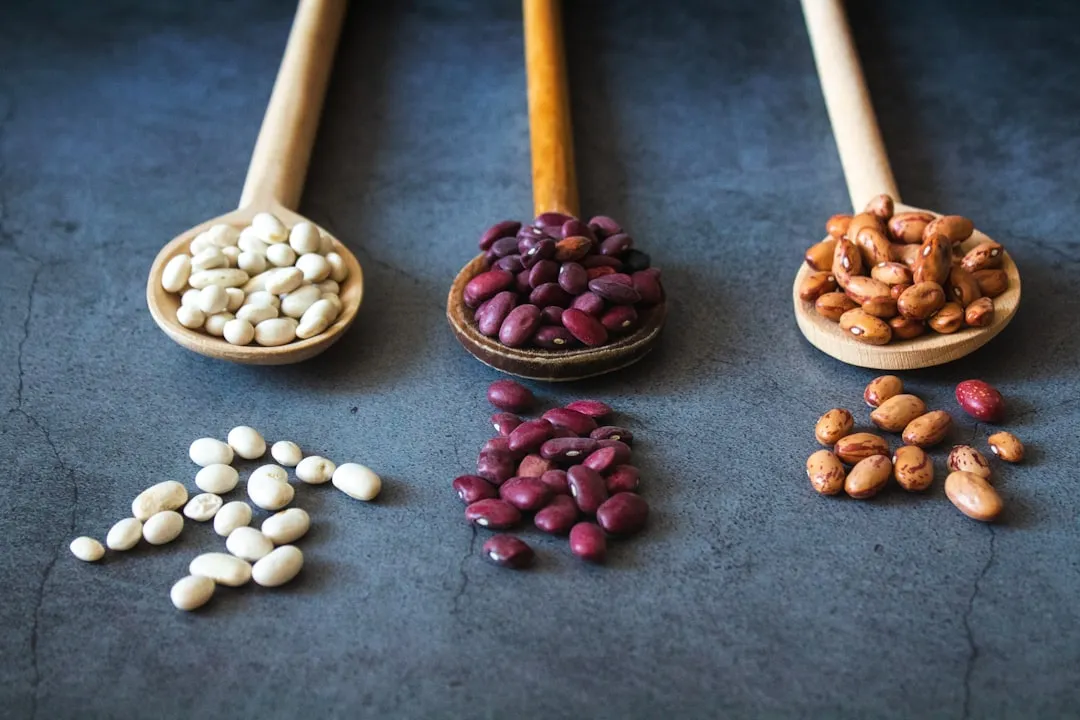
Variety selection matters more than many beginners realize, especially when growing in containers where conditions are less forgiving. Bush beans like Provider and Contender are compact and high-yielding, producing up to one and a half pounds of beans per plant. That’s a meaningful amount of food from a single bucket.
Provider is an open-pollinated variety that produces heavy yields in almost any soil type, and is extremely tolerant of hot summer temperatures – setting flavorful, dark green pods that grow to five to six inches long, ready to harvest in 50 days. For those who prefer a classic flavor with consistent output, Blue Lake 274 is an heirloom, non-GMO strain known for its strong germination and dependable performance, with compact bush plants producing straight, tender, stringless pods reaching five to six inches long.
Contender produces six- to eight-inch-long round, stringless pods, and is productive, early, and heat and mildew tolerant, reaching harvest in about 45 days. That early maturity makes it a smart choice for gardeners working with shorter growing windows.
Setting Up the Five-Gallon Bucket Correctly
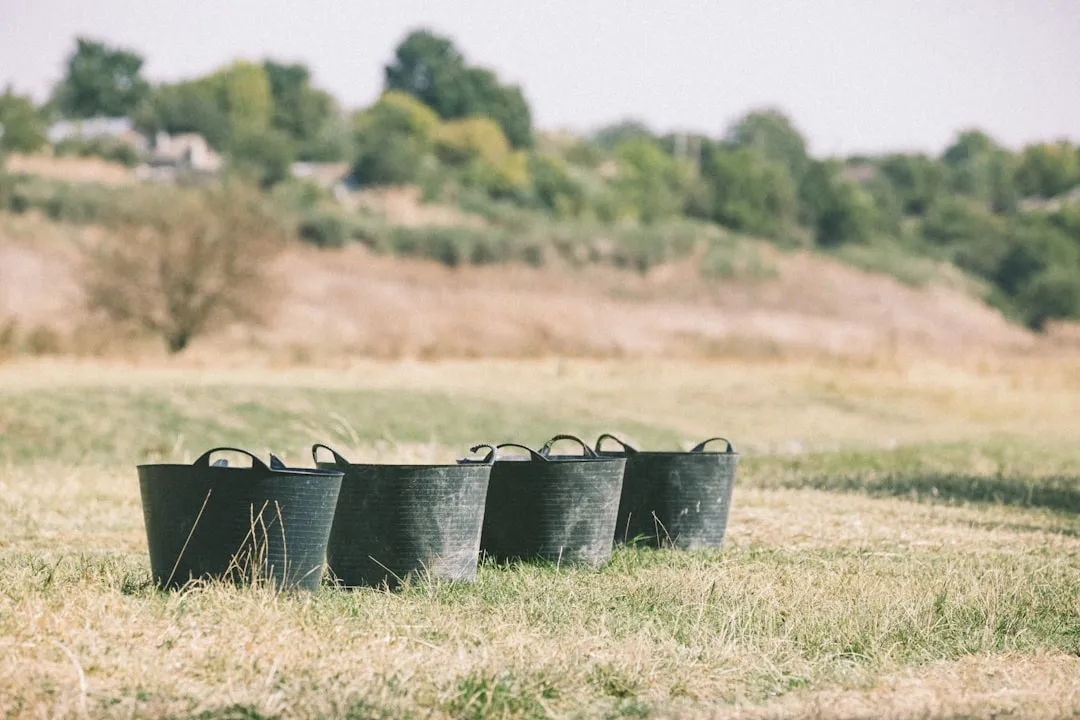
The bucket itself needs a little preparation before it becomes a productive planter. Select a bucket at least 12 inches deep and wide, with drainage holes. Without drainage, you’re setting up conditions for root rot rather than a harvest. Your containers should have adequate draining holes – two to three holes per planter should suffice.
Dark colors absorb heat, which can be an advantage in spring but problematic during peak summer. If you’re gardening in a hot climate, a light-colored bucket or one wrapped in a reflective cover helps moderate soil temperature and keeps roots from overheating. Keeping plants in containers not only makes gardening more practical and saves space, but it also gives their roots extra protection, and containers can be moved to a new location if the plant appears to have unmet environmental needs.
How Many Plants Per Bucket
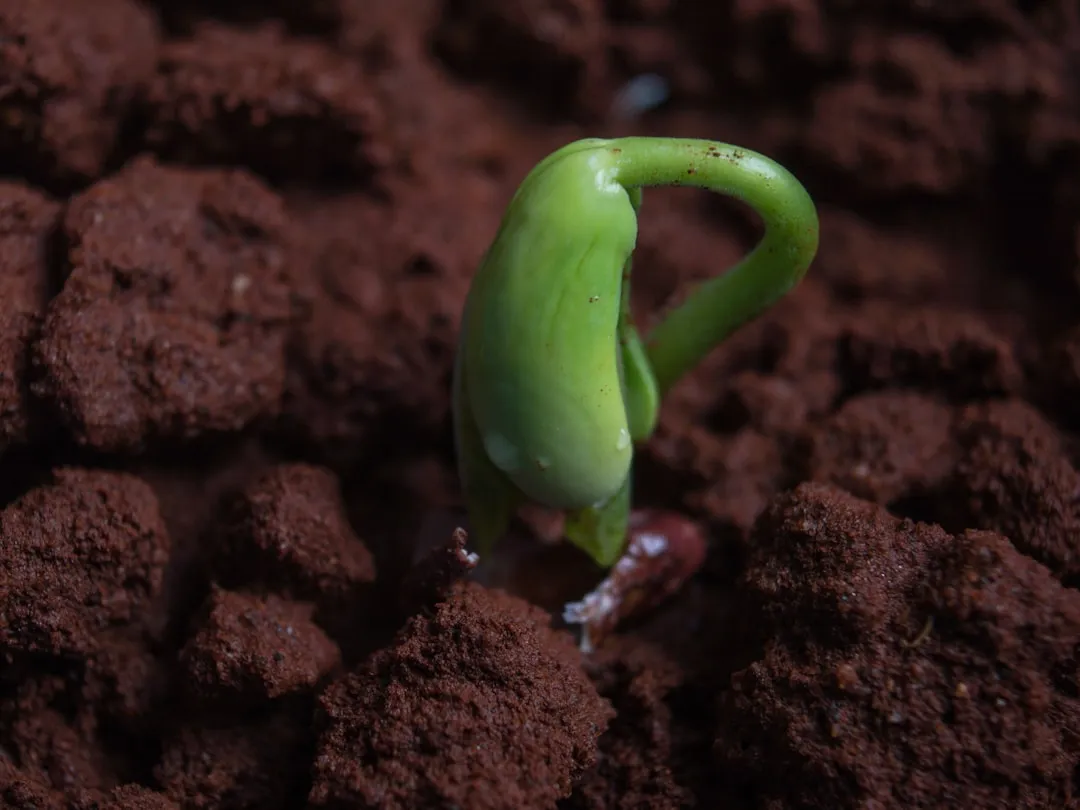
This is where a lot of first-time container gardeners either overshoot or underplant. When planning your container bean garden, the recommended plant numbers are two to three plants per five-gallon bucket. Crowding more than that into a single container tends to reduce overall yield rather than increase it because plants compete for both nutrients and moisture.
Two to three plants is the right range for a standard five-gallon container, and bush beans with their smaller root systems can be spaced a little closer, so three plants work well. When sprouts are two to three inches tall, thin bush bean plants to two to three inches apart, because beans will not produce if overcrowded. That thinning step is easy to skip but genuinely important for yield.
Soil Mix and Initial Preparation
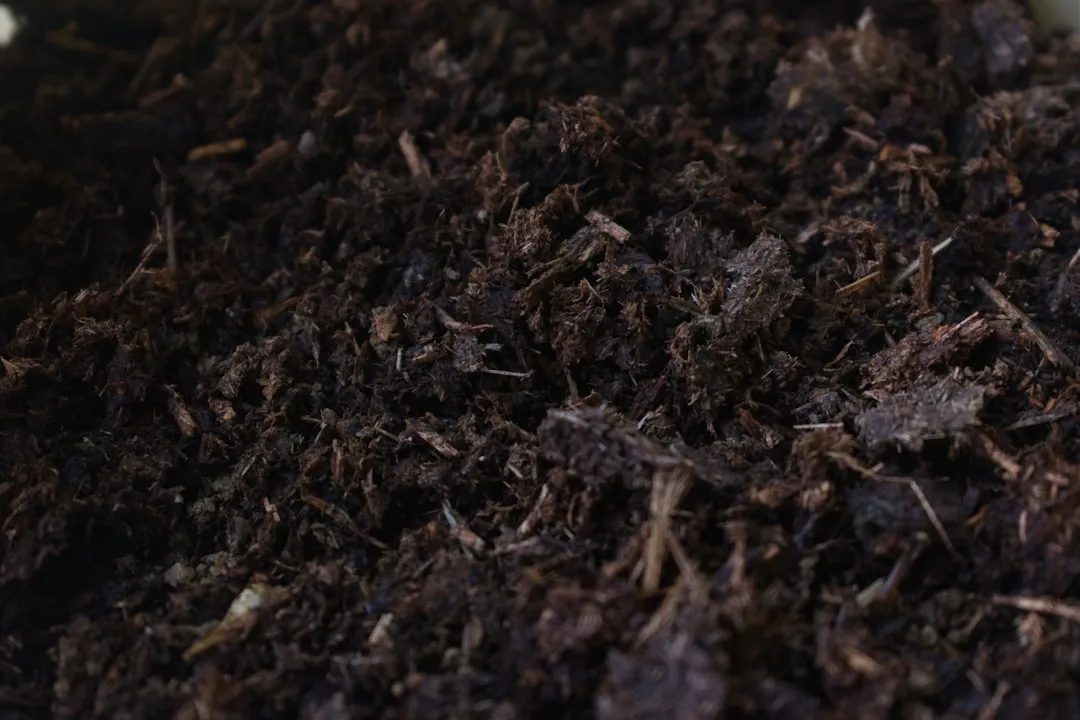
Garden soil from the ground does not belong in a five-gallon bucket. Use a high-quality potting mix specifically formulated for containers, because garden soil can become compacted in containers and hinder drainage – a good potting mix should be lightweight, well-draining, and contain a blend of peat moss, perlite, and vermiculite.
Beans aren’t fussy about soil nutrition because as legumes they fix their own nitrogen and can manage in low-nutrient conditions better than most vegetables. That said, starting with fresh, organic potting soil at the beginning of each season gives you a strong foundation. Fill containers with compost and high-quality potting soil, or a mixture of one-third compost and two-thirds potting mix. That ratio gives your plants plenty to work with from day one.
Planting, Timing, and Temperature
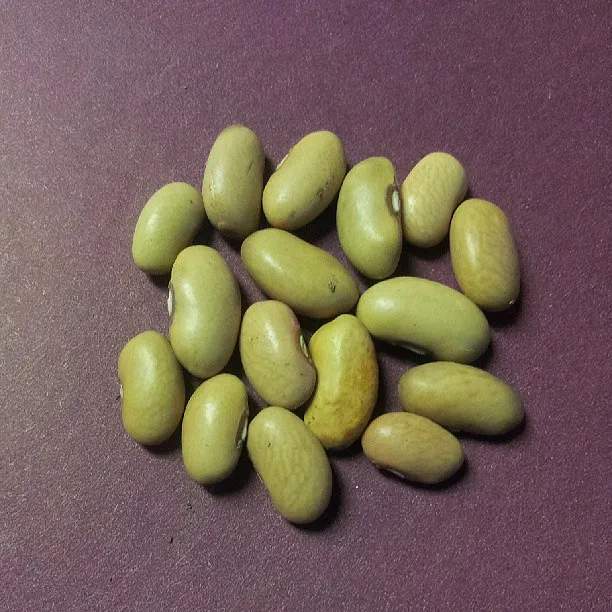
Timing your planting correctly is one of those things that separates a decent harvest from a great one. Plant beans directly in the container after nighttime temperatures warm to 60°F, as beans grow and fruit best at temperatures between 70°F and 85°F, and seeds germinate best between 70°F and 80°F. Planting too early into cold soil often results in slow, weak germination or seed rot.
Sow the bean seeds about one inch deep and two to three inches apart, planting three to four seeds per container as a safe margin. Bean seedlings do not transplant well, so direct sowing straight into the bucket they’ll spend their whole life in is the correct approach. Bean seeds usually germinate within 7 to 14 days, depending on temperature and moisture levels.
Sunlight Requirements
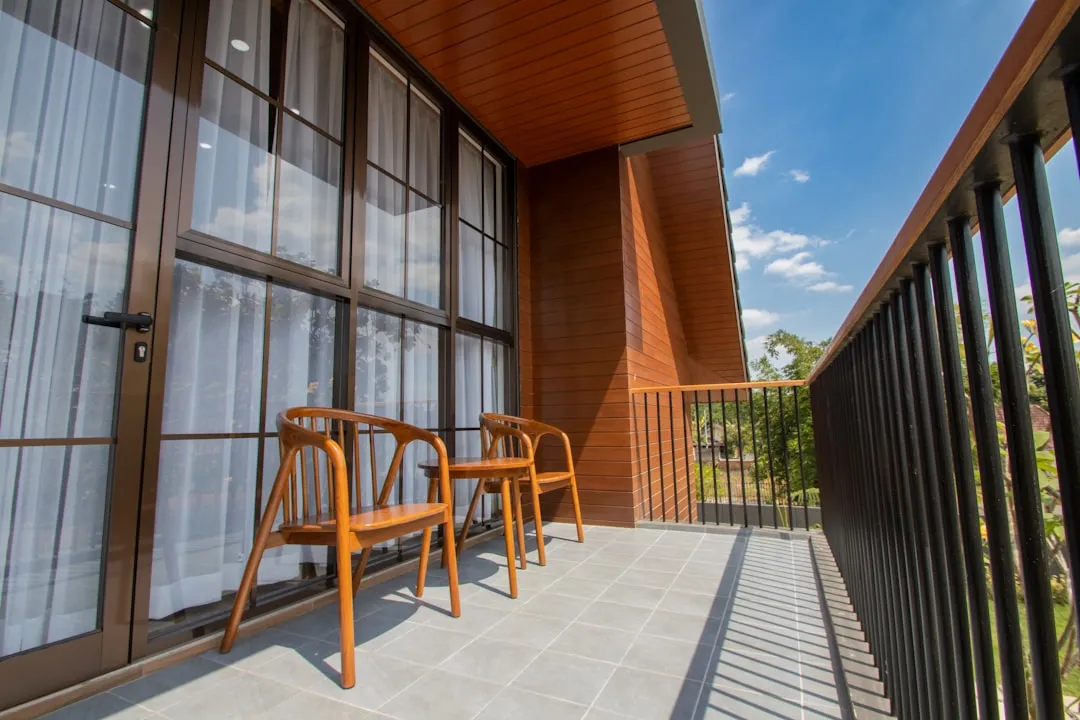
Bush beans are sun lovers and won’t produce well in partial shade, full stop. Eight or more hours of direct sunlight per day is ideal for maximum production, and a south-facing placement gives most container gardens the best exposure. One of the real advantages of bucket gardening is that you can physically move containers to follow the sun as the season shifts.
Bush beans need at least six to eight hours of sunlight per day, and a south-facing balcony or patio is ideal. Beans love warmth, but anything over 95 degrees or so can cause their blossoms to drop, which means you won’t get any fruit – so use row covers or shade cloth to protect your plants on particularly hot days. Managing heat extremes is especially important with buckets, which heat up faster than in-ground beds.
Watering the Right Way
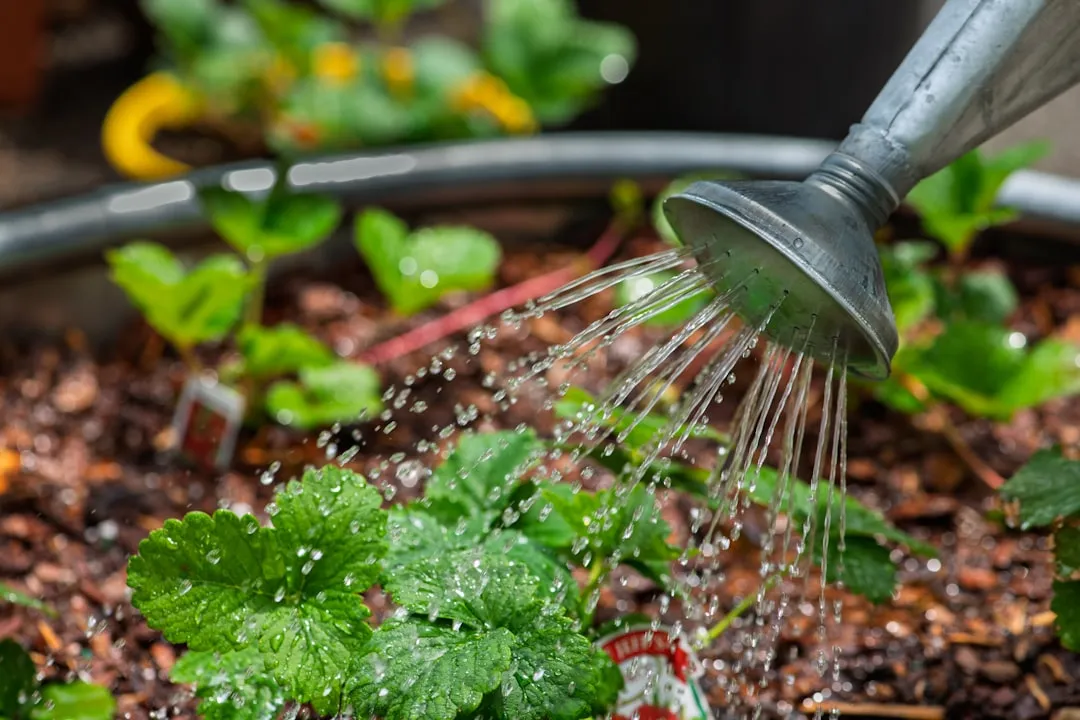
Containers dry out faster than garden beds, and bush beans in a five-gallon bucket during a hot summer can go from adequately moist to bone-dry in under 24 hours. Green beans need regular watering, approximately one to two inches per week during the growing season – keep the soil moist but not soggy, and allow the soil to dry up to half an inch deep between waterings.
Green beans need the most water during flowering and pod-producing stages to produce higher yields of juicy, snappy beans. Focus your water stream on the roots of the plant, not the leaves, to prevent mildew. That one habit alone prevents a surprising number of fungal problems later in the season. If you do not keep beans well watered, they will stop flowering.
Fertilizing Without Overdoing It
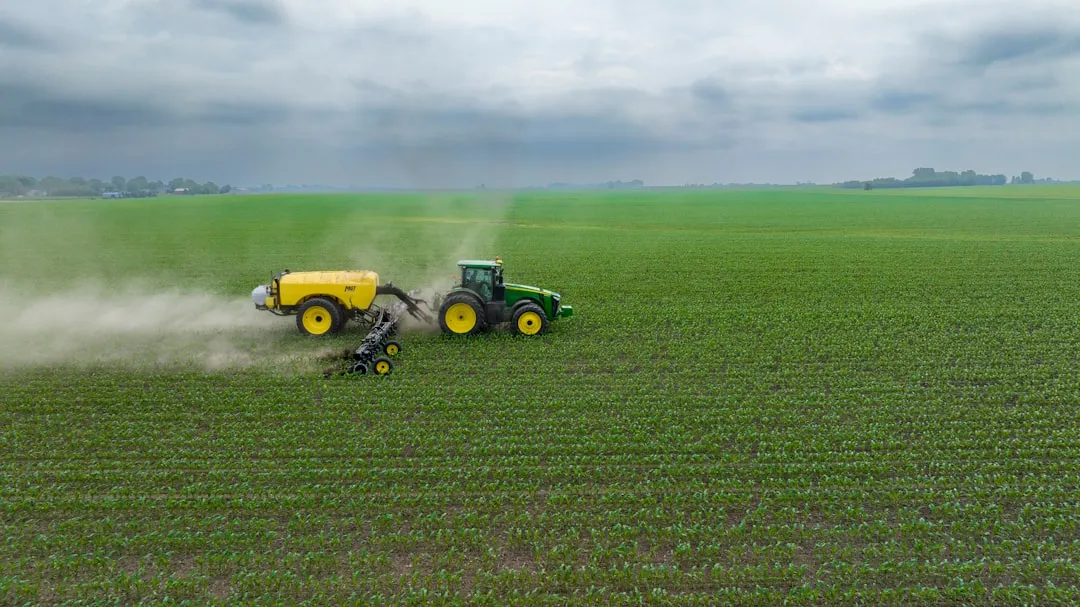
The fertilizing side of bush bean care is genuinely counterintuitive for anyone used to heavy-feeding crops like tomatoes. Green beans are legumes and can fix nitrogen from the air and make their own fertilizer through a symbiotic relationship with soil bacteria, so they do not require extra nitrogen fertilizer. Piling on nitrogen simply produces a lush green plant with very few pods.
Fertilize with a low-nitrogen formula such as 5-10-10 diluted to half-strength to avoid excess foliage growth. Begin fertilizing after heavy bloom and the set of pods, and avoid using high-nitrogen fertilizer or you will get lush foliage and few beans – a side dressing of compost or aged manure halfway through the growing season is a good alternative to liquid fertilizer.
Harvesting for Maximum Yield
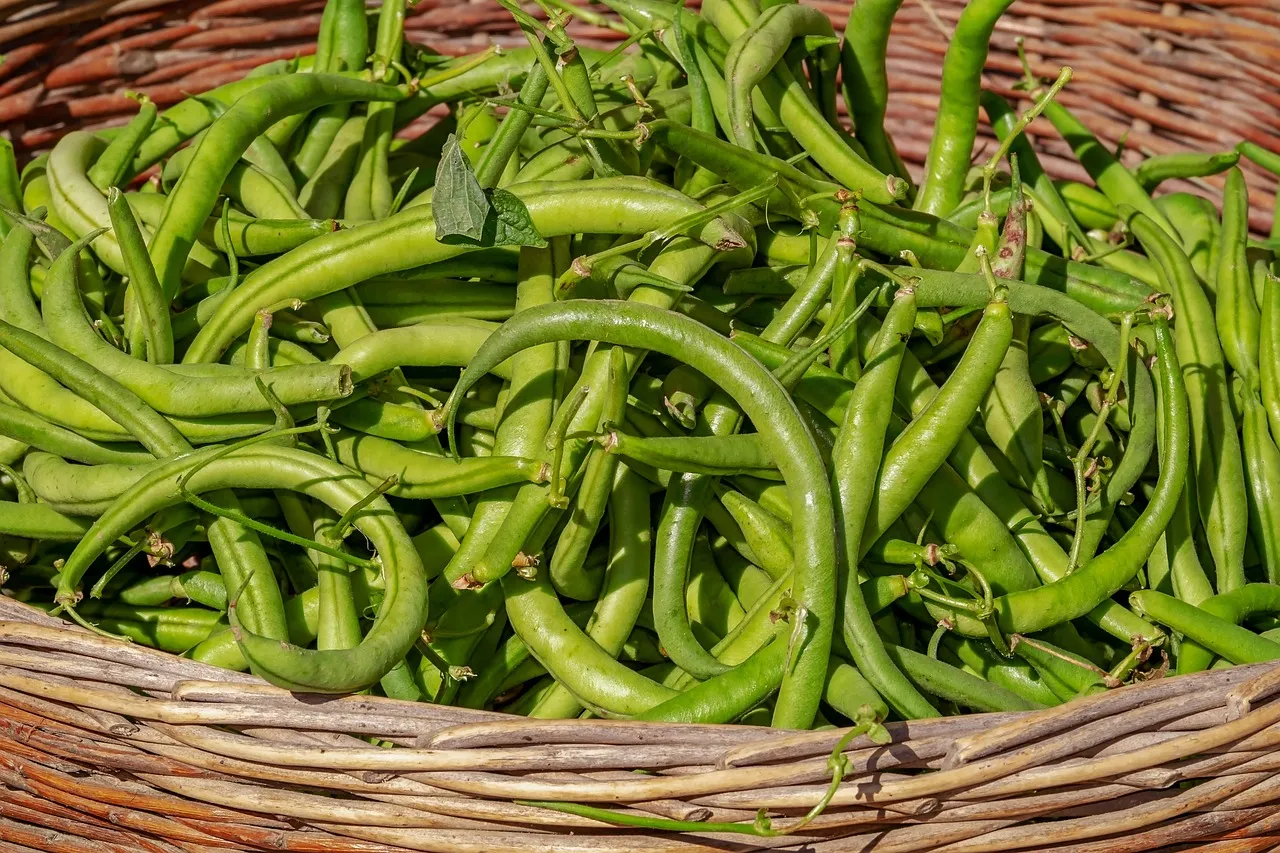
Harvest timing is the most direct lever you have over total production from your buckets. Bush beans are typically ready to harvest about 50 to 60 days after planting, and the pods should be firm, plump, and snap easily when bent. Once you see the seeds inside bulging, green beans are past their peak and will have a tough texture.
When growing green beans, plan on harvesting every two to three days once they start coming in. The harvest window is short, usually two weeks, with most pods ripening at once – and that concentrated harvest can actually be an advantage if you’re preserving or cooking in batches. Harvest beans in the morning when their sugar level is highest, which gives you noticeably better flavor than pods picked in the afternoon heat.
Succession Planting for a Continuous Harvest
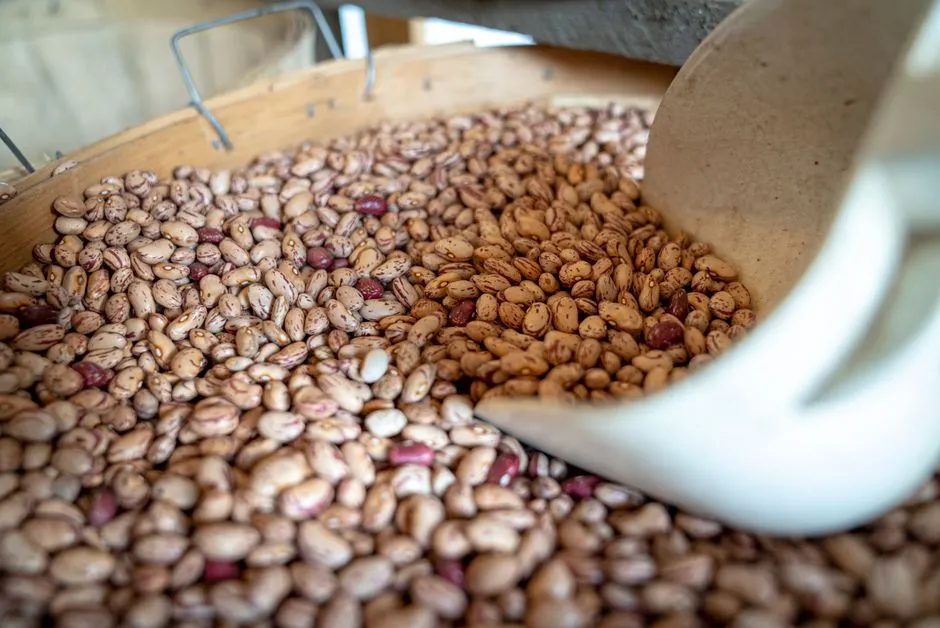
One of the smartest moves any bucket gardener can make is staggering plantings rather than putting all seeds in the ground at once. For bush type beans, there is no need to plant all the seeds in the packet at the same time – it is a good idea to time plantings two weeks apart so that the harvest is staggered over the summer and you are not overwhelmed with all the crop at once.
Succession planting ensures you have young, tender beans all season. For continual production, succession plant every couple of weeks throughout the spring and early summer, being aware that plants will drop blooms or cease production in the heat of summer, but subsequent succession plantings can be made in late summer or fall as long as enough time remains before the first frost date. With a handful of buckets and a two-week staggered schedule, a small balcony can yield fresh beans across several months rather than just a couple of weeks.
Conclusion
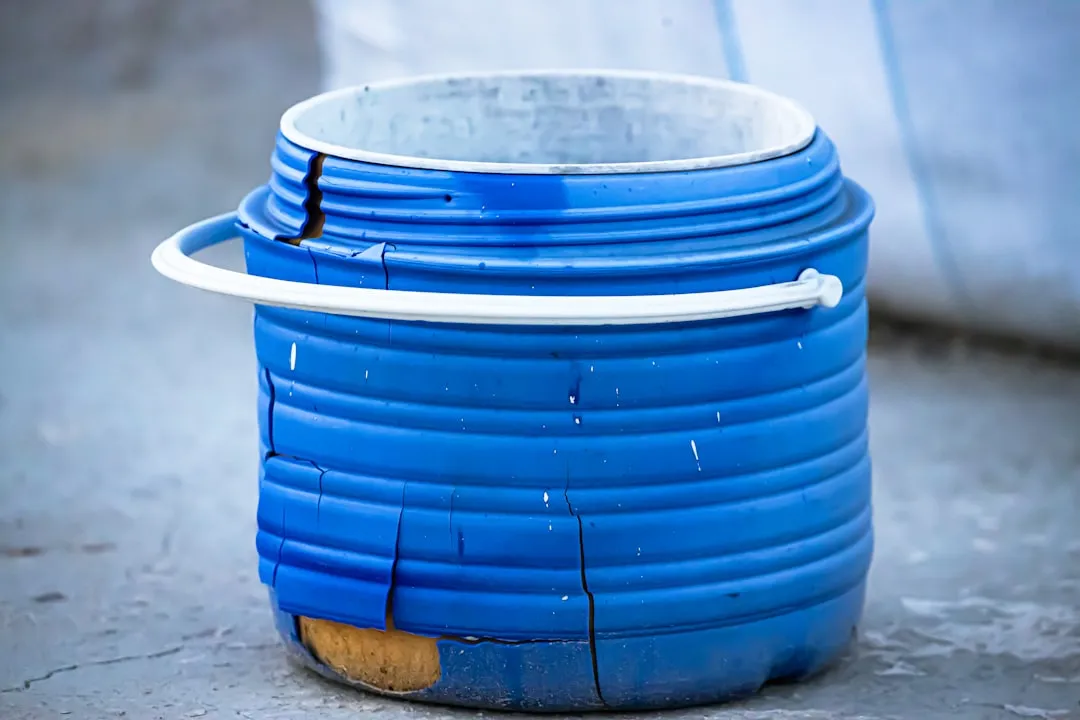
The five-gallon bucket is a surprisingly capable piece of equipment when you understand what bush beans actually need. Good drainage, warm soil, full sun, consistent moisture at the roots, and a light hand with fertilizer – that combination covers most of what makes the difference between a disappointment and a real harvest.
The beauty of this system is its flexibility. Buckets can move, scale up, and adapt to whatever space you’re working with, whether it’s two buckets on a fire escape or twenty lined up across a sunny deck. Planting a mix of varieties with early and later maturity days will maximize your fresh harvesting window, and selecting high-yielding varieties, planting in a sunny position, and ensuring consistent watering all contribute to better results.
Growing your own food doesn’t require acreage. Sometimes all it takes is a bucket, a seed, and enough sun to make something happen.
AI Disclaimer: This article was created with the assistance of AI tools and reviewed by a human editor.