
Chemical sprays work, but they come at a cost. Residue on food, collateral damage to beneficial insects, and the slow erosion of soil health are real trade-offs many gardeners have grown tired of accepting. A quieter approach has been getting more attention in recent years, one that relies on the biochemistry already built into certain plants.
Companion planting involves strategically growing different plants together so they benefit each other, with certain pairings capable of enhancing growth through pest control, improved nutrient uptake, and better pollination. The science behind it is increasingly solid. Research published in the Journal of Chemical Ecology has shown that certain plants release chemicals through their roots or foliage that can repel pests or attract beneficial insects, and these natural compounds, known as allelochemicals, can significantly reduce pest populations without the need for synthetic pesticides. Here are seven companion plants that genuinely earn their place in the garden.
1. Marigolds (Tagetes spp.) – The Underground Defenders
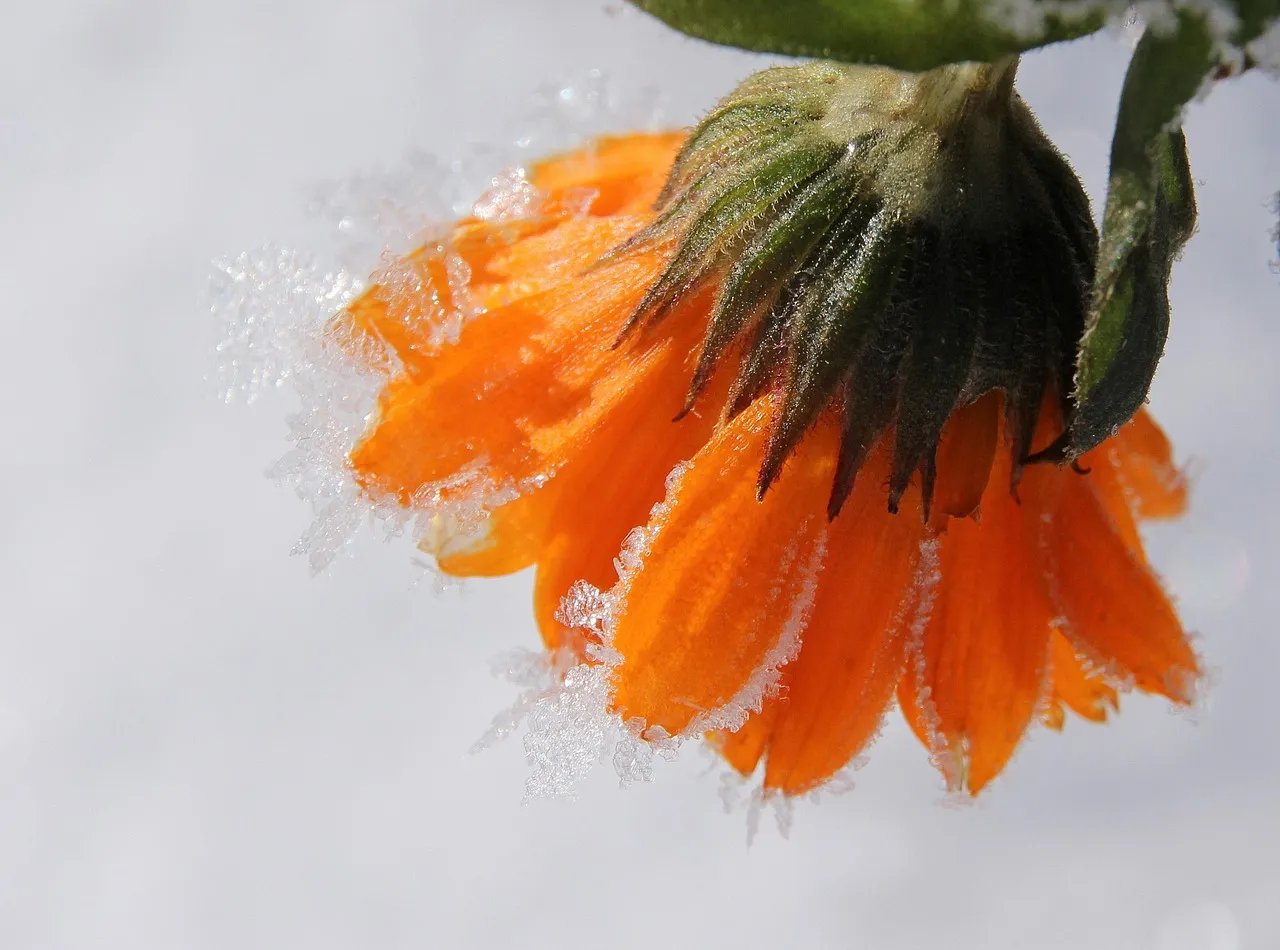
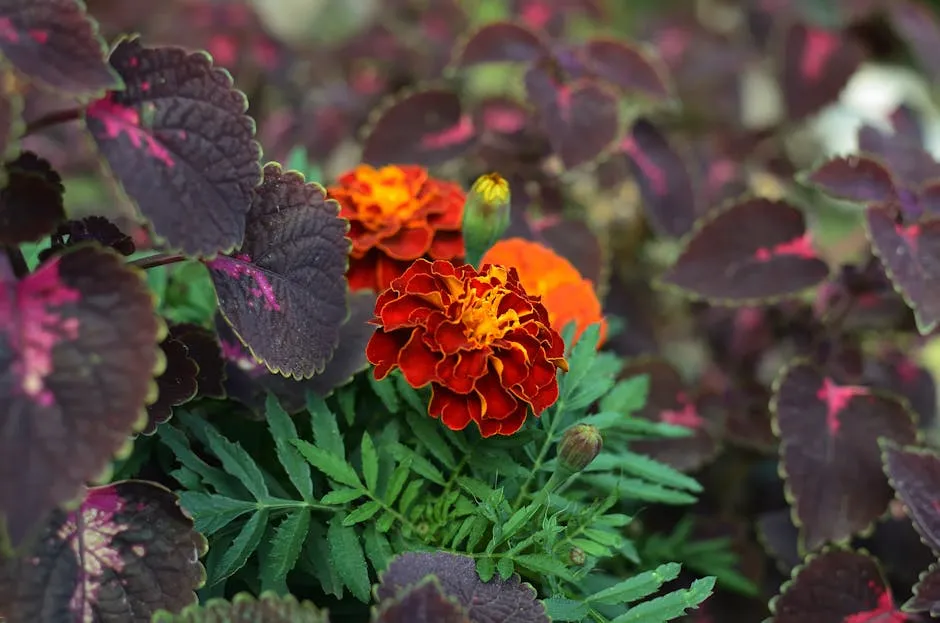
Marigolds have a reputation that sometimes outpaces the evidence, but there is one area where the science is genuinely strong. There is solid scientific evidence that marigolds can be an important tool in controlling certain nematodes, which are tiny worms whose plant-parasitic varieties have spear-like mouthparts used to puncture plant roots, causing serious damage or even killing crops.
Marigold roots release a toxic chemical called alpha-terthienyl, and the presence of this chemical inhibits the hatching of nematode eggs. When it comes to using marigolds for pest control, French marigolds have proven to be the most effective.
Researchers at Yunnan Agriculture University, publishing via the Canadian Journal of Plant Science, showed that marigolds were effective against root-knot nematodes, with the research indicating that whether you use rotation or intercropping, you can reduce nematode populations to the point where it may serve to improve crop yields. For best results, plant them in advance of your main crop and allow them a full growing season in the soil.
2. Basil (Ocimum basilicum) – The Aromatic Protector
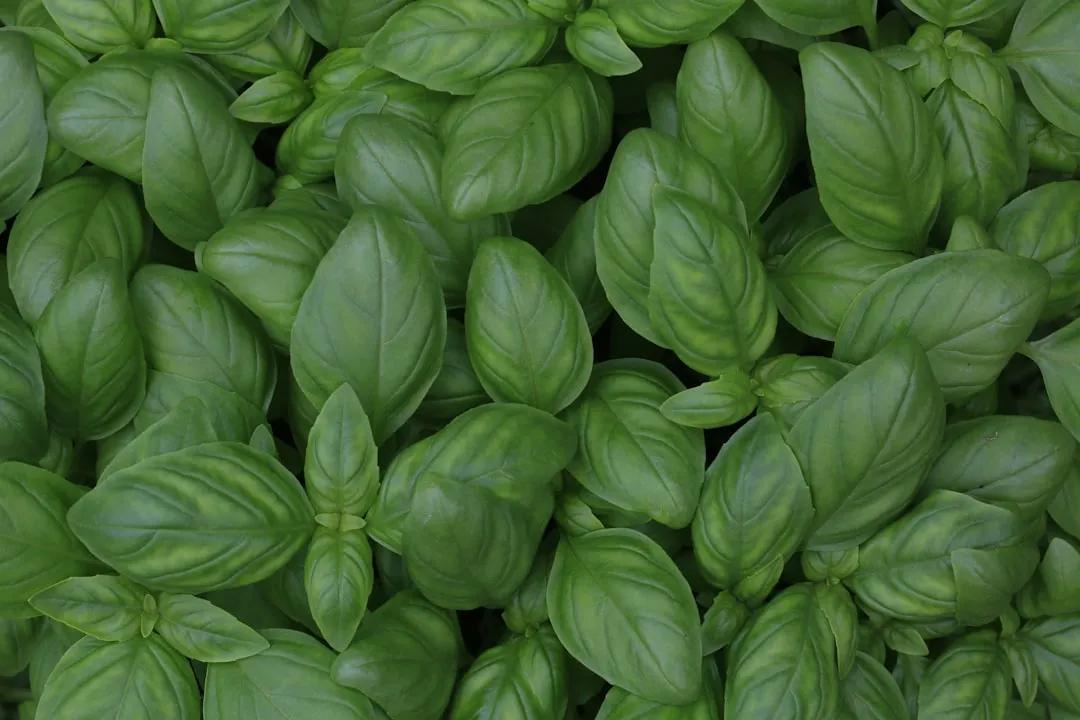
Basil emits aromatic compounds when its leaves are disturbed or crushed, and these volatile oils have been shown in studies to deter various common garden and household pests. The chemistry behind this includes several active compounds. Linalool disrupts insect sensory systems, eugenol is toxic to some insects at high concentrations, and methyl chavicol exhibits repellent properties against flying insects.
Research has shown that rows of tall basil around tomatoes can reduce the number of tomato hornworms on tomatoes and eggplant. Basil also wards off thrips from developing flowers and other plant tissues, as these small insect pests suck juices from flowers, fruits, and leaves, causing ugly mottled spots.
A 2025 study published in the American Chemical Society’s Journal of Agricultural and Food Chemistry added another layer. Research suggested that growing bush basil near bean plants could offer a cost-effective, natural alternative to chemical repellants, with the fragrant herb not only helping the beans develop their own defenses against spider mites but also attracting the pests’ natural enemies. That’s a dual benefit worth noting.
3. Nasturtium (Tropaeolum majus) – The Willing Decoy

The nasturtium is often called the queen of flowers for pest control, as it is thought not only to deter pests but also to act as a trap crop for pests who prefer its taste over prized vegetables. This makes it a strategic rather than merely passive player in the garden ecosystem.
Nasturtiums can be used as a trap crop near beans and cabbage to draw pests away from your main crops. Nasturtium flowers also produce a strong scent that repels mosquitoes and aphids while aiding in soil health against nematodes.
Nasturtiums have also been noted to deter squash beetles, making them a useful addition alongside winter squash. They’re fast-growing, edible, and visually appealing, giving them a strong case as one of the most practical companion plants available to home gardeners.
4. Rosemary (Rosmarinus officinalis) – Guardian of the Brassica Bed
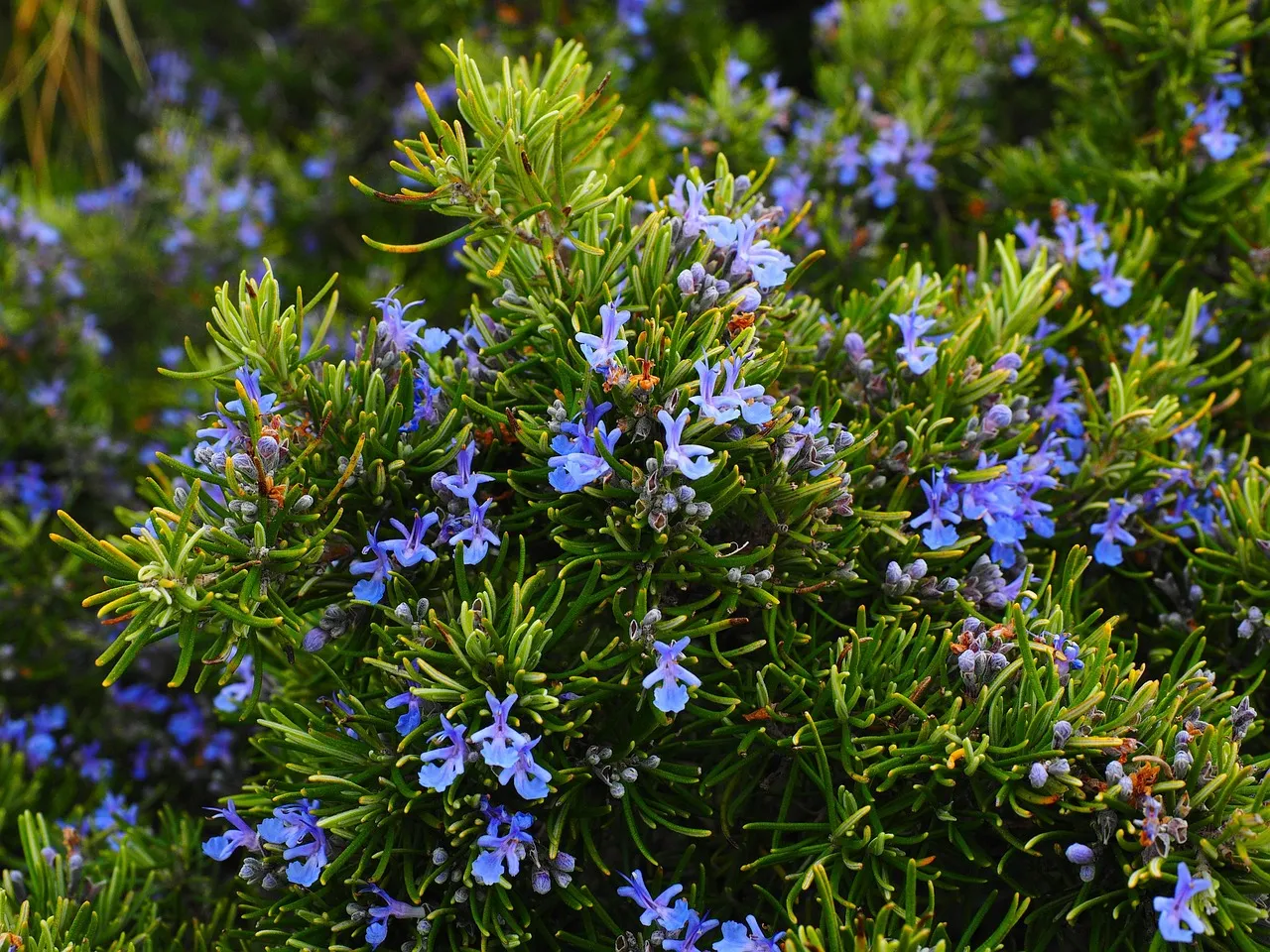
Rosemary, with its robust fragrance and needle-like leaves, acts as a natural insect repellent and deters pests such as cabbage worms, carrot flies, and bean beetles. Its value in the vegetable patch comes largely from that same strong aromatic quality that makes it prized in the kitchen.
Three of the best culinary herbs for pest protection include sage, rosemary, and thyme, with sage shown to protect brassicas from cabbage moths, and rosemary offering protection against carrot flies in addition to snails and slugs.
Rosemary is a good companion for beans, brassicas, and carrots, and has been noted to repel cabbage moths, Mexican bean beetles, and carrot rust flies. Planted along garden borders or tucked between vulnerable crops, it works quietly and consistently throughout the season.
5. Catnip (Nepeta cataria) – The Overlooked Heavy Hitter
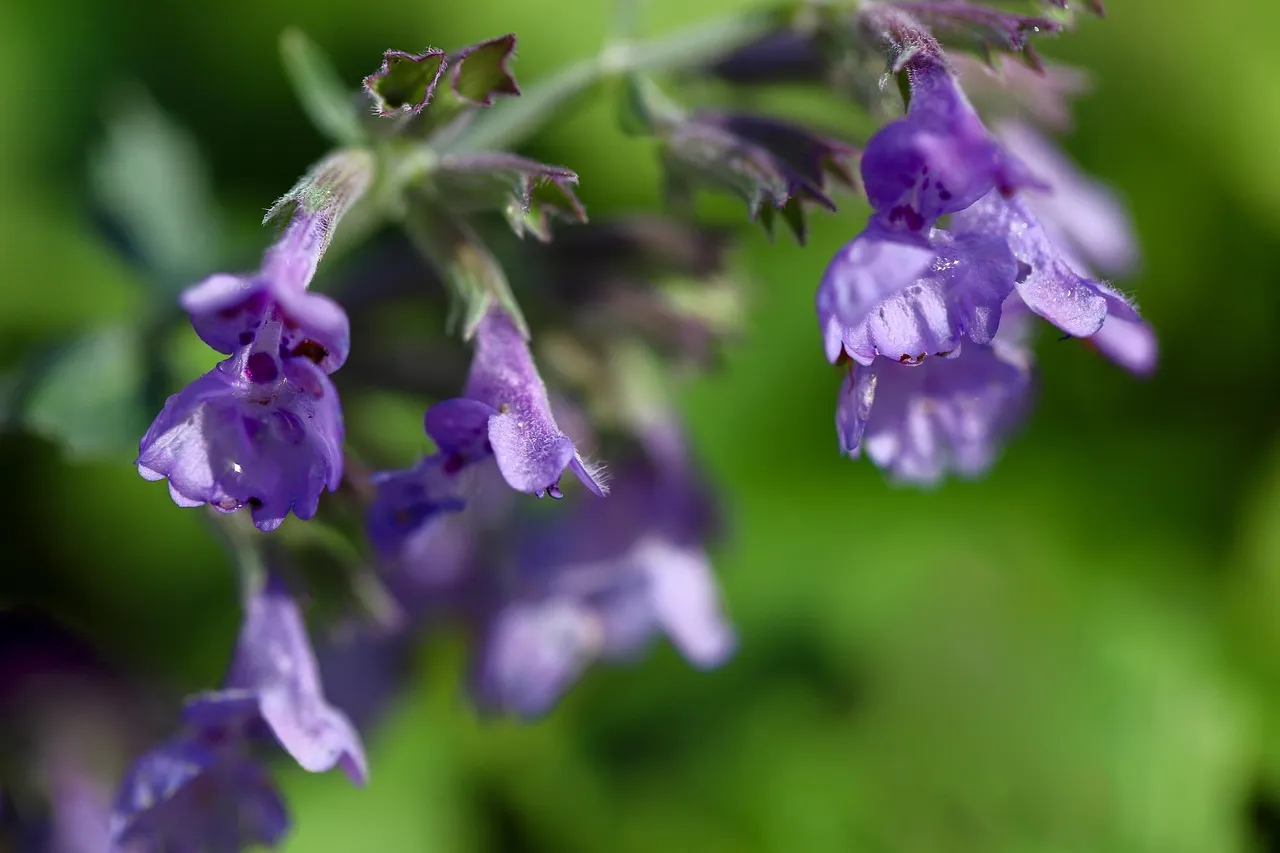
Catnip can reduce damage by flea beetles, which attack eggplant, brassicas, tomatoes, and other common crops. There is also evidence that it wards off cabbage loopers, while a series of beetles including Colorado potato beetles, cucumber beetles, and Japanese beetles are also repelled.
Catnip contains nepetalactone, a compound that repels pests such as aphids, flea beetles, and ants. Studies have also shown that catnip repels mosquitoes, and its oil has been scientifically proven to repel blood-sucking flies.
There’s a practical catch worth knowing. Because catnip spreads like mint, it’s best planted in a container and placed around the garden rather than directly in the ground. That’s a small inconvenience for a plant that deters such a wide range of damaging insects.
6. Garlic (Allium sativum) – The Broad-Spectrum Repeller
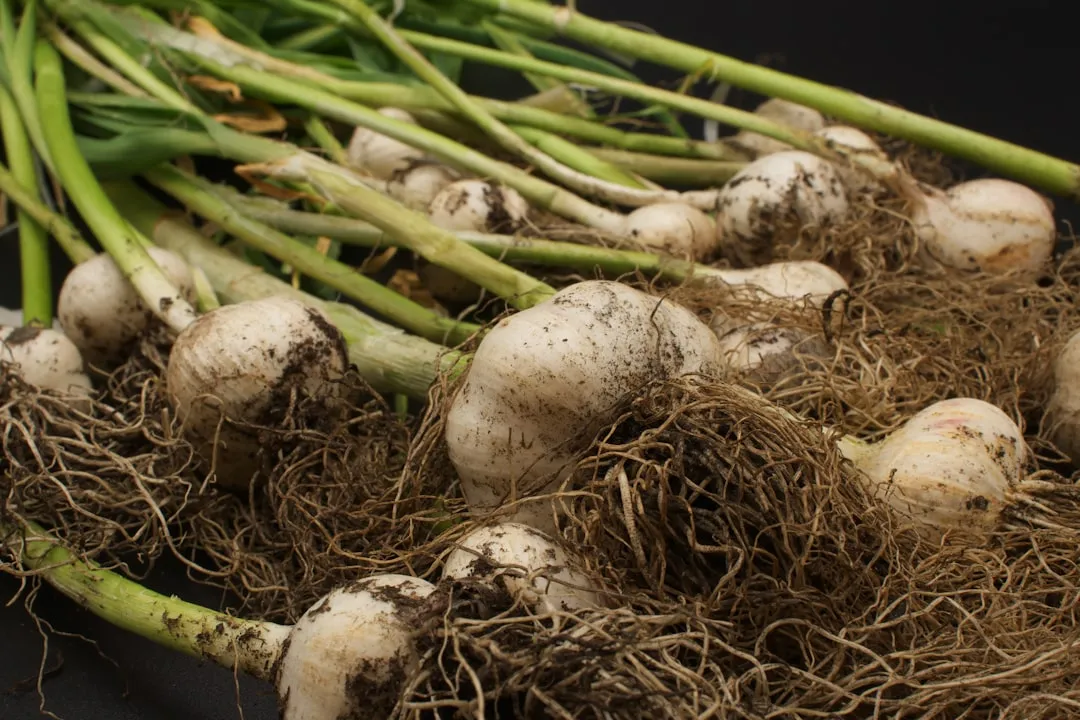
Garlic is well known for its pungent aroma and its ability to repel a wide range of garden pests, with planting garlic near susceptible crops helping to deter aphids, spider mites, and other insect pests that can cause leaf damage.
Interplanting garlic with lettuce, cabbage, or potatoes can help repel aphids and beetles. Plants in the Allium genus, which includes garlic and onions, have a repellent property against a variety of insects including moths, aphids, and mites.
Chives and related alliums share similar benefits, with the pests they deter including damaging moths such as cabbage moths, aphids, and spider mites, all of which attack a wide host of vegetable plants including brassicas, beans, and squash, meaning a border of alliums can really help throughout the garden. Garlic is also among the easiest companion plants to tuck into existing beds without disrupting neighboring crops.
7. Dill (Anethum graveolens) – The Beneficial Insect Magnet
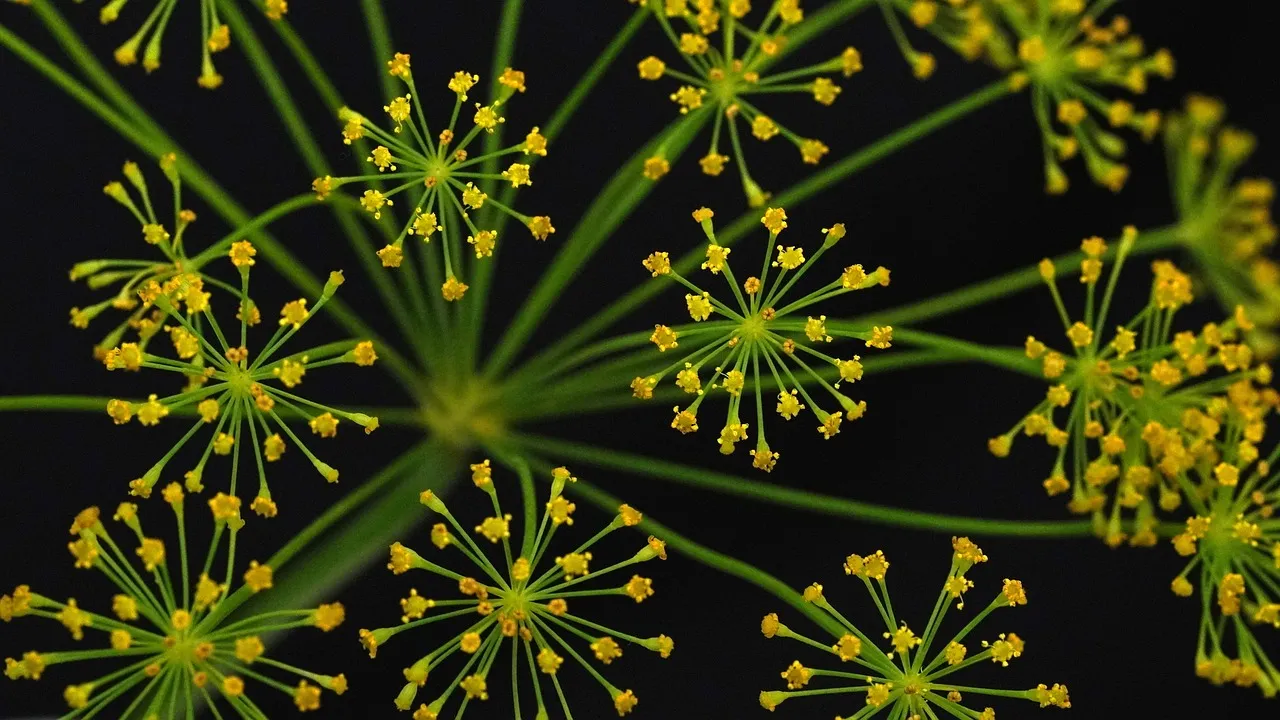
Dill is an excellent garden defender, repelling cabbage moths and attracting parasitic wasps that control tomato hornworms. It works on two levels simultaneously, pushing some pests away while drawing in the insects that hunt others.
Adding dill near cabbage crops or cucumbers helps attract ladybugs and parasitic wasps that reduce pest populations. Dill also repels aphids, squash bugs, spider mites, the cabbage looper, and the small White butterfly caterpillar.
It’s worth knowing that dill doesn’t pair well with every garden neighbor. It can stunt the growth of nearby tomatoes if planted too close, so spacing matters. Used thoughtfully, though, dill brings a level of ecological complexity to the garden that single-species planting simply cannot replicate.
How Intercropping Reduces Pest Pressure Overall

Intercropping systems can reduce pest incidence by up to roughly half, primarily due to biochemical interactions between companion plants. That figure is meaningful. It doesn’t promise an insect-free garden, but it points clearly toward the value of diversifying what you grow and where.
Some attractive and useful companion plants genuinely do help ward off certain insect pests from specific crops, and when planted in quantity, they can serve to reduce the populations of common insect pests of vegetables. The key phrase is “in quantity.” A single marigold at the end of a bed won’t do much. Strategic, generous planting changes the dynamic.
Repelling plants will never totally protect vegetables from the pests that attack them, but they can reduce the number of pests. That reduction, compounded over a full growing season, can mean the difference between a crop that struggles and one that thrives.
Understanding Allelochemicals: Why These Plants Actually Work
Understanding the chemicals released by plants is central to making smart companion planting decisions. It’s not simply about smell or appearance. The compounds these plants emit interact with insect nervous systems, soil chemistry, and even the defensive biology of neighboring plants.
Research has explored these mechanisms and found that basil volatiles change the way tomato plants respond to wounds and pest damage, priming the plants to be better defended throughout the season and thus healthier and more robust. This effect, called defense priming, is relatively new territory in companion planting research and suggests the benefits go well beyond simple scent deterrence.
French marigolds have been shown to alter the chemical profile of the plants they protect via the interaction of underground roots, with marigolds producing root exudates that are absorbed by the roots of neighboring plants, thus providing insect protection. The mechanisms vary by plant species, but the principle is consistent: chemistry drives the protection.
Placement Strategies That Maximize Results
Insect-repelling companion plants produce aromatic chemicals that some pests dislike, and unlike trap crops that take up a lot of space, desirable repellant plants are more viable to grow for most home gardeners. This practicality matters when garden space is limited.
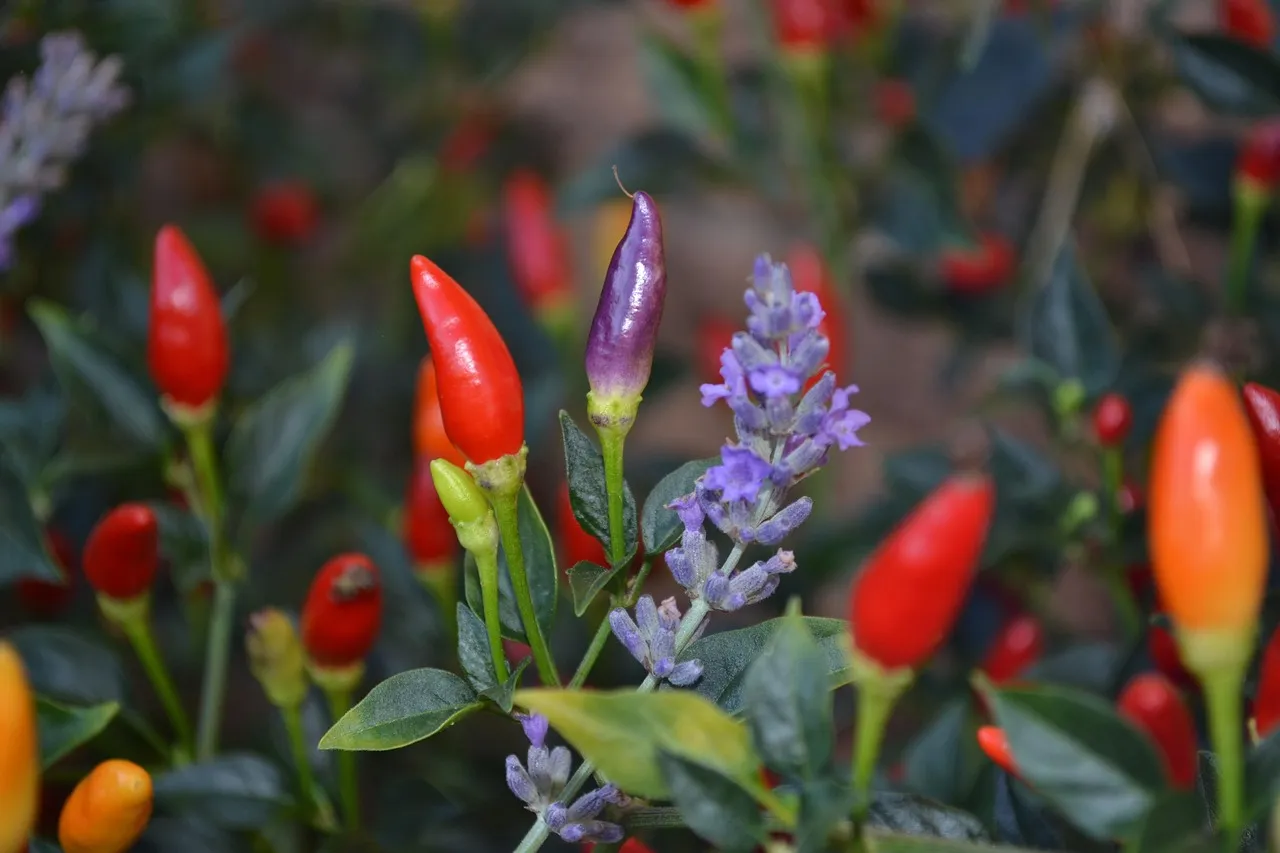
Border planting is one of the most effective approaches. Placing aromatic herbs like rosemary, garlic, and basil around the outer edges of vegetable beds creates a chemical perimeter that many pests find uninviting. By combining plants that naturally support each other, you can reduce pests, improve soil, attract pollinators, and increase your harvest while creating a healthier, more resilient garden.
Density also matters. Sparse plantings of companion herbs tend to underperform. Clustering several plants together, or repeating them at intervals throughout a bed, concentrates their volatile output and increases the likelihood that approaching pests encounter the deterrent before reaching vulnerable crops.
What the Evidence Really Says: Honest Expectations
Companion planting attracts a lot of folklore, and not every claim survives closer inspection. Whether or not planting basil near tomatoes repels insects divides the gardening community, with some gardeners reporting significant success while others notice little to no difference, and what works in one garden may not work in another.
Scientific evidence does support interplanting for pest control, pollination, and resource sharing. Some combinations of plants are genuinely effective, and there are many well-established companion plants, both through scientific research and through trial and error across generations of gardeners, that can be beneficial in the garden.
The honest takeaway is that companion planting works best as part of a layered approach. It reduces pressure from pests rather than eliminating them entirely. Soil health, watering consistency, and crop rotation all still matter. But the plants on this list are not gardening mythology. Their mechanisms are real, their benefits are documented, and for gardeners looking to reduce chemical inputs, they’re a genuinely worthwhile place to start.
AI Disclaimer: This article was created with the assistance of AI tools and reviewed by a human editor.