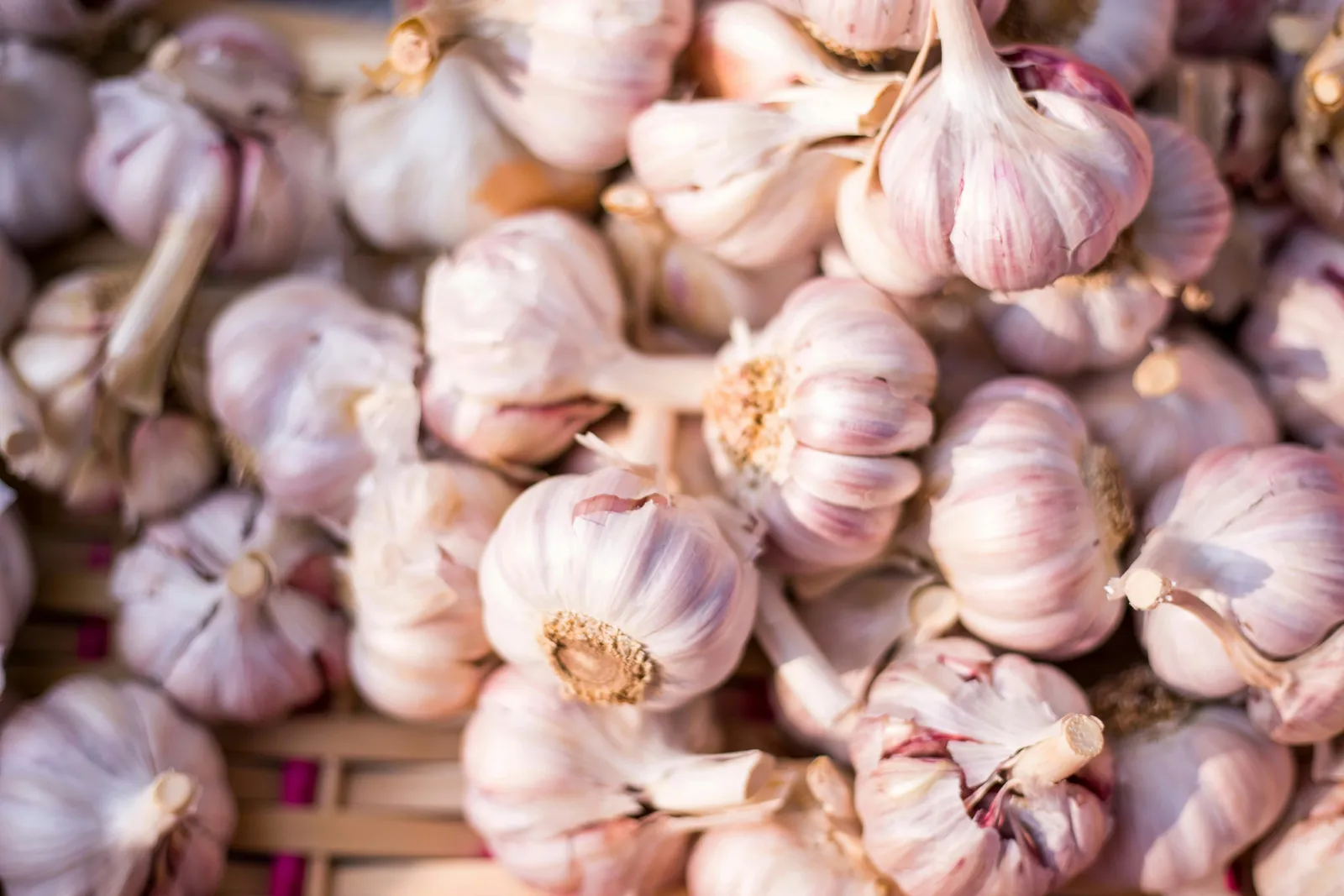

Many home cooks reach into the pantry for a familiar bulb only to discover a soft clove or a green shoot pushing through the skin. The question follows quickly: is it still usable, or has the garlic crossed into unsafe territory? The answer hinges on the exact form it takes and how it has been kept since purchase.
Storage Rules Shift With Each Form
Whole unpeeled bulbs remain one of the most stable items in any kitchen when left in the right conditions. They hold quality for months in a cool, dry spot with airflow. Once cloves are separated or peeled, the timeline shortens dramatically and the storage method must change.
Minced garlic introduces yet another set of constraints because the protective layers are gone. Each preparation demands its own approach rather than a single rule applied across the board.
Why Whole Bulbs Prefer the Pantry
A sound, unpeeled bulb stores best at room temperature in a mesh bag, basket, or clay keeper placed away from heat and light. Ideal conditions hover around 60 to 65 degrees with steady ventilation. Refrigeration often backfires here, encouraging sprouting and moisture that shortens usable life.
Keeping bulbs separate from onions also helps. The two release gases that speed each other’s decline even though they pair well on the cutting board. Plastic bags or sealed containers trap humidity and should be avoided entirely.
Green Shoots and Color Changes That Do Not Mean Spoilage
A green sprout running through the center of a clove signals new growth rather than decay. The clove itself stays safe to eat, though the sprout can taste more bitter in raw dishes. Removing it with a knife tip solves the issue for most preparations.
Blue or green tones that appear after pickling or cooking in acid come from a harmless chemical reaction between garlic’s sulfur compounds and minerals in the ingredients. The garlic remains edible and the flavor stays largely unchanged. Michigan State University Extension has noted that these pigments pose no health concern.
Clear Indicators That Garlic Has Spoiled
Actual spoilage shows itself through texture and odor rather than color shifts. A clove that feels soft or mushy throughout has begun to break down and should be discarded. Brown patches inside a previously creamy white clove point to the same problem.
Visible mold or a sour, fermented smell confirms the garlic is no longer fit for use. Fully shriveled or hollow cloves have lost their usable content and belong in the compost. These signs differ sharply from the harmless sprout or color change described earlier.
Freezing Extends Use and Oil Storage Carries Real Risk
Freezing offers the longest extension for any form. Whole peeled cloves or minced portions keep well for up to a year when prepared properly and kept in freezer bags. The texture softens after thawing, so frozen garlic works best in cooked dishes rather than raw applications.
Garlic stored in oil at room temperature creates conditions for botulinum toxin to form. The spores occur naturally on garlic and become active in the low-oxygen, moist environment. Homemade versions must move straight to the refrigerator and be used within four days. Commercial products add acidifiers that home cooks cannot safely replicate.
Key storage reminders: Whole bulbs belong in a ventilated pantry spot. Peeled or minced garlic moves to the refrigerator in airtight containers. Any garlic-in-oil preparation requires immediate chilling and prompt use.
Understanding these distinctions turns occasional uncertainty into reliable kitchen practice. Garlic that receives the right treatment delivers consistent flavor across many meals without unnecessary waste.
AI Disclaimer: This article was created with the assistance of AI tools and reviewed by a human editor.