

There’s something quietly telling about the plants we choose to live with. A bright kalanchoe on the kitchen sill, a brooding orchid in the study, a spilling pothos vine in the hallway – each choice is rarely accidental. The plants we keep, and especially the flowering ones, reflect something about how we move through the world.
The vibrant colors and life-affirming presence of plants can evoke positive emotions and contribute to a more optimistic outlook. That connection runs deeper than aesthetics. Research consistently points to a meaningful bond between the plants people gravitate toward and the emotional lives they carry day to day. Here’s what ten beloved flowering houseplants might reveal about you.
Orchid: The Patient Optimist
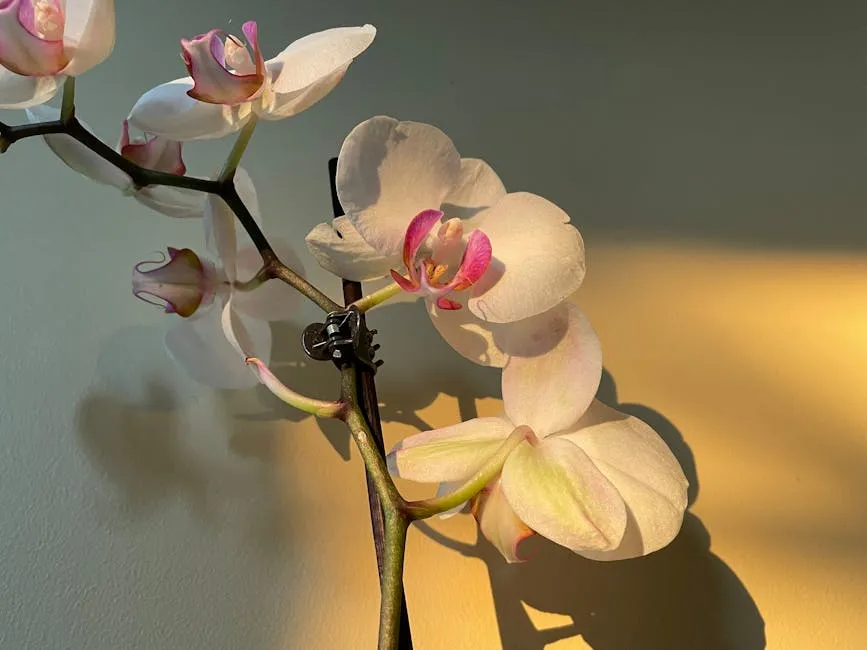
Orchids don’t reward impatience. They bloom on their own schedule, sometimes taking months to produce a single flower, and they’ll drop every bloom if you love them too aggressively. The people who choose them tend to embrace the long game.
This patience extends to their outlook on life as well, embodying a sense of optimism in every endeavor they take on. If you can keep an exotic, delicate orchid alive and thriving, surely you can handle anything life throws your way.
Orchids represent sophistication, exotic beauty, and grace under pressure. If you are independent, creative, and a bit enigmatic, you’re likely an orchid personality. Your optimism isn’t loud or performative. It shows up quietly, through consistency and a willingness to wait for the right moment.
Sunflower (Indoor Varieties): The Radiant Optimist
Sunflowers symbolize positivity and open-mindedness. If you light up rooms and encourage others, the sunflower is your spirit flower. People who gravitate toward sunflowers as houseplants tend to be unapologetically expressive with their hope.
Sunflowers are a bold statement of optimism, loyalty, and happiness. This plant’s tendency to “follow the sun” reflects people who always seek the light, support friends, and bounce back from setbacks with a smile.
The color science backs this up too. Yellow sunflowers are known to increase happiness and optimism, and exposure to yellow tones may activate the left hemisphere of the brain, which is linked to positive affect. Keeping one indoors is less a design choice and more a daily declaration.
Peace Lily: The Grounded Optimist
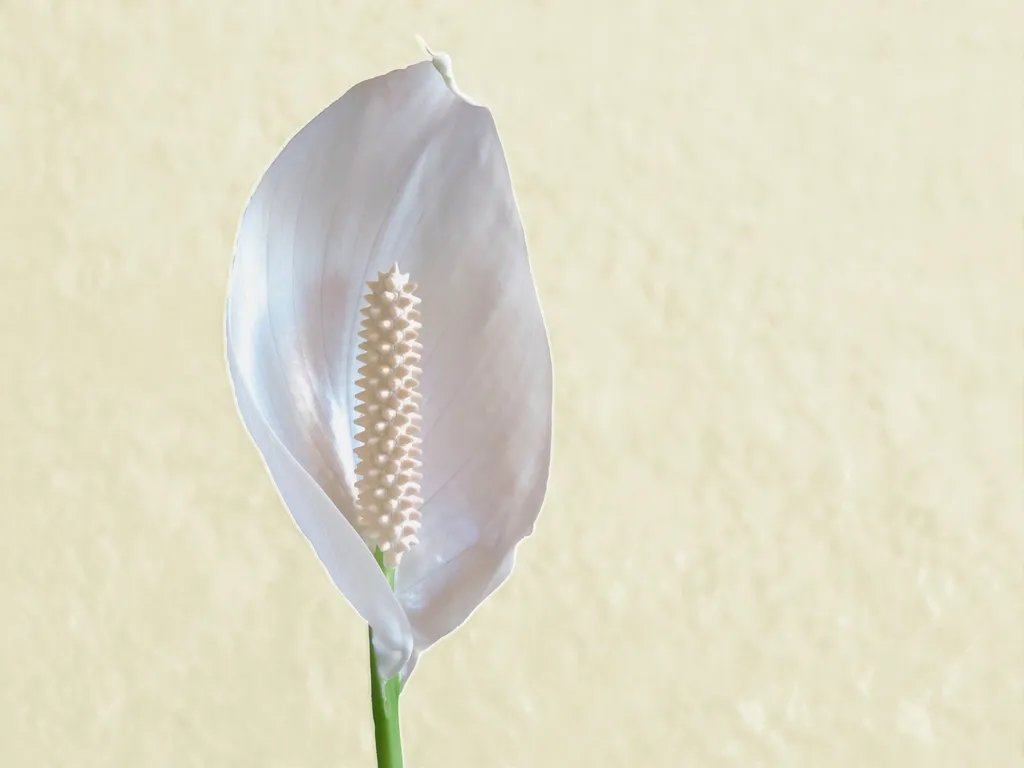
Characterized by a calm demeanor and a caring nature, peace lily owners seek balance and tranquility in their life, a reflection of the peaceful elegance of the plant itself. These are people whose optimism isn’t naive – it’s rooted, considered, and sustained over time.
Among all kinds of plants, the peace lily represents harmony and peacefulness. This elegant plant has characteristics that include sheen, dark green leaves and white flowers associated with both peace and purity.
White blooms carry their own psychological weight. White flowers, particularly lilies, have a timeless charm rooted in their graceful simplicity and profound symbolism. Known for their association with purity and peace, white blooms hold a place of honor in joyous celebrations. White lilies embody the essence of new beginnings, making them an ideal choice for life’s transformative moments. Their delicate petals and serene hue speak gently but powerfully, evoking a sense of calm and renewal.
Pothos (with Blooms): The Easygoing Optimist
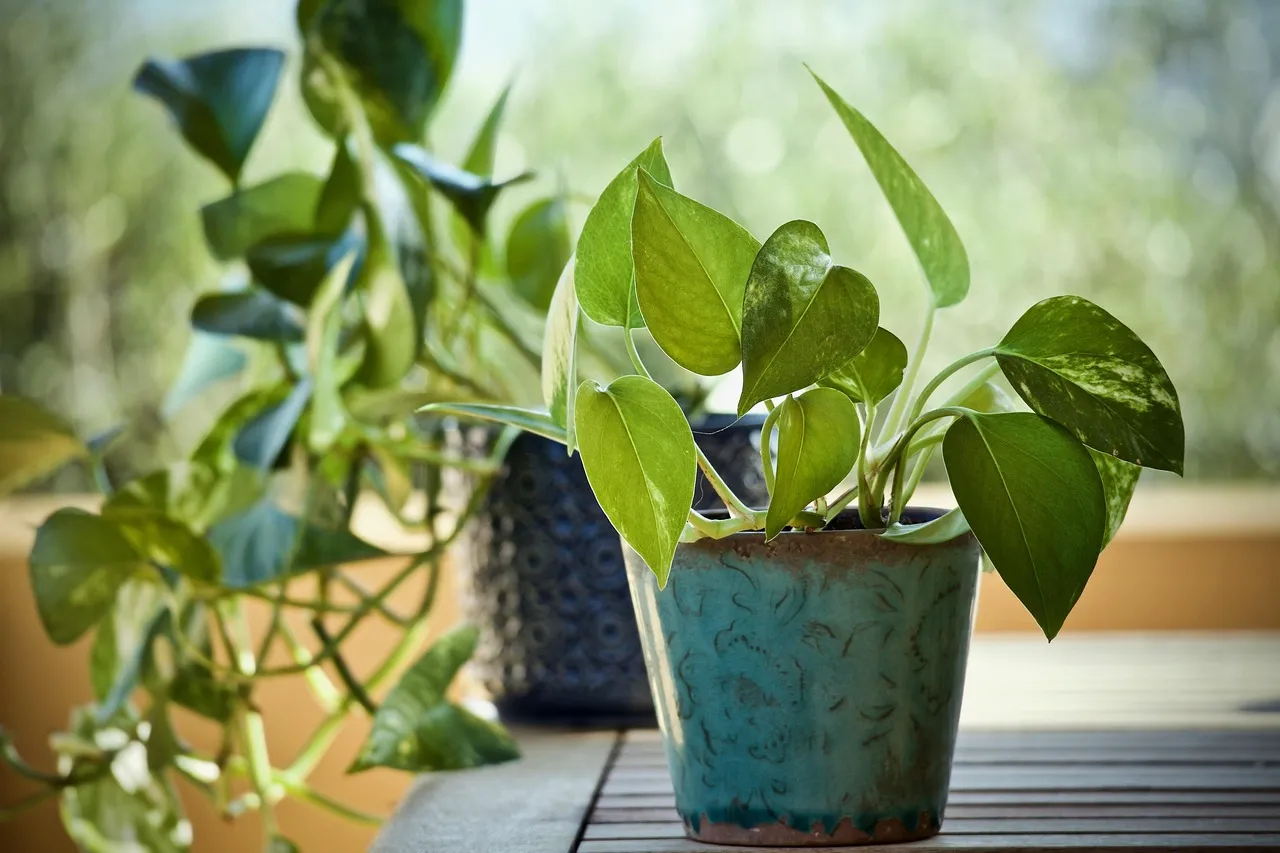
If you are the proud owner of a Pothos, you likely embody the traits of an Easygoing Optimist. Being laid-back is your second nature, and your adaptability matches the resilience of the Pothos plant, famed for its ability to thrive in various conditions.
Pothos owners rarely agonize over their plants, and that’s the point. There’s an inherent trust that things will work out. That attitude tends to spill over into everyday life. The health of a houseplant can often serve as a direct reflection of our own state of mind and the attention we are able to give. A thriving plant can be a source of pride and a testament to our consistency and care.
Studies have confirmed that even simple, low-maintenance plants contribute to wellbeing. Studies show that people report feeling happier and more positive when surrounded by indoor plants, even small ones. There’s no exact number, but even one or two plants can make a difference.
African Violet: The Quietly Devoted Optimist
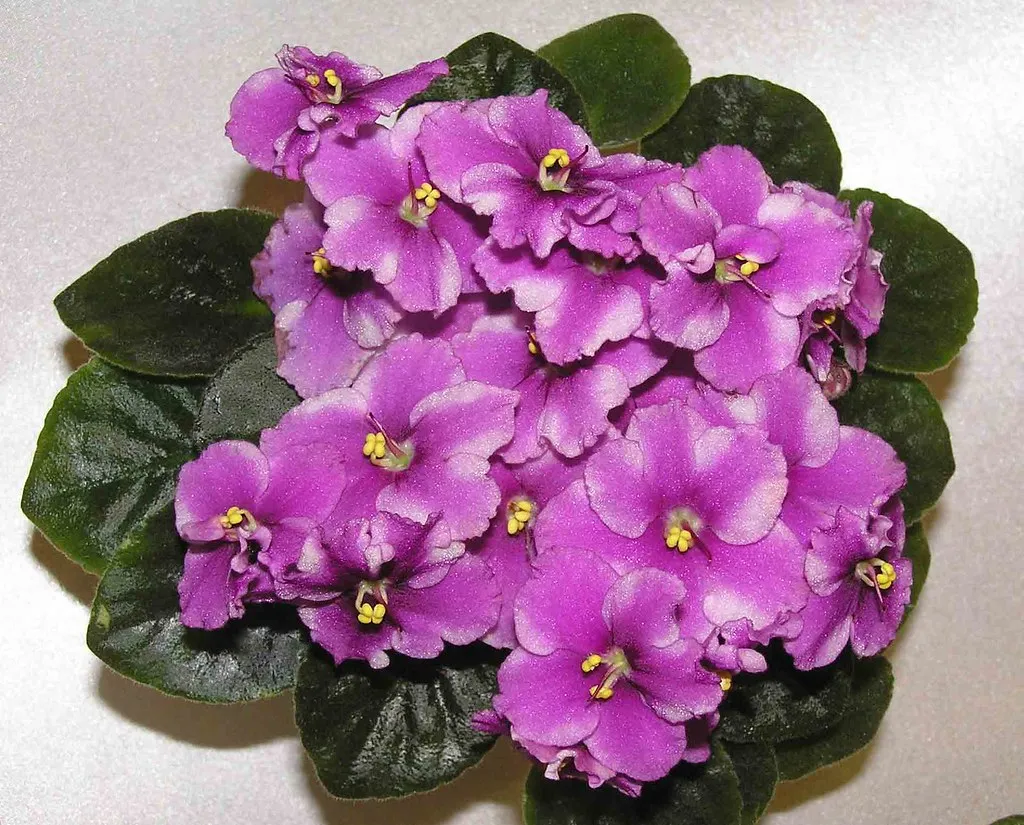
Violets represent humility and are often connected with deep wisdom. If you’re introspective and value deep, meaningful connections, the violet reflects your soul. African violet people are rarely the loudest in the room, but they’re often the most consistent source of warmth.
Quiet violets are often overlooked, but they’re the heart of woodland magic. If you’re careful with emotions and value authenticity, connect with violets. Your insightfulness and empathy help others feel seen and understood. In relationships, you nurture trust and bring depth to conversations.
Their purple blooms carry an added layer of meaning. Purple flowers, such as lavender and orchids, exude a sense of luxury and wisdom. African violet owners tend to carry an optimism that is laced with perspective – they’ve seen enough to know things generally turn out fine, even if the path is uncertain.
Anthurium: The Bold, Present-Tense Optimist
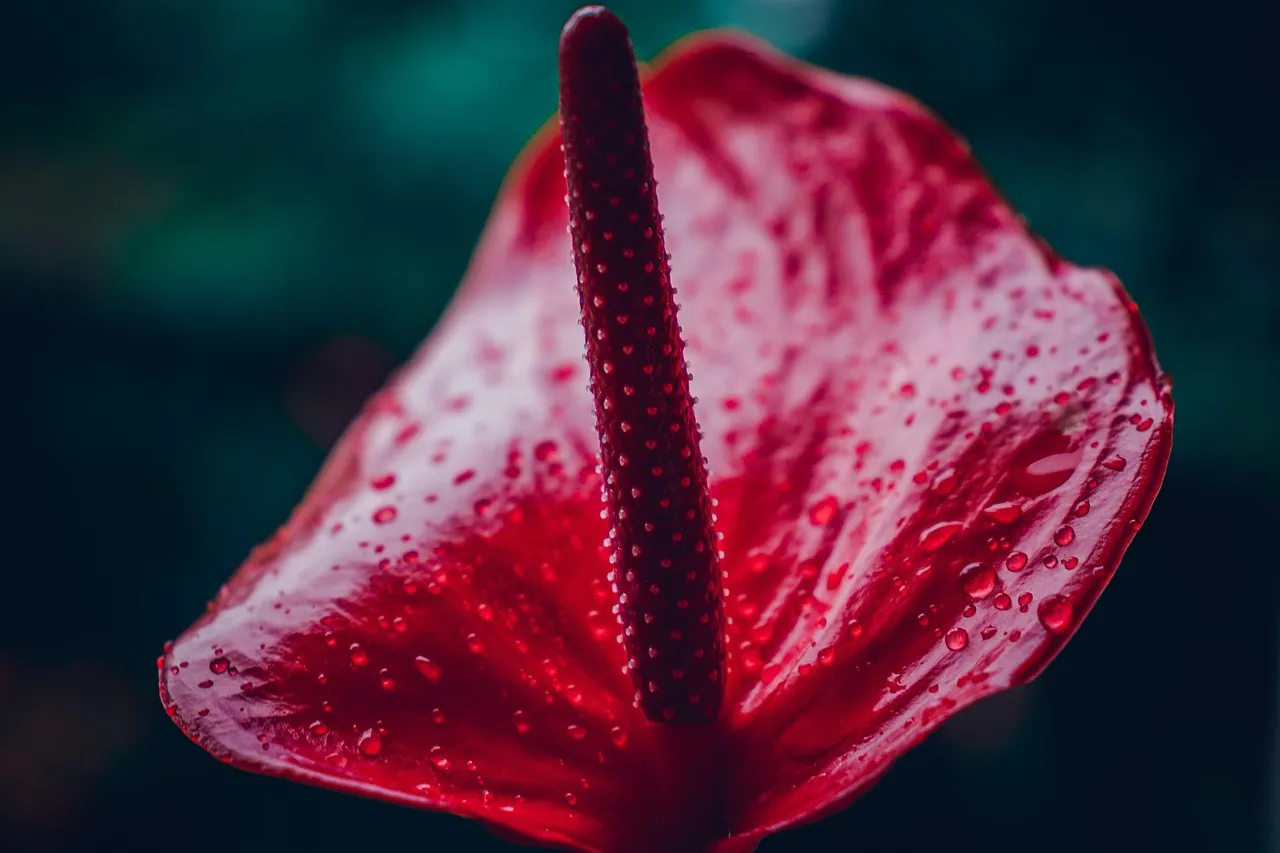
Few flowering houseplants are as unapologetically vivid as the anthurium. Its waxy red or pink spathes look almost architectural, and they bloom reliably for weeks. There’s nothing tentative about it.
A bold red creates an energetic atmosphere. Red flowering plants like anthuriums can create a lively and stimulating environment in rooms. In combination with neutral tones, red plants appear particularly elegant, while together with green tones they create a lively atmosphere. Red plants influence space and mood through passion, emotionality, and a symbol of intensity and vitality.
Anthuriums’ glossy, heart-shaped leaves and long-lasting spathes bring color and optimism indoors just as winter fades. The people who keep them tend to be optimists of the present tense – not worrying about tomorrow, fully engaged with today.
Kalanchoe: The Practical Optimist
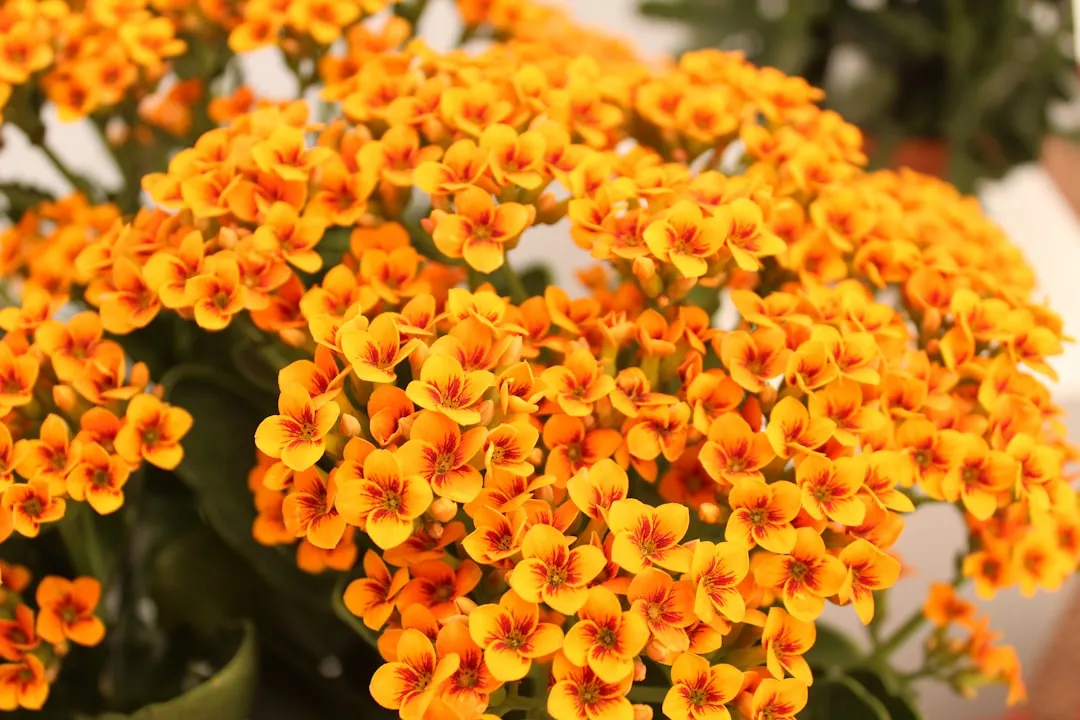
Kalanchoe is one of the most cheerful flowering houseplants available, and it’s remarkably forgiving. It blooms in orange, yellow, pink, and red, it tolerates neglect, and it keeps coming back after deadheading. There’s a pragmatic joy to it.
Warm colors – orange, yellow, and red – evoke uplifted emotions and deliver better positive affect. Kalanchoe owners tend to find hope in practical places. They’re not dreamers exactly – they’re doers who happen to be optimistic about the outcome.
Regular exposure to flowers and their colors can inspire positive changes in behavior and thought patterns. They can encourage us to adopt a more optimistic outlook and appreciate the small joys in life. A windowsill kalanchoe does exactly that, quietly, every single morning.
Bromeliad: The Vivid, Once-in-a-Moment Optimist
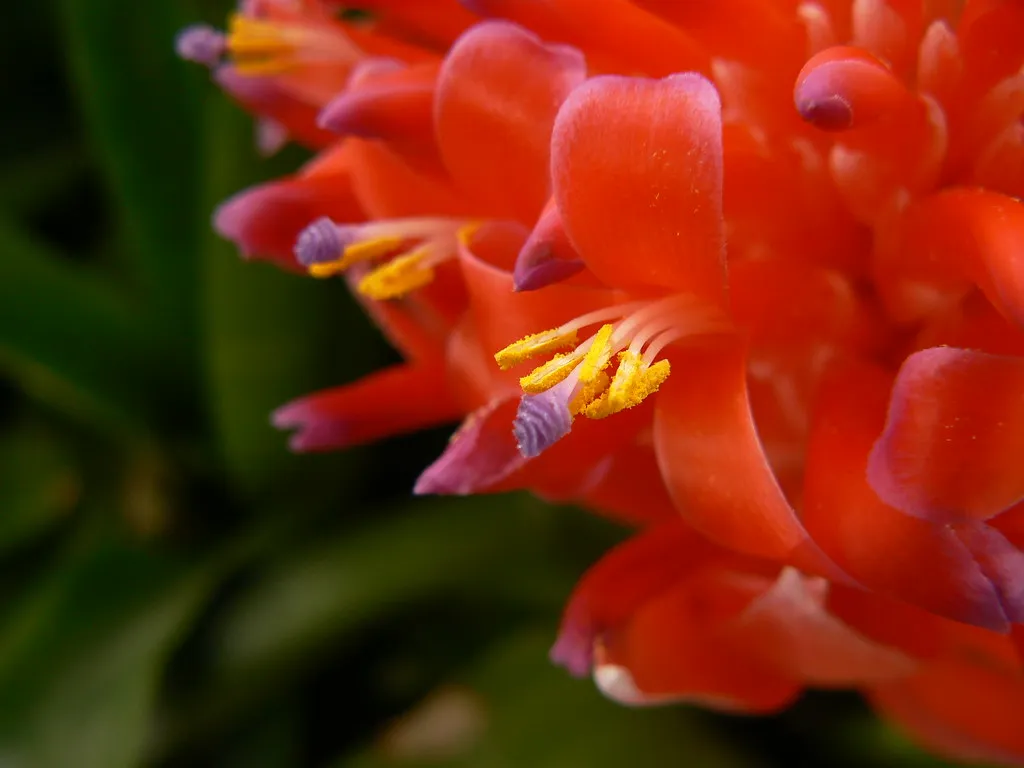
Bromeliads are unusual: they typically produce one dramatic flower in their lifetime, then propagate through offshoots. The main plant gives everything to a single bloom. That’s a very particular kind of optimism – generous, all-in, not saving anything for later.
The rhythms of plant life – growth, dormancy, flowering – can mirror and inform our own emotional and psychological journeys. This interaction becomes a form of non-verbal dialogue, a way of engaging with life that is both grounding and deeply personal.
People drawn to bromeliads often have a flair for celebration. They’re not afraid of boldness, and they understand that some moments are worth going all in for. The optimism here is generous rather than cautious, and it tends to be contagious.
Jasmine (Potted): The Hopeful, Forward-Looking Optimist
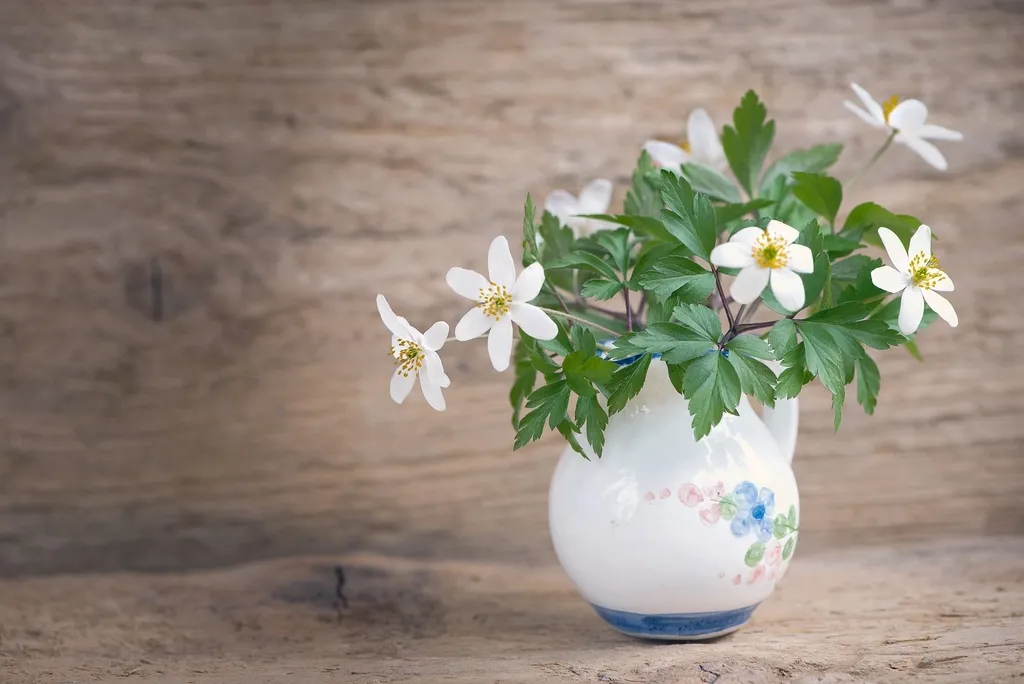
Potted jasmine requires a little more effort than most. It needs the right light, occasional humidity, and consistent pruning. The payoff is an extraordinarily fragrant bloom that fills a room in a way no other houseplant quite manages. People who choose it are willing to invest now for something extraordinary later.
The psychological link between scent and mood is well-documented. Studies indicate that potted plants provide therapeutic benefits, including stress reduction, enhanced cognitive function, and improved mood. Engagement with gardening activities has been linked to alleviation of anxiety and depression symptoms, fostering a sense of purpose and accomplishment.
Jasmine growers tend to be forward-looking optimists. They plan. They believe the effort compounds into something better. That patience and forward orientation is a form of optimism that researchers have connected to better long-term wellbeing. Optimism may promote emotional well-being by limiting how often one experiences stressful situations. A growing body of evidence supports an association between optimism and healthy aging.
Flowering Cactus: The Resilient Optimist

A flowering cactus earns its blooms. The plant stores everything it has, endures extended dry spells, and then produces flowers of remarkable beauty under the right conditions. It’s not a plant for the impatient, and it doesn’t ask for much sympathy either.
Cactus is perfect for independent, guarded souls who thrive in solitude but bloom spectacularly when the time is right. The personality match here is striking. These people carry their optimism privately. They don’t broadcast it, but when conditions are right, it becomes unmistakable.
Studies have shown that the biggest benefits to health from having houseplants are psychological. Spending time with houseplants lowers cortisol levels, the hormone our bodies produce when we’re under stress. For the resilient optimist, a blooming cactus on the desk is a quiet daily reminder that persistence and belief in better days ahead are habits worth keeping.
The Plants We Choose Tell a Story
The act of choosing a plant, finding the right spot for it, and learning its needs is the beginning of a relationship that is, in its own small way, a step toward a more sustainable and mindful way of living. It is an acknowledgment that our well-being is tied to the well-being of the world around us.
Based on a review of 50 journal articles, indoor plants most significantly impacted occupants’ self-reported perceptions by increasing positive emotions and reducing negative feelings, as well as reducing physical discomfort. What we choose to bloom in our homes matters – not just for the room, but for the mind.
There’s no single plant that signals the “most optimistic” personality. Optimism wears many shapes: patient, bold, grounded, resilient, generous. The more interesting question isn’t which plant you keep, but what the way you tend to it says about the kind of hope you carry – and how you choose to grow it.
AI Disclaimer: This article was created with the assistance of AI tools and reviewed by a human editor.