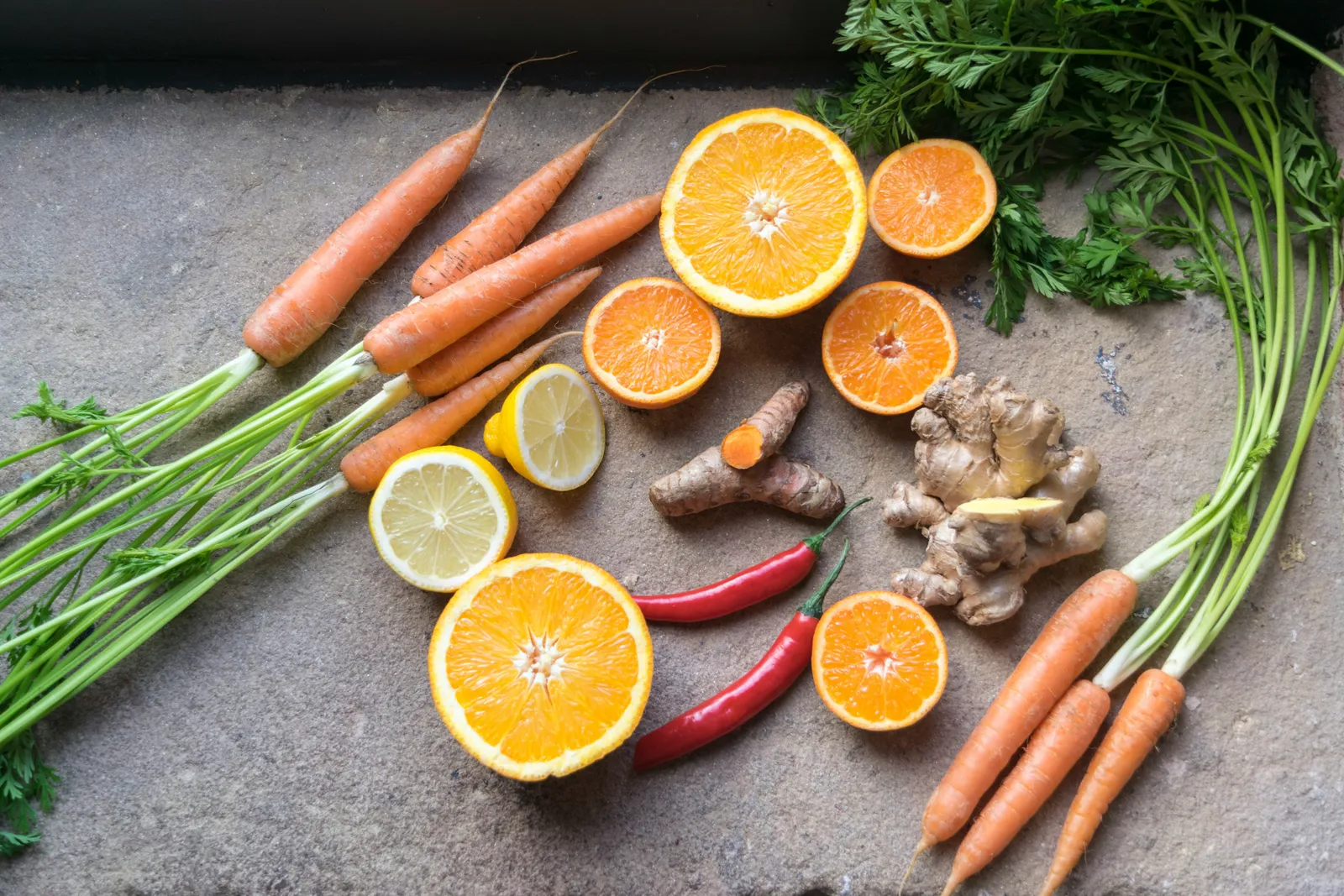

Interest in home fermentation has grown alongside rising awareness of gut health, and many gardeners now look for ways to turn their own harvests into simple, beneficial foods. Carrots and ginger stand out as accessible crops that lend themselves to this approach, offering a straightforward path from soil to a tangy, probiotic-rich snack. The method draws from traditional practices that preserve vegetables while supporting digestion, without requiring specialized equipment.
Why Fermentation Fits the Garden-to-Table Approach
Fermentation transforms fresh produce through natural processes that encourage beneficial bacteria. Gardeners who grow carrots and ginger can extend the usefulness of their harvest by turning surplus roots into a preserved item that retains nutrients and develops new flavors over time. This practice aligns with broader efforts to reduce waste and create foods that may aid digestion, though individual results vary and research on specific outcomes continues. The technique requires minimal intervention once the ingredients are prepared. It relies on salt, a starter culture, and time rather than heat or complex tools. Gardeners appreciate the low barrier because it fits into existing routines of harvesting and storing produce.
Selecting and Growing Suitable Carrots and Ginger
Carrots thrive in loose, well-drained soil with consistent moisture, making them a reliable choice for many home plots. Varieties bred for sweetness and crunch perform especially well when later cut into thin sticks. Ginger, grown from rhizomes in warmer conditions or containers, provides the sharp note that balances the carrots during fermentation. Both crops reward patience. Carrots can be succession-planted for staggered harvests, while ginger needs a longer season but stores well once mature. Using produce straight from the garden ensures peak freshness before the fermentation step begins.
Preparing the Fermented Ginger Carrots
The process begins with basic ingredients that most kitchens already hold. Four to six peeled carrots cut into matchsticks combine with a two-inch piece of thinly sliced ginger. Two teaspoons of sea salt and a starter culture, such as two tablespoons of whey or juice from a prior batch, complete the mix. Everything is stirred together in a bowl, then packed into a quart-sized mason jar. Filtered water fills the jar to roughly one inch from the top. A gentle shake distributes the salt and culture evenly. The jar sits at room temperature, away from direct light, for two to four weeks. Regular checks confirm the vegetables remain submerged.
Storing, Serving, and Exploring Variations
Once fermentation reaches the desired tang, the jar moves to the refrigerator for longer storage. The result serves as a crisp snack on its own or as part of a vegetable platter. Children often enjoy the mild zest, and the colorful sticks add visual appeal to shared meals. The same base method works with other garden vegetables such as broccoli or cauliflower florets. Adjusting the ginger amount or trying garlic instead offers simple ways to vary flavor while keeping the core process intact. Success depends on clean equipment and steady temperatures rather than precise timing. Home fermentation of garden carrots and ginger provides one practical way to connect growing efforts with everyday eating. The outcome rewards consistent small steps with a versatile item that keeps well and encourages further experimentation in the kitchen.
AI Disclaimer: This article was created with the assistance of AI tools and reviewed by a human editor.