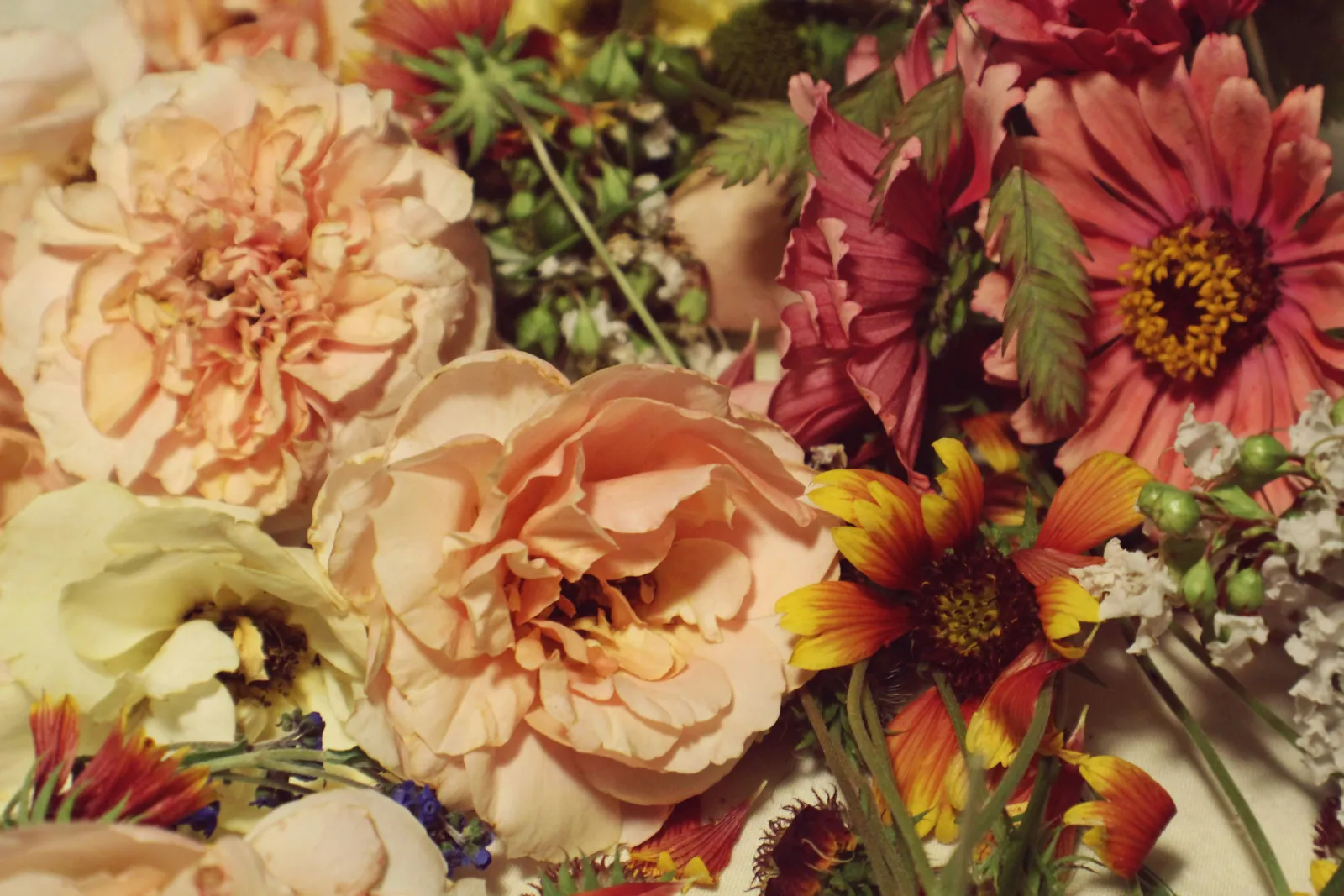

Gardeners frequently find themselves admiring the abundance of volunteer plants in a neighbor’s yard while overlooking similar surprises closer to home. Self-sowing flowers, which drop seeds and return on their own year after year, often create more organic and resilient displays than carefully planned beds. This natural process rewards patience and observation, turning routine maintenance into moments of unexpected delight.
Why Self-Sown Plants Outperform Expectations
Many gardeners invest significant time selecting and placing new plants each season, yet self-sowing species frequently establish stronger root systems and adapt better to local conditions. These volunteers appear in spots that suit their needs, resulting in arrangements that feel spontaneous rather than staged. The result is a garden that evolves gradually and requires less intervention over time.
Comparisons between neighboring gardens can highlight this difference. One gardener may notice far more self-sown violas in a sibling’s space and feel a twinge of envy, only to realize upon closer inspection that her own beds already contain a healthy population of the same plants. Such realizations encourage a shift in focus from acquisition to appreciation of what is already thriving.
Standout Examples That Reward Close Attention
Indian pinks, also known as Spigelia marilandica, represent one of the more rewarding self-sowers in shaded or woodland-style gardens. A single seedling that appears unprompted and begins to bloom can shift a gardener’s perspective on what is possible without deliberate sowing. The plant’s vivid red tubular flowers stand out against green foliage and attract pollinators reliably once established.
Other reliable self-sowers include dill and fennel in vegetable areas, where they return each spring with minimal coaxing. Nicotiana, valued for its evening fragrance, also appears readily from dropped seed. Even plants sometimes dismissed as weeds, such as dandelions, contribute cheerful yellow blooms that some gardeners now tolerate or encourage in less formal spaces. These examples demonstrate how self-sowing expands color and texture across multiple seasons.
Practical Steps to Encourage More Volunteers
Allowing seed heads to mature and drop naturally is the simplest starting point. Gardeners who resist the urge to deadhead everything often see increased returns the following year. Observing which plants succeed in a given microclimate helps identify candidates worth leaving alone.
Reducing chemical use in targeted areas also supports self-sowing success. Herbicides or iron-based treatments can eliminate promising seedlings before they have a chance to establish. In contrast, leaving small patches undisturbed allows species like violas to colonize patios, borders, and even lawn edges over successive seasons.
Long-Term Rewards for Patient Gardeners
Over several years, self-sowing creates layered plantings that change with the seasons and weather patterns. Early spring crocuses and later tulips can naturalize alongside columbine, producing displays that feel abundant without constant replanting. The cumulative effect often surpasses what a single season of purchased plants can achieve.
Gardeners who embrace this approach report greater satisfaction from watching their spaces develop character on their own terms. The process turns routine walks through the garden into opportunities for discovery rather than tasks to complete. In the end, the most striking results frequently come from plants that arrived without an invitation.
AI Disclaimer: This article was created with the assistance of AI tools and reviewed by a human editor.