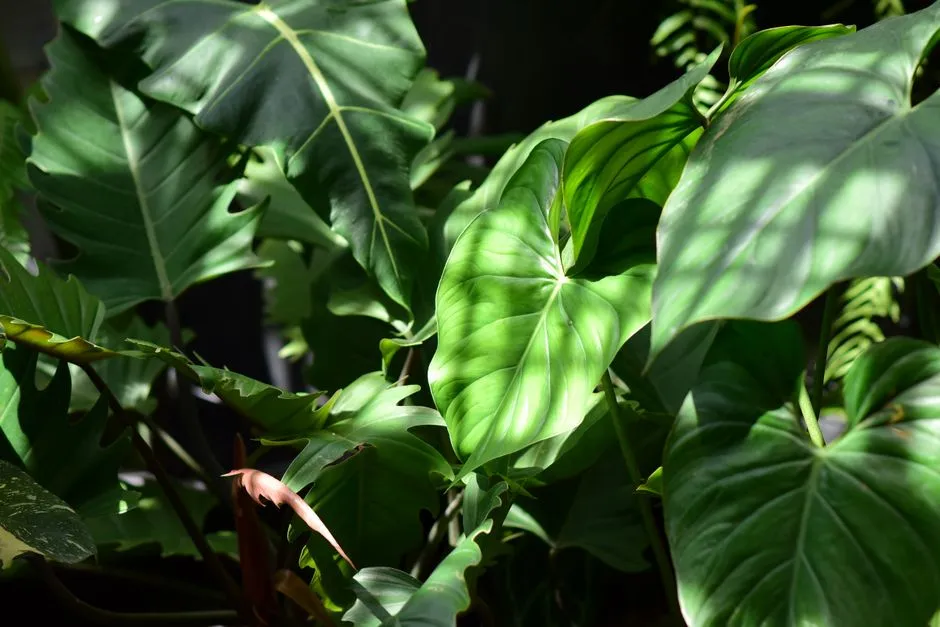

Not every home is bathed in afternoon sun. Plenty of apartments face north, older houses have deep-set windows, and even sunny homes have corners that never quite catch the light. For a long time, that meant those spaces stayed bare. The good news is that a whole range of houseplants evolved under forest canopies and shaded jungle floors, which means they’re genuinely built for dim conditions, not just tolerant of them.
With urban residents spending roughly four-fifths of their lives indoors, and research on the specific impact of indoor plants still growing, the case for greening your interior has never felt more relevant. These ten plants are a place to start.
1. Snake Plant (Dracaena trifasciata): The Quiet Workhorse
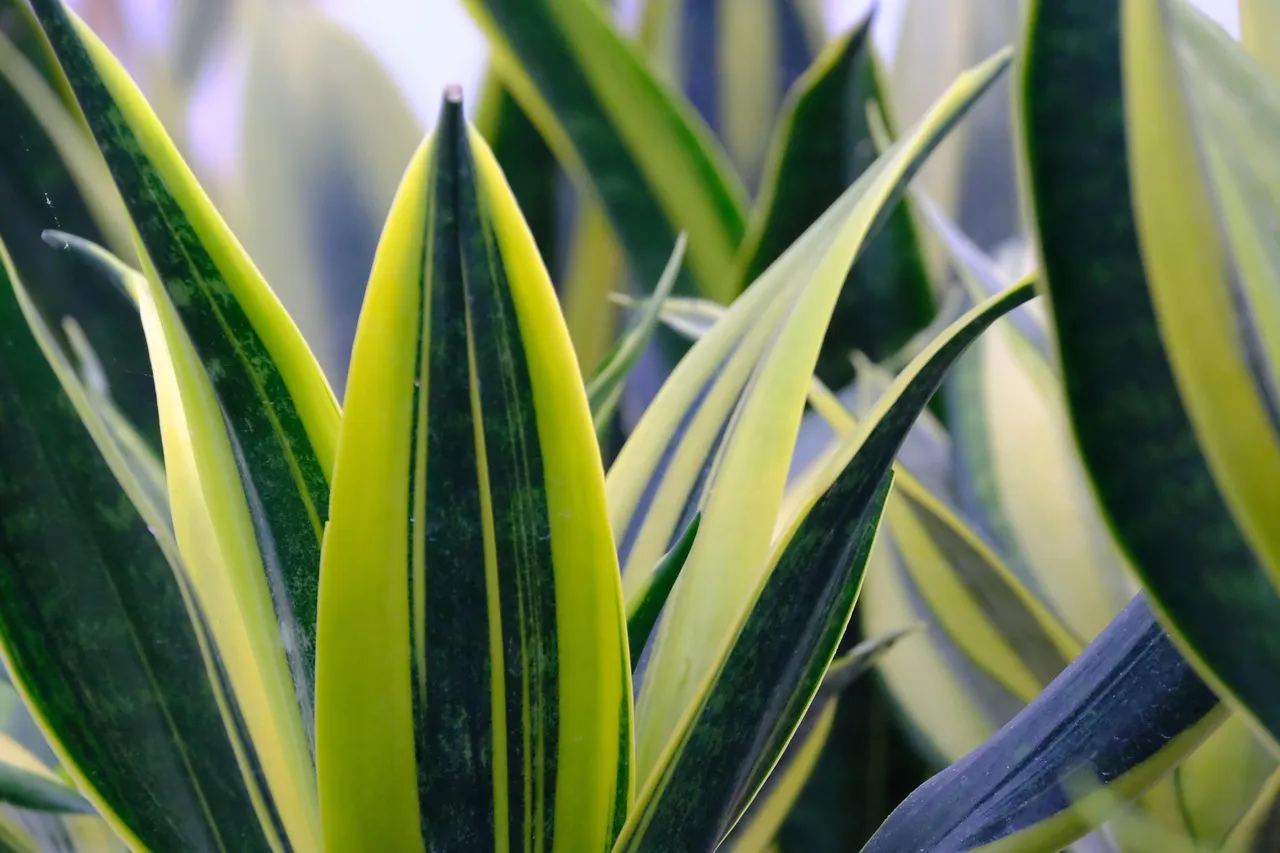
Snake plants are among the easiest low-light houseplants to care for. Adorned with sword-like leaves and a yellow-green striped pattern, they can grow anywhere from eight inches to twelve feet high with very little maintenance.
Snake plants are considered succulents and are very forgiving, making them the perfect beginner plant. They tolerate low light, don’t mind occasional overwatering, and effectively filter formaldehyde and xylene.
The snake plant is extremely drought tolerant thanks to its succulent-like leaves. In summer, watering every two to three weeks is typical; in winter, once a month or less.
2. Pothos (Epipremnum aureum): The Trailing Classic
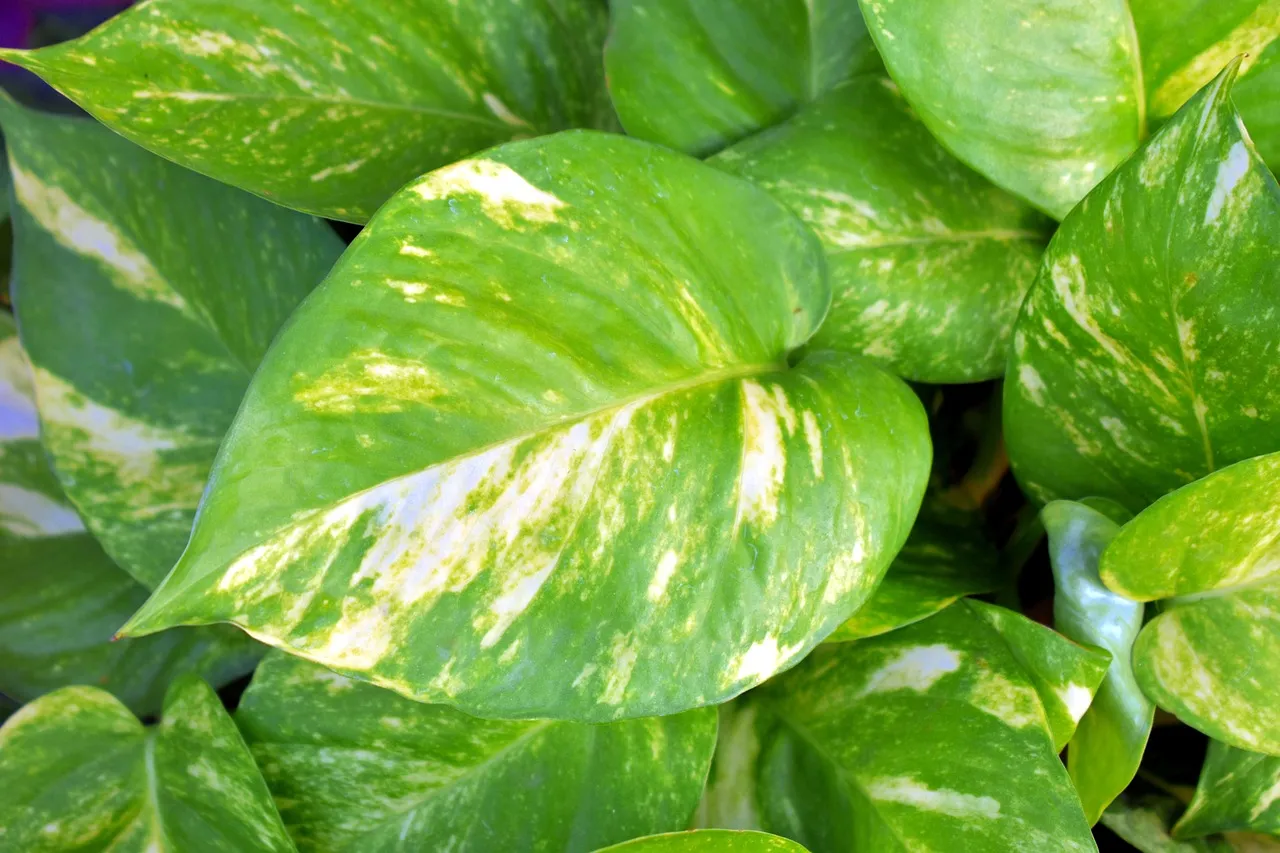
Pothos is one of the most adaptable indoor plants. It can thrive in low light and is easy to care for, making it a popular choice for hanging baskets or cascading down shelves.
Golden pothos grown on an activated carbon filter system reduced air levels of benzene and trichloroethylene inside a test chamber from approximately 36 ppm to barely detectable levels within two hours. That’s a striking figure from controlled research, though real-room results are more modest.
There are over a dozen types of pothos ranging in color and variegation. Some can be more difficult to care for, but the more common varieties are generally very low maintenance. Some of the easier varieties are Golden Pothos, Neon Pothos, and Marble Queen.
3. ZZ Plant (Zamioculcas zamiifolia): Nearly Impossible to Kill
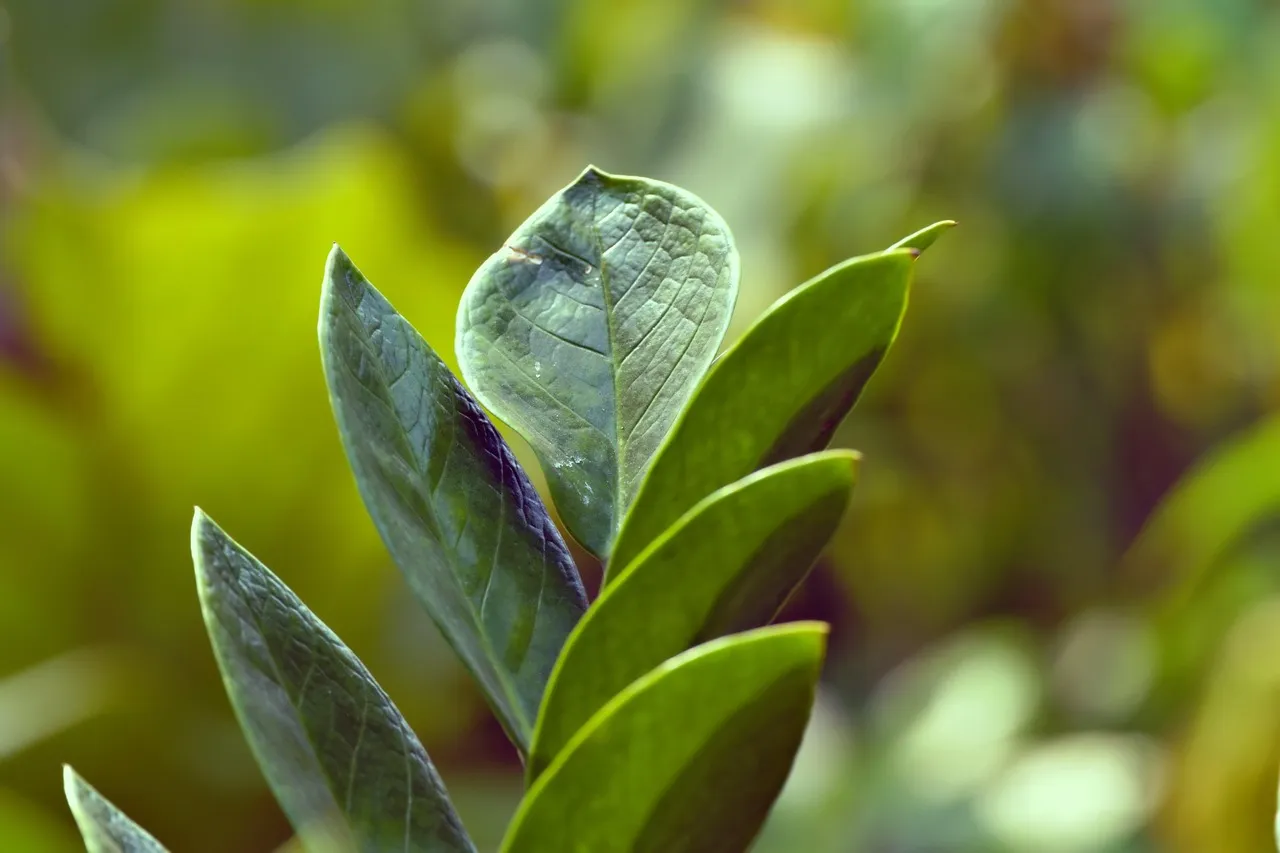
ZZ plants grow from a rhizome, similar to ginger, which stores water for periods of drought. They are slow-growing, but a mature ZZ plant can reach five feet tall. There are several varieties, including the striking, nearly black, Raven ZZ plant.
Tough as nails, the ZZ plant can survive on just a bit of indirect daylight and the indoor lighting from your house. Its dark, oval-shaped leaves are so flawless they almost look plastic.
The ZZ plant needs water the least often of most common houseplants. In winter or low-light conditions, watering once a month or even every six weeks is appropriate. The rhizomes act as water tanks, and overwatering is a far greater risk than underwatering.
4. Peace Lily (Spathiphyllum): The Bloomer in the Shadows
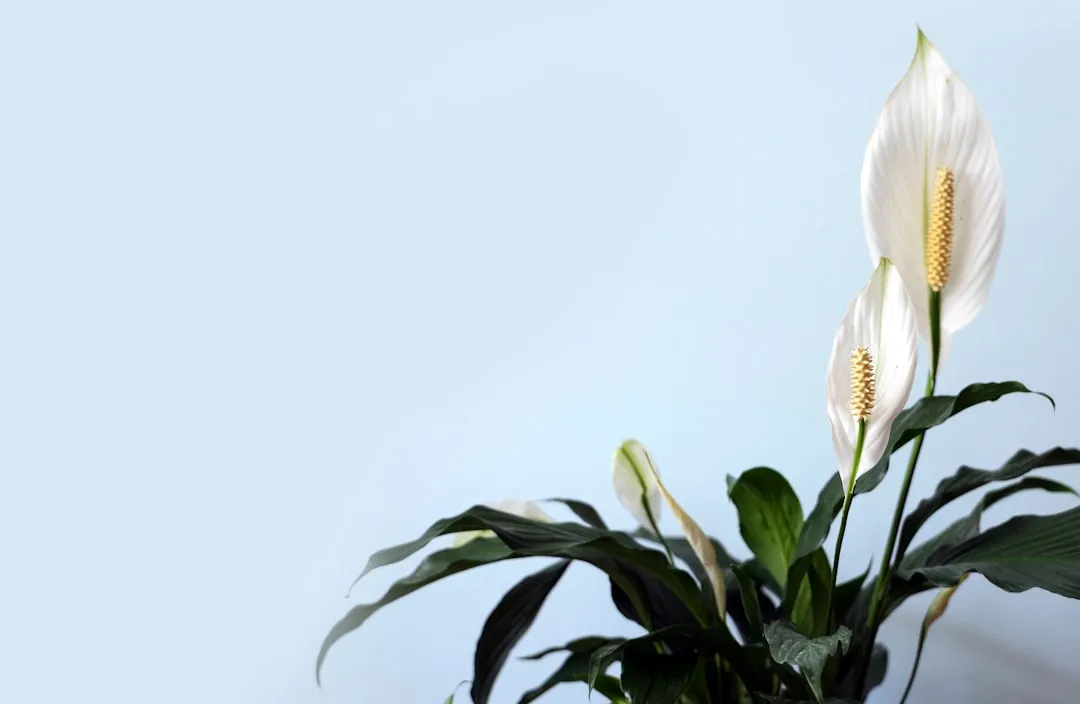
The peace lily is an elegant plant that thrives in low-light conditions. It works as an air purifier, filtering out harmful toxins in your home, and does well in indirect light, making it perfect for shaded spaces.
Though not true lilies, peace lilies have stunning single-petaled blooms that suit minimalist design. They thrive in tropical forest conditions, where they receive only dappled sunlight through tree canopies.
Among plants studied by the Royal Horticultural Society, two Spathiphyllum cultivars and Hedera helix showed light compensation points within typical indoor light ranges, meaning they offer the best carbon dioxide removal in genuinely dim interior conditions.
5. Philodendron: The Fast Grower With Heart-Shaped Leaves
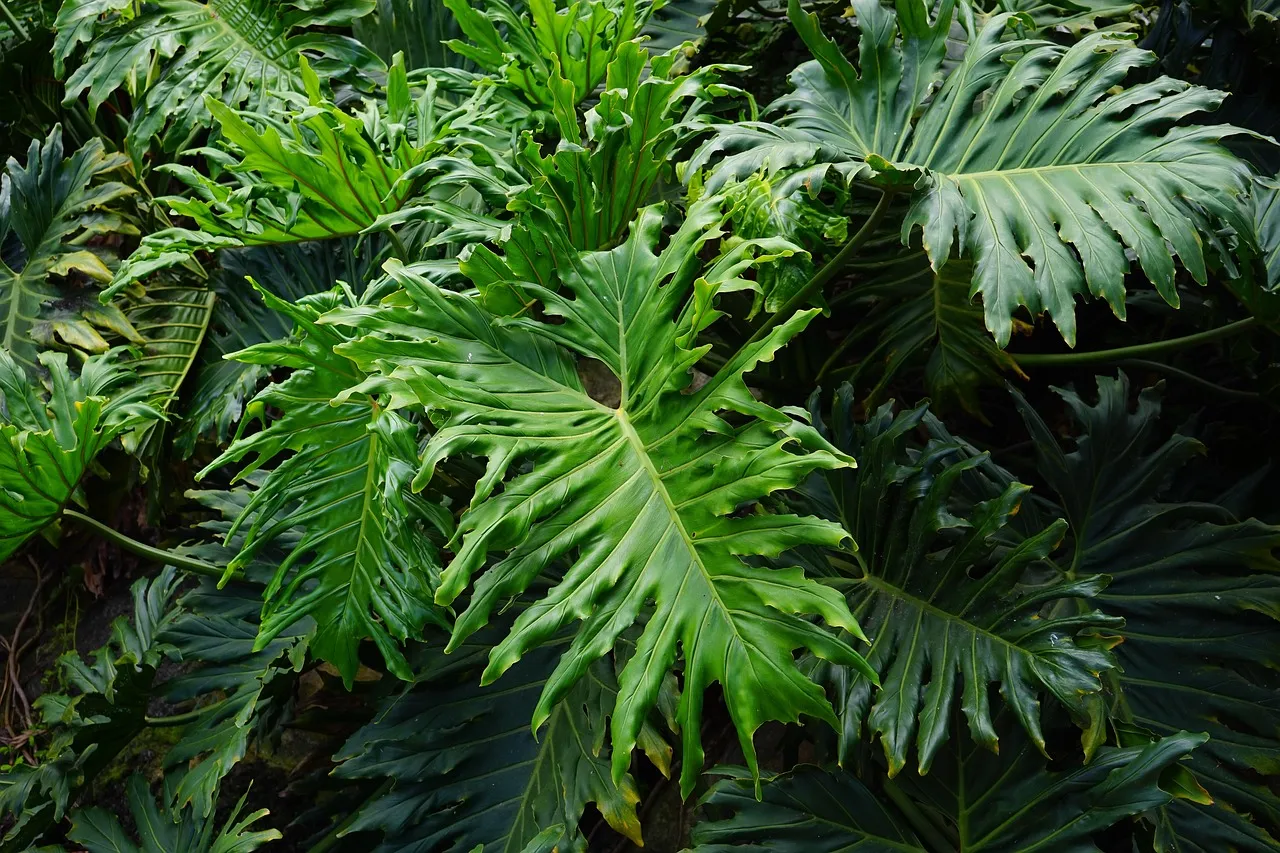
Philodendrons are one of the most popular houseplants and are excellent air purifiers that remove formaldehyde gases from the air. They are practically bulletproof plants with quick-growing trailing vines and pretty heart-shaped leaves.
The philodendron is a perfect choice for low-light rooms. With beautifully shaped leaves that turn yellow if they’re getting too much light, it communicates its comfort level clearly. The leaves will also droop if you’re overwatering or underwatering the plant.
Philodendrons are among the most rewarding low-maintenance indoor plants. New leaves unfurl regularly, the vines trail beautifully, and the plant bounces back remarkably fast if you slip up.
6. Spider Plant (Chlorophytum comosum): The Forgiving Beginner’s Choice
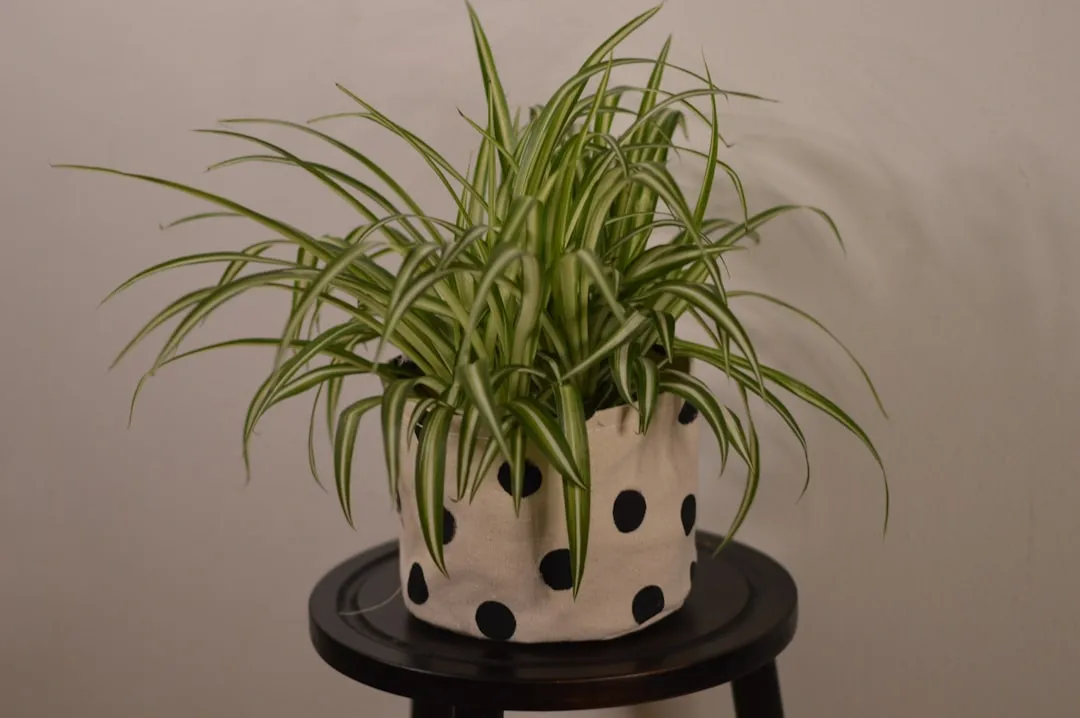
The spider plant loves indirect light and doesn’t require much attention. It is very forgiving of varied conditions of care and is considered an excellent starter plant for people worried about a fussy houseplant.
Spider plants have long, thin green leaves with white stripes and produce baby plants that dangle like spiders. Those baby offshoots, called spiderettes, make propagation almost effortless. You can simply snip them and root them in water.
When compared to other houseplants, spider plants are among the top air purifiers, removing common toxins like formaldehyde and benzene. They are also among the low-light houseplants confirmed to be non-toxic to pets.
7. Chinese Evergreen (Aglaonema): Bold Color in Low Light
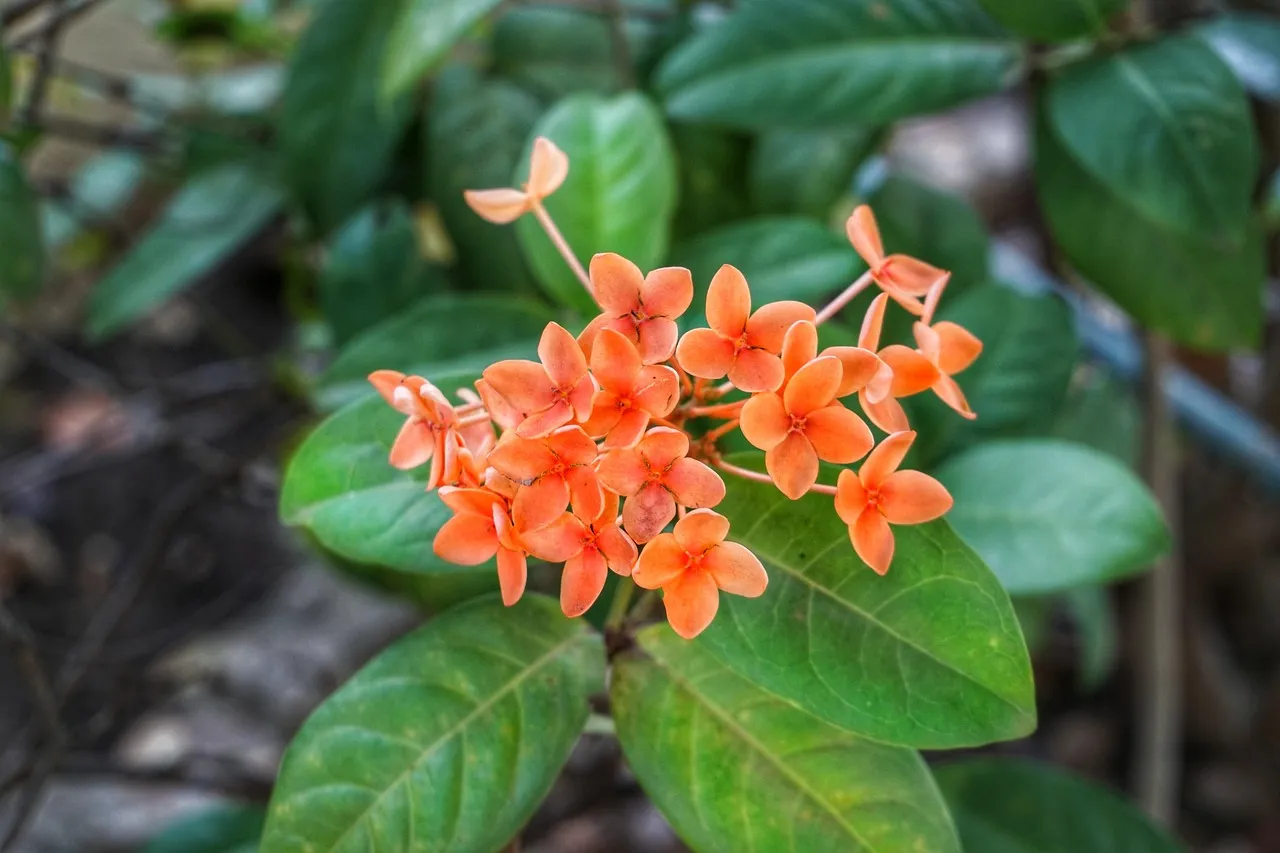
The Chinese evergreen shows off colorful leaves in shades of green, silver, and red. It is highly adaptable to various environmental conditions. That adaptability is part of what makes it such a reliable choice for interior spaces where conditions are far from ideal.
Chinese evergreens are native to the tropical and subtropical forests of Asia, which explains their comfort in shaded interiors. Most low-light tropical houseplants, including Chinese evergreens, perform best with regular fertilizing during warmer months when they are actively growing, and fertilizing should cease during winter months when plant growth slows down.
One practical note: the deeper-colored, green-heavy varieties of Chinese evergreen handle low light more reliably than the brighter red or pink cultivars, which need a bit more indirect light to hold their color.
8. Rubber Plant (Ficus elastica): The Statement Floor Plant
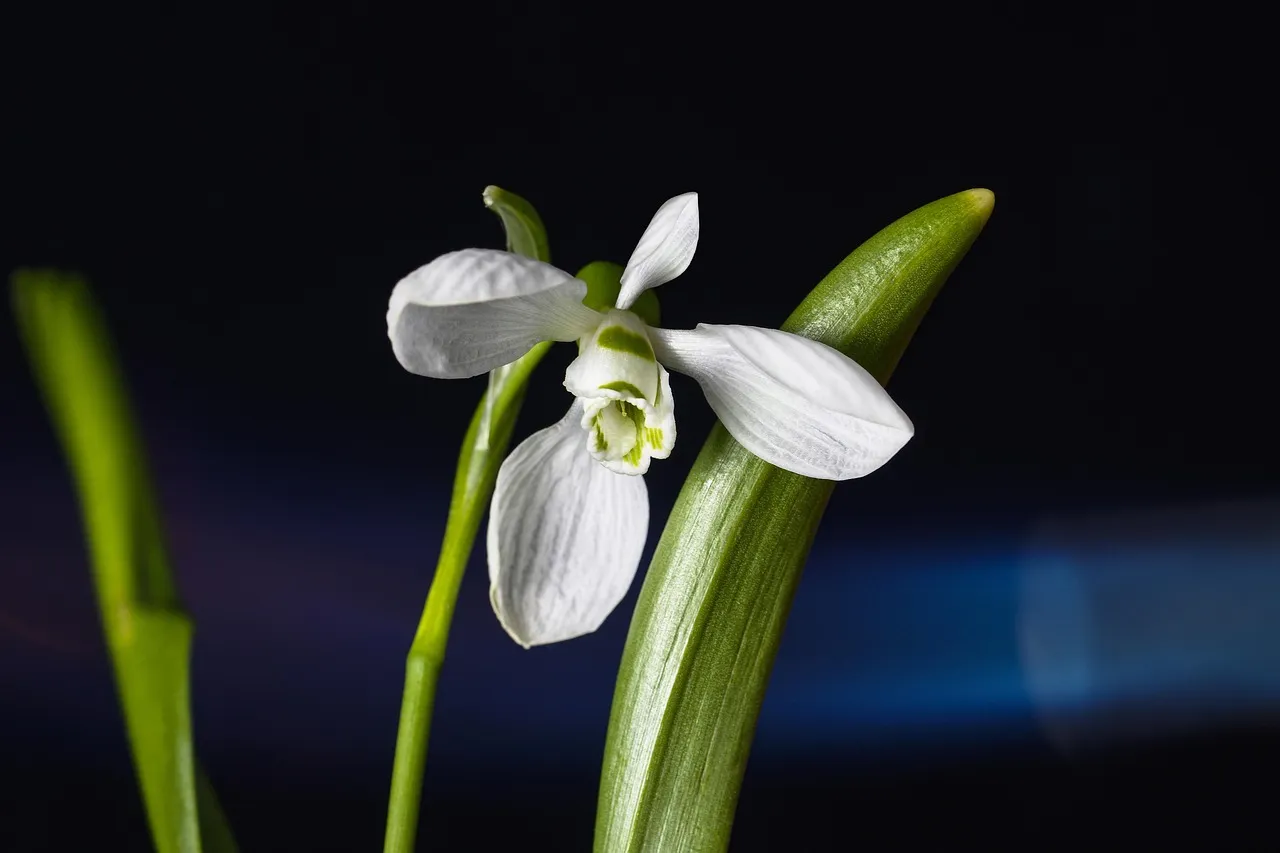
Rubber plants tolerate dim light and cool temperatures and remove air toxins from indoor environments. This plant is especially good at removing formaldehyde, the most common toxin in the home.
Rubber plants have thick, dark leaves that shine as if they’ve been polished, and they grow tall, making them great floor plants. A single specimen in a large pot can anchor a whole corner with minimal effort.
Bold in both appearance and function, the rubber plant targets formaldehyde particularly well and thrives in bright indirect light with infrequent watering. Even in genuinely dim corners, it tends to hold its form and deep color for months at a time.
9. Cast Iron Plant (Aspidistra elatior): Built for Neglect
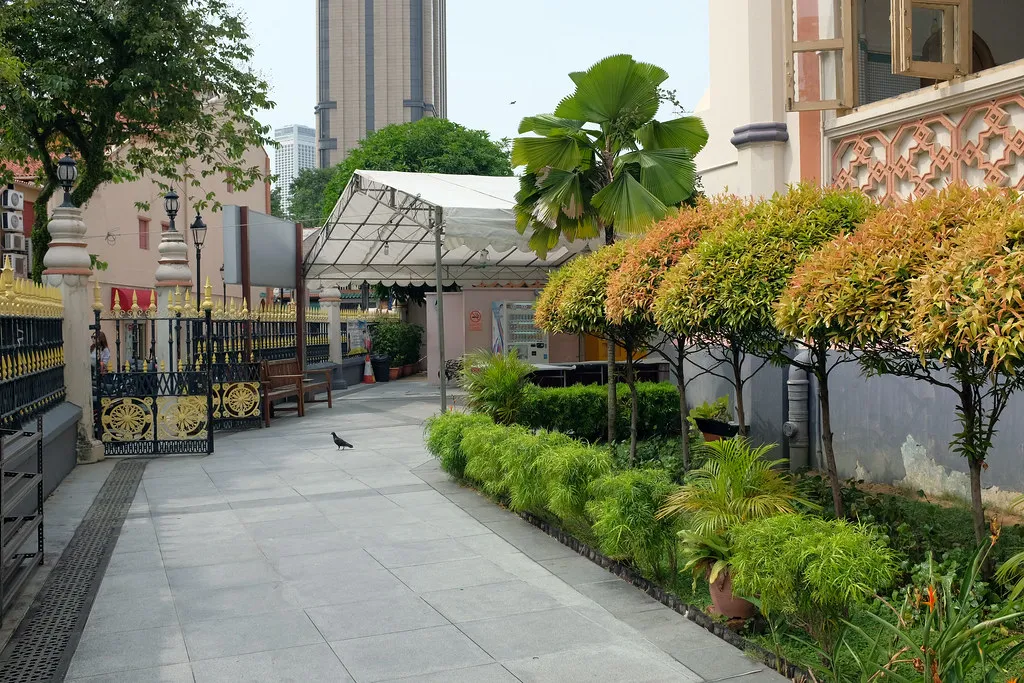
The name says it all. The cast iron plant earned its reputation over more than a century of indoor cultivation, surviving conditions that would finish off most other houseplants. It tolerates deep shade, temperature swings, infrequent watering, and poor soil without complaint.
The cast iron plant is confirmed as non-toxic to pets, which makes it a practical pick for households with curious cats or dogs. Its long, deep green, strap-like leaves give it a clean architectural look that works in both modern and traditional interiors.
Growth is slow, which means repotting is rarely needed. If growth becomes tall and leggy, moving the plant to a spot with slightly more light, and cutting back leggy growth, will encourage new growth and a bushier habit.
10. Bird’s Nest Fern (Asplenium nidus): Texture for the Shaded Corner
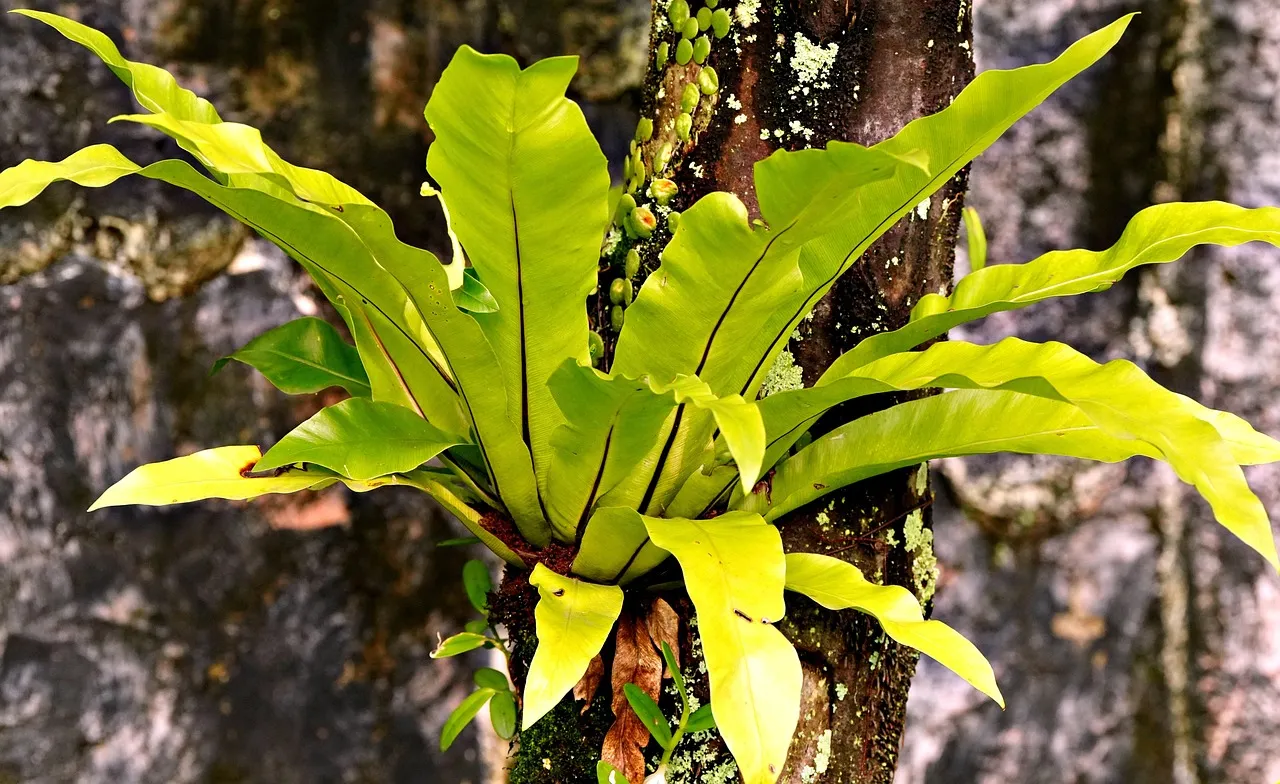
The bird’s nest fern brings a softer, more tropical texture to the group. Its broad, rippled fronds fan outward from a central rosette, and it genuinely prefers low to medium indirect light, making it well suited to bathrooms, shelves, or corners away from windows.
In experiments testing 86 species of houseplants for their ability to remove formaldehyde, ferns had the highest formaldehyde-removal efficiency of all plants tested. While the bird’s nest fern was not the top individual performer, the broader fern family holds a strong track record for indoor air quality research.
An advantage of low-light indoor plants like ferns is their ability to improve humidity levels in dry environments. Certain houseplants release moisture through transpiration, increasing the humidity in a room naturally without the need for expensive humidifiers, which can benefit those who live in arid climates or spend long hours in air-conditioned spaces.
Why Low-Light Plants Are Worth the Attention
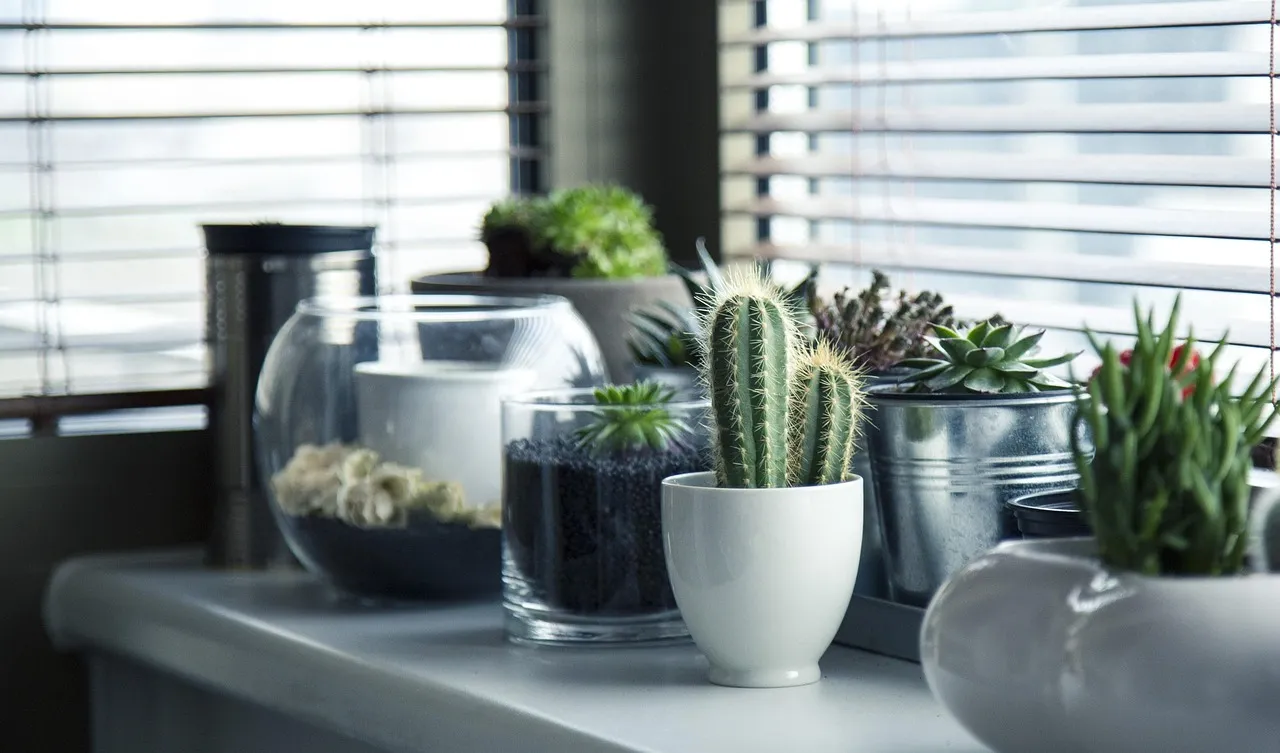
Research has shown that indoor plants can improve attention, memory, and productivity, and reduce stress levels. These findings present an effective and affordable way to promote mental well-being through natural means.
Research published in BMC Psychology highlights substantial relaxation benefits, both mental and physical, associated with caring for indoor plants. Watering indoor plants was found to significantly reduce blood pressure in study participants.
Studies suggest houseplants are most effective in removing VOCs in energy-efficient, nonventilated buildings; in highly ventilated buildings, the rapid exchange of inside and outside air makes the benefits of houseplants mostly limited to their psychological and aesthetic values. That’s a useful reminder to keep expectations grounded and enjoy these plants for what they genuinely offer.
A Few Practical Notes Before You Start
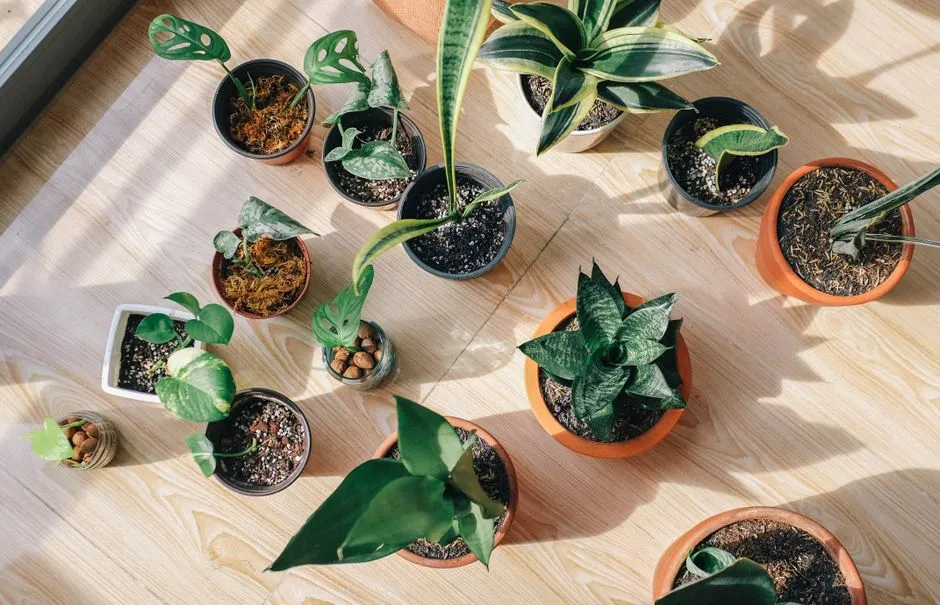
Many houseplants can be toxic to curious pets that may chew on or ingest the foliage. It’s worth placing toxic plants out of reach or choosing only houseplants confirmed to be non-toxic. Doing a quick check before buying is a simple habit worth forming.
Several studies have shown that indoor plants enhance air quality and remove pollutants, though other studies conclude that you’d need a substantial number of plants for the effect to be significant at room scale. The honest answer is somewhere in the middle: a handful of well-chosen plants won’t transform your air, but they will make your space calmer and more alive.
For maximum benefit, multiple species of houseplants would likely be needed on a site to remove relevant toxicants, given that houseplants vary in the types of chemicals they are able to remove and the efficiency with which they do their work. Mixing a few of these ten plants together, rather than relying on just one, is genuinely the smarter approach.
A dark corner isn’t a problem to solve. It’s a prompt to choose more carefully. The plants listed here don’t fight against low light. They were shaped by it, which is exactly why they belong in the spots where nothing else seems to work.
AI Disclaimer: This article was created with the assistance of AI tools and reviewed by a human editor.