

It Mimics a Real Irrigation System
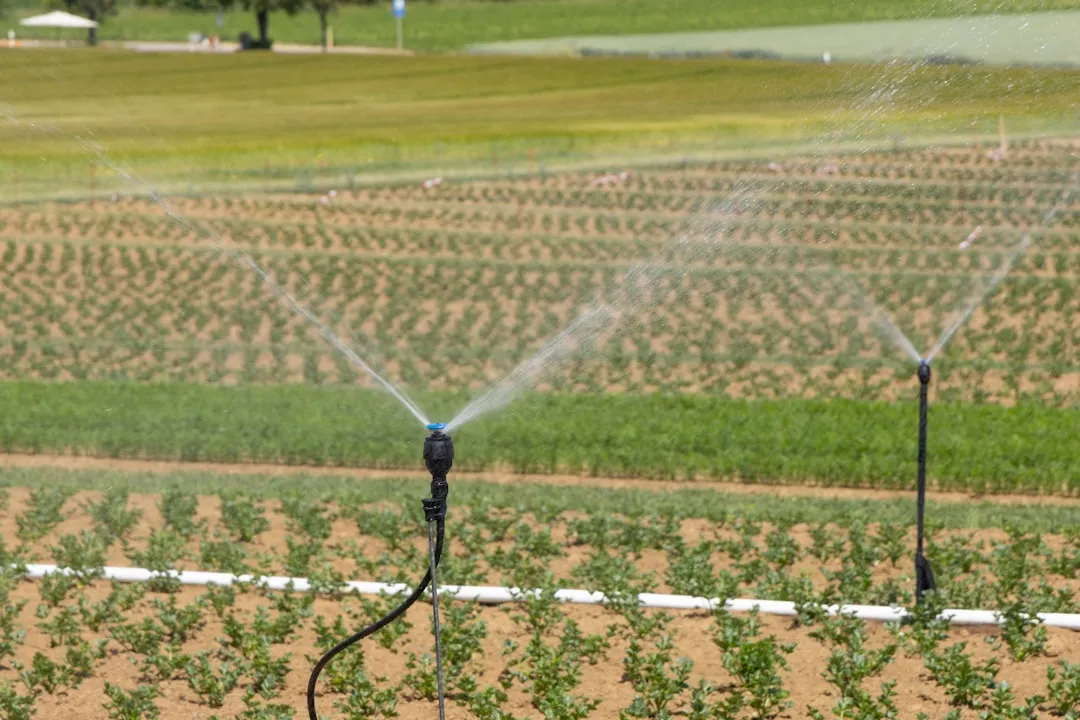
Drip irrigation is a highly efficient watering method that delivers water directly to where plants need it most: the root zone. It uses a slow, steady application that helps conserve water, boosts plant health, and simplifies your routine. Burying a wine bottle neck-down in a pot essentially recreates that same principle at near-zero cost.
The weight distribution of the water in an inverted bottle means the water won’t rush into the soil all at once. Instead, it slowly trickles out over the next few days, letting the bottle function as a drip irrigation system. The plant has a chance to absorb the water at an even pace and have it work its way through the soil to the roots.
One Bottle Can Last Days Without Any Effort
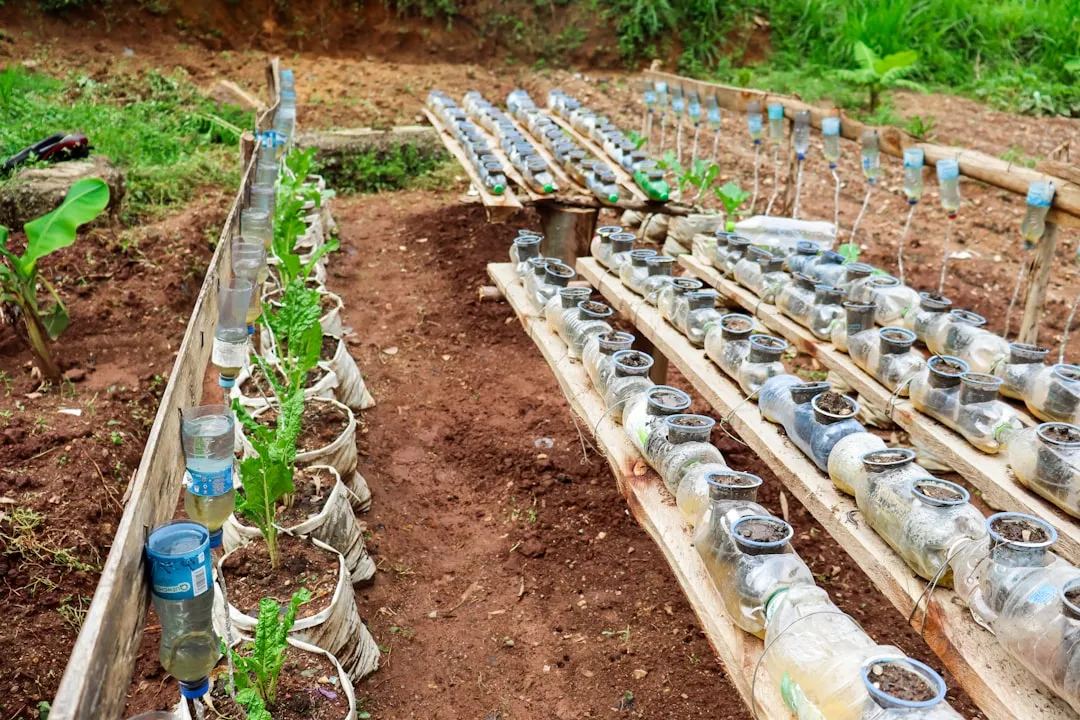
A single 750 mL bottle can sustain moderate water use for three to seven days depending on ambient temperature, humidity, light exposure, and plant size. That makes it ideal for weekend travelers, office balcony gardeners, or anyone managing a larger collection of potted plants without daily access.
A single 1.5-liter wine bottle can deliver water to a plant for anywhere from four to six weeks. Even smaller bottles can give a couple of weeks of irrigation from a single fill. Keep in mind that bottles tend to empty faster in dry soil.
The Science of Why Steady Moisture Beats Flooding
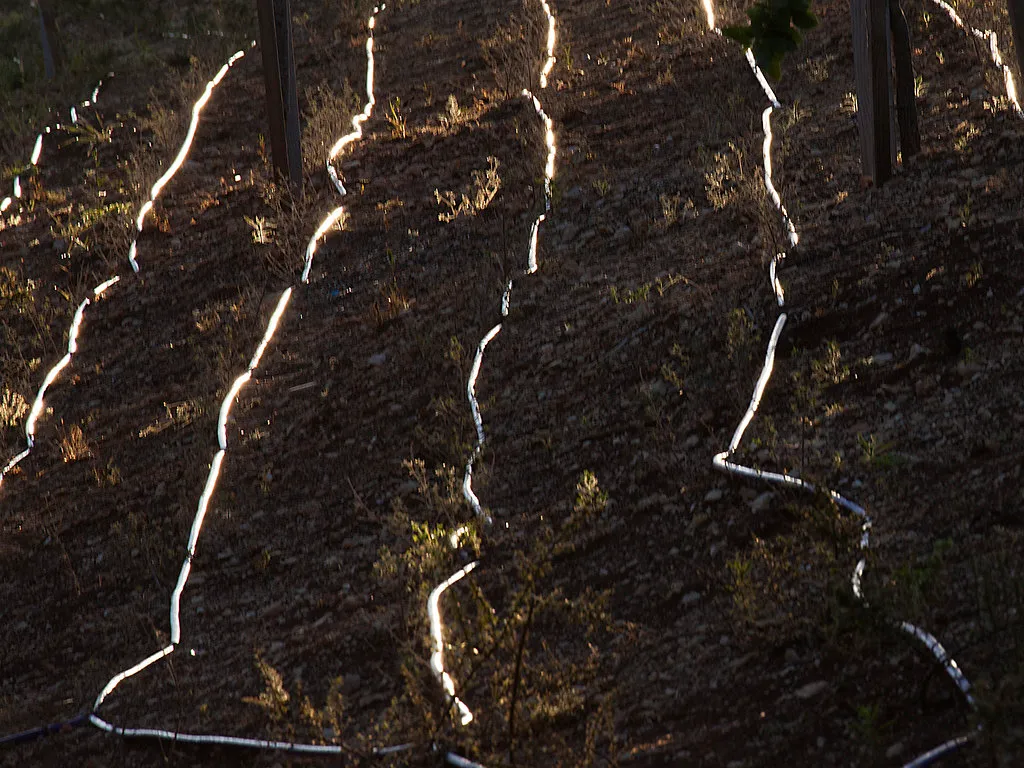
This slow, consistent delivery is actually better for most plants than a heavy watering all at once. It keeps their moisture level stable rather than constantly switching between too wet and bone dry, and it encourages roots to grow deeper since roots follow moisture down into the soil.
Plants need a slow and steady water source, especially when you’re away. Just one heavy watering before you head out doesn’t do the plant any good, as it simply floods the pot and then the soil quickly dries out. That boom-and-bust cycle is one of the most common reasons potted plants struggle.
It Actively Builds a Stronger Root System
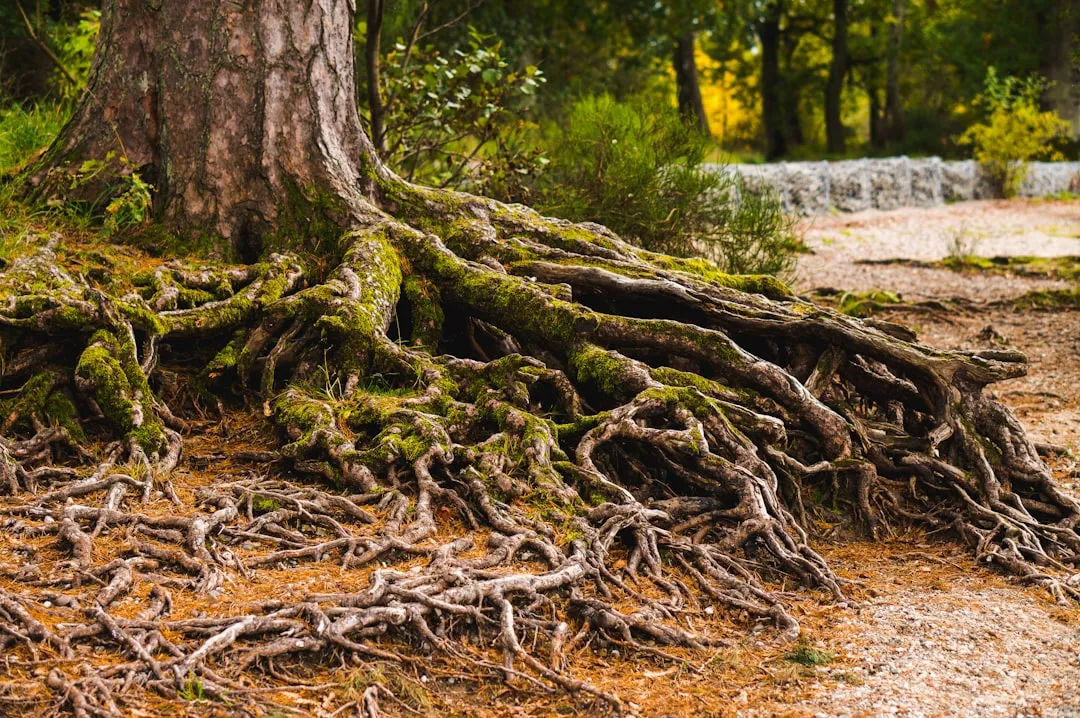
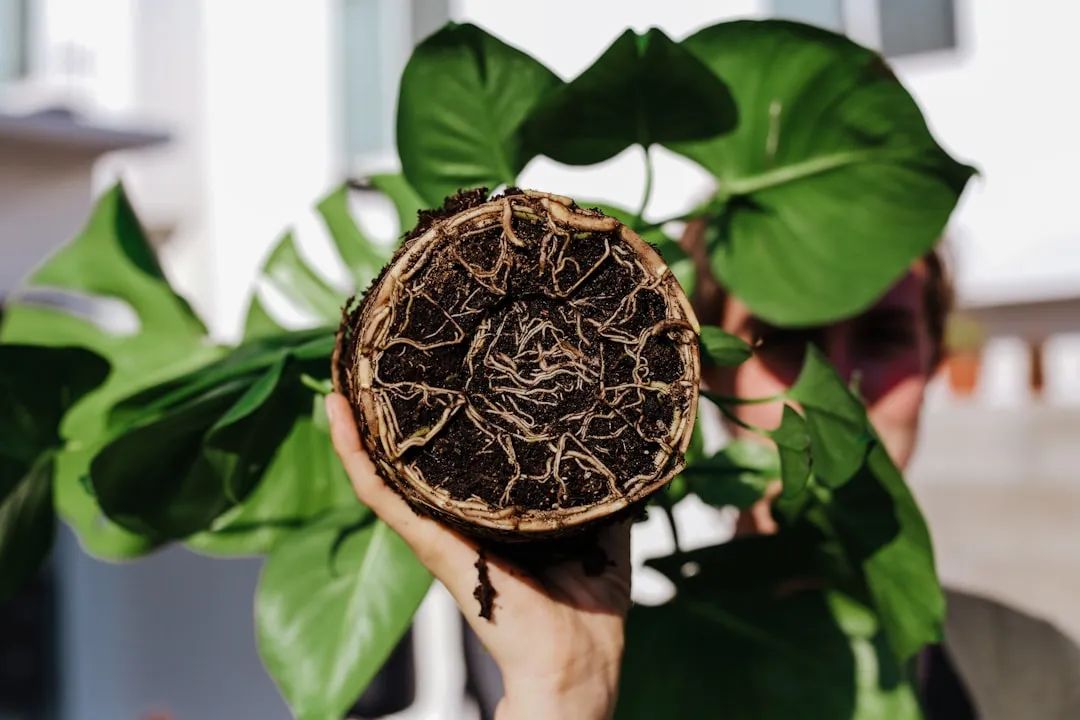
Deep watering promotes deep root growth. When water penetrates deeply, roots are encouraged to grow downwards, seeking out moisture at lower levels. This creates a stronger, more resilient plant that can withstand periods of dryness and access nutrients from a wider area of soil.
Plants with deeper, wider root systems show greater resilience, reduced maintenance needs, and steadier growth through dry periods. The buried bottle method quietly delivers this benefit without any extra work on your part.
It Saves a Meaningful Amount of Water
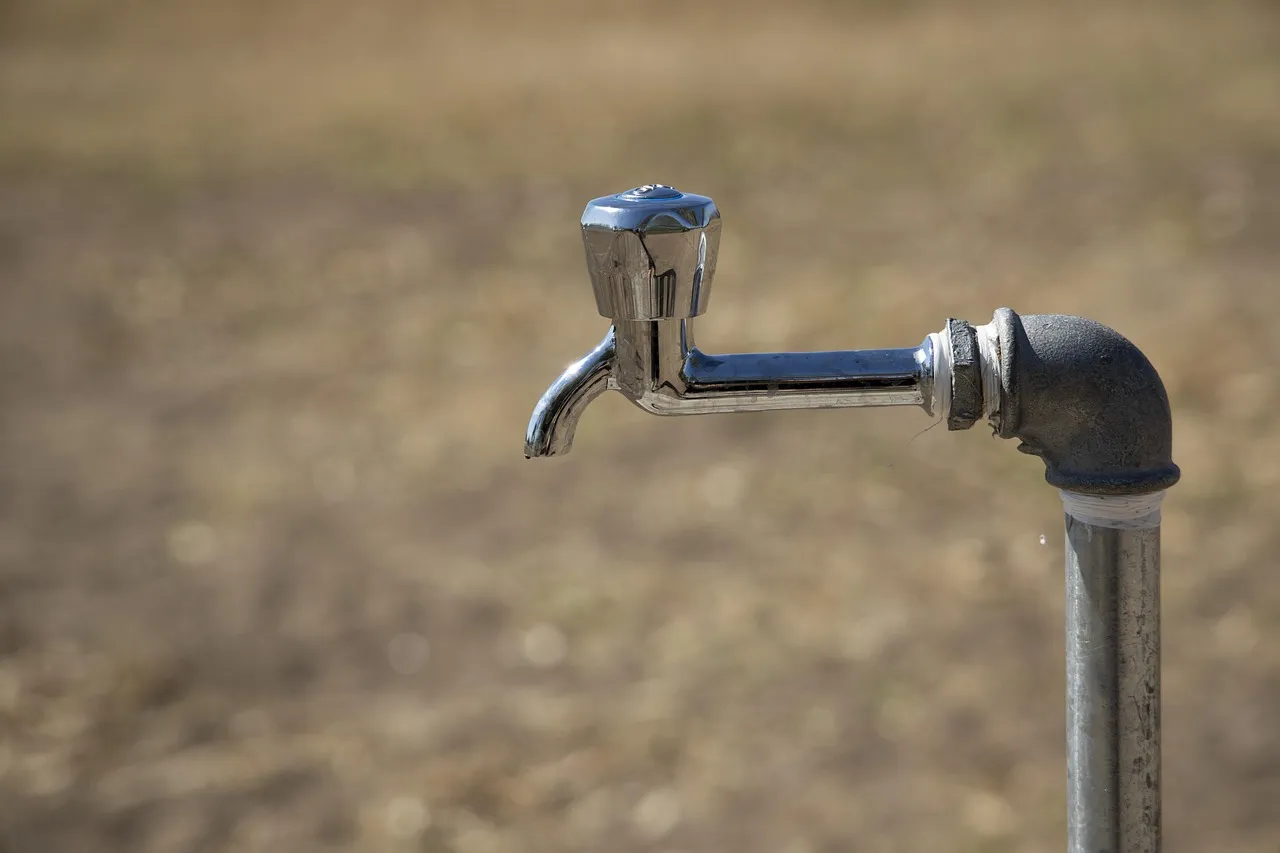
Drip-style watering often reduces total water consumption by roughly thirty to sixty percent compared to conventional watering, according to 2025 research. That’s not a minor footnote. For anyone gardening through summer heat or in an area with water restrictions, the difference is real.
Applying water directly to the soil at the base of plants minimizes water loss from evaporation and runoff. The slow, controlled application also prevents excess moisture on leaves and stems, reducing the risk of disease. Plants remain drier above soil, with only the root zone being watered.
Which Plants Actually Benefit Most
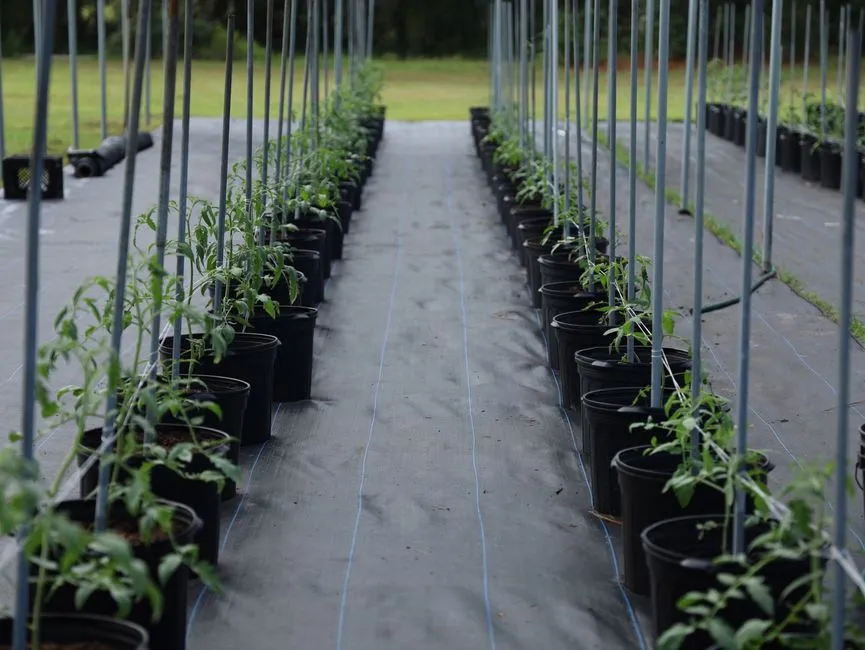
Tomatoes and other fruiting vegetables benefit most. Inconsistent watering is one of the main culprits of blossom end rot and fruit splitting in tomatoes, so a steady drip can be absolutely transformative for them.
Other vegetables that benefit include peppers, eggplants, and zucchini. For flowers, roses, dahlias, and sweet peas love consistent watering too. On the opposite end, lavender, Mediterranean herbs like rosemary or thyme, and succulents are best left out of this method. These prefer to actively dry out between waterings, so the bottle technique simply isn’t the right match for them.
The Bottle Color Actually Matters
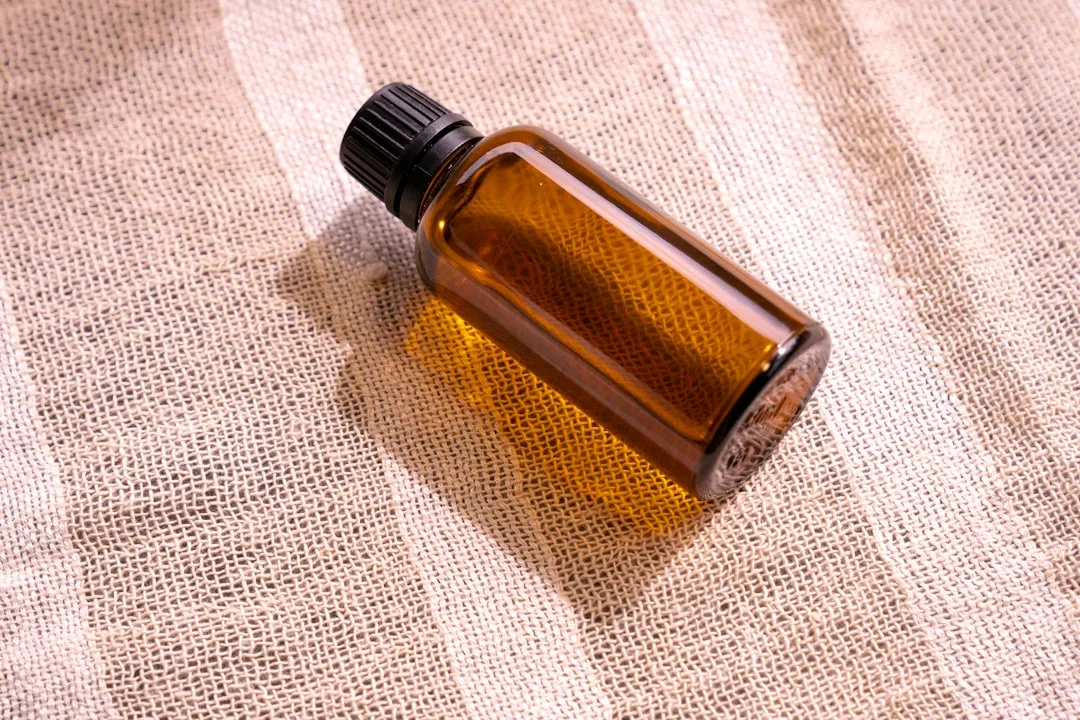
Amber or green glass filters UV light, which inhibits algae growth inside the bottle. Clear bottles develop visible biofilm within five days in full sun, reducing water flow by a significant margin. Standard wine bottles tend to be dark green or amber already, which is genuinely one of the reasons they work better than a plain water bottle for this job.
When using clear glass bottles, a real caution applies. They can act like a lens, concentrating the sun’s heat in a way that creates a fire risk in dry conditions. Sticking with dark or tinted glass and keeping bottles out of prolonged direct sunlight removes this concern entirely.
The Correct Way to Set It Up
Prepare the bottle by rinsing it thoroughly with hot water and vinegar in a roughly one-to-three ratio to remove residual tannins and any ethanol film left behind. A clean bottle ensures the water you deliver to the roots is clean water, not a mixture carrying residues.
Success depends on three factors: precise bottle placement three to five centimeters from the stem at a slight angle, controlled water volume, and careful attention to soil moisture rather than refilling on a fixed calendar schedule. Insert the mouth of the bottle into the soil about two inches deep into damp soil. If the soil is too dry, the water will run out too quickly.
When It Goes Wrong and How to Avoid It
Simply poking a hole in a cork and burying a full bottle upside-down rarely works long-term and often leads to root rot, uneven moisture distribution, or fungal growth. Effective use requires understanding capillary action, soil texture, and evapotranspiration rates.
The wrong configuration doesn’t deliver slow watering. Instead, it can create localized saturation zones where oxygen is rapidly depleted, microbial fermentation increases, and root hairs suffocate within a day or two. The fix is straightforward: use a well-draining potting mix, not dense or peat-heavy soil, and always test the setup for a day before leaving your plants unattended.
A Zero-Cost Habit Worth Keeping
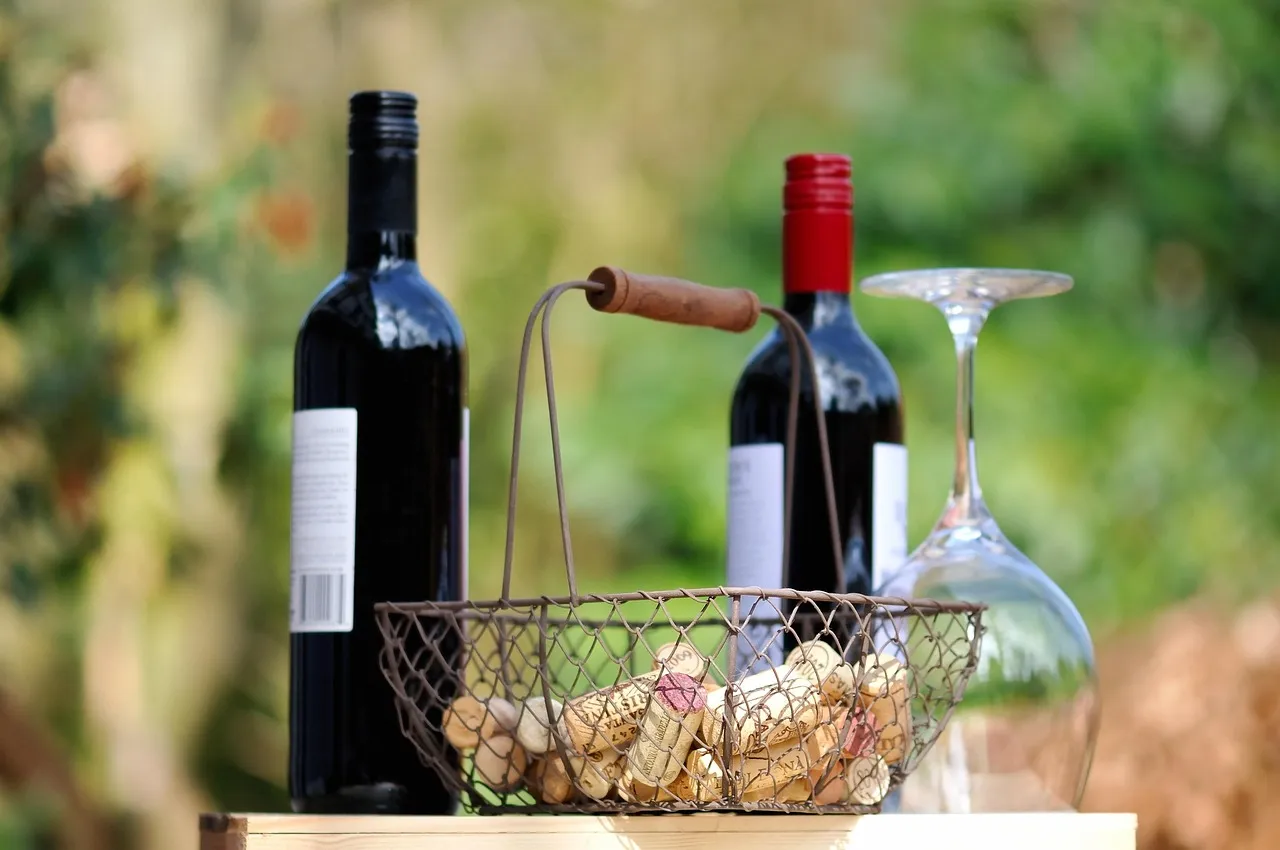
Although wine bottles are accepted for recycling in some municipalities, reusing them within the home produces even less waste and requires fewer resources than recycling. There’s a sensible logic to that. The bottle is already in your hands, and the only extra step is rinsing it and flipping it into the soil.
Wine bottle irrigation is neither a gimmick nor a universal fix. It’s a contextual technique rooted in centuries-old irrigation traditions refined by modern soil science. Its power lies in intentionality: choosing the right plant, preparing the right medium, and observing with care.
The smartest gardening moves rarely look dramatic. Burying an empty wine bottle in a pot is almost comically simple, yet it applies the same logic that agricultural engineers spend years optimizing. Steady, targeted, low-waste moisture delivery is genuinely better for most plants than the stop-start rhythms most people fall into. The bottle just makes it easy to get there.
AI Disclaimer: This article was created with the assistance of AI tools and reviewed by a human editor.