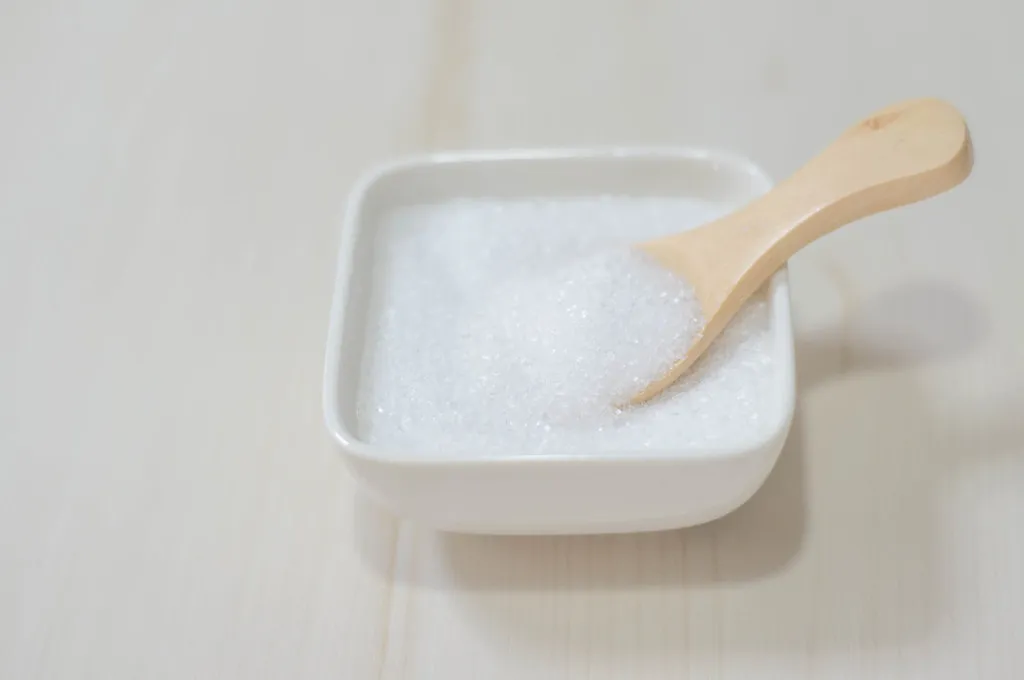

Epsom salt has been a fixture in gardening circles for generations. It sits on bathroom shelves and garden sheds alike, often promoted online as a cheap, natural fix for everything from yellow leaves to poor fruit yields. The enthusiasm is real, but so is the confusion surrounding when, and whether, it actually works.
The truth is more nuanced than either the enthusiasts or the skeptics fully admit. Whether Epsom salt helps or harms your plants comes down entirely to what your soil already contains and what your plants genuinely need.
What Epsom Salt Actually Is
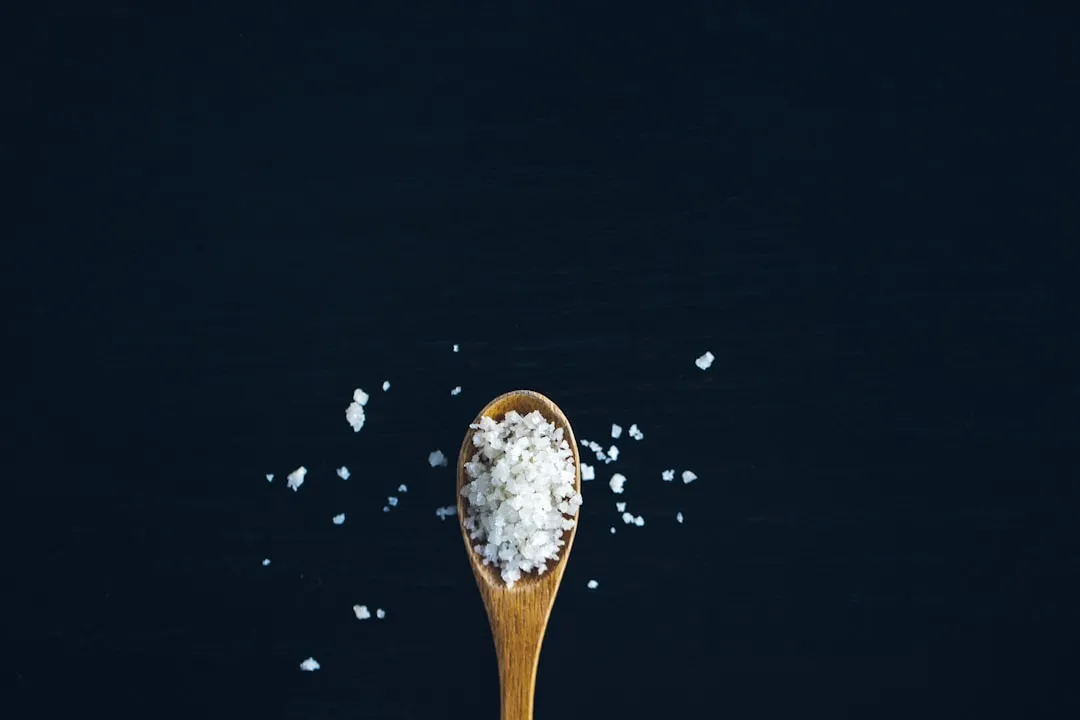
Epsom salt is the chemical magnesium sulfate (MgSO4), which means it contains both magnesium (about 10%) and sulfur (about 13%). Those two nutrients do play real roles in plant physiology, which is partly why the product earned such a devoted following among home gardeners.
Magnesium is critical for the production of chlorophyll, fruit, and nuts, and it helps strengthen cell walls while improving plant uptake of nitrogen, phosphorus, and sulfur. Sulfur, meanwhile, is needed for amino acid synthesis and enzyme activity within the plant.
Epsom salt is a naturally occurring mineral salt that is very soluble in water and quickly releases magnesium and sulfur, two key essentials for plant growth. That rapid solubility sounds like a feature, but as we will see later, it also creates real problems.
The Soil Test You Should Always Do First
The only real way to know if your soil is lacking magnesium or sulfur is to test your soil. Skipping this step and applying Epsom salt anyway is the single most common mistake gardeners make, and it can do more damage than good.
The University of Minnesota Extension notes that Epsom salt should be used only when a soil test indicates magnesium deficiency, and its home garden soil remedies page says extra magnesium can harm soil, plants, and water. This recommendation from a credible extension service is consistent across university research.
It’s always better to start with less and add more later if needed, since it’s easier to correct a magnesium deficiency than it is to fix magnesium toxicity. That is a practical principle worth keeping in mind before you reach for the bag.
Which Plants Are Actually Prone to Magnesium Deficiency
Vegetable crops vary in their sensitivity to magnesium deficiencies in the soil. Beans, English peas, beets, radish, lettuce, Swiss chard, and sweet potatoes tend to be tolerant of soils that are low in magnesium. These crops can manage on relatively lean soils without needing supplementation.
Crops in the Solanaceous family (tomatoes, peppers, eggplants) and the Cucurbit family (watermelons, cucumbers, squash) develop deficiency issues rather quickly when magnesium levels are limiting. These are the plants most likely to genuinely benefit from Epsom salt, but only when deficiency is confirmed.
Acid-loving plants tend to live in areas where there’s less magnesium in the soil, and adding a little extra with Epsom salt can help them stay healthy and green. Roses, azaleas, and rhododendrons fall into this category and are frequently cited in gardening literature as candidates for occasional application.
How to Recognize Magnesium Deficiency Symptoms
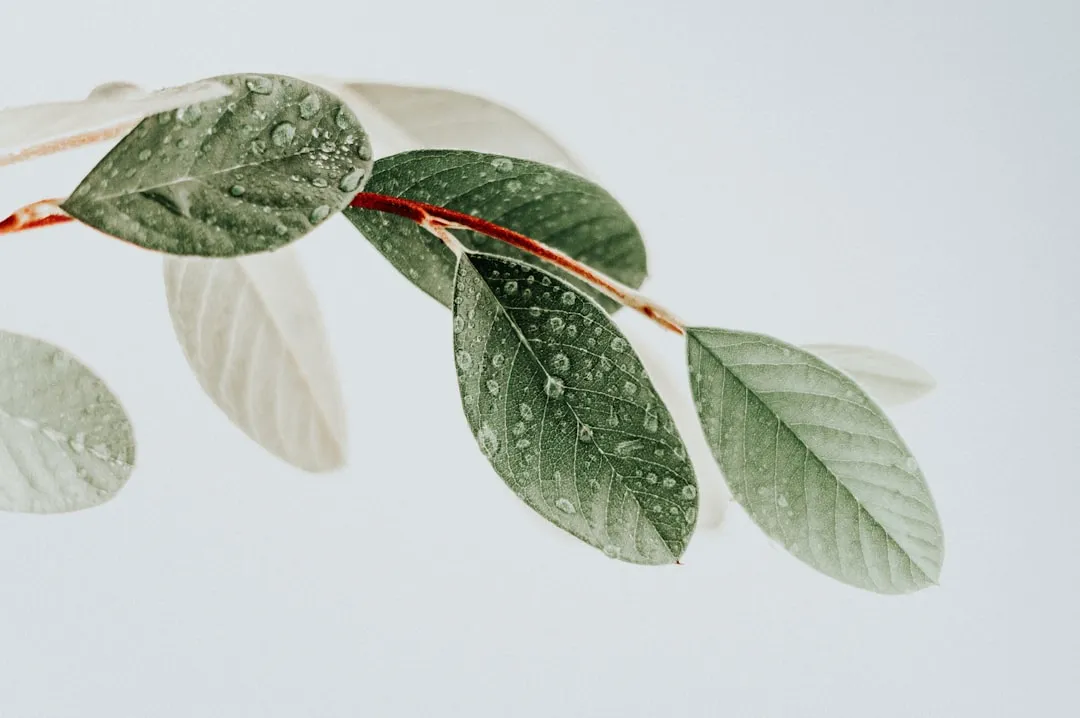
Older leaves lose their green color except in the veins, and this interveinal chlorosis can lead to necrosis, meaning the death of tissue in the affected areas. These symptoms show up on older growth first, not new leaves, which is an important diagnostic clue.
On a plant lacking magnesium, the older leaves will turn yellow between the veins and along the edges, and growth will be stunted. The pattern is distinctive enough to suggest deficiency, though a soil test still remains the definitive confirmation.
Magnesium deficiency is common in sandy soils that are easily leached, and excessive levels of potassium can also induce magnesium deficiency, as can fertigation with high rates of ammonium nitrate. Knowing what caused the deficiency matters, because simply adding Epsom salt will not fix an underlying potassium excess.
Correct Application Rates and Methods
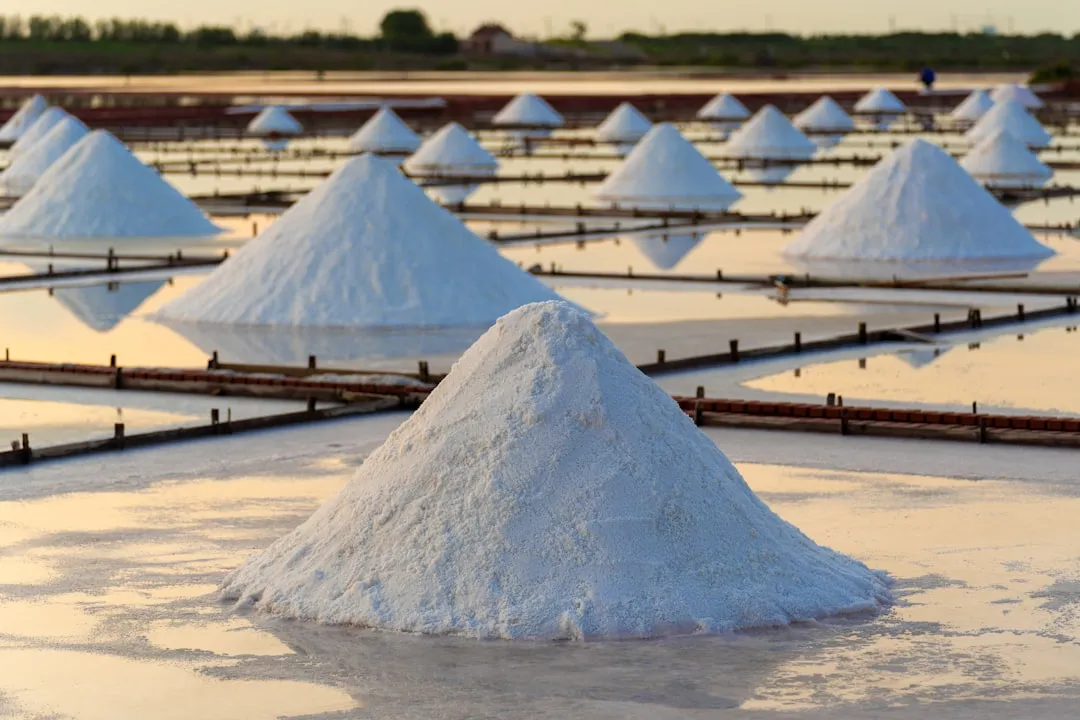
When applying as a side dressing, apply 1 tablespoon (about half of a dry ounce) per plant. That is a considerably smaller amount than many online guides suggest, and restraint here genuinely matters.
In an emergency, magnesium may be applied as a foliar spray, though growers should not expect great results because magnesium does not penetrate leaves well. A rate of 2 tablespoons of Epsom salts per gallon of water is generally recommended for foliar application. Multiple treatments are typically needed before any visible improvement occurs.
A recommendation for container plants would be about 1 teaspoon for a 3-gallon pot, and more is not better. Containers concentrate any added substance quickly, which means the margin for error is much narrower than in open garden beds.
Why Excess Epsom Salt Can Harm Your Plants
Using too much Epsom salt in the garden can hurt your plants. Concentrated amounts can lead to high levels of magnesium, which might disrupt the balance of other nutrients like phosphorus and potassium, potentially harming your plants. This disruption to nutrient balance is not immediately obvious, which is why gardeners sometimes continue applying without realizing the damage.
Adding too much magnesium to your soil can actually prevent calcium uptake, and spraying Epsom salt solutions on plant leaves can cause leaf scorch. Both of these outcomes are the opposite of what most gardeners are trying to achieve.
While Epsom salt is water-soluble, large quantities of undiluted Epsom salt will linger in the soil, and recommendations for sprinkling as much as a cup of Epsom salts into the garden exist, which may cause some serious damage to plants. The generous amounts sometimes recommended on social media are not grounded in horticultural science.
The Blossom End Rot Myth
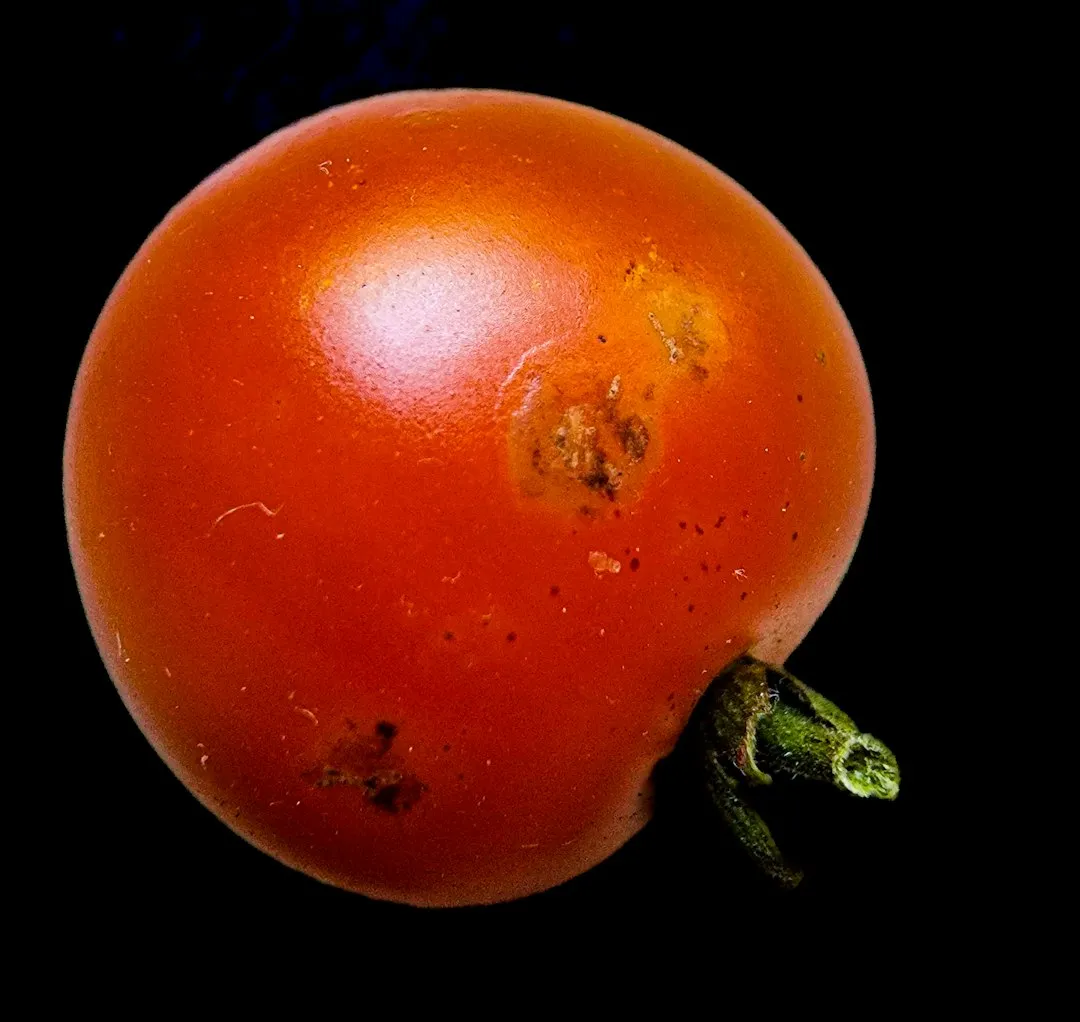
Blossom end rot is caused by a calcium deficiency, not a magnesium or sulfur deficiency. This distinction matters a great deal, because many gardeners reach for Epsom salt as a supposed cure for this common tomato problem.
In fact, adding too much magnesium to your soil can actually prevent adequate calcium from getting into your plants, making blossom end rot even worse. University of Minnesota Extension makes this point clearly, and it is supported by other major horticultural sources as well.
This kind of calcium deficiency is not typically a result of inadequate calcium in the soil, but rather a signal that there’s a water transport issue in the plant, since calcium enters plants only through actively growing root tips and moves through the plant along with water via transpiration. Consistent watering and good root health address the real problem; Epsom salt does not.
What Research Actually Says About Roses and Tomatoes
Research shows Epsom salt does not improve overall plant growth or yield in most garden soils, and studies have not found consistent benefits for tomatoes, roses, or other garden plants when using Epsom salt. This summary from The Old Farmer’s Almanac, updated in 2026, reflects the current scientific consensus.
The claims for roses originated from rose society members from around 1930 to 1960, all of whom swore it made their roses bloom more. Studies did not show any evidence of that, and it’s been dismissed by most growers of roses today. The persistence of the belief says more about the power of anecdote than it does about the science.
At Auburn University in Alabama, researchers conducted a study of roses in field plots that included applying Epsom salts as one of the treatments to increase plant vigor. The first year showed reduced defoliation in the treated plants, but the second year the differences weren’t there. Inconsistent results across years make this a poor basis for a routine gardening practice.
The Environmental Risk Most Gardeners Overlook
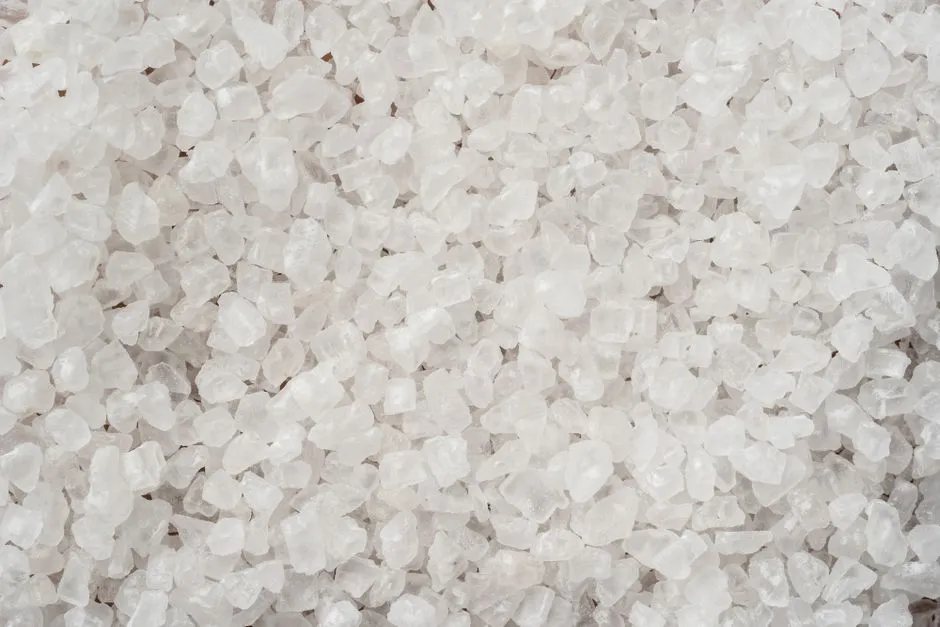
Although Epsom salt is highly soluble, any nutrient used in excess or where it’s not needed can persist in soil and compete with other nutrients that roots need. Epsom salt can wash away with water runoff and contaminate waterways. This is an environmental consequence that rarely gets mentioned in gardening forums.
The magnesium in Epsom salt is highly soluble and can leach out or run off of lawns into the water supply, contributing to water pollution and escaping the soil it’s meant to improve. What feels like a harmless, natural product in your garden can have wider consequences beyond the fence line.
Excess magnesium can increase mineral contamination in water that percolates through soil. Sandy and light soils are especially vulnerable, as they offer little resistance to downward leaching of dissolved minerals.
Better Alternatives When Magnesium Is Truly Needed
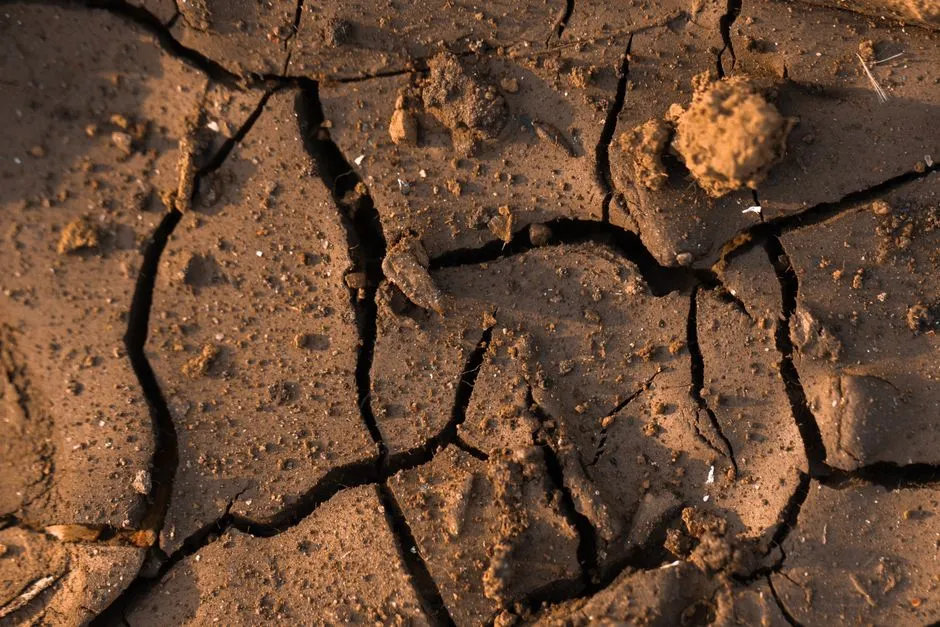
Before reaching for Epsom salts, look for a slow-release form of magnesium that will have longer-lasting effects, such as magnesium-enriched biochar or kieserite. If your soil is acidic, dolomitic limestone will raise the pH and add magnesium at the same time. These options deliver magnesium more gradually and with less risk of over-application.
While Epsom salt may be beneficial applied in plant soil, its quick solubility means it will rapidly leach past the roots, possibly bypassing the plant’s ability to uptake the nutrients. Epsom salt is not a complete fertilizer and should not replace balanced nutrient applications. A well-structured fertilizer program built on actual soil test results is simply a more reliable approach.
While magnesium is an important factor in vegetable growth, making applications above what the soil test indicates will not further improve vegetable growth. Applications only help when there are insufficient levels in the soil. Keeping that principle front of mind turns Epsom salt from a garden habit into a targeted, evidence-based tool.
The Honest Bottom Line
Epsom salt is not a miracle product, and it is not a poison. It sits somewhere far more ordinary: a single-purpose mineral supplement that works when a genuine deficiency exists and causes problems when it does not.
Epsom salts can be a good source of magnesium, but only use them if a soil test indicates that you have a magnesium deficiency. That single sentence from University of Minnesota Extension captures the entire case better than most gardening articles do.
The most valuable thing you can take from all of this is also the simplest. Test your soil, respect the recommended rates, and resist the urge to treat every slow-growing plant with the same household product. Gardens, like most things, respond better to precision than to enthusiasm.
AI Disclaimer: This article was created with the assistance of AI tools and reviewed by a human editor.