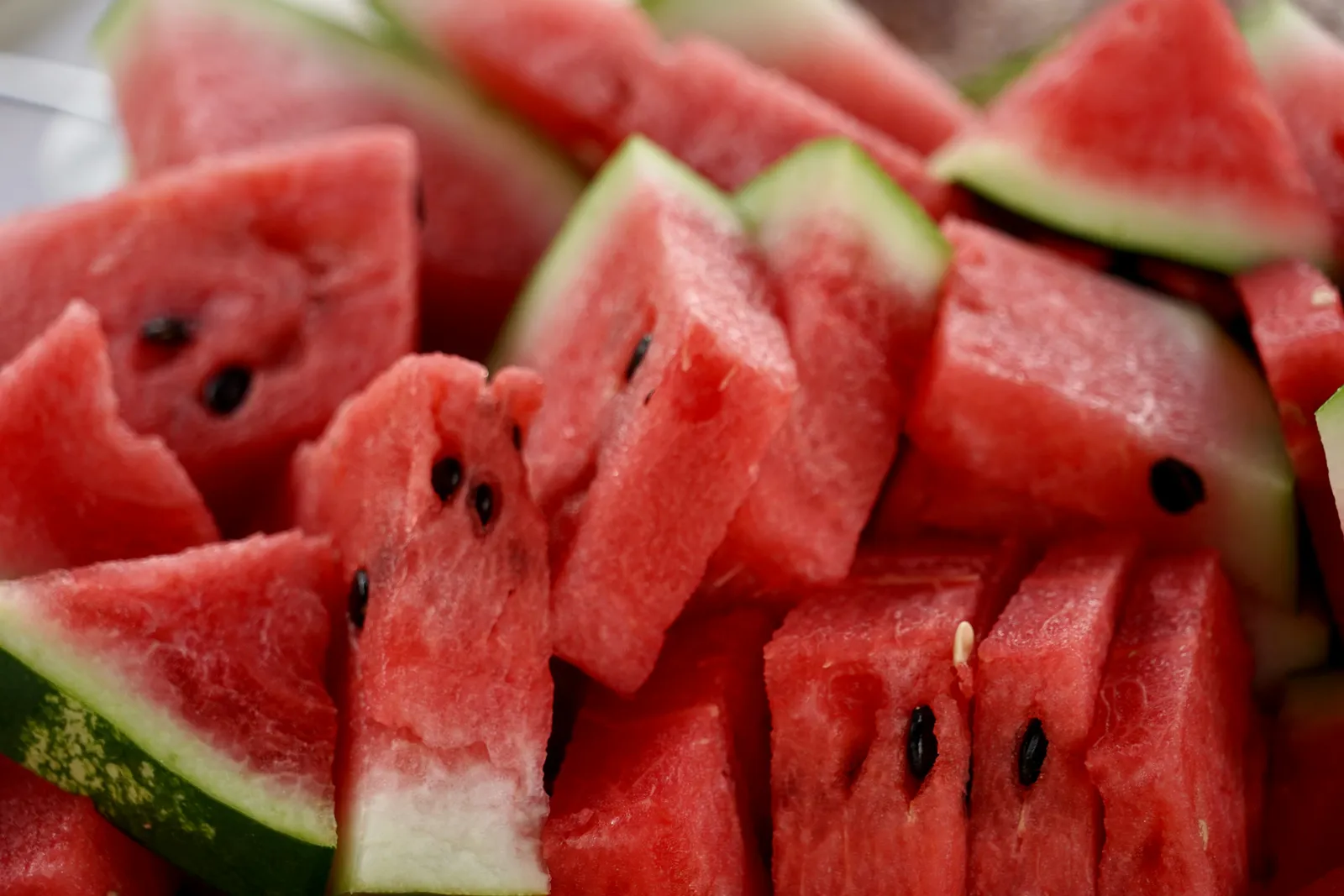

Home gardeners planning their summer plantings often focus on familiar vegetables and herbs, yet watermelons present an opportunity for greater diversity than many realize. These fruits range from compact single-serving sizes suited to smaller spaces to hefty specimens that can become the centerpiece of a larger plot. Seedless selections and variations beyond the traditional red flesh add further choices for those seeking the sweetest, juiciest results from their own yards.
The Practical Appeal of Home-Grown Watermelons
Watermelons thrive in warm conditions and reward growers with fresh produce that travels directly from garden to table. Home cultivation eliminates reliance on commercial supply chains and allows selection of varieties matched to available space and taste preferences. The range of options means even modest gardens can produce satisfying harvests without requiring expansive acreage.
Seasonal timing aligns well with early summer planning, when soil has warmed sufficiently for planting. Gardeners who start now can enjoy ripe fruit by late summer, provided they select types suited to their climate and growing conditions.
Size Variations Expand Growing Possibilities
Traditional watermelons often weigh 20 pounds or more, but many varieties produce much smaller fruits that fit easily in a refrigerator or serve one or two people. These compact types reduce waste and suit container or raised-bed setups common in urban or suburban yards. At the other end of the spectrum, giant varieties can exceed 50 pounds, offering impressive yields for those with room to support vigorous vines.
The spectrum of sizes allows gardeners to match plants to their specific circumstances. A family with limited space might prioritize several mini types, while those with larger plots can experiment with both ends of the range in the same season.
Color and Seedless Choices Broaden Options
While red remains the most common flesh color, watermelons also appear in shades of yellow, orange, and white. These differences affect not only appearance but also flavor profiles, with some offering milder or more tropical notes. Such variety encourages experimentation beyond the standard supermarket selection.
Seedless watermelons provide convenience for fresh eating and reduce the need for seed removal during preparation. Many of these options maintain the same sweetness and juiciness as seeded counterparts while simplifying the experience for home cooks and children.
Selecting Varieties for Summer Success
Gardeners benefit from reviewing the full range of 25 recommended types before ordering seeds or starts. Factors such as days to maturity, disease resistance, and vine length help narrow choices to those most likely to perform well in a given location. Local extension services or experienced growers can offer additional guidance on regional performance.
Starting with a mix of sizes and types spreads risk and extends the harvest window. Early-maturing compact varieties can provide the first fruits, while later giant types continue production into the height of summer.
Watermelons grown at home deliver freshness and variety that commercial produce rarely matches. With thoughtful selection from the available options, gardeners can enjoy a productive and flavorful addition to their summer tables.
AI Disclaimer: This article was created with the assistance of AI tools and reviewed by a human editor.