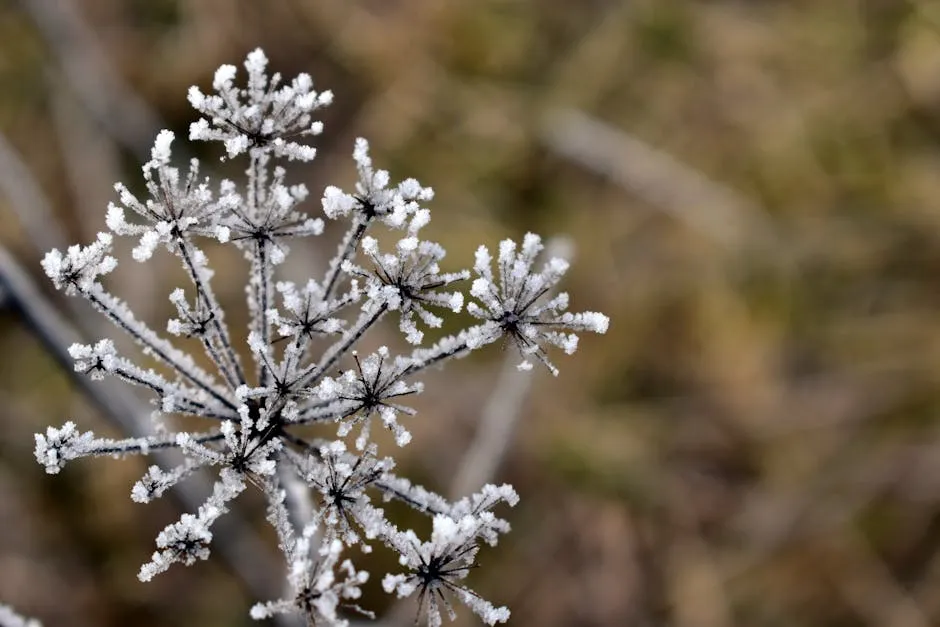

Winter used to follow a script. Cold arrived, plants went dormant, snow insulated the ground, and gardeners planned from warm kitchens. That script is being rewritten. The combination of warmer average temperatures, erratic cold snaps, and dramatic seasonal swings is forcing gardeners to rethink not just what they plant, but where and how they arrange their entire outdoor space.
The changes aren’t subtle. They’re showing up in zone maps, frost dates, soil behavior, and pest pressure. Whether you’re redesigning a small backyard bed or managing a large kitchen garden, understanding what’s actually happening to winter weather is the most useful thing you can do before you put a single seed in the ground this year.
Your Hardiness Zone May Not Be What You Think It Is

In November of 2023, the USDA updated its plant hardiness zone map for the first time since 2012, and not surprisingly, many locations are warmer than they used to be. Compared to the 2012 map, the 2023 version reveals that about half of the country shifted to the next warmer half zone. That is a significant revision with real consequences for the plants you’ve been selecting for years.
Relative to its predecessor published in 2012, the new map is overall about one quarter-zone warmer, on average. The 2023 map incorporates data from 13,412 weather stations compared to the 7,983 that were used for the 2012 map. More data, more precision, and a clearer picture of where winters have truly moderated.
If you moved up a number level, like from zone 7b to 8a, you may want to consider making some changes and updating your list of go-to flowers, shrubs, and trees to varieties better suited to your current zone. This is the practical upshot for garden layout: the plants that were borderline survivors in your old zone may now thrive, but the plants you relied on for predictability may respond differently too.
The “Whiplash Weather” Effect on Dormant Plants
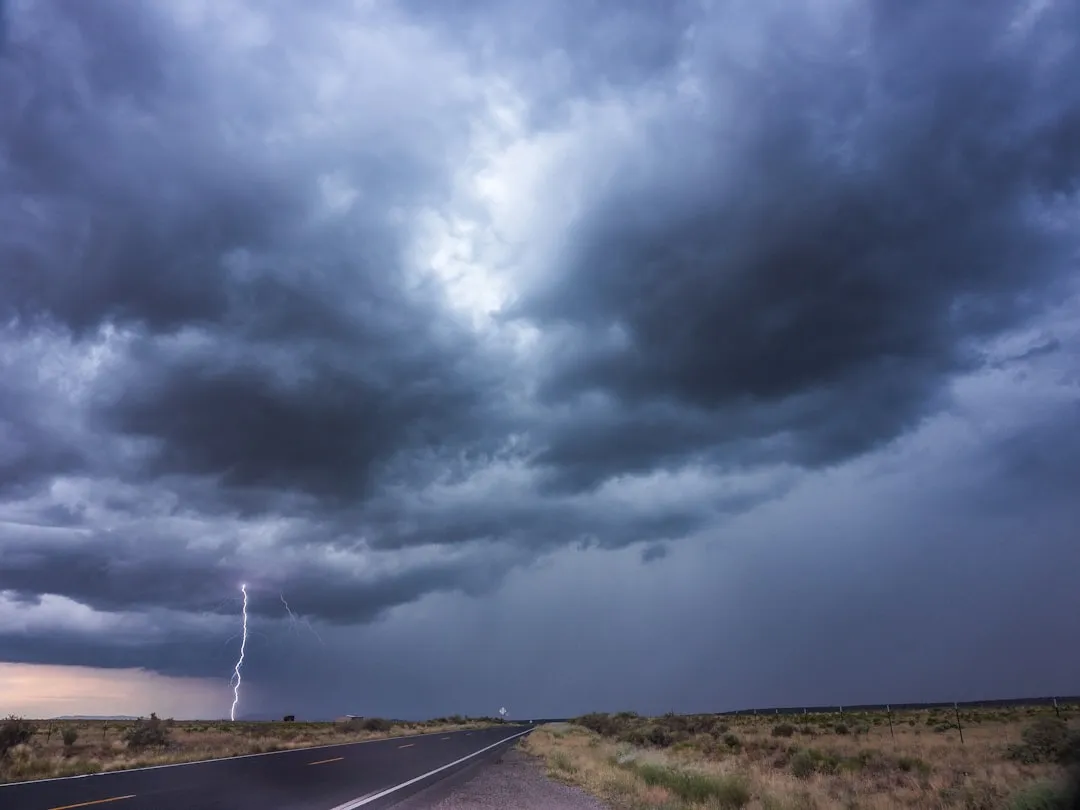
The Arctic is warming more than twice as fast as the global average, influencing weather patterns in the Northern Hemisphere, and a weaker jet stream can bring winter “whiplash weather” with rapid shifts from bone-chilling cold to unseasonably warm temperatures. This isn’t just disorienting for gardeners. It’s genuinely dangerous for plants.
When consistent cold temperatures arrive in fall, plants are meant to enter dormancy, a state where growth processes slow down and plants develop cold hardiness to survive winter conditions. Warm upswings can trick plants into breaking dormancy prematurely. Once that happens, the next cold snap can inflict serious damage on tissues that have lost their frost protection.
According to Iowa State University Extension, when temperatures remain above forty degrees for several days, plants may begin to emerge from dormancy, with sap starting to flow. For a garden layout, this means positioning cold-sensitive plants in more sheltered microclimates becomes more important than ever.
Freeze-Thaw Cycles Are Disrupting Garden Soil in New Ways
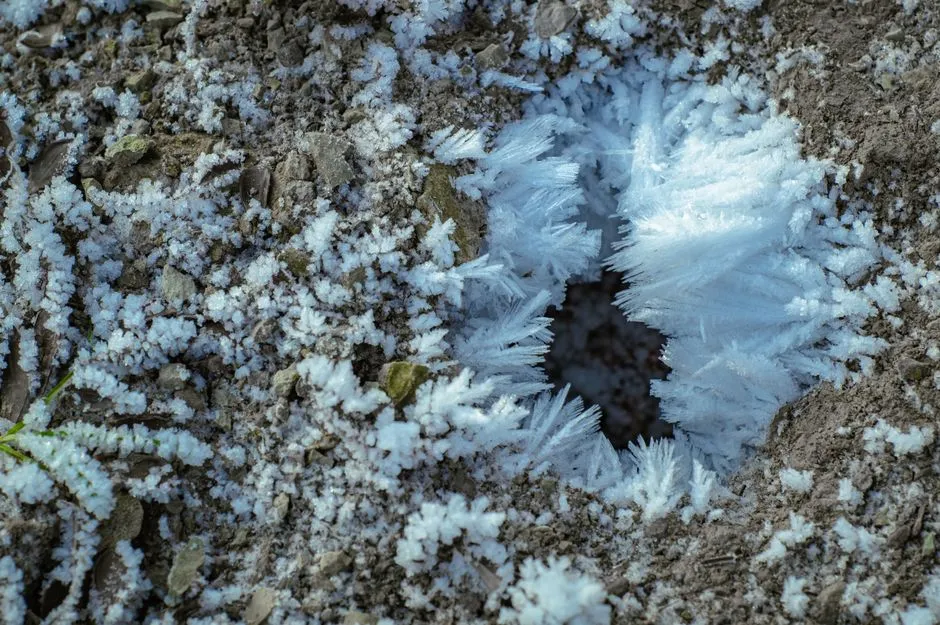
In reality, winter is one of the most active and influential seasons for what happens below the surface. Soil continues to change throughout winter, responding to freezing temperatures, moisture, and repeated shifts between cold and thaw. These changes are not dramatic or immediately visible, but they have lasting consequences. The structure of the soil, the stability of plant roots, and the balance of beneficial organisms all respond to winter conditions in ways that shape how landscapes perform in spring and beyond.
In 2023, there were 17 more unfrozen days than the long-term average across the contiguous 48 states, according to the U.S. Environmental Protection Agency. The number of unfrozen days in a winter is increasing every year due to climate change. More unfrozen days means more freeze-thaw cycling, which puts soil structure and plant roots under repeated stress.
If you’ve ever gone out in early spring and found a plant sitting higher than it should, or wobbling when you touch it, frost heave is usually the reason. Shallow-rooted plants, newly planted perennials, bulbs, and anything planted in fall are especially at risk. As the soil lifts, it can pull at roots, sometimes tearing fine feeder roots or bending larger ones out of place.
Snow Cover Changes Are Reshaping Soil Health

In the Mid-Atlantic, annual snowfall has been decreasing steadily, with the greatest difference noted in Virginia where the average snow accumulation measured from 1994 to 2023 has been reduced by roughly one seventh compared to the previous three decades. Less snow cover has a cascade of effects that most gardeners don’t immediately think about.
Lack of snow cover impacts soil temperatures and microbial activity, affecting nitrogen retention and N₂O release into the atmosphere. In practical terms, that means your soil’s biological ecosystem is less buffered from the cold, and spring fertility may not be what you expect.
Snow cover acts as an insulator, holding in the soil’s warmth. In areas with reliable snow cover all winter, soils may remain significantly warmer than in areas with sparse or sporadic snow cover. Garden beds that previously benefited from a reliable snow blanket now need mulch to compensate. This changes how you plan bed placement and what ground cover strategy makes sense.
Frost Dates Are Shifting, But Not Always in the Direction You’d Expect
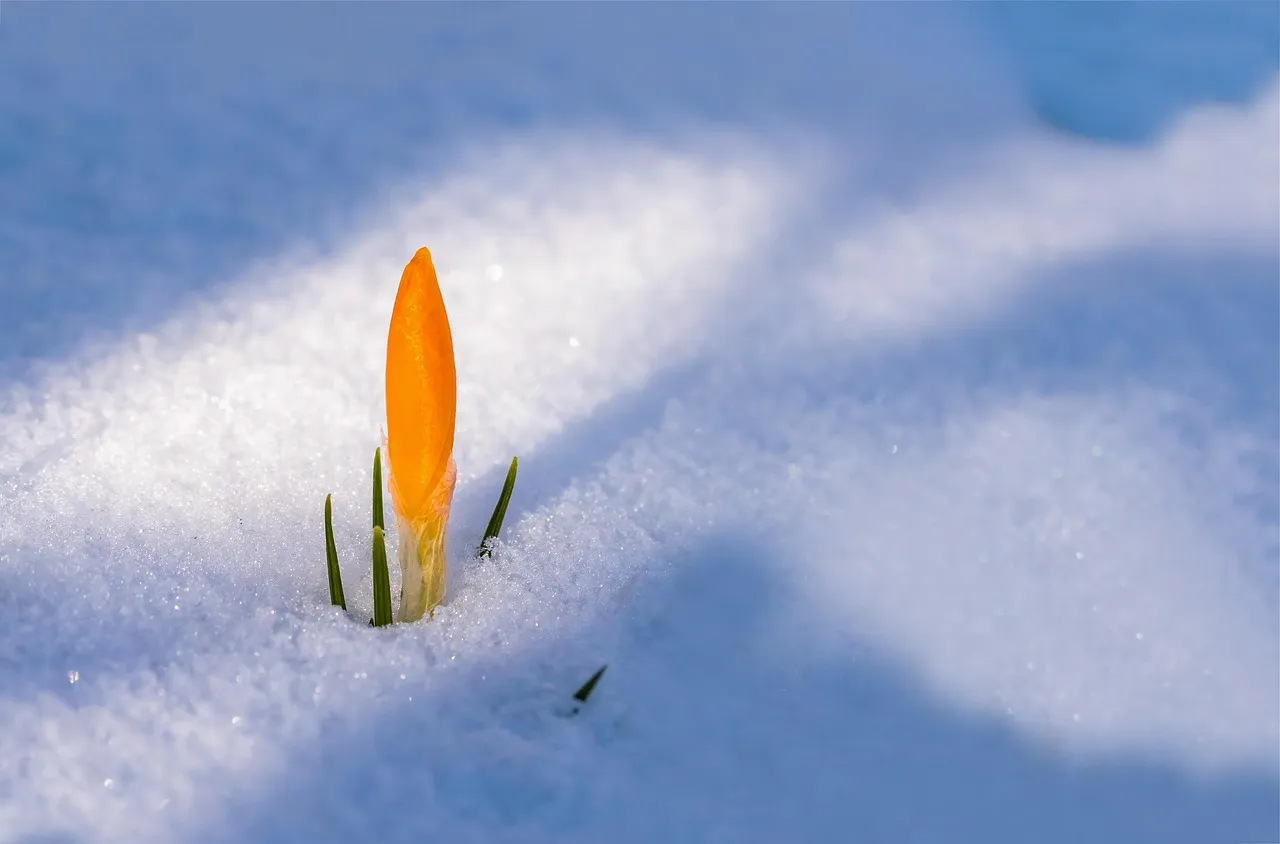
While the average last spring frost date hasn’t dramatically changed in many areas, freezing temperatures in the spring will be increasingly unpredictable in the future, posing a significant risk to plants that flower and fruit. With increased heat earlier in the spring, plants will bud earlier. If a hard frost occurs once the plants have budded or started to flower, the flowers can be damaged and no fruit will form.
In Maine, winters have consistently grown warmer over the past 20 years, but the last freeze dates across the state have shifted by just a few days. That’s a subtle but important finding. A warmer winter overall does not guarantee a reliably earlier last frost. The variability is the problem, not the direction of change alone.
Frost date averages still provide a rough framework, but they are no longer reliable enough on their own. Weather patterns have become more unpredictable, and planting too early or too late based on calendar dates alone can lead to disappointing results. Rethinking your bed layout to include flexible season-extension tools is now a practical necessity, not an optional upgrade.
El Niño and La Niña Cycles Directly Affect Your Planting Calendar

Last winter’s La Niña pattern has weakened, and forecasters are watching for a transition toward El Niño conditions. El Niño and La Niña are part of a natural climate cycle in the Pacific Ocean known as ENSO. Changes in Pacific Ocean temperatures can influence the jet stream, a fast-moving current of air high in the atmosphere that helps guide storms across North America.
During many El Niño winters, the Pacific jet stream shifts farther south, often leading to wetter and stormier conditions across parts of the southern United States. For gardeners in those regions, that means planning for drainage, raised beds, and moisture management becomes a layout priority rather than an afterthought.
Generally, when there is no El Niño or La Niña, the weather can be more variable and we can get more frequent swings between warm and cold conditions. There is likely to be some lingering effect from recent La Niña conditions, meaning cold and wet conditions in northern parts of the country while southern areas are likely to be drier, sunnier, and warmer than usual. Knowing your region’s likely pattern informs how you organize water-sensitive plants across your beds.
Pest and Disease Pressure Is Expanding Into New Territory
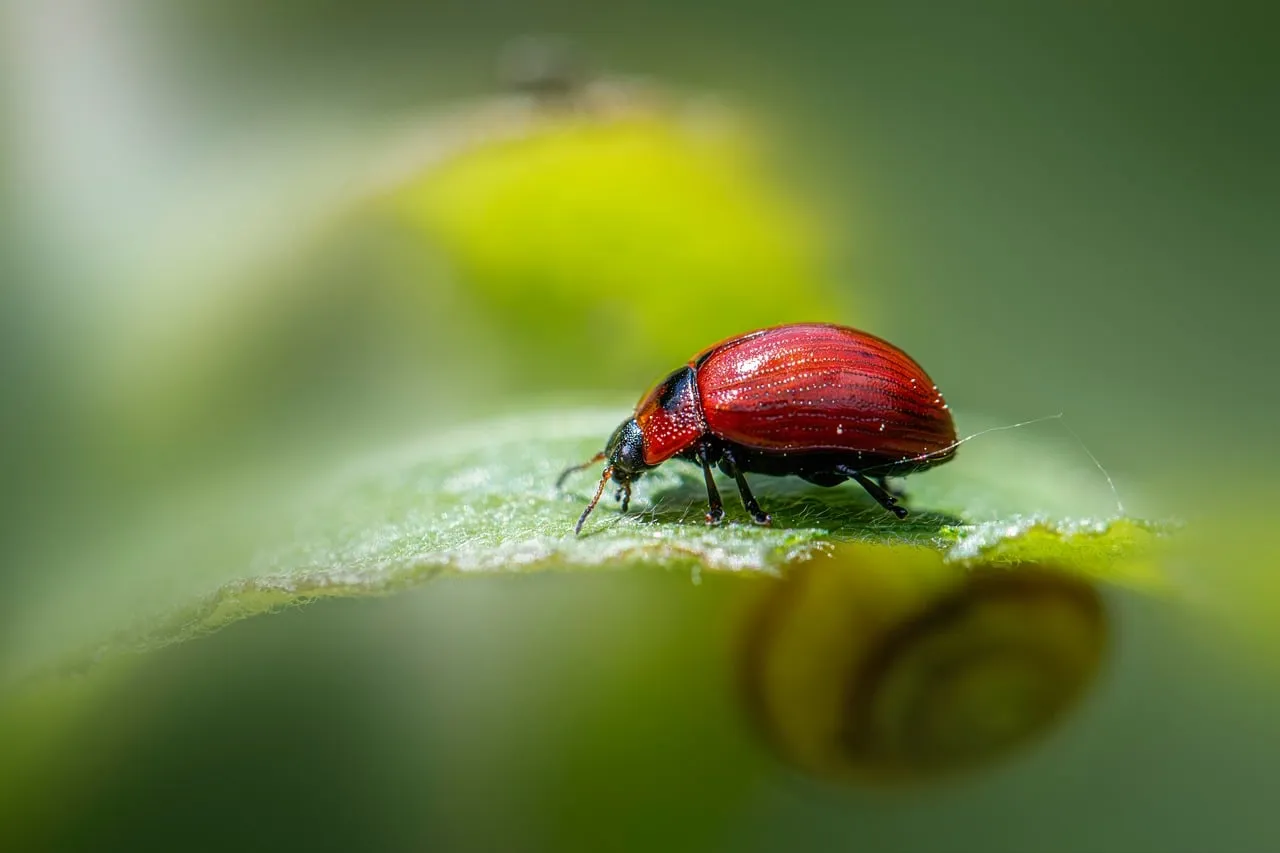
Tick populations are controlled by freezing temperatures, and more unfrozen days could lead to more ticks in the following summer, according to the U.S. Environmental Protection Agency. While that is a human health concern, the same principle applies to garden pests that previously relied on hard winters to suppress them.
With warmer growing seasons, gardeners can expect increased pest and disease pressure from old and new sources alike. The Colorado potato beetle’s life cycle, for example, occurs faster in warmer weather, increasing the population growth in your garden. Layout decisions such as plant spacing, crop rotation zones, and companion planting areas become more strategically important when pest pressure is higher and less predictable.
Management practices that can ease the detrimental impacts of seasonal shifts include understanding how secondary factors will be influenced such as pests, disease, and weed control, and experimenting with new varieties. Designing your garden with those secondary pressures in mind from the start, rather than reacting after the fact, is the smarter long-term approach.
Warmer Winters Open New Plant Choices, With Caveats
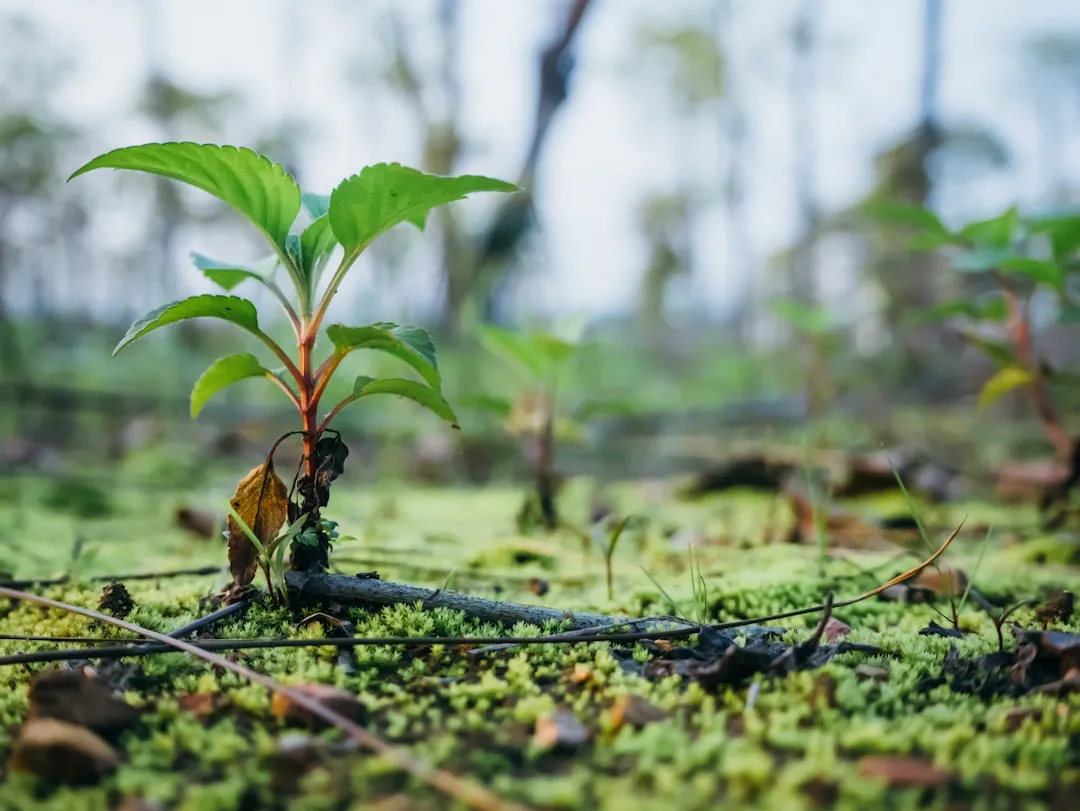
Weather patterns are changing and it is fair to say that we are generally experiencing warmer seasons and rainfall patterns that oscillate between all or nothing. With water restrictions becoming more common during summer months, many gardeners are looking for plants that can tolerate these weather stresses.
There is growing interest in compact vegetable plants suitable for raised beds, containers, and indoor growing. Where fruit is concerned, there is interest in growing more exotic types, which if they are plants from warmer climates also necessitate being container grown and compact so as to be manageable indoors during winter. This trend reflects a practical adaptation: containers and portable growing systems give you flexibility that fixed ground beds simply don’t.
The 2023 USDA map demonstrates a slight increase in coldest-day temperatures across the country, adding to the mounting evidence of climate change-induced temperature rise. However, other data like early or late frost are not taken into consideration, so while hardiness zones have shifted, the new map is not predictive of climate patterns or plant longevity. Using zone data as one input rather than a definitive guide is the right mindset for planning your plant selection this year.
Mulch and Soil Strategy Need a Rethink
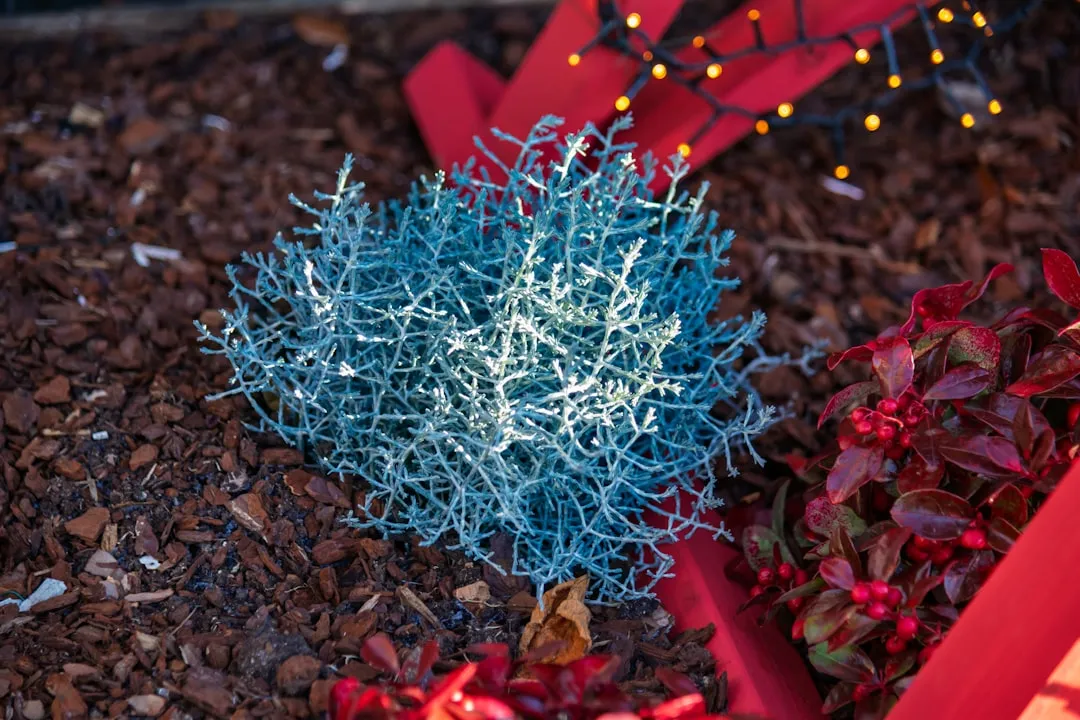
Bare soil heats up during sunny winter days and refreezes hard at night, which is a perfect recipe for frost heave. A consistent mulch layer applied after the first hard frost keeps soil temperatures from seesawing and limits the expansion that lifts plants out of the ground. This is one of the most actionable layout changes you can make right now.
It’s generally advisable to wait until after the ground freezes to mulch perennials and woody plants to ensure they’ve fully entered dormancy. Mulching too early means the warm soil may trick plants into thinking there’s still time to produce new foliage, which would then be killed during the next cold snap, wasting the plants’ precious energy reserves. Timing your mulch application correctly matters as much as using it at all.
Warming winters and off-season precipitation will require more diligent soil management to avoid soil loss and organic matter degradation. That means building organic matter into your beds as a physical and biological buffer is now a foundational part of garden layout planning, not simply a seasonal chore.
Redesigning Your Layout for the New Winter Reality
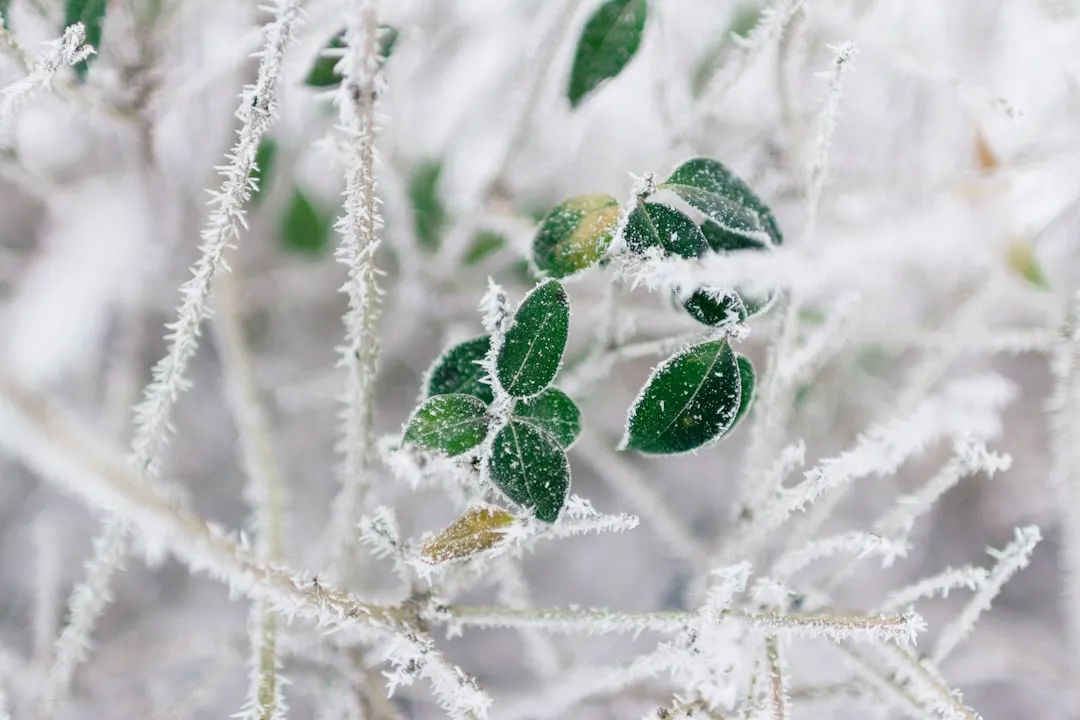
Gardening these days means dealing with drought and flood conditions, less predictable periods of heat and cold, variability in hardiness zones, extreme weather events, and increased stresses from pests and disease. That list is a practical checklist for layout decisions. Where do your most vulnerable plants sit in relation to drainage, wind, and shade? Those questions matter more now than they did a decade ago.
Raised beds are especially helpful for managing climate variables. They warm up faster in the spring, drain well, and can be easily covered during cold nights. Even a lightweight row cover can provide a few degrees of protection, while heavier covers can extend your season even further. These tools allow you to plant earlier in spring and continue harvesting later into fall.
Choosing species known for cold tolerance and the ability to withstand freeze-thaw stress is also important. Native plants adapted to local conditions offer better resilience than exotic specimens less suited for temperature swings. For vulnerable crops like fruit trees, selecting late-blooming cultivars less likely to be disrupted by early thaws is a practical defensive measure.
Conclusion
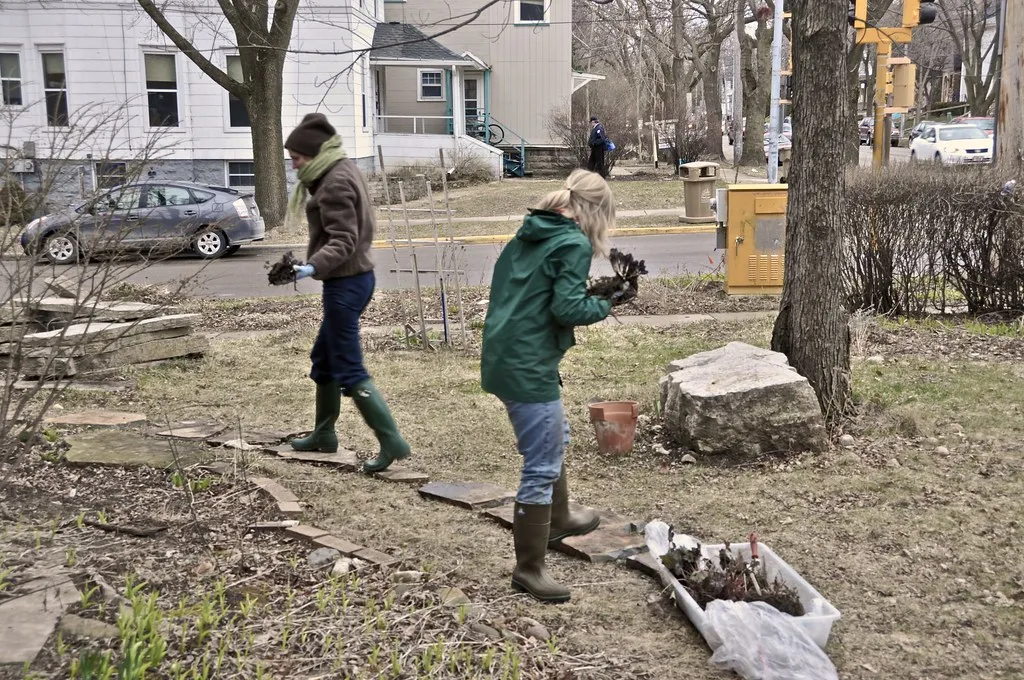
The evidence is consistent and now well-documented: winter as gardeners have historically understood it is changing. Zones are shifting, temperature swings are increasing, snow cover is less reliable in many regions, and the rulebook that governed planting schedules is less accurate than it was even a few years ago. None of this means gardening is getting harder, exactly. It means the decisions made in late winter and early spring, about layout, bed placement, plant selection, and soil preparation, carry more weight than they used to.
The gardeners who adapt soonest are not the ones chasing trends. They are the ones who pay attention to what the ground is actually telling them each year, and adjust accordingly.
AI Disclaimer: This article was created with the assistance of AI tools and reviewed by a human editor.