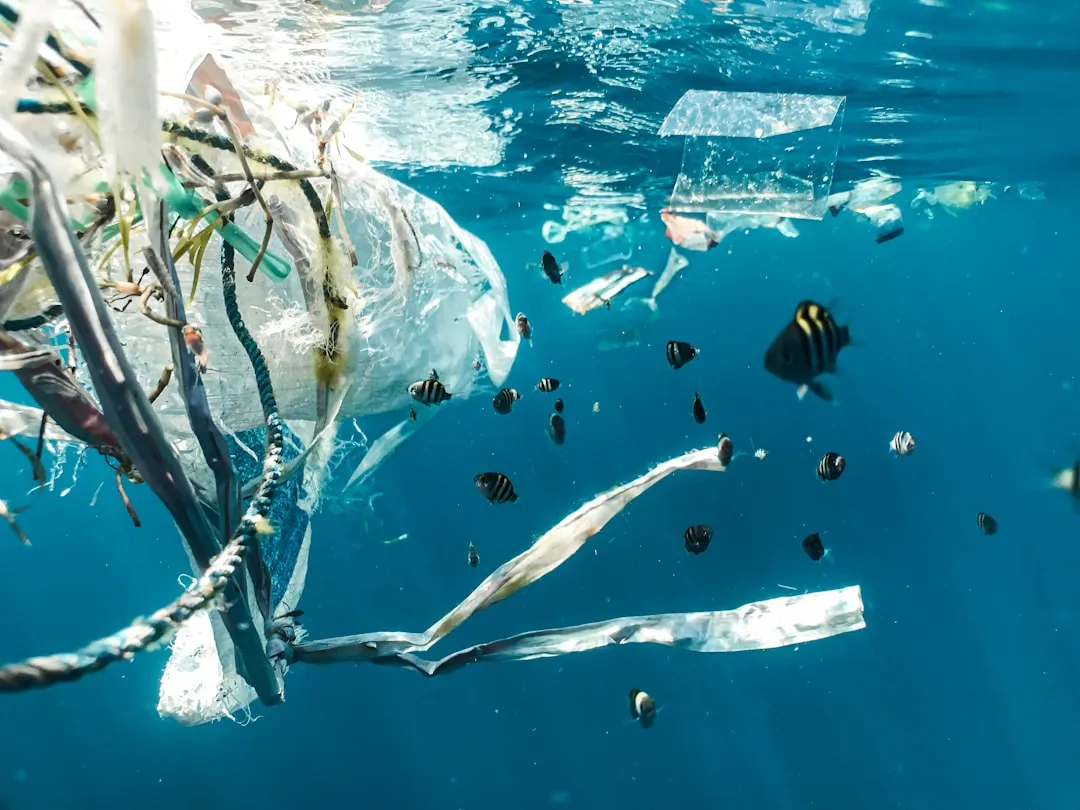

State-level environmental legislation has quietly become one of the more consequential areas of American law right now. With federal environmental policy shifting significantly since early 2025, many states have stepped up with their own rules, filling gaps and, in some cases, going much further than Washington ever did.
Amid federal rollbacks and funding cuts, states are entering 2026 as crucial leaders for lasting environmental and community protections. What follows is a look at ten of the most significant eco-laws rolling out this year, from plastic bags to forever chemicals to clean energy targets, and what they mean for everyday life.
1. California Closes the Plastic Bag Loophole for Good
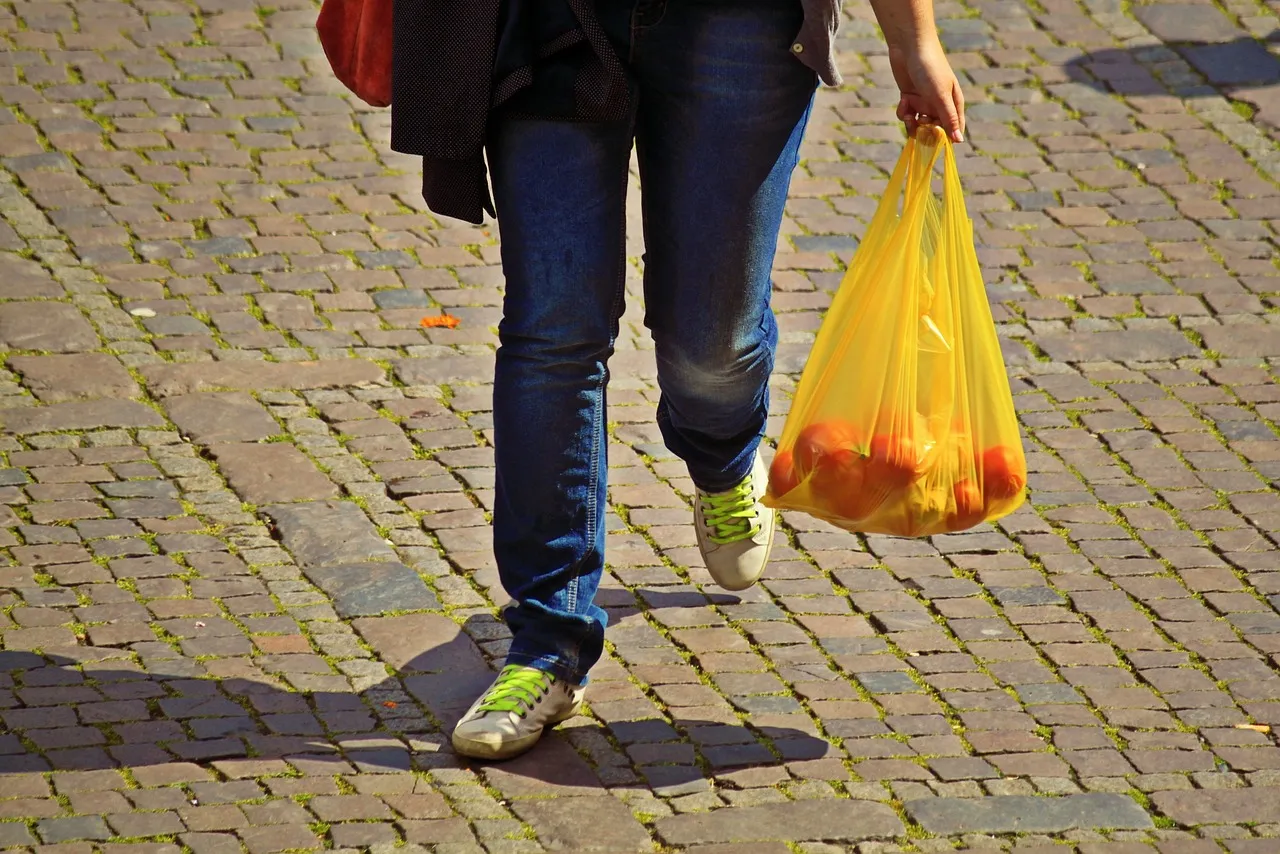
California’s original 2014 plastic bag ban had a flaw that turned out to be significant. Retailers responded by selling thicker plastic bags at checkout, labeling them “reusable,” and customers just kept throwing them away anyway. California took the most aggressive step in 2026 with legislation that eliminated all plastic checkout bags in the state, including the thicker “reusable” plastic bags that represented a significant loophole, and CalRecycle data showed that the tonnage of plastic grocery bags disposed of by Californians had actually grown by nearly half between 2014 and 2022 under the old rules.
Signed into law in September 2024, SB 1503 replaced earlier legislation and tightened plastic bag restrictions, with grocery stores, retail outlets, convenience shops, and most other retailers prohibited from providing single-use plastic carryout bags at point of sale beginning January 1, 2026. Paper bags remain available but must contain at least 50% post-consumer recycled material and cost shoppers a minimum of ten cents each. The change affects millions of residents and virtually every retail transaction in the state.
2. Washington State Raises the Price on Plastic Bags
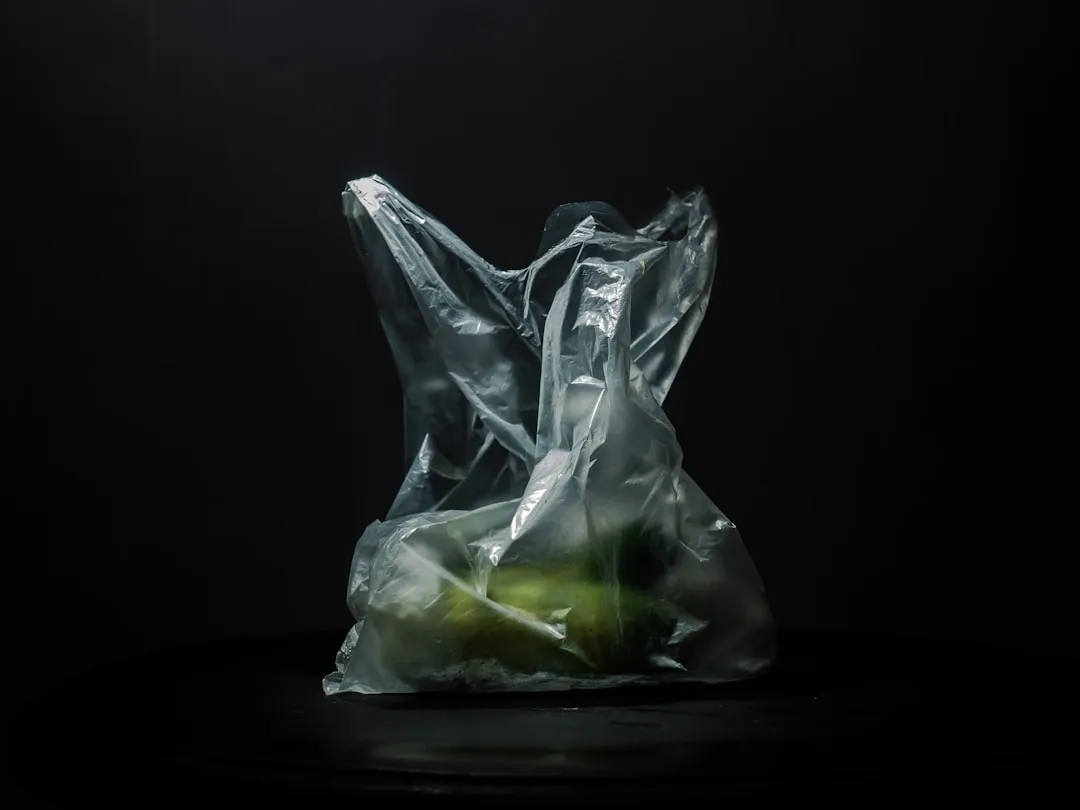
Washington has had a plastic bag ban since 2021, but the state updated its rules significantly at the start of this year. Washington’s Legislature passed a law in 2025 that changes the state’s single-use plastic bag ban, and in January 2026, minimum fees for plastic film carryout bags increased from 8 cents to 12 cents per bag, while the fee for paper bags remained 8 cents.
For retailers and restaurants that choose to distribute plastic film bags that are 4 mil thick or greater, an additional 4-cent charge must be applied to the 12-cent bag fee to customers, and this penalty is in effect from January 1, 2026 until December 31, 2027. The intent is to financially discourage the circulation of thicker plastic bags by treating them as a policy problem in their own right. Washington State’s own 2022 litter study estimates 18.7 million plastic carryout bags are littered annually, which gives the numbers some weight.
3. New York Expands Its Foam and Packaging Bans
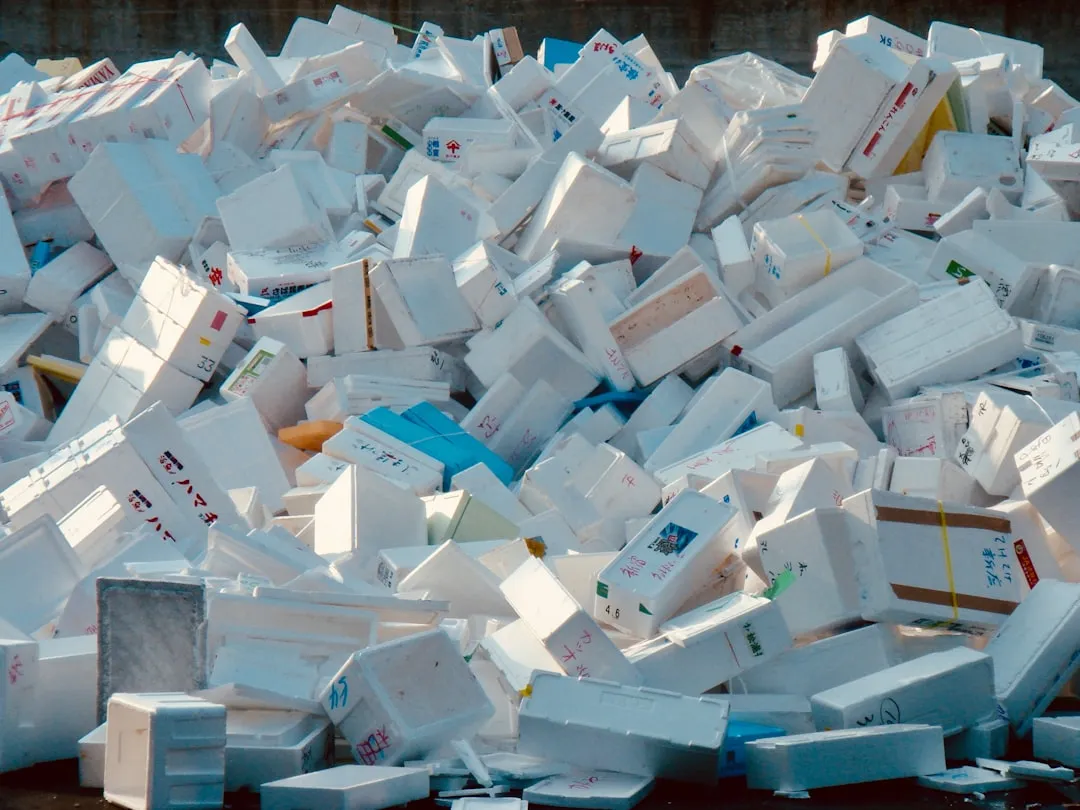
New York has been phasing out polystyrene foam products for several years, and the most recent expansion just took effect. Foam is on the outs in New York: since 2022, the state has prohibited the sale or distribution of polystyrene foam packing peanuts as well as disposable food service containers like cups, dishes, and trays, and as of January 1, 2026, that ban also applies to cold storage containers such as coolers and ice chests.
New York lawmakers are also advancing a 2026 environmental package that includes stricter air pollution standards and a new requirement for large companies to publicly disclose their full greenhouse gas emissions, alongside funding to remediate contaminated sites, with these policies designed to identify major sources of pollution, hold high-emitting sectors accountable, and drive reductions in industrial emissions while improving air quality in overburdened communities. Few states have moved as quickly or broadly on packaging restrictions.
4. Virginia Bans Foam Food Containers Statewide
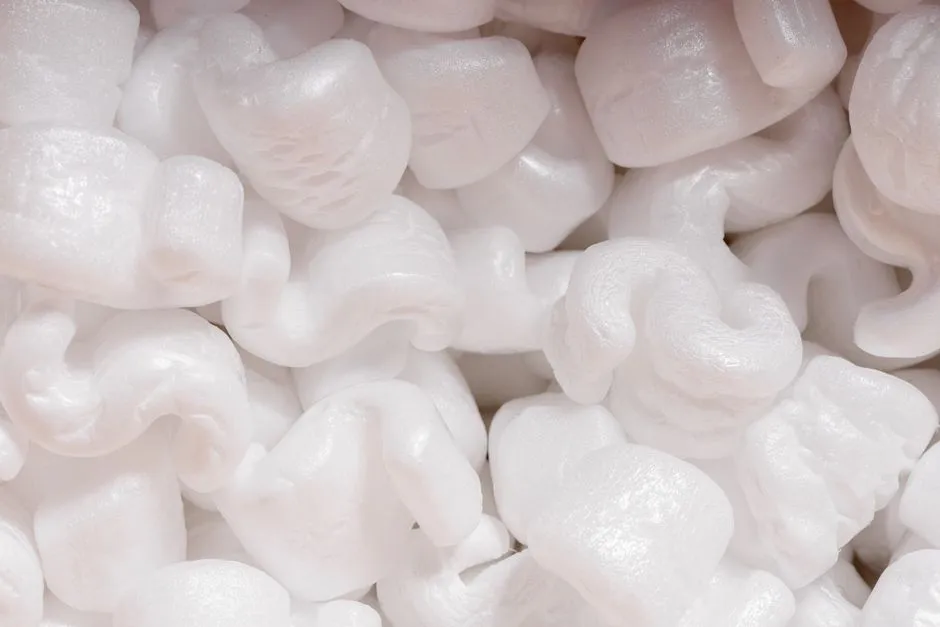
Virginia is phasing in one of its most visible eco-rules this year. All food vendors in Virginia will have to comply with an expanded polystyrene container ban effective July 1, 2026, building on a 2021 law that already took effect on July 1, 2025, for vendors with 20 or more Virginia locations. The full statewide rollout means small restaurants and food vendors are now in scope for the first time.
This is meaningful because polystyrene foam is one of the most persistent and problematic forms of waste, and it ends up in waterways, parks, and city drainage systems at scale. The staged approach Virginia used, starting with large businesses before expanding to all vendors, is a model that several other states have adopted when rolling out food service restrictions. It gives smaller operators time to source alternatives without being caught off guard.
5. Multiple States Crack Down on “Forever Chemicals” in Consumer Products

PFAS, the group of synthetic chemicals found in everything from nonstick cookware to food packaging, are now a major focus for state legislatures across the country. In 2025, nearly 350 PFAS bills were introduced across 39 states, and states enacted a range of PFAS bans on consumer products, including cookware, food packaging, textiles, and firefighting foam, with several laws phasing in restrictions through 2032.
Beginning January 1, 2026, new PFAS prohibitions and reporting requirements took effect in Colorado, Connecticut, Maine, Minnesota, Vermont, and Washington, with the requirements targeting a wide range of consumer products and industries. Beginning January 1, 2026, Illinois law also prohibits the distribution or sale of specific products that contain intentionally added PFAS, including cookware, cosmetics, children’s products, and food contact products. The pace of this shift is notable, with eighteen states having enacted PFAS product restrictions ranging from outright bans on certain uses to mandatory reporting or labeling requirements.
6. Minnesota Requires the World’s Broadest PFAS Disclosure
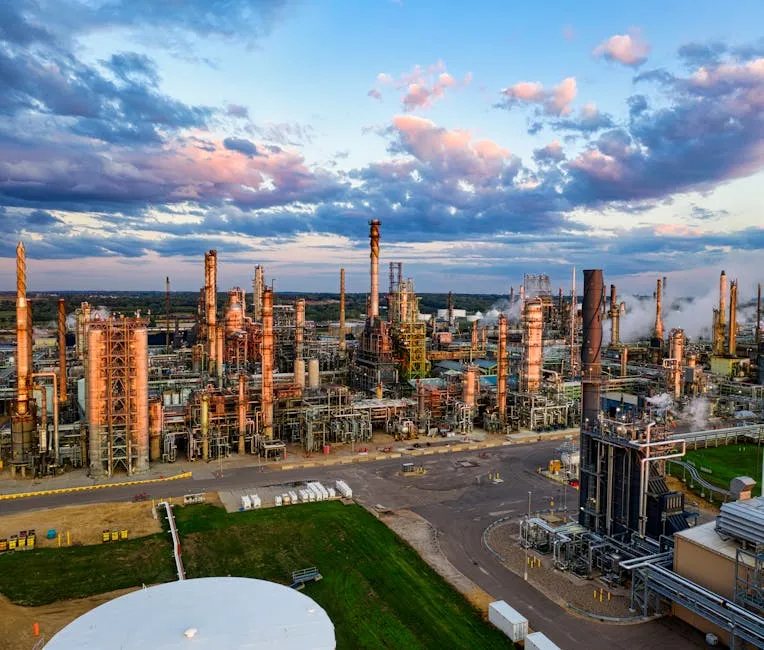
Minnesota’s approach to PFAS stands out even within the general rush of state-level action. Minnesota’s requirement for manufacturers to report their use of PFAS in products sold into the state begins in July of 2026, and this requirement is described as the broadest forever chemicals disclosure in the world, expected to yield information on uses of these chemicals that were previously unknown.
Minnesota enacted Amara’s Law in 2023, currently the most comprehensive and wide-ranging state law restricting or banning PFAS in consumer products, barring intentionally added PFAS in several categories of products beginning on January 1, 2025, with that prohibition expanding to all consumer products on January 1, 2032. This multi-year rollout gives manufacturers time to reformulate, but the reporting requirement starting this year will be a significant compliance event for thousands of companies selling nationally.
7. Oregon Expands Plastic Restrictions and Hotel Toiletry Rules
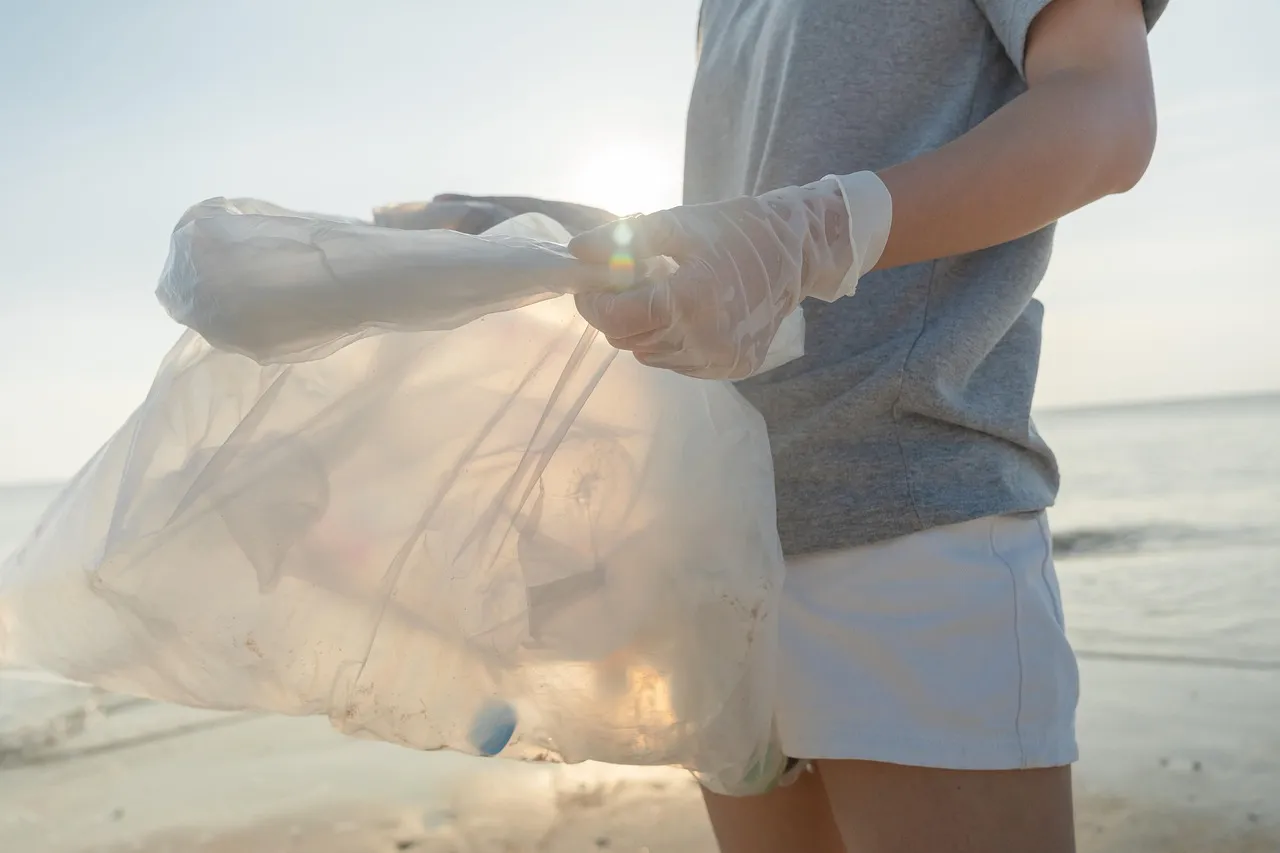
Oregon passed Senate Bill 551 in 2025, layering new restrictions on top of its existing plastic policies. In May 2025, the Oregon Legislature passed Senate Bill 551, which would expand the state’s existing laws regarding plastic waste and prohibit retailers and restaurants from offering reusable plastic or fabric checkout bags starting January 1, 2027, while also prohibiting food service establishments from automatically providing single-use utensils or condiment packaging unless requested, effective July 1, 2026.
The legislation includes a provision to phase out small plastic toiletry containers in hotels with 50 or more rooms by 2027, with the restriction then extended to all lodging establishments by 2028. That last piece is particularly interesting, since hotel amenity packaging is one of those forms of waste that accumulates almost invisibly. Oregon also has an active requirement for toxic chemical disclosure in children’s products, with Oregon’s Toxic-Free Kids Act expanding disclosure of toxic chemicals in children’s products to include more specific requirements to report on the brand and model of product containing chemicals of concern.
8. Maine Bans PFAS in Food Packaging and More
Maine has built one of the most aggressive PFAS frameworks of any state, and a major new layer took effect in 2026. Maine is cracking down on forever chemicals in packaging, with the state’s Board of Environmental Protection adopting rules in 2024 to prohibit PFAS use in certain types of food packaging, effective May 25, 2026, with the rules applying to plant fiber-derived packaging materials such as paper or paperboard bags and sleeves, containers, food boats, wraps and liners, pizza boxes, and more.
In Maine, a broad ban on unnecessary uses of PFAS is taking effect across products such as clothing, cleaning products, cookware, dental floss, children’s products, food packaging, and menstrual products. Maine, Minnesota, and New Mexico are currently the only enacted state laws that will eventually prohibit intentionally added PFAS in almost all consumer products. The scope of Maine’s program is as wide as any in the country, and it has been actively updating its rules to respond to industry requests for exemptions.
9. Colorado Sets New Building Energy Standards
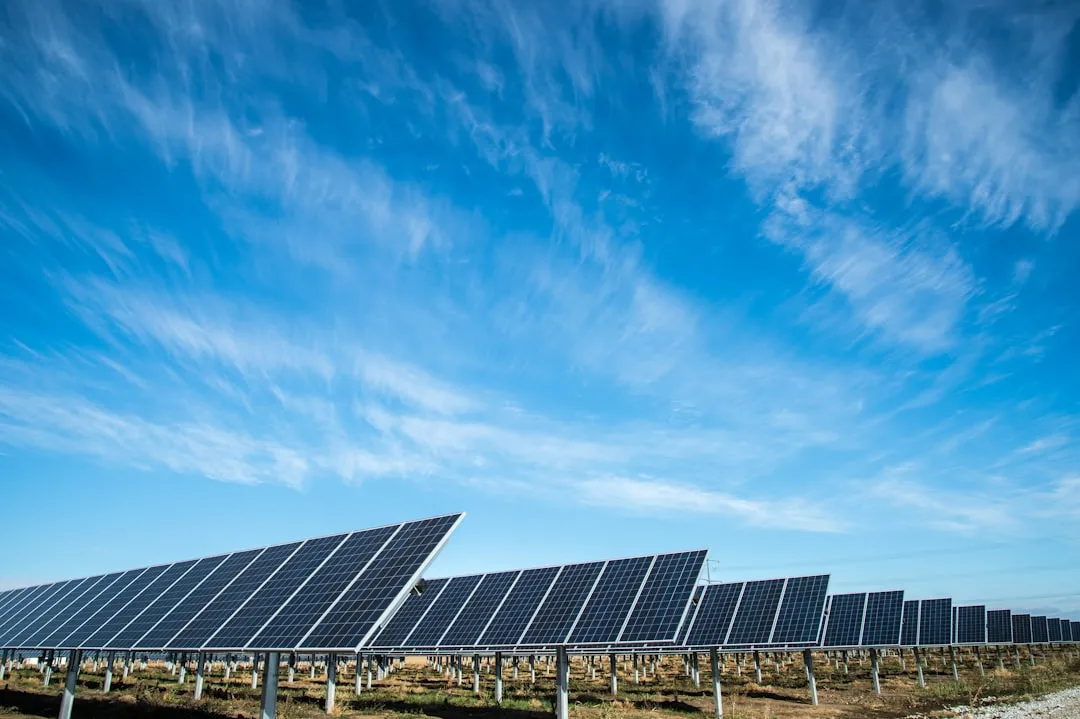
Colorado is reshaping how new homes and buildings must be constructed when it comes to energy use. The Colorado Energy Office published the Model Low Energy and Carbon Code, a modified version of the 2024 IECC standards designed to support the state’s 2050 net-zero target, with the state’s new minimum building code taking effect on July 1, 2026, and any municipality or county that updates any of its building codes after that date required to adopt the model code or a code that will achieve greater energy efficiency and pollution reductions.
Under the new code, larger homes over 7,500 square feet must achieve net-zero energy and cover all energy use with on-site renewable options such as solar panels or a community solar garden, homes under 5,000 square feet must meet base-level efficiency standards, and homes between 5,000 and 7,499 square feet must meet more stringent efficiency standards, with the code also encouraging heat pump adoption. Colorado is also supporting renters through a separate measure: a new state bill promotes the statewide adoption of portable-scale solar generation devices, expanding households’ access to clean energy technology by making it easier for residents in apartments or similar dwellings to benefit from plug-in solar devices.
10. States Step Up on Endangered Species and Wildlife Corridors

Perhaps the least-discussed but most biologically significant trend in state eco-law right now involves wildlife protections. With federal Endangered Species Act protections facing proposed rollbacks, states have responded. Lawmakers are continuing to introduce bills that strengthen State Endangered Species Acts after eight states enacted legislation in 2025, with National Caucus of Environmental Legislators staff expecting states to also pursue bills that improve wildlife monitoring and recovery, expand partnerships with wildlife agencies, and increase funding for wildlife conservation programs to fill gaps left by uncertain federal support.
After at least 12 states enacted bills in 2025, states are continuing efforts to improve habitat connectivity and reduce wildlife-vehicle collisions in 2026, with at least 12 states having introduced legislation to address wildlife habitat fragmentation, with common policy approaches including integrating habitat connectivity into land-use and transportation planning, investing in wildlife crossings, and conserving key wildlife movement and migration areas. Proposed federal rollbacks have generated broad, bipartisan concern from state lawmakers that weakening federal protections will cause preventable harm to species and habitats, and that concern is shaping 2026 legislative agendas.
What This All Adds Up To
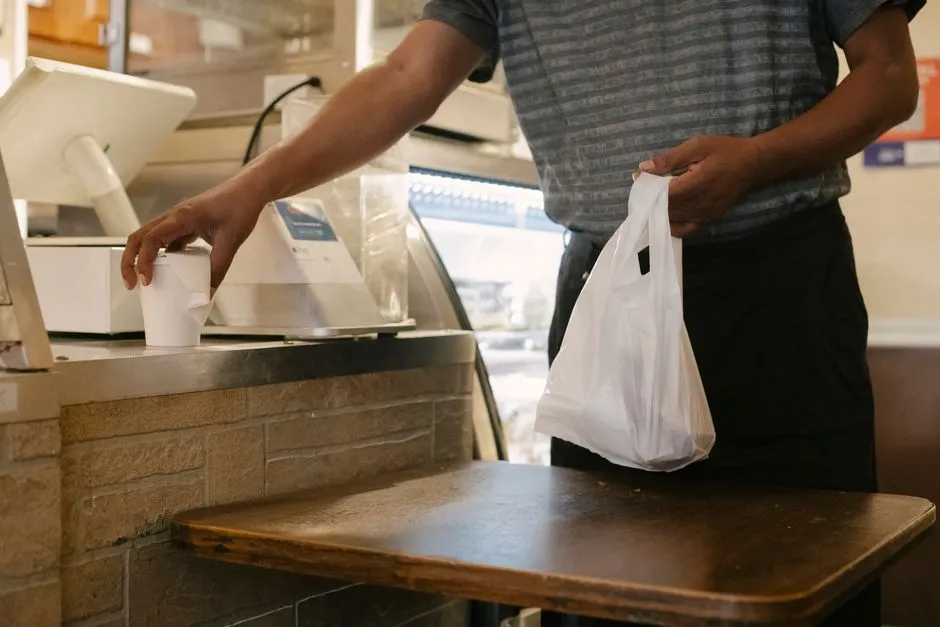
The through line across all of these laws is the same: states acting where the federal government has stepped back or stalled. Whether it’s plastic packaging, toxic chemicals in kitchen pans, or the survival of wild species, state legislatures are writing rules that touch daily life in concrete ways.
These aren’t just behavioral nudges; they’re enforceable standards that shift how materials are sourced, packaged, and disposed of. Roughly one third of all Americans now live in a jurisdiction with some form of plastic bag policy, according to research published in June 2025 in the journal Science. That figure alone captures how quickly the map has shifted.
For residents, the most immediate takeaway is practical: what you can buy, how it’s packaged, and what you can expect at checkout may now depend heavily on which state you’re standing in. The patchwork nature of these rules is occasionally frustrating, but it also means that the most protective states are functioning as living proof of what’s possible. That tends to matter over time.
AI Disclaimer: This article was created with the assistance of AI tools and reviewed by a human editor.