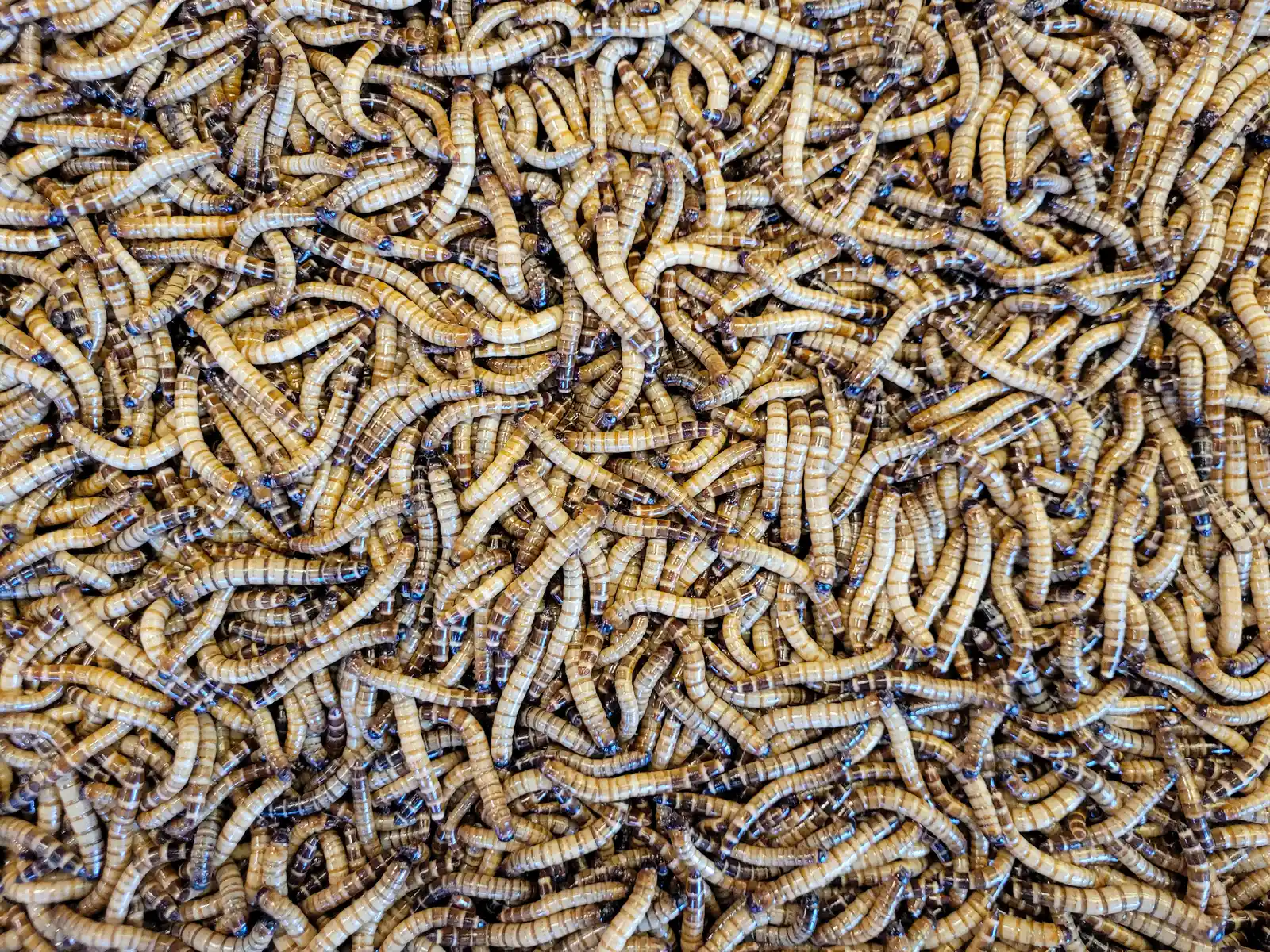

Health officials have noted a possible screwworm infection within the United States. The finding centers on a parasite whose primary effects fall on livestock yet extends to other species. The flies involved can infest any warm-blooded animal, a category that includes people.
The Parasite and Its Primary Targets
Screwworm has long been recognized for its impact on farm animals. Livestock such as cattle and sheep represent the most common hosts in documented cases. The larvae develop in open wounds, leading to tissue damage that requires prompt veterinary attention.
Despite this focus on agricultural animals, the biology of the screwworm fly allows it to select a wider range of hosts. Any warm-blooded creature can become a target when conditions align. This broader capability explains why the recent United States report carries implications beyond typical livestock concerns.
Extension of Risk to Humans and Other Animals
The same mechanism that affects livestock can operate in human cases. Warm-blooded animals share physiological traits that make them susceptible to the fly’s egg-laying behavior. Medical literature has recorded instances in which people required treatment after exposure.
Outdoor workers, pet owners, and those handling animals in rural settings face the practical need to monitor wounds closely. Early identification remains essential because the parasite does not limit itself to one category of host. The United States finding underscores this shared vulnerability across species.
Practical Steps for Those in Agriculture and Outdoor Settings
Regular inspection of livestock remains a standard practice in regions where screwworm has appeared. Wound care protocols help reduce the chance of infestation in both animals and people. Coordination with local agricultural extension services provides guidance tailored to current conditions.
Public health messaging in affected areas typically emphasizes reporting unusual cases promptly. This approach supports containment efforts and protects the wider population of warm-blooded animals. Continued vigilance aligns with established responses to similar parasitic threats.
AI Disclaimer: This article was created with the assistance of AI tools and reviewed by a human editor.