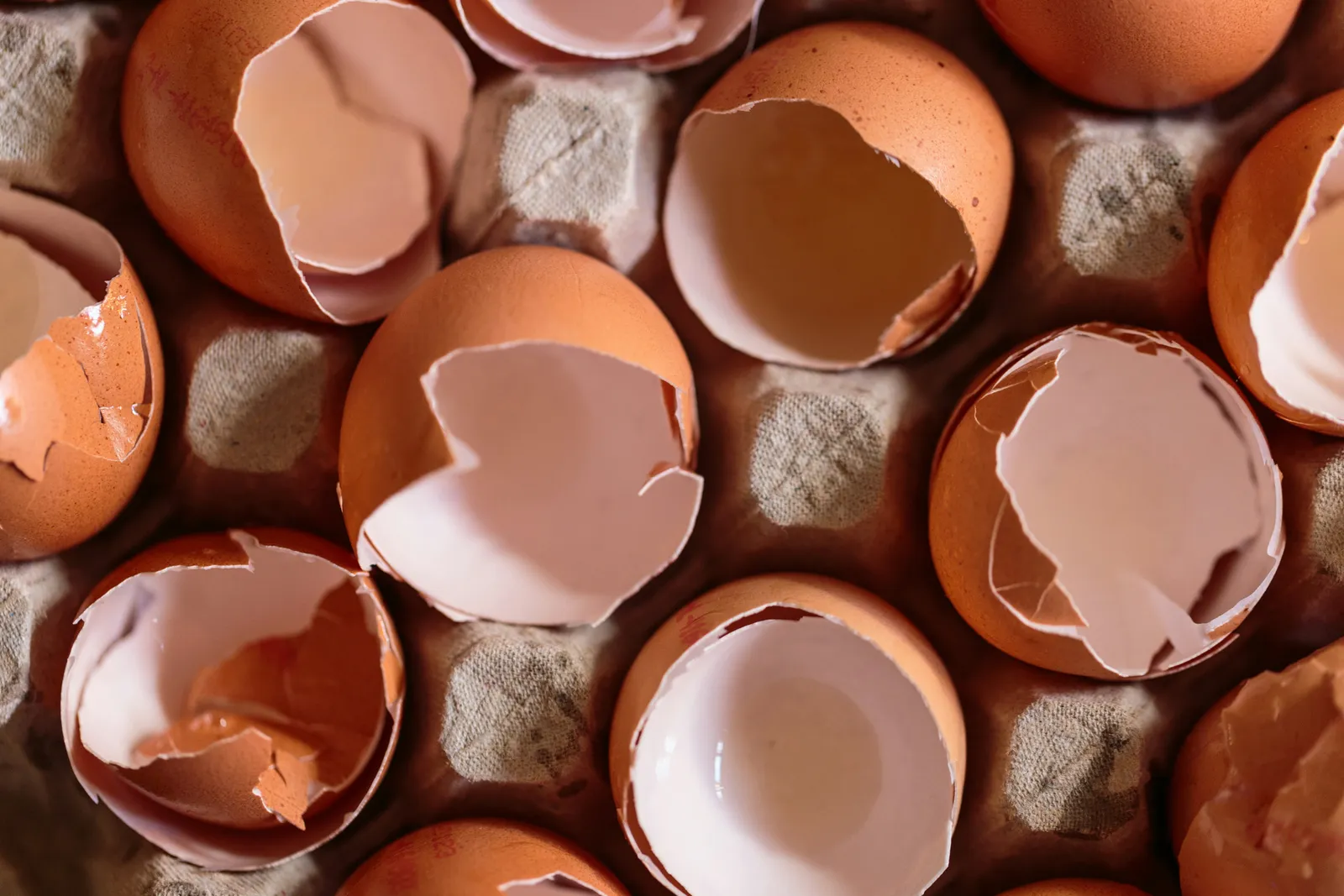

Gardeners often set aside eggshells after breakfast with the hope of putting kitchen scraps to work outdoors. The notion that crushed shells create a barrier against slugs, snails, and other common pests has persisted across many growing seasons. Yet the practical payoff comes from a different role entirely, one that supports soil health rather than direct pest defense.
The Myth of Pest Repellence
Claims that eggshells repel garden pests rest on the idea that sharp edges or calcium content create an uncomfortable surface for soft-bodied creatures. In practice, the fragments break down too quickly under moisture and foot traffic to form any lasting barrier. Observations from experienced growers show that slugs and snails simply move around or over the material once it settles into the soil.
The appeal of this approach stems from a desire to avoid chemical controls, yet relying on eggshells alone for protection often leads to disappointment. Gardeners who test the method typically report continued pest activity, prompting a shift toward proven cultural practices such as proper watering and habitat management. The real lesson lies in redirecting those shells toward measurable soil improvements instead.
Calcium Contribution to Soil Health
Eggshells consist primarily of calcium carbonate, a compound that plants can eventually access once the material breaks down. When added to garden beds, the shells supply a slow-release source of calcium that supports cell wall development in vegetables such as tomatoes and peppers. This gradual contribution helps reduce the risk of disorders linked to calcium deficiency over the course of a season.
Unlike quick-dissolving commercial amendments, eggshell calcium integrates through natural weathering and microbial activity. The process requires time, often several months, before noticeable effects appear in plant vigor. Gardeners who incorporate the material consistently notice steadier growth in calcium-sensitive crops without the need for additional purchased products.
Preparing and Adding Eggshells to Compost
Effective use begins with thorough drying and crushing of the shells to speed decomposition. A simple rolling pin or mortar and pestle reduces the pieces to a fine powder or small flakes that mix evenly into compost piles. This preparation prevents the shells from remaining intact for extended periods and allows microbes to access the calcium more readily.
Once prepared, the material blends well with other kitchen and yard waste in a standard compost system. Regular turning of the pile maintains aeration and moisture levels that accelerate breakdown. Over several weeks the eggshells lose their distinct form and become part of the finished compost ready for garden application.
Compost enriched with eggshells tends to carry a balanced nutrient profile that benefits a wide range of plants. The added calcium complements nitrogen-rich greens and carbon-heavy browns already present in most home systems. Gardeners who track their compost batches often find that eggshell additions produce a finished product with improved structure and nutrient availability.
Applying the Finished Amendment
Once compost containing eggshells reaches maturity, it can be worked into planting beds or used as a top dressing around established plants. Light incorporation ensures the calcium reaches root zones without disturbing existing growth. Rates remain modest, typically a thin layer spread across the soil surface before watering.
Repeated applications across multiple seasons build cumulative calcium levels in the soil. This steady approach avoids sudden spikes that might affect soil pH or microbial balance. Many gardeners integrate the practice into their annual soil preparation routine with reliable results.
Key points to remember
- Eggshells do not reliably repel pests despite common claims.
- Crushed shells provide a slow-release source of calcium for soil.
- Proper drying and crushing speeds integration into compost.
- Consistent use supports long-term soil health rather than quick fixes.
The practice of returning eggshells to the garden closes a simple loop between kitchen and soil. While the pest-control expectation may not hold, the contribution to calcium availability offers a tangible benefit that accumulates with each season. Gardeners who adopt the method often find satisfaction in turning everyday waste into a steady resource for healthier plants.
AI Disclaimer: This article was created with the assistance of AI tools and reviewed by a human editor.