

Most gardeners and growers have heard the word “nematode” and assumed the worst. That reaction is understandable but mostly unfounded. The real picture is more nuanced, and knowing the difference between helpful and harmful nematodes can genuinely change how you manage your soil.
Once you understand what’s actually living below your feet, you realize the stakes are high on both sides. Ignore beneficial nematodes and you risk disrupting a system that keeps your soil healthy. Miss the harmful ones and your crops could quietly collapse before you notice anything is wrong.
What Nematodes Actually Are
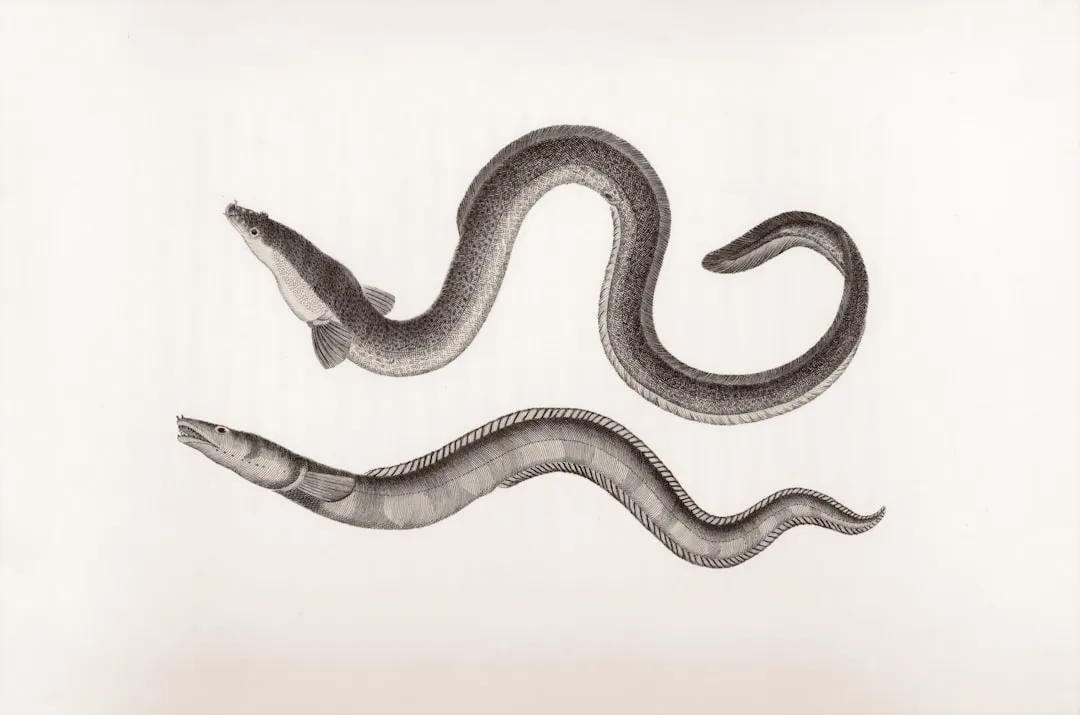
Nematodes belong to the large phylum Nematoda, most of which are microscopic, under 1 mm in length, and completely invisible to the naked eye. These tiny creatures are the most numerous multicellular animals on earth. In fact, a single teaspoon of soil can contain hundreds of nematodes of varying species.
Nematodes are microscopic, non-segmented roundworms, which distinguishes them from earthworms, which are segmented. They can be found in your backyard at millions per square yard of soil, and are commonly divided into two categories: beneficial and harmful.
The Scale of the Problem (and the Opportunity)
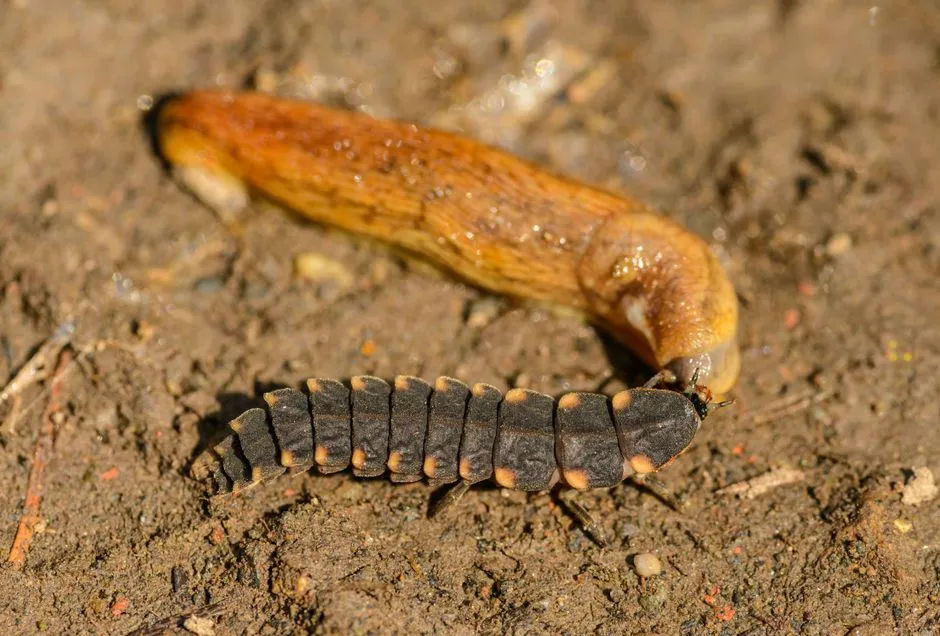
Of the approximately 80,000 species of nematodes, only about 2,500 are parasitic. That means the overwhelming majority of what lives in your soil is either neutral or outright helpful. Attention has been given extensively to a small segment of the nematode population that negatively impacts crops, but those nematodes are a very small percent of the total nematode population. The larger percentage benefit agriculture and the environment, especially soil health.
Free-living nematodes, which constitute roughly 60 to 80 percent of all soil nematodes, include bacterivores, fungivores, omnivores, and predators. The framing of nematodes as enemies of your garden simply doesn’t hold up to the numbers.
What Beneficial Nematodes Do for Your Soil
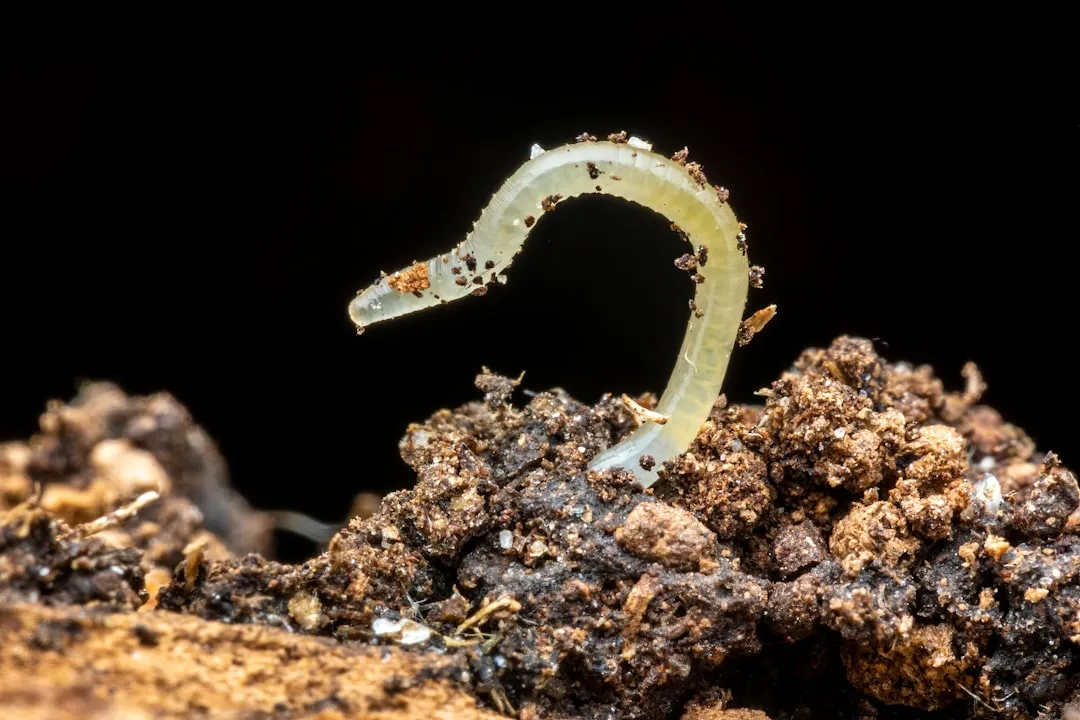
Nematodes enhance soil quality in four major areas: they regulate populations of other soil organisms, mineralize nutrients into plant-available forms, provide a food source for other soil organisms, and consume disease-causing organisms.
Most nematodes are considered free-living, functioning at several trophic levels of the soil food web and acting as both prey and predator for other creatures. Free-living nematodes are some of nature’s most vital decomposers, recycling minerals and nutrients from bacteria, fungi, and other substances back into the soil. By carrying bacteria and fungi through the soil, nematodes also spread beneficial organisms throughout the root zone.
How Nematodes Signal Soil Health

As the most abundant soil metazoans, nematodes have been used as a tool for assessing soil health and quality. Researchers have started thinking of them less as pests and more as living indicators of what’s going on underground. One study on the role of nematodes in soil health argues that it makes ecological sense to use nematodes as bioindicators of soil condition, due to their central position on the food web and critical connection to nitrogen cycling and plant health.
Nematodes appear in nearly any kind of soil, from dry desert sand to the tundra. Their ubiquitousness, high species richness, and characteristic responses to environmental stressors make them unique biological indicators. When nematode diversity drops sharply, that’s often a sign something in the soil ecosystem has gone wrong.
Identifying the Plant-Parasitic Offenders
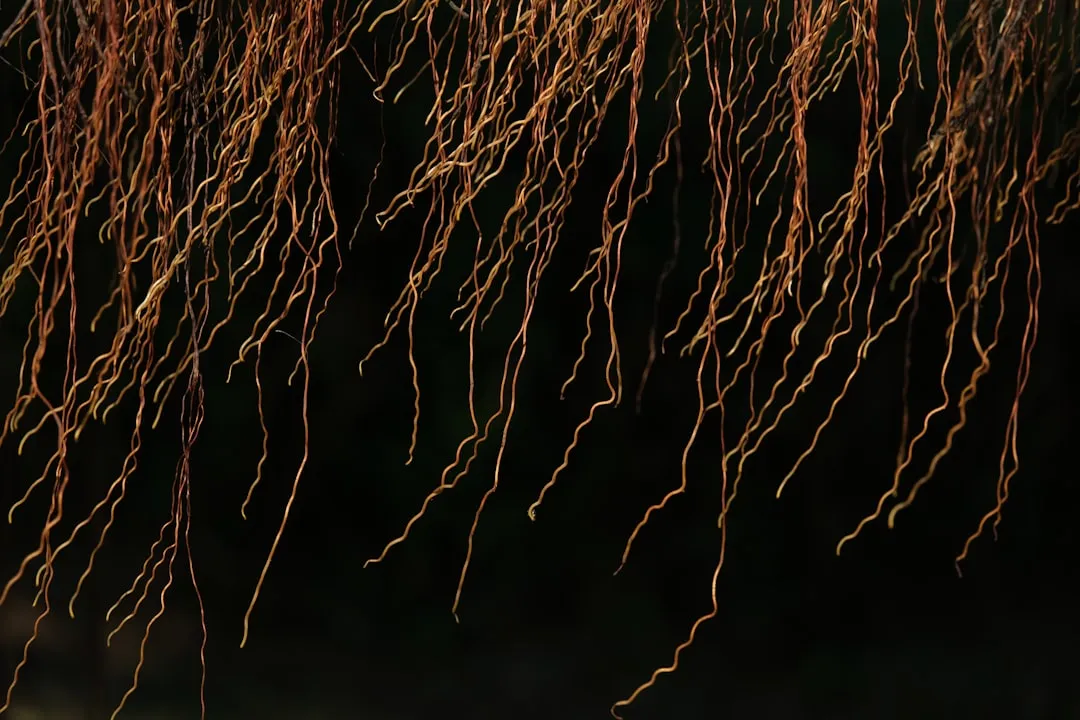
Plant-parasitic nematodes get their name from the nutrients they take from plants. They have a needle-like structure called a stylet, which is used to pierce plant cells to extract food. Among them, root-knot nematodes are considered the most devastating group because of their worldwide distribution, rapid reproduction, and wide host range.
Worldwide, more than 90 species of root-knot nematodes attack over 2,000 plant species. They get their name from the characteristic swelling in the roots, which forms abnormal growths resembling galls or knots. Plant-parasitic nematodes as a group are regarded as one of the most important soil-borne pests, accounting for an estimated $175 billion per year in yield losses worldwide.
Reading the Aboveground Warning Signs
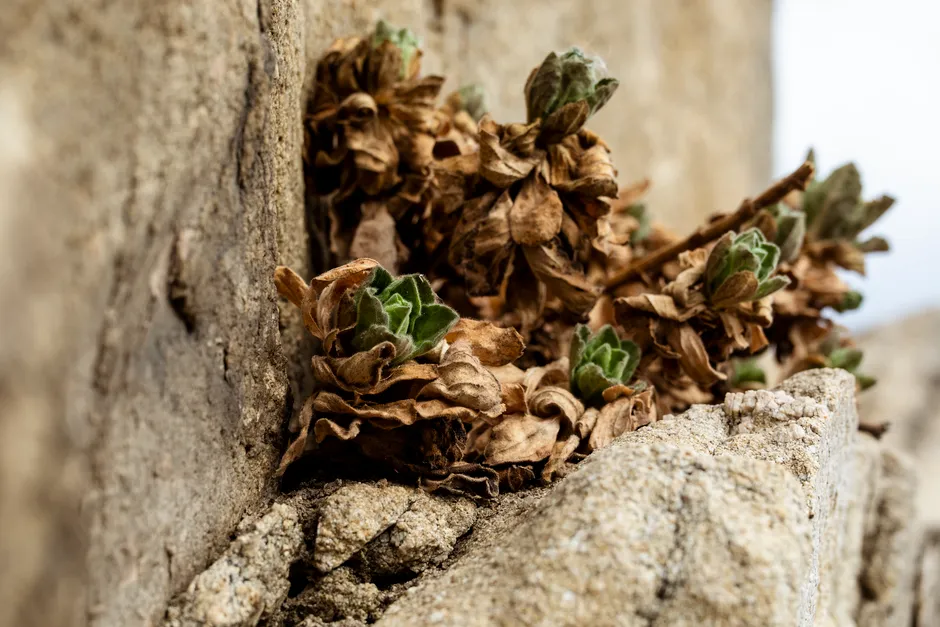
Plants may appear stunted, wilt even when soil moisture seems adequate, or exhibit yellowing and nutrient-deficiency symptoms despite fertile soil or recent fertilizer applications. These clues are easy to misread because they look like drought stress or a fertilizer problem. When symptoms do appear aboveground, they are not unique to plant-parasitic nematodes, as they mimic symptoms caused by other diseases and abiotic stressors such as nutrient deficiencies.
Another clue is uneven damage. Symptoms often appear in patches rather than across an entire bed. This pattern helps distinguish root-knot nematodes from watering or fertility problems, which usually affect plants more uniformly. Patchy, irregular decline with no obvious cause is a useful field signal worth taking seriously.
Reading the Belowground Warning Signs
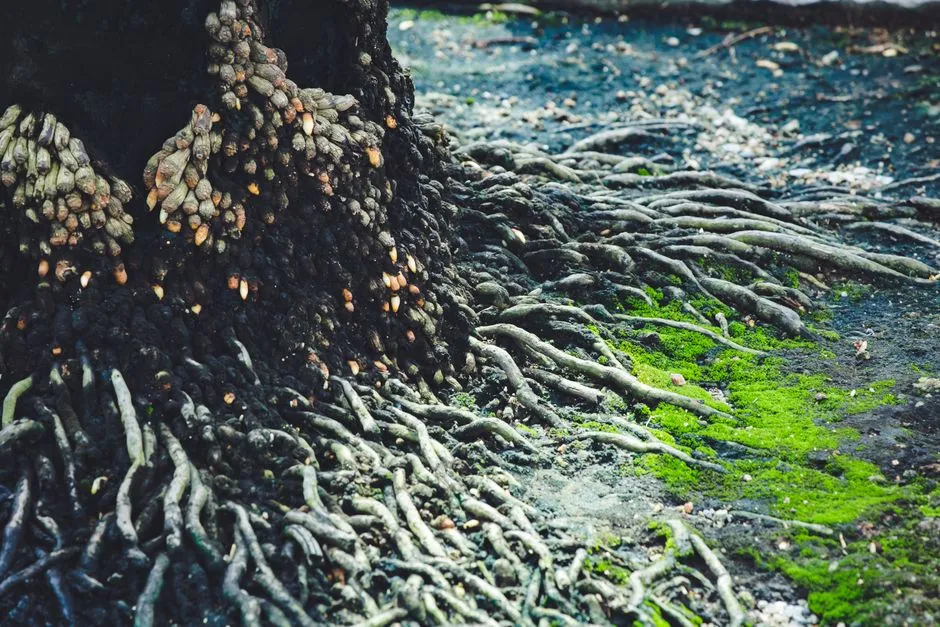
Root-knot nematodes can attack and parasitize numerous vegetable crops, causing moderate to severe swelling or galls on the roots. Infected roots are retarded in growth and lack fine feeder roots. Rotting of roots may develop late in the season.
Females begin laying eggs around 20 days after penetrating the host, and an average female will lay approximately 30 eggs a day for two weeks. The average life cycle is just 25 days. That’s a rapid reproduction rate, which explains how populations can build to damaging levels faster than most growers expect. Yield losses can range from 10 percent to more than 50 percent when susceptible cultivars are grown in fields with high densities of certain root-knot nematode species.
How to Use Cover Crops to Shift the Balance
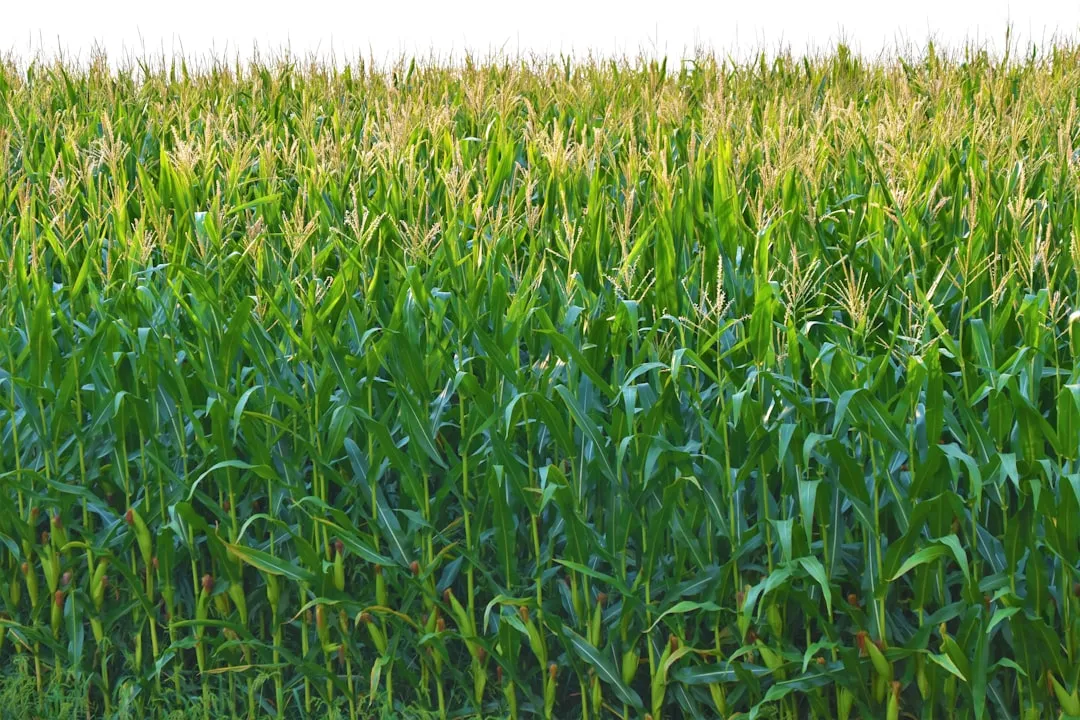
Research has shown that cover crops generally increase nematode abundances. The key is what kinds of nematodes they encourage. Cover crops can increase nematode abundance and trophic complexity by increasing primary productivity and diversifying basal resources.
If a few important agricultural principles are followed, such as carefully designed crop rotations and building soil organic matter content, nematode-induced yield losses can be drastically reduced while supporting nematode populations that will actually benefit your crops. Rotation combined with organic matter additions is one of the most practical and research-backed tools available to home gardeners and commercial growers alike.
How to Properly Test Your Soil for Nematodes
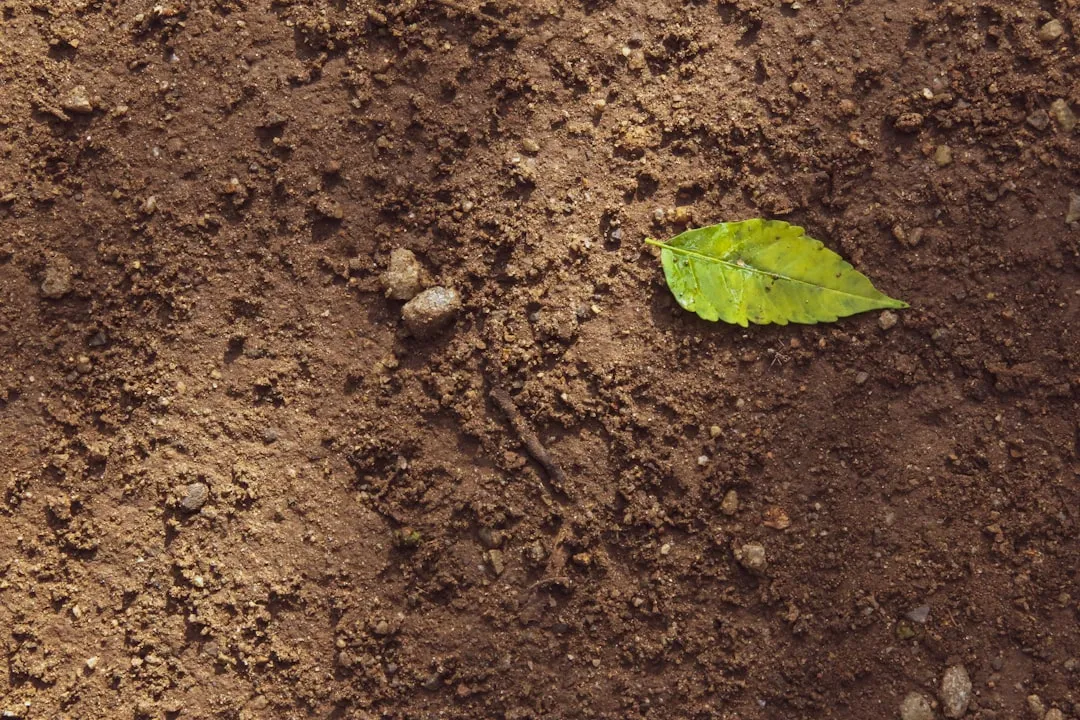
Whenever possible, collect soil from the root zone, roughly 10 to 15 cm deep, of growing plants, where plant-feeding nematodes will be concentrated. Samples should be taken around harvest time when nematodes are most active. Use a soil probe to sample 8 to 12 inches deep within the row. Samples should contain both soil and root fragments in order to isolate both ecto- and endoparasitic nematodes.
Sampling for nematodes is a crucial part of a comprehensive integrated pest management plan. Identifying and quantifying nematode species allows for targeted control measures, reducing the need for broad-spectrum chemicals and enhancing sustainable practices. Soil or soil and root samples should be submitted to a professional diagnostic laboratory for accurate identification.
Entomopathogenic Nematodes: Nature’s Pest Control
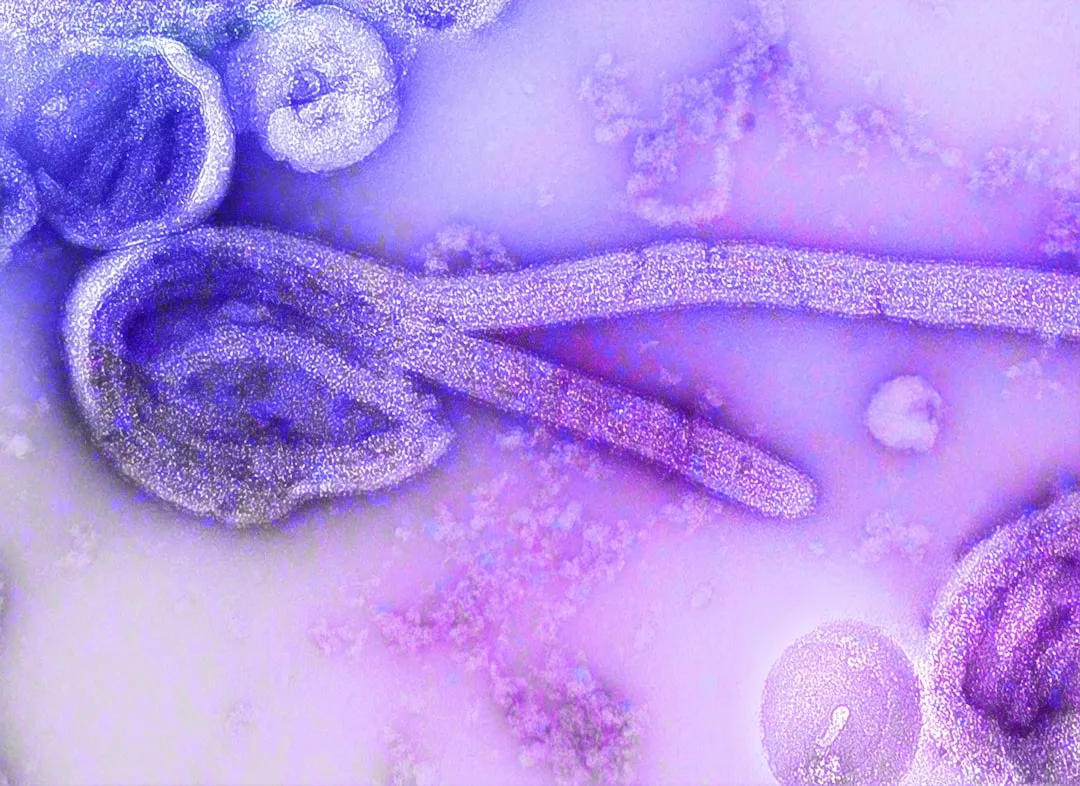
Free-living entomopathogenic nematodes are beneficial species capable of infecting and killing insects. Some strains have been produced at commercial scale for application to soil, where they either hunt or lie in ambush, ready to attack an insect host. Upon entering the host, these nematodes release symbiotic bacteria that produce insecticidal toxins, killing the insect within 24 to 48 hours.
Beneficial nematodes primarily target a multitude of soil-based plant pests as their hosts. These nematodes will parasitize and kill insects that are harmful to plants, and they are considered non-toxic to humans and pets. For gardeners looking for biological pest control options, commercially available entomopathogenic nematodes offer a well-studied and targeted approach.
Conclusion: Learn to Read What’s in Your Soil
The soil beneath your garden isn’t a uniform enemy or an unconditional ally. It’s a complex, living system where nematodes play roles on every level of the food web. Knowing which ones you’re dealing with, and why they’re there, changes the entire approach to soil management.
Rather than reacting to every crop problem with broad-spectrum treatments, the smarter path starts with a soil test and a bit of patience. Growers can use nematode analysis information to make informed decisions about managing these pests through chemical, cultural, or crop selection strategies. The difference between a struggling plot and a thriving one often starts just a few inches underground, with something you can’t even see with the naked eye.
AI Disclaimer: This article was created with the assistance of AI tools and reviewed by a human editor.