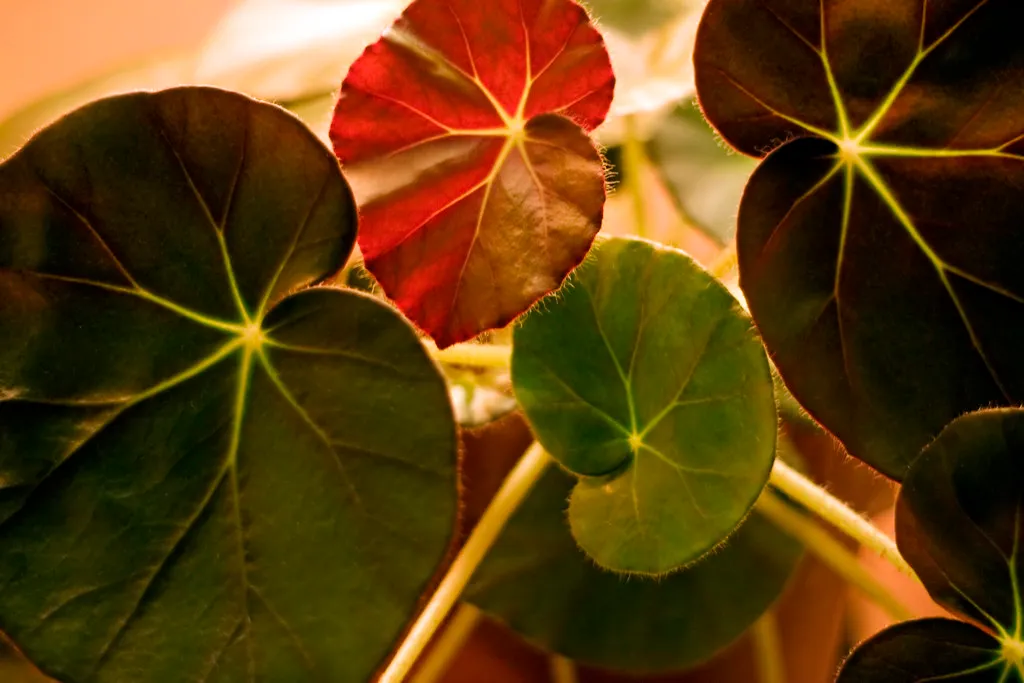

There’s something revealing about the plants people choose to obsess over. Most houseplant options are forgiving, easy, and cheerful. The fiddle leaf fig is none of those things. It drops leaves when you look at it wrong, sulks when you move it across the room, and rewards your careful attention with breathtaking, sculptural foliage. Picking this plant isn’t really about gardening. It’s a statement about how you approach challenges.
The persistence of fiddle leaf fig culture is striking. Predictions of its decline have circulated for years, yet the data keeps proving the skeptics wrong. Understanding why people continue to chase this difficult, demanding plant offers a surprisingly candid window into modern ambition, aesthetics, and the psychology of growth.
The Plant That Refuses to Die in Popularity
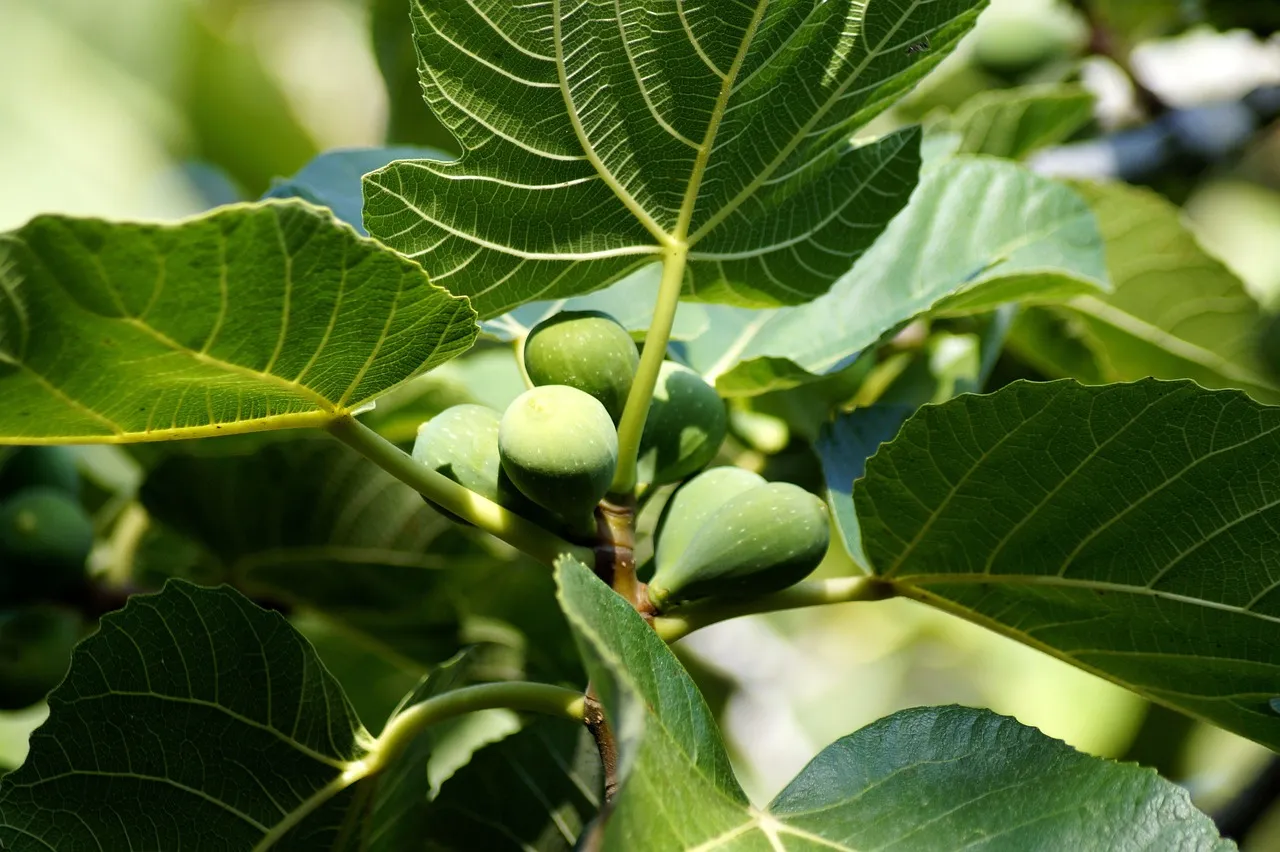
Google search data for indoor trees indicates a strong and consistent interest in “fiddle leaf fig,” significantly outperforming other indoor tree varieties in search interest over the past year. That’s not a small lead. Search interest values consistently range from 64 to 100, with peak interest reaching the top score in August 2025. For a plant that everyone has supposedly moved on from, those numbers are hard to dismiss.
Fiddle leaf figs have been popular for over a decade, making the plant one of the longest-trending houseplants in the modern interior decor era. Trends in home design rarely hold for that long. The fiddle leaf fig’s staying power is less about novelty and more about what it represents to the people who keep buying it.
A Plant With Genuine, Well-Earned Difficulty
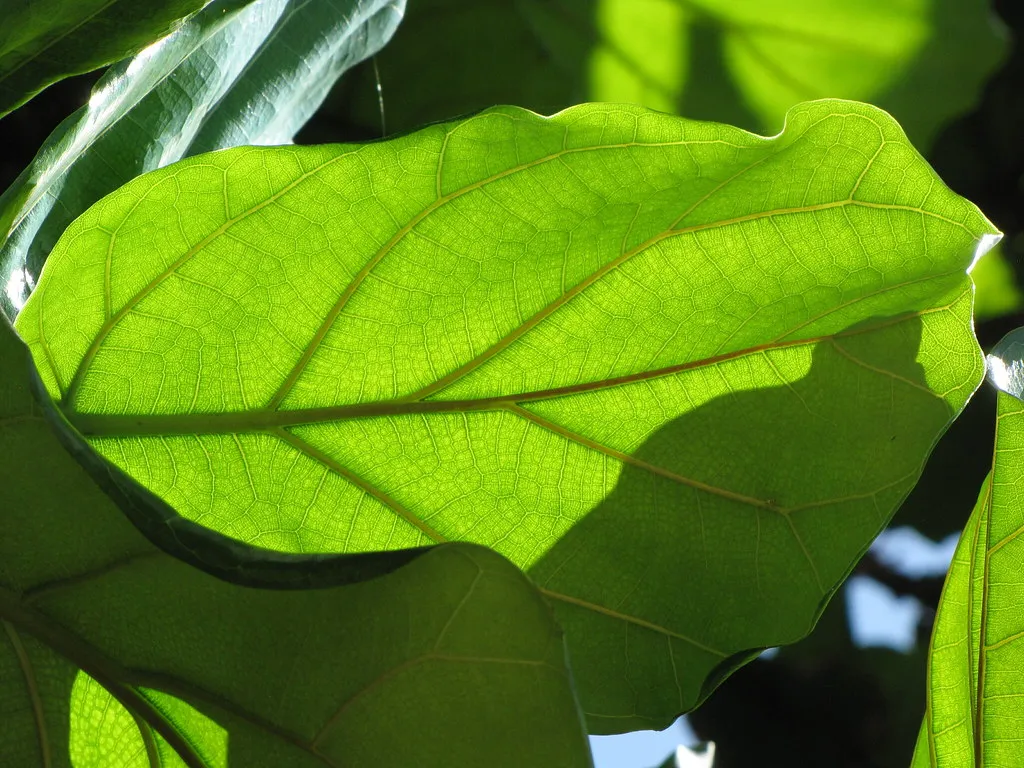
Fiddle leaf fig trees don’t like drafts, soil that is too wet, soil that is too dry, too much sun, not enough sun, or dry air. That list reads less like plant care advice and more like a personality assessment. Even if you have the space to grow one, a fiddle leaf fig can be a challenging plant to live with long-term, since this cold-sensitive rainforest native needs just the right conditions in order to thrive indoors.
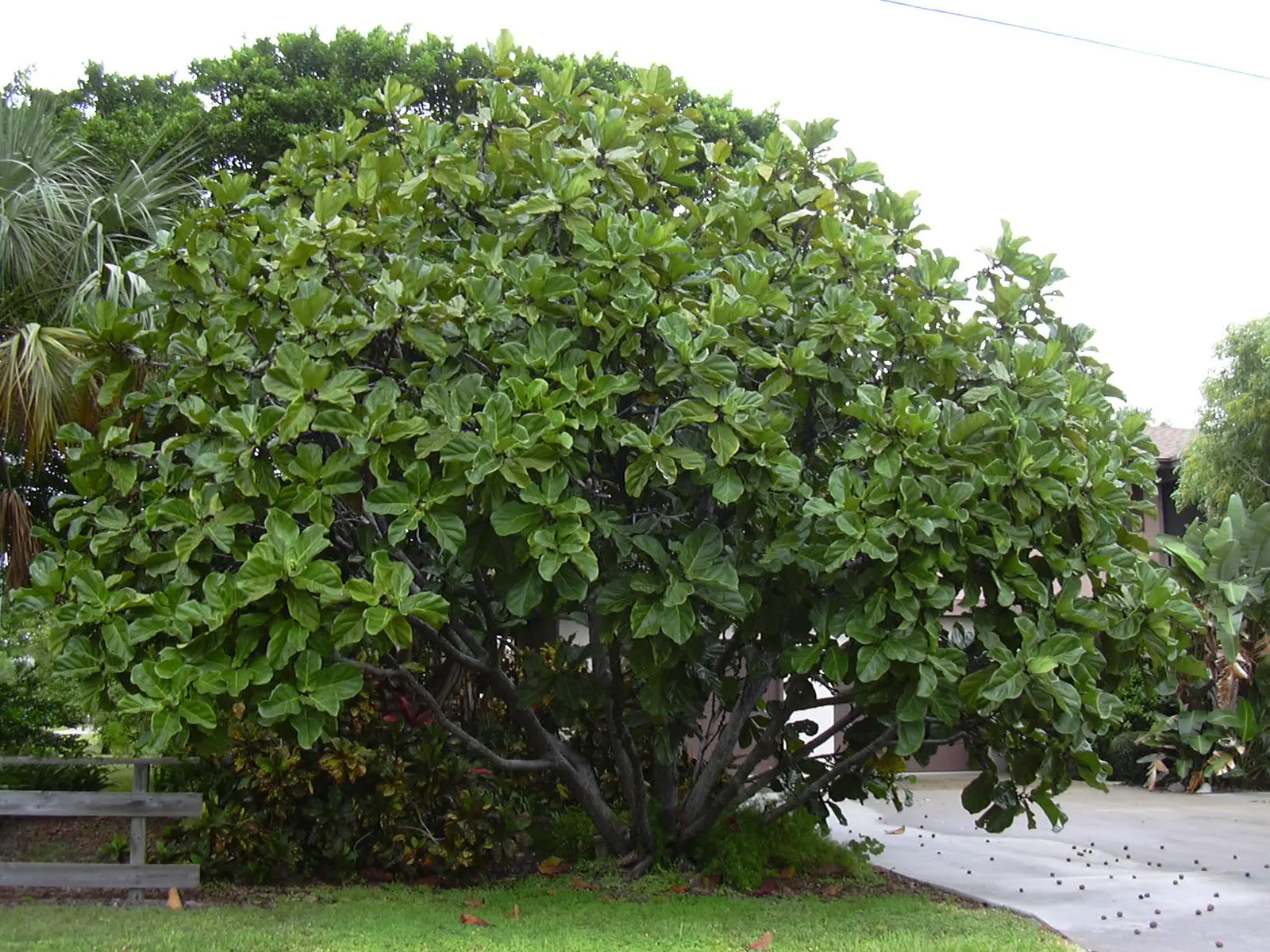
A member of the fig family, Ficus lyrata is native to West Africa where it grows in lowland tropical rainforests and can become a strong tree up to 40 feet tall. The plants grown in homes are immature and in their place of origin would be growing under the natural protection of a leafy tropical canopy. Taking something built for the jungle and placing it in a climate-controlled apartment is, to put it mildly, ambitious.
The Ambition Signal Hidden in Your Plant Shelf
Choosing a difficult plant when easier ones exist communicates something specific. Unlike other trendy houseplants, fiddle leaf figs are incredibly fussy, and it’s something of a surprise that they became so popular given that fussiness. People drawn to high-difficulty projects, whether at work or at home, often share a common trait: they find challenge motivating rather than discouraging.
Perfectionism is characterised by high standards and striving for excellence, but it also involves concerns over one’s own performance and dissatisfaction with one’s achievements. There is both a positive and a negative side to perfectionism. The fiddle leaf fig owner often lives in that space. The goal isn’t just a living plant; it’s a thriving one, with lush, upright, unblemished leaves. Anything less feels like failure.
Social Media Turned It Into a Measure of Success

The fiddle leaf fig’s large, glossy leaves create a statement, adding a touch of sophistication and natural beauty to any space, and social media platforms like Instagram and Pinterest have further fueled its popularity by showcasing these plants in stylishly decorated homes. The plant became less a living organism and more a prop in an aspirational lifestyle shoot.
Platforms like Instagram, Pinterest, and TikTok are filled with visually appealing content showcasing plant styling trends and home decor ideas, which not only increases awareness but also inspires consumers to purchase plants to recreate these looks. The “plantfluencer” community has played a key role by making indoor gardening feel more accessible to a younger, more engaged audience. The difference with fiddle leaf figs is that the bar stays high. A perfectly maintained specimen says: I am organized, patient, and I follow through.
The Market Behind the Obsession Is Enormous
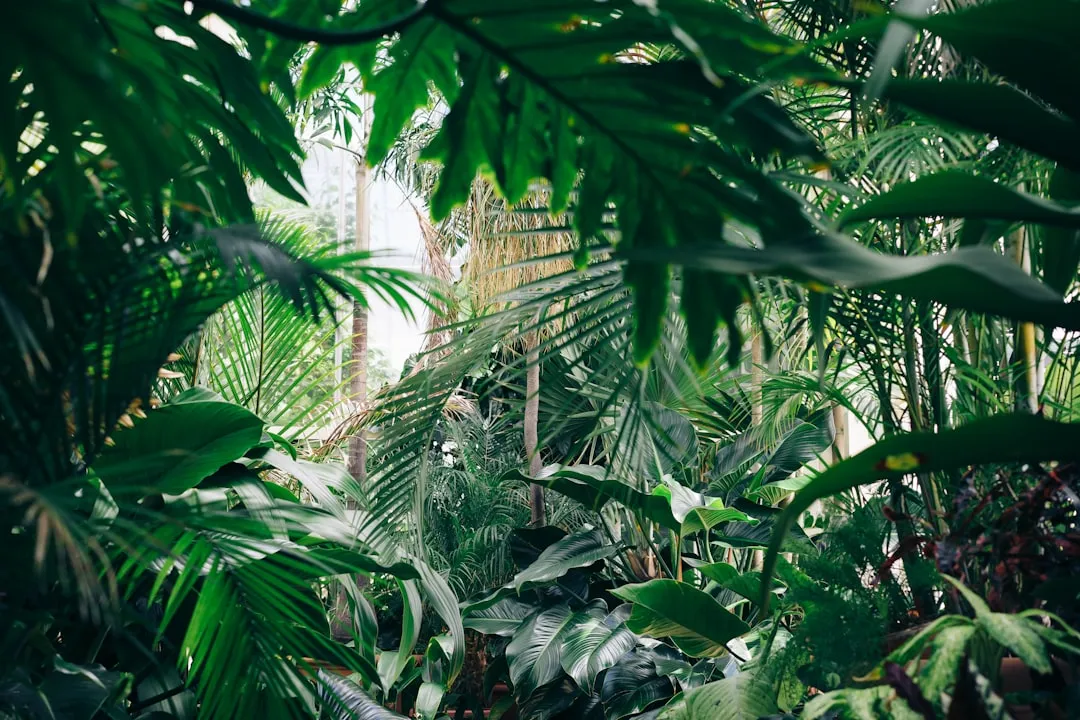
The indoor plant market is estimated at roughly 22 billion dollars in 2025 and is expected to reach over 27 billion dollars by 2030. That’s a global industry built, in significant part, on aspiration. This expansion is fueled by lifestyle shifts, hybrid work models, and a growing commitment to eco-conscious living, making indoor plants essential for enhancing both residential and commercial environments.
Houseplants like monstera and fiddle leaf fig have seen a roughly forty percent increase in popularity on social media platforms like Instagram over a recent multi-year period. The commercial machine surrounding the fiddle leaf fig is well-oiled. Specialty fertilizers, humidity trays, grow lights, premium soil mixes; the accessories industry mirrors the ambition of the people buying in.
Why Caring for It Becomes a Personal Project

Research found that participants who classified themselves as houseplant carers reported higher levels of mental well-being compared with non-carers, and that hours spent caring for plants, the number of plants owned, and the years of keeping plants were all positively associated with greater mental well-being and mindfulness. For the fiddle leaf fig owner, this effect is amplified. The plant demands daily attention, not passive appreciation.
Around sixty-five percent of plant owners reported that caring for houseplants helped them develop a routine or daily habit. For ambitious people who thrive on structure and measurable progress, a fiddle leaf fig offers exactly that. Every new leaf is a data point. Every brown spot is a problem to diagnose and solve.
The Sculptural Appeal Is Not Accidental
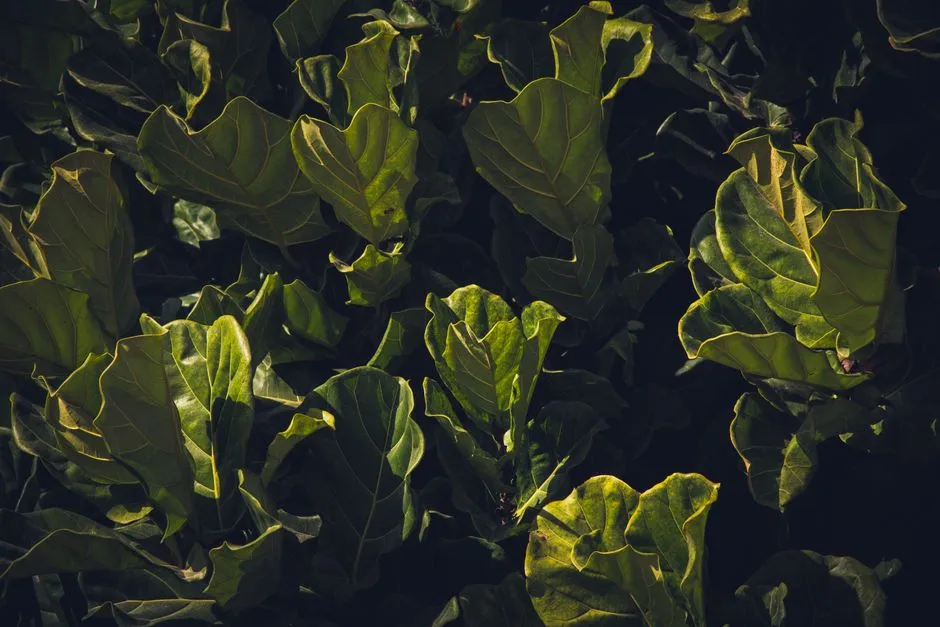
The fiddle leaf fig is interior design gold due to its striking, sculptural constitution; the thin trunk and big, lush leaves create an impeccable balance of negative space and immediately catch the eye. This is a plant that was practically designed by committee to look impressive in photographs. The visual payoff, when the care is done right, is genuinely spectacular.
Fiddle leaf figs grow between two and three feet per year under the proper conditions, which is taller than most houseplants ever grow. That visible, measurable growth rewards patience in a way that slower, subtler plants simply don’t. For people who are used to tracking output, watching that tree climb toward the ceiling offers real satisfaction.
When Perfectionism Becomes a Trap
The relationship between ambition and the fiddle leaf fig isn’t always a healthy one. If you’ve ever owned a fiddle leaf fig and watched leaves drop or even the plant die altogether, this is not necessarily an indication that you are not an excellent plant parent. There’s just a little extra attention needed. That framing matters, because plenty of people quietly abandon their wilting specimen and never talk about it.
Critics note that fiddle leaf figs have become so common and frequently get leggy, leaving them looking far less than their best most of the time. There’s something honest in that observation. The gap between the editorial image and the actual plant in your corner is often wide. Ambitious people who struggle with that gap tend to be the ones who try the hardest, and take it the most personally when results fall short.
The Challengers Arriving in 2025 and 2026
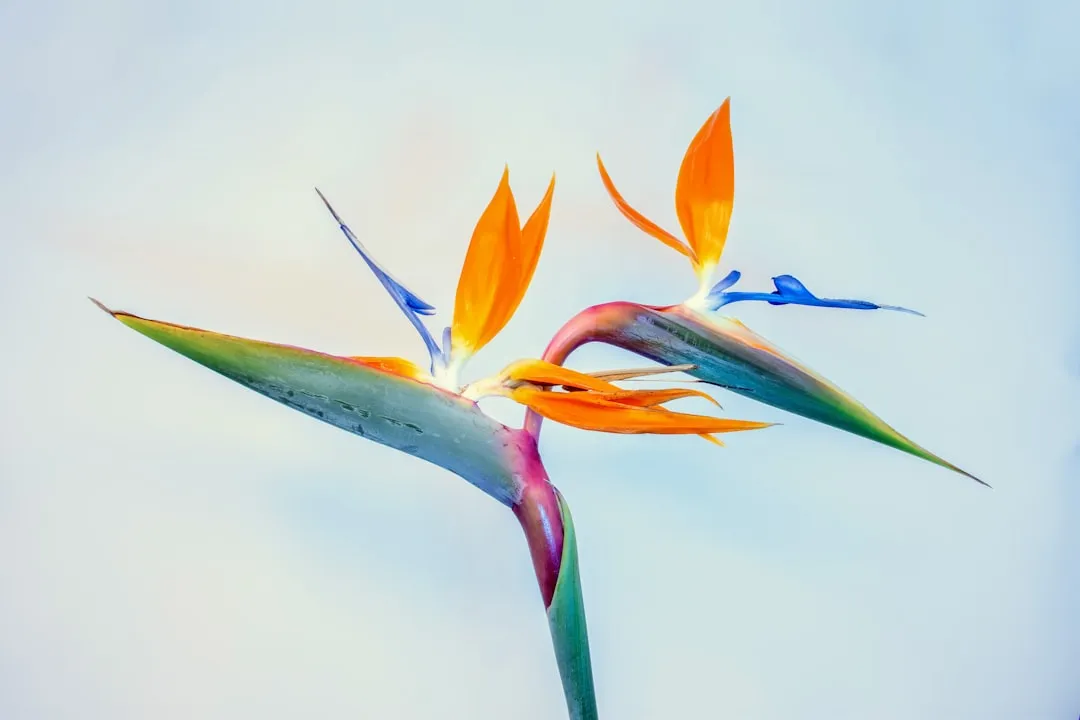
Many plant lovers are looking for new ways to refresh their interiors, and if your fiddle leaf fig feels a little too familiar, you are not alone. Many plant enthusiasts are seeking new options that fit modern lifestyles. The competitive landscape for statement plants is shifting. The white bird of paradise is emerging as a strong alternative, and with its dark green graceful foliage and towering height, this plant brings a dramatic vertical presence to any space.
Still, newcomers haven’t displaced the fiddle leaf fig’s cultural weight. The Bambino Fiddle Leaf Fig, a dwarf compact variant, is itself trending as a houseplant celebrated for its compact size, unique aesthetic, and lower-maintenance care. The brand is evolving, not disappearing. That, too, says something about ambition: it adapts rather than fades.
What the Long-Term Relationship With This Plant Reveals
The vast majority of millennials who own houseplants believe those plants improve their home’s aesthetic. With the fiddle leaf fig, aesthetics and effort are inseparable. You don’t get the look without doing the work. That contract, effort in exchange for beauty, is one that genuinely ambitious people find meaningful rather than exhausting.
The psychological improvement associated with plant care could be due to distraction, novelty, caring for something, perceived control, or improved air quality. For fiddle leaf fig owners, perceived control is probably the most resonant factor. This plant gives you a thousand small ways to demonstrate competence. Get the light, the water, the humidity, and the location right, and the plant rewards you with evidence that your attention to detail actually works.
In the end, a fiddle leaf fig is not a low-stakes hobby. It’s a mirror. The people who keep going back to it, replanting after failure and reading care guides at midnight, tend to be the same people who refuse to give up on other difficult, worthwhile things in their lives. The plant doesn’t prove your ambition. It reflects it.
AI Disclaimer: This article was created with the assistance of AI tools and reviewed by a human editor.